Rates at Big Meadows Lodge start around $150-$250 per night depending on the season and room type, and in-park lodges routinely book 12+ months out for fall foliage weekends. If you're figuring out where to stay when visiting Shenandoah National Park, the decision comes down to one core trade-off: waking up inside the park versus driving in each morning. Both options have their place. The right call depends on your trip dates, budget, and tolerance for the 10°F temperature difference between the mountain and the valley below.
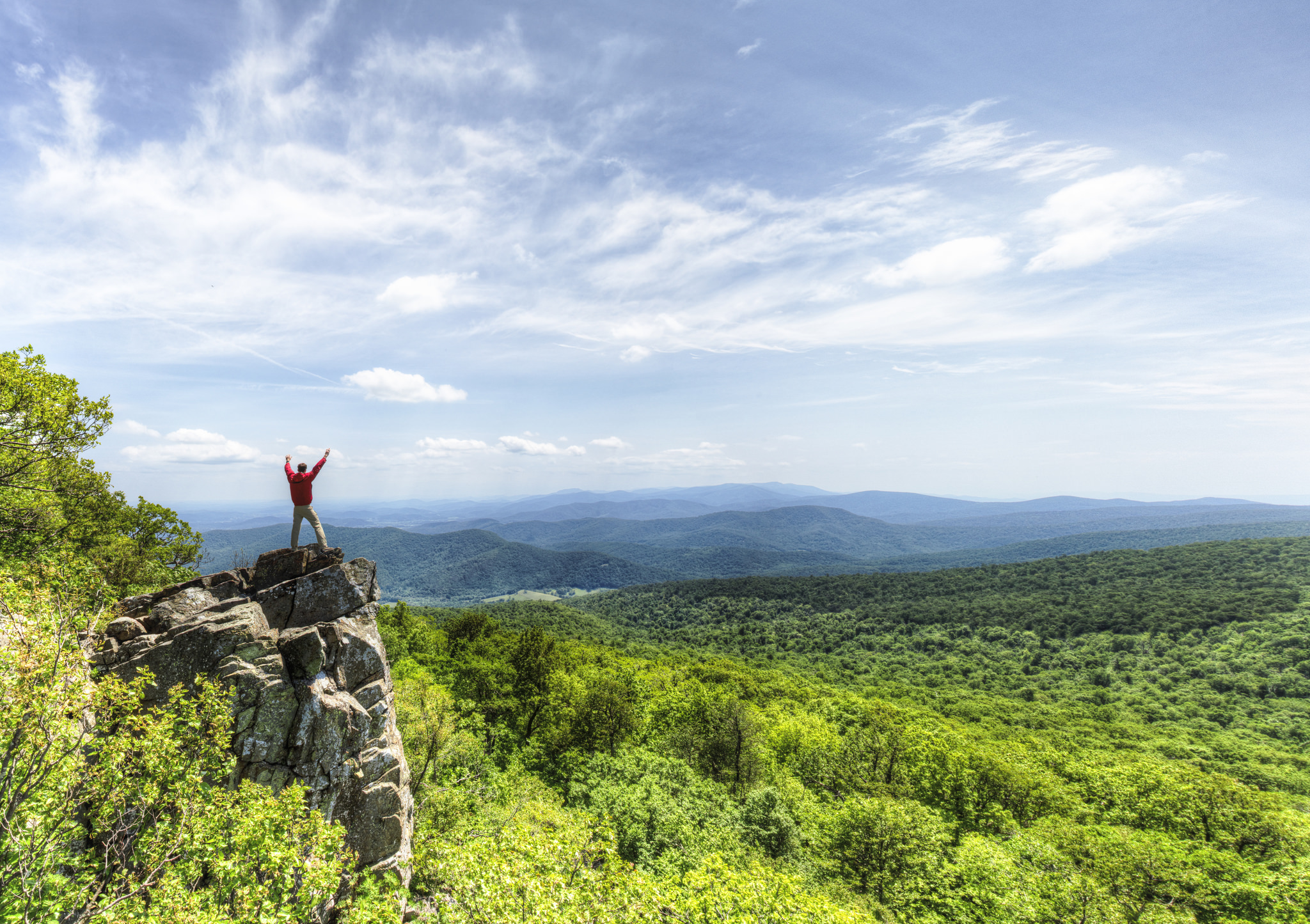
NPS via NPS.gov (Public Domain)
Shenandoah National Park Lodging: Where to Stay When Visiting
11 min read
Lodging Guide
In-park lodges at Shenandoah National Park book 12+ months out for fall foliage weekends, with Big Meadows Lodge rates around $150-$250 per night.
This article contains affiliate links — we may earn a small commission at no extra cost to you.
This guide covers every in-park lodging option, the gateway towns worth your time, and the booking strategy that keeps you from sleeping in a chain hotel an hour from the nearest entrance. For the bigger picture on navigating the park itself, our complete visitor guide covers maps, entrances, and trip planning. If tents and RVs are more your speed, the camping options page breaks down each campground's specifics.
Inside the Park: Worth It?
Yes, with caveats.
The upside is straightforward. You wake up on Skyline Drive. You catch sunrise at an overlook without a 45-minute drive from town. You come back to your room for a midday break when the summer humidity peaks. You have dinner without navigating mountain roads in the dark. For anyone visiting June through September, when afternoon thunderstorms are common and the parking lots at popular trailheads fill by 8 AM, staying inside the park eliminates most of the friction.
The downsides are real. The rooms are not luxury accommodations. They are National Park Service concessionaire lodges, which means the furnishings are functional, the walls are thin, and the price per night is higher than a comparable room in town. Availability is the real problem. Fall weekends book solid a year in advance. Summer weeks fill six to eight months out. Winter and early spring are easier, but some facilities close entirely from November through April.
There are two in-park lodging properties: Big Meadows Lodge and Skyland. Big Meadows Lodge sits at mile 51 near the center of the park, right next to the Big Meadows area. Skyland is a few miles north near mile 42. Between them, they cover roughly the middle third of the park. If you're hiking near the northern or southern entrances, you'll still have a drive.
Big Meadows Lodge
Big Meadows Lodge is the more interesting of the two properties. It sits at mile 51, perched at around 3,500 feet elevation, right at the edge of the Big Meadows clearing. The lodge building itself was built by the Civilian Conservation Corps in the 1930s, and the stone-and-wood construction gives it a character that chain hotels cannot replicate. The main lodge contains the lobby, dining room, and a handful of rooms. Detached cabins spread out from the main building into the surrounding forest.
Room types run from basic to comfortable. The traditional rooms in the main lodge are small, with twin or double beds, and the bathrooms are compact. These are the least expensive option and the ones that feel most like a historic park lodge. Preferred rooms are larger and have been updated more recently - better bedding, better lighting, and in some cases better views. The detached cabins offer the most privacy. Some have private porches. A few have gas fireplaces. The pet-friendly rooms are in the cabin category, and they book especially fast.
Rates as of 2026 range from approximately $150 for a traditional room in the off-season to $300 or more for a premium cabin during October. These are ballpark numbers. Rates vary by demand and by room category, and the concessionaire adjusts pricing dynamically.
The booking window is the critical detail. Big Meadows Lodge opens reservations on a rolling basis approximately 13 months in advance. For a mid-October weekend, rooms are gone within hours of the booking window opening. For a Tuesday in June, you have more flexibility but should still book at least four months ahead. The cancellation policy is typically 48 hours for a full refund, but check the specific terms at booking.
What you get for the price: a room, access to the lodge's common areas, and a location that puts you a five-minute walk from the Big Meadows amphitheater, ten minutes from the Big Meadows Wayside for meals, and right on Skyline Drive. You do not get air conditioning in most rooms - the elevation makes it unnecessary for most of the year, but if a late July heat wave pushes temperatures on the mountain into the 80s, the rooms get stuffy. You do not get televisions in most rooms. Cell service is unreliable at the lodge itself.
Dining on property: The Big Meadows Dining Room serves breakfast, lunch, and dinner. The food is solid park lodge fare - burgers, trout, fried chicken, pasta. Nothing memorable, nothing terrible. The Big Meadows Wayside, a short walk away, offers grab-and-go sandwiches, burgers, and a small market for snacks and supplies. The Wayside is open seasonally, typically May through October.
The room worth the premium: Book one of the detached cabins if you can. They cost more, but the privacy, the porch space, and the reduced noise from neighboring rooms make a noticeable difference. The main lodge rooms are fine for one night. For a multi-night stay, the cabin premium is money well spent.
Skyland
Skyland sits at approximately mile 42, near the highest point on Skyline Drive at 3,680 feet. It is the larger of the two properties, with more rooms and a bigger dining operation. The architecture is similar - stone and wood, CCC-era construction - but the layout is more spread out, with rooms in multiple buildings along the ridge.
Room types at Skyland parallel Big Meadows Lodge: standard rooms, premium rooms, suites, and a few cabins. The standard rooms are compact and dated. The premium rooms and suites have been renovated in recent years, with better mattresses, updated bathrooms, and in some cases private balconies facing the Shenandoah Valley. The suites add a sitting area and, in a few cases, a fireplace.
Rates are comparable to Big Meadows Lodge, with standard rooms starting around $140 in the off-season and premium suites reaching $350 during peak periods. Same dynamic pricing applies.
The booking reality is identical to Big Meadows Lodge. Openings roll 13 months out. Fall weekends disappear immediately. Summer weeks go by month six. Spring and late fall have more availability but carry a higher risk of cold weather and Skyline Drive closures due to ice.
What Skyland does better than Big Meadows: the views. The property sits closer to the western escarpment, and several of the premium rooms and the dining room have direct valley views. The dining room at Skyland is slightly larger and has a better reputation for dinner service.
What Skyland does worse: proximity to trailheads. Big Meadows sits at a major trail network hub, including access to the Appalachian Trail. Skyland is more isolated in that sense, though several shorter trails start nearby.
Dining on property: The Skyland Dining Room serves three meals a day with a similar menu to Big Meadows. There is also a grab-and-go market for lighter options. The coffee shop in the main building opens early, which is useful for hikers wanting to get on the trail before the sun is fully up.
Current status note: As of 2026, the charging stations at Skyland are out of service. EV drivers should plan to arrive fully charged and use the Big Meadows gas station - the only fuel station in the park - for any top-ups.

Gateway Town Options
If the in-park lodges are full - which they will be for fall weekends and most of July and August - the gateway towns become your backup. The key is choosing the right town for your entrance point.
The park has four entrances running north to south: Front Royal (north), Thornton Gap, Swift Run Gap, and Rockfish Gap (south, also the northern terminus of the Blue Ridge Parkway). The park stretches 105 miles. A room in Front Royal when you plan to hike near Swift Run Gap means a 90-minute drive up Skyline Drive each way. Do not underestimate this distance.
Front Royal (Northern Entrance)
Front Royal is the largest gateway town and the most convenient for the northern third of the park. It has the widest range of lodging options, from budget chains to independent inns.
Budget options (under $100/night): Chain hotels along Route 340 - Super 8, Quality Inn, Days Inn. These are basic, clean, and predictable. The trade-off is you are 10 minutes from the Front Royal entrance station, which is an excellent deal for the money. Most of these properties include a basic breakfast.
Mid-range ($100-$160/night): The Front Royal area has several independent motels and bed-and-breakfasts that offer better quality than the budget chains. Look for properties near Main Street for walkable access to restaurants and shops. The distance to the park entrance is still under 15 minutes.
Premium ($160+/night): A few historic inns and boutique properties in and around Front Royal offer nicer rooms with more character. These book well ahead for fall weekends, sometimes nearly as fast as the in-park lodges.
Thornton Gap and Luray
Luray, Virginia, is the primary town near the Thornton Gap entrance and the park's official mailing address. It sits in the Shenandoah Valley about 15 minutes from the entrance station. The drive from Luray to Skyline Drive is straightforward, and the town itself has a proper downtown with restaurants, a grocery store, and the popular Luray Caverns.
Budget options: Chain hotels cluster along the main commercial corridor. Expect $80-$120/night for standard rooms at properties like the Comfort Inn or Days Inn. These are functional and close to the entrance.
Mid-range: Several independent motels and smaller inns offer better value than the chains. The Mimslyn Inn is the historic property in the area, with rooms starting around $150-$200/night. It has a good restaurant on site and a pool.
Premium: A few vacation rentals and farm stays in the area around Luray offer higher-end accommodations, often with mountain views and more space. These tend to be listed on vacation rental platforms and vary widely in quality.
Swift Run Gap Area
Swift Run Gap (mile 65) is the least developed entrance. There is no significant town immediately adjacent. The nearest services are in Elkton or Stanardsville, both small towns with limited lodging options. This entrance is most useful for accessing the central-southern part of the park, including the area around Blackrock Summit and the southern end of the Big Meadows region.
Practical reality: If you are using the Swift Run Gap entrance, your best bet is to stay in Luray and drive south on Skyline Drive, or stay in Charlottesville and drive north. Neither is ideal, but there are very few lodging options within 10 miles of this entrance.
Rockfish Gap (Southern Entrance)
Rockfish Gap is the southern boundary of Shenandoah and the northern start of the Blue Ridge Parkway. The nearby town is Waynesboro, Virginia, roughly 10 minutes from the entrance station. Waynesboro is a small city with a full range of lodging options, from budget chains to a few independent properties.
Budget options: Chain hotels along the I-64 corridor. Rooms typically $80-$110/night.
Mid-range: A few bed-and-breakfasts and historic homes converted to lodging near downtown Waynesboro. These offer better atmosphere for roughly $130-$180/night.
Premium: The premium options here are limited. There is no luxury lodge equivalent in Waynesboro. The closest high-end accommodations are in Staunton, about 25 minutes west, or Charlottesville, about 30 minutes east.

Booking Strategy
The single most important thing to understand about Shenandoah lodging: the in-park lodges sell out first for fall foliage (September 20 through October 25), then for June through August weekends, then for spring bloom (mid-April through May). If you want an in-park room during those windows, you book the day the reservation window opens, 13 months out. Not the next week. Not the next month. That specific day.
For in-park lodges: Big Meadows Lodge sells out before Skyland for most dates because of its central location and proximity to the most trailheads. If Skyland has availability when Big Meadows does not, take it. The 10-mile difference in location is minor compared to the drive from town.
For gateway towns: Book three to six months ahead for summer and fall visits. Front Royal and Luray fill fastest. Waynesboro has more availability because it is at the southern end of the park and sees less traffic from D.C.-area visitors.
Cancellation policies: In-park lodges typically require 48 hours notice for a full refund. Gateway hotels vary by chain. The independent inns and B&Bs often have stricter policies, especially during October. Read them before booking.
Shoulder season strategy: April, early May, late October, and November are excellent times to find last-minute availability at both in-park lodges and gateway towns. The weather is less reliable - expect rain in spring and cold in late fall - but the crowds thin considerably, and rates drop. The mountain sits roughly 10°F cooler than the valley, so April on Skyline Drive still feels like late winter.
Last-minute bookings: If you are trying to book within two weeks of your visit, you are limited to the budget chain hotels in Front Royal or Waynesboro, or vacation rental leftovers. In-park rooms at that point are almost certainly unavailable unless someone canceled within the 48-hour window.

Practical Takeaways
- In-park lodges open reservations 13 months out. For October visits, book on day one. For June through August, book within the first week of the window opening. For April, May, September, and November, you have a few weeks.
- Big Meadows Lodge is the better base for hiking. It sits at mile 51, closer to the densest trail network. Skyland is better for views and quieter evenings.
- The detached cabins at Big Meadows Lodge are worth the extra cost. The main lodge rooms are small and dated. Cabins give you space, privacy, and a better night's sleep.
- Front Royal and Luray are the two gateway towns that matter. They serve the northern and central park. Swift Run Gap has almost no nearby lodging. Waynesboro is a distant third option for the southern end.
- The temperature difference matters for packing. The mountain is consistently 10°F cooler than the valley. That means a summer night at Big Meadows Lodge might dip into the 50s while Luray is in the 70s. Bring layers even in July.
- Fall foliage is the dominant booking factor. October weekends at both in-park lodges and gateway hotels are the hardest reservations to secure in the entire park. Plan accordingly or plan for a different season.
- Camping is a separate option entirely. If the lodges are full and the hotels are expensive, the park's campgrounds offer a lower-cost alternative. Our camping options guide covers the specifics, including which campgrounds accept reservations and which are first-come, first-served.
For more information, see our complete National Park Guide.
Related: shenandoah hiking trails guide
Recommended Gear
What experienced visitors bring to Shenandoah National Park Lodging: Where to Stay When Visiting
Links may earn us a commission at no extra cost to you. We only recommend gear we believe in.
Hiking Essentials
Hydration Pack (3L)
Hands-free water for long trail days
Trekking Poles (Pair)
Save your knees on steep descents
Hiking Boots (Ankle Support)
Sturdy footwear for rocky, uneven trails
Sun & Heat Protection
Wide-Brim Sun Hat
Full coverage UPF 50+ protection at altitude
Winter Gear
Microspikes / Traction Devices
Essential for icy rim trails in winter months
Packable Down Jacket
Lightweight warmth that stuffs into a pocket
Sources
- Official source: National Park Service nps.gov/shen/index.htm
Photo Gallery
More to Explore
Park Guide
Acadia National Park: Carriage Roads, Cadillac Mountain & 2026 Guide
Discover carriage roads, Cadillac Mountain, and rugged Maine coast. Complete 2026 guide to Acadia National Park — trails, fees, lodging, permits, and what rangers recommend.
Hiking Guide
Grand Canyon Hiking Trails: Day Hikes, Water Sources & Rim to Rim
Compare Grand Canyon hiking trails: Bright Angel, South Kaibab, Hermit, Grandview, and rim to rim, with distances, elevation, water stops, and trailhead access for each.
Best Of
Best of Glacier Bay National Park
The best of Glacier Bay is reached by boat: ranger-led day tours up the bay to the tidewater glaciers. What's worth it, how to book, and when to go (2026).
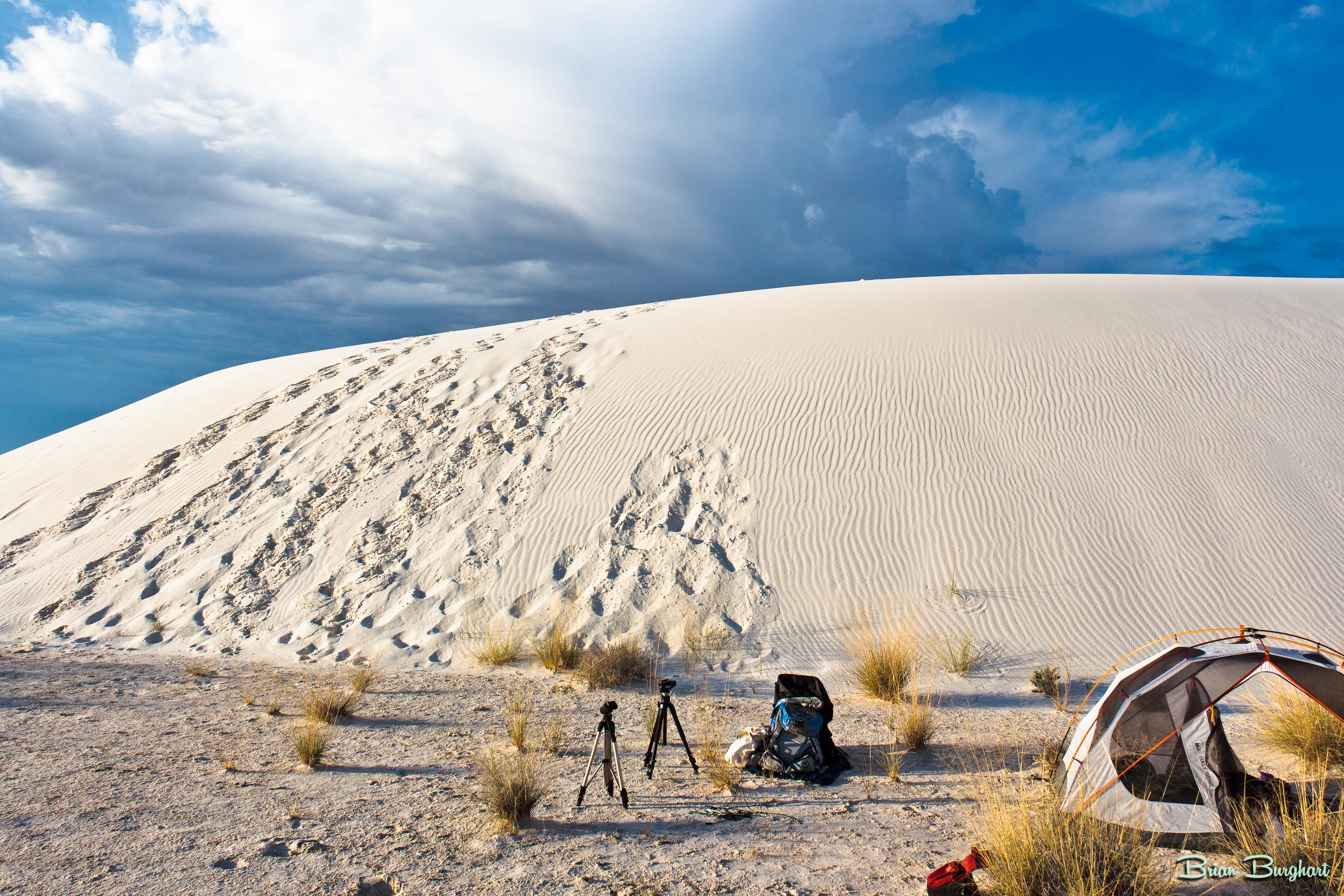
Campsite Guide
White Sands Backcountry Camping: Closed for 2026 — What to Know
As of 2026, backcountry camping at White Sands National Park is closed for site rehabilitation. What that means, and where to camp nearby instead.
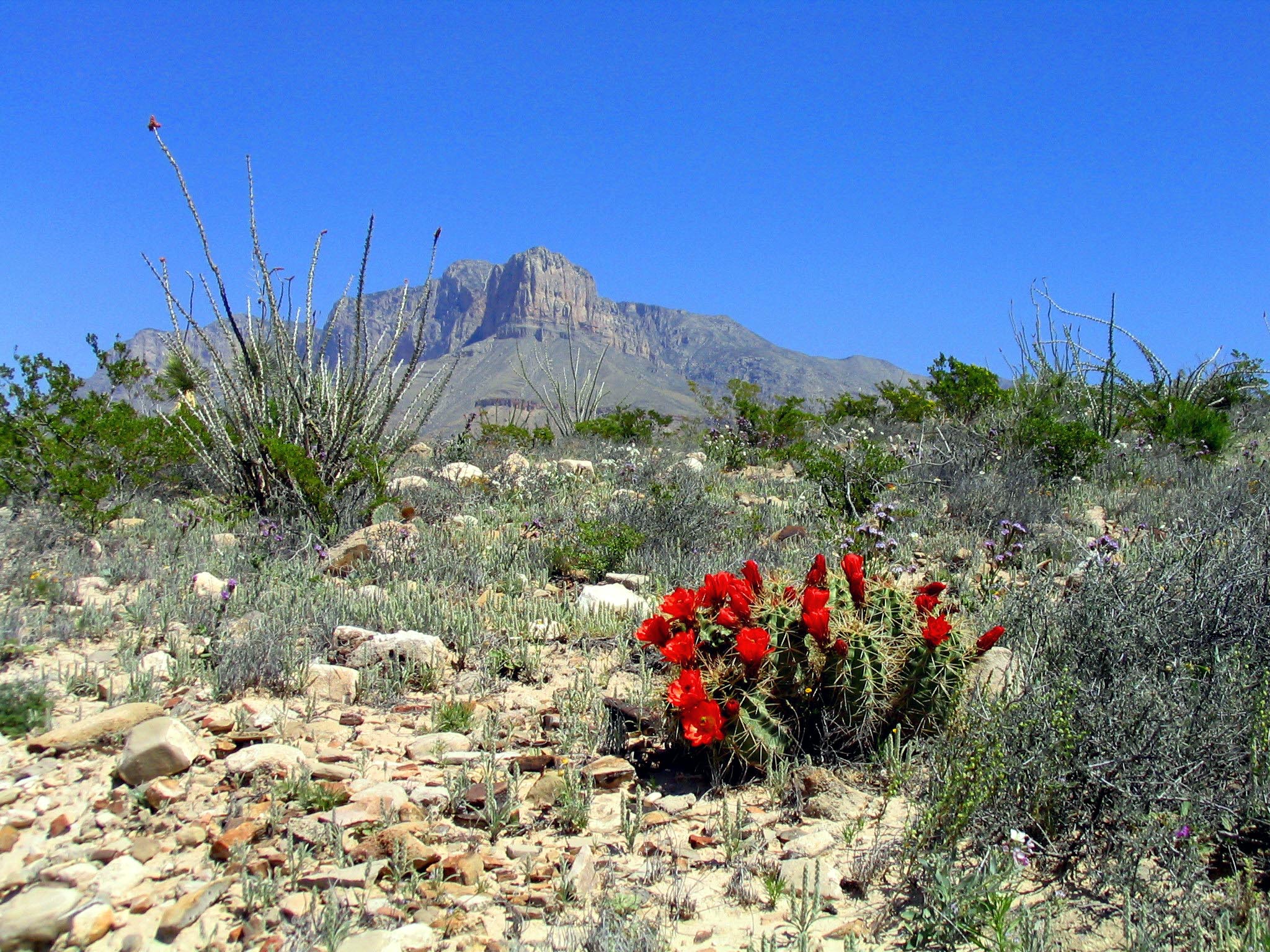
Weather Guide
Guadalupe Mountains National Park Weather: Weather
Guadalupe Mountains National Park: weather guide guide updated 2026. Practical visitor information, reservations, and seasonal tips worth bookmarking before
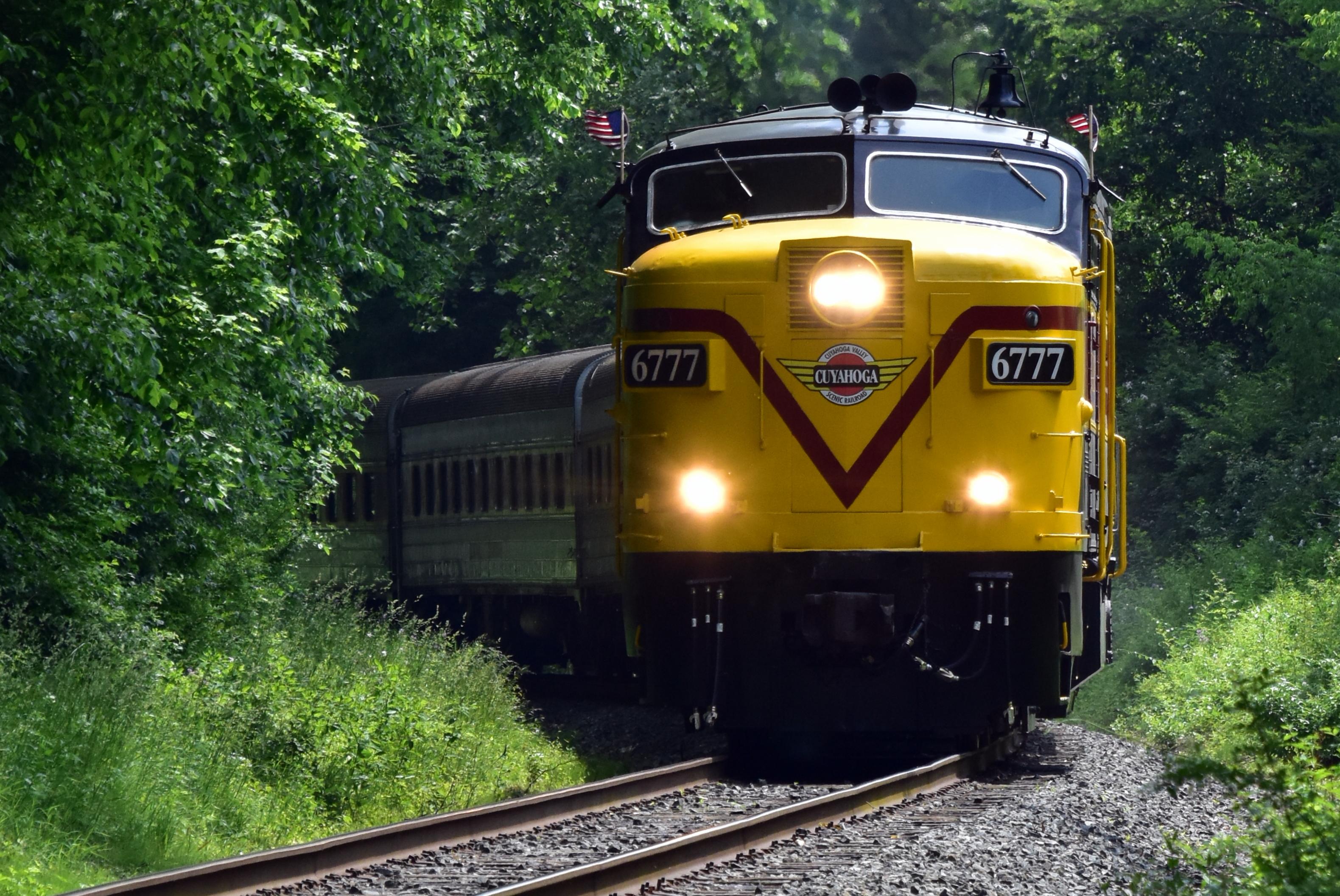
Best Of
Best of Cuyahoga Valley National Park: Best Things to Do
Seeing a Cleveland Orchestra concert with the woods as your backdrop is a uniquely Cuyahoga Valley experience.
Sign in to join the conversation.
Sources & Attribution
Location data courtesy of the National Park Service (U.S. Department of the Interior). NPS data is public domain. Official NPS page.
Images: NPS; NPS; NPS; NPS; NPS.
Map data © OpenStreetMap contributors.
Park operations alerts: NPS.gov · Weather and weather hazards: National Weather Service · Live conditions.
Information may change. Always verify fees, hours, and conditions directly with the official source before visiting.
Did this guide help? Share it with a friend.