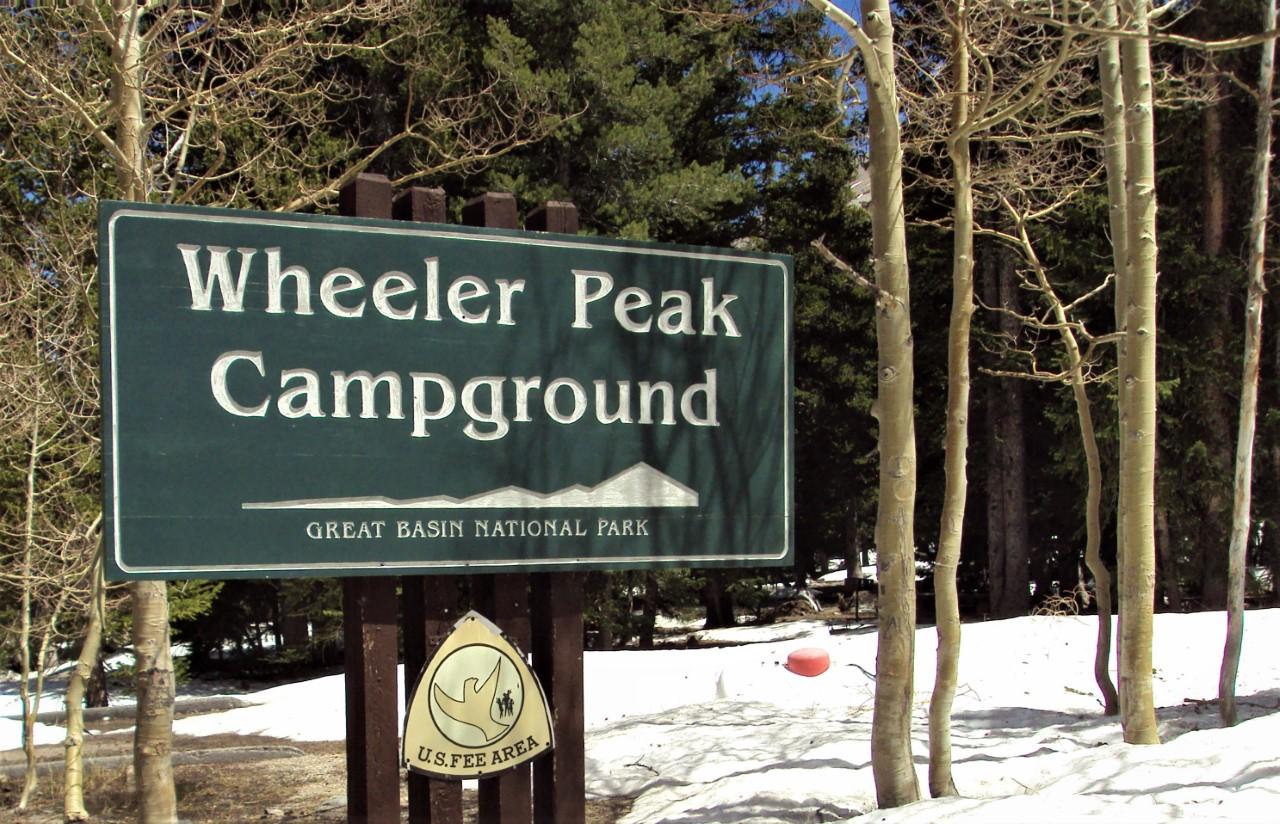
You roll into the parking lot at 9,886 feet, and the air is thin enough to remind you with every breath. This is Wheeler Peak Campground, the highest-elevation campground in the entire National Park System. It sits in a grove of aspens at the end of the Wheeler Peak Scenic Drive, directly beneath the 13,063-foot peak that gives the place its name. The campground opens for the 2026 season on May 25, and if you're planning a trip into Great Basin's alpine zone, this is your only place to legally pitch a tent up here.
NPS via NPS.gov (Public Domain)
Campsites at Wheeler Peak Campground (2026 Guide)
6 min read
Campsite Guide
Nevada's last glacier sits in a cirque under Wheeler Peak. The trail is 4.8 miles round trip with about 1,040 feet of elevation gain.
Your plans
For more, see Campsites at Dump Station (2026 Guide).
But there's a catch - actually several. No potable water anywhere in the campground. Reservations open just one day in advance. And the weather at this altitude does not mess around, even in July. This guide covers everything you need to know before booking a site at Wheeler Peak Campground in 2026, including current conditions, trail access, and the one thing the park website doesn't emphasize enough.
About Wheeler Peak Campground
Elevation and Climate
At 9,886 feet, you are well above the treeline in some sections. The campground itself sits in a mixed stand of aspen and conifers, but the surrounding landscape is exposed granite and alpine tundra. Expect overnight lows in the 30s even during summer months. Afternoon thunderstorms build quickly and frequently. Rangers will tell you that lightning is a real hazard on the exposed ridges above camp. Pack a winter-ready sleeping bag if you're visiting before August.
The research data shows the campground is open in the shoulder season until the first significant snowfall. In 2026, the winter closure ended May 25, so you can start booking sites for late May onward. But don't assume summer weather - snow has fallen in every month of the year at this elevation.
Fees and Reservations
The nightly fee is $20.00, as of 2026. That's one of the more affordable campground fees in the park system for a site with no water and no hookups. Reservations are available one day in advance through Recreation.gov. The research notes that reservations are "available one day in advance," which means you cannot book months ahead like many other NPS campgrounds. This is both a blessing and a curse - you won't see sites snatched up six months out, but you need to be flexible with your plans.
There are no electric hookups, no sewer connections, and no dump station at Wheeler Peak. The nearest dump station is at the park's main dump station for $10, but that's a 12-mile drive back down the scenic drive.
Site Details
The exact number of sites at Wheeler Peak Campground isn't listed in park records - it's a smaller campground compared to Baker Creek's 37 sites down lower. What you get here are individual tent or small RV sites (nothing oversized), each with a fire ring and picnic table. Vault toilets are the only facilities. There are no showers, no running water, and no trash bins - pack out everything.
The parking situation here is tight. Each site accommodates one vehicle only. Overflow parking is limited. If you're towing a trailer, you'll want to check the maximum length; the road up is winding and narrow in spots.

Getting There and What to Expect
Directions
From the town of Baker, Nevada, take Highway 488 east into the park. Just past the entrance station, turn right onto the Wheeler Peak Scenic Drive. It's 12 miles to the end of the road, where the campground is located. The drive climbs over 3,000 feet in those 12 miles, with several switchbacks and a few tight corners. RVs and trailers should take it slow.
Cell service drops out about halfway up the scenic drive. Do not expect to stream anything or make calls from the campground. The Great Basin Visitor Center at the park entrance has better signal, but even that is spotty.
Current Access (May 2026)
As of late May 2026, the Wheeler Peak Scenic Drive is closed at Mather Overlook due to snow, according to park alerts. That means the campground is not yet accessible by vehicle. The winter road closure typically extends into late May or early June, depending on snowpack. By the time you read this, the road may be open - check the park's road conditions before you drive up.
Additionally, Snake Creek Road is closed for the season at the park boundary. That road provides access to some trails, but not directly to this campground.

Activities from Wheeler Peak Campground
You came here to hike. The trailhead at the end of the scenic drive - the Bristlecone, Alpine Lake and Sky Island Forest Trailhead - connects to several iconic routes. Here are the ones you can reach directly from camp.
Hike to Wheeler Peak
The summit trail runs 8.6 miles round trip with 3,100 feet of elevation gain. It starts from the Bristlecone Parking Area at 10,160 feet (a short drive or walk from the campground). The trail climbs through rock fields and across exposed ridges. The elevation gain is worth it - the view from the top stretches across the Great Basin and, on clear days, into Utah. This is a strenuous hike that most visitors underestimate. Bring more water than you think you need.
Hike to the Glacier
Nevada's last glacier sits in a cirque under Wheeler Peak. The trail is 4.8 miles round trip with about 1,040 feet of elevation gain. You'll cross boulder fields near the end. The glacier itself is small - maybe a couple of acres - but its presence at this latitude surprises most people. Early morning is your best bet for seeing it in shadow, which makes the ice more visible.
Alpine Lakes Loop
If you want something shorter, the Alpine Lakes Loop runs 2.7 miles with 440 feet of elevation gain. It circles a pair of small alpine lakes, passes through bristlecone pine groves, and offers views of the peak. The trail narrows here in a few sections where it skirts rock slabs. Keep an eye out for mountain goats on the slopes above.
Bristlecone Grove
The 2.8-mile round trip trail to the ancient bristlecone pines is not to be missed. Some of these trees are over 3,000 years old. The trail gains 600 feet and ends in a grove of twisted, weather-beaten trunks that look more like driftwood than living trees.
Lehman Caves Note
Lehman Caves is entered on ranger-guided tours — reserve ahead, and expect intermittent work windows to pause routes. This campground and the alpine trails remain the heart of a Wheeler Peak stay when the scenic drive is open.

Practical Takeaways
- Bring all your water. No potable water at Wheeler Peak Campground. Plan on at least one gallon per person per day for drinking, cooking, and cleaning. The nearest reliable water is usually local businesses in Baker; confirm any park water points on NPS alerts before you rely on them.
- Prepare for cold. Even in July, temperatures drop below freezing at night. A 20°F rated sleeping bag is the minimum. Add layers for daytime hiking - wind and rain can arrive without warning.
- Altitude matters. Many visitors drive straight from the desert floor (around 5,000 feet) to this campground at nearly 10,000 feet. Give yourself a day to acclimate. The common mistake - and almost everyone makes it - is trying to summit Wheeler Peak on your first day. Hike the Alpine Lakes Loop first and see how you feel.
- Reservations are last-minute. You can only book one day in advance. That means you cannot plan this trip months ahead. Have a backup plan if the campground is full.
- Pack out all trash. No dumpsters. Everything you bring in, including food waste, goes back down with you.
- Check road conditions. The Wheeler Peak Scenic Drive closes frequently for snow, even in June. Call the park or check NPS alerts before you drive up.

Final Thoughts
Wheeler Peak Campground is not for everyone. No water, no amenities, no reservations far in advance. But if you want to camp at the highest developed campground in the National Park System, with direct access to trails that climb above 13,000 feet, it's hard to beat. The quiet up here is absolute - no generators, no highway noise, just wind through the bristlecones and the occasional clatter of a pika on the rocks.
Plan carefully. Bring what you need. And if you get the timing right, you'll have the alpine zone almost to yourself. For a broader look at the park, check the complete visitor guide for Great Basin, or see all campgrounds in the park if this one doesn't fit your style.
Sources
- Official source: NPS — Great Basin National Park nps.gov/grba/index.htm
- Official source: National Park Service nps.gov/grba/planyourvisit/campgrounds.htm
Photo Gallery
More to Explore
Park Guide
Acadia National Park: Carriage Roads, Cadillac Mountain & 2026 Guide
Discover carriage roads, Cadillac Mountain, and rugged Maine coast. Complete 2026 guide to Acadia National Park — trails, fees, lodging, permits, and what rangers recommend.
Hiking Guide
Grand Canyon Hiking Trails: Day Hikes, Water Sources & Rim to Rim
Compare Grand Canyon hiking trails: Bright Angel, South Kaibab, Hermit, Grandview, and rim to rim, with distances, elevation, water stops, and trailhead access for each.
Best Of
Best of Glacier Bay National Park
The best of Glacier Bay is reached by boat: ranger-led day tours up the bay to the tidewater glaciers. What's worth it, how to book, and when to go (2026).
Campsite Guide
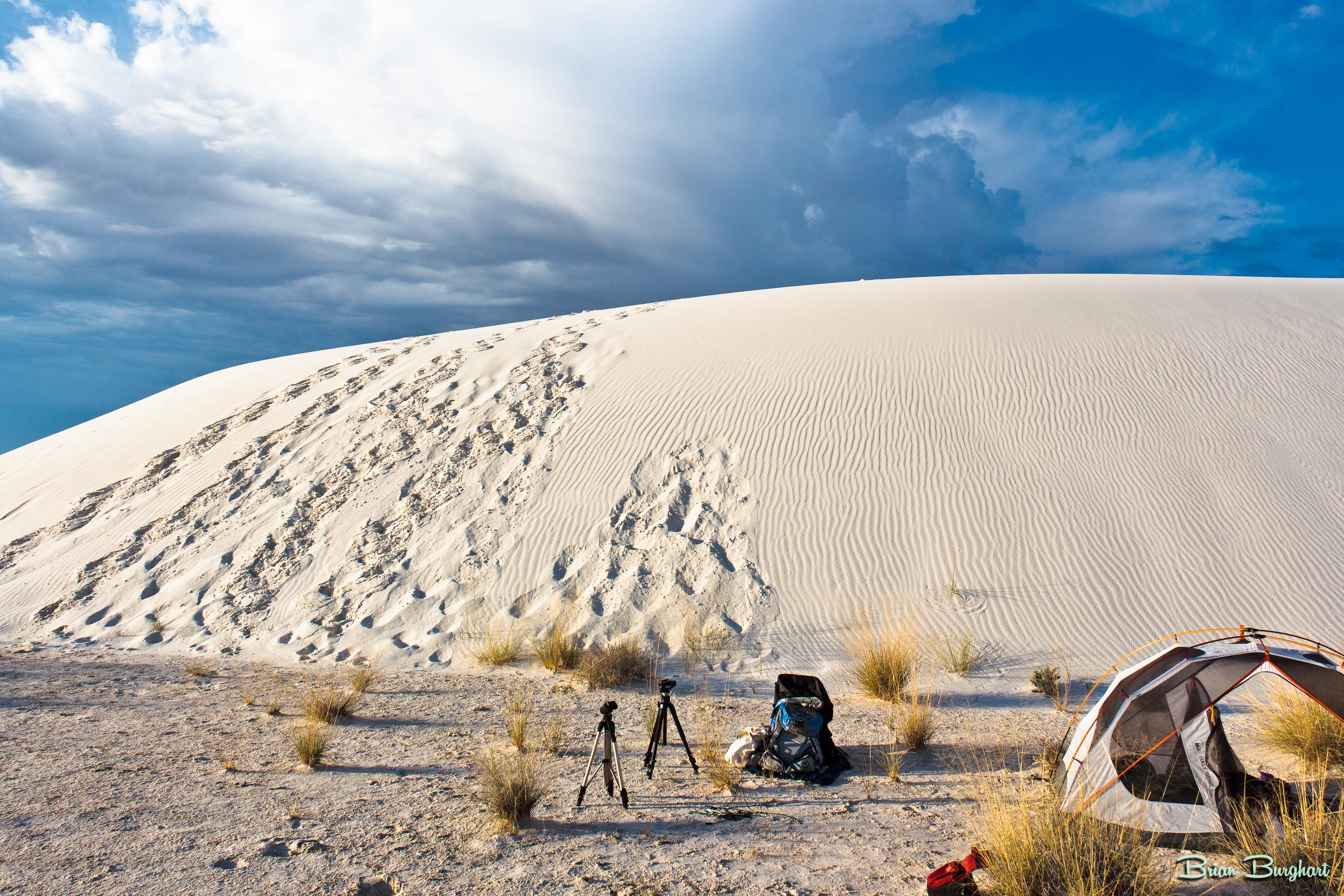
White Sands Backcountry Camping: Closed for 2026 — What to Know
As of 2026, backcountry camping at White Sands National Park is closed for site rehabilitation. What that means, and where to camp nearby instead.
Weather Guide
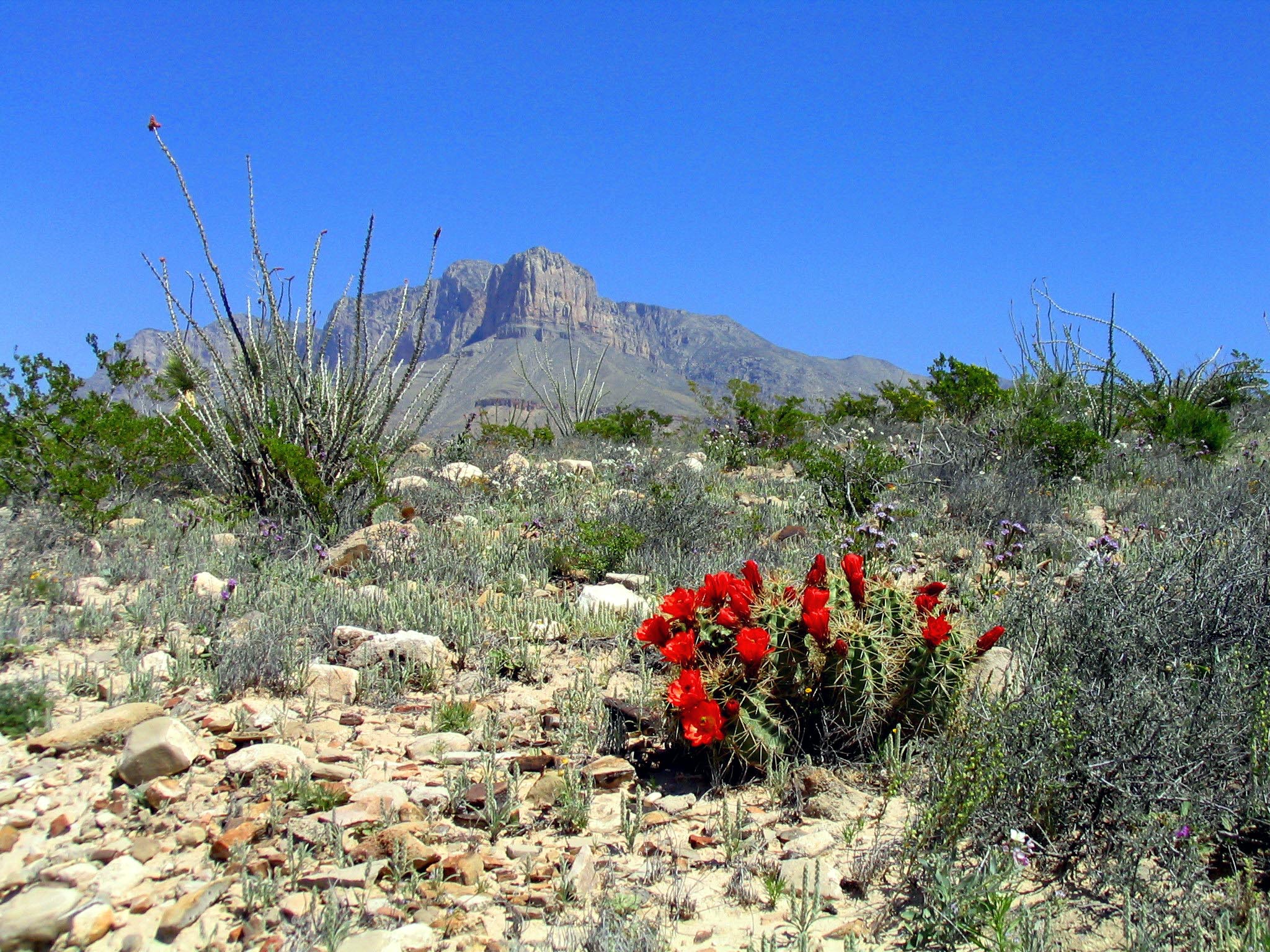
Guadalupe Mountains National Park Weather: Weather
Guadalupe Mountains National Park: weather guide guide updated 2026. Practical visitor information, reservations, and seasonal tips worth bookmarking before
Best Of
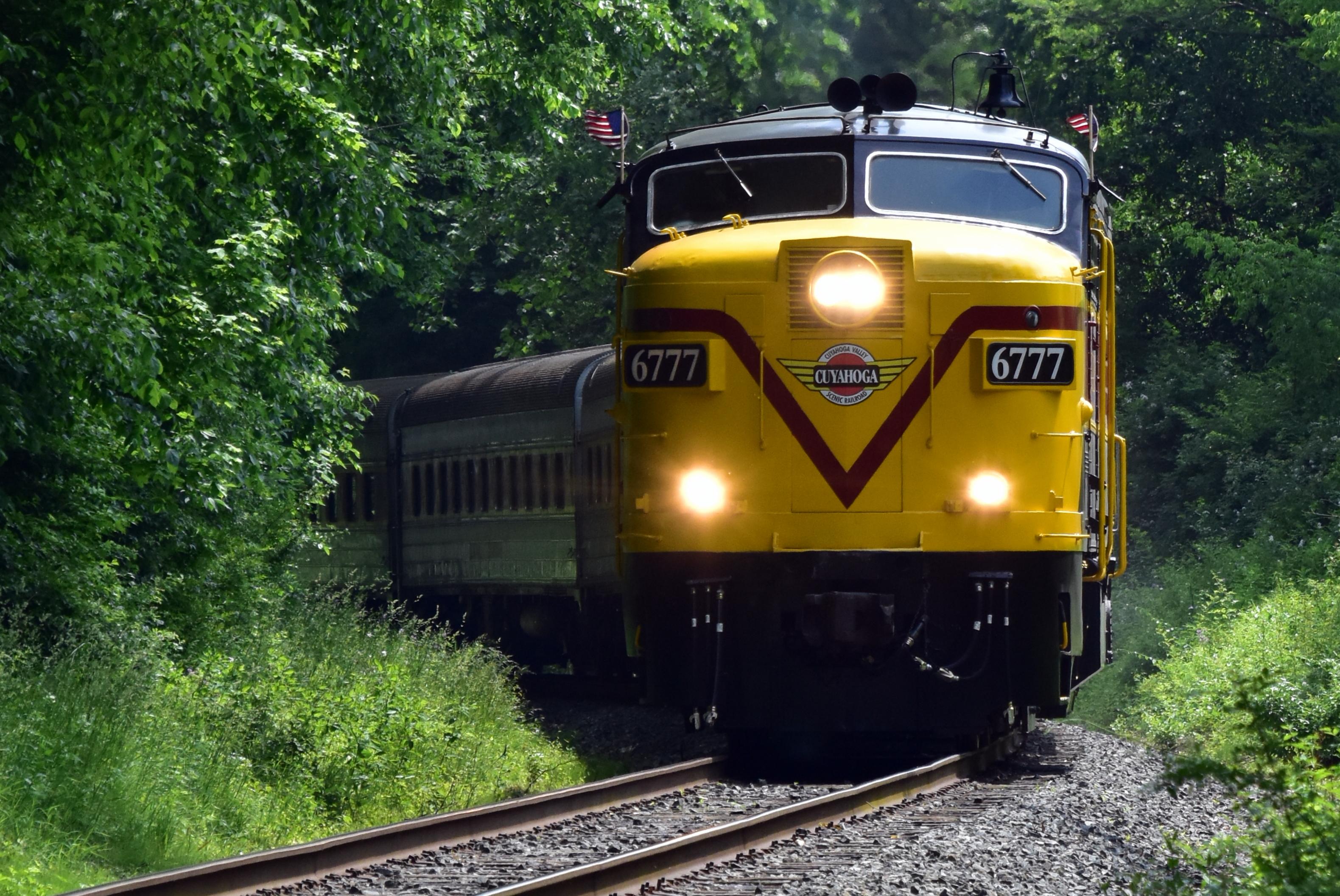
Best of Cuyahoga Valley National Park: Best Things to Do
Seeing a Cleveland Orchestra concert with the woods as your backdrop is a uniquely Cuyahoga Valley experience.
Sign in to join the conversation.
Sources & Attribution
Location data courtesy of the National Park Service (U.S. Department of the Interior). NPS data is public domain. Official NPS page.
Images: NPS; NPS; NPS; NPS; NPS.
Map data © OpenStreetMap contributors.
Park operations alerts: NPS.gov · Weather and weather hazards: National Weather Service · Live conditions.
Information may change. Always verify fees, hours, and conditions directly with the official source before visiting.
Did this guide help? Share it with a friend.