Visitors often expect the view to be the first impression, but it's the air that tells the real story. At the Lehman Caves Visitor Center, the air is thin and dry. Drive up the Wheeler Peak Scenic Drive, and by the time you reach the Bristlecone Pine trailhead, you're breathing 30% less oxygen than at sea level. This vertical climb defines everything about Great Basin National Park weather. You can experience a 40-degree temperature swing and go from hiking in a t-shirt to postholing through snow in under an hour's drive. Most first-time visitors are caught off guard by the sheer scale of that change. The forecast for Baker, Nevada, is a lie up here.
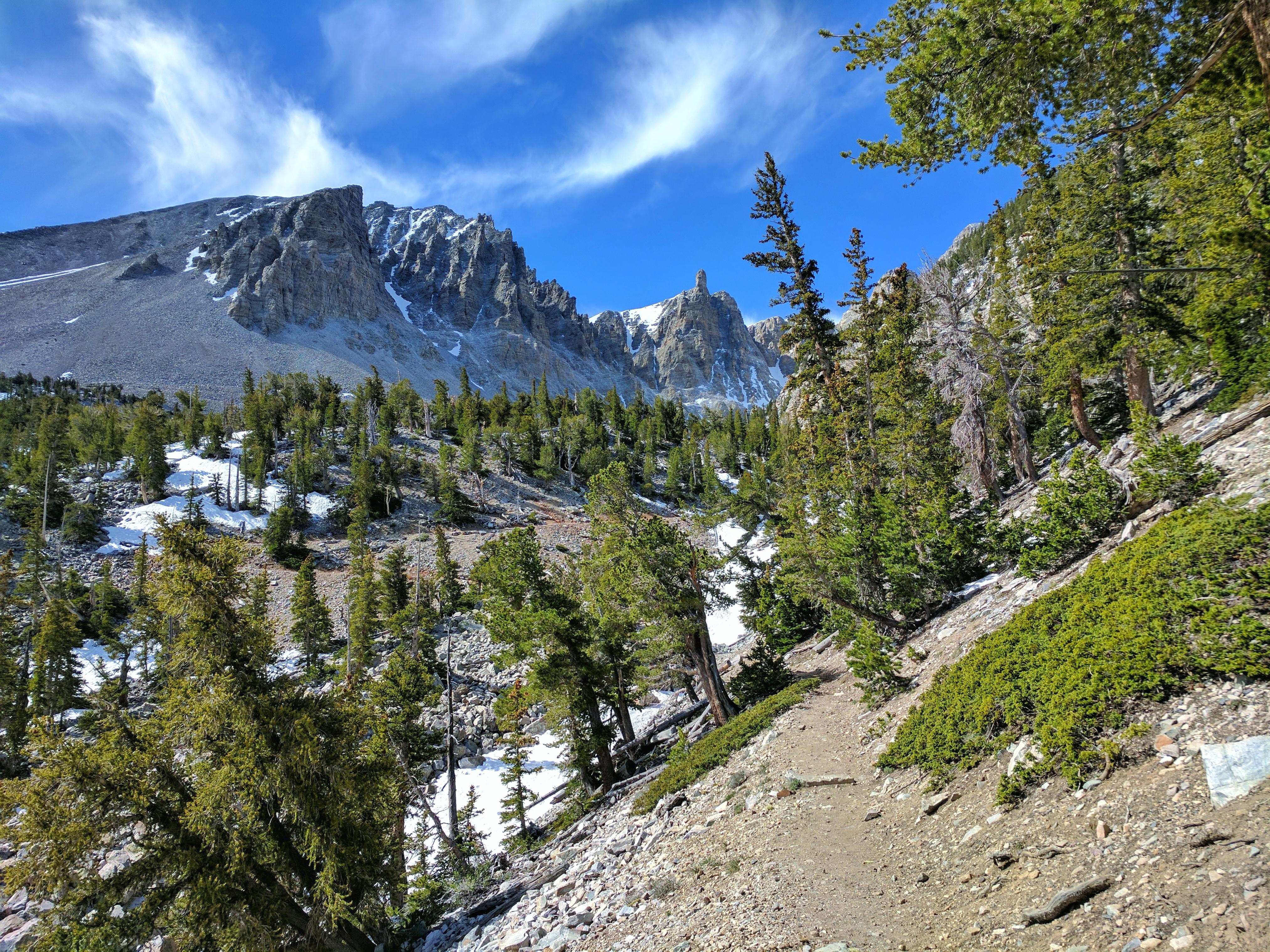
NPS via NPS.gov (Public Domain)
Great Basin National Park Weather
7 min read
Weather Guide
Experience a 40°F temperature swing in an hour at Great Basin National Park. Our 2026 guide explains its stacked climate zones for better trip planning.
The Weather Reality
The park isn't one climate zone; it's several stacked on top of each other. There's an 8,000-foot elevation difference between the valley floor and the summit of Wheeler Peak. That's not just a scenic detail - it's the single most important factor in your visit. The Great Basin is a high desert, which means intensely low humidity, relentless sun, and temperatures that plummet the moment the sun drops. In summer, the valley can hit 90°F while the alpine trails are still snowbound. The fierce afternoon thunderstorms the park is known for build over the high peaks with startling speed, bringing lightning, hail, and a rapid temperature drop. Rangers will tell you it can snow any month of the year above 10,000 feet. The official forecast for the region rarely captures this microclimatic chaos.

Month by Month
Planning around Great Basin National Park weather requires understanding what each month truly brings, not just what the calendar suggests.
May & June
Valley highs: 65-80°F. Alpine highs: 45-60°F. Lows can dip below freezing at night, anywhere.
This is the season of contradiction. Days in the foothills are pleasant for hiking, but the Wheeler Peak Scenic Drive often remains closed at the Mather Overlook into June, and the high trails are a mix of mud, snowpack, and running water. Afternoon thunderstorms begin their annual cycle. Wildflowers start at lower elevations. Crowds are light until Memorial Day. The common mistake is assuming all trails are open because it's warm in Baker.
July & August
Valley highs: 85-95°F. Alpine highs: 65-75°F. Nighttime lows in the high country: 40-50°F.
This is peak visitor season and peak thunderstorm season. Mornings are almost universally clear and perfect for hiking. By 1 PM, clouds build over the peaks. By 3 PM, you want to be off ridgelines and out of exposed basins. The lightning is no joke. The alpine trails are finally snow-free and busy. The park's famous night skies are spectacular, but even summer nights require a jacket. Most visitors underestimate how cold 50°F feels after a 95°F day in the desert.
September & October
Valley highs: 70-55°F (dropping steadily). Alpine highs: 60-45°F. First consistent freezing nights arrive.
Many consider this the best window. The monsoon pattern breaks, leading to stable, sunny days and crisp nights. The aspen groves along the Wheeler Peak drive and in Lehman Creek Canyon turn brilliant gold, usually peaking in late September. Crowds thin significantly after Labor Day. The catch: the window for high-elevation hiking closes fast. Snow can dust the bristlecone groves by early October, and the scenic drive closes for the season after the first major snowstorm.
November through April
Valley highs: 30-50°F. Alpine highs: 20-35°F. Significant snowpack above 9,000 feet.
This is the quiet season. The Wheeler Peak Scenic Drive is closed at the Mather Overlook. Snake Creek Road is closed at the park boundary. What's open is the lower-elevation terrain, accessible for snowshoeing, cross-country skiing, and cold, solitary hikes. Storms roll through, but so do stretches of brilliant sunshine on snow. You need serious cold-weather gear. The gift shop in Baker sells more hot chocolate than sunscreen. In winter, cave-tour schedules thin and high roads gate early — confirm Lehman Caves tour availability and indoor options before you count on them as a storm-day fallback.

Best Times for Specific Activities
Your ideal month depends entirely on what you want to do.
For hiking the high country to Wheeler Peak or the Glacier, aim for a narrow window: late July through mid-September. That's your best shot at snow-free trails and manageable afternoon storm risk. Start at dawn.
Wildlife viewing has two peaks. Spring (May-June) brings activity to lower elevations as animals follow the green-up. Fall (September-October) is the rut for mule deer, and you'll see bighorn sheep at lower elevations. Marmots are ubiquitous in the alpine zone in summer.
Wildflowers follow the melting snow uphill. Look for blooms in the valleys in May, the montane forests in June, and the alpine meadows in July and August.
Fall color is straightforward but fleeting. Target the last two weeks of September for the aspen groves along the Wheeler Peak Scenic Drive. A hard freeze or windstorm can end the show overnight.
Stargazing is superb year-round due to the park's Dark Sky designation, but the clearest, most comfortable nights are in September and October. Winter offers long nights but bitter cold.

What to Pack by Season
Forget generic lists. Pack for the vertical world.
Summer (June-August): You need two complete kits. A day kit for the valley (sun shirt, hat, sunscreen, liters of water). And an alpine kit in your car: insulated jacket, rain shell and pants, gloves, beanie, and trekking poles for stability on lingering snowfields. Footwear should handle dry trail, wet snowmelt, and sharp granite. A wide-brimmed hat is non-negotiable for the UV intensity at altitude.
Fall (September-October): Layers are everything. A warm base layer, fleece, puffy jacket, and shell. Mornings start cold, midday can be warm, and evenings plunge. Pack gloves and a beanie even if the forecast looks mild. Traction devices for your shoes (like microspikes) can save a hike if you encounter early ice on north-facing trails.
Winter & Spring (November-May): Serious cold-weather gear. Insulated waterproof boots, thick socks, thermal layers, a heavy parka, snow pants for any activity beyond the roadside. Gaiters are useful. Sunglasses and sunscreen are still essential - snow reflection is brutal. Check the complete visitor guide for current road closure status before you go; your plans will depend on it.
Year-round, everyone needs: More water than you think (no potable water in campgrounds as of 2026), lip balm, a headlamp, and a physical map. Cell service drops out at the park entrance.

What the Forecast Doesn't Tell You
- The wind has a schedule. Calm mornings often give way to ferocious afternoon winds, especially above tree line. It's not just noisy; it's a major wind-chill factor.
- Sunburn happens faster. At 10,000 feet, UV radiation is intense. You can get a severe burn in under 30 minutes, even on a cool, breezy day.
- Thunderstorms are territorial. They typically brew over the Snake Range (Wheeler Peak) and march east. You can often see them building while the valley remains sunny. If you hear thunder, your hike is over.
- "Dry" doesn't mean "not wet." Snowmelt and seeps keep trails muddy in the high country well into July. Your feet will get wet.
- Your car feels the altitude too. Reduced oxygen affects engine performance. The climb up the scenic drive is slow going, and overheating is a real risk in summer if your cooling system isn't perfect.
- The temperature gradient is instant. Roll your window down as you drive up or down the mountain. You can feel a 10-degree shift in a quarter mile.
- Clear skies can deceive. A perfectly starry night at 9,000 feet means radiational cooling. The temperature will fall dramatically, often 10-15 degrees lower than the forecasted low for the area.
Practical Takeaways
- Check the altitude, not just the weather app. Before any hike, note the trailhead elevation. Plan your clothing and turnaround time for conditions 3,000 feet higher than your car.
- Be off the peaks by noon in summer. The afternoon lightning hazard is predictable and severe. Use mornings for high-elevation goals.
- Pack for three seasons in one day, even in August. The combination of sun, wind, rain, and altitude means you'll cycle through your entire clothing system.
- Water is a weight you must carry. With no campground water and few reliable natural sources, you must bring all you'll need from the visitor center or Baker. Plan for at least one gallon per person per day for hiking.
- Fall is the sweet spot, but it's short. Target September for stable weather, fewer people, and fall color. Have a flexible schedule in case early snow closes the scenic drive.
- Winter access is limited but rewarding. You won't reach the high country, but the solitude and snow-covered landscapes are unique. Come prepared for true wilderness winter conditions.
- Always have a Plan B. A closed road, a sudden storm, or altitude sickness can scuttle your primary plan. Research the hiking trails at lower elevations or the camping options in the foothills before you arrive.
Great Basin doesn't cater to a casual visit. Its weather demands attention to detail and respect for the vertical scale. Get that right, and the solitude of the ancient bristlecone groves and the clarity of the night sky are your reward.
For more information, see our complete National Park Guide.
Related: great basin national park guide
Related: great basin national park lodges guide
Sources
- Official source: NPS — Great Basin National Park nps.gov/grba/index.htm
Photo Gallery
More to Explore
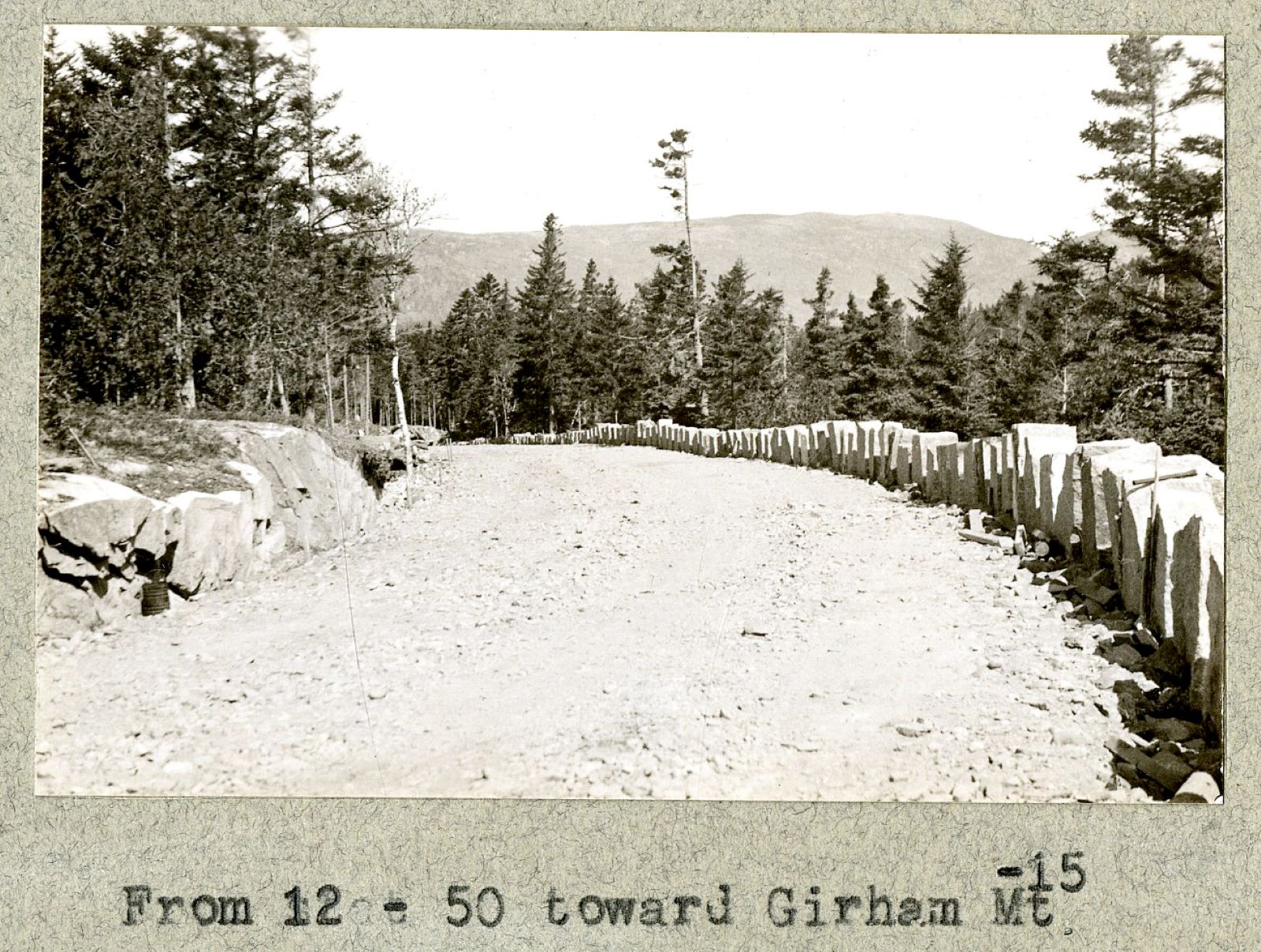
Park Guide
Acadia National Park: Carriage Roads, Cadillac Mountain & 2026 Guide
Discover carriage roads, Cadillac Mountain, and rugged Maine coast. Complete 2026 guide to Acadia National Park — trails, fees, lodging, permits, and what rangers recommend.
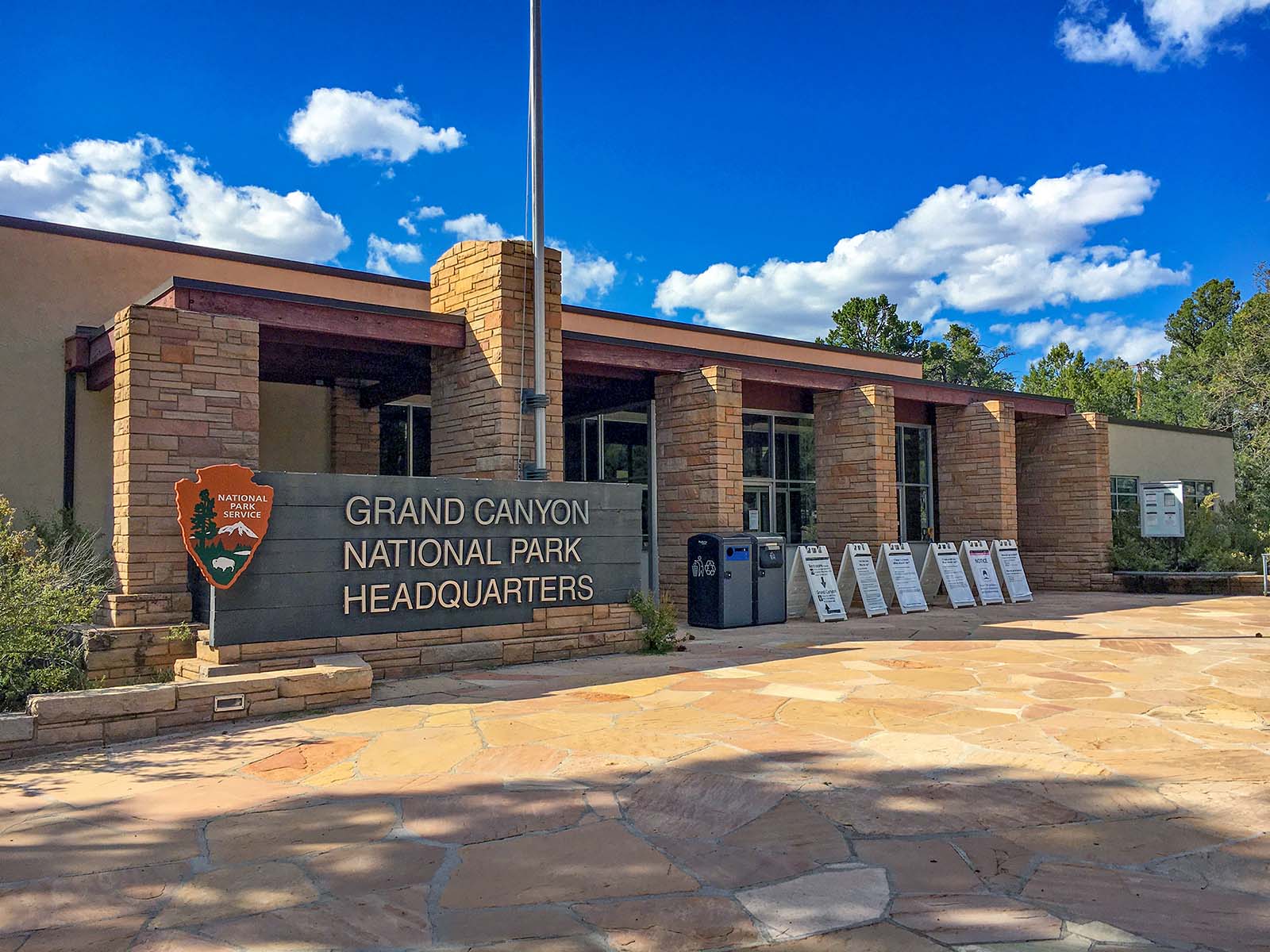
Hiking Guide
Grand Canyon Hiking Trails: Day Hikes, Water Sources & Rim to Rim
Compare Grand Canyon hiking trails: Bright Angel, South Kaibab, Hermit, Grandview, and rim to rim, with distances, elevation, water stops, and trailhead access for each.
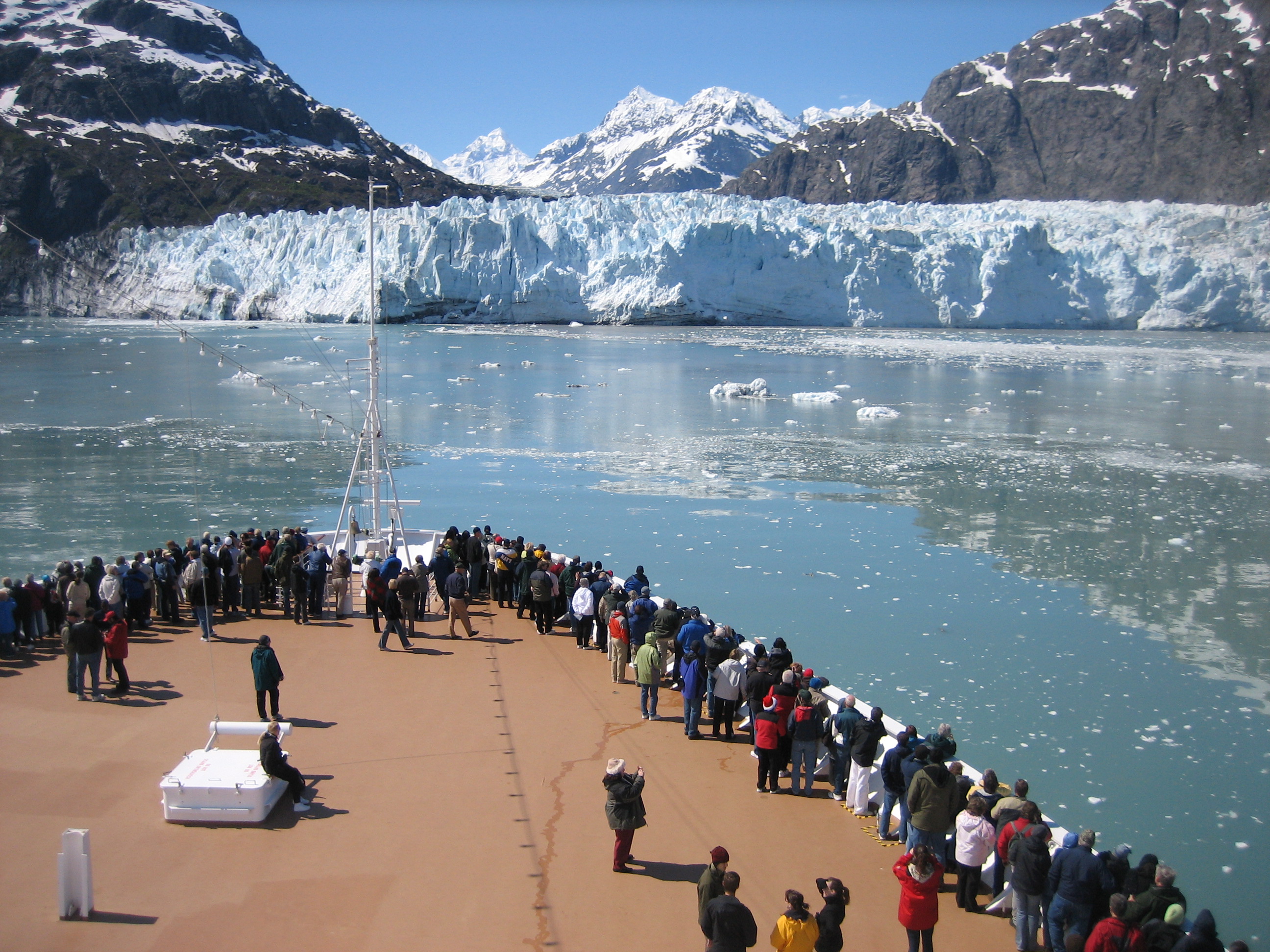
Best Of
Best of Glacier Bay National Park
The best of Glacier Bay is reached by boat: ranger-led day tours up the bay to the tidewater glaciers. What's worth it, how to book, and when to go (2026).
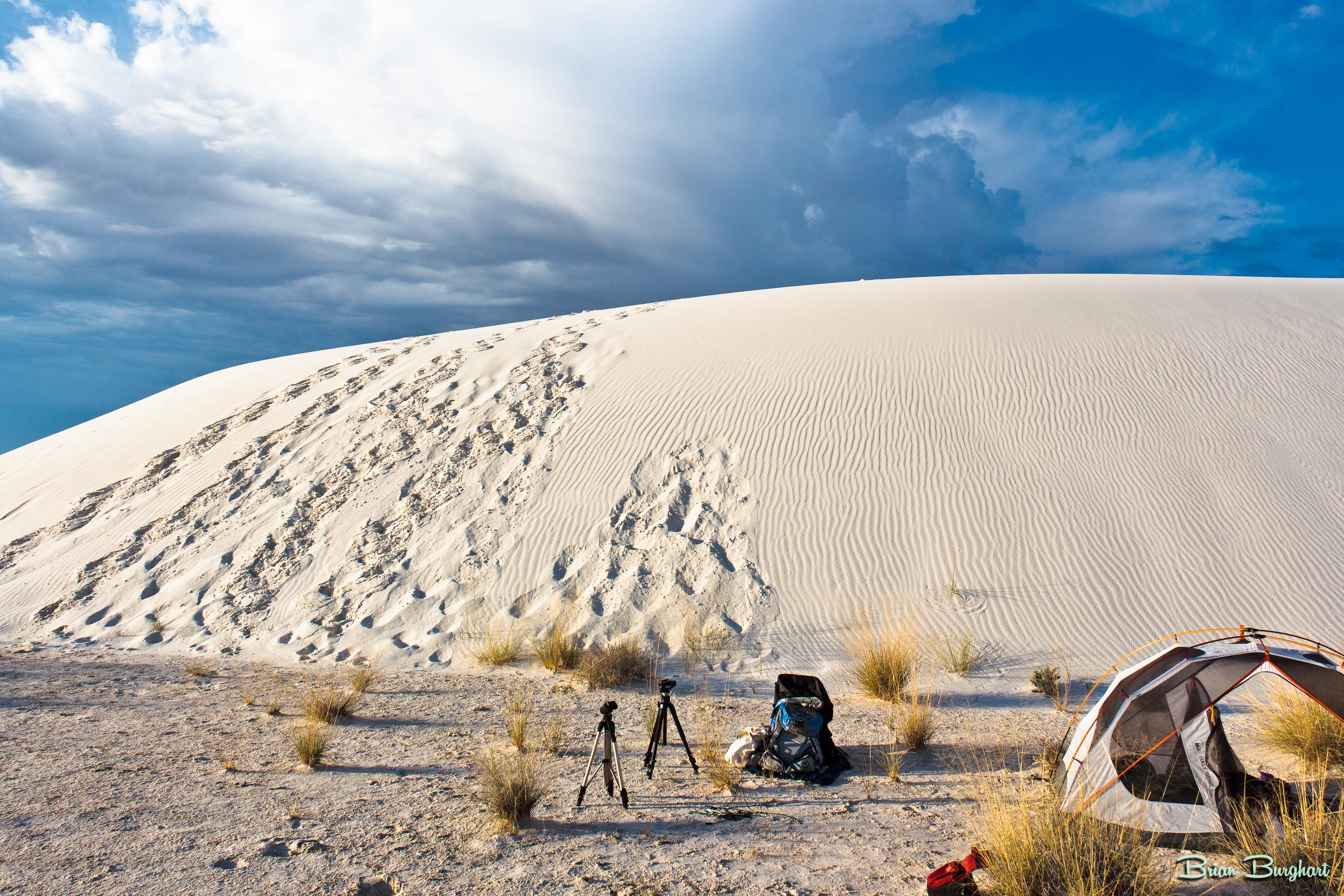
Campsite Guide
White Sands Backcountry Camping: Closed for 2026 — What to Know
As of 2026, backcountry camping at White Sands National Park is closed for site rehabilitation. What that means, and where to camp nearby instead.
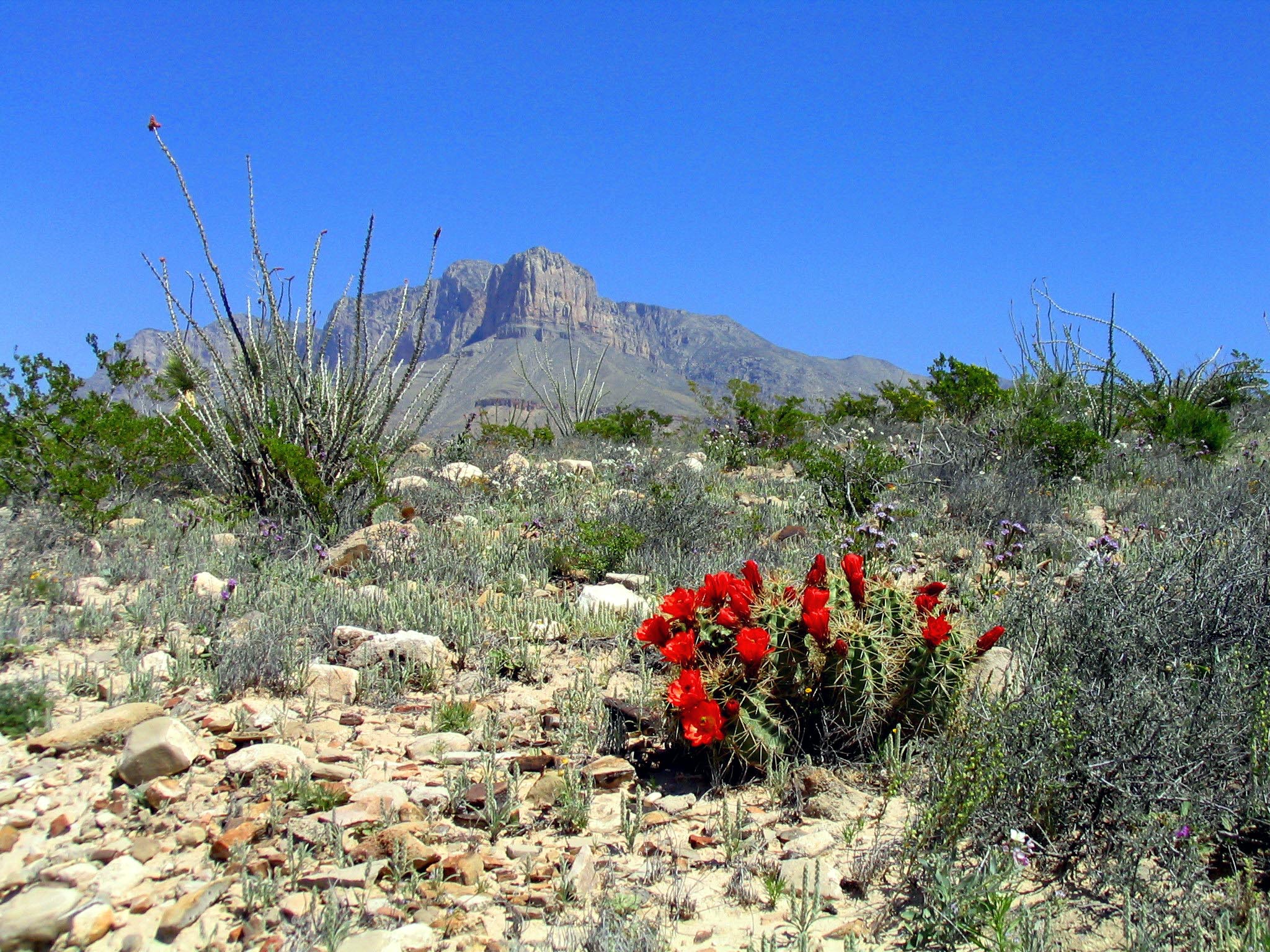
Weather Guide
Guadalupe Mountains National Park Weather: Weather
Guadalupe Mountains National Park: weather guide guide updated 2026. Practical visitor information, reservations, and seasonal tips worth bookmarking before
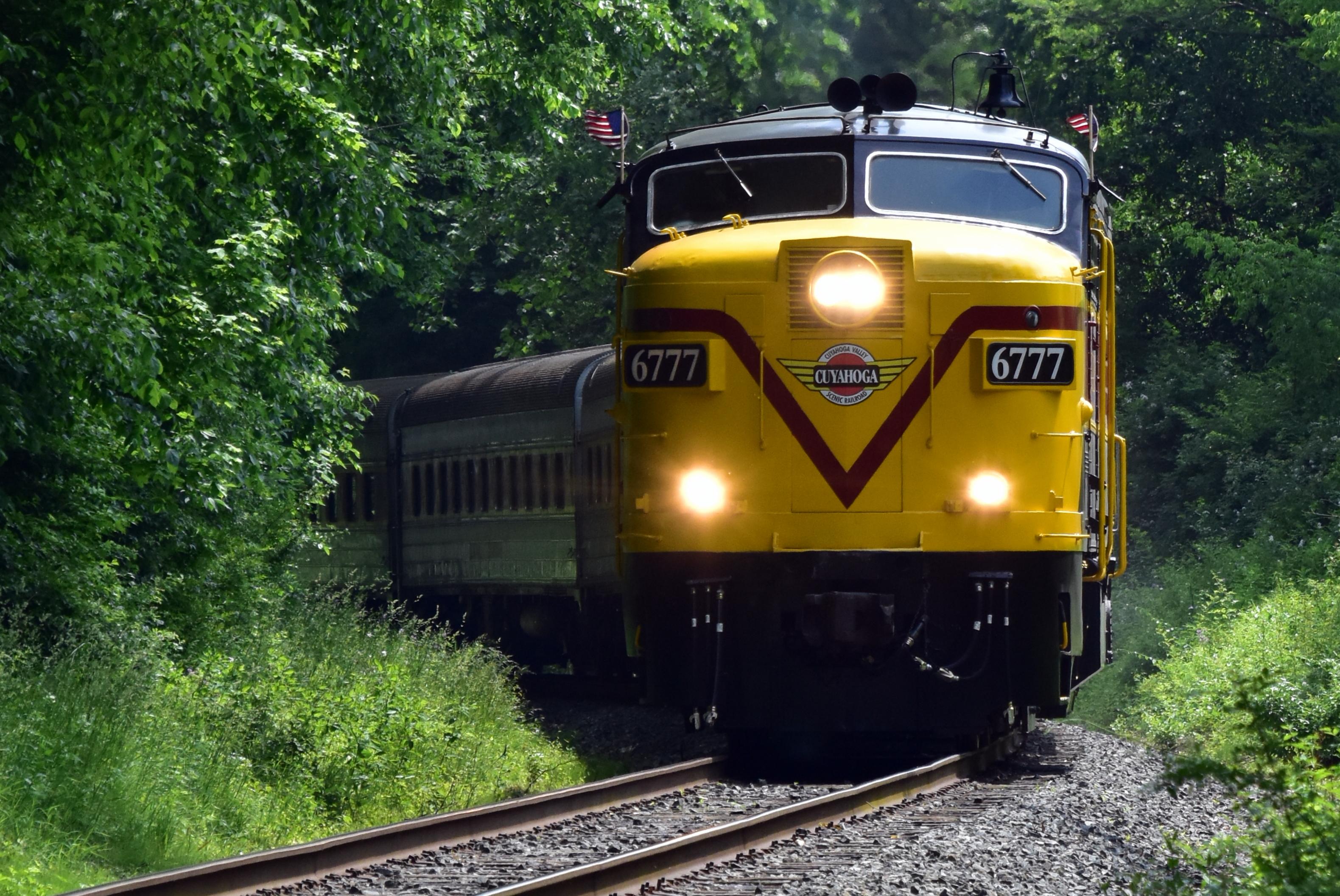
Best Of
Best of Cuyahoga Valley National Park: Best Things to Do
Seeing a Cleveland Orchestra concert with the woods as your backdrop is a uniquely Cuyahoga Valley experience.
Sign in to join the conversation.
Sources & Attribution
Location data courtesy of the National Park Service (U.S. Department of the Interior). NPS data is public domain. Official NPS page.
Images: NPS; NPS; NPS; NPS; NPS.
Map data © OpenStreetMap contributors.
Park operations alerts: NPS.gov · Weather and weather hazards: National Weather Service · Live conditions.
Information may change. Always verify fees, hours, and conditions directly with the official source before visiting.
Did this guide help? Share it with a friend.