Denali National Park Weather: Midnight Sun, Road Lottery & Best Visit Windows (2026 Guide)
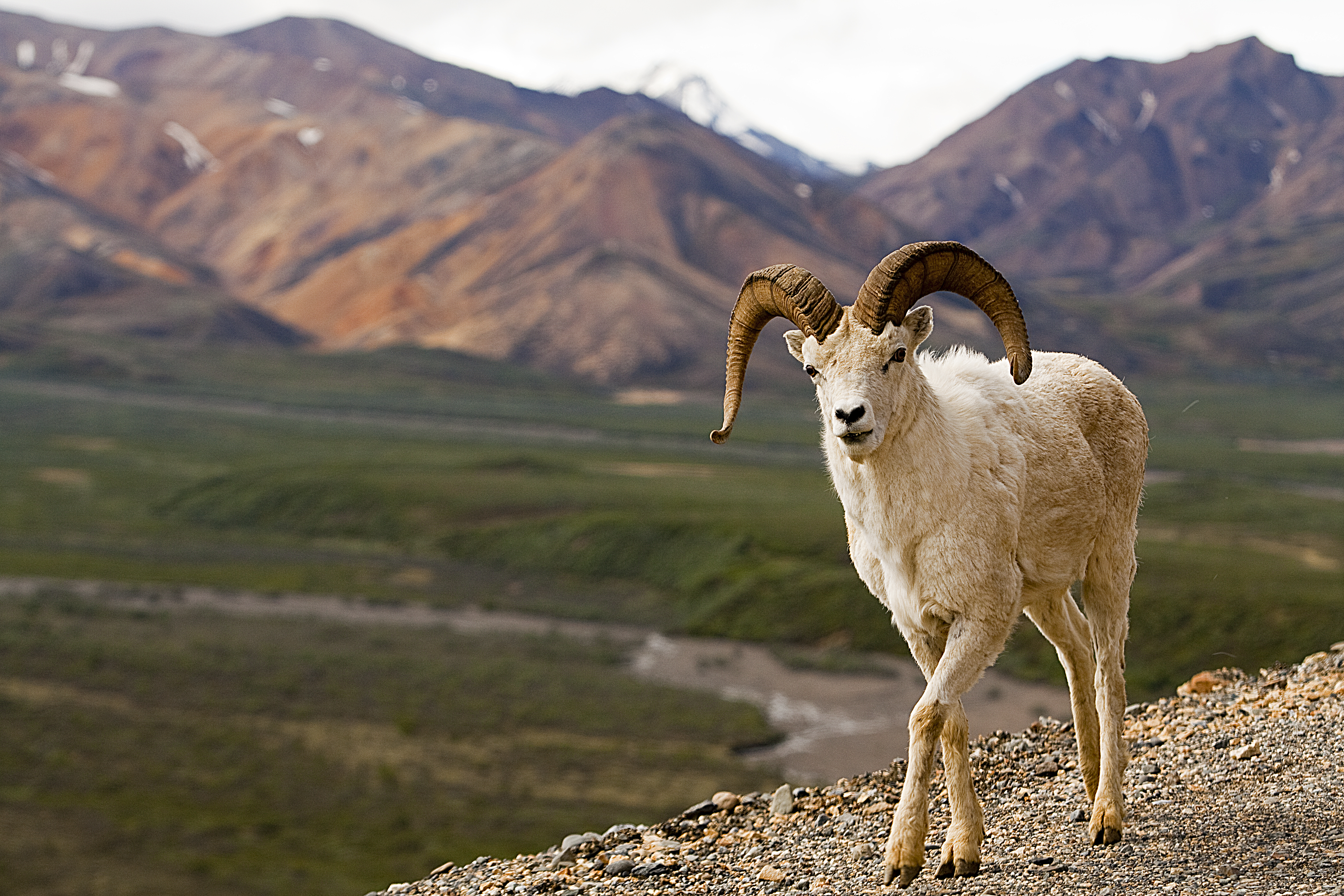
NPS via NPS.gov (Public Domain)
Denali National Park Weather
9 min read
Weather Guide
Denali's summer is a season of light, not warmth. Plan for its unique chill with our 2026 guide to weather windows, layers, and the mountain's microclimates.
The single most important climatic truth about Denali National Park weather is that summer is not a season of warmth. It is a season of light. The sun barely dips below the horizon for weeks, but the air temperature rarely climbs out of the 60s. Most first-time visitors are caught off guard by the persistent chill and dampness that defines an Alaskan summer, expecting something closer to a Colorado or Montana mountain experience. They pack for a sunny hike and end up wearing every layer they brought by lunchtime. The official forecasts from Anchorage or Fairbanks miss the microclimates created by six million acres of wilderness and a 20,310-foot mountain that generates its own weather. Snow can, and does, fall in every month of the year. Planning your visit starts with accepting this reality: you are not packing for a vacation. You are packing for an expedition.
For more, see hiking trails and camping options.
The Weather Reality
Denali creates its own weather. The mountain acts as a colossal barrier to moisture-laden air, wringing it out as precipitation on all sides. This means the park's weather is inherently unstable and hyper-local. A sunny morning at the entrance can be a whiteout blizzard at Polychrome Pass, 40 miles in. Rangers will tell you to prepare for four seasons in a single day, and they are not exaggerating. The park sits at a latitude where the sun's angle is low even in summer, so its warmth is weak. The cool, wet maritime influence battles with continental air masses, resulting in a climate defined by rapid change. What the generic forecast doesn't capture is the wind chill on the tundra, which can make a 55-degree day feel like 35, or the intensity of the midnight sun that bakes you on a rare clear afternoon. The Denali National Park weather equation is simple: high latitude + massive elevation change + oceanic influence = prepare for anything, always.

Month by Month
Denali's operational year is short, and the visitor season even shorter. The park is open 24 hours a day, but what you can do inside it changes dramatically with the snowpack.
May
Temperatures range from highs in the 40s to lows well below freezing. Snow is still deep, especially beyond the park entrance. The road typically begins opening to private vehicles (via the lottery system) around May 20th, but only to Mile 15. Most facilities, including the main visitor center and shuttle buses, start operations in late May. Crowds are very low. This is a month of transition: brown landscapes, melting ice, and hungry wildlife emerging. Trails are muddy or snow-covered. It's worth considering for solitude and the chance to see the park waking up. It's challenging because services are limited, conditions are rough, and the mountain is often shrouded in clouds.
June
This is the start of the core season. Highs typically reach the upper 50s, lows dip into the 40s. Precipitation is frequent - expect drizzle, rain, and the occasional wet snow squall. The summer shuttle bus system is running, though access remains altered due to the Pretty Rocks landslide closure at Mile 43 as of 2026. All campgrounds and front-country services are open. Crowds build steadily through the month. Wildlife is highly active; this is prime time to see grizzly bears on the tundra and moose in the wetlands. Trails at lower elevations dry out, but the high country remains soggy. The payoff is up to 20 hours of daylight. The challenge is the persistent dampness and the famous Alaskan mosquito hatch, which peaks in late June.
July
Statistically the "warmest" month, with highs occasionally touching the low 60s and, on a rare bluebird day, maybe even the low 70s. Lows still hover in the 40s. It is also the wettest month. This is peak visitor season. The park feels busy near the entrance, but the wilderness absorbs people quickly. Wildflowers explode across the tundra in a brief, brilliant display. All hiking trails are accessible, but off-trail travel in the backcountry is a wet, boggy affair. It's worth it for the peak wildlife activity, the flowers, and the best odds (though still not great) for clear views of the mountain. The challenge is the crowds, the bugs, and the fact that "warm" here is still jacket weather for most.
August
A subtle shift begins. Highs drop back into the 50s, and the first frosts can paint the tundra in the morning. Rainfall remains high early in the month. The big change is the light: darkness returns, bringing longer nights perfect for aurora viewing by month's end. Crowds start to diminish after mid-August. This is the premier month for fall colors on the alpine tundra, which turns a brilliant crimson and gold. Berry-loving bears are in a frenzy, offering spectacular wildlife viewing. Trails are in good condition, though cooler. It's a fantastic month for those who prefer fewer people and dramatic landscapes. The challenge is the increasing chill and the rapid onset of autumn conditions.
September
Winter announces itself. Highs might reach 50 in early September but fall quickly into the 30s. Lows are consistently below freezing. Snow becomes a regular occurrence, not a novelty. The shuttle bus system typically ends around the second week of September. Most visitor services and campgrounds close. Crowds are gone. This is the window for the famous Denali Road Lottery, where winners get to drive a portion of the park road in their private vehicles amidst spectacular fall color in the low valleys. It's a stark, beautiful, and quiet time. It is challenging because winter driving conditions arrive on the park road and access is extremely limited. You must be self-sufficient.
October - April
This is the long winter. By January, temperatures regularly drop to -40°F. The park road is open only to Mile 3 (Park Headquarters) or, as conditions allow, to Mile 13 (Mountain Vista) for winter recreation. The only visitors are those on skis, snowshoes, or dog sleds. The sun is scarce, but the aurora borealis is frequent. This season is for experienced cold-weather adventurers only. Facilities are limited to the Murie Science and Learning Center acting as the winter visitor center. It is profoundly quiet and in its austerity.

Best Times for Specific Activities
Your ideal month depends entirely on what you want to do.
For Hiking the High Country
Aim for late July. The snowpack has mostly receded from the alpine passes, the tundra is (relatively) dry, and the weather is as stable as it gets. Early August is a close second. Before July, you'll be post-holing through snowfields. For the maintained hiking trails near the entrance, June through August are all viable, but always expect mud.
For Wildlife Viewing
Different seasons offer different highlights. June and July are best for seeing grizzly bears grazing on the open tundra and cow moose with calves. August is unbeatable for watching bears feast on berries and for seeing the full range of animals fattening up for winter. May and September can be excellent for seeing predators like wolves and foxes against the barren or snowy landscapes.
For Fall Colors
There are two waves. The alpine tundra turns first, in mid-to-late August. The low valleys and taiga forest follow in early to mid-September. For photography, the September window during the Road Lottery is iconic, if you can secure a permit.
For Stargazing & Aurora Borealis
True darkness returns in August. The best aurora viewing runs from late August through April, with peak activity often in the winter months. For Milky Way photography, the window from late August to late April is long, but the coldest months offer the clearest, darkest skies.
For Solitude and Winter Sports
February and March offer the best combination of manageable cold (though still extreme), increasing daylight, and reliable snow for cross-country skiing and snowshoeing. The park is essentially yours.

What to Pack by Season
Forget generic lists. Denali demands specific gear.
Summer (June-August): A waterproof, breathable rain jacket and pants are non-negotiable. Not a poncho - a real shell. Insulating layers like a fleece or puffy jacket for under the shell. Quick-dry hiking pants (no jeans). Sturdy, waterproof hiking boots with good ankle support for tussock-tundra travel. A warm hat and gloves - yes, even in July. Multiple pairs of wool or synthetic socks. A headnet for mosquitoes in June/July. Sunglasses and strong sunscreen; the UV reflection off the tundra and snow is intense. A large-capacity water bottle or hydration system.
Shoulder Seasons (May, September): All of the above, but upgrade to a heavier insulated layer. Add thermal base layers. Consider insulated, waterproof boots. Hand and foot warmers are a good idea. Traction devices like microspikes for icy trails in May or September snow.
Winter (October-April): This is serious expedition packing. Consult specialized guides, but at minimum: a full layered system with expedition-weight base layers, a heavy insulated parka, insulated bib snow pants, mountaineering-grade mittens, a balaclava, and insulated pac boots rated to at least -40°F. You are packing to survive, not to be comfortable.

What the Forecast Doesn't Tell You
- The Wind is the Real Temperature. A 50-degree day with a 15-mph wind on the open tundra has a wind chill near freezing. That's the default summer condition. Your puffy jacket is for when you stop moving.
- "Partly Sunny" Means "Bring Your Rain Gear." Cloud cover can go from 40% to 100% with a driving rain in 20 minutes. The forecast is a suggestion, not a promise.
- The Mountain Controls Visibility. Clear skies at the entrance don't mean Denali is "out." The mountain creates its own cloud cap. Conversely, it can be cloudy everywhere else and the summit can be perfectly clear. Patience is the only strategy.
- Microclimates are Measured in Yards. Walking from a sheltered spruce forest onto an open river bar can drop the temperature 10 degrees and double the wind speed. Dress in layers you can adjust instantly.
- Dry is a Relative Term. Even on a rainless day, hiking through tundra vegetation at dawn will soak you to the knees. Gaiters are worth their weight in gold.
- The Sun is Deceptive. At this latitude, the sun's angle is low all day. It feels gentle, but it burns quickly. You can get a severe sunburn on a cloudy day due to UV scattering.
- Road Conditions Trump All Plans. As of 2026, the Pretty Rocks landslide has closed the road at Mile 43. This can change shuttle routes, wildlife viewing hotspots, and access to trails. Always check the official website for the latest road status before you finalize any itinerary.
Practical Takeaways
- Your Best Weather Window is Late July. It offers the best compromise of warmer temps, drier trails, and peak wildlife and wildflowers. But "best" still means pack for cold rain.
- For Solitude, Target Late August or Early September. The crowds thin, the tundra turns red, and the aurora returns. Just be ready for winter to arrive early.
- Layer Like Your Comfort Depends On It. Because it does. A waterproof shell, a warm mid-layer, and a moisture-wicking base layer are the holy trinity of Denali packing.
- Your Footwear is Your Most Important Gear. Waterproof, sturdy boots with ankle support are mandatory for the uneven, often wet terrain. Blisters or wet feet can end your trip.
- Plan Around the Road, Not the Mountain. Access is limited and changes yearly. Build your itinerary for Denali National Park hiking trails and wildlife viewing based on how far you can actually travel on the park road, which you can verify on the park's website.
- Embrace the Gray. Clear, sunny days where the Great One is fully visible are rare gifts. The park's moody, cloud-shrouded beauty is the more common and equally authentic experience.
- Check the Alerts. Before you leave home, and again at the visitor center, review the current park alerts. They contain real-time info on road openings, trail closures, and bear activity that will directly impact your day.
For a broader look at trip planning beyond weather, our complete visitor guide can help with the bigger picture. And when you're ready to hit the trail, our guide to hiking trails and camping options will have the specifics you need.
For more information, see our complete National Park & Preserve Guide.
Related: denali national park guide
Related: denali national park lodges guide
Sources
- Official source: NPS — Denali National Park nps.gov/dena/index.htm
Photo Gallery
More to Explore
Park Guide
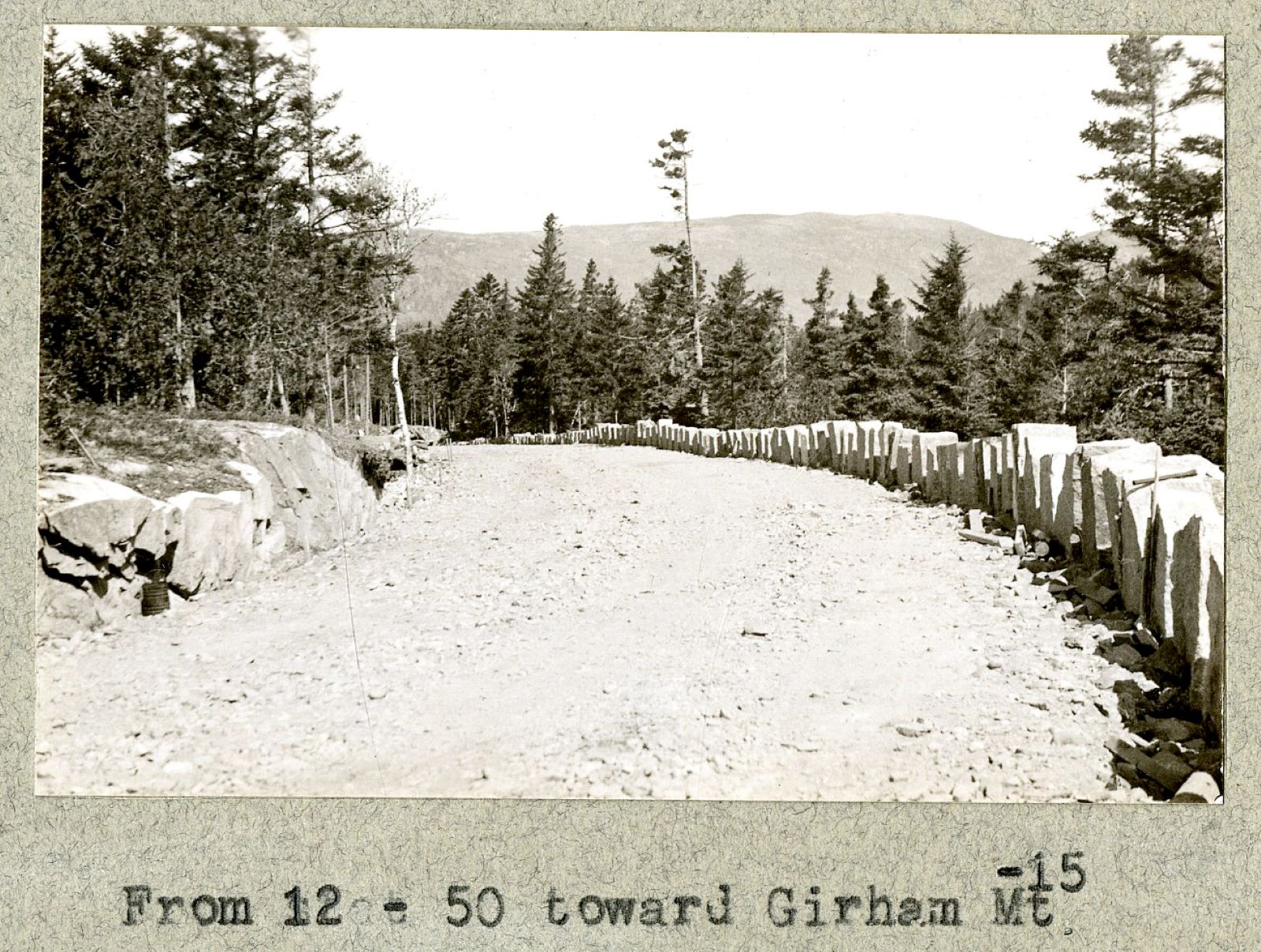
Acadia National Park: Carriage Roads, Cadillac Mountain & 2026 Guide
Discover carriage roads, Cadillac Mountain, and rugged Maine coast. Complete 2026 guide to Acadia National Park — trails, fees, lodging, permits, and what rangers recommend.
Hiking Guide
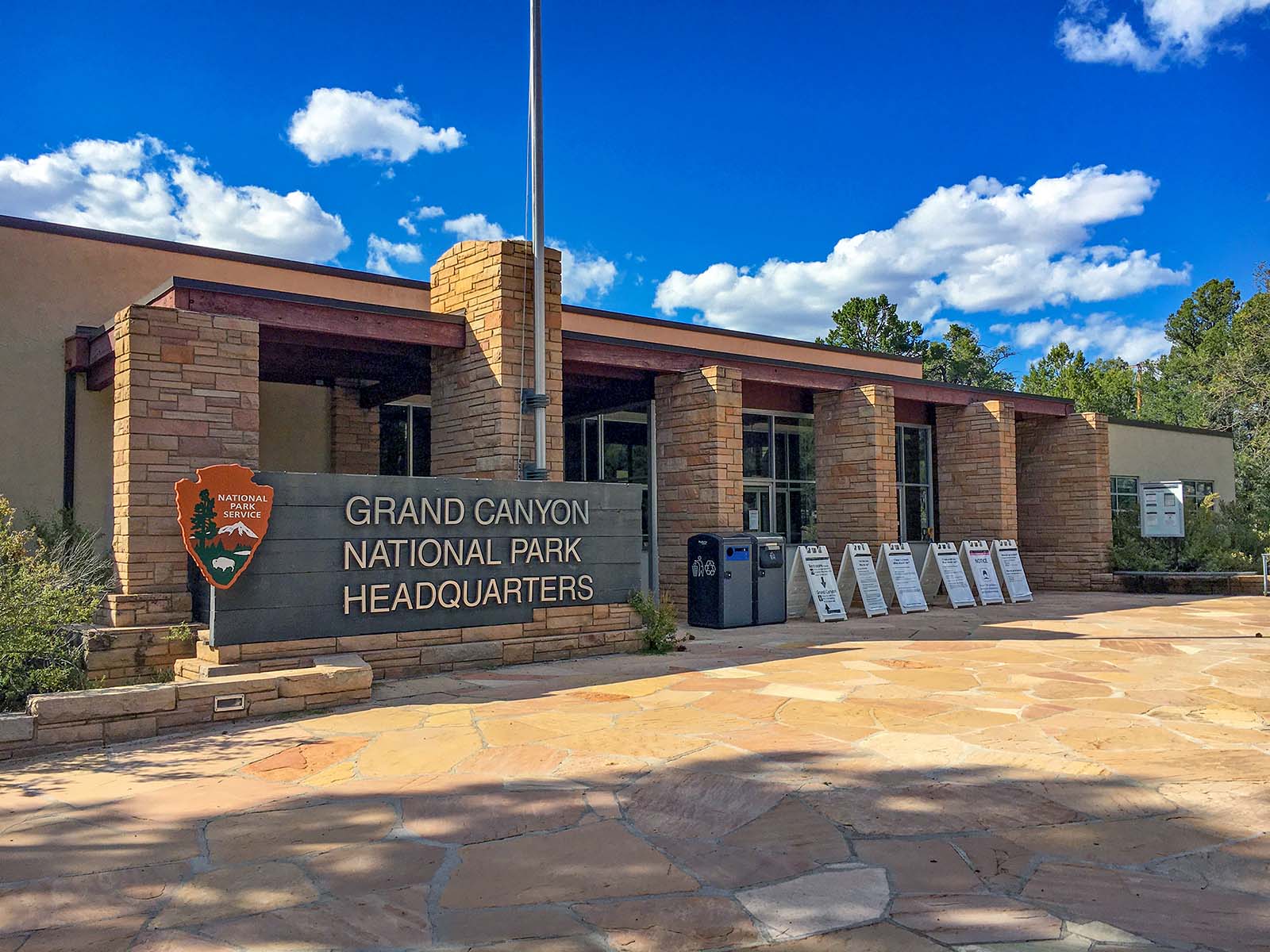
Grand Canyon Hiking Trails: Day Hikes, Water Sources & Rim to Rim
Compare Grand Canyon hiking trails: Bright Angel, South Kaibab, Hermit, Grandview, and rim to rim, with distances, elevation, water stops, and trailhead access for each.
Best Of
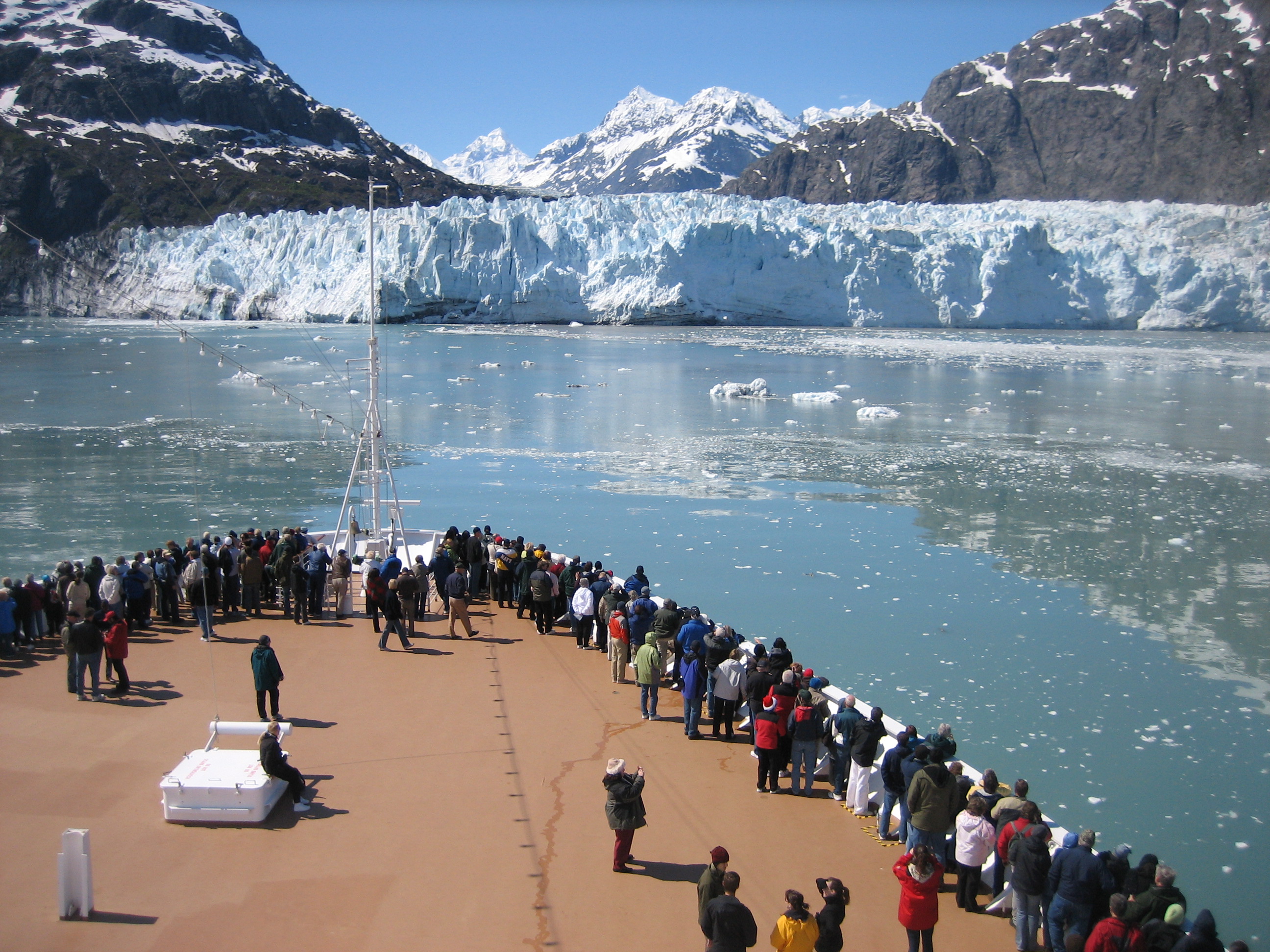
Best of Glacier Bay National Park
The best of Glacier Bay is reached by boat: ranger-led day tours up the bay to the tidewater glaciers. What's worth it, how to book, and when to go (2026).
Campsite Guide
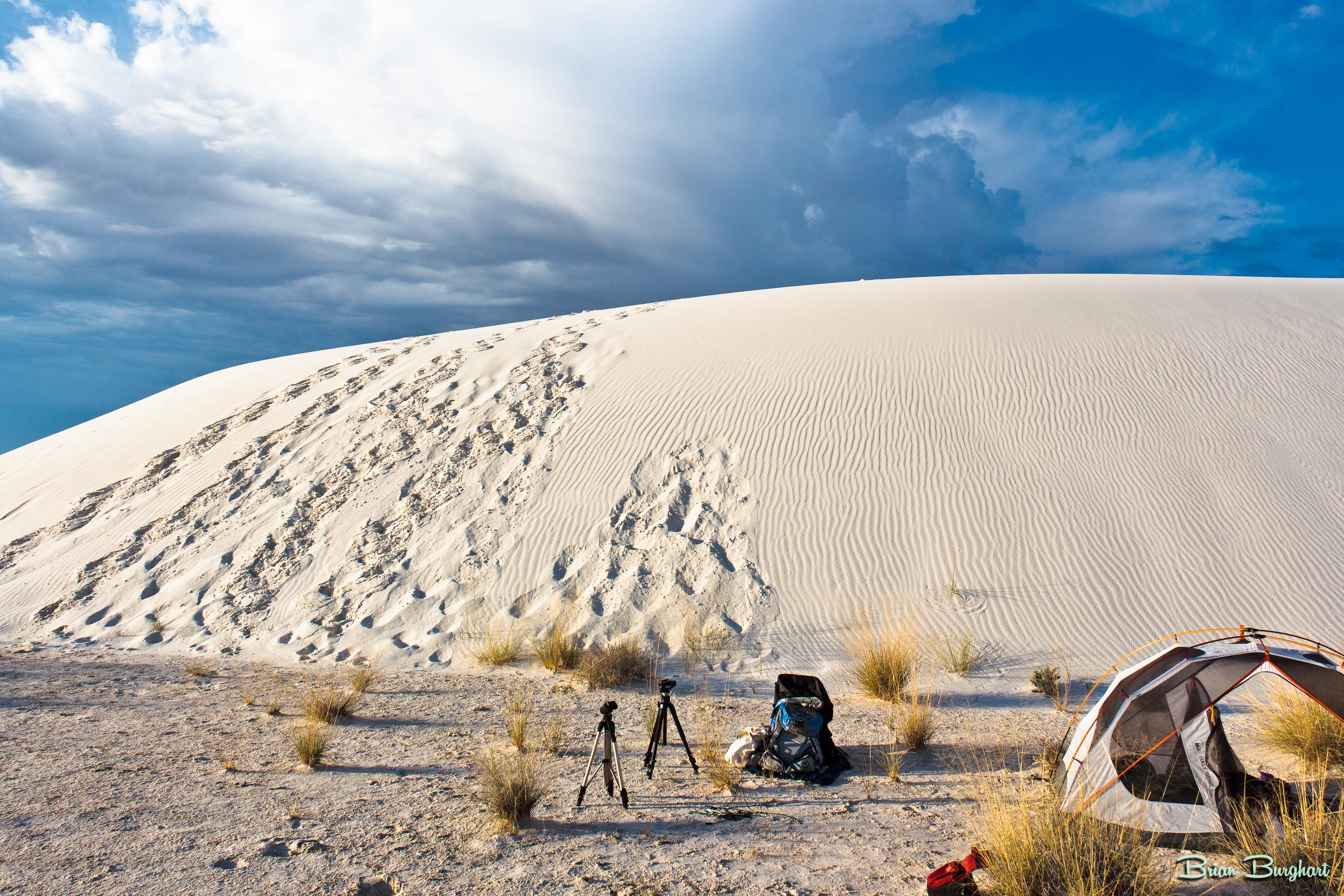
White Sands Backcountry Camping: Closed for 2026 — What to Know
As of 2026, backcountry camping at White Sands National Park is closed for site rehabilitation. What that means, and where to camp nearby instead.
Weather Guide
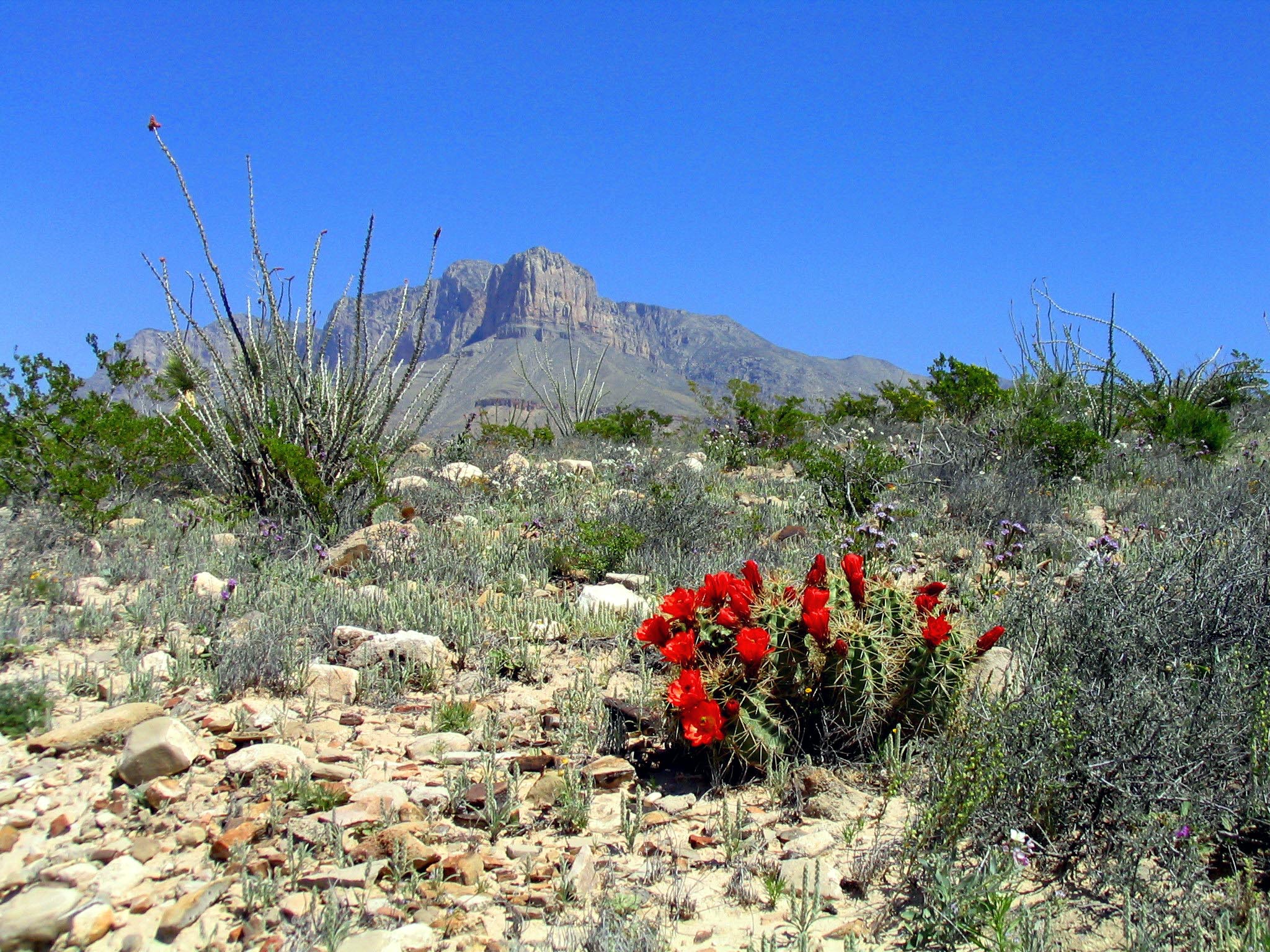
Guadalupe Mountains National Park Weather: Weather
Guadalupe Mountains National Park: weather guide guide updated 2026. Practical visitor information, reservations, and seasonal tips worth bookmarking before
Best Of
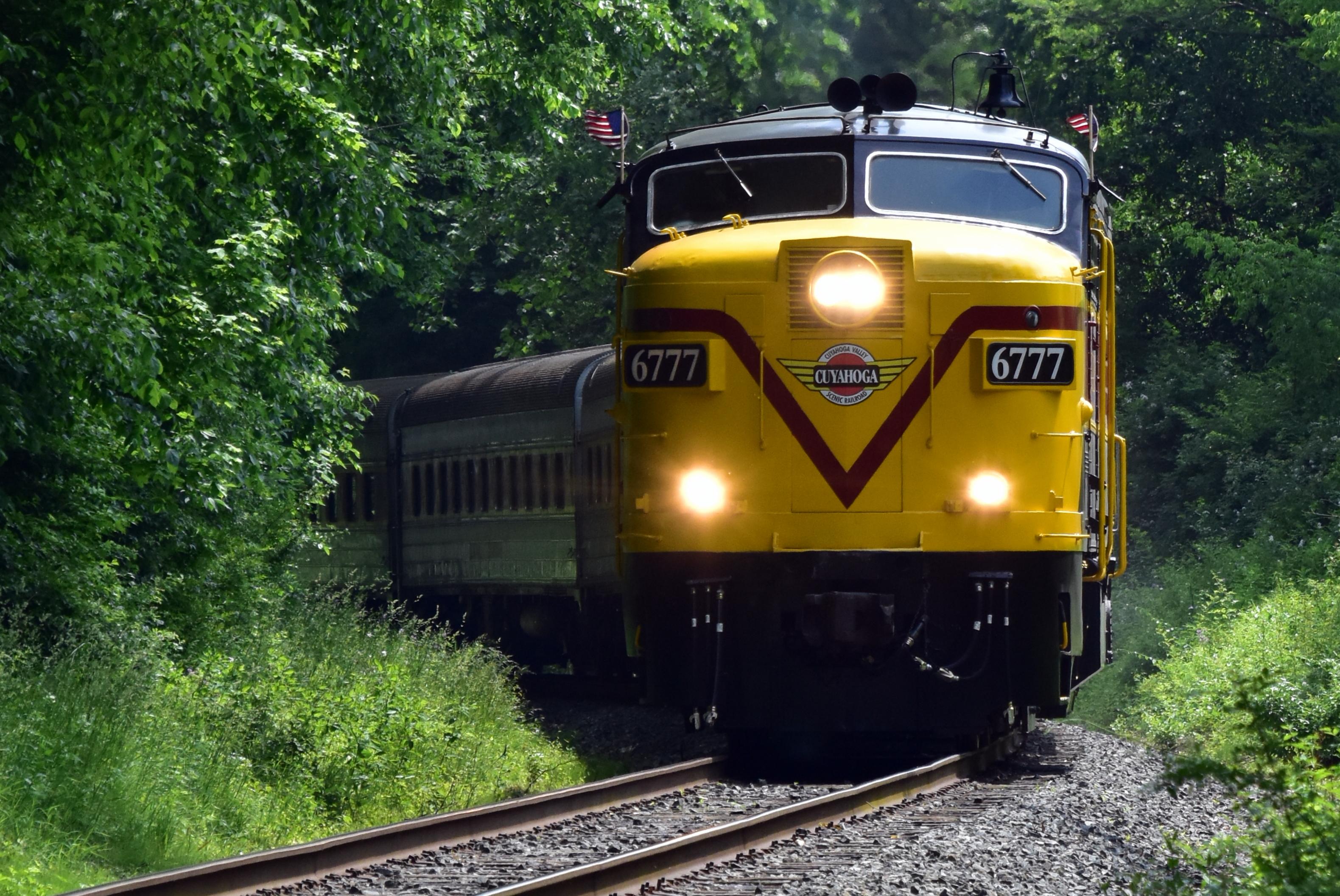
Best of Cuyahoga Valley National Park: Best Things to Do
Seeing a Cleveland Orchestra concert with the woods as your backdrop is a uniquely Cuyahoga Valley experience.
Sign in to join the conversation.
Sources & Attribution
Location data courtesy of the National Park Service (U.S. Department of the Interior). NPS data is public domain. Official NPS page.
Images: NPS; NPS; NPS; NPS; NPS.
Map data © OpenStreetMap contributors.
Park operations alerts: NPS.gov · Weather and weather hazards: National Weather Service · Live conditions.
Information may change. Always verify fees, hours, and conditions directly with the official source before visiting.
Did this guide help? Share it with a friend.