For more, see hiking trails and Campsites at Sanctuary River (2026 Guide).
NPS via NPS.gov (Public Domain)
Denali National Park Camping: Camping Near Denali Np (2026 Guide)
14 min read
Camping Guide
Denali National Park campground reservations open December 1st, with Teklanika River sites selling out within 90 minutes. Walk-up sites release daily at 7 AM.
Your plans
This article contains affiliate links — we may earn a small commission at no extra cost to you.
The Booking Reality
Reservations for Denali's campgrounds open on December 1st for the following summer season - and the most popular sites are gone within the first hour. Teklanika River Campground, the only drive-in campground beyond Mile 30 on the park road, typically sells out for July and August dates within 90 minutes of the window opening. Riley Creek, the largest campground, has more forgiving availability but still fills on weekends through peak season.
If you miss the reservation window, your best option is the walk-up lottery at the Denali Visitor Center. About 30 to 40 percent of sites across the park's campgrounds are held for same-day walk-up registration, released at 7 AM daily. The line starts forming by 6 AM in summer - earlier on weekends. Have a backup plan and a flexible itinerary if you're relying on walk-up availability.
All campground reservations for Denali National Park run through Recreation.gov. The maximum stay across all campgrounds is 14 consecutive days, and the total cumulative stay in the park per summer season is capped at 28 days.
Campground at a Glance
| Campground | Total Sites | Site Types | Reservation vs Walk-up | Season Dates | Fee/Night | Elevation | Hookups |
|---|---|---|---|---|---|---|---|
| Riley Creek | 147 | Tent & RV (up to 40 ft) | Both | Mid-May to mid-September | Free | 1,750 ft | None |
| Savage River | 33 | Tent & RV (up to 30 ft) | Both | Late May to mid-September | $28 | 2,780 ft | None |
| Teklanika River | 53 | Tent & RV (up to 40 ft) | Both | Late May to mid-September | $28 | 1,900 ft | None |
| Igloo Creek | 5 | Tent only | Walk-up only | Late May to mid-September | Free | 3,065 ft | None |
| Wonder Lake | 28 | Tent only | Walk-up only | Late May to mid-September | Free | 2,080 ft | None |
Fees listed are as of 2026. Check the park website for current rates before booking.
Riley Creek Campground: Complete Guide
Setting and Atmosphere
Riley Creek is the first campground you hit entering the park, located just inside the entrance at Mile 0.3. It sits in a spruce and birch forest along Riley Creek itself - you'll hear the creek running from most sites. This is the busiest campground in the park, with the most amenities and the most noise. Generator use is permitted here during designated hours (8 AM to 10 AM and 4 PM to 8 PM), so don't expect deep wilderness quiet. What you get instead is convenience: the visitor center, the bus depot, the general store, and the train depot are all within walking distance.
Loop by Loop Breakdown
Riley Creek has four loops: A, B, C, and D, plus a group site area.
Loop A sits closest to the entrance road and the Riley Creek bridge. Sites along the outer edge (A1 through A12) get more road noise but also catch afternoon sun. Sites A13 through A24 are set back further into the trees and offer better privacy. Avoid sites A1 through A4 if you're a light sleeper - the bridge traffic is constant through the early evening.
Loop B runs along the creek side. Sites B5 through B10 back directly onto the creek bank. These are the most sought-after sites in the campground for good reason - you get constant water noise and a buffer from the road. B1 through B4 are tighter and more exposed to the loop road.
Loop C is the largest loop and the most variable in quality. Sites C8 through C15 are the best bet here - set back from the road with decent spruce cover. Sites C1 through C4 sit right at the loop entrance and get the most foot traffic.
Loop D is the walk-up loop. Sites here are first-come, first-served and tend to be slightly smaller and more open than the reservable loops. Not a bad option if you arrive without a reservation, but expect less privacy.
Specific Site Recommendations
- Best for privacy: B7 through B10 along the creek. Dense vegetation between sites and the creek noise masks neighbor sounds.
- Best for families: A15 through A20. Close to the restrooms, flat ground for tents, and enough space for kids to move around.
- Best for RVs: C20 through C30. These are pull-through sites with the best clearance for longer rigs.
- Sites to avoid: A1 through A4 (road noise), D1 through D4 (exposed, high traffic), and any site directly adjacent to the generator-use area in Loop C.
Facilities Detail
Riley Creek has flush toilets, potable water spigots (located near the restroom buildings in each loop), a dump station (located near the campground entrance), and a dishwashing station. Showers are not available at the campground - the closest showers are at the Denali Grizzly Bear Resort just outside the park entrance, which charges a fee for non-guests. The Riley Creek Mercantile, about a quarter-mile walk from the campground, sells basic groceries, camping fuel, ice, and firewood.
What the Booking Site Doesn't Show
The Recreation.gov listing won't tell you that the train horns are audible from every site in Riley Creek - the Alaska Railroad tracks run parallel to the park entrance road about 200 yards south. Trains pass 4 to 6 times daily in summer, including a 3 AM freight. It's not a dealbreaker for most visitors, but it catches people off guard.
Also not obvious from the online listing: the walk-up sites in Loop D have a 7 AM release time, but the ranger station doesn't open until 8 AM. The rangers post the available sites on a whiteboard outside the station door at 7 AM sharp, and people claim sites by writing their name and vehicle plate. You do not need to wait in line at the door - just check the board and fill in your information.
Savage River Campground: Complete Guide
Setting and Atmosphere
Savage River sits at Mile 13 on the park road, about 30 minutes past the entrance. This is the first campground you reach after the road changes from pavement to gravel - the surface is packed gravel and can be dusty in dry weather. The campground lies in an open valley with the Savage River running along the western edge. The terrain is exposed compared to Riley Creek - less tree cover, more tundra and brush. You'll feel the wind here more consistently.
The primary advantage of Savage River is proximity to the Savage River Loop trail and the Savage River bridge area, which is the farthest point private vehicles can drive on the park road without a permit. This makes it a good base camp for day hikes in the lower park corridor.
Loop Layout
Savage River is a single loop with 33 sites arranged in a rough circle. There is no loop-by-loop breakdown needed - the loop is small enough that site selection comes down to specific numbers.
Sites 1 through 8 are on the outer edge of the loop, closest to the river. These have the best views and the most wind. Sites 9 through 16 sit along the interior of the loop - less wind, less view, more privacy from road traffic. Sites 17 through 25 are near the restroom building, which means more foot traffic but closer access to the water spigot. Sites 26 through 33 are the walk-up sites, located at the far end of the loop nearest the park road.
Specific Site Recommendations
- Best for views: Sites 3, 4, and 5. These face directly toward the river valley and the Savage Ridge beyond.
- Best for wind protection: Sites 11 through 15. The interior sites are sheltered by the loop's topography and the surrounding brush.
- Best for tents: Sites 6, 7, and 8 have the best tent pads - flat, well-drained, and slightly graveled.
- Sites to consider carefully: Sites 26 through 33 are adjacent to the park road. You get vehicle noise in the early morning and late evening from the shuttle buses passing by.
Facilities Detail
Vault toilets only. No flush toilets. No showers. Potable water is available at a single spigot near the restroom building. No dump station. No generator use permitted - this is a quiet campground by policy, and rangers enforce it. This matters if you're in an RV and rely on generator power for your appliances.
Teklanika River Campground: Complete Guide
Setting and Atmosphere
Teklanika River Campground sits at Mile 29 on the park road, which puts it beyond the Savage River checkpoint where private vehicles without permits must stop. To camp here, you must purchase a Teklanika River Camper Bus pass - a special bus ticket that allows campers to ride the shuttle buses between the park entrance and the campground. Your private vehicle can drive to the campground to set up, but once you park, the vehicle stays put until you check out. You cannot drive the vehicle beyond the campground or use it for sightseeing along the park road.
The campground is set in taiga forest along the Teklanika River. The tree cover is heavier than Savage River but lighter than Riley Creek. Moose are frequent visitors to the campground - rangers will tell you to keep a clean camp and store all food and scented items in the bear-proof lockers provided at each site.
This is the preferred campground for bus-accessed backpackers heading into the backcountry. Many people stay one night here to acclimate and catch the early morning bus to the Eielson Visitor Center or Wonder Lake.
Loop by Loop Breakdown
Teklanika has three short loops: A, B, and C, plus a small group site area.
Loop A is the first loop you reach from the entrance road. Sites A1 through A10 are the most open - less tree cover, more views of the surrounding hills. These sites also get the most sun, which matters in Denali where temperatures can drop to the mid-30s Fahrenheit even in July.
Loop B runs deeper into the trees. Sites B4 through B12 are the most private in the entire campground, with good spruce cover between sites. B1 through B3 are closer to the restroom building and see more traffic.
Loop C sits along the river side of the campground. Sites C5 through C10 back onto the Teklanika River bank. These are the best sites for sound - river noise covers most campground activity. C1 through C4 are tight and close to each other, with less separation.
Specific Site Recommendations
- Best for solitude: B7 through B10. Deep in the trees, good spacing between neighbors, minimal foot traffic.
- Best for river access: C6 through C9. Easy walk to the riverbank, good views up the valley.
- Best for sun and warmth: A3 through A7. Open exposure, morning sun, dries out faster after rain.
- Sites to avoid: A1 and A2 (right at the loop entrance, dusty from vehicle traffic), C1 through C3 (tight spacing, minimal privacy).
Facilities Detail
Vault toilets at each loop. Potable water at a central spigot near the registration board. No showers. No dump station. No generators. Bear-proof food lockers at every site - use them. Gray water disposal station near the campground exit. Fire rings are available at each site, but burn restrictions are common in mid-to-late summer. Check the fire danger board at the registration area before lighting anything.
What the Booking Site Doesn't Show
The Teklanika River Camper Bus pass is not included in your campsite reservation. You purchase it separately at the Wilderness Access Center when you arrive, or you can add it to your reservation online. The pass costs roughly $45 per adult as of 2026 (check current pricing). This pass is mandatory - you cannot ride the shuttle buses to and from the campground without it.
Also not obvious: the campground has a 3-night minimum stay requirement during peak season (June 1 through August 31). You cannot book a single night at Teklanika in July. This policy exists to reduce vehicle traffic on the restricted park road. If you only need one night, book Savage River instead.
Igloo Creek Campground: Complete Guide
Igloo Creek sits at Mile 34 on the park road - 5 miles past Teklanika. This is a primitive walk-up campground with only 5 tent sites. There is no reservation system. Sites are first-come, first-served, and you register at the physical campground bulletin board.
This campground exists primarily for backpackers staging trips into the Igloo Creek area and the surrounding backcountry units. The sites are basic - tent pad, fire ring, bear locker. Vault toilet on site. No potable water - treat water from Igloo Creek. No vehicle access beyond the shuttle bus drop-off. You arrive by camper bus and walk the short distance from the bus stop to the campground.
The five sites are spread out along a short trail paralleling the creek. Sites 1 and 2 are closest to the bus stop and see the most noise. Sites 4 and 5 are farthest in, with better separation and more privacy. Site 3 is the most exposed to wind.
If you want this campground, arrive early in the day. The bus schedule means most people arrive between 11 AM and 2 PM. Being on an early bus gives you first pick.
Wonder Lake Campground: Complete Guide
Wonder Lake Campground sits at Mile 85 on the park road, near the end of the road. This is the furthest campground from the entrance and the most remote. Twenty-eight tent-only sites, walk-up registration only, no reservations. Vault toilets, bear lockers, fire rings. No potable water - you must bring your own or treat water from Wonder Lake.
The campground is set in open tundra about a quarter-mile north of Wonder Lake itself. On clear days, Denali rises to the southwest, and from several sites you can see the mountain reflected in the lake. Most visitors underestimate how cold it gets here - overnight lows in the mid-30s Fahrenheit are common even in August. Pack accordingly.
Sites 1 through 10 are closest to the road and the bus stop. These fill first but have the easiest access. Sites 11 through 18 run along a ridge with views toward the mountain - these are the best sites in the campground. Sites 19 through 28 are set farther back, more sheltered from wind but without the mountain views.
The walk-up system at Wonder Lake works the same as Igloo Creek: register at the campground bulletin board, first-come, first-served. The early bus from Teklanika or the Eielson Visitor Center gets you there by late morning most days. In July, the campground often fills by early afternoon.
Reservation Strategy
Recreation.gov Tactics
Reservations for Denali's reservable campgrounds open on December 1st at 8 AM Alaska Time (that is 11 AM Eastern, 8 AM Pacific). Have your Recreation.gov account set up and your payment information saved in advance. The site will show a countdown timer on the campground listing page - refresh at exactly 8 AM AK time.
Teklanika River Campground sells out first, followed by Savage River, then Riley Creek. If your dates are flexible, target mid-week arrivals (Tuesday through Thursday) which see less competition. Weekend arrivals (Friday through Sunday) in July and August are gone within the first 30 minutes for Teklanika.
Cancellation Monitoring
Canceled sites get released back into the system immediately. People tend to cancel 14 days out (the cancellation penalty window) and again 48 hours out (the late-cancellation window). Set alerts on Recreation.gov for your target dates and check daily during these windows.
Walk-Up Strategy
If you are attempting walk-up registration, arrive at the Denali Visitor Center or the Wilderness Access Center by 6:30 AM. The available sites are posted at 7 AM. Have your vehicle information, campground preference, and number of nights ready. The ranger processing walk-up registrations can move through about 15 to 20 parties per hour - if you are eighth in line, you will wait.
What to Know Before You Arrive
Bear Storage
Every campground in Denali has bear-proof food lockers at each site or at a central location. All food, cooking gear, toiletries, trash, and anything with a scent must be stored in these lockers when not in use. The park service is strict about this - rangers patrol campgrounds in the evening and will issue warnings and fines for improperly stored items. Coolers left on picnic tables are the most common violation.
Fire Restrictions
Campfires are permitted in designated fire rings only. Burn bans are common starting in late June and can last through August depending on fire danger. The park posts fire restriction status at every campground registration board and at the visitor center. Do not assume fires are allowed - check the current status on your arrival day.
Quiet Hours
Quiet hours run from 10 PM to 6 AM at all campgrounds. Noise carries further in Denali than you expect - the dry air and open terrain mean conversation from three sites away can be clearly audible. Headlamps and lanterns at night should be kept low. The park service enforces quiet hours primarily through complaints - if neighbors complain, rangers will follow up.
Cell Service
Cell service is essentially nonexistent beyond the park entrance corridor. Riley Creek Campground has intermittent service on some carriers (Verizon has the best coverage here). At Savage River and beyond, expect no service. Plan accordingly - download directions, bus schedules, and any digital materials before you arrive.
Water
Potable water is available at Riley Creek, Savage River, and Teklanika River campgrounds. Igloo Creek and Wonder Lake do not have potable water - you must bring your own or treat surface water. Giardia is present in Alaska's streams and lakes. Boiling for one minute, using a backcountry water filter (0.3 micron or smaller), or UV treatment is required for any untreated water.
Generator Hours
Generators are permitted only at Riley Creek Campground, and only during designated hours: 8 AM to 10 AM and 4 PM to 8 PM. All other campgrounds in Denali prohibit generators entirely. If you rely on generator power, Riley Creek is your only option.
Checkout Time
Checkout time is 11 AM at all campgrounds. Late checkout is not available - sites are typically rebooked or released to walk-ups the same day. Pack out all trash (there is no dumpster service at Igloo Creek or Wonder Lake - pack out everything you brought in).
Practical Takeaways
- Book Teklanika first. If you want to camp deep in the park, reserve Teklanika on December 1st when the window opens. By December 2nd, July dates will likely be gone.
- The 3-night minimum at Teklanika is not a suggestion. It is enforced in peak season. Book 3 nights or do not book Teklanika at all. Single-night stays go to Savage River or Riley Creek.
- Walk-up sites are real but require early arrival. The 7 AM release at the visitor center means a 6 AM arrival if you want a decent pick. The line moves fast - have your paperwork ready.
- Pack for cold. Denali in July averages highs in the low 60s Fahrenheit and lows in the mid-30s. Wonder Lake regularly drops below freezing. Bring a sleeping bag rated for 20 degrees or lower.
- The camper bus pass at Teklanika is a separate purchase. It costs roughly $45 per adult as of 2026 and is mandatory for bus access. This is an additional expense on top of your campsite fee.
- Generators only at Riley Creek. If you rely on generator power for medical equipment or RV appliances, you are limited to Riley Creek Campground. Plan accordingly.
- Bear lockers are mandatory at every site. Store everything scented. Rangers do evening checks in peak season. Fines start at $100 for first offenses.
- No potable water at Igloo Creek or Wonder Lake. Bring a filter or bring your own water from the entrance area. Plan for at least 1 gallon per person per day.
- **The park road is unpaved past
For more information, see our complete Denali National Park Guide.
Recommended Gear
What experienced visitors bring to Denali National Park Camping: Camping Near Denali Np (2026 Guide)
Links may earn us a commission at no extra cost to you. We only recommend gear we believe in.
Hiking Essentials
Hydration Pack (3L)
Hands-free water for long trail days
Trekking Poles (Pair)
Save your knees on steep descents
Hiking Boots (Ankle Support)
Sturdy footwear for rocky, uneven trails
Sun & Heat Protection
Wide-Brim Sun Hat
Full coverage UPF 50+ protection at altitude
Insulated Water Bottle (32oz)
Keeps water cold in desert heat all day
Winter Gear
Microspikes / Traction Devices
Essential for icy rim trails in winter months
Packable Down Jacket
Lightweight warmth that stuffs into a pocket
Sources
- Official source: NPS — Denali National Park nps.gov/dena/index.htm
More to Explore
Park Guide
Acadia National Park: Carriage Roads, Cadillac Mountain & 2026 Guide
Discover carriage roads, Cadillac Mountain, and rugged Maine coast. Complete 2026 guide to Acadia National Park — trails, fees, lodging, permits, and what rangers recommend.
Hiking Guide
Grand Canyon Hiking Trails: Day Hikes, Water Sources & Rim to Rim
Compare Grand Canyon hiking trails: Bright Angel, South Kaibab, Hermit, Grandview, and rim to rim, with distances, elevation, water stops, and trailhead access for each.
Best Of
Best of Glacier Bay National Park
The best of Glacier Bay is reached by boat: ranger-led day tours up the bay to the tidewater glaciers. What's worth it, how to book, and when to go (2026).
Campsite Guide
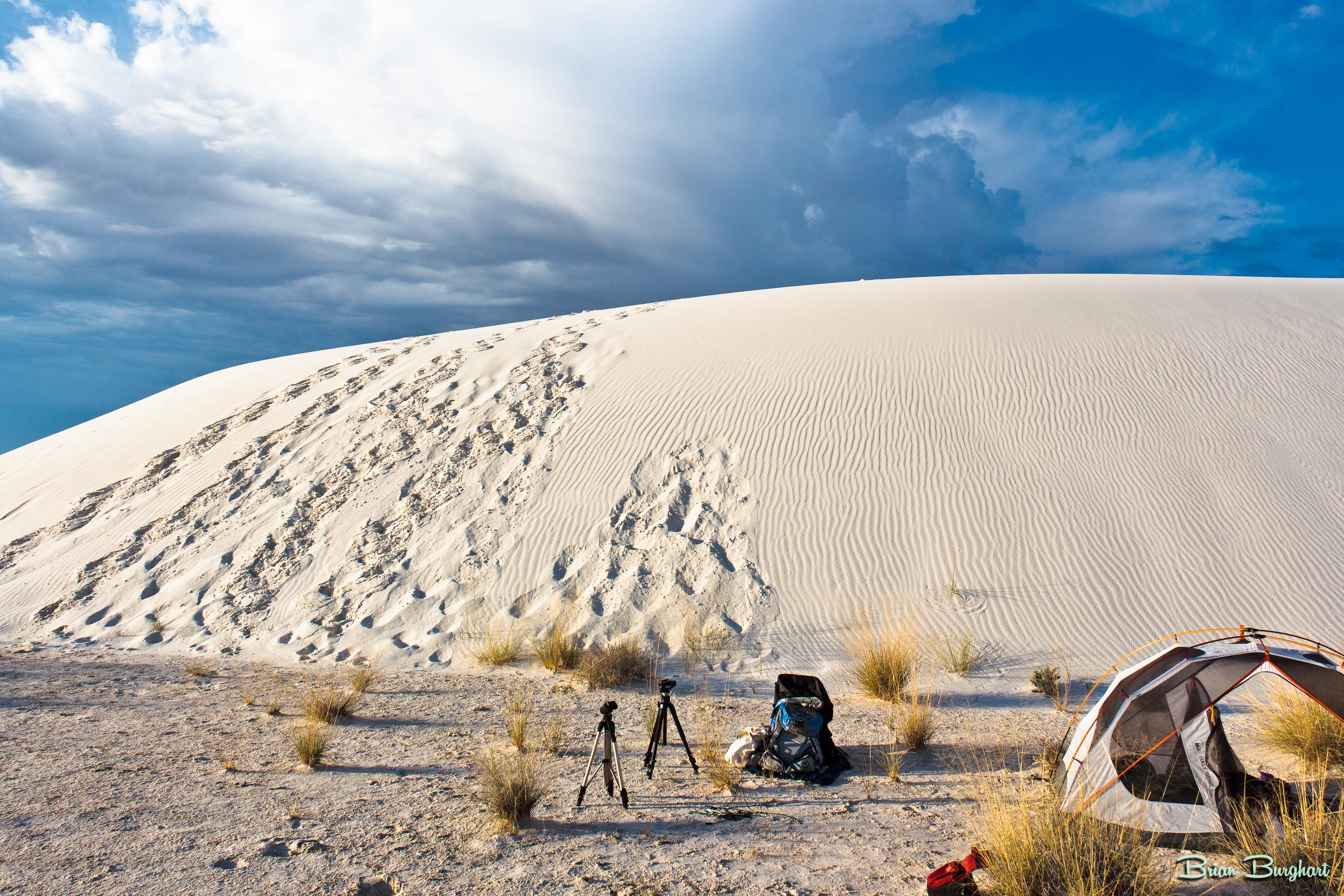
White Sands Backcountry Camping: Closed for 2026 — What to Know
As of 2026, backcountry camping at White Sands National Park is closed for site rehabilitation. What that means, and where to camp nearby instead.
Weather Guide
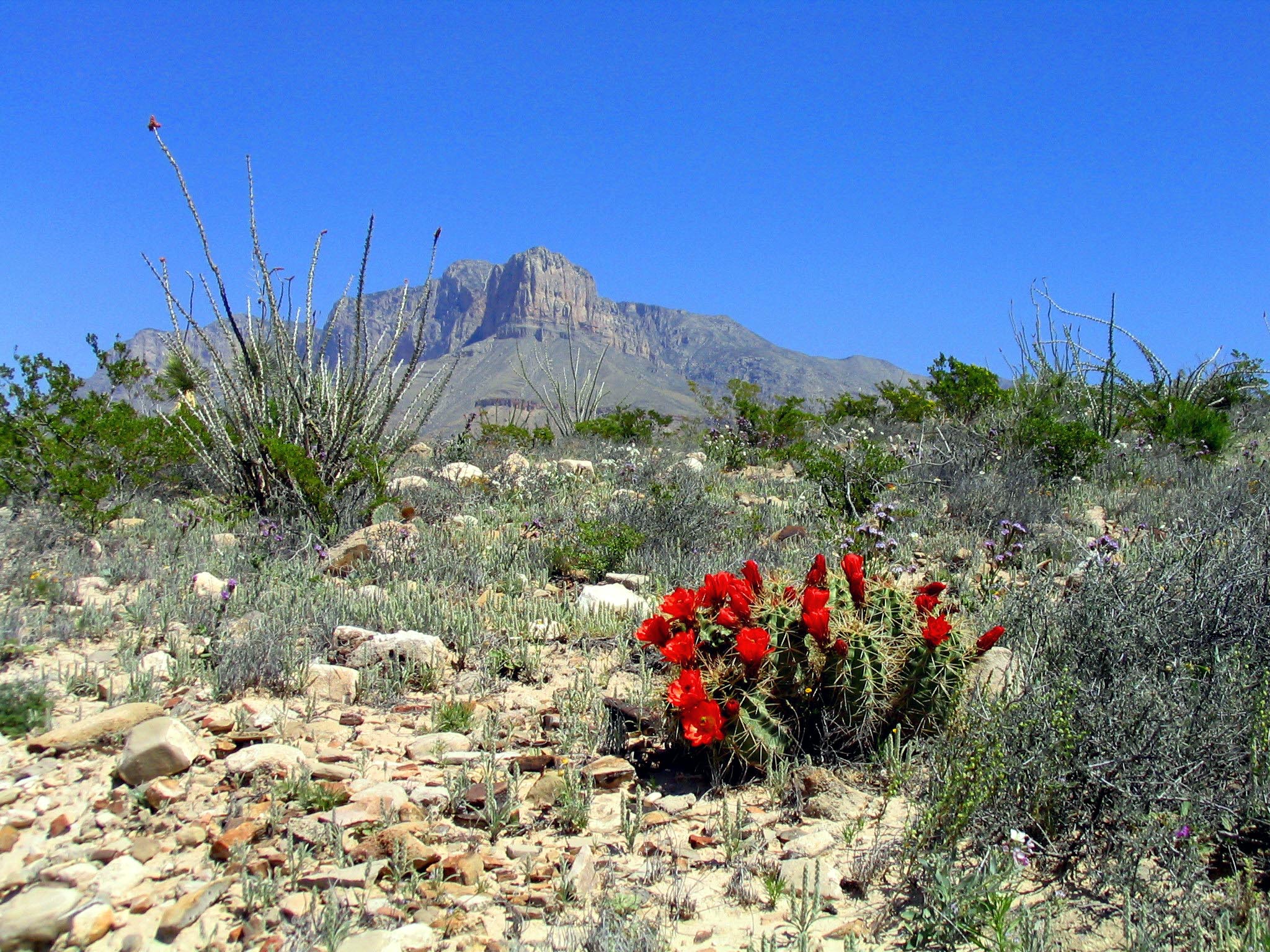
Guadalupe Mountains National Park Weather: Weather
Guadalupe Mountains National Park: weather guide guide updated 2026. Practical visitor information, reservations, and seasonal tips worth bookmarking before
Best Of
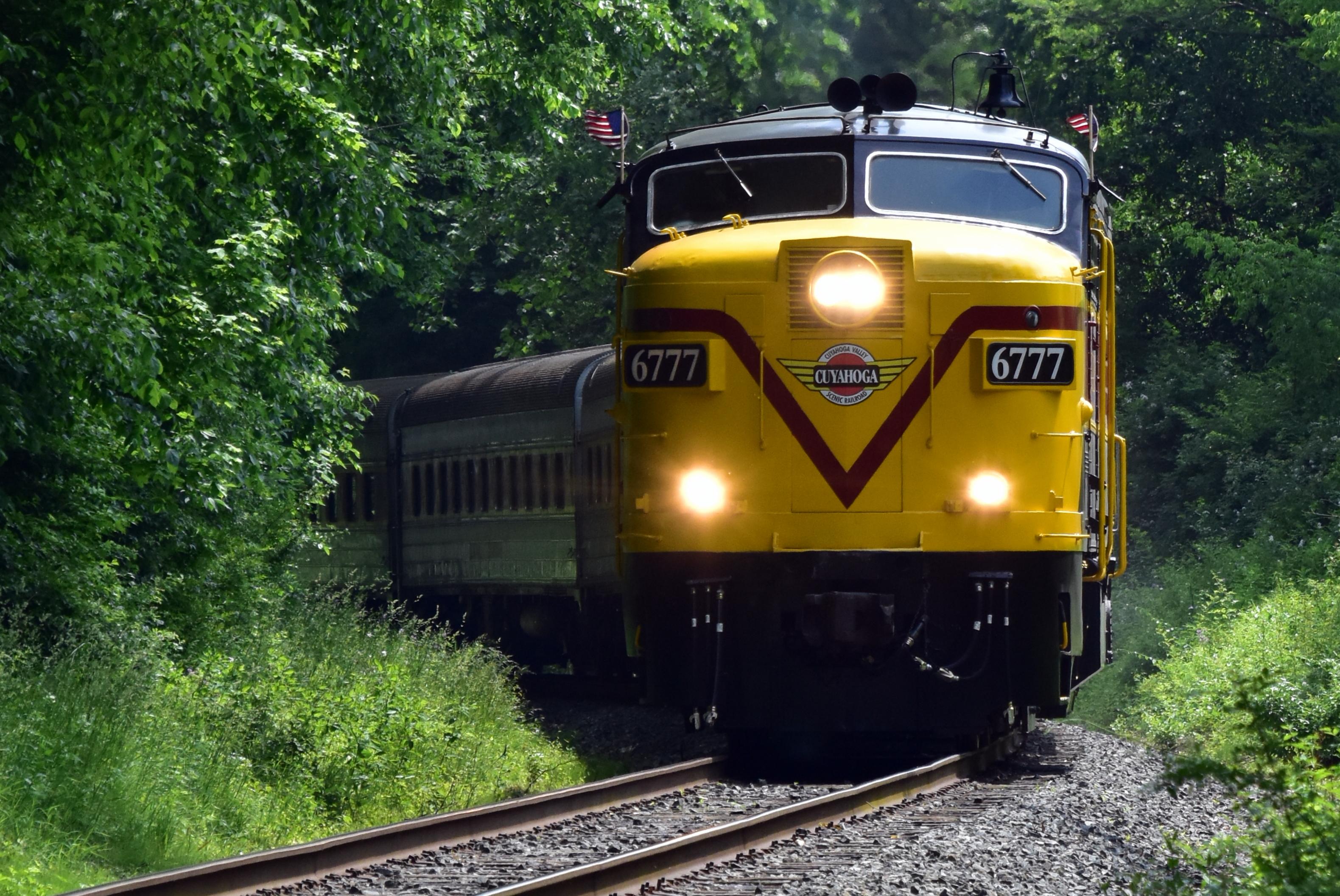
Best of Cuyahoga Valley National Park: Best Things to Do
Seeing a Cleveland Orchestra concert with the woods as your backdrop is a uniquely Cuyahoga Valley experience.
Sign in to join the conversation.
Sources & Attribution
Location data courtesy of the National Park Service (U.S. Department of the Interior). NPS data is public domain.
Images: NPS.
Map data © OpenStreetMap contributors.
Park operations alerts: NPS.gov · Weather and weather hazards: National Weather Service · Live conditions.
Information may change. Always verify fees, hours, and conditions directly with the official source before visiting.
Did this guide help? Share it with a friend.