The gravel crunches under your tires as you pull into the campground loop, the scent of sun-warmed pine needles thick in the air. You're at 6,000 feet, and the silence has a different quality up here - sharp and clear, broken only by the chatter of a Clark's nutcracker. This is the reality of camping at Crater Lake, a logistical puzzle that rewards those who solve it with a front-row seat to one of the continent's most profound landscapes. Your first step isn't packing the tent; it's mastering the crater lake camping reservations map and the booking system that controls access to a very finite number of sites.
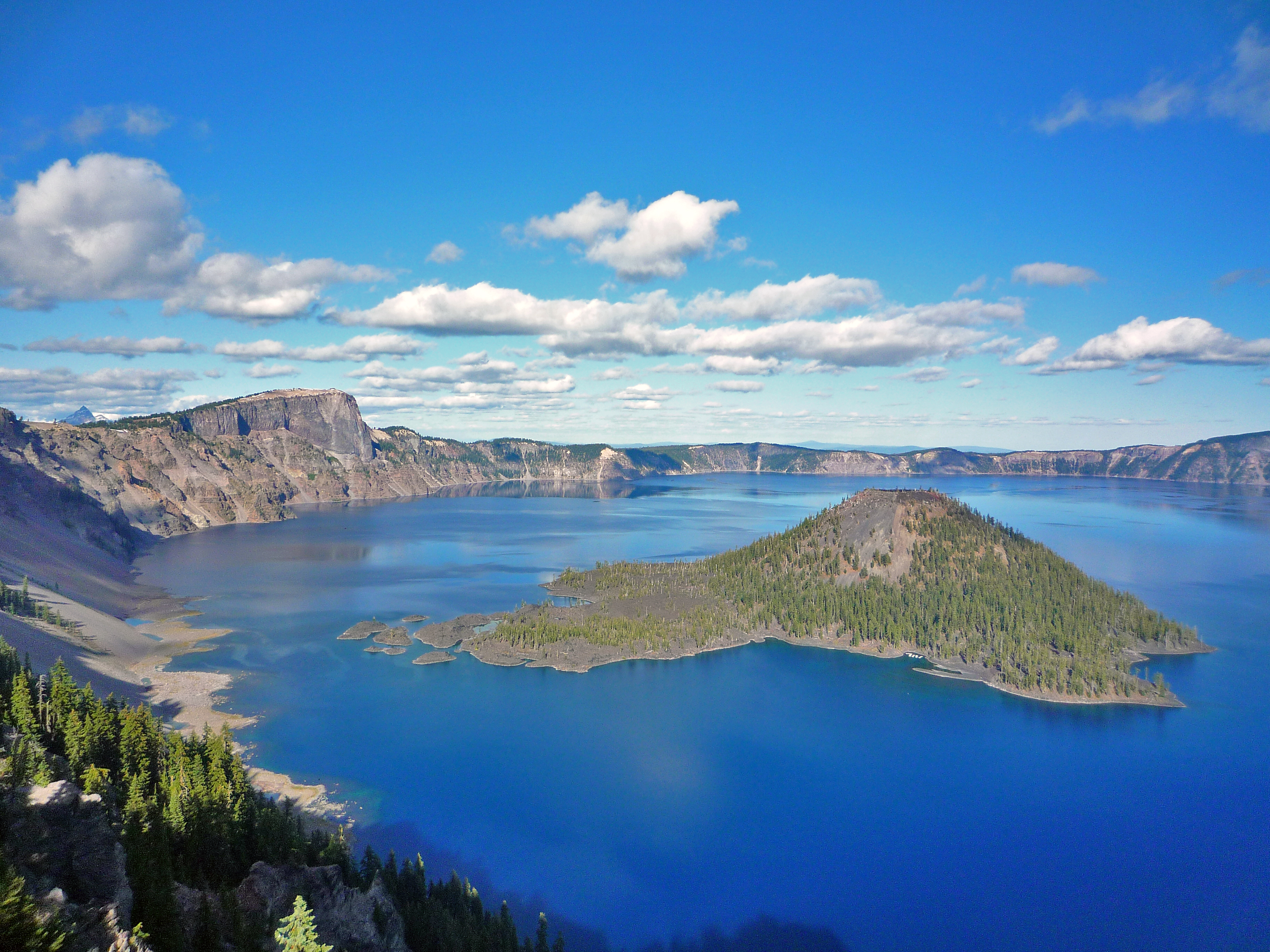
NPS via NPS.gov (Public Domain)
Crater Lake Camping Reservations Map: Complete Guide (2026)
8 min read
Camping Guide
With over 200 sites spread across multiple loops in a mature lodgepole and Shasta red fir forest, Mazama is a small village.
Your plans
This article contains affiliate links — we may earn a small commission at no extra cost to you.
The Booking Reality
Reservations for Crater Lake's primary campgrounds operate on a six-month rolling window through Recreation.gov. For a July weekend site, you're booking in January. And you're not just booking on the right day - you need to be online at 7:00 AM Pacific Time the moment that window opens. Rangers will tell you that prime summer dates, especially Friday and Saturday arrivals in July and August, can sell out within minutes. Not hours. Minutes.
This isn't a suggestion to book early; it's the operational fact of securing a spot. The park's short, intense season - roughly late June through September - compresses all demand into a few precious months. If you miss the reservation window, your only option is the limited first-come, first-served availability at Mazama Campground, which typically fills by 1:00 PM on summer afternoons. There is no overflow camping. The common mistake, and almost everyone makes it their first time, is underestimating the speed of the sell-out. Checking for cancellations is a valid strategy, but it requires relentless, daily monitoring of the Recreation.gov site.

Campground at a Glance
| Campground | Total Sites / Types | Reservation? | Season (Approx.) | Fee (2026) | Elevation | Hookups? | Nearest Services |
|---|---|---|---|---|---|---|---|
| Mazama Campground | 214 sites (Tent, RV, Group) | Yes, for most. Some FCFS loops. | Late June - Late Sept. | $23-38/night | 6,000 ft | No | Mazama Village (Store, Gas*, Cafe) |
| Lost Creek Campground | 16 sites (Tent-only) | First-Come, First-Served only | July - Sept. | $21/night | 5,900 ft | No | None. Pack it in. |
*Note: As of 2026, the gas station at Mazama Village is closed seasonally. Check the official park alert page for current fuel status before you arrive.

Mazama Campground: Complete Guide
This is the main event. With over 200 sites spread across multiple loops in a mature lodgepole and Shasta red fir forest, Mazama is a small village. The atmosphere is what you'd expect: the thud of car doors, the smell of campfire smoke mingling with pine, and the low hum of generators during permitted hours. You're not camping on the rim - no campground has a lake view - but you're centrally located at Mazama Village, a 15-minute drive from Rim Village.
Loop by Loop Breakdown
The campground is divided into lettered loops (A through G), and your loop assignment dictates your experience.
- Loops A & B: These are the first-come, first-served (FCFS) loops. They're also the first ones you see when you enter. Expect more traffic noise from the campground entrance road and quicker turnover as FCFS campers arrive and depart. Sites here are adequate but offer less privacy. This is your backup plan if you're rolling in without a reservation.
- Loops C, D, & E: The heart of the reservation system. These loops are quieter, further from the road, and have a better sense of seclusion. The sites are more generously spaced, with thicker tree cover. Loop D, in particular, tends to be a favorite for tent campers seeking a bit more buffer between neighbors.
- Loop F: The generator-friendly loop. If you're in an RV and need to run your generator, you must be booked in Loop F. The sound carries, so if you're a tent camper prioritizing quiet, use the Recreation.gov filters to avoid this loop.
- Loop G: Houses the group campsites and some standard sites. It's set apart, which is good for noise, but it's also the farthest loop from the campground amenities.
Site Selection Strategy
The booking site shows basic diagrams, but here's what it doesn't show: the ground is often a soft bed of pine duff, perfect for tent stakes. Privacy is more about clever vegetation than sheer acreage. Look for sites where the underbrush between numbered pads is still thick.
For families, sites in the middle of loops C or D offer a good balance of accessibility to the restrooms and a contained feeling. For solitude, aim for the outer-edge sites in these same loops, where your backside faces the forest. Avoid any site that looks like it's at a three-way trail or road junction within the loop - these become inadvertent gathering spots.
Facilities and Realities
Mazama has flush toilets and free showers. This is a major luxury at 6,000 feet. The shower building is centrally located, and there's often a line between 5:00 and 7:00 PM. Plan your rinse-off for mid-afternoon or later in the evening. Potable water spigots are scattered throughout the loops. A dump station and potable water fill are available near the campground entrance for a fee.
The park newspaper doesn't mention the evening chill. Even on an 80-degree August day, the temperature can drop into the 40s once the sun slips behind the crater rim. Your summer packing list must include a warm hat and a proper sleeping bag.

Lost Creek Campground: Complete Guide
Lost Creek is the antithesis of Mazama. It's small, quiet, and entirely first-come, first-served. The 16 tent-only sites are strung along a single loop road. The sound here is the creek itself - a constant white-noise backdrop that masks any distant campground chatter. It's a 25-minute drive from Rim Village, located on the park's quieter southeast side near the turn-off for the Pinnacles Road.
The Vibe and The Catch
The atmosphere is pure, simple forest camping. Sites are basic: a picnic table, a fire ring with grill, and a bear-proof food locker. The vault toilets are clean but rustic. There is no potable water. You must bring all the water you will need for drinking, cooking, and washing. This fact alone filters out most casual campers.
Sites 7-10 are closest to the creek, offering the best auditory privacy. The loop fills later than Mazama, but to secure a spot in July or August, you still need to arrive by late morning. This isn't a basecamp for extensive hiking trails on the main rim; it's a destination for those who want to fall asleep to the sound of water and don't mind the self-contained logistics.

Reservation Strategy
Your weapon is Recreation.gov's calendar. For a Saturday arrival in peak season, the booking window opens at 7:00 AM PST on the Saturday six months prior. Create your account, save your payment method, and have your desired site numbers (have a top three list) ready before the clock ticks over. The site can lag under load. Refresh patiently; frantic clicking can get you booted.
If you strike out, use the "Notify Me" function on Recreation.gov for your desired dates and campground. Cancellations do happen, often 2-4 weeks out as plans solidify. Be ready to book the instant the alert hits your inbox.
For Lost Creek, the strategy is purely arrival-based. Have a full tank of gas and water jugs filled before you enter the park. The gas station in the park is often closed, and running out is a costly tow. Drive directly to Lost Creek to claim a site, then go explore.
What to Know Before You Arrive
Bear activity is a constant. Every single campsite at Mazama and Lost Creek has a large, metal bear-proof food locker. Using it isn't a suggestion; it's mandatory. This includes all food, coolers, scented toiletries, and trash. A clean camp is a safe camp.
Fire restrictions are common, even in summer. The park's official website posts current fire danger levels. During high or extreme fire danger, all wood and charcoal fires are prohibited, including in campground rings. Propane stoves are typically still allowed. Check the board at the campground entrance when you arrive.
Quiet hours (10:00 PM to 6:00 AM) are generally well-respected, but generator use in Loop F is permitted from 8:00 AM to 8:00 PM. If absolute silence is your goal, book elsewhere.
Cell service is notoriously unreliable throughout the park. It drops out completely at most campground sites. Assume you will have no signal. The Wi-Fi at the Mazama Village store is weak and public - don't plan on using it for anything important.
Check-out time is 11:00 AM, and rangers do enforce it to facilitate cleaning for incoming campers. If you want a leisurely morning, plan to be packed up and off your site by then, even if you're staying in the park to hike.
Practical Takeaways
- Reservations are a competitive sport. For Mazama, be online at Recreation.gov at 7:00 AM PST exactly six months before your planned arrival date.
- Study the crater lake camping reservations map on Recreation.gov. Understand the loop differences: avoid Loop F for quiet, target Loops C-E for better sites, and know Loops A&B are your FCFS fallback.
- Pack for a 40-degree temperature swing. Summer days are warm; nights are cold. A 20-degree sleeping bag is a minimum for comfort.
- Bring all the water you need if aiming for Lost Creek. There is no water source there. Plan for at least 2 gallons per person per day.
- Use the bear locker religiously. It's there for a reason. An unattended cooler left on a picnic table will attract wildlife and earn you a ranger's visit.
- Fill your gas tank before entering the park. As of 2026, the in-park station is closed seasonally. Running out of gas requires a tow truck from outside the park.
- Expect no cell service. Download maps, trail guides, and your reservation confirmation to your phone before you arrive.
- Check current fire restrictions on the park website or at the campground kiosk. Have a backup propane stove plan in case wood fires are banned.
- The Cleetwood Cove Trail, the only legal access to the lake shore, is closed for rehabilitation as of 2026. No boat tours or swimming access is available. Plan your activities around rim viewpoints and other hiking trails.
- Your campsite fee does not cover the park entrance fee. Have your America the Beautiful Pass or credit card ready to pay the $30 per vehicle summer entrance fee (as of 2026) at the gate.
Camping at Crater Lake is about embracing the constraints - the short season, the high demand, the alpine weather. The payoff is waking up in the cool, thin air of the Cascades, with the deepest lake in the country just a short drive away from your tent door. Plan like a strategist, and you'll sleep like a log.
For more information, see our complete National Park Guide.
Related: crater lake hiking guide
Related: hiking in crater lake guide
Recommended Gear
What experienced visitors bring to Crater Lake Camping Reservations Map: Complete Guide (2026)
Links may earn us a commission at no extra cost to you. We only recommend gear we believe in.
Hiking Essentials
Hydration Pack (3L)
Hands-free water for long trail days
Trekking Poles (Pair)
Save your knees on steep descents
Hiking Boots (Ankle Support)
Sturdy footwear for rocky, uneven trails
Sun & Heat Protection
Wide-Brim Sun Hat
Full coverage UPF 50+ protection at altitude
Insulated Water Bottle (32oz)
Keeps water cold in desert heat all day
Winter Gear
Microspikes / Traction Devices
Essential for icy rim trails in winter months
Packable Down Jacket
Lightweight warmth that stuffs into a pocket
Sources
- Official source: NPS — Crater Lake National Park nps.gov/crla/index.htm
Photo Gallery
More to Explore
Park Guide
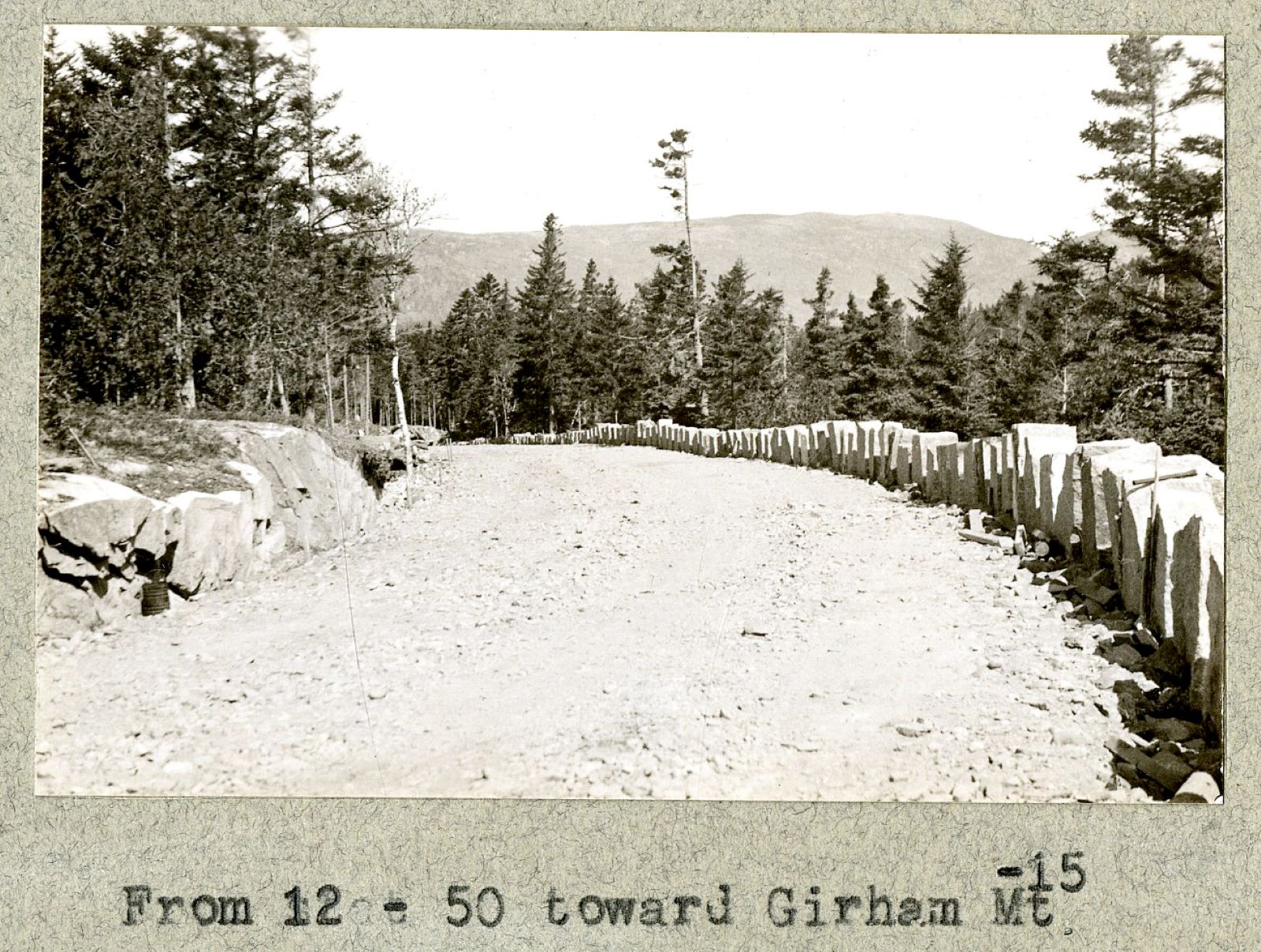
Acadia National Park: Carriage Roads, Cadillac Mountain & 2026 Guide
Discover carriage roads, Cadillac Mountain, and rugged Maine coast. Complete 2026 guide to Acadia National Park — trails, fees, lodging, permits, and what rangers recommend.
Hiking Guide
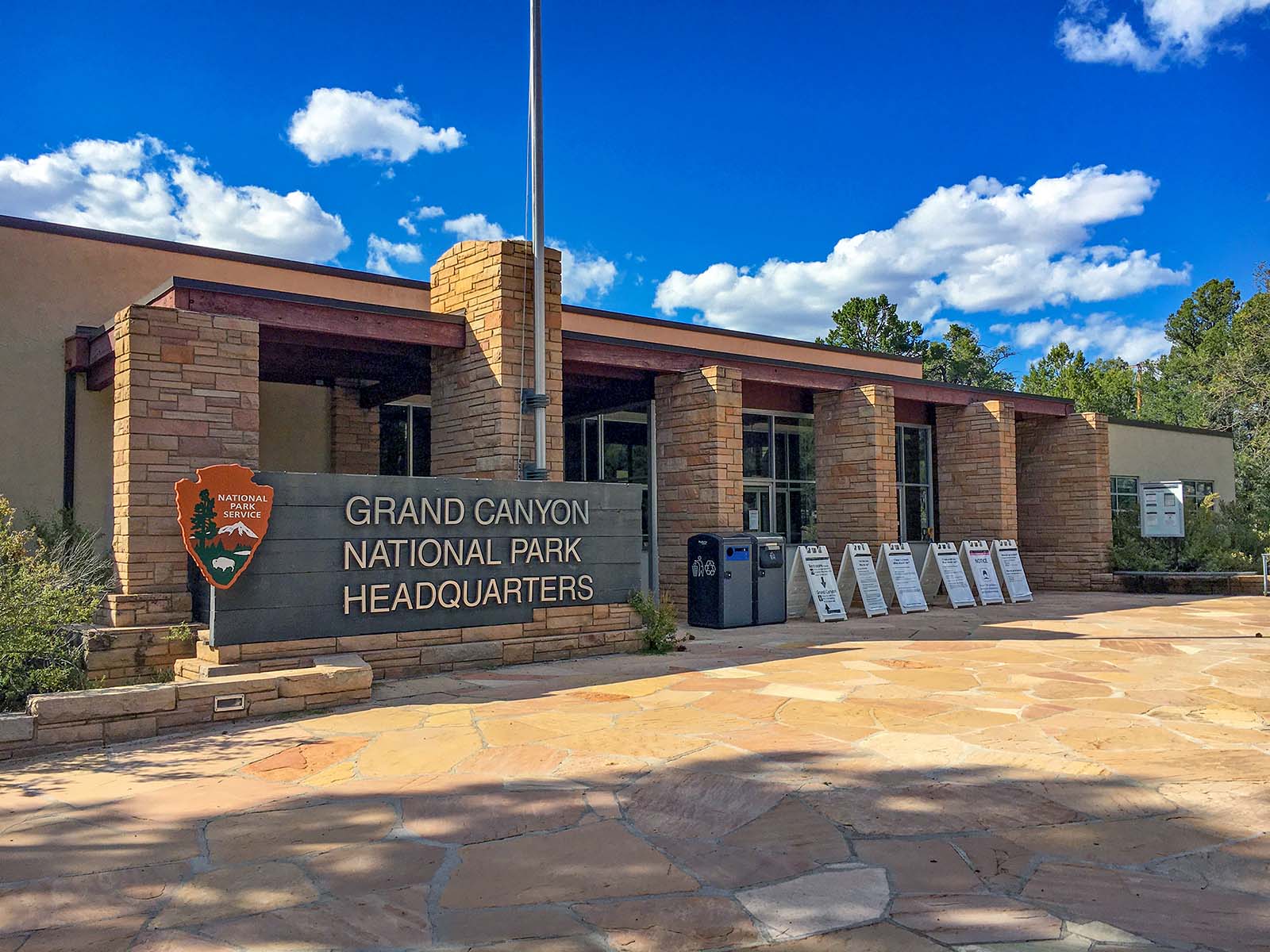
Grand Canyon Hiking Trails: Day Hikes, Water Sources & Rim to Rim
Compare Grand Canyon hiking trails: Bright Angel, South Kaibab, Hermit, Grandview, and rim to rim, with distances, elevation, water stops, and trailhead access for each.
Best Of
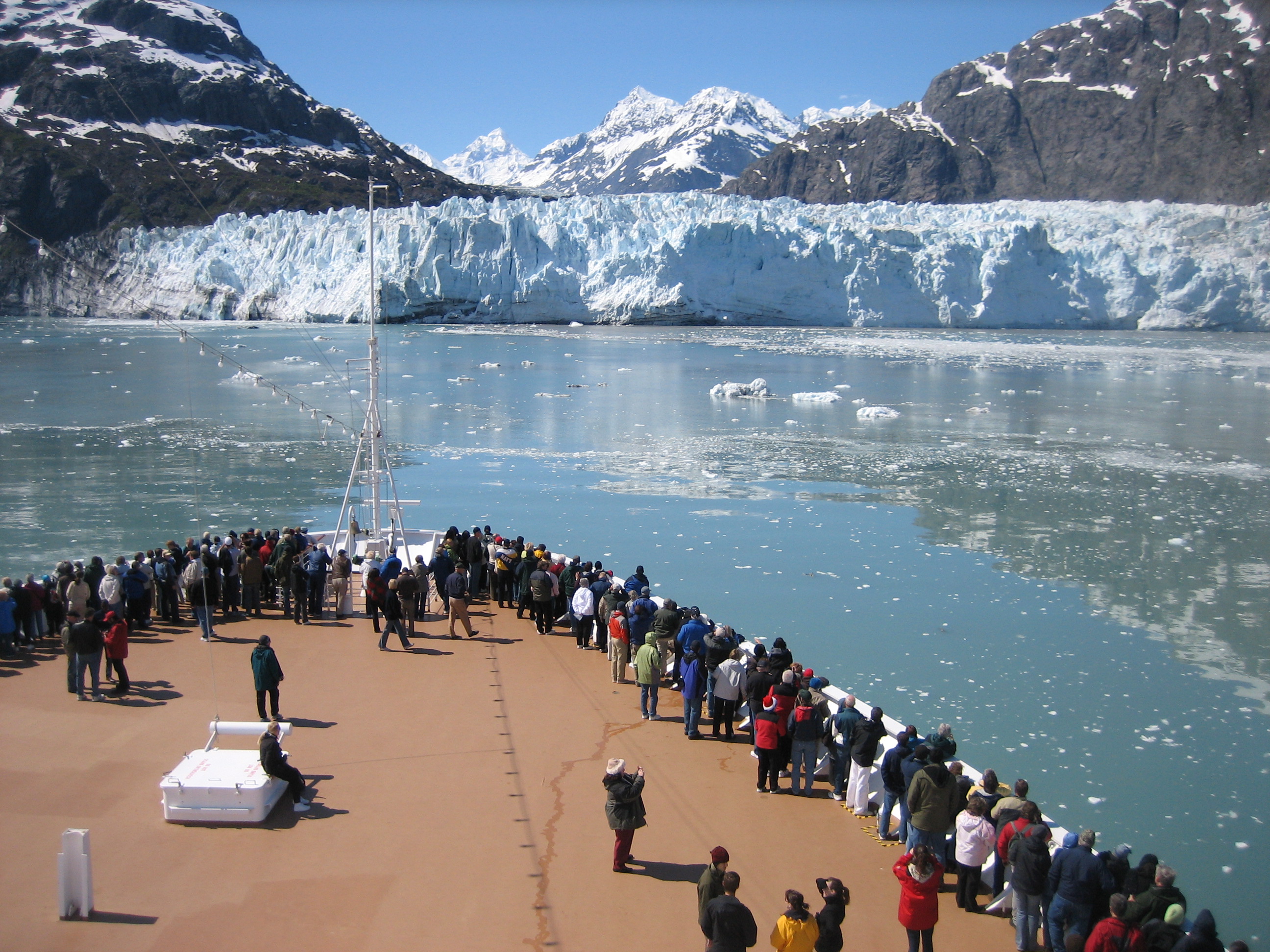
Best of Glacier Bay National Park
The best of Glacier Bay is reached by boat: ranger-led day tours up the bay to the tidewater glaciers. What's worth it, how to book, and when to go (2026).
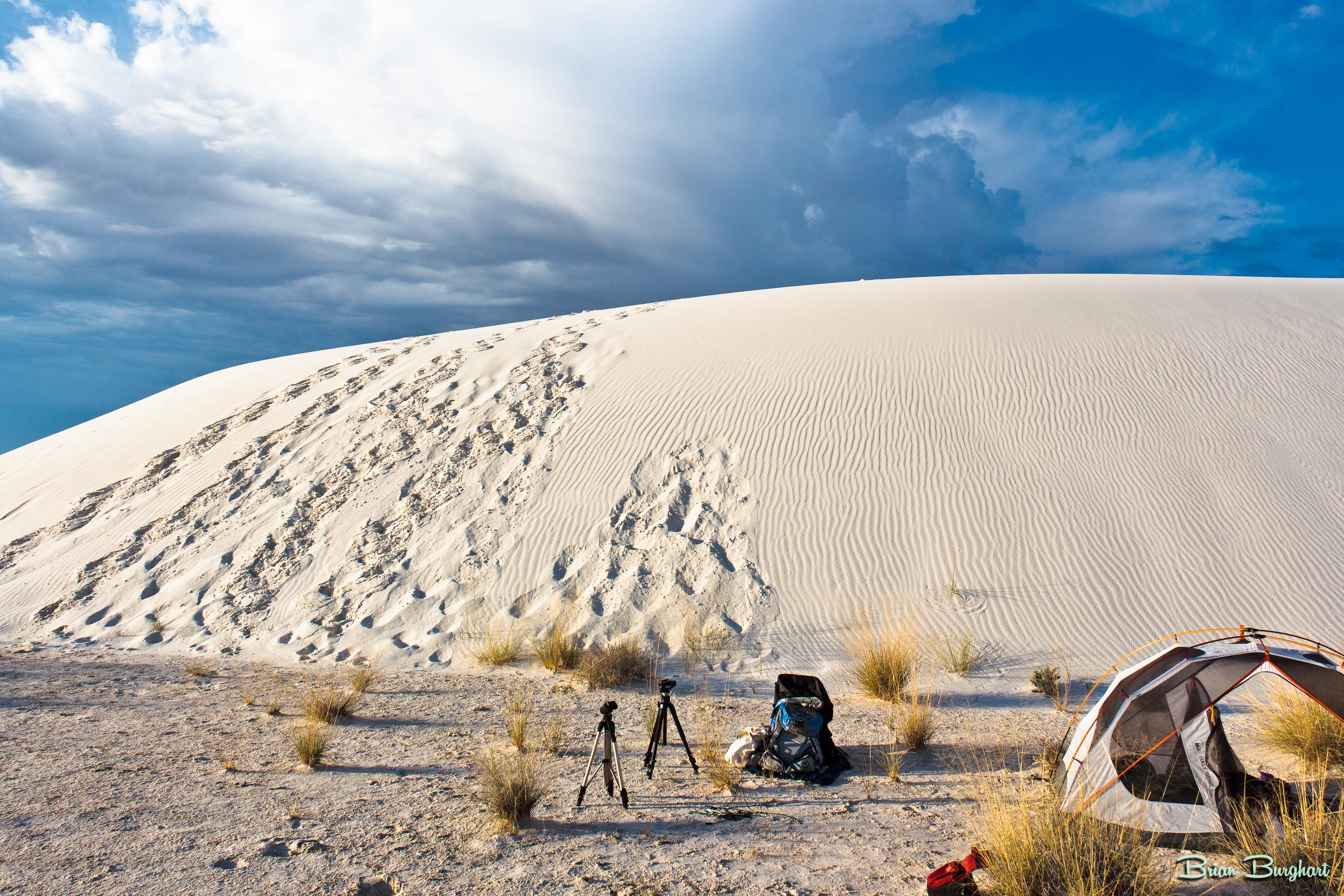
Campsite Guide
White Sands Backcountry Camping: Closed for 2026 — What to Know
As of 2026, backcountry camping at White Sands National Park is closed for site rehabilitation. What that means, and where to camp nearby instead.
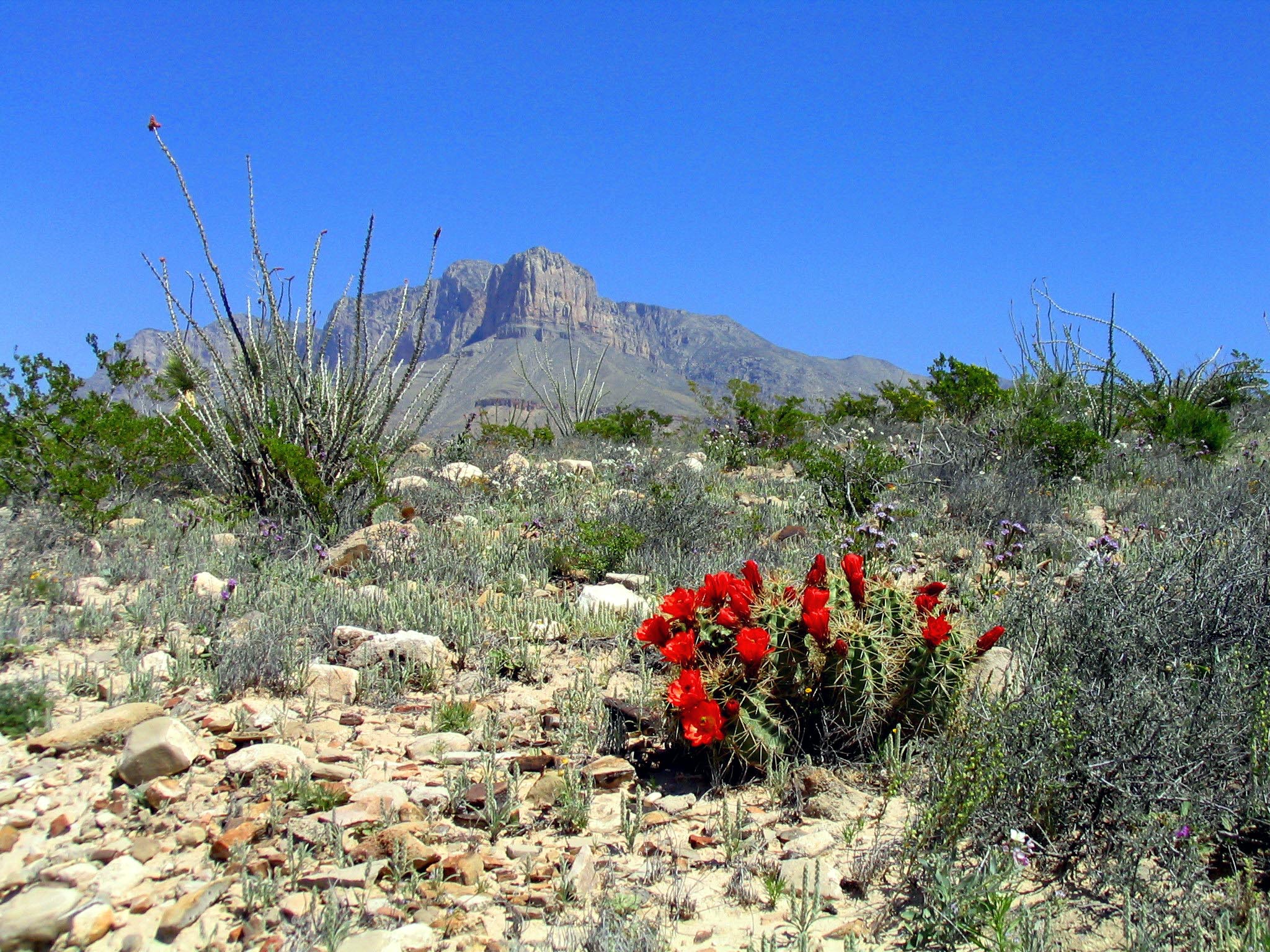
Weather Guide
Guadalupe Mountains National Park Weather: Weather
Guadalupe Mountains National Park: weather guide guide updated 2026. Practical visitor information, reservations, and seasonal tips worth bookmarking before
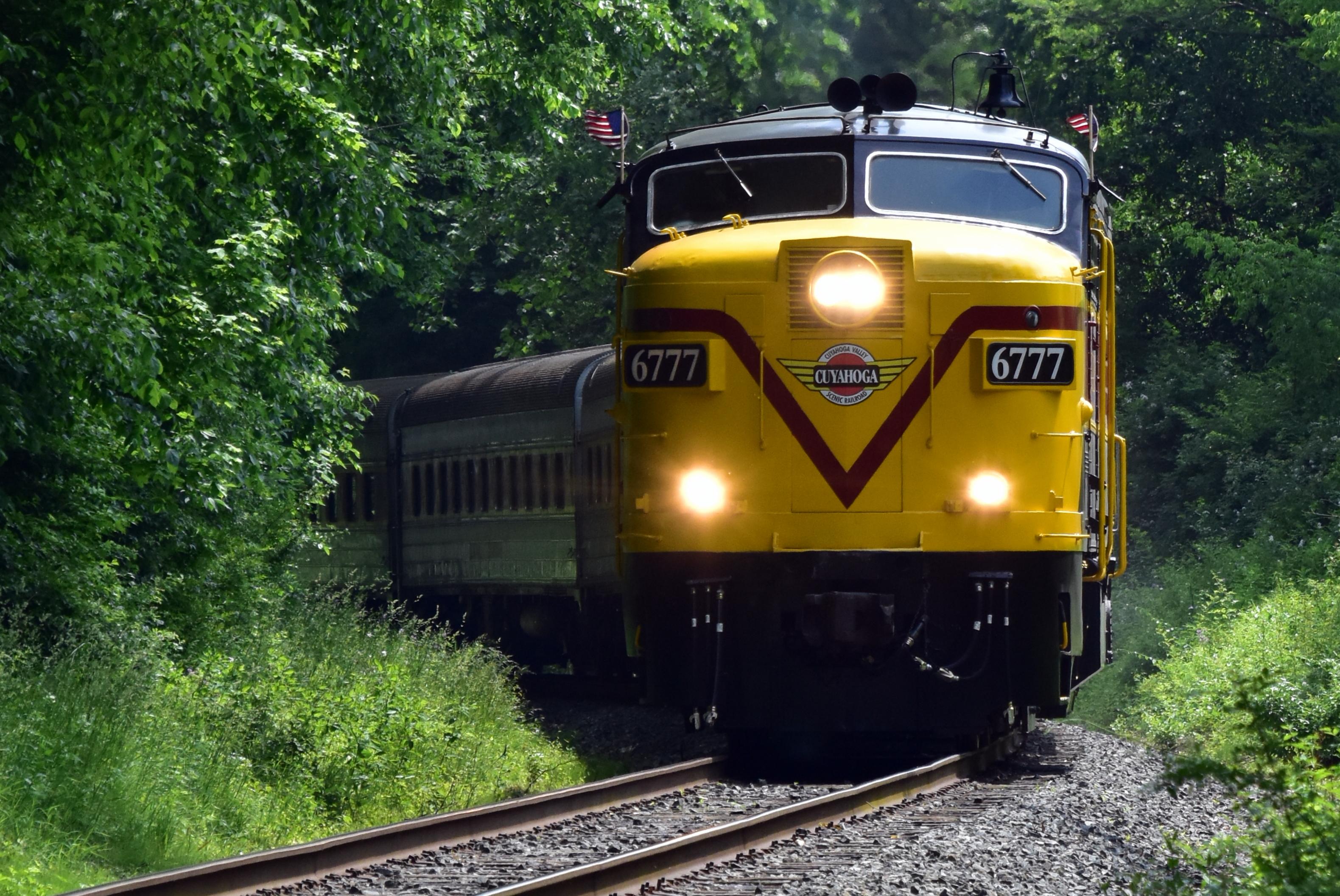
Best Of
Best of Cuyahoga Valley National Park: Best Things to Do
Seeing a Cleveland Orchestra concert with the woods as your backdrop is a uniquely Cuyahoga Valley experience.
Sign in to join the conversation.
Sources & Attribution
Location data courtesy of the National Park Service (U.S. Department of the Interior). NPS data is public domain. Official NPS page.
Images: NPS; NPS; NPS; NPS; NPS.
Map data © OpenStreetMap contributors.
Park operations alerts: NPS.gov · Weather and weather hazards: National Weather Service · Live conditions.
Information may change. Always verify fees, hours, and conditions directly with the official source before visiting.
Did this guide help? Share it with a friend.