The crunch of gravel under your boots carries in the dry air. At the base of a sandstone fin, you look up at a curve of rock that defies physics. You know the name, you've seen the photos, but the scale doesn't translate until you're here, feeling the temperature difference in its shadow. This is how to tour Arches National Park—moving beyond the snapshot to understand the how and why of this place. You can drive the scenic road and hit the major viewpoints on your own, but the guided experiences available here add a layer of context that turns a visit into an education. This guide focuses on those ranger-led programs and concessionaire tours that unlock the stories in the stone.
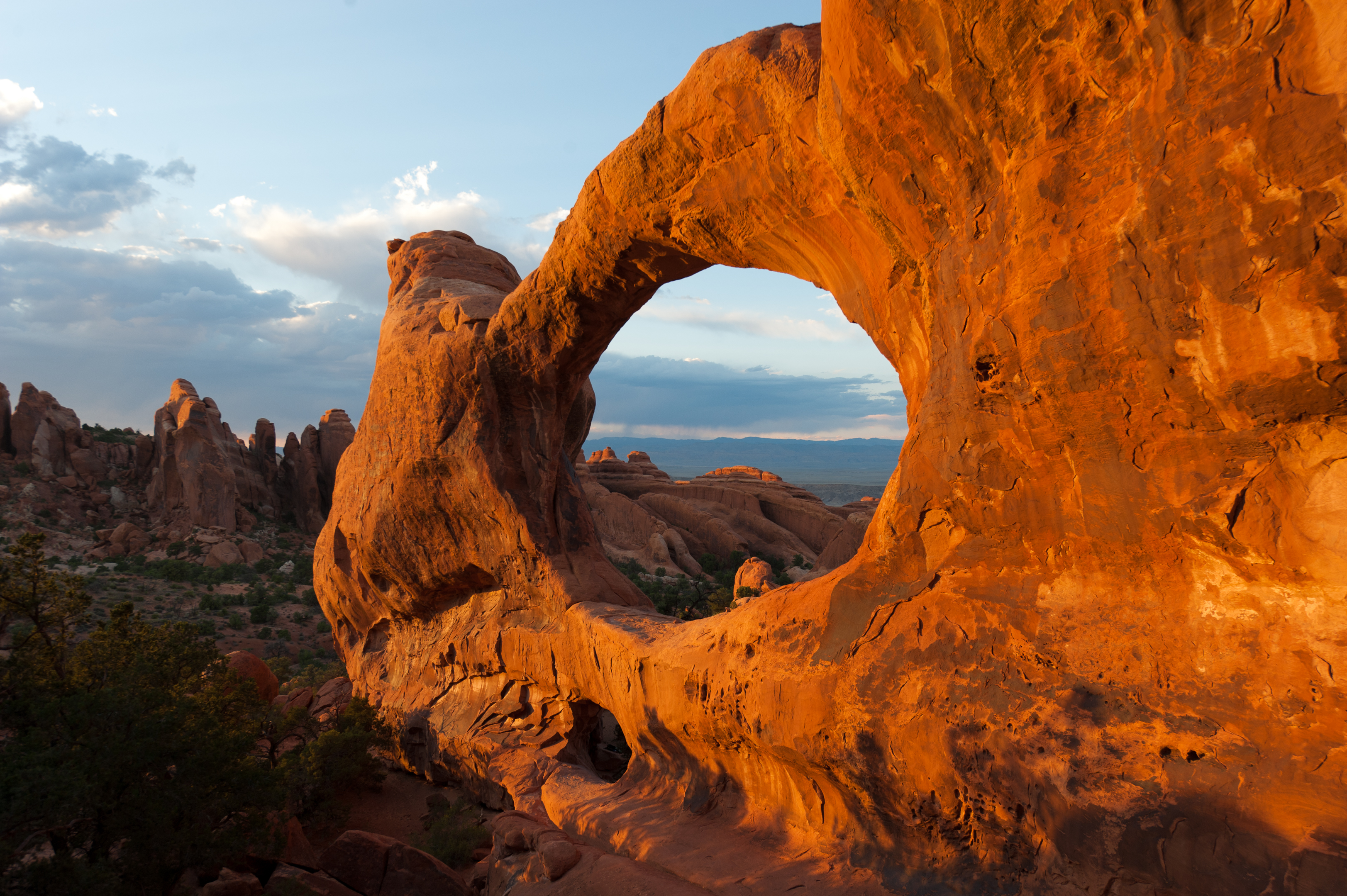
NPS via NPS.gov (Public Domain)
How to Tour Arches National Park
8 min read
Tours Guide
Best tours and guided experiences at Arches National Park in 2026 — rangers, private guides, and what is worth booking.
This article contains affiliate links — we may earn a small commission at no extra cost to you.
The Best Guided Experience Here
The ranger-led Fiery Furnace Hike is the single guided experience that provides access and understanding you cannot get on your own. This isn't a walk to an overlook; it's a three-hour, ranger-navigated journey into a labyrinth of narrow sandstone canyons and towering fins.
The value is twofold: access and interpretation. The Fiery Furnace is a permit-only area, and for good reason. The route is unmarked, the terrain involves scrambling, squeezing through tight passages, and navigating drop-offs. Getting lost is a genuine possibility. The ranger doesn't just lead the way; they explain the delicate cryptobiotic soil crust you're instructed not to step on, point out hidden arches with names like "Surprise" and "Skull," and detail the geology that created this maze. You'll learn to identify potholes that hold water for months and see micro-environments that support life in what looks like a barren rock garden.
What it shows that you cannot get on your own is the park's intimate scale. From the road, the Fiery Furnace looks like a jumbled, impenetrable rock field. Inside, it's a cool, quiet world of sculpted narrows and hidden chambers. The ranger will have you pause in a slot canyon so narrow you can touch both walls, listening to the wind hum above. They'll point out ancient juniper trees growing from seemingly solid rock, their roots tracing cracks for water. It's a masterclass in desert ecology and geology, delivered while you're actively engaged in navigating it. Most visitors leave understanding that the park's famous named arches are just the headline acts; the real show is in the countless formations and processes hidden in plain sight.

Free Ranger Programs
The National Park Service offers a rotating schedule of free, first-come programs. Their quality depends entirely on the ranger leading them, but the best ones are exceptional.
Evening Programs at the Devils Garden Amphitheater
Held nightly from spring through fall, these 45-minute talks are a park classic. The topics rotate - geology, night sky, human history - but the setting is constant. You'll sit under a darkening sky with the silhouettes of fins and pinnacles against the twilight. Rangers here tend to be excellent storytellers. A geology talk won't just be about sandstone layers; it'll involve a hands-on demonstration of salt tectonics using a tablecloth and a volunteer. A night sky program will start with the cultural significance of constellations to the region's Indigenous peoples before the ranger points out planets and deep-space objects with a laser pointer. These programs fill the amphitheater benches, especially on weekends. Arrive at least 20 minutes early to get a seat. Bring a jacket; the temperature can drop 30 degrees after sunset.
Guided Walks at Windows or Balanced Rock
These are shorter, more focused walks, usually lasting 60-90 minutes. Rangers announce the specific topic and meeting point at the visitor center or on the park's bulletin boards. A "Windows Geology Walk" might involve a leisurely stroll around Turret Arch and the North and South Windows, with the ranger using the massive formations as a 3D textbook. They'll explain why some arches collapse and others don't, and what the different colored rock stripes mean. These are ideal for families or visitors who want depth without a major time or physical commitment. No sign-up is needed; you just show up at the posted time. Groups are capped, so being on time matters.
Junior Ranger Programs
More than just a booklet, the park often hosts specific Junior Ranger meet-ups where a ranger leads kids on a short exploration near the visitor center, focusing on animal tracks, plants, or rock types. It's interactive and gives parents a 30-minute breather. Check the visitor center board for the day's schedule.
The common thread with all ranger programs is the insider knowledge. Rangers will tell you which arch is likely to collapse next (they monitor them closely), what that distant bird of prey is hunting, and why the shadows look so sharp at 4 PM. It's the difference between looking at rocks and reading a landscape.

Concessionaire Tours
The park licenses a handful of commercial operators to provide guided services within its boundaries. These are fee-based, require advance booking, and cater to specific interests.
4x4 Adventure Tours
Several Moab-based companies hold permits to operate guided 4x4 tours on the park's few backcountry dirt roads, like the Willow Springs Road or the primitive Salt Valley Road.
- What they offer: Access to viewpoints and areas far from the main road crowds. A typical tour might visit the Eye of the Whale arch or the lesser-known Tower Arch, areas that see a fraction of the main trail traffic. The guides are typically local experts who combine driving with short hikes and geological interpretation.
- Value assessment: Worth it if you want an off-the-beaten-path experience but lack a high-clearance 4x4 vehicle or the confidence to navigate unmarked desert roads. You're paying for vehicle access, guide expertise, and solitude.
- Cost & Duration: As of 2026, expect to pay $125-$200 per person for a half-day (3-4 hour) tour. Full-day tours with more hiking are more.
- Booking: Book directly through the operator's website, often weeks or months in advance for peak seasons (March-October).
- Best for: Small groups, photography workshops wanting unique angles, or visitors with limited time who want to maximize scenic payoff without hiking long distances.
Commercial Photography Workshops
Licensed photographers lead small-group workshops focused entirely on capturing the park's light and formations.
- What they offer: Instruction on composition, camera settings for high-contrast desert light, and timing for golden hour at specific arches. The guide knows exactly where to be for sunrise at Mesa Arch or how to frame Delicate Arch with the La Sal Mountains.
- Value assessment: High value for photography enthusiasts. They get you to the right place at the right time and solve technical problems on the spot, which is more valuable than generic trail guidance.
- Cost & Duration: Premium pricing; $250-$400 for a sunrise or sunset session. Multi-day workshops are more comprehensive.
- Booking: Directly with the photographer. Spots are very limited.
- Best for: Serious amateur and professional photographers.
Guided Hiking & Geology Tours
Some operators offer guided hiking tours on the park's main frontcountry trails, like the Delicate Arch or Devils Garden trails.
- Honest assessment: For able-bodied hikers, these are less critical. The main trails are well-signed and busy. The value here is in the deep-dive commentary from a geologist or naturalist guide throughout the entire hike, turning the walk into a moving classroom. If you're a geology buff, it can transform the experience.
- Cost: Similar to 4x4 tours, priced per person for a half-day.

Specialized Experiences
Night Sky Programs
Beyond the standard evening ranger talk, Arches occasionally hosts dedicated star parties in collaboration with local astronomy clubs. These are usually advertised on the park calendar for peak meteor shower periods (like the Perseids in August). Telescopes are set up in the Devils Garden parking lot, and volunteers point out features. The park's designation as an International Dark Sky Park makes these events exceptional. The Milky Way can be so bright it casts faint shadows. Check the official park website's calendar for scheduled events.
Private Ranger Programs
For organized groups (scouts, schools, clubs), the park's interpretation division can sometimes arrange a custom ranger program with enough advance notice. This involves contacting the park's chief of interpretation via the main phone line well in advance - think months, not weeks. These are not available for individual families or casual groups.

Booking and Logistics
The booking landscape splits between free and paid experiences, each with its own timeline.
Fiery Furnace Hikes: This is the toughest ticket. Permits for ranger-led hikes are released online (via Recreation.gov) up to six months in advance. Summer and fall dates sell out within minutes of release. A limited number of first-come, first-served permits are sometimes available at the visitor center one day prior, but relying on this is a gamble. The cost as of 2026 is $16 per person. You must be at least 5 years old.
All Other Ranger Programs: No booking. It's first-come, first-served. Schedules are posted at the visitor center and online. For popular evening programs, securing a seat means arriving early.
Concessionaire Tours: Book directly with the operator. Lead times vary: 4x4 and photography tours may need 2-8 weeks advance booking for prime seasons. A few operators offer last-minute cancellations, but don't count on it. Payment policies and cancellation windows (often 48-72 hours for a full refund) are set by each company.
What's Included: For paid concessionaire tours, confirm what's included. Does the price cover park entrance fees? (Usually not - you still need a park pass or pay the entrance fee). Is water provided? (Often yes, but bring your own bottle). Snacks? Transportation from Moab? Ask before you book.
Practical Takeaways
- The Fiery Furnace permit is a competitive sport. If you want the ranger-led hike, set a calendar reminder for 6 months before your desired date and be ready on Recreation.gov the second permits go live. It's the single most unique guided experience in the park.
- For free ranger programs, timing is everything. Evening programs are popular. Plan to arrive at the Devils Garden Amphitheater 20-30 minutes before the scheduled start to get a good seat. Bring layers - desert nights get cold fast.
- Concessionaire tours solve specific problems. Book a 4x4 tour if you want backcountry access without your own capable vehicle. Book a photography workshop if capturing perfect light is your priority. Don't book a guided hike on a main trail just for navigation help.
- Always verify the current schedule. Ranger program topics and times shift with the season and staff availability. Your first stop should be the visitor center to scan the posted bulletin board for the day's confirmed events.
- Your entrance fee covers the ranger programs. The free ranger talks and walks are funded by your park entrance pass. Attending at least one is the best way to get your money's worth beyond just driving through.
- Commercial operators work outside the NPS reservation system. You won't find them on Recreation.gov. You must book through their private websites. The park's official website may list licensed operators, but the transaction is with the company.
- Have a backup plan. If a program is full or weather cancels an activity (like a rare rainstorm), know your alternatives. The park's complete visitor guide can help with self-guided options, and information on lodging and accommodations or wildlife viewing can fill an unexpected gap in your schedule.
Ultimately, learning how to tour Arches National Park with a guide is about trading mere sightseeing for insight. The rocks stay the same, but what you see in them changes completely.
Recommended Gear
What experienced visitors bring to How to Tour Arches National Park
Links may earn us a commission at no extra cost to you. We only recommend gear we believe in.
Hiking Essentials
Hydration Pack (3L)
Hands-free water for long trail days
Trekking Poles (Pair)
Save your knees on steep descents
Hiking Boots (Ankle Support)
Sturdy footwear for rocky, uneven trails
Sun & Heat Protection
Wide-Brim Sun Hat
Full coverage UPF 50+ protection at altitude
Insulated Water Bottle (32oz)
Keeps water cold in desert heat all day
Winter Gear
Microspikes / Traction Devices
Essential for icy rim trails in winter months
Packable Down Jacket
Lightweight warmth that stuffs into a pocket
Sources
- Official source: NPS — Arches National Park nps.gov/arch/index.htm
Photo Gallery
More to Explore
Park Guide
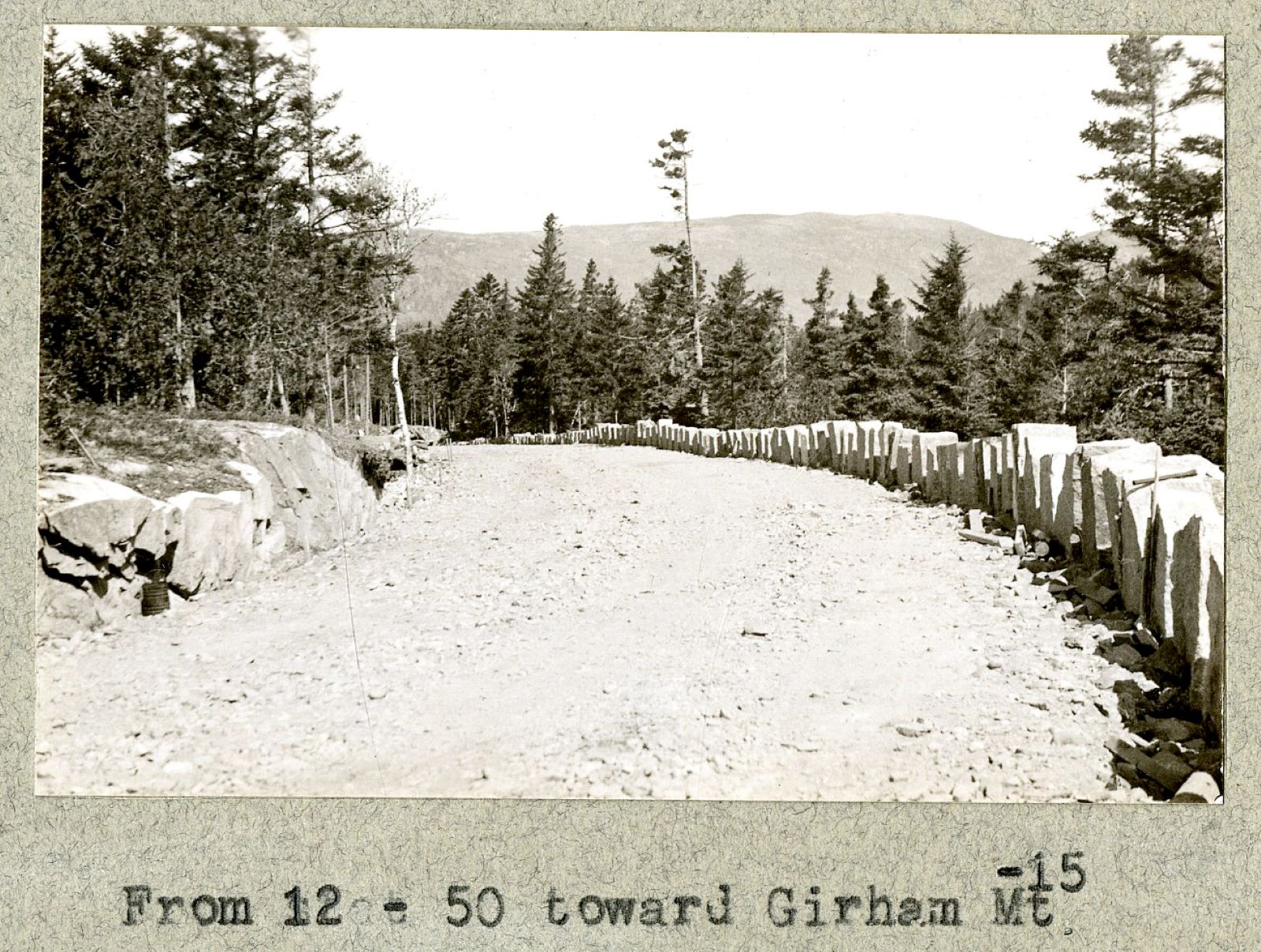
Acadia National Park: Carriage Roads, Cadillac Mountain & 2026 Guide
Discover carriage roads, Cadillac Mountain, and rugged Maine coast. Complete 2026 guide to Acadia National Park — trails, fees, lodging, permits, and what rangers recommend.
Hiking Guide
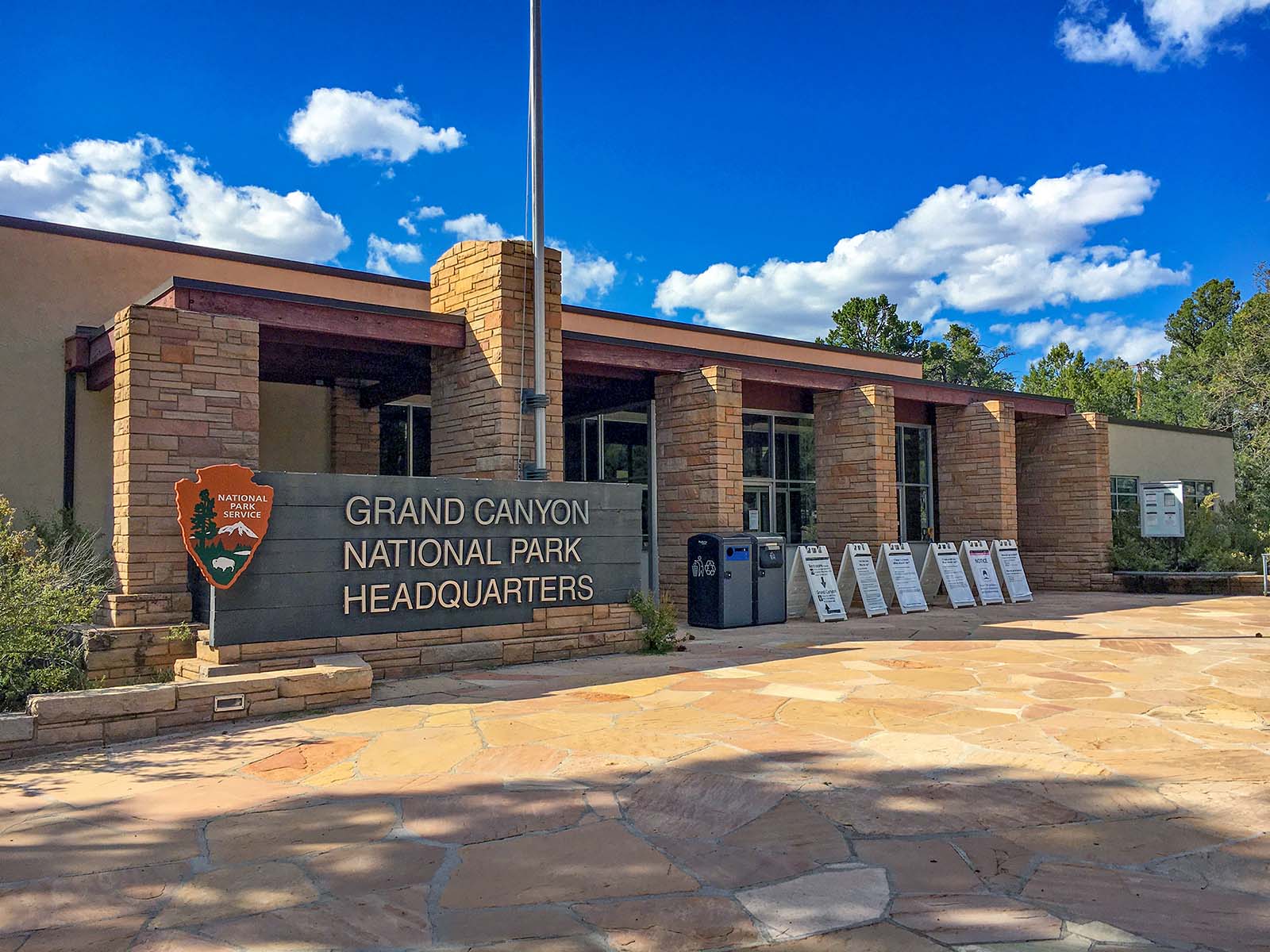
Grand Canyon Hiking Trails: Day Hikes, Water Sources & Rim to Rim
Compare Grand Canyon hiking trails: Bright Angel, South Kaibab, Hermit, Grandview, and rim to rim, with distances, elevation, water stops, and trailhead access for each.
Best Of
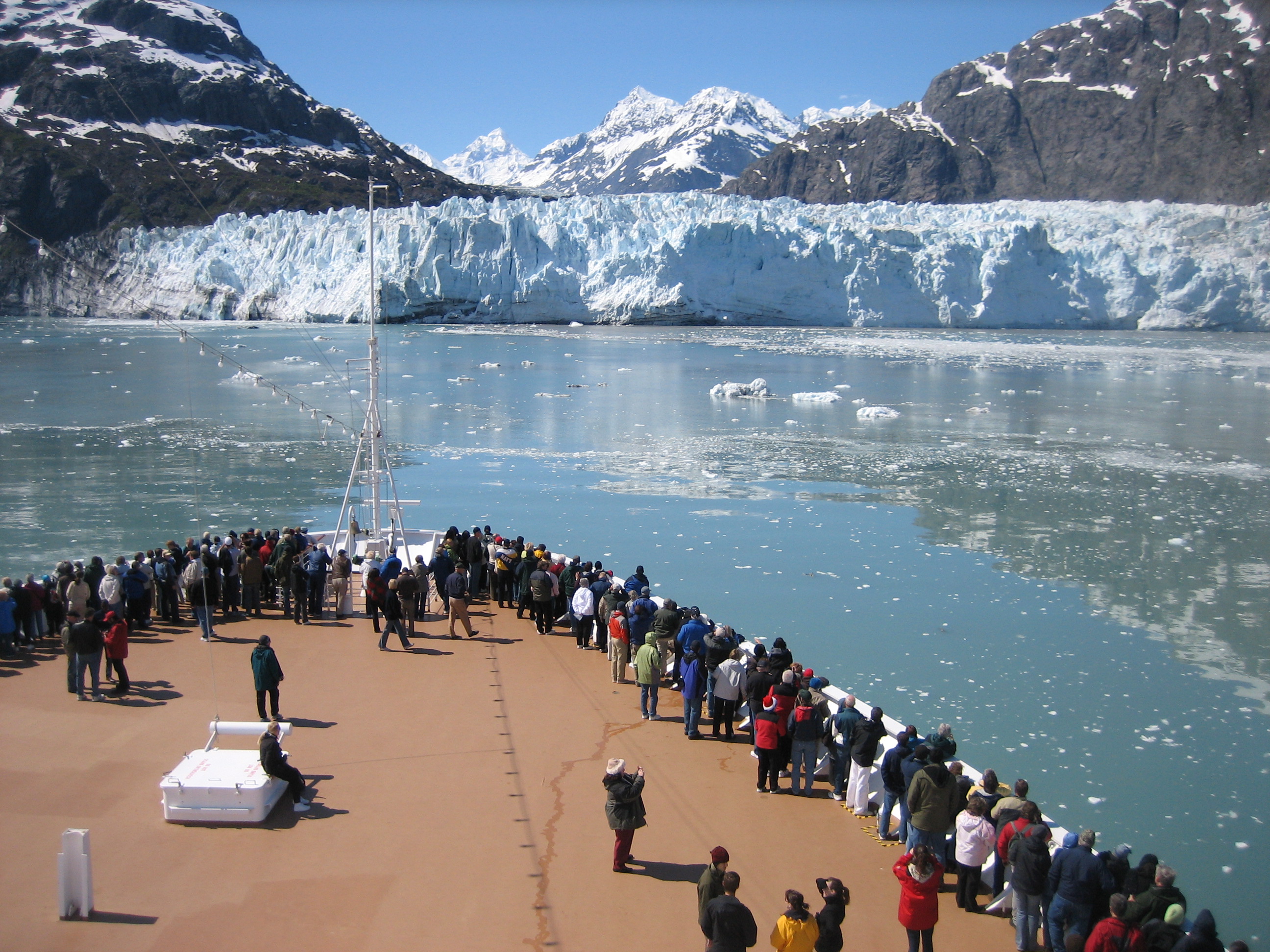
Best of Glacier Bay National Park
The best of Glacier Bay is reached by boat: ranger-led day tours up the bay to the tidewater glaciers. What's worth it, how to book, and when to go (2026).
Campsite Guide
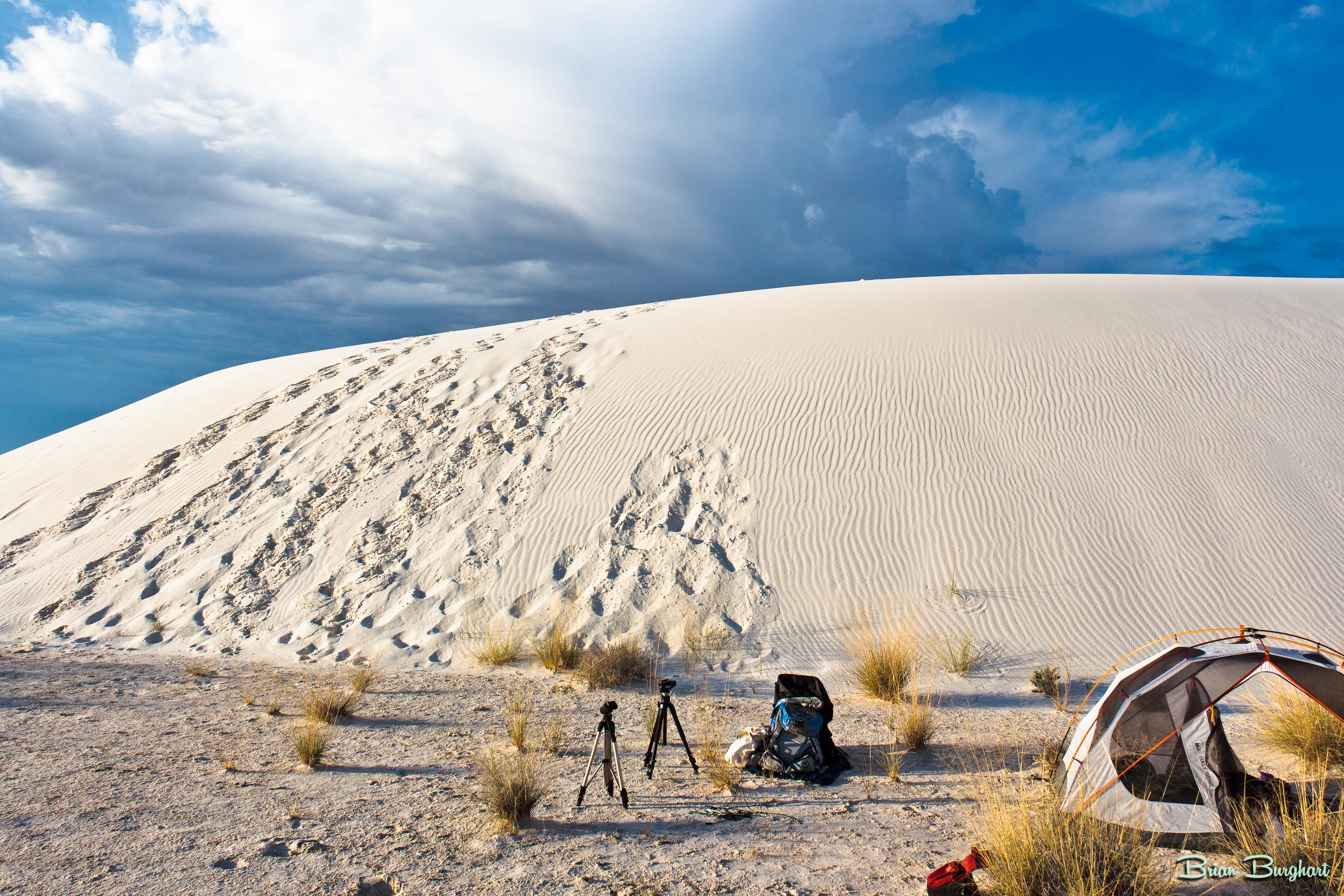
White Sands Backcountry Camping: Closed for 2026 — What to Know
As of 2026, backcountry camping at White Sands National Park is closed for site rehabilitation. What that means, and where to camp nearby instead.
Weather Guide
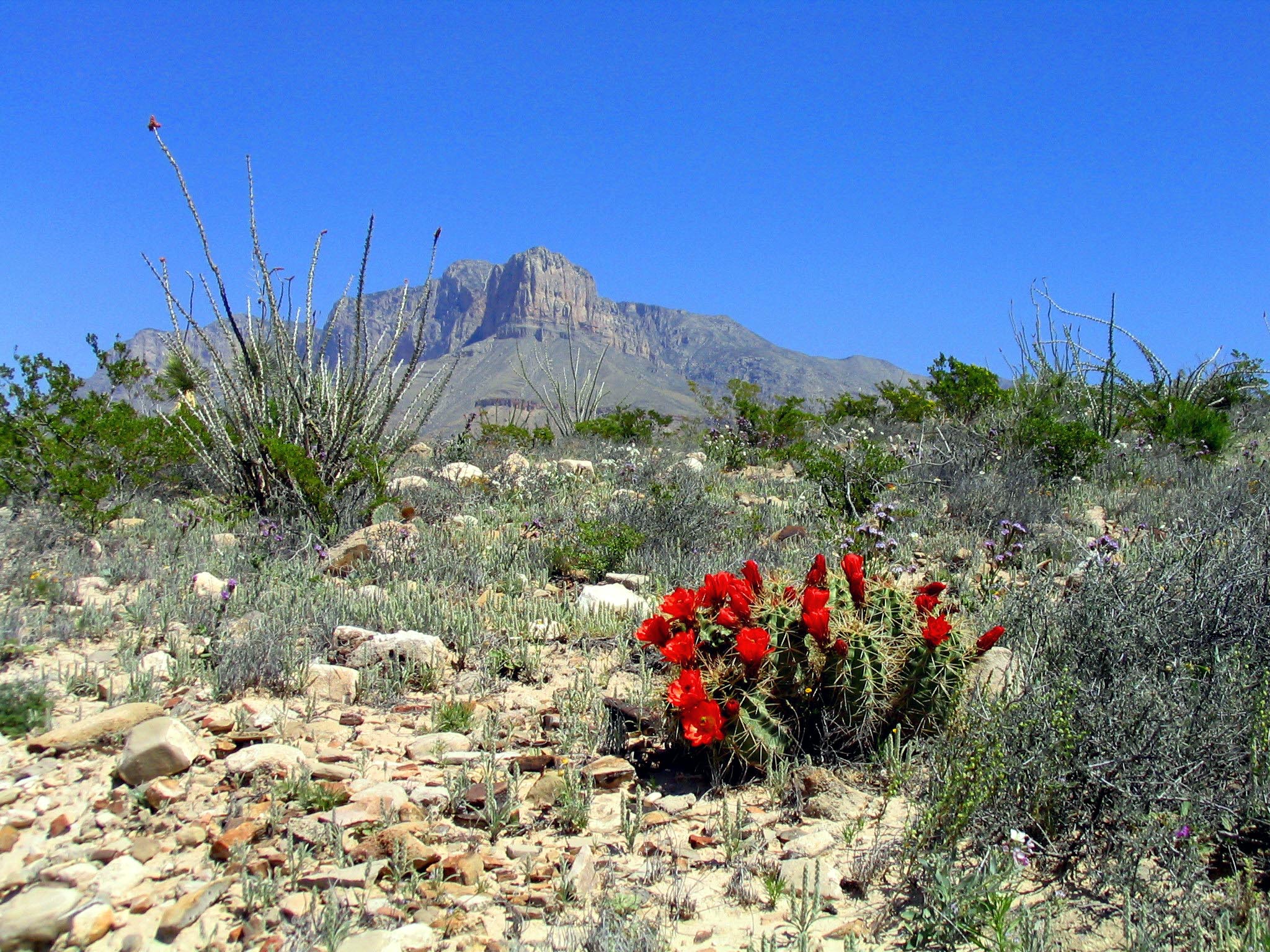
Guadalupe Mountains National Park Weather: Weather
Guadalupe Mountains National Park: weather guide guide updated 2026. Practical visitor information, reservations, and seasonal tips worth bookmarking before
Best Of
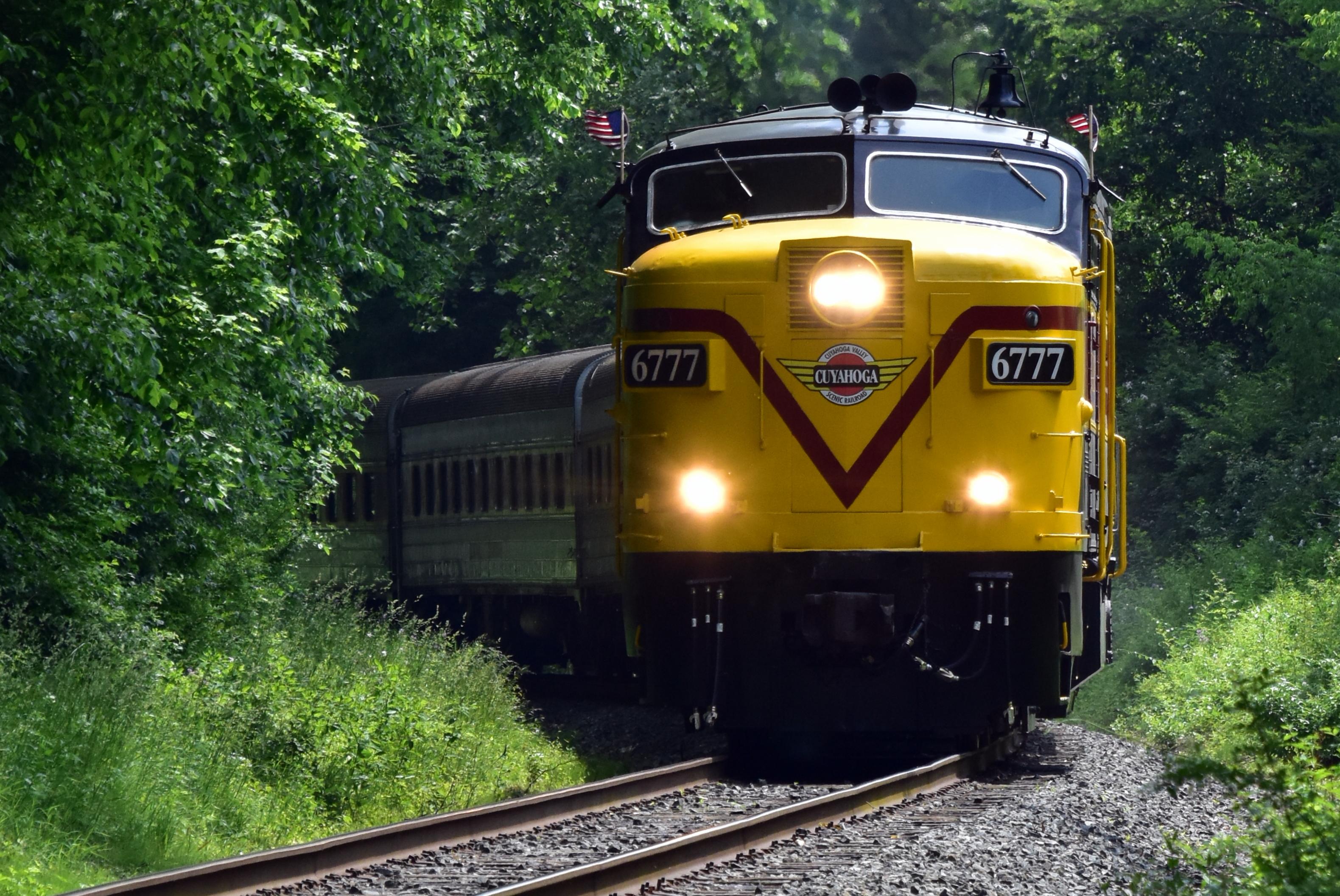
Best of Cuyahoga Valley National Park: Best Things to Do
Seeing a Cleveland Orchestra concert with the woods as your backdrop is a uniquely Cuyahoga Valley experience.
Sign in to join the conversation.
Sources & Attribution
Location data courtesy of the National Park Service (U.S. Department of the Interior). NPS data is public domain. Official NPS page.
Images: NPS; NPS; NPS; NPS; NPS.
Map data © OpenStreetMap contributors.
Park operations alerts: NPS.gov · Weather and weather hazards: National Weather Service · Live conditions.
Information may change. Always verify fees, hours, and conditions directly with the official source before visiting.
Did this guide help? Share it with a friend.