The first thing you need to know about where to stay to see Arches National Park is what doesn't exist: there are no lodges, cabins, or hotels inside the park boundaries. Arches is a day-use park with a single paved road and zero overnight accommodations with roofs. If you want to sleep under a ceiling, you'll be looking at Moab, five miles south on US 191. If you're willing to camp, you have options inside the park - but that's a separate decision covered in our camping options guide.
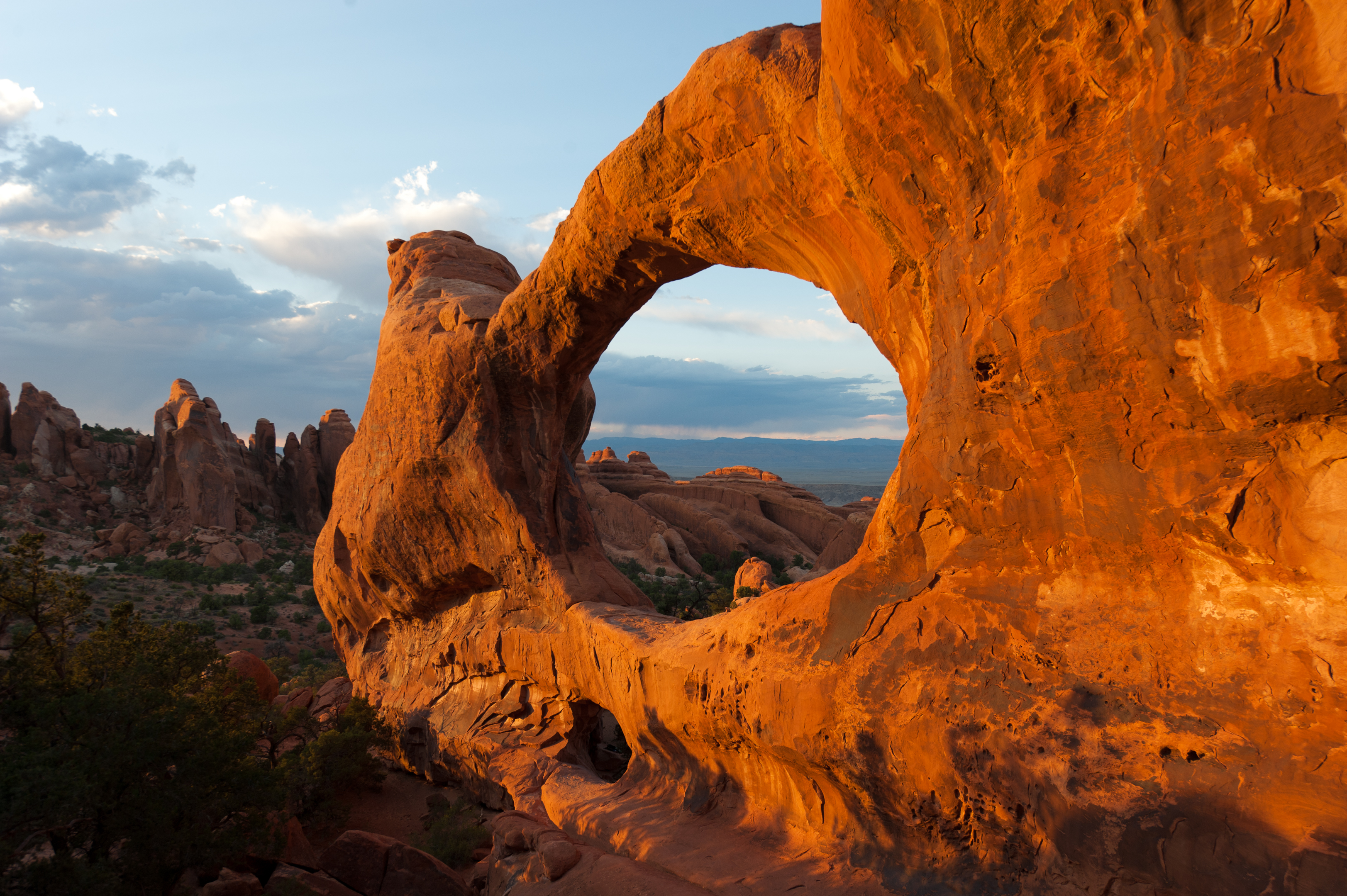
NPS via NPS.gov (Public Domain)
Arches National Park Lodging: Where to Stay to See (2026 Guide)
6 min read
Lodging Guide
Arches National Park has no in-park lodges, cabins, or hotels—only camping. Stay in Moab, 5 miles away, for easy access to the park's main attractions.
This article contains affiliate links — we may earn a small commission at no extra cost to you.
This reality shapes every lodging decision. You trade proximity for comfort, or comfort for convenience. The park opens 24 hours a day, year-round, so there's no gate to lock you out - you can enter at 4 AM for sunrise or stay until after dark regardless of where you sleep. But the drive from Moab to the entrance is five minutes, to the main attractions 20-30 minutes. That's close enough that staying inside the park isn't the advantage it is in, say, Yellowstone.
Inside the Park: Worth It?
If you want to be inside the park, your only option is camping. The park maintains car/front country campgrounds, group sites, and backcountry sites. That's it. No lodges, no yurts, no tent cabins. The campgrounds book out months in advance for spring and fall - the temperate windows when daytime highs average 60-80°F and crowds are thickest. Summer camping is possible but you'll be dealing with temperatures that regularly exceed 100°F. Winter camping is cold, with overnight lows averaging 0-20°F.
What you gain by camping inside: you wake up to the red-rock landscape already around you. No waiting at the entrance station, no driving back to town for a forgotten item. The trade-off is a tent, a sleeping bag, and the same austere facilities that come with desert camping - vault toilets, no hookups, and the sound of wind through sandstone fins at night.
For most visitors, the rational choice is Moab. The drive is negligible. You get air conditioning, a real bed, and a hot shower. That's the honest calculus. The only reason to camp inside is if the experience of being within the park overnight matters more to you than comfort.

Gateway Town Options: Moab
Moab is the default answer for where to stay to see Arches National Park. It's a small desert town of about 5,000 people that swells with tourists from March through October. The park entrance is at the north end of Main Street/US 191. Everything is along that road.
Budget Options
Moab has a handful of older motels from the 1950s and 60s, originally built for uranium miners and now repurposed for tourists. These sit on the south end of town, about 10 minutes to the park entrance. Expect worn fixtures, thin walls, and rates that still climb to $150-200 a night in peak season because demand is that high. The Red Stone Inn and the Bowen Motel are examples. They're clean enough. Don't expect charm.
The real budget play is off-season - November through February, excluding holidays. Rates can drop below $80 a night. The catch is cold weather and some restaurants close for the winter.
Mid-Range ($200-400/night)
This is the bulk of Moab's lodging. Chain hotels like the Hampton Inn, Holiday Inn Express, and Fairfield Inn line the main drag. They're reliable, have pools (which matter in summer), and are within 5-10 minutes of the park entrance. The Hampton Inn is probably the most consistent choice. There's also the Adventure Inn and the Moab Valley Inn, both independent operations that have been around for decades. The Moab Valley Inn has a small Navajo museum in the lobby - an odd but genuine touch.
For something with more character, the Apache Motel is a restored 1930s motor court a block off Main. The rooms are small but well-kept, and the courtyard with shade trees is a good spot to sit out the afternoon heat. It books up early.
Premium (Over $400/night)
The top end in Moab includes the Sorrel River Ranch, which sits about 20 minutes south of town along the Colorado River. It's the most expensive option in the area, with rates north of $600 a night in peak season. You get a working ranch setting, a restaurant that justifies its prices, and views of the red cliffs. The trade-off is distance - it's 25 minutes to the park entrance.
Inside town, the Hoodoo Moab is the newest upscale option, opened in 2021. It's a Curio Collection property with a rooftop pool and a restaurant that does decent steaks. Rooms start around $350 in spring and fall. The Gonzo Inn is a smaller boutique property with condominium-style suites and a location right on Main Street. It's quieter than the chains and more private.

Beyond Moab: Other Gateway Towns
You can also stay in Castle Valley (about 20 miles north, closer to I-70) or Green River (about 50 miles north on I-70). Green River is cheaper but adds an hour of driving each way. Castle Valley has a few vacation rentals and the Castle Valley Inn, a small bed-and-breakfast. It's a scenic drive along the Colorado River to reach the park, but you're looking at 30 minutes each way. For most people, Moab is the practical choice.
For a complete orientation to the park beyond lodging, our complete visitor guide covers what to see, when to visit, and how to avoid the crowds.

Booking Strategy
When to Book Each Option
- Campgrounds: Book as soon as the reservation window opens, typically six months in advance. The park's campsites fill within minutes of release for spring and fall dates. For 2026, mark your calendar for the specific release date (check recreation.gov).
- Moab Hotels: Book 4-6 months ahead for March-May and September-October. For summer (June-August), 2-3 months ahead is usually safe, but don't wait. For winter, a few weeks is often fine.
- Premium Hotels: Sorrel River Ranch and Hoodoo Moab can book out a year in advance for peak weekends. If you want a specific date in April or October, book as early as possible.
Cancellation Policies
Most Moab hotels offer free cancellation up to 48 hours before check-in. Campgrounds have stricter policies - often a fee if you cancel within 7 days. Read the fine print. The park's peak season is long: March through October. Cancellations do free up rooms, but you're gambling.
Shoulder Season Advantage
Late April and early October are the sweet spots for weather and availability. Daytime highs in the 60s-70s, fewer crowds than the May-September crush, and slightly lower hotel rates. If you're flexible, target those windows.
Last-Minute Strategy
If you're planning less than two weeks out, you'll find rooms but you'll pay top dollar or settle for the last few options. Use sites like Hotels.com or booking.com and filter by availability. The block of budget motels on the south end of town often has last-minute openings because they're less desirable. That's your fallback.
For additional ways to experience the park without the lodging hassle, consider the tours and guided experiences available from Moab operators. Many will pick you up from your hotel.

Practical Takeaways
- There is no inside-park lodging with a roof. Camping is the only way to sleep inside Arches. If you want a bed, stay in Moab.
- Book campgrounds six months out. The park's sites are limited and competition is fierce. Set a reminder for the reservation release date.
- Moab is five minutes from the park entrance. The drive is trivial. Don't pay a premium for "close to the park" when everything in Moab qualifies.
- Spring and fall are the most expensive. Rates double in April-May and September-October. Summer is cheaper but hotter (over 100°F). Winter is cheapest but cold (0-20°F overnight).
- Budget motels on the south end of town are your fallback. They're not glamorous, but they're available when everything else is full. Book them as a last resort.
- Premium properties like Sorrel River Ranch book a year ahead for peak dates. If you want a splurge, plan far in advance.
- Check cancellation policies before booking. Most hotels are flexible; campgrounds are not. If you're uncertain about your dates, choose a hotel with free cancellation.
For more information, see our complete National Park Guide.
Related: arches hiking trails guide
Related: arches hiking trail guide
Recommended Gear
What experienced visitors bring to Arches National Park Lodging: Where to Stay to See (2026 Guide)
Links may earn us a commission at no extra cost to you. We only recommend gear we believe in.
Hiking Essentials
Hydration Pack (3L)
Hands-free water for long trail days
Trekking Poles (Pair)
Save your knees on steep descents
Hiking Boots (Ankle Support)
Sturdy footwear for rocky, uneven trails
Sun & Heat Protection
Wide-Brim Sun Hat
Full coverage UPF 50+ protection at altitude
Winter Gear
Microspikes / Traction Devices
Essential for icy rim trails in winter months
Packable Down Jacket
Lightweight warmth that stuffs into a pocket
Sources
- Official source: NPS — Arches National Park nps.gov/arch/index.htm
Photo Gallery
More to Explore
Park Guide
Acadia National Park: Carriage Roads, Cadillac Mountain & 2026 Guide
Discover carriage roads, Cadillac Mountain, and rugged Maine coast. Complete 2026 guide to Acadia National Park — trails, fees, lodging, permits, and what rangers recommend.
Hiking Guide
Grand Canyon Hiking Trails: Day Hikes, Water Sources & Rim to Rim
Compare Grand Canyon hiking trails: Bright Angel, South Kaibab, Hermit, Grandview, and rim to rim, with distances, elevation, water stops, and trailhead access for each.
Best Of
Best of Glacier Bay National Park
The best of Glacier Bay is reached by boat: ranger-led day tours up the bay to the tidewater glaciers. What's worth it, how to book, and when to go (2026).
Campsite Guide
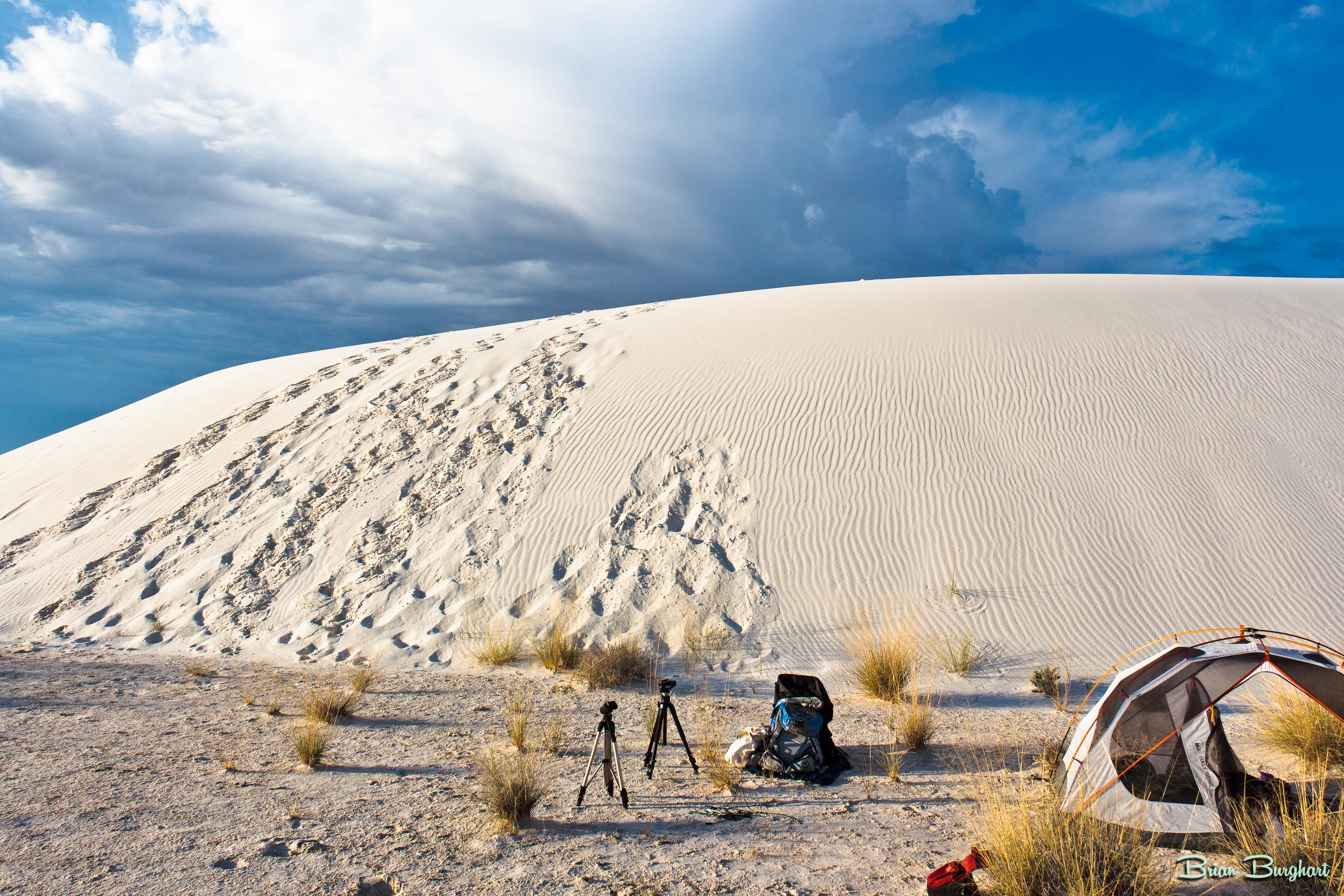
White Sands Backcountry Camping: Closed for 2026 — What to Know
As of 2026, backcountry camping at White Sands National Park is closed for site rehabilitation. What that means, and where to camp nearby instead.
Weather Guide
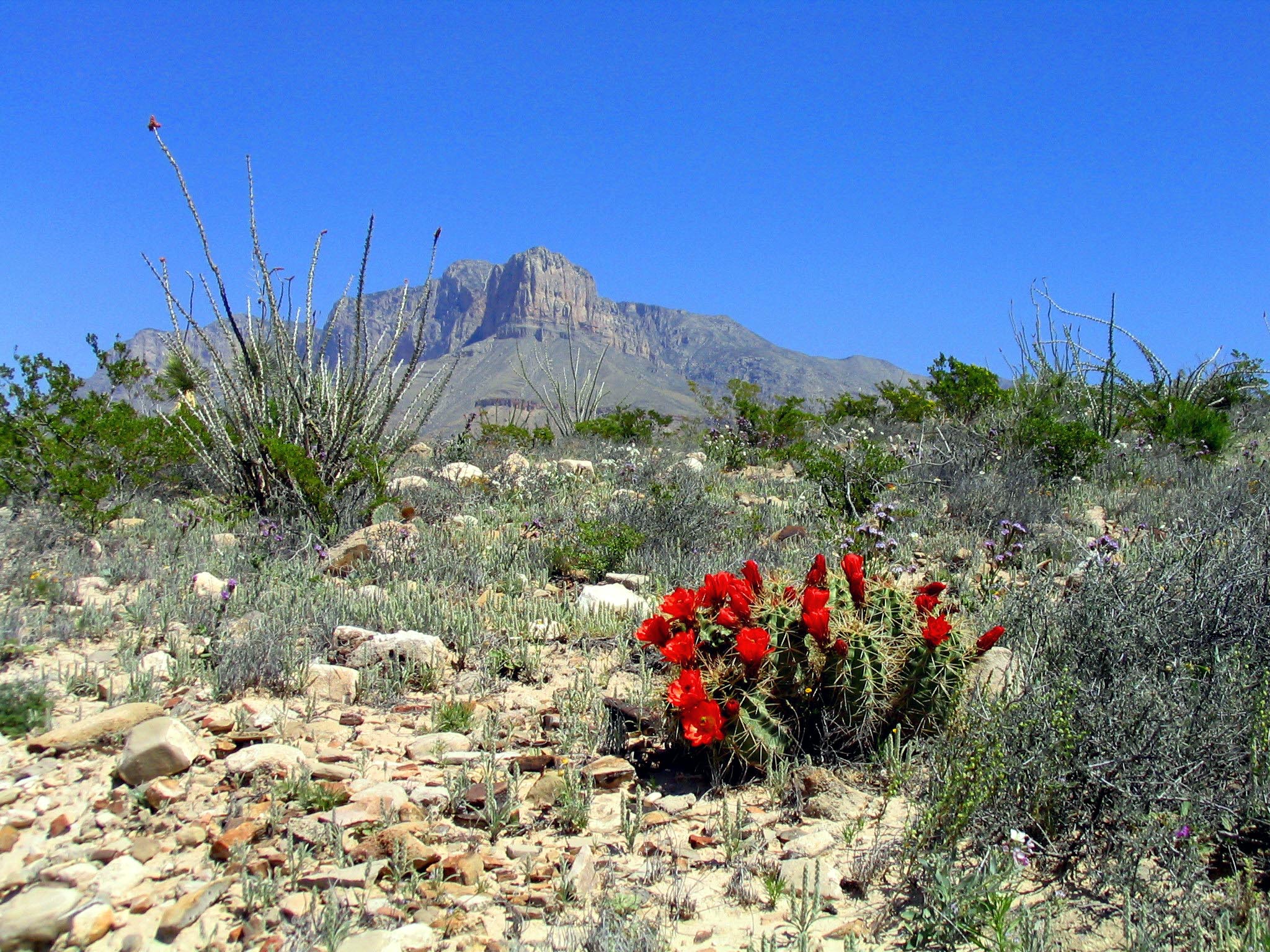
Guadalupe Mountains National Park Weather: Weather
Guadalupe Mountains National Park: weather guide guide updated 2026. Practical visitor information, reservations, and seasonal tips worth bookmarking before
Best Of
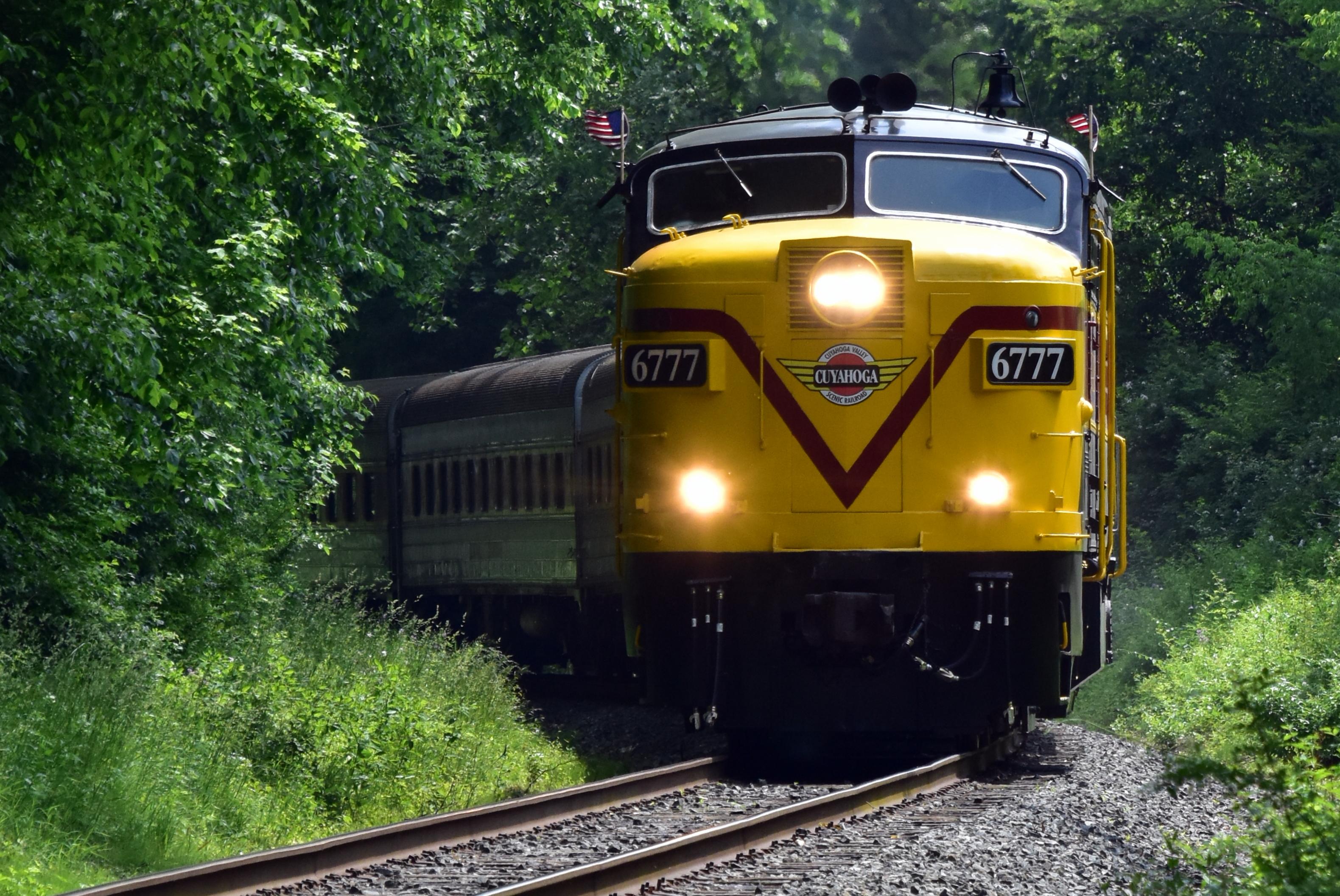
Best of Cuyahoga Valley National Park: Best Things to Do
Seeing a Cleveland Orchestra concert with the woods as your backdrop is a uniquely Cuyahoga Valley experience.
Sign in to join the conversation.
Sources & Attribution
Location data courtesy of the National Park Service (U.S. Department of the Interior). NPS data is public domain. Official NPS page.
Images: NPS; NPS; NPS; NPS; NPS.
Map data © OpenStreetMap contributors.
Park operations alerts: NPS.gov · Weather and weather hazards: National Weather Service · Live conditions.
Information may change. Always verify fees, hours, and conditions directly with the official source before visiting.
Did this guide help? Share it with a friend.