The crunch of gravel underfoot marks the transition from planning to action. Holding trekking poles that weren't yours an hour ago brings the canyon's scale into focus. Proper gear separates a successful Zion hike from a regrettable one, making equipment rental a practical first consideration. This guide outlines what you need, where to find it, and how to match gear to specific trails like The Narrows or Scout Lookout.
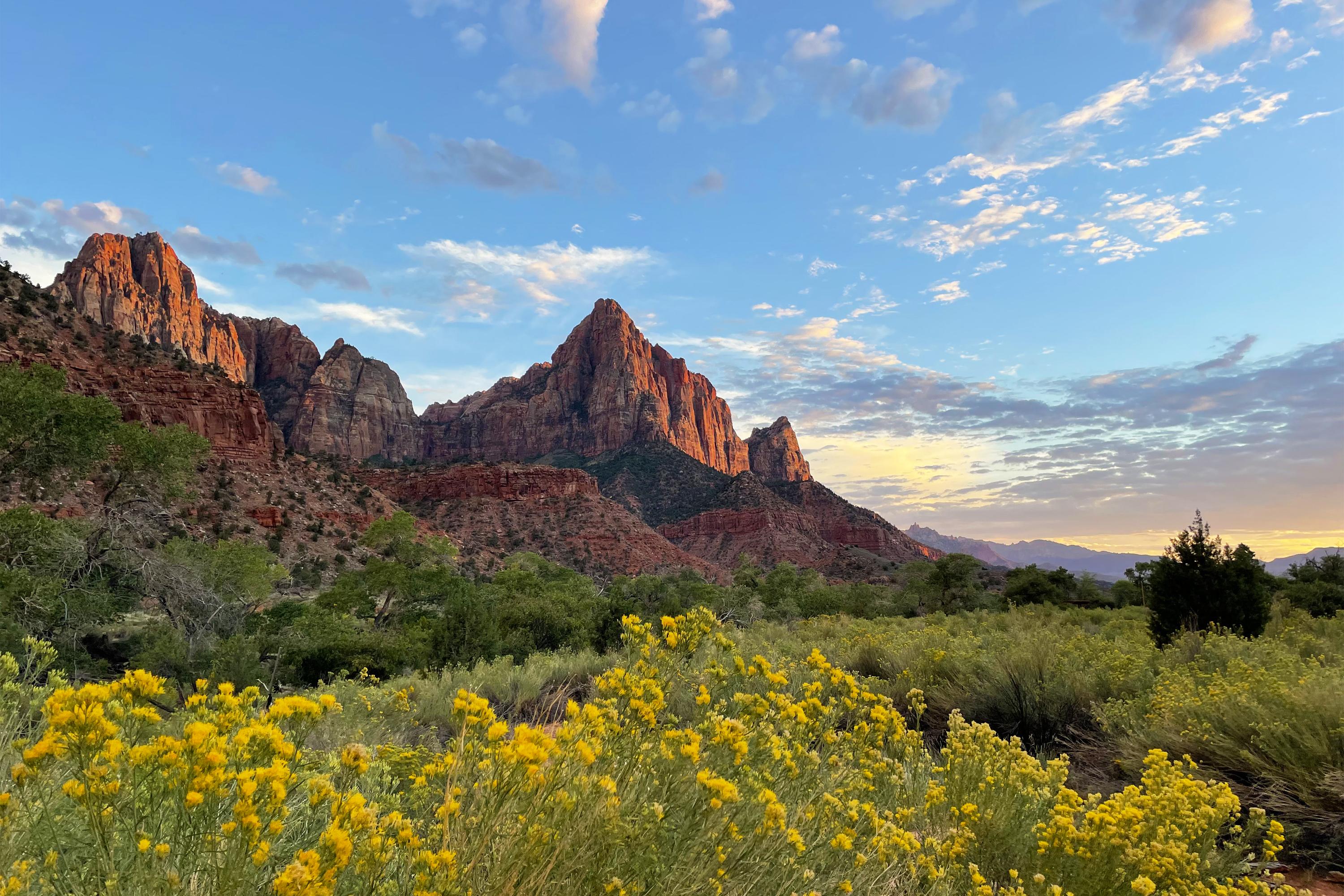
NPS via NPS.gov (Public Domain)
Zion Gear Guide: Angels Landing Chains & Narrows Shoes — What
8 min read
Gear Guide
Renting gear in Zion costs $30-$55 for a Narrows package, while the park entrance fee is $35. Discover what to bring for Angels Landing and The Narrows.
Why Renting Gear in Zion Makes Sense (And When It Doesn't)
First-timers often misjudge sandstone's abrasiveness and the canyon's thermal dynamics. Standard sneakers fail on these trails, and cotton garments turn dangerous in summer heat or monsoon conditions. Local gear rental addresses these issues without the commitment of purchase or airline baggage constraints.
The case for renting is strongest for two specific activities: hiking The Narrows and tackling any major trail in summer or winter conditions. For The Narrows, you need a package - canyoneering shoes, neoprene socks, and a wooden trekking pole - designed for miles of walking in a cold, rocky river. No standard hiking boot is suited for this. In peak summer, a hydration reservoir rental can be the difference between a safe hike and a heat-related emergency. Rangers at the visitor center will tell you that running out of water is the most common, and most dangerous, mistake on trails like Angels Landing.
Renting makes less sense for basic day hiking. A sturdy pair of broken-in hiking boots, moisture-wicking clothing, a daypack, and a reusable water bottle are items you likely own or can buy affordably. The rental shops in Springdale know this, and their inventory reflects the park's unique challenges, not generic camping gear. Think of it as tactical outsourcing for Zion's specific brand of adventure.
The Financial and Practical Math
As of 2026, renting a full Narrows package for a day typically costs between $30 and $55. Compare that to the park's private vehicle entrance fee of $35, valid for seven days. For a one-time hike, renting is economically sound. Buying the equivalent gear - quality canyoneering shoes, neoprene socks, a dry bag, and a pole - easily tops $200. The rental gear is also maintained for the environment; soles are checked for grip, and neoprene is inspected for tears. You're not just renting equipment, you're renting gear that's been proven on the very terrain you're about to enter.
Springdale rental shops open by 7 AM, allowing you to collect gear, park at the Visitor Center, and catch the first shuttle efficiently. After-hours drop boxes simplify returns. This logistical efficiency isn't always highlighted in official materials.

Decoding the Rental Inventory: What You Actually Need
Walking into a rental shop can be overwhelming. Here's what the inventory is really for, broken down by Zion's signature challenges.
For The Narrows: The Non-Negotiable Package
The Narrows isn't a hike; it's a wade. The Virgin River is the trail, with water temperatures that can be in the 40s (°F) even in summer and a bed littered with slippery, uneven rocks. The standard rental package is a three-part system:
- Canyoneering Shoes: These look like rugged water shoes with aggressive, sticky rubber soles. They drain water, provide ankle support on submerged rocks, and withstand constant abrasion. Your hiking boots will stay waterlogged for days and offer poor grip on wet sandstone.
- Neoprene Socks: These keep your feet warm despite the cold water. The rental pairs are usually 2-3mm thick. Blisters from wet, cold feet can end a hike before it starts.
- Wooden Trekking Pole: This is your third leg for stability. Aluminum poles can get stuck between rocks; the wooden rental poles are sturdy, float, and are the right length for probing water depth. Use one, or better yet, two.
Many shops also rent dry bags for your camera and phone, and navigational gear like GPS units for the full 16-mile top-down route. For the bottom-up day hike most visitors do, the basic package suffices.
For General Zion Hiking: The Climate Contingency Gear
Zion's weather shifts fast. The park's own advisory notes temperatures can swing over 30°F in 24 hours, and summer monsoons from mid-July into September bring flash flood risks. Rental shops stock gear for these extremes.
- Trekking Poles: Not just for The Narrows. Poles reduce knee impact on the 1,000-foot ascent to Scout Lookout on the West Rim Trail and provide balance on the sandy, uneven surface of the Sand Bench Trail.
- Hydration Packs/Reservoirs: A 3-liter bladder is standard. On a dry, exposed trail like Watchman in July, you'll drink all of it. Renting ensures you have a clean, leak-proof system without having to buy one.
- Microspikes: For winter and early spring hikes. Trails like the Canyon Overlook, with its series of sandstone steps and metal handrails, can become sheets of ice in the shade. Microspikes strap over your boots for essential traction.
- Rain Gear & Layers: A lightweight, packable rain jacket is cheap insurance against an afternoon thunderstorm. Some shops rent insulating layers for early morning shuttle rides when the canyon is still cold.
What You Won't Find (And Should Bring Yourself)
Rental shops don't typically rent daypacks, binoculars, or camping gear like tents and sleeping bags. Their focus is on trail-specific performance gear. You're expected to supply your own backpack, sun protection (hat, sunglasses, sunscreen), and nutrition. This is where your own planning comes in. Check out our complete visitor guide for a full packing list.

The Rental Process: A Step-by-Step Walkthrough
Knowing what to expect saves time and stress on the morning of your hike.
Choosing a Shop
Several reputable outfitters operate in Springdale, all within a mile of the park's south entrance. They offer similar core packages. The differences are in hours, reservation policies, and ancillary services (like guided tours). It's wise to check online or call ahead in peak season (March through October) to reserve your gear, especially for Narrows packages. A reservation guarantees your size.
The Fitting & Briefing
This is the most important step. A good fitter will:
- Have you try the canyoneering shoes with the neoprene socks you'll be wearing.
- Ask about your hike to recommend the right gear (e.g., you don't need a Narrows package for the paved Riverside Walk).
- Give a quick safety briefing. For The Narrows, this includes checking the flash flood risk level posted behind the counter and showing you how to use the wooden pole effectively.
- Explain the return process and any cleaning fees for excessively muddy gear.
Pick-Up, Use, and Return
Most shops open by 7 AM. Pick up your gear, drive to the park (remember, the main Zion Canyon Visitor Center parking lot often fills by 9 AM), and proceed. After your hike, shake out the sand and river gravel. Return the gear before the shop closes, or use their after-hours drop. You'll typically hose off the shoes and socks at an outdoor station. They handle the deep cleaning.

Matching Gear to Zion's Iconic Trails
Your rental selection should be dictated by your itinerary. Here's how it breaks down for popular hikes.
The Narrows (Bottom-Up)
* Required Rentals: Full Narrows package (shoes, neoprene socks, wooden pole). A dry bag for electronics is highly recommended.
* Why: The entire hike is in the river. Standard footwear is dangerous and uncomfortable.
* Pro Tip: Start early. The first shuttle to the Temple of Sinawava leaves at 7 AM. This gives you the best light and fewer crowds in the narrowest sections.
Angels Landing / West Rim to Scout Lookout
* Recommended Rentals: Trekking poles, a large hydration reservoir (3L).
* Why: The sustained, steep climb gains about 1,000 feet. Poles save your knees on the descent. The exposed switchbacks are sun-traps, demanding huge water intake.
* Pro Tip: Fill your reservoir at the Zion Lodge shuttle stop (mile 5) before you start the climb. The water fountain there is a known refill point.
Canyon Overlook Trail
* Recommended in Winter/Early Spring: Microspikes.
* Why: This short trail on the park's east side has shaded, north-facing sections that hold ice long after the sun has hit the valley floor. The trail ends at a dramatic viewpoint for Pine Creek Canyon, but getting there requires navigating those icy steps safely.
* Pro Tip: This is one of the few major trails you can drive to, as it's outside the shuttle-required canyon. The parking lot is small and fills fast.
General Summer Day Hiking (Watchman, Emerald Pools, Sand Bench)
* Recommended Rentals: Hydration reservoir, trekking poles (if preferred).
* Why: Zion National Park weather in summer is no joke. Temperatures routinely exceed 100°F. A hydration pack encourages constant sipping, which is better for avoiding heat illness than periodic gulps from a bottle.
* Pro Tip: The Sand Bench Trail is often used by horseback tours. The surface is a fine, deep sand that tires leg muscles quickly. Poles provide extra stability here.

Practical Takeaways
- Reserve Your Narrows Gear Early. If hiking The Narrows is a priority, book your rental package online a few days ahead, especially on weekends and from May through September. Shops run out of common sizes.
- Rent for the Specific Hazard, Not the Whole Trip. You likely don't need to rent gear for every day. Assess each hike: river wading = Narrows package; icy trails = microspikes; extreme heat = extra water capacity.
- Pick Up After Your Last Shuttle Ride. Save time on your big hike day by picking up rental gear the evening before. Most shops have late afternoon or evening hours.
- Listen to the Fitting Advice. If the shop staff suggests a size larger than you normally wear for the Narrows shoes, trust them. Your feet will swell, and you're wearing thick socks.
- Know the Flash Flood Risk. Your Narrows rental briefing will include the current risk level (often posted as Low/Moderate/High). This is not a suggestion. Do not enter a narrow canyon if the risk is High or if storms are forecast upstream. Rangers cannot emphasize this enough.
- Return Gear Wet. Don't try to dry the canyoneering shoes or neoprene socks. Shake out the debris and return them as-is. The shops have industrial dryers.
Final Thoughts
Gear rental in Zion isn't about having the fanciest equipment; it's about having the right tool for a specific, formidable job. The canyon doesn't care about your vacation plans. It presents a set of physical challenges - slick river rocks, vertical sun, sudden storms, and icy ledges. The local rental shops exist because they've seen what works and what fails on those frontlines. Using their gear is a shortcut to local knowledge, letting you focus on the experience itself: the cool shock of the Virgin River, the vast silence at Scout Lookout, the texture of sandstone under your palm. It turns preparation from a chore into the first step of the adventure. Just remember to hose off the shoes before you drop them off.
Related: Zion national park lodges guide
Related: trails zion national park guide
Sources
- Official source: NPS — Zion National Park nps.gov/zion/index.htm
Photo Gallery
More to Explore
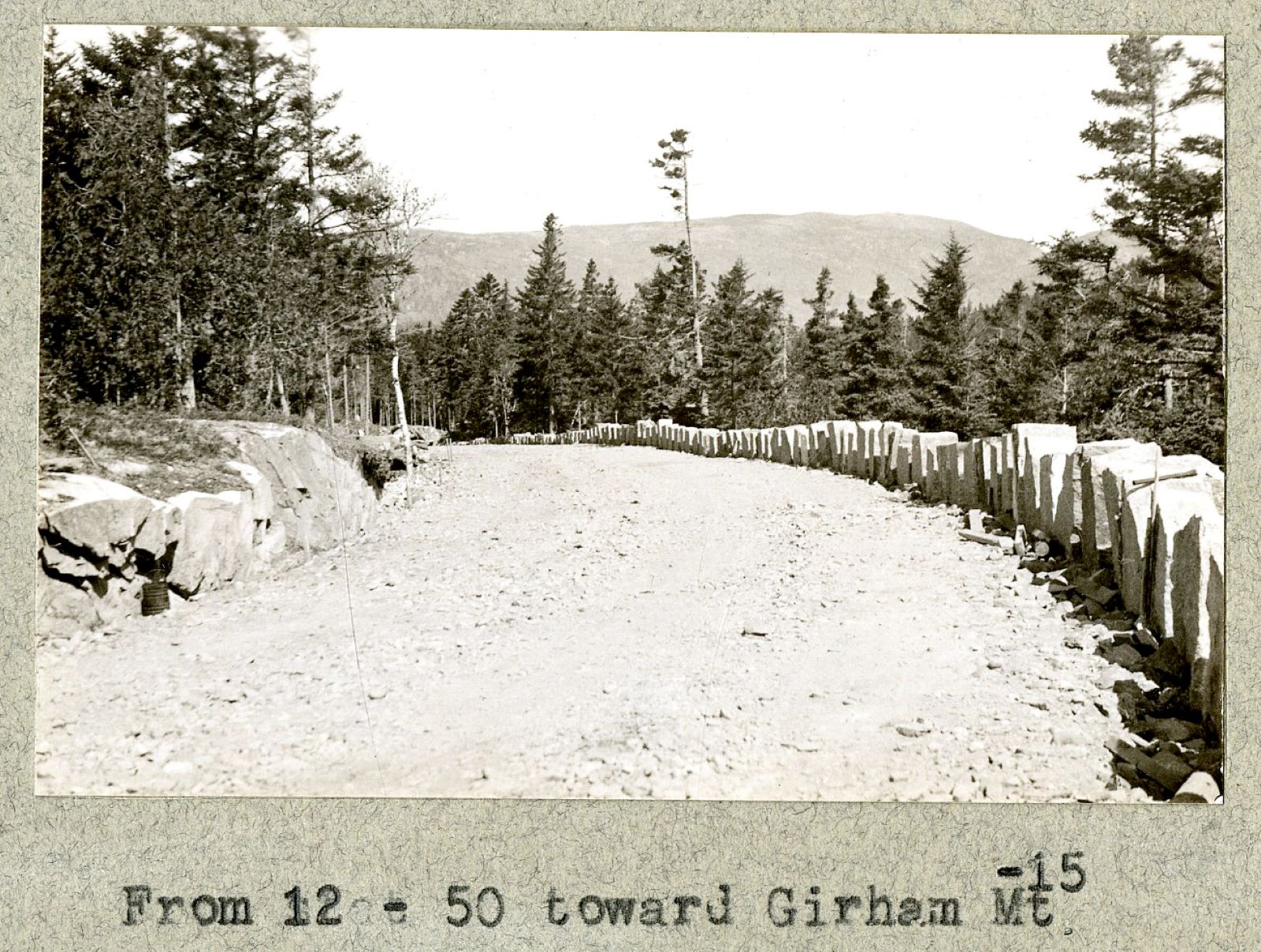
Park Guide
Acadia National Park: Carriage Roads, Cadillac Mountain & 2026 Guide
Discover carriage roads, Cadillac Mountain, and rugged Maine coast. Complete 2026 guide to Acadia National Park — trails, fees, lodging, permits, and what rangers recommend.
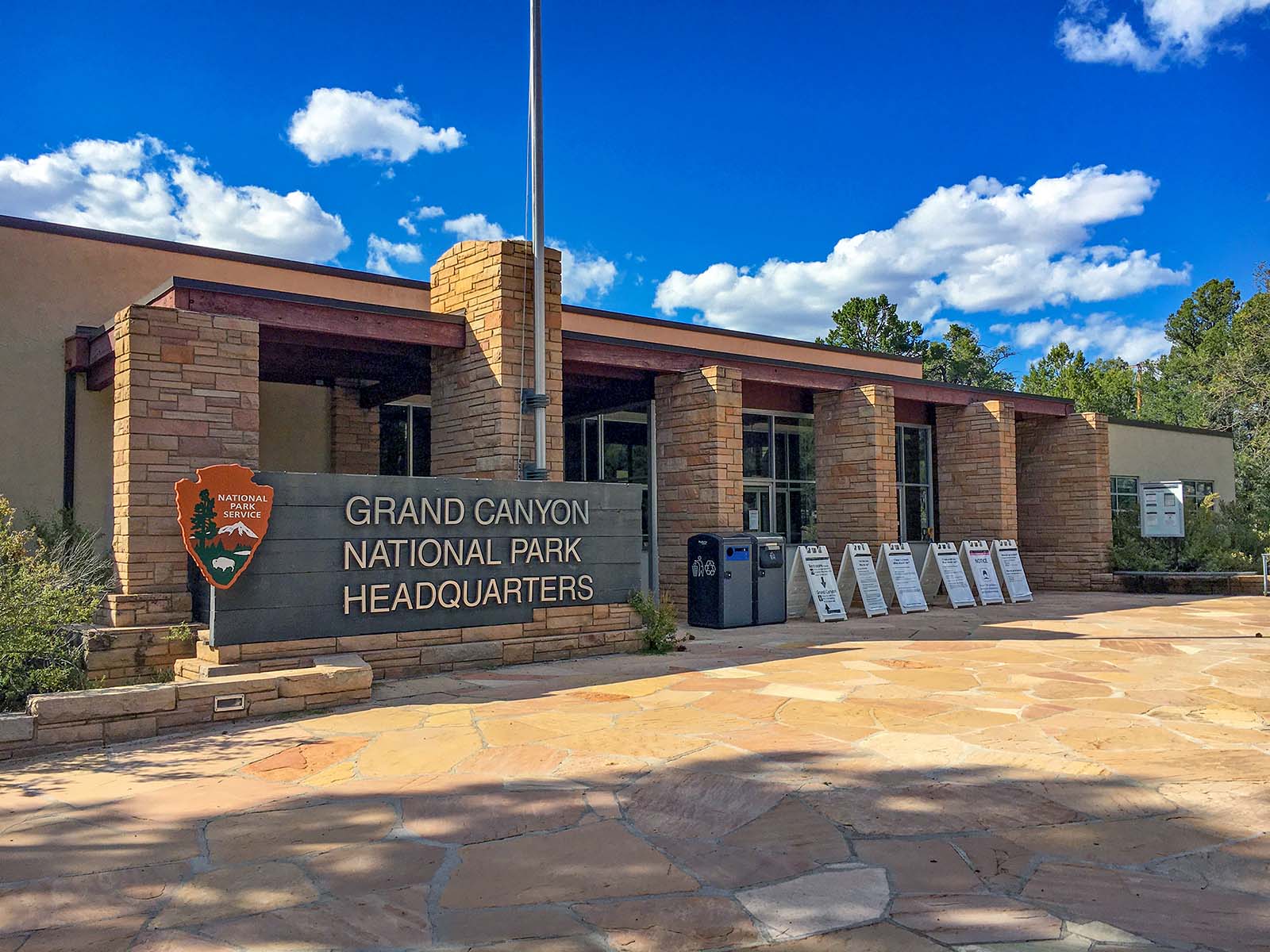
Hiking Guide
Grand Canyon Hiking Trails: Day Hikes, Water Sources & Rim to Rim
Compare Grand Canyon hiking trails: Bright Angel, South Kaibab, Hermit, Grandview, and rim to rim, with distances, elevation, water stops, and trailhead access for each.
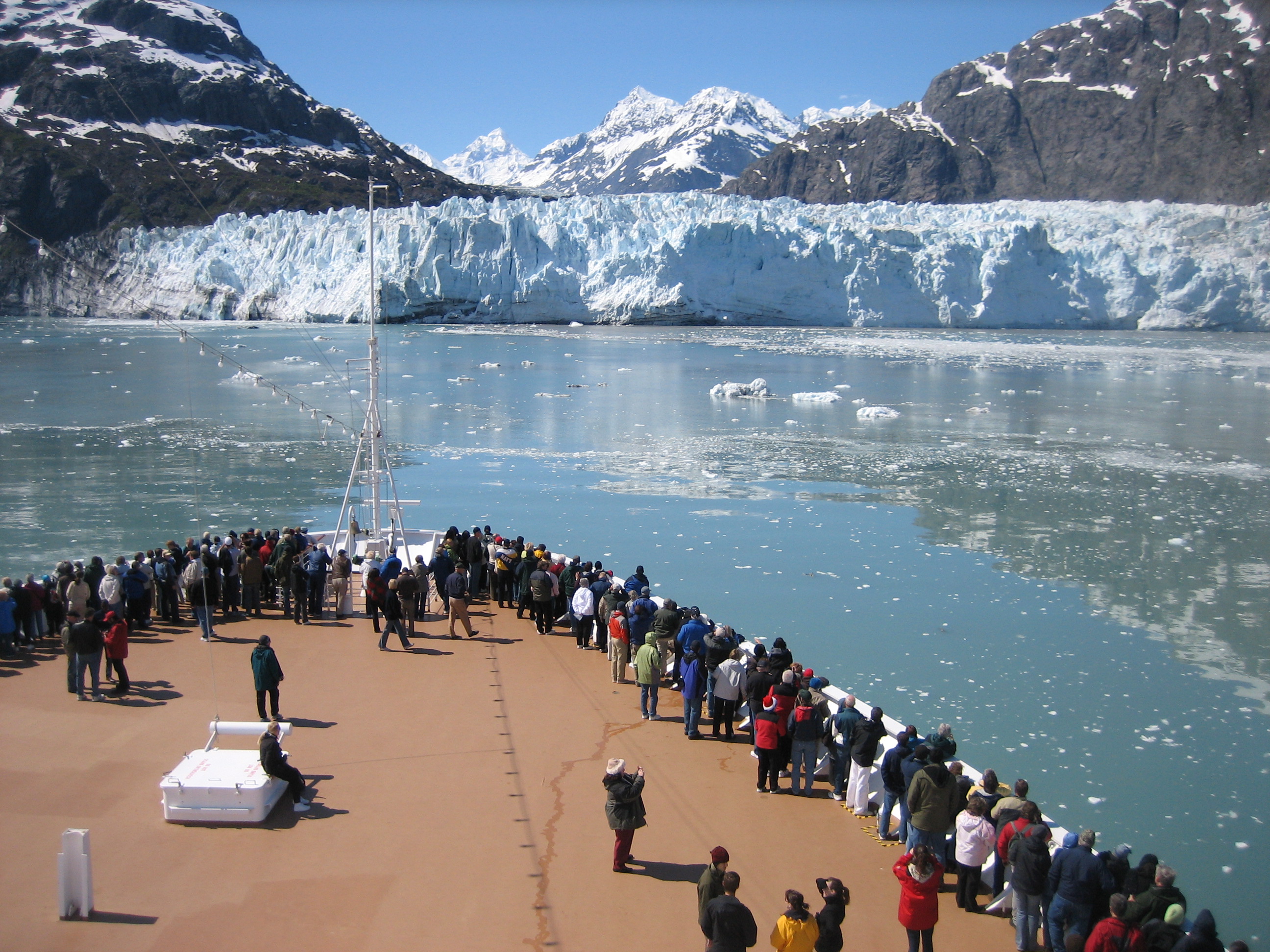
Best Of
Best of Glacier Bay National Park
The best of Glacier Bay is reached by boat: ranger-led day tours up the bay to the tidewater glaciers. What's worth it, how to book, and when to go (2026).
Campsite Guide
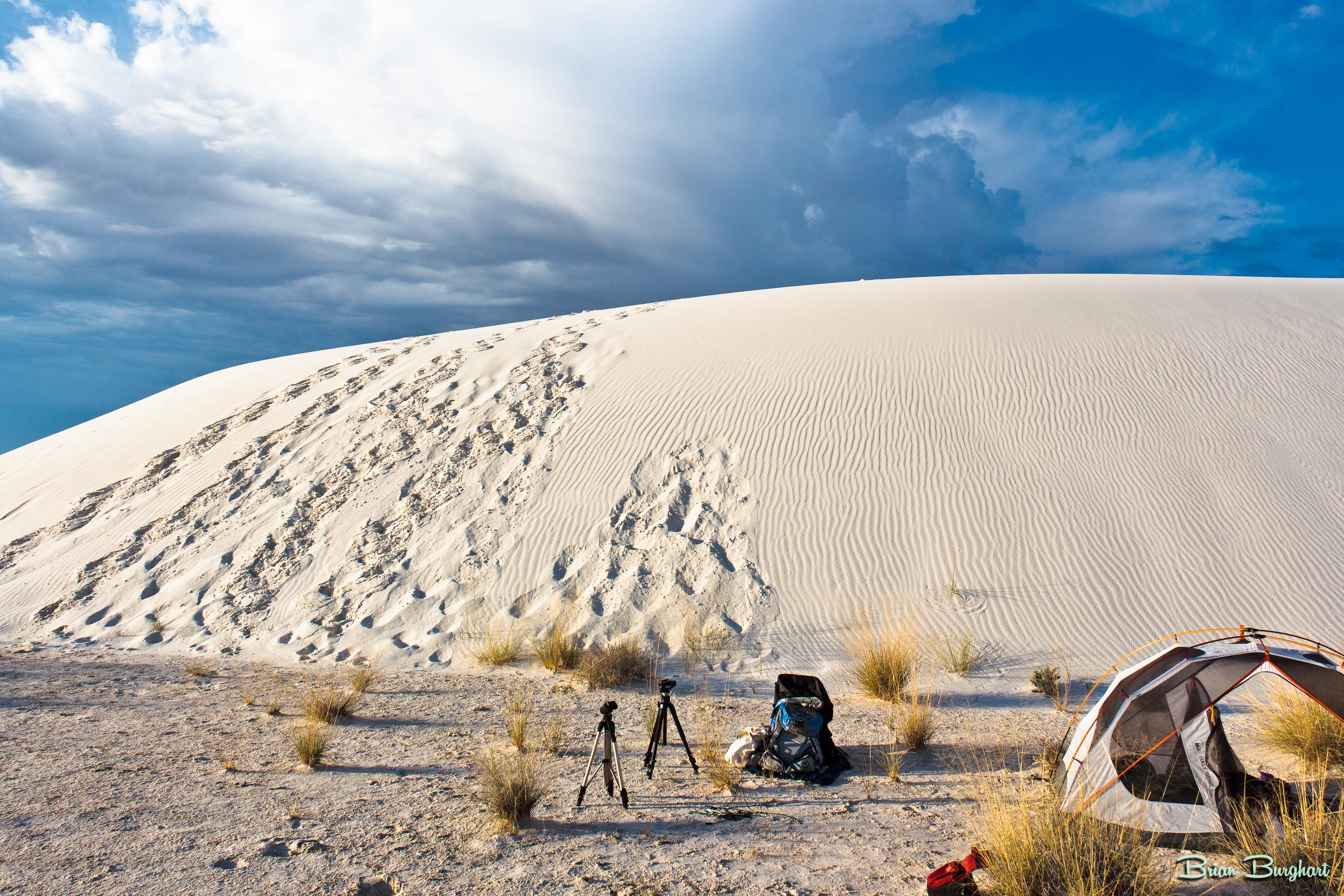
White Sands Backcountry Camping: Closed for 2026 — What to Know
As of 2026, backcountry camping at White Sands National Park is closed for site rehabilitation. What that means, and where to camp nearby instead.
Weather Guide
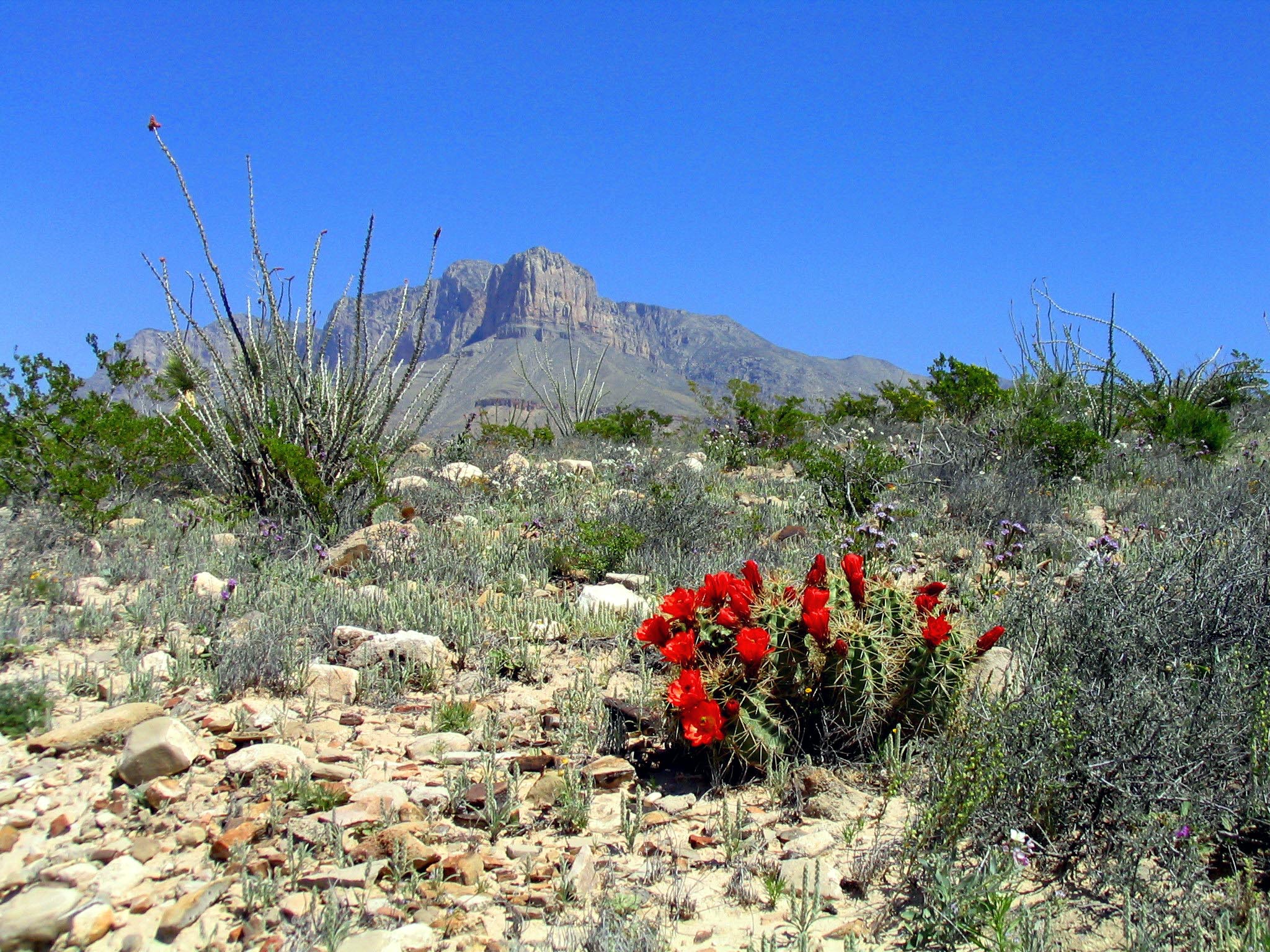
Guadalupe Mountains National Park Weather: Weather
Guadalupe Mountains National Park: weather guide guide updated 2026. Practical visitor information, reservations, and seasonal tips worth bookmarking before
Best Of
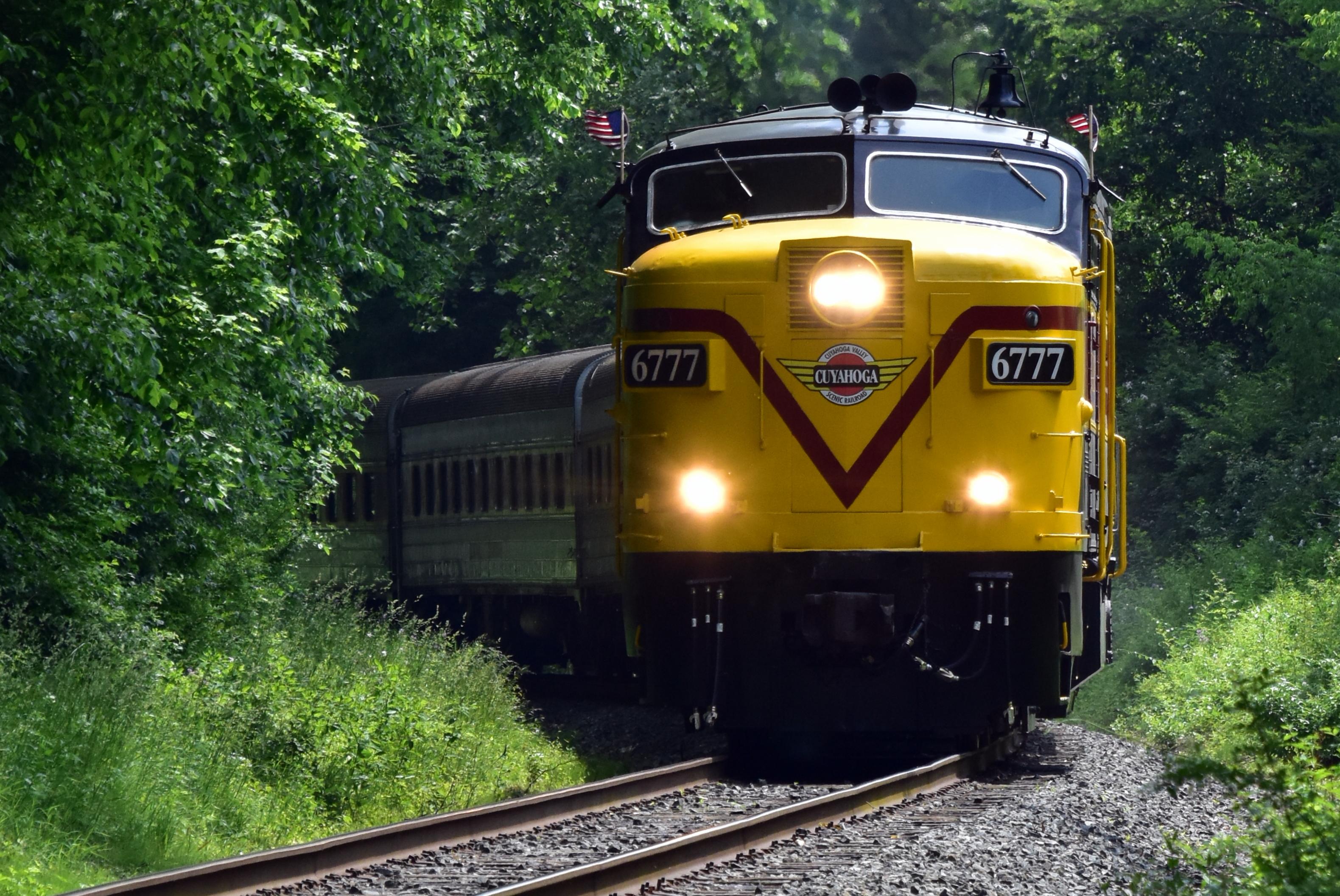
Best of Cuyahoga Valley National Park: Best Things to Do
Seeing a Cleveland Orchestra concert with the woods as your backdrop is a uniquely Cuyahoga Valley experience.
Sign in to join the conversation.
Sources & Attribution
Location data courtesy of the National Park Service (U.S. Department of the Interior). NPS data is public domain. Official NPS page.
Images: NPS; NPS; NPS; NPS; NPS.
Map data © OpenStreetMap contributors.
Park operations alerts: NPS.gov · Weather and weather hazards: National Weather Service · Live conditions.
Information may change. Always verify fees, hours, and conditions directly with the official source before visiting.
Did this guide help? Share it with a friend.