Yosemite National Park Wildlife: Best Wildlife Viewing In Yosemite (2026 Guide)
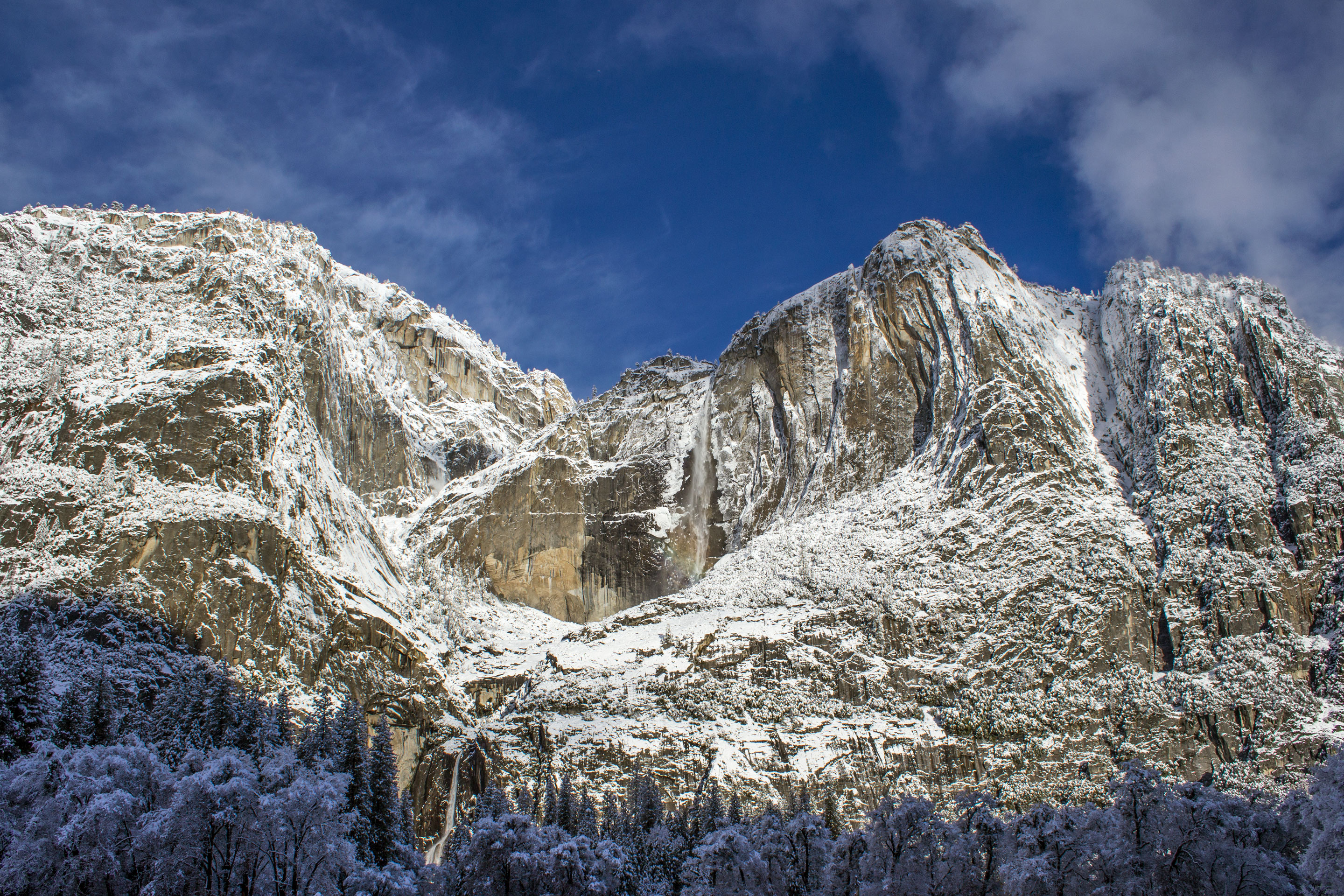
NPS via NPS.gov (Public Domain)
Best Wildlife Viewing in Yosemite
8 min read
Wildlife Guide
In spring, you might spot fawns (late May/June). In fall (October-November), bucks are in rut and more active, sometimes seen sparring.
This article contains affiliate links — we may earn a small commission at no extra cost to you.
While the granite cliffs make for memorable photographs, Yosemite's true character lies in its wildlife community—over 400 vertebrate species that follow rhythms most visitors misunderstand. Timing is everything here. You won't encounter the park's full wildlife diversity in a brief afternoon visit. Prime viewing occurs at dawn and dusk, governed by elevation and seasonal patterns rather than convenience. For park logistics and orientation, consult the official NPS resources first.
The Signature Species
Two species define the Yosemite experience: black bears and mule deer. Their presence here carries particular weight due to population density and behaviors refined through years of human interaction. Many visitors mistakenly search for bears in remote backcountry areas. In reality, most sightings occur in Yosemite Valley, where bears have adapted to seek food near human activity. Remember this: a bear encounter isn't entertainment—it's a wildlife management situation. Your responsibility is to maintain distance and properly store food, not to capture photographs.
Mule deer serve as the park's steady presence. They frequent not only meadows but also forest edges, following established routes during early morning and evening hours. Many visitors don't anticipate encountering deer near developed areas like Curry Village or the Ahwahnee—exactly why maintaining proper distance matters.
Black Bear: Complete Viewing Guide
American Black Bear
Where they concentrate: Yosemite Valley is ground zero, particularly around campgrounds (Upper Pines, Lower Pines), picnic areas, and parking lots after dusk. In late summer and fall, they move to higher elevations like Tuolumne Meadows to forage on berries before hibernation.
Best time of day: Very early morning or evening. Midday sightings are rare unless a food reward is involved.
Best season and why: Late spring through fall. They emerge from dens in April/May and enter hyperphagia (intense feeding) in September/October, making them more active and visible.
What behavior to look for: Listen for the clang of a bear-proof locker or dumpster. Look for torn-apart logs or overturned rocks where they've foraged for insects. A bear moving with purpose, nose to the ground, is usually following a scent trail.
How to distinguish from similar species: The only large mammal you might confuse it with is a very dark-colored coyote from a distance, but the bear's lumbering gait and rounded shape are unmistakable.
Safety distance and regulations: Stay at least 50 yards away, always. This is non-negotiable. Never get between a bear and its cubs. All food, trash, and scented items (toothpaste, sunscreen) must be stored in provided metal lockers when not in immediate use. A fed bear is a dead bear - this is the park's most serious mantra.

Mule Deer: Complete Viewing Guide
Mule Deer
Where they concentrate: The meadows of Yosemite Valley (Cook's, Sentinel, Stoneman), the edges of Wawona Meadow, and the grassy areas of Tuolumne Meadows. They often use the tree line for cover.
Best time of day: Dawn and dusk. You'll see them grazing in open meadows as the light fades.
Best season and why: Spring and fall. In spring, you might spot fawns (late May/June). In fall (October-November), bucks are in rut and more active, sometimes seen sparring.
What behavior to look for: Grazing with heads down, ears constantly swiveling. They move in small family groups. Watch for the distinctive "stotting" gait - bounding on all four legs - when startled.
How to distinguish from similar species: Larger and lighter in color than the white-tailed deer (which are rare here). Their large, mule-like ears are the key identifier.
Safety distance and regulations: Keep 25 yards minimum. They appear docile but can kick or charge if they feel threatened, especially does with fawns. Never feed them.
Coyote: Complete Viewing Guide
Coyote
Where they concentrate: Open grasslands and meadows valley-wide. They patrol the edges of Cook's Meadow and the golf course in Wawona with regularity. Also seen along the Merced River banks.
Best time of day: Early morning, but they can be active any time, especially in cooler months.
Best season and why: Fall and winter. With fewer visitors and thinner vegetation, they're more visible as they hunt rodents.
What behavior to look for: Trotting with a purpose, often pausing to listen for prey underground before pouncing. You might hear their yips and howls at dusk, especially in spring during pup-rearing season.
How to distinguish from similar species: Smaller and lankier than a wolf (which are not present), with a pointed snout and bushy, downward-carried tail. Gray wolves do not live in Yosemite.
Safety distance and regulations: Keep 25 yards away. They are wild canids and can carry rabies. Do not encourage begging.

Birdlife: Raptors and Corvids
Peregrine Falcon
Where they concentrate: Cliff faces, particularly on El Capitan and Cathedral Rocks. The El Capitan Picnic Area is a known viewing spot for climber-spotting that doubles as a falcon watch.
Best time of day: Mid-morning to afternoon, when thermal updrafts help them soar.
Best season and why: Spring. They nest on cliff ledges March through June, and are most active and visible defending their territory.
What behavior to look for: Incredibly fast, direct flight. Listen for sharp, repetitive "kak-kak-kak" calls. You might see a "stoop" - a high-speed dive - as they hunt other birds.
Steller's Jay
Where they concentrate: Everywhere, but especially campgrounds and picnic areas.
Best time of day: All day. They're opportunistic.
Best season and why: Year-round. They're a constant.
What behavior to look for: Bold scavenging. They'll hop onto unattended picnic tables in seconds. Their loud, raspy "shaack" call is a signature sound of the Sierra forest.
How to distinguish from similar species: Dark blue body with a black head and prominent crest. The common raven is much larger and all black.
Common Raven
Where they concentrate: Valley viewpoints, parking lots, and meadows. Highly intelligent and adaptive.
Best time of day: Any time.
What behavior to look for: Soaring on flat wings, playful aerial acrobatics, and problem-solving. They've been known to unzip backpacks.
Small Mammals: The Ground Crew
Golden-mantled Ground Squirrel
Where they concentrate: Rocky areas and trailheads throughout the park, especially in Tuolumne Meadows and at Glacier Point.
Best time of day: Mid-morning on sunny days.
What behavior to look for: Sitting upright on a rock, holding food in its front paws. Often mistaken for a chipmunk.
How to distinguish: It has no facial stripes; chipmunks do.
Lodgepole Chipmunk
Where they concentrate: Coniferous forests, particularly around Tuolumne Meadows and the rim areas.
What behavior to look for: Quick, jerky movements and high-pitched chirps.
Safety note for all small mammals: Never feed them. It's illegal, and it makes them sick and aggressive. The "cute" squirrel that bites you will be euthanized for rabies testing.

Wildlife by Season
Your strategy changes monthly. Most of Yosemite is blanketed in snow from November through May, which compresses wildlife into lower elevations.
April-May: Snowmelt begins. Bears emerge. Deer descend to valley meadows for fresh grass. Migratory birds like warblers return. This is a prime time for birdwatching in Yosemite Valley.
June-August: The park's human peak. Wildlife becomes more crepuscular (active at dawn/dusk) to avoid crowds. Bears move to higher elevations like Tioga Road areas (when open). Fawns are visible in meadows. Rattlesnakes become active on warm, rocky trails - watch your step.
September-October: The best wildlife viewing in Yosemite for large mammals. Bears enter hyperphagia and are highly visible. Elk rut occurs in the Crane Flat area (listen for bugling). Deer rut begins. Birds migrate through.
November-March: A quiet, stark season. Deer and coyotes are the most visible mammals in the snow-covered valley. Bald eagles may be seen along the Merced River. This is the time for tracking - look for paw prints in fresh snow to see who passed by.
Where Wildlife Concentrates
Experienced visitors know to patrol transition zones - where forest meets meadow, where river meets brush. Specific locations with reliable sightings include:
Cook's & Sentinel Meadow (Yosemite Valley): At dawn and dusk, mule deer graze openly. Coyotes patrol the edges. Great blue herons fish in the Merced River alongside.
Tuolumne Meadows (Tioga Road): When the road is open (usually June-October), this high-elevation meadow is a hub. Look for marmots sunning on granite boulders, pikas chirping in talus fields, and deer grazing. Clark's nutcrackers are constant companions here.
Wawona Meadow Loop: An often-overlooked spot near the park's south entrance. Excellent for quiet deer and coyote viewing, with far fewer people than the valley.
Glacier Point Road Corridor: Not just for the view. The meadows and forests along this road before the terminus are reliable for deer and occasional bear sightings in summer.
The Merced River at Dusk: Find a quiet pullout. Watch for raccoons, foxes, and bats emerging to hunt insects over the water.
Cell service drops out at most of these locations, so download maps and information beforehand.

Ethical Viewing and Safety
The park's rules are specific and enforced. Rangers will write tickets for violations that endanger wildlife.
Distance Regulations: 50 yards from bears and coyotes. 25 yards from all other animals (deer, raccoons, squirrels). If your presence changes an animal's behavior - it stops feeding, looks up, moves away - you are too close. Use a zoom lens.
Never Feed Wildlife: Not even a crumb. It leads to aggression, disease, and often the animal's death. This includes birds and squirrels.
Food Storage: It's the law. In Yosemite Valley and Wawona, all food and scented items must be in a hard-sided vehicle (with windows rolled up) or in a provided metal food locker 24/7. In wilderness areas, a certified bear-resistant canister is required.
Driving: Wildlife-vehicle collisions are common, especially at night. Drive at or below the speed limit, particularly in posted wildlife corridors. Deer are most active at dawn and dusk.
If You See a Bear: Do not run. Gather your group, make noise, and back away slowly. Do not block its escape route. Report the sighting to a ranger.
Practical Takeaways
- Time is everything. Plan two outings: one at dawn, one at dusk. Midday is for waterfalls and granite, not for the best wildlife viewing in Yosemite.
- Look for edges. The transition between forest and meadow, river and bank. This is where animals hunt and move.
- Pack binoculars. A decent 8×42 pair is the single best tool for observing from a legal, safe distance.
- Secure your scent. Before you leave your car or camp, ensure all food, trash, and toiletries are locked up. A bear checking out your empty backpack because it smells of sunscreen is a problem.
- Silence pays off. Find a spot, sit still, and wait for 10-15 minutes. The forest will forget you're there, and activity will resume.
- Check road status. As of 2026, Tioga and Glacier Point Roads are seasonal. High-elevation wildlife viewing is only possible when they're open, typically June through October.
- Report problems. If you see an animal acting strangely or a visitor feeding wildlife, note the location and tell a ranger. You're part of the stewardship.
The wildlife here isn't a sideshow. It's the main event playing out on a 1,200-square-mile stage. Your role is observer, not participant. Watch quietly, from a distance, and you'll see the Yosemite that exists beyond the postcard.
For more information, see our complete National Park Guide.
Related: hiking in yosemite national park guide
Related: hiking in yosemite guide
Sources
- Official source: NPS — Yosemite National Park nps.gov/yose/index.htm
Photo Gallery
More to Explore
Park Guide
Acadia National Park: Carriage Roads, Cadillac Mountain & 2026 Guide
Discover carriage roads, Cadillac Mountain, and rugged Maine coast. Complete 2026 guide to Acadia National Park — trails, fees, lodging, permits, and what rangers recommend.
Hiking Guide
Grand Canyon Hiking Trails: Day Hikes, Water Sources & Rim to Rim
Compare Grand Canyon hiking trails: Bright Angel, South Kaibab, Hermit, Grandview, and rim to rim, with distances, elevation, water stops, and trailhead access for each.
Best Of
Best of Glacier Bay National Park
The best of Glacier Bay is reached by boat: ranger-led day tours up the bay to the tidewater glaciers. What's worth it, how to book, and when to go (2026).
Campsite Guide
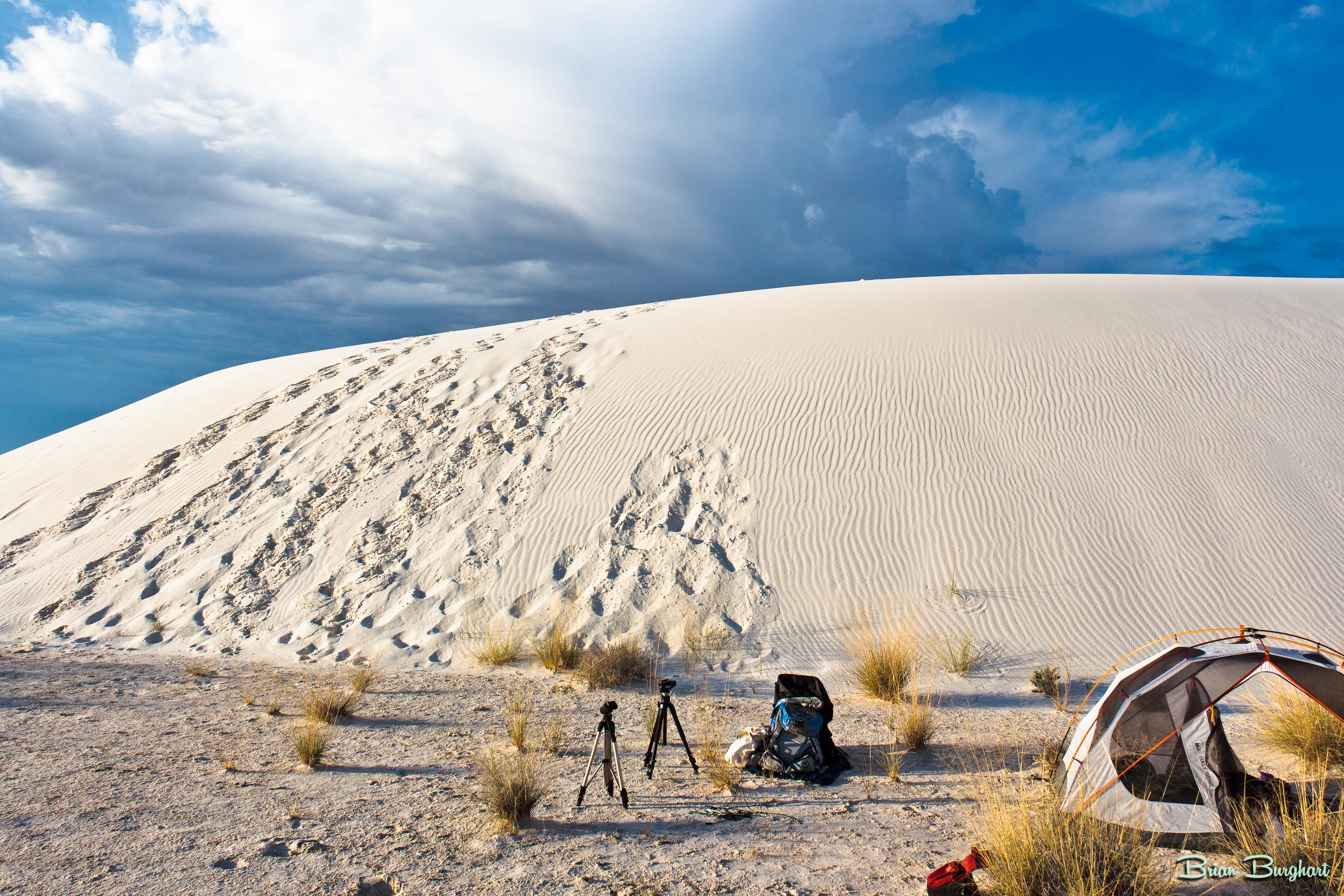
White Sands Backcountry Camping: Closed for 2026 — What to Know
As of 2026, backcountry camping at White Sands National Park is closed for site rehabilitation. What that means, and where to camp nearby instead.
Weather Guide
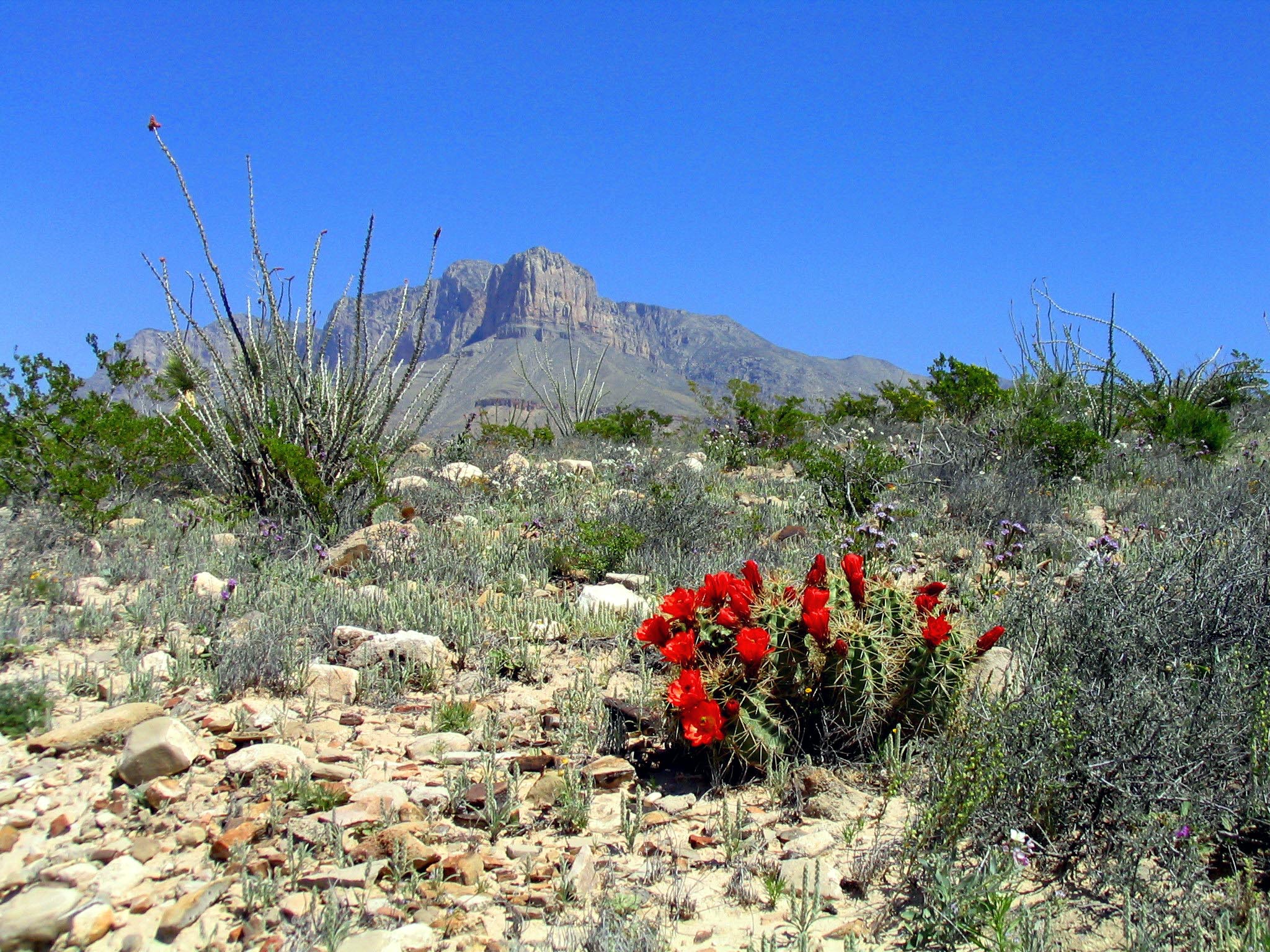
Guadalupe Mountains National Park Weather: Weather
Guadalupe Mountains National Park: weather guide guide updated 2026. Practical visitor information, reservations, and seasonal tips worth bookmarking before
Best Of
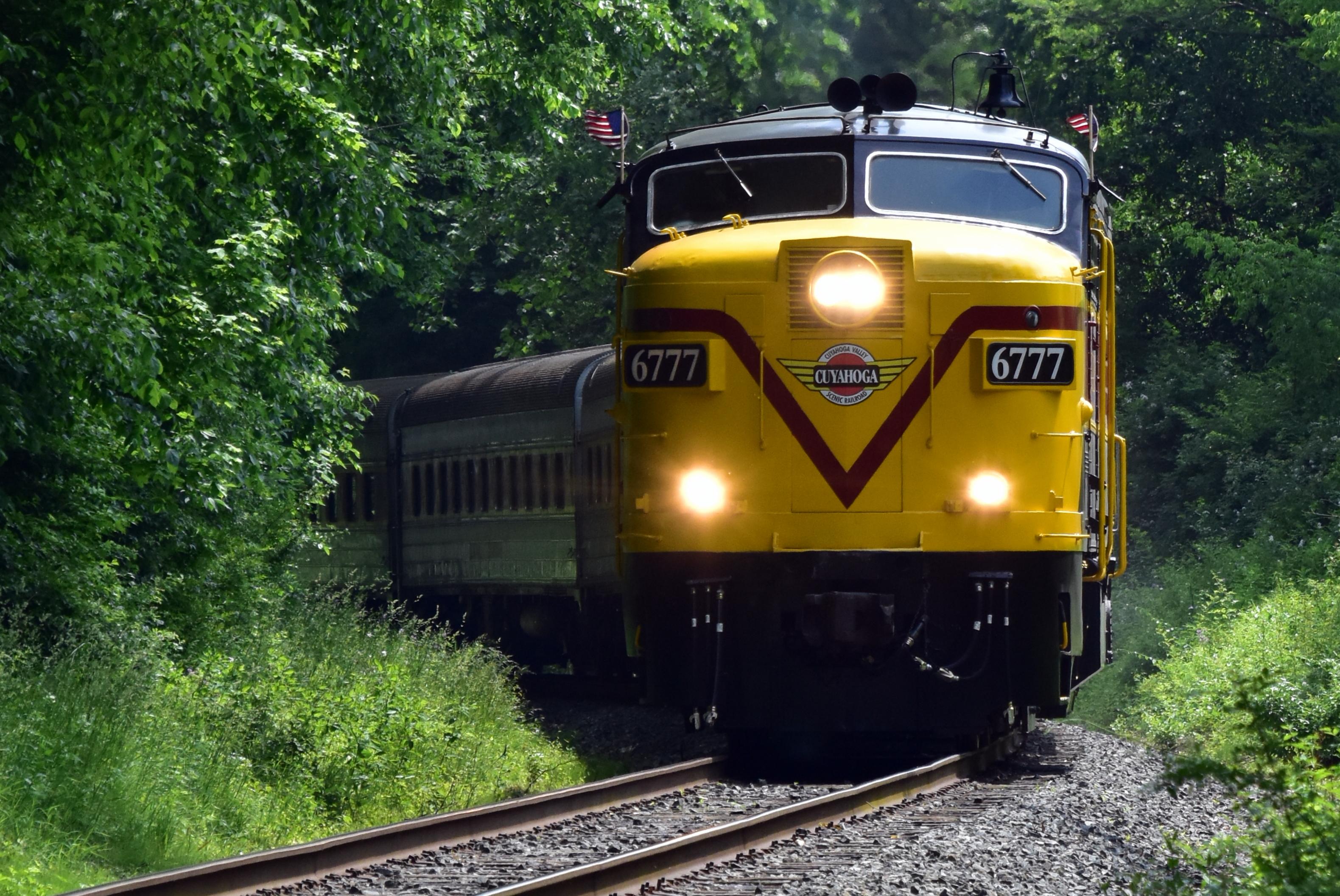
Best of Cuyahoga Valley National Park: Best Things to Do
Seeing a Cleveland Orchestra concert with the woods as your backdrop is a uniquely Cuyahoga Valley experience.
Sign in to join the conversation.
Sources & Attribution
Location data courtesy of the National Park Service (U.S. Department of the Interior). NPS data is public domain. Official NPS page.
Images: NPS; NPS; NPS; NPS; NPS.
Map data © OpenStreetMap contributors.
Park operations alerts: NPS.gov · Weather and weather hazards: National Weather Service · Live conditions.
Information may change. Always verify fees, hours, and conditions directly with the official source before visiting.
Did this guide help? Share it with a friend.