The Merced River runs cold even in July, and the trail from Happy Isles to Vernal Fall gains 400 feet in the first half mile. By the time you reach the mist from the falls, your boots are wet, your feet are working, and whatever is between your skin and your socks will determine whether the next six miles feel like a walk or a punishment. This is where the conversation about what you wear on your feet stops being optional and starts being practical.
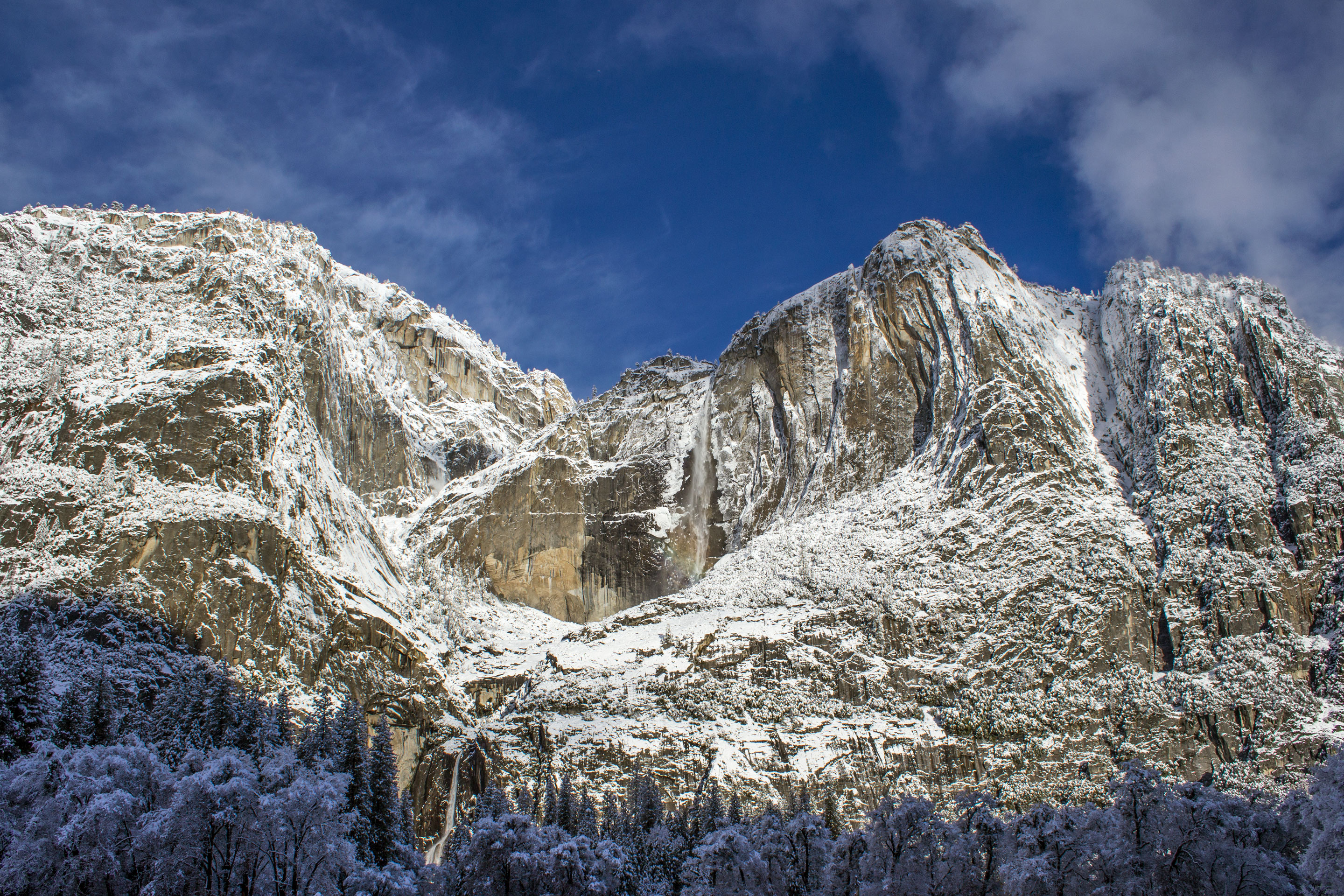
NPS via NPS.gov (Public Domain)
Yosemite National Park Gear Guide: What to Pack
8 min read
Gear Guide
Complete guide to yosemite hiking socks. Everything you need to know, updated for 2026.
I've watched first-time visitors limp off the Mist Trail more times than I can count, and the culprit is almost always what they put on their feet. Yosemite spans nearly 1,200 square miles, with elevations from 2,000 to 13,000 feet. The ground under you shifts without warning—packed granite sand, slick rock slabs, wet wooden bridges, loose talus. A good pair of hiking socks isn't a luxury. It's as essential as your water bottle.
Why Your Socks Matter More Than You Think
The common mistake - and almost everyone makes it at least once - is showing up with cotton socks. Cotton absorbs moisture, holds it against your skin, and turns soft feet into blistered ones within a few miles. On a trail like the Mist Trail, where the waterfall spray keeps the path wet well into August, cotton socks stay damp for hours.
The Elevation Factor
Yosemite Valley sits at about 4,000 feet. Trails like the Four Mile Trail climb to Glacier Point at 7,214 feet. That's 3,200 feet of elevation gain over 4.6 miles, and your feet swell at altitude. A sock that fits snugly at the trailhead will feel tight by the time you hit the switchbacks above Illilouette Fall.
Over my years in the park, the most common medical complaint I've seen on the trails isn't dehydration or falls—it's blisters. And nine times out of ten, that's a sock problem, not a boot problem.
What to Look For
The ideal sock for hiking in yosemite national park has three features:
- Wool or synthetic blend that wicks moisture and dries fast
- Cushioning in the heel and toe for repeated impact on granite
- A snug but not tight fit that won't bunch inside your boot
Merino wool is the standard for good reason. It handles temperature swings well, and in Yosemite, you'll experience those swings in a single afternoon - Valley temperatures can hit 90°F in July while the high country stays at 60°F.

Trails That Demand Good Footwear
Not every trail in Yosemite requires technical gear, but several will test whatever you're wearing on your feet. Here's where the choice matters most.
The Mist Trail to Vernal and Nevada Falls
This is the most popular hike in the park for good reason. It's also the one that punishes bad sock choices most aggressively. The trail starts at Happy Isles, follows the Merced River, and climbs 1,000 feet in 1.5 miles to Vernal Fall. The granite steps are steep, uneven, and perpetually wet from April through July when the waterfall is running full.
What you'll encounter: The mist from Vernal Fall soaks the entire upper section of the trail. You'll be walking through spray that feels like light rain. Boots get wet. Socks get wet. If you're wearing cotton, you'll be hiking the rest of the day with wet feet. If you're wearing proper yosemite hiking socks, you'll notice the difference in about 20 minutes - they'll feel damp but not saturated, and they'll start drying out as soon as you clear the mist zone.
The elevation gain is worth it. From the top of Nevada Fall, you can see Liberty Cap and the back side of Half Dome. But the descent is harder on your feet than the climb. Your toes press forward into the front of your boot on every step down, and that's where cushioning matters.
The Four Mile Trail to Glacier Point
Despite the name, this trail is actually 4.6 miles one way. It climbs 3,200 feet from the Valley floor to Glacier Point, and it's all switchbacks. No shade for long stretches. The surface is mostly decomposed granite - think walking on coarse sand that shifts under each step.
What you'll encounter: Your feet will heat up on the climb. The trail faces south and west, so afternoon sun bakes the exposed sections. A sock with good breathability makes a noticeable difference here. You'll also want enough cushioning to handle the loose surface, which forces your feet to grip and adjust constantly.
The parking situation here is tight. The trailhead lot at Swinging Bridge fills by 7:30 AM in summer. Most visitors underestimate how early they need to arrive.
Tuolumne Meadows Trails
Up at 8,600 feet, the trails around Tuolumne Meadows offer a completely different experience. The air is thinner, the temperatures are cooler, and the terrain is mostly gentle grades across alpine meadows and around granite domes. Trails like the one to Cathedral Lakes (about 4 miles one way) are moderate but expose your feet to uneven ground and stream crossings.
What you'll encounter: Stream crossings mean wet feet unless you stop to remove boots. If you're doing multiple crossings, a sock that dries quickly is worth its weight. The trails here are open from about June through October, depending on snowmelt. The Tioga Road (Highway 120 through the park) is closed from approximately November through late May or June, so check conditions before planning a trip.

The Gear Question Nobody Asks
When people talk about hiking in yosemite, they obsess over boots. They spend hours reading reviews about waterproof membranes and ankle support. And then they grab whatever socks are in their drawer.
Here's what the experienced visitors know: your sock is the interface between your foot and everything else. A $200 boot with a bad sock will give you blisters. A $80 boot with a good sock might not. The sock absorbs friction, manages moisture, and provides the cushioning that your boot's insole can't.
If you're renting gear for the trip, or if you're flying in and don't want to pack bulky boots, pay attention to what you're wearing on your feet. Good socks for hiking in yosemite valley can make rental boots feel broken in.
Layering for Temperature
Yosemite Valley can start at 50°F in the morning and hit 85°F by noon. The high country might stay in the 60s all day. A single sock weight won't work for every situation.
- Lightweight socks (thin, minimal cushion) work for warm-weather hiking on well-graded trails like the Cook's Meadow Loop
- Medium-weight socks (moderate cushion, crew height) handle most Yosemite trails well - they're the standard recommendation for day hikes
- Heavyweight socks (thick cushion, higher wool content) are best for cold-weather hiking or multi-day backpacking trips where you'll be in the same socks for days
For most visitors doing day hikes in summer, a medium-weight merino blend sock is the right call. Bring a spare pair in your daypack. If you do a stream crossing or get caught in a rain shower, changing into dry socks mid-hike changes everything.

What the Park Website Doesn't Mention
The official NPS materials tell you to wear sturdy shoes and bring water. They don't tell you that the granite dust on the trails will work its way into any sock with loose weave, and the grit will abrade your heels over distance. They don't tell you that the wooden footbridges over the Merced River get slick as ice when wet, and you'll be gripping with your toes harder than you expect.
They also don't tell you that the walk from the parking lot to the trailhead at Yosemite Valley is often longer than you think. Upper Pines Campground to the Happy Isles trailhead is a half-mile on pavement. That's a lot of walking before you even start hiking. Every step matters.
The Washing Problem
If you're staying in the park for multiple days, you'll need to deal with dirty socks. The Curry Village laundry facilities exist but they're limited. Most experienced campers bring a small mesh bag and hand-wash socks in the sink, then hang them to dry overnight. Merino wool dries faster than cotton, but it still needs time. Bring enough pairs to rotate.

A Note on the Nonresident Fee
For international visitors, Yosemite's entrance fees include a nonresident surcharge of $100 per person aged 16 and older, on top of the standard entrance fee. As of 2026, this applies to anyone entering without an America the Beautiful Annual Pass or similar pass. If you're flying in from abroad, factor that into your trip cost. The private vehicle entrance fee is $35 for seven days for US residents, covering everyone in the car.
Practical Takeaways
- Don't wear cotton socks on any trail over 2 miles. Not even on the paved paths. The moisture management difference is immediate and real.
- Bring at least one spare pair per day. Leave them in your car or tent. Changing socks at lunch on a long hike is one of the simplest upgrades you can make to your comfort.
- Test your sock-and-boot combination before you arrive. A sock that seemed fine in the store can bunch or slide inside a specific boot. Walk a few miles in them at home.
- For hiking at yosemite national park in summer, aim for medium-weight merino wool blend socks. They handle the temperature range, dry reasonably fast, and provide enough cushioning for the granite surfaces.
- If you're doing the Mist Trail specifically, consider gaiters. The combination of wet granite steps and fine sand means debris gets into boots constantly.
- Check the park's road status before you go. As of April 2026, Tioga Road and Glacier Point Road are closed for the season due to snow. Call 209/372-0200 for current conditions. These closures affect which trails are accessible and change your footwear needs significantly.
Final Thoughts
Yosemite's trails have been walked by millions of people over more than a century. The granite steps on the Mist Trail are polished smooth by that traffic. The surface is harder than any trail you've likely hiked before, and it punishes small mistakes in your gear choices. Your socks won't make or break your trip - but they'll have a lot to do with whether your feet hurt at the end of the day.
The park is open 24 hours a day, 365 days a year. The entrance fee covers seven consecutive days. You'll have plenty of time to figure out what works for you. But starting with good socks means you spend more of that time looking at Half Dome and less of it wondering why your heels are burning.
For more information, see our complete National Park Guide.
Related: hiking in yosemite national park guide
Related: hiking in yosemite guide
Sources
- Official source: NPS — Yosemite National Park nps.gov/yose/index.htm
Photo Gallery
More to Explore
Park Guide
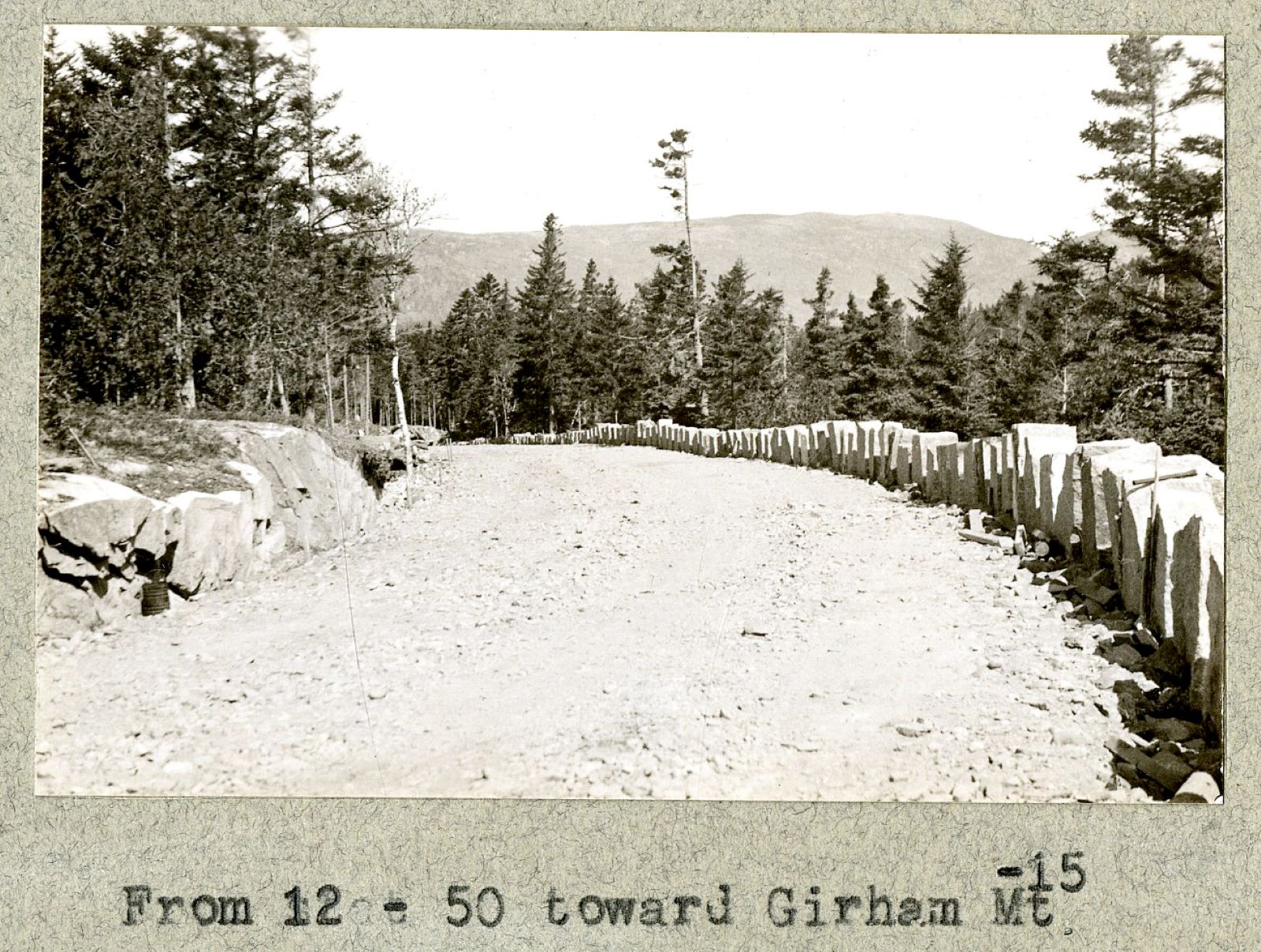
Acadia National Park: Carriage Roads, Cadillac Mountain & 2026 Guide
Discover carriage roads, Cadillac Mountain, and rugged Maine coast. Complete 2026 guide to Acadia National Park — trails, fees, lodging, permits, and what rangers recommend.
Hiking Guide
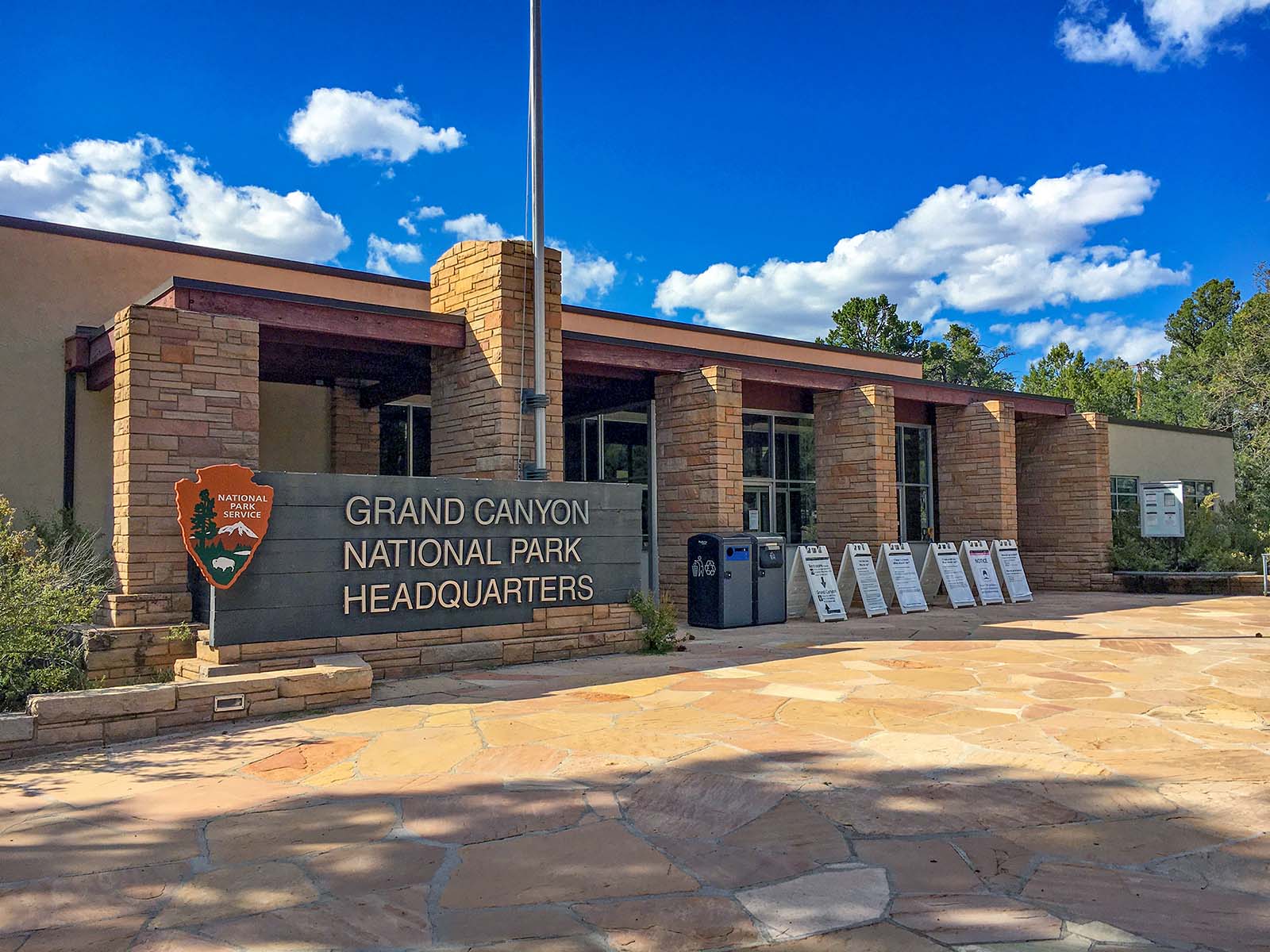
Grand Canyon Hiking Trails: Day Hikes, Water Sources & Rim to Rim
Compare Grand Canyon hiking trails: Bright Angel, South Kaibab, Hermit, Grandview, and rim to rim, with distances, elevation, water stops, and trailhead access for each.
Best Of
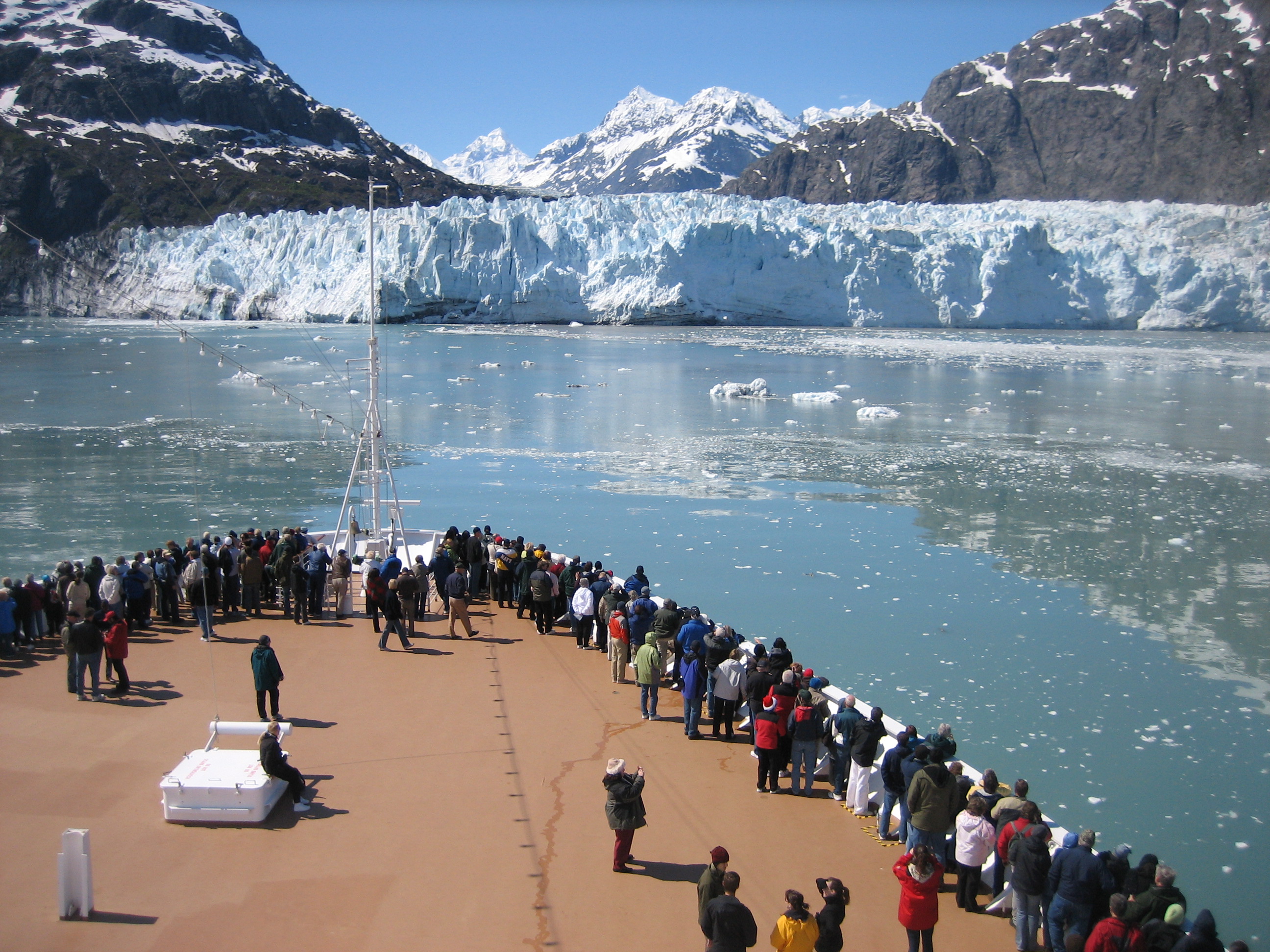
Best of Glacier Bay National Park
The best of Glacier Bay is reached by boat: ranger-led day tours up the bay to the tidewater glaciers. What's worth it, how to book, and when to go (2026).
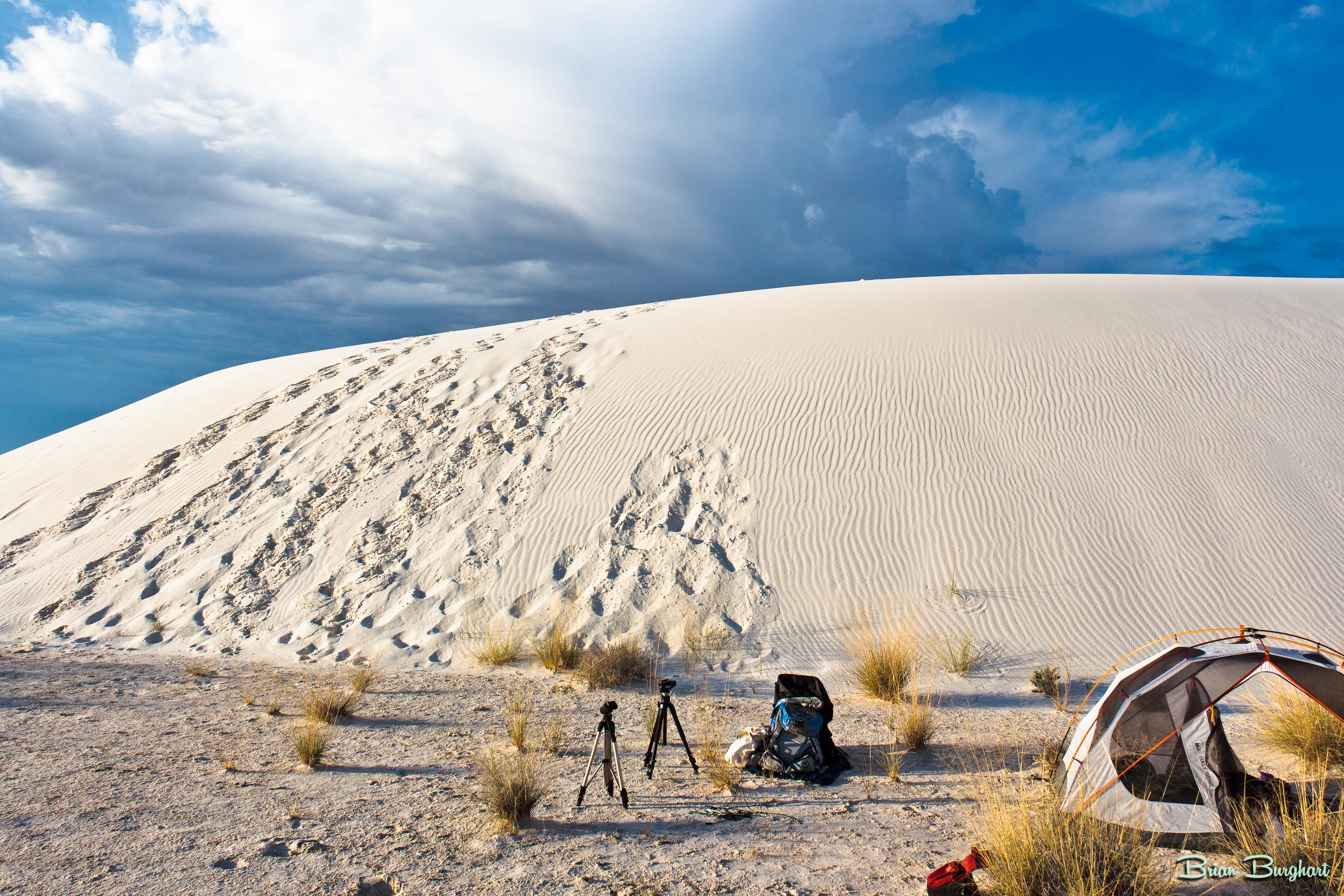
Campsite Guide
White Sands Backcountry Camping: Closed for 2026 — What to Know
As of 2026, backcountry camping at White Sands National Park is closed for site rehabilitation. What that means, and where to camp nearby instead.
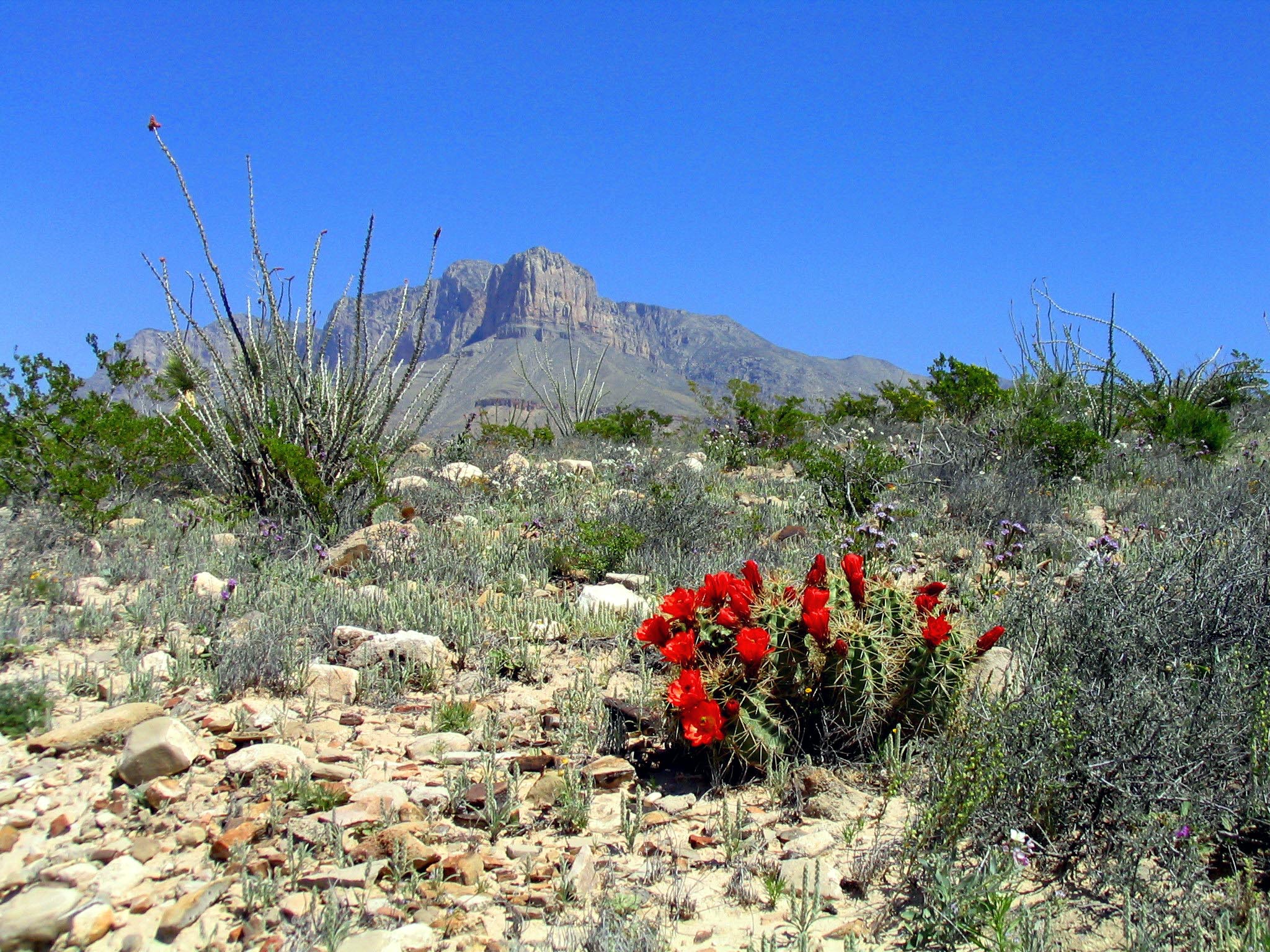
Weather Guide
Guadalupe Mountains National Park Weather: Weather
Guadalupe Mountains National Park: weather guide guide updated 2026. Practical visitor information, reservations, and seasonal tips worth bookmarking before
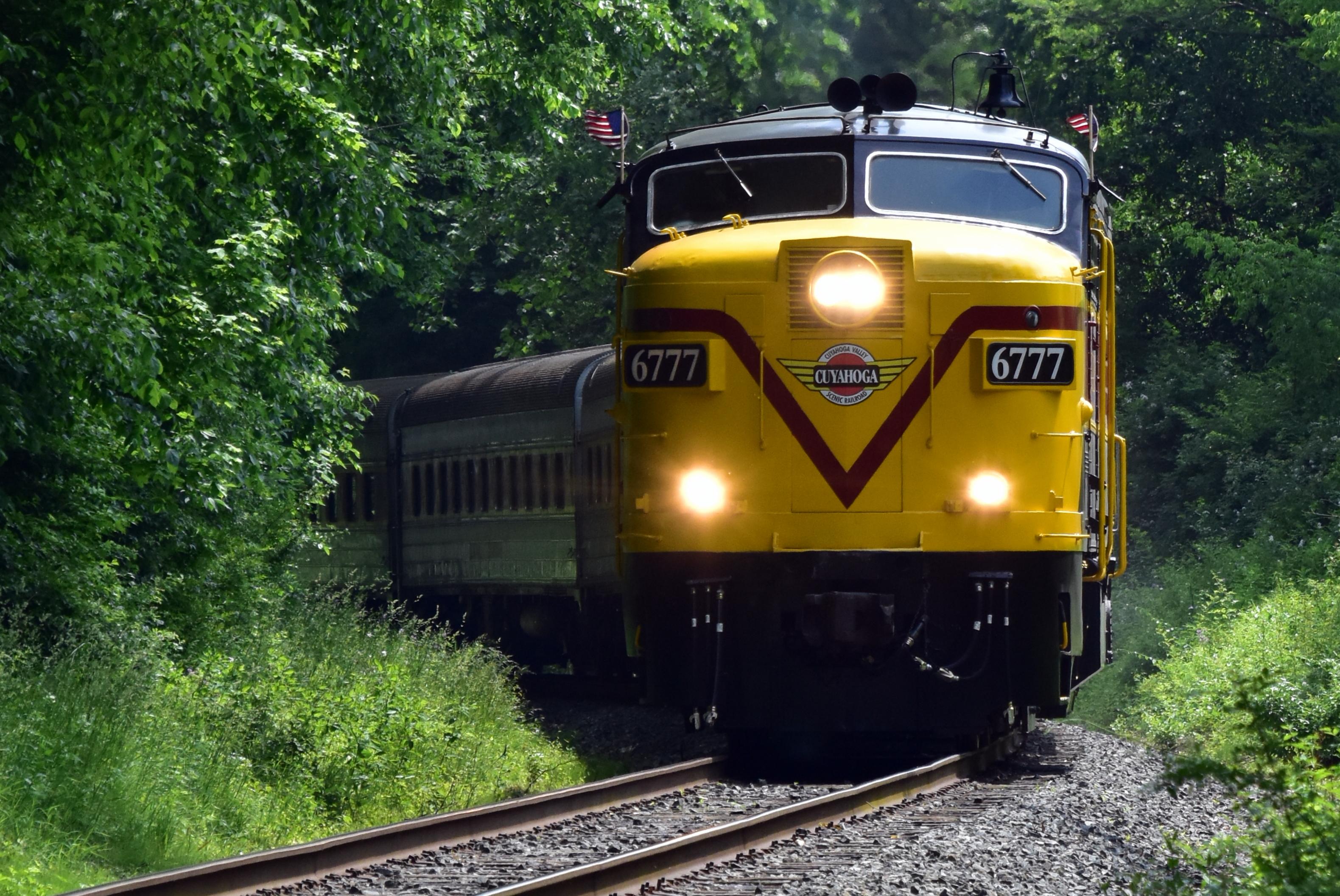
Best Of
Best of Cuyahoga Valley National Park: Best Things to Do
Seeing a Cleveland Orchestra concert with the woods as your backdrop is a uniquely Cuyahoga Valley experience.
Sign in to join the conversation.
Sources & Attribution
Location data courtesy of the National Park Service (U.S. Department of the Interior). NPS data is public domain. Official NPS page.
Images: NPS; NPS; NPS; NPS; NPS.
Map data © OpenStreetMap contributors.
Park operations alerts: NPS.gov · Weather and weather hazards: National Weather Service · Live conditions.
Information may change. Always verify fees, hours, and conditions directly with the official source before visiting.
Did this guide help? Share it with a friend.