Voyageurs' 218,000 acres are defined by water—not just lakes within a park, but a park composed of lakes. Your experience here, from temperature to travel, hinges on the freeze-thaw cycle of Rainy, Kabetogama, and the other major basins. The average ice-out date falls around May 3, but that's merely an average. A late spring can lock the lakes in solid white until mid-May, while an early thaw in late April might open them a week sooner. This date shapes the entire operational year for boaters, anglers, and backcountry paddlers. Plan your trip by the ice, not the calendar.
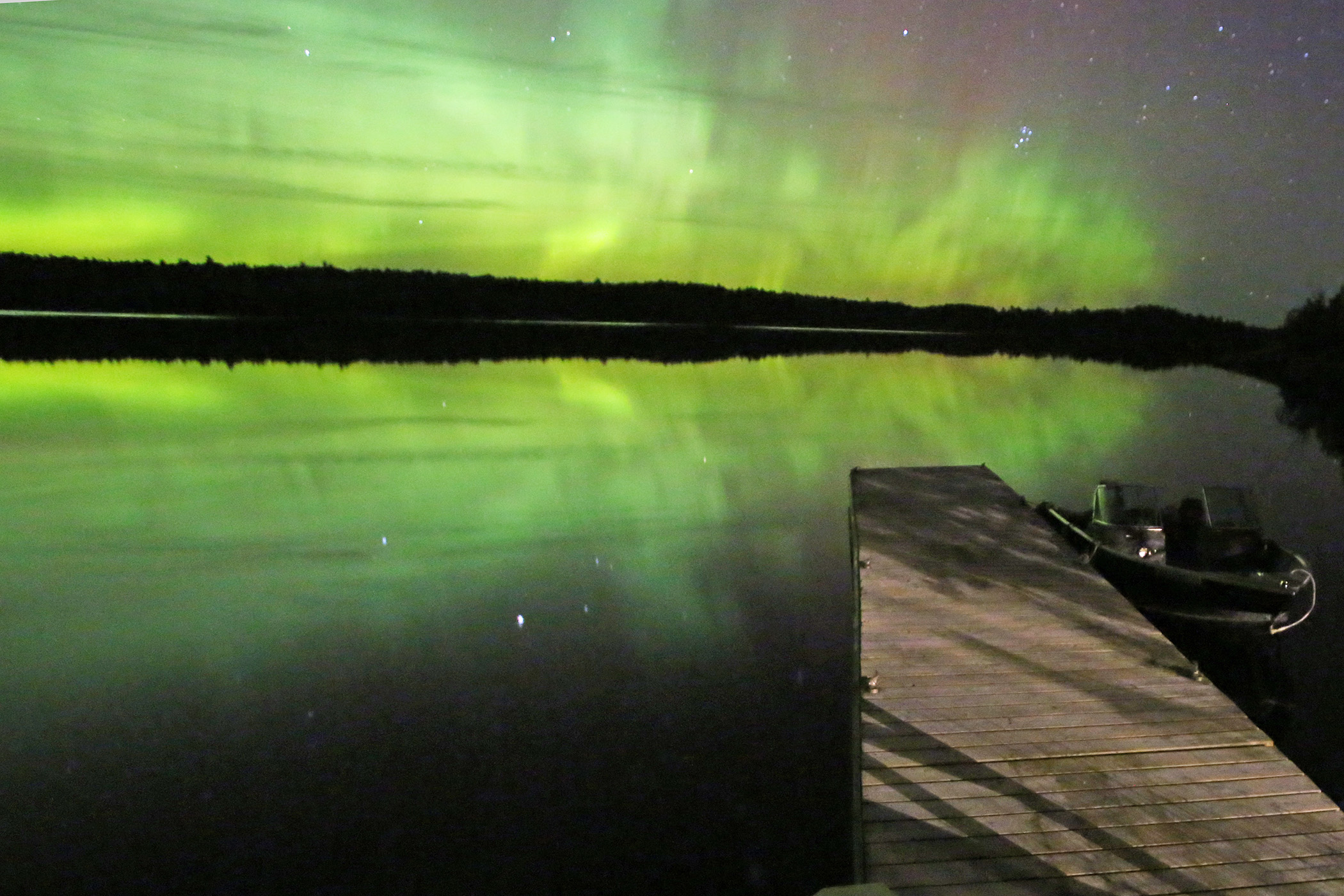
NPS via NPS.gov (Public Domain)
Voyageurs National Park Weather
8 min read
Weather Guide
Plan your Voyageurs trip around its lakes' ice-out date, not the calendar. Our 2026 guide details the freeze-thaw cycle shaping all travel and activities.
The Weather Reality
Voyageurs runs on a compressed, intense seasonal clock, with a frost-free window averaging just 120 days from June to mid-September. That's your span for reliably ice-free travel and comfortable camping. Newcomers often underestimate how swiftly conditions can change in this brief summer, and how the vast open water generates its own microclimate. A sunny 75-degree day on the Ash River Trail might turn into a windy 55-degree trek across open Kabetogama Lake. Regional forecasts frequently overlook the wind chill and sudden squalls over these reservoirs. Proximity to the Canadian border means cold fronts can arrive with scant warning, dropping temperatures 20 degrees in an hour. Here, you don't just check the weather in the morning—you monitor the western horizon throughout the day.

Month by Month
Voyageurs has four distinct seasons, but they don't align neatly with the calendar. Think in terms of ice, mud, bugs, and fleeting perfection.
May & Early June: The Thaw
Temperatures range from highs in the 50s to lows that can still dip below freezing. Snowmelt and spring rains are common. This is the transition.
What's open: Mainland trails like the Oberholtzer Trail near the Rainy Lake Visitor Center are often hikeable, but muddy. Water access depends entirely on ice-out, which can happen from late April to late May. Most boat launches are functional once the ice clears.
Crowd level: Very low. You'll have the place mostly to yourself, but for a reason.
Wildlife: Loons return. Black bears are active. Mosquitoes hatch in biblical numbers by late May.
The challenge: Black flies and mosquitoes become a tangible, swarming reality. "Bug jackets" aren't an overreaction; they're standard field gear for rangers. Water temperatures are dangerously cold, a hypothermia risk within minutes of a capsize.
The reward: Solitude. The forests are brilliantly green, and the lakes are quiet before the summer rush.
Late June, July, & August: The Short Summer
This is when periods of fine, mild weather prevail. Highs average in the 70s, but can spike to the mid-80s. Lows are comfortable, in the 50s. Afternoon thunderstorms are a frequent possibility.
What's open: Everything. All visitor centers, boat tours, and mainland hiking trails are operational. This is peak season for accessing the park's interior lake campsites.
Crowd level: High, especially on weekends and around the Fourth of July. Boat launches fill early.
Wildlife: Eagles fishing, otters playing, deer along shorelines. Mosquitoes remain but often lessen by August.
Trail conditions: Mainland trails are dry and clear. Water levels on the lakes are generally stable.
The challenge: Crowds, afternoon storms, and the occasional heat wave. Reservations for boat tours and campsites are essential.
The reward: Predictable access, long days, and the full range of activities from swimming to stargazing. It's the only time you can reliably do it all.
September & October: The Turn
September days can still feel like summer (60s-70s), but nights begin to crisp up, dropping into the 40s. By October, highs are in the 50s and frost is a regular morning event. The first measurable snowfall typically occurs in late October.
What's open: Visitor centers shift to reduced hours after Labor Day. Boat tours may run through September, weather permitting. Mainland trails remain open.
Crowd level: Drops dramatically after Labor Day. September is quiet; October is nearly empty.
Wildlife: Peak time for hearing elk bugle. Migratory birds are on the move. Fall color peaks in late September to early October, with brilliant reds and golds in the maple and aspen stands.
The challenge: Weather becomes increasingly unpredictable. A glorious, sunny week can be followed by a cold, rainy stretch. Services wind down.
The reward: The best combination of decent weather and no crowds. The fall colors reflected in the lakes are what photographers dream about.
November Through April: The Deep Freeze
Winter is long and serious. Highs often stay below freezing, with lows plunging well below zero. Snow cover is consistent from December through March.
What's open: The park is open 24/7, but visitor centers have limited hours. The landscape transforms. Ice roads are marked on the lakes once the ice is thick enough (usually by late December or January), opening the park to snowmobiles, ice fishing, and cross-country skiing on groomed routes over the frozen lakes.
Crowd level: Moderate on weekends for ice fishing and snowmobiling; otherwise low.
The challenge: Extreme cold requires specialized gear and knowledge. Checking ice thickness is a non-negotiable safety ritual. Access is entirely different.
The reward: A surreal, silent, expansive winter wilderness. The chance to walk or ride a snowmobile to places you can only boat to in summer. The aurora borealis is most frequently visible on clear, cold winter nights.

Best Times for Specific Activities
Your ideal month depends entirely on what you want to do.
For paddling and boating access to interior lakes, aim for July through early September. This is your guaranteed window. Late June can work, but you're rolling the dice with bugs and water levels.
For hiking the mainland trails, late May through October is feasible, but for dry trails and pleasant temps, target June or September. Our guide to the park's hiking trails details which paths are best in shoulder seasons.
For wildlife viewing, it's species-specific. Listen for elk bugling in September. Watch for loons on nests in June. Spot eagles fishing all summer. Wolves are present but sightings are rare and largely opportunistic year-round.
For fall colors, the last two weeks of September are typically peak. Drive the Black Bay Trail or paddle the shorelines of Kabetogama Lake.
For winter sports like snowmobiling, cross-country skiing on lake trails, and ice fishing, the reliable window is January through early March. December and April have ice, but it may be untrustworthy or slushy.
For stargazing and aurora viewing, the long, clear nights of late fall, winter, and early spring offer the best chances, away from summer's humidity and haze.

What to Pack by Season
Forget generic lists. Pack for Voyageurs' specific realities.
Summer (June-August): A wide-brimmed hat and sunglasses for water glare. Rain jacket and pants - not a poncho - for those sudden lake squalls. Multiple layers, including a mid-weight fleece or puffy for cool evenings on the water. Water shoes with grip for rocky shorelines. A full bug suit (head net, long sleeves treated with permethrin) if visiting in June. More sunscreen than you think you need; water reflection doubles UV exposure.
Fall (September-October): All the summer layers, plus added insulation. A warm hat and gloves are not overkill, especially for morning paddles or boat rides. Waterproof hiking boots for damp trails. Hand warmers for late October.
Winter (November-April): This is expedition-level packing. Insulated, waterproof boots rated for extreme cold. Multiple synthetic or wool base layers. A heavyweight parka. Balaclava or face mask. Goggles for wind on the ice roads. Ice cleats for traction. You must be prepared for self-rescue and rapidly changing conditions on the ice.
Spring (May-early June): Waterproof everything. Muck boots are ideal for muddy trails. The full bug armor is mandatory. A warm layer under your rain shell, as temperatures are still volatile.

What the Forecast Doesn't Tell You
- Wind is the real governor. A forecast for "sunny and 70" is meaningless if there's a 20-knot north wind whipping down Rainy Lake. It will dictate your boating route, your fishing spots, and your comfort level instantly.
- Lake temperature lags air temperature by months. The water in early July is still cold enough to induce cold-water shock. Always wear your life jacket; hypothermia sets in fast.
- Ice-out isn't a light switch. There's a period of "rotten ice" that is dangerously unstable. Rangers emphasize that no ice is ever 100% safe, but this transitional phase is particularly hazardous for early-season anglers or adventurers.
- The bugs have their own forecast. Their severity depends on spring snowmelt and temperatures. A hot, dry June might suppress them; a wet, cool June creates a mosquito paradise. There's no reliable long-range bug forecast.
- "Mostly sunny" can still mean a soaking. Convective showers pop up over the lakes and can drench one bay while the next remains dry. You don't see them coming on radar until they're on top of you.
- Winter access is not a given. The park may be "open," but the ice roads only open after consistent cold and safety checks. An early winter warm-up in March can close them prematurely. Always check the park's current conditions page before a winter trip.
- Your cell phone is a poor weather tool. Cell service drops out across most of the park's interior. A handheld VHF marine radio for boaters or a dedicated weather radio is a smarter safety investment than relying on a spotty data signal.
Practical Takeaways
- The core season for water-based exploration is brutally short - roughly mid-June to mid-September. Plan and book your camping options well within that window.
- If you hate bugs, avoid June. If you hate crowds, avoid July. For the best balance, target September.
- Pack for three seasons on any trip from May through October. Morning frost and afternoon sun can happen in the same day.
- Your most important piece of gear, after a life jacket, is a reliable wind layer. It's the difference between a great day and a miserable one.
- Winter is a completely different park. It requires specialized preparation and a mindset shift from "visiting" to "venturing."
- Always, always check the park's official website for current ice conditions, water levels, and trail reports before you head out. The complete visitor guide has links to these vital resources.
- Voyageurs National Park weather rewards flexibility. Have a backup plan for a rainy day or a windy afternoon. The park's beauty isn't diminished by the weather - it's defined by it.
Sources
- Official source: NPS — Voyageurs National Park nps.gov/voya/index.htm
Photo Gallery
More to Explore
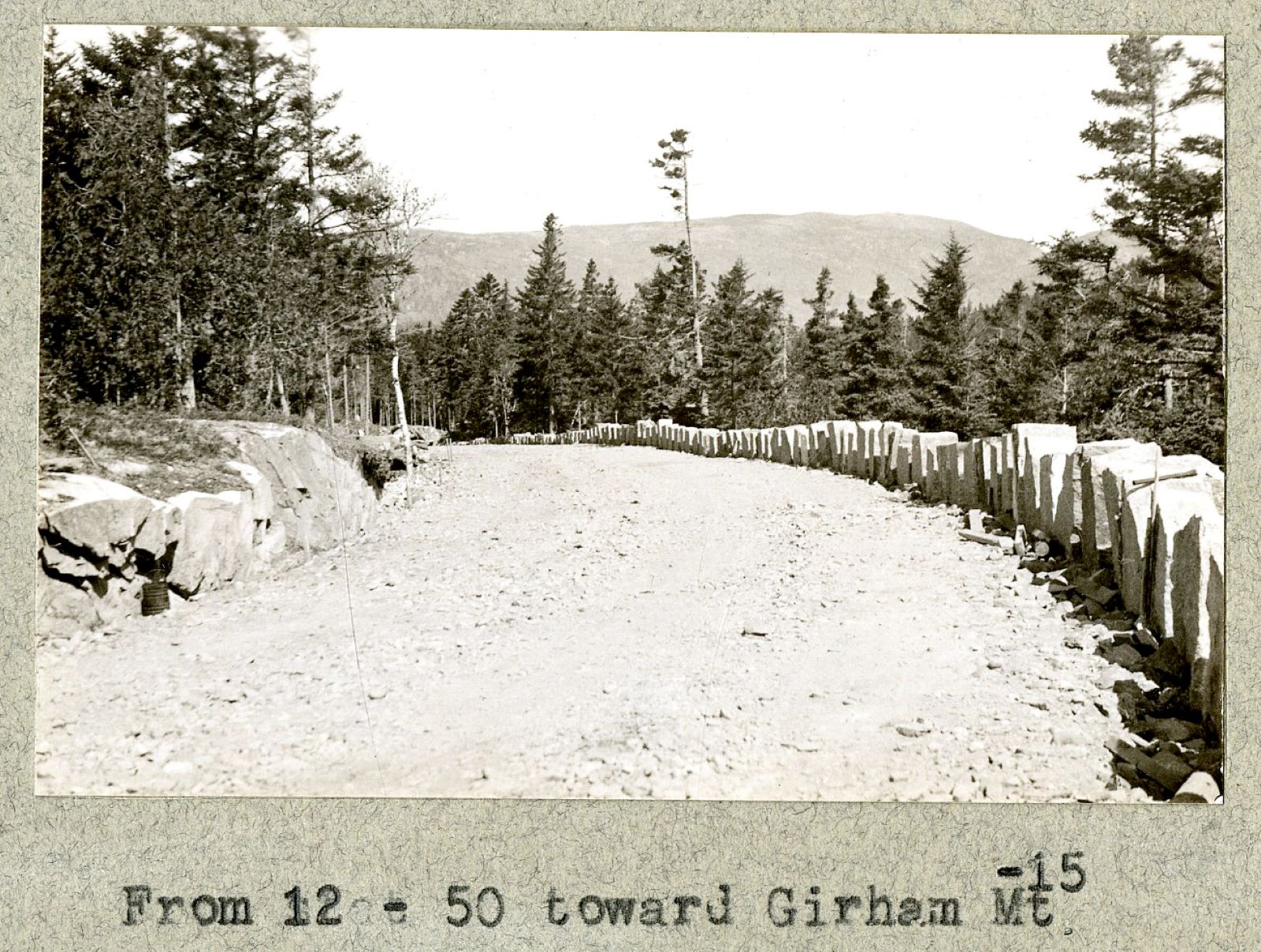
Park Guide
Acadia National Park: Carriage Roads, Cadillac Mountain & 2026 Guide
Discover carriage roads, Cadillac Mountain, and rugged Maine coast. Complete 2026 guide to Acadia National Park — trails, fees, lodging, permits, and what rangers recommend.
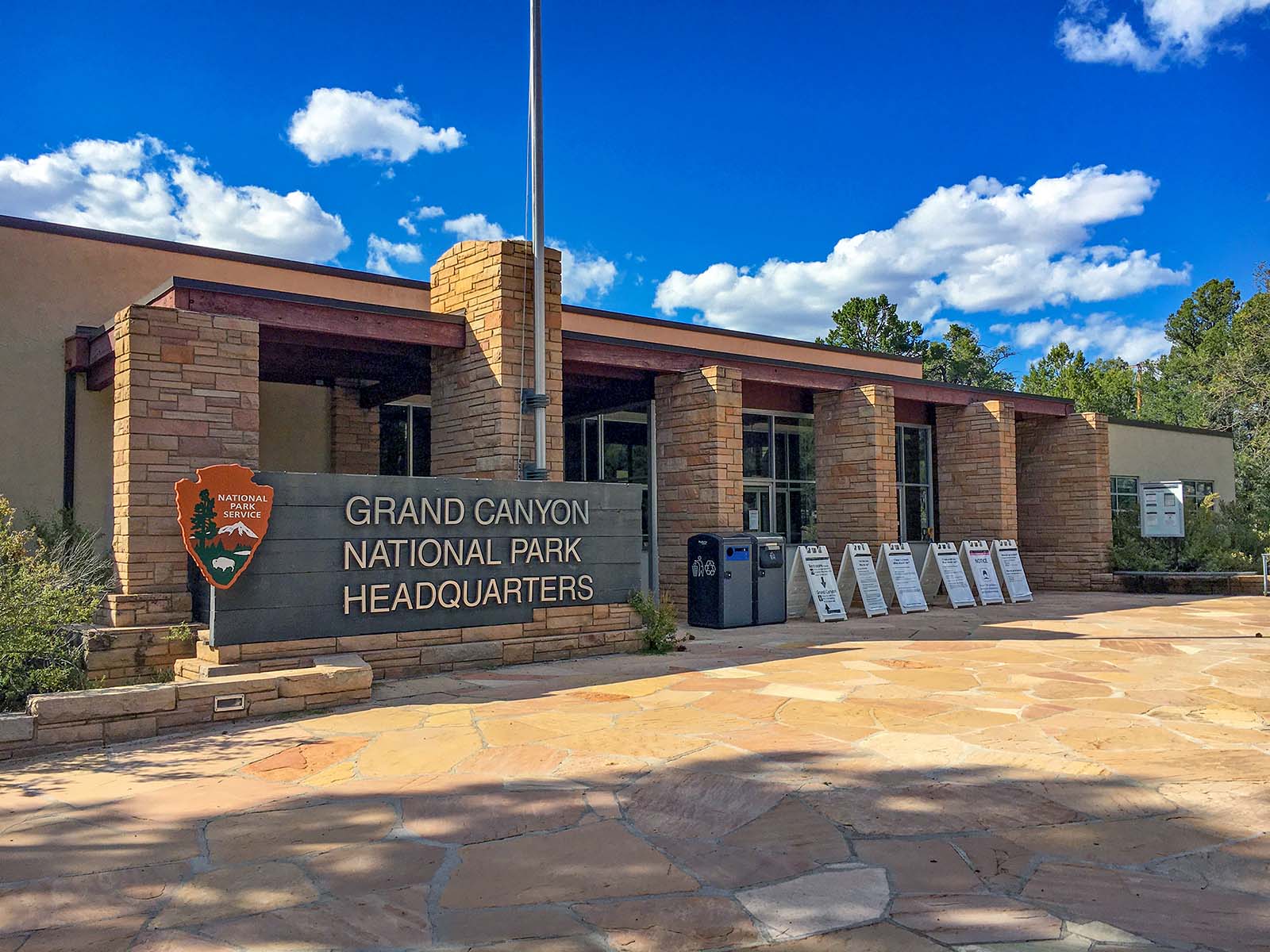
Hiking Guide
Grand Canyon Hiking Trails: Day Hikes, Water Sources & Rim to Rim
Compare Grand Canyon hiking trails: Bright Angel, South Kaibab, Hermit, Grandview, and rim to rim, with distances, elevation, water stops, and trailhead access for each.
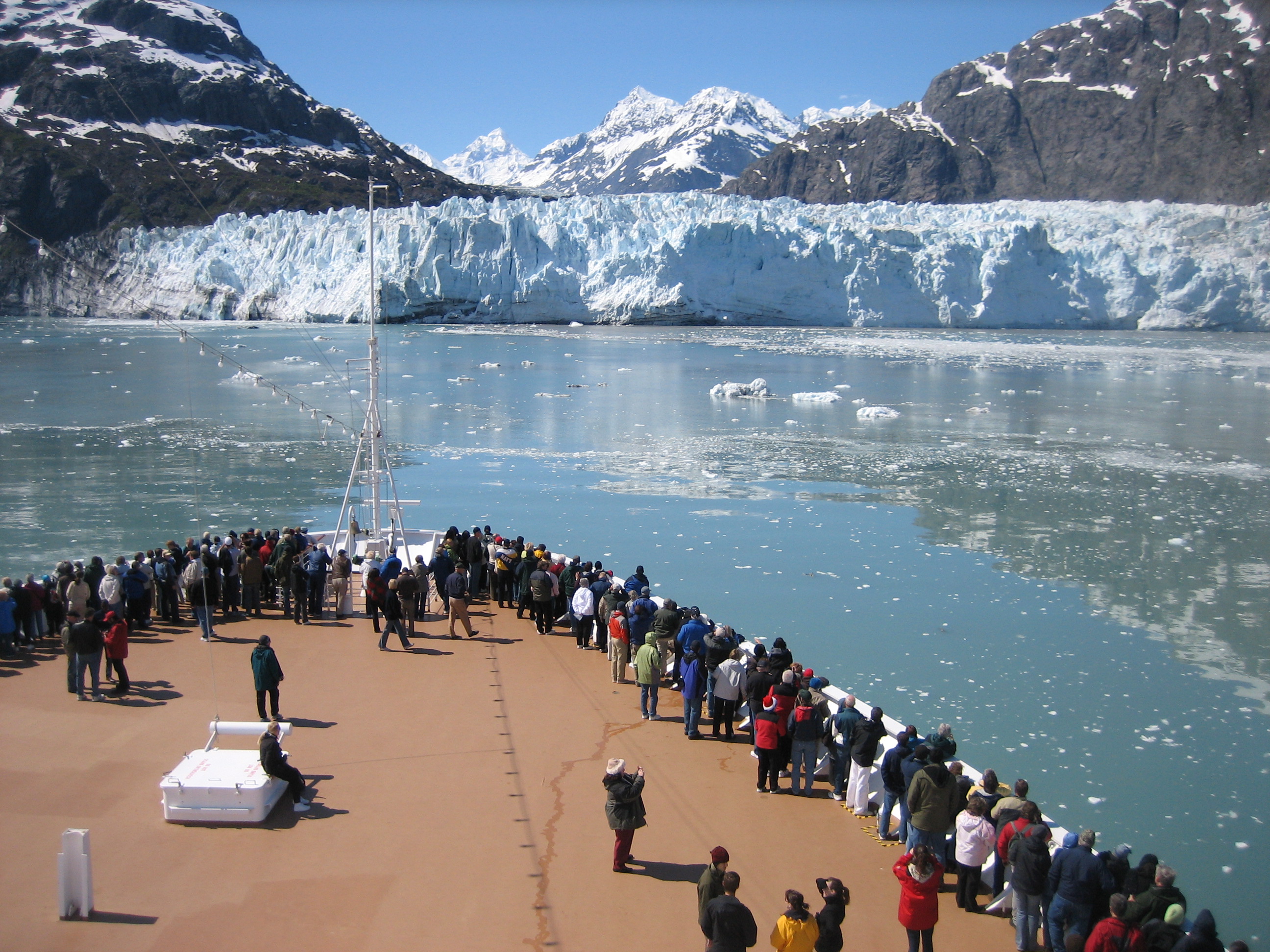
Best Of
Best of Glacier Bay National Park
The best of Glacier Bay is reached by boat: ranger-led day tours up the bay to the tidewater glaciers. What's worth it, how to book, and when to go (2026).
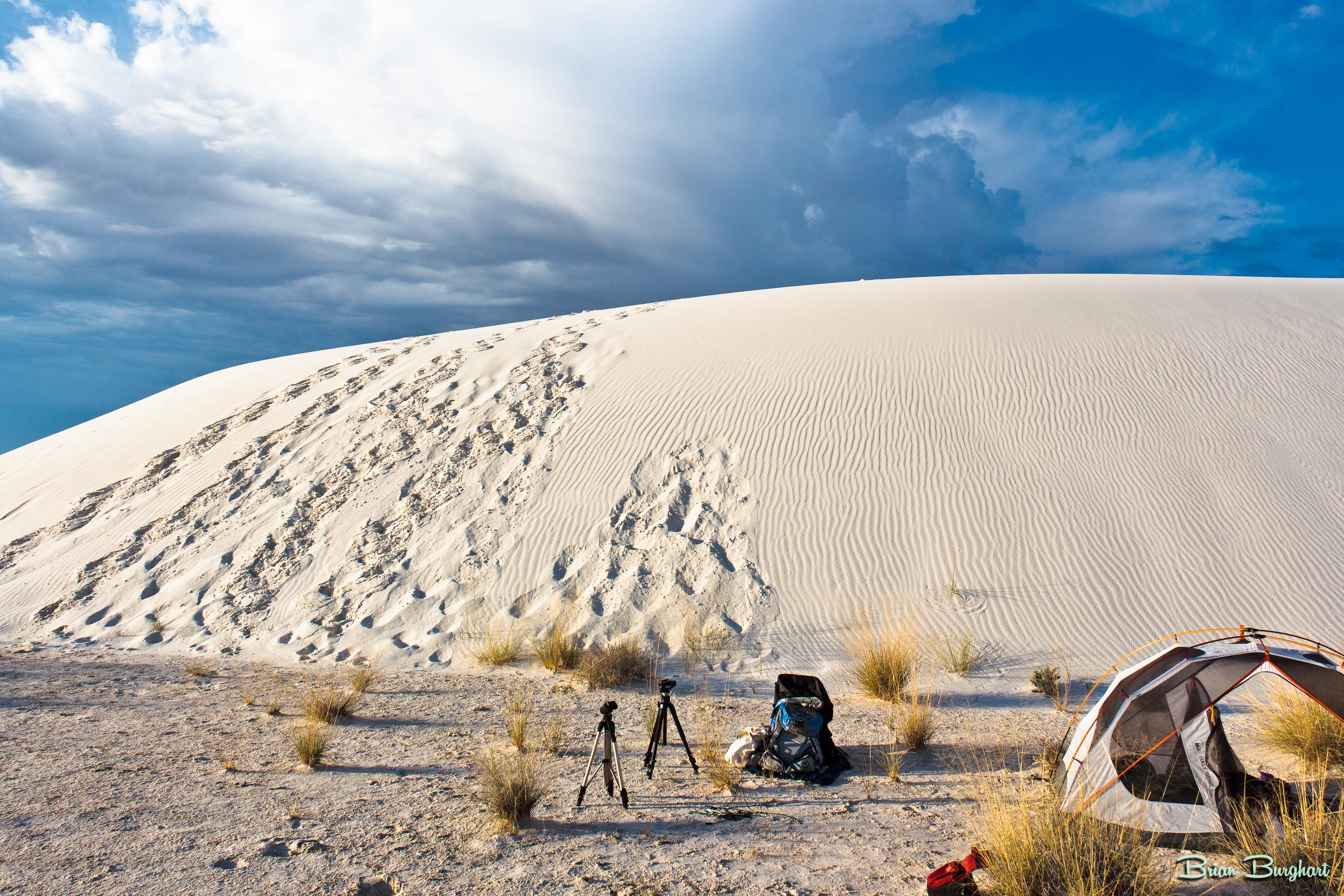
Campsite Guide
White Sands Backcountry Camping: Closed for 2026 — What to Know
As of 2026, backcountry camping at White Sands National Park is closed for site rehabilitation. What that means, and where to camp nearby instead.
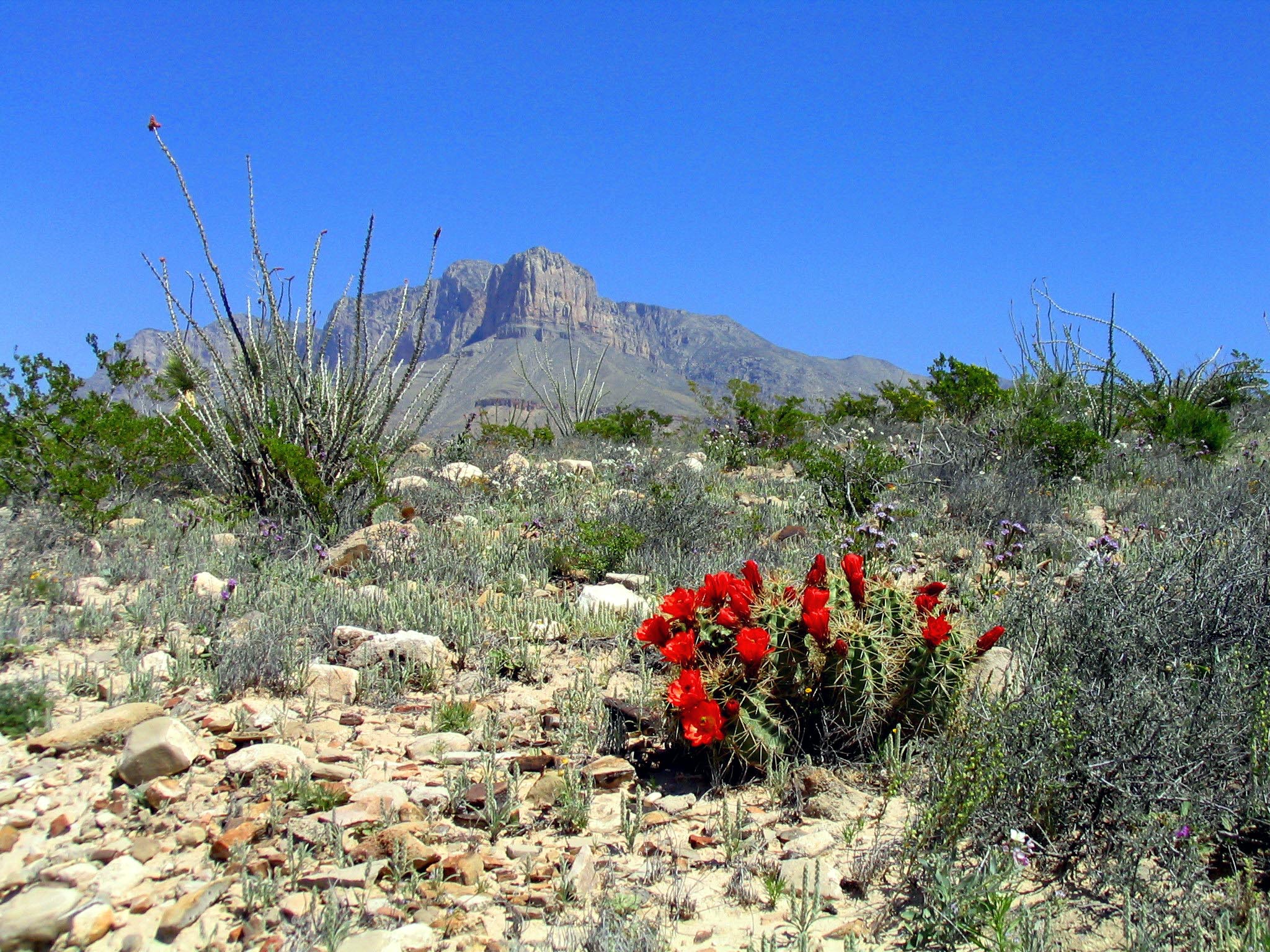
Weather Guide
Guadalupe Mountains National Park Weather: Weather
Guadalupe Mountains National Park: weather guide guide updated 2026. Practical visitor information, reservations, and seasonal tips worth bookmarking before
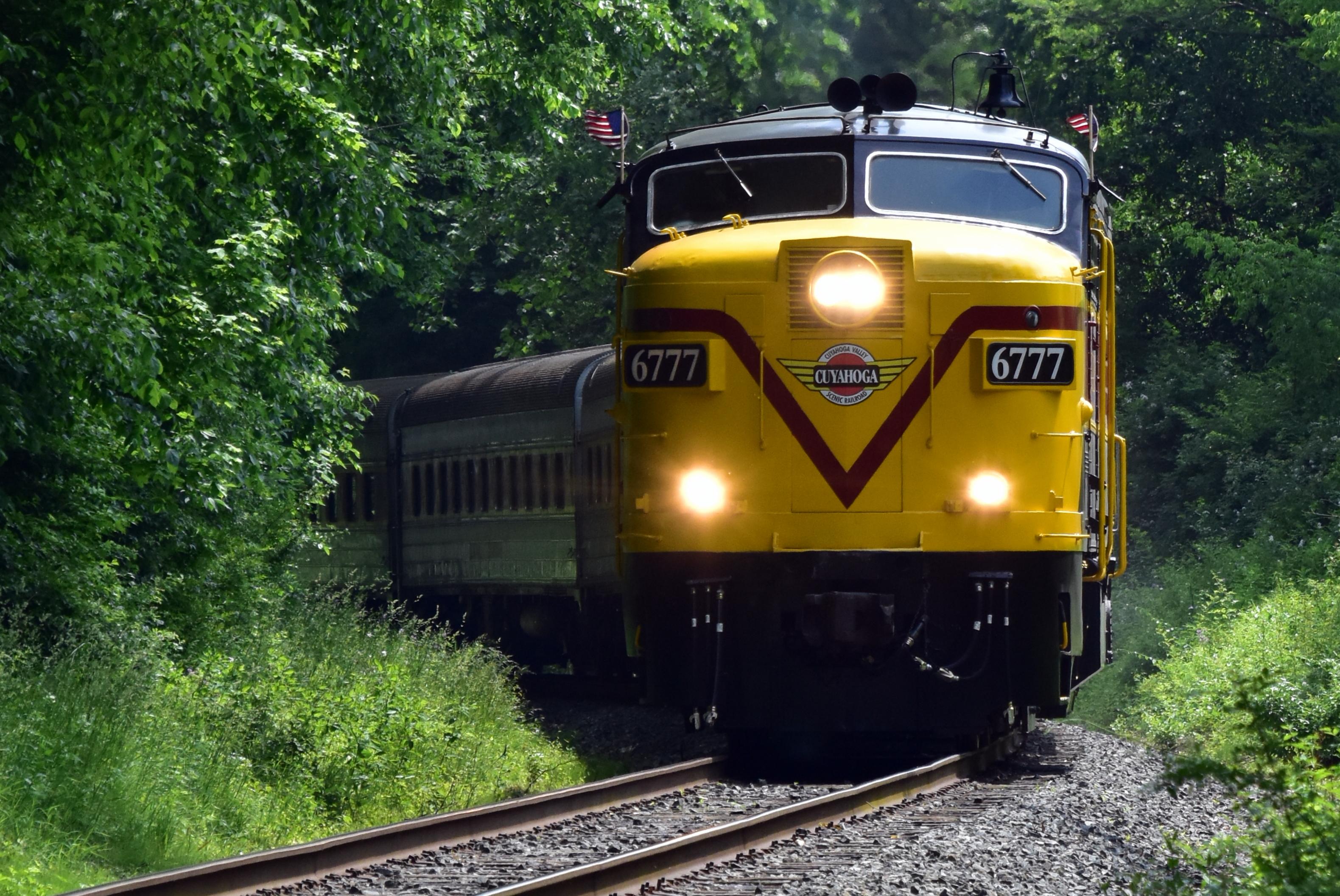
Best Of
Best of Cuyahoga Valley National Park: Best Things to Do
Seeing a Cleveland Orchestra concert with the woods as your backdrop is a uniquely Cuyahoga Valley experience.
Sign in to join the conversation.
Sources & Attribution
Location data courtesy of the National Park Service (U.S. Department of the Interior). NPS data is public domain. Official NPS page.
Images: NPS; NPS; NPS; NPS; NPS.
Map data © OpenStreetMap contributors.
Park operations alerts: NPS.gov · Weather and weather hazards: National Weather Service · Live conditions.
Information may change. Always verify fees, hours, and conditions directly with the official source before visiting.
Did this guide help? Share it with a friend.