The ferry's horn announces Cruz Bay before you see it, a sound that carries across the water. Salt air and frangipani scent the breeze as the island's steep green hills come into view. Remember this: two-thirds of St. John is Virgin Islands National Park. That fact should shape your entire approach. You don't drive through this park—you move by boat, by foot, and with guidance. A capable local guide provides more than directions; they offer context for the stone ruins you'll encounter, instill confidence for selecting snorkel sites, and share the narratives that reveal a beach's layered history. For comprehensive orientation, begin with the park's official visitor guide.
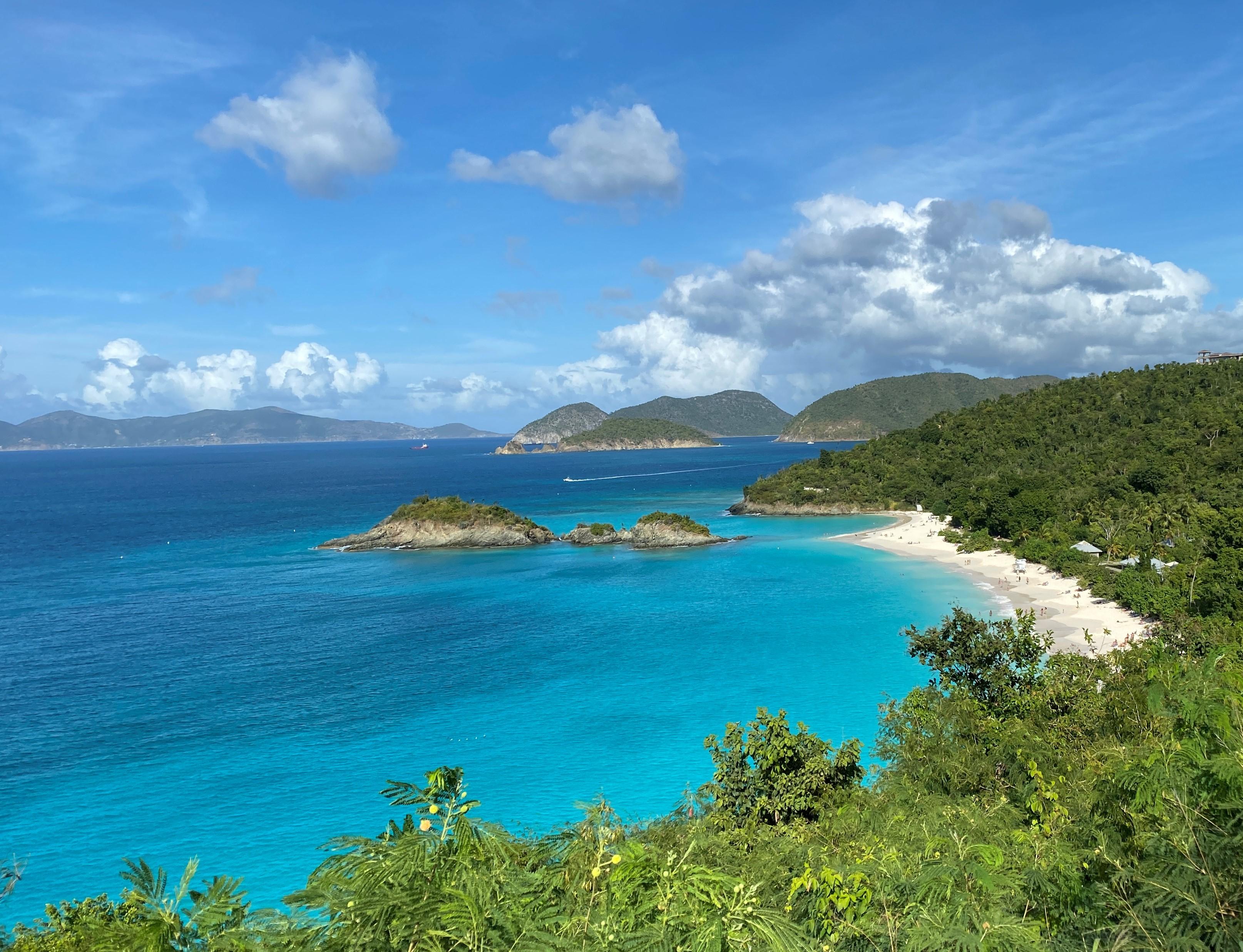
NPS via NPS.gov (Public Domain)
Us Virgin Islands Tour
8 min read
Tours Guide
Best tours and guided experiences at Virgin Islands National Park in 2026 — rangers, private guides, and what is worth booking.
This article contains affiliate links — we may earn a small commission at no extra cost to you.
The Best Guided Experience Here
The guided snorkel tour to the park's offshore reefs is the single experience that adds the most value beyond what you can do alone. You can rent gear and swim out from any number of beaches, but that's like reading random pages from a book. A guide with a marine slate turns the coral heads and sea grass into a coherent narrative.
A guided boat trip reaches reef sites that remain more pristine and less frequented than those accessible from shore. More importantly, a guide helps you see what you'd likely overlook: the rhythmic filtering of a sea fan, a scorpionfish perfectly matched to the seabed, or a cleaning station where shrimp attend larger fish. They'll clarify the distinction between staghorn and elkhorn coral and explain how parrotfish grazing produces the sand on these very beaches. Crucially, they'll ensure your presence doesn't harm the ecosystem. While the water's clarity is often outstanding, understanding what lies within it changes a simple swim into an education in marine ecology.
Rangers will tell you that the park's health is tied directly to the health of these reefs. A guided tour is the most direct, engaging way to understand that connection.

Free Ranger Programs
The park's free ranger programs are the backbone of its interpretive efforts, but their schedule is leaner and more seasonal than at mainland parks. They are entirely dependent on staff availability, which means you need to check the bulletin board at the Cruz Bay Visitor Center the moment you arrive. Programs are not offered daily, and they can be canceled due to weather or other operational needs.
Reef Ranger Talk
Typically held at the Maho Bay Beach picnic area several mornings a week, this 20-minute talk is the park's most consistent offering. A ranger wades into the waist-deep water with a waterproof slate to point out common fish and coral species visible right from the shore. It's perfect for first-time snorkelers or families with kids. There's no sign-up; you just show up at the posted time. Get there early. The shaded picnic tables fill quickly, and you'll want a spot where you can see the ranger's slate.
Cultural History Walk
This is the program that fills up fastest. Offered maybe once or twice a week, it's a 60- to 90-minute walk to one of the island's many historic plantation sites, like the Annaberg Sugar Plantation ruins. The value here is immense. On your own, you're looking at crumbling walls and trying to decipher signage. With a ranger, you'll understand the brutal mechanics of the sugar mill, the living conditions of the enslaved people who operated it, and the Taino petroglyphs that predate all of it. The park service recommends reserving your spot in person at the visitor center as soon as it opens on the day of the program. Don't rely on a phone call.
"Once Upon a Tide Pool" Program
Aimed at younger children, this short, hands-on session explores the creatures in the rocky intertidal zone at a place like Cinnamon Bay. It's sporadic, often appearing during peak holiday weeks. If you see it listed and have kids under 10, it's worth adjusting your beach time to attend. They'll remember touching a sea cucumber longer than they'll remember another swim.

Concessionaire Tours
Licensed operators provide the majority of the structured guided experiences here. Booking is almost always direct through the operator's website, and for popular trips, you should book at least a week or two in advance.
Guided Snorkel & Sail Tours
Multiple operators like Low Key Watersports and Cruz Bay Watersports run half-day and full-day trips from Cruz Bay. A typical half-day tour will hit two or three snorkel sites, like the sea turtle haven at Maho Bay, the coral gardens around Cinnamon Bay, or the underwater trail at Trunk Bay (though the trail is often accessible on your own). The boat ride along the coast provides a perspective of the park you can't get from land.
* Cost & Duration: Roughly $90-$140 per person for a 4-hour trip, including gear. Full-day sails with lunch are more.
* Value Assessment: The boat access is the key value. They go to windward sites that are calmer in the morning and leeward sites in the afternoon, following the best conditions. The guide's commentary on the ride over is a bonus.
* Best For: Visitors who want to maximize snorkeling variety without the hassle of driving and parking at multiple beaches.
Guided Kayak & Paddleboard Eco-Tours
These tours typically launch from the north shore beaches, paddling through mangroves and along rocky coastlines. The guides focus on the mangrove ecosystem as a nursery for marine life and a buffer against storms. You're more likely to see rays, juvenile fish, and coastal birds than on a snorkel trip.
* Cost & Duration: Around $70-$100 for a 2-3 hour tour.
* Value Assessment: High for learning about a critical but less-glamorous ecosystem. The paddling is generally calm, suited for beginners. It's a different pace and a different kind of focus than snorkeling.
* Best For: Those wanting active time on the water without being submerged, or as a complement to a snorkeling day.
Island & Historical Tour Operators
Companies like St. John Taxi & Tours offer private and group island tours in open-air safari vehicles. This is how you efficiently see the major overlooks, ruins, and beaches with narration.
* Cost & Duration: Private tours start around $300 for a 3-hour tour for a small group. Shared group tours are less per person.
* Value Assessment: If you're not renting a vehicle, this is the most efficient way to get the lay of the land and hear stories you'd miss on your own. The drivers know every pothole and every hidden mango tree.
* Best For: Day-trippers from St. Thomas or cruise ships, or visitors who choose not to rent a car.

Specialized Experiences
"Stargazing on the Shore"
This is a rare, special ranger program offered on select, clear new-moon nights, usually at a dark beach like Maho or Francis. The park's distance from major light pollution makes for exceptional starry skies. The ranger uses a laser pointer to identify constellations and discuss celestial navigation used by the Taino and later sailors. It's free, but attendance is often capped. Check the visitor center board for any postings.
Guided Birdwatching Walks
Occasionally led by a ranger or a partnering naturalist from the Friends of Virgin Islands National Park, these early morning walks target the park's endemic species like the Bananaquit or the Bridled Quail-Dove. They are infrequent and require quiet, patient walking. Best for serious birding enthusiasts.
Guided SCUBA Diving
While not operated by the NPS, several dive shops in Cruz Bay are authorized to lead dives within the park's waters, including to sites like the General Rogers shipwreck off Cinnamon Bay. This is for certified divers only and provides a deeper look (literally) at the marine wildlife viewing opportunities here.

Booking and Logistics
The booking landscape here is fragmented. There is no single "park tours" portal.
* Ranger Programs: No advance booking online. Sign up in person at the Cruz Bay Visitor Center (open 8:15 AM - 4 PM Mon-Thurs, until 1:30 PM Fri) on the day of the program. The earlier you go, the better your chance.
* Concessionaire Tours: Book directly through operator websites. For peak season (December-April), try to book 2-3 weeks ahead for the most popular snorkel sails. In summer, a few days' notice is often sufficient.
* Cancellation Policies: Concessionaire policies are strict, often requiring 24-48 hours notice for a full refund due to their small boat capacities. Weather cancellations are at the operator's discretion; most will reschedule or refund if they cancel due to sea conditions.
* What's Included: Always verify. Most snorkel tours include mask, snorkel, fins, and a flotation vest. They rarely include reef-safe sunscreen (you should bring your own), towels, or underwater cameras. Transportation to the Cruz Bay dock is almost never included.
Practical Takeaways
- Your first stop is the bulletin board. The current schedule for all free ranger programs is only posted physically at the Cruz Bay Visitor Center. Ignore this, and you'll miss them.
- Book water-based tours for the morning. The easterly trade winds typically pick up in the afternoon, making the water choppier and snorkeling less comfortable. Morning tours have calmer conditions and better underwater visibility.
- A guided tour is your best bet for reliable snorkeling. Operators monitor conditions daily and will shift locations to find the clearest, calmest water. They know which bays are being affected by afternoon swell or recent rain runoff.
- Don't overlook the land-based history. The cultural narrative of St. John is profound. A guided walk to Annaberg or the Reef Bay ruins provides essential context that makes the entire island's beauty more meaningful.
- Ferry logistics are part of the tour cost. If you're staying on St. Thomas, factor in the cost and time of the Red Hook or Charlotte Amalie ferry to Cruz Bay to meet your tour. Most operators depart from the Cruz Bay waterfront.
- Ask about group size. A snorkel tour on a boat with 20 people is a different experience than one with 6. If you prefer more guide interaction, seek out the smaller operators.
- Have a Plan B. Weather changes quickly. If high winds or rain cancel your boat tour, have a backup plan for a ranger program or a guided historical tour in an open-air vehicle, which runs rain or shine.
As of 2026, this is the landscape for guided exploration. For details on where to stay during your visit, you can explore our guide to lodging and accommodations. Always check individual operator websites for the very latest rates and availability, as the island operates on its own, ever-flexible timetable.
For more information, see our complete National Park Guide.
Related: st john virgin islands hiking guide
Related: virgin islands hiking guide
Recommended Gear
What experienced visitors bring to Us Virgin Islands Tour
Links may earn us a commission at no extra cost to you. We only recommend gear we believe in.
Hiking Essentials
Hydration Pack (3L)
Hands-free water for long trail days
Trekking Poles (Pair)
Save your knees on steep descents
Hiking Boots (Ankle Support)
Sturdy footwear for rocky, uneven trails
Sun & Heat Protection
Wide-Brim Sun Hat
Full coverage UPF 50+ protection at altitude
Insulated Water Bottle (32oz)
Keeps water cold in desert heat all day
Winter Gear
Microspikes / Traction Devices
Essential for icy rim trails in winter months
Packable Down Jacket
Lightweight warmth that stuffs into a pocket
Sources
- Official source: NPS — Virgin Islands National Park nps.gov/viis/index.htm
Photo Gallery
More to Explore
Park Guide
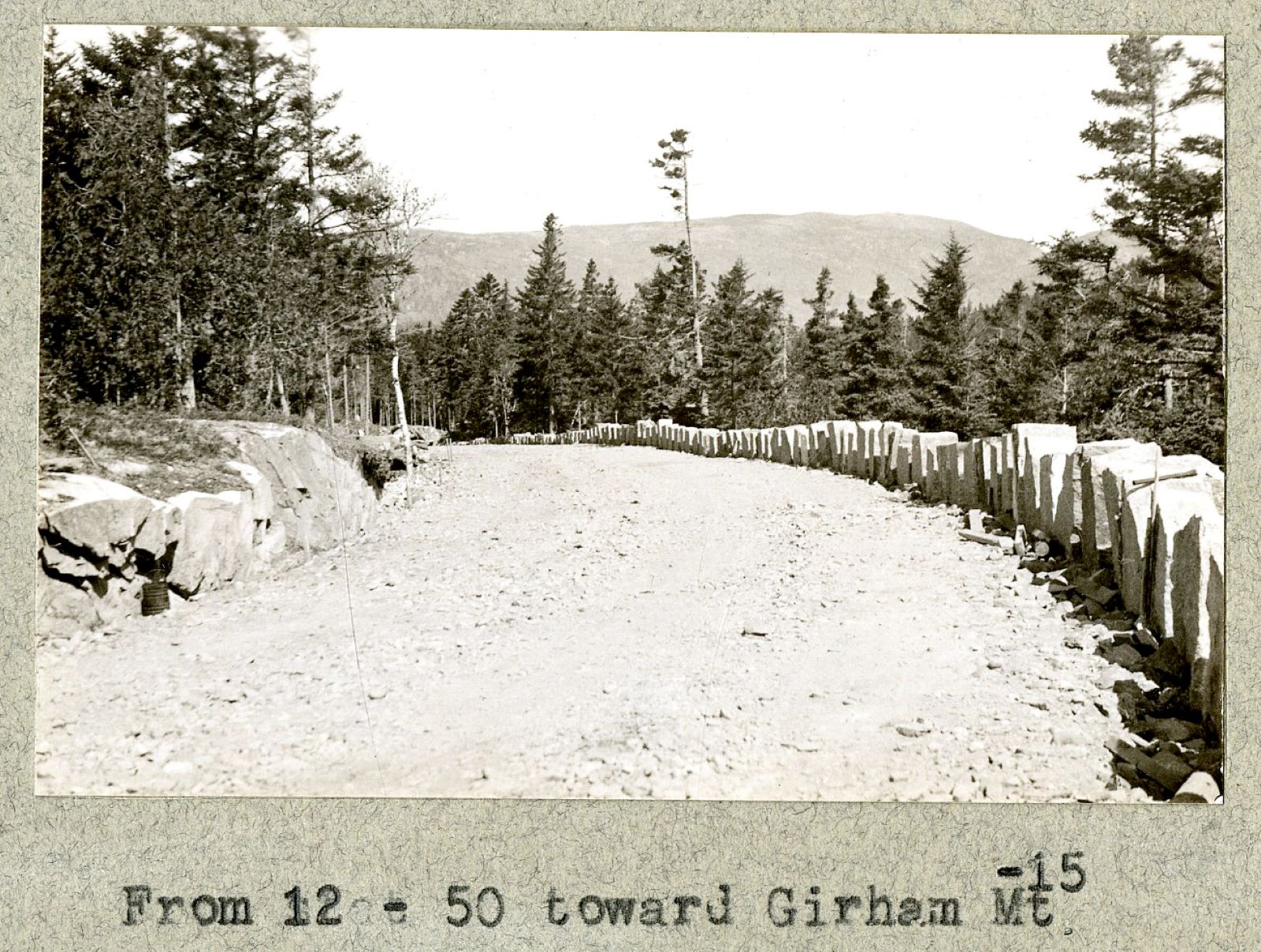
Acadia National Park: Carriage Roads, Cadillac Mountain & 2026 Guide
Discover carriage roads, Cadillac Mountain, and rugged Maine coast. Complete 2026 guide to Acadia National Park — trails, fees, lodging, permits, and what rangers recommend.
Hiking Guide
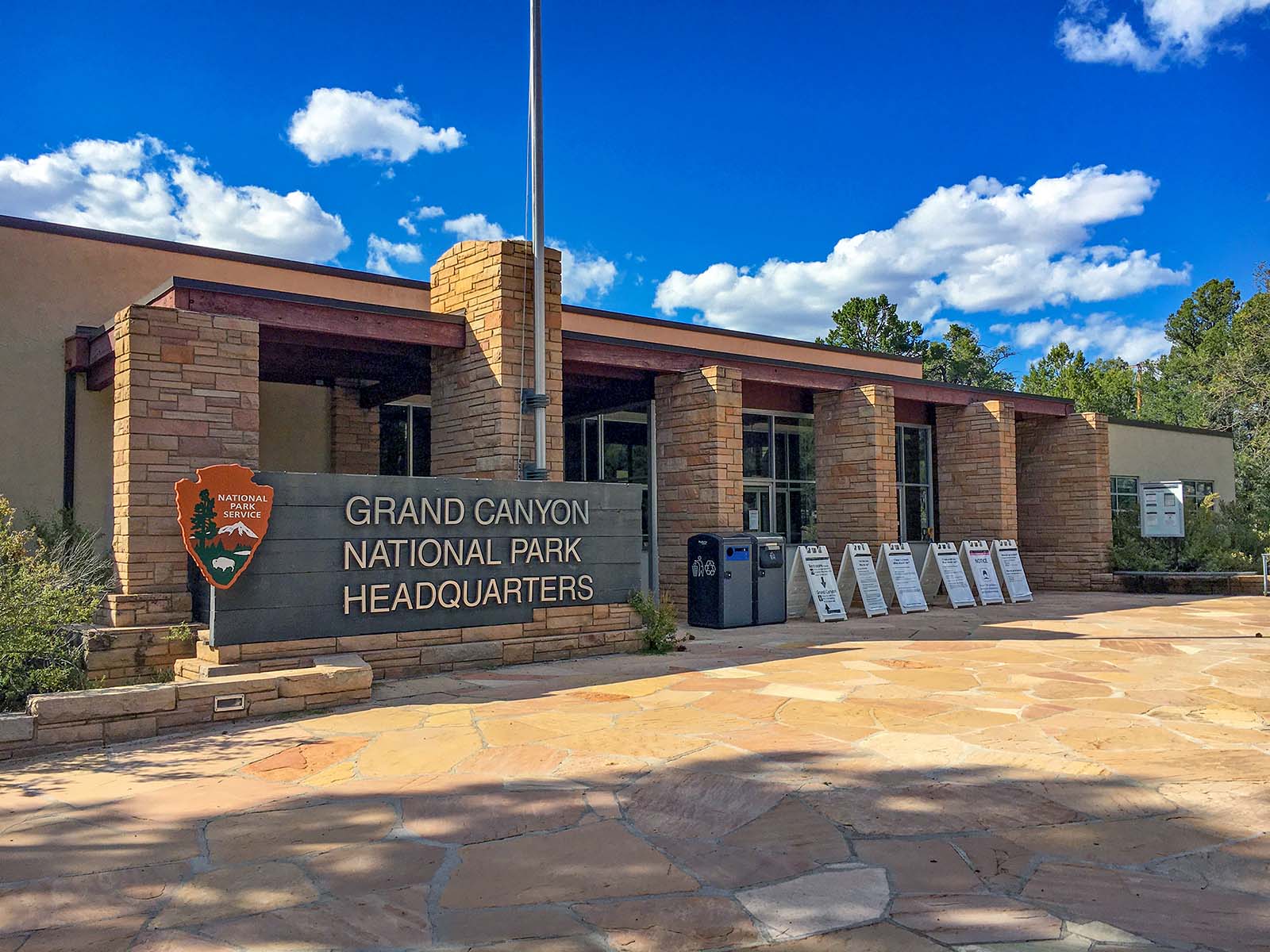
Grand Canyon Hiking Trails: Day Hikes, Water Sources & Rim to Rim
Compare Grand Canyon hiking trails: Bright Angel, South Kaibab, Hermit, Grandview, and rim to rim, with distances, elevation, water stops, and trailhead access for each.
Best Of
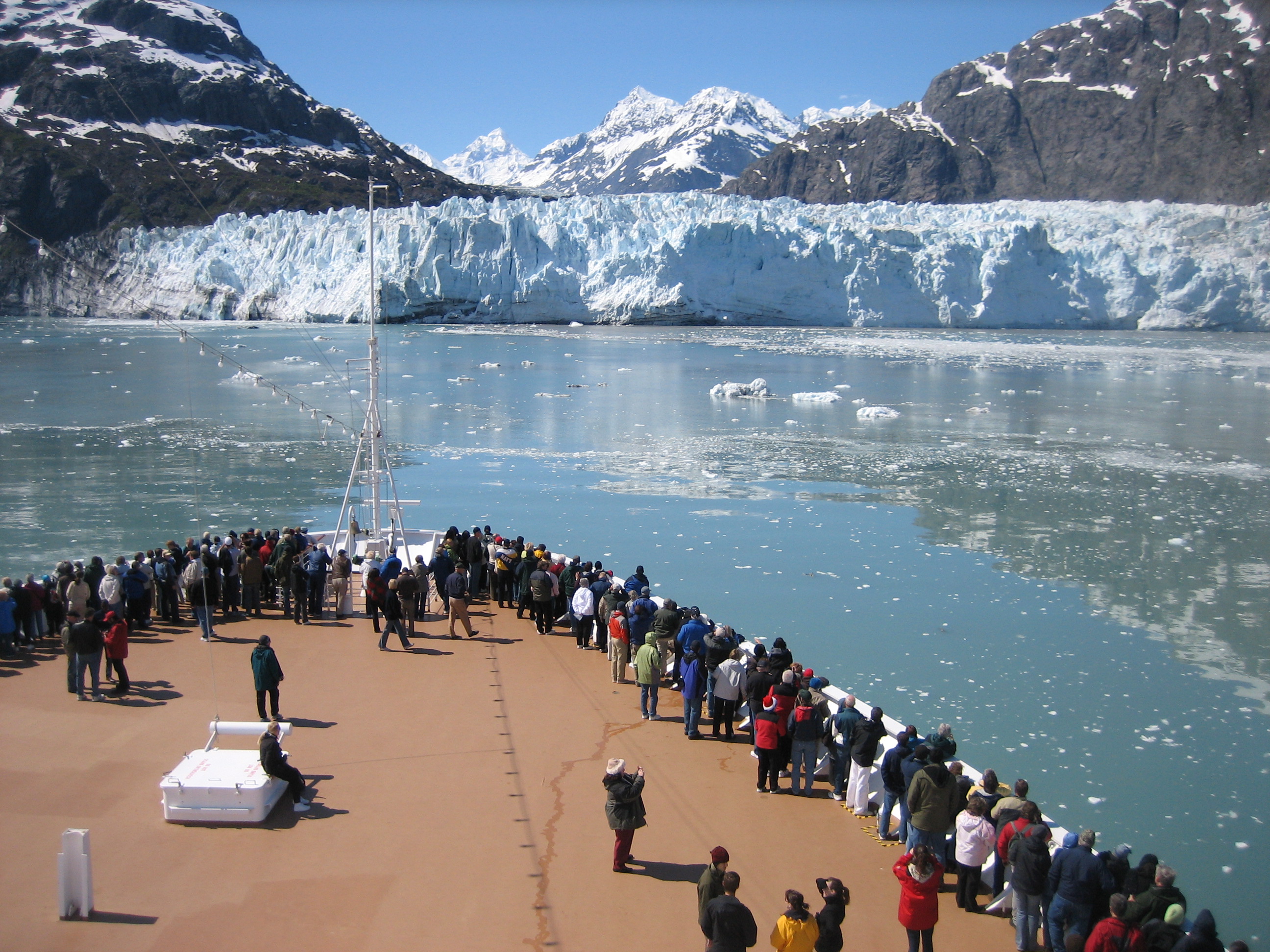
Best of Glacier Bay National Park
The best of Glacier Bay is reached by boat: ranger-led day tours up the bay to the tidewater glaciers. What's worth it, how to book, and when to go (2026).
Campsite Guide
White Sands Backcountry Camping: Closed for 2026 — What to Know
As of 2026, backcountry camping at White Sands National Park is closed for site rehabilitation. What that means, and where to camp nearby instead.
Weather Guide
Guadalupe Mountains National Park Weather: Weather
Guadalupe Mountains National Park: weather guide guide updated 2026. Practical visitor information, reservations, and seasonal tips worth bookmarking before

Best Of
Best of Cuyahoga Valley National Park: Best Things to Do
Seeing a Cleveland Orchestra concert with the woods as your backdrop is a uniquely Cuyahoga Valley experience.
Sign in to join the conversation.
Sources & Attribution
Location data courtesy of the National Park Service (U.S. Department of the Interior). NPS data is public domain. Official NPS page.
Images: NPS; NPS; NPS; NPS; NPS.
Map data © OpenStreetMap contributors.
Park operations alerts: NPS.gov · Weather and weather hazards: National Weather Service · Live conditions.
Information may change. Always verify fees, hours, and conditions directly with the official source before visiting.
Did this guide help? Share it with a friend.