Pinnacles National Park Weather: Weather (2026 Guide)
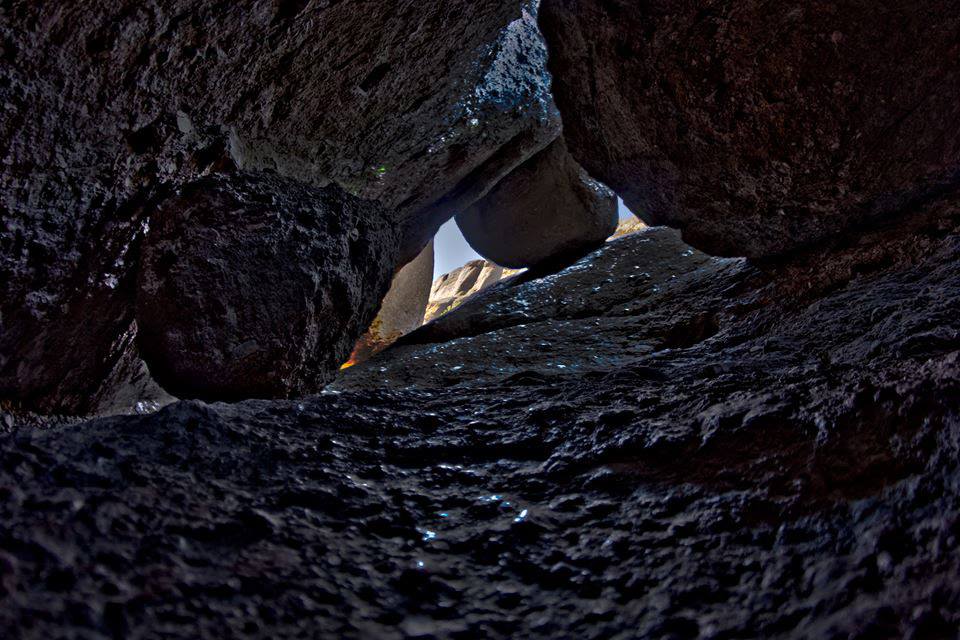
NPS via NPS.gov (Public Domain)
Pinnacles National Park Weather
9 min read
Weather Guide
Plan your day around Pinnacles National Park's extreme temperature swings. Start before 7 AM to beat the 95°F afternoon heat. Our 2026 guide explains how.
Start before 7 AM. That's the single most important piece of advice for dealing with Pinnacles National Park weather, because the temperature swing from morning to afternoon is not a gentle curve - it's a cliff. The park's Mediterranean climate delivers hot, dry summers and mild winters, but the real story is the daily extremes. You'll start a hike in a 55-degree chill and finish it in 95-degree heat, all before lunch. This isn't weather you just check; it's weather you plan your entire day around. For a full breakdown of navigating the park beyond the forecast, see our complete visitor guide.
The Weather Reality
The official forecast for the region will tell you it's hot in summer and mild in winter. What it misses is the intensity of the sun in the exposed chaparral and the way heat gets trapped in the rocky canyons. Pinnacles sits several miles inland from the Pacific, just far enough to lose the coastal marine layer's cooling effect most days. The result is a wider temperature variation than the nearby coast or Central Valley. Summers aren't just warm; temperatures reliably push above 100 degrees on the valley floor and in the low-elevation trailheads. Winters see highs in the 60s, but those clear, sunny days can be deceptive - the moment you step into the shade of a canyon or the sun dips, the temperature plummets.
Big swings between day and night happen year-round. That 40-degree difference isn't theoretical. It's the reason you see unprepared hikers in tank tops at 10 AM shivering by 4 PM at an overlook. The rock itself acts as a thermal battery, absorbing heat all day and radiating it back long after sunset, which is why stargazing can feel surprisingly comfortable even on a cool evening. Rangers will tell you the most common mistake is underestimating how quickly you'll dehydrate and overheat on an exposed ridge between 11 AM and 3 PM.

Month by Month
Pinnacles National Park weather follows a predictable but severe pattern. Crowds correlate directly with mild temperatures, which means the pleasant seasons are also the busiest.
January - February
Temperatures range from highs in the low 60s to lows in the 30s. Frost is common in the early mornings. This is the heart of the rainy season, with moderate precipitation possible, though it's more often misty drizzle than downpours. Trails are at their quietest. The green hills are a stark contrast to the golden-brown of summer. The caves may be closed if there's significant rain due to flood risk. Wildlife is less active, but this is a prime time for spotting resident birds like the California condor against the clear winter skies. The challenge is mud on north-facing trails and very short daylight hours.
March - April
This is the peak. Highs climb into the 70s and 80s, with lows in the 40s. Precipitation tapers off dramatically by late April. Every facility is open, and the wildflower bloom hits its stride - lupine, poppies, and Indian paintbrush line the trails. Crowds are extreme, especially on weekends. The park's alert about heavy traffic between 10 AM and 3 PM is written for this period. Parking lots at both entrances are often full by 9 AM. The reward is perfect hiking weather, but you must arrive early.
May - June
Summer arrives early. Highs jump into the 90s, then the 100s by June. Overnight lows are in the 50s and 60s. Rain is virtually nonexistent. The wildflowers fade and the grasses turn golden. Crowds begin to thin in June as the heat intimidates casual visitors. This is the last comfortable window for hiking the High Peaks before the true furnace of July and August. You'll want to be off any exposed trail by 11 AM. The light is harsh for photography, but the long days are good for early morning and late evening outings.
July - August
This is the endurance test. Daytime temperatures consistently exceed 100 degrees at the lower elevations. Overnight lows might only drop to the 70s. The air is dry and still. Crowds are light, comprised mainly of dedicated climbers who start at dawn and families heading straight to the (cooler) Bear Gulch Cave. Hiking any significant trail is not recommended for most visitors after mid-morning. The rock is hot to the touch. Your entire strategy revolves around beating the heat. The one advantage is that you'll often have popular overlooks to yourself - if you can stand to be out in them.
September - October
The heat breaks slowly. September still sees 90s, but October brings highs in the 70s and 80s with cooler nights. The first, tentative rains may arrive in late October. Crowds return in force as conditions become ideal again. This is arguably the best balance of good weather and manageable visitation, especially mid-week. The light softens, and the angle of the sun creates long shadows in the canyons. It's an excellent time for all activities.
November - December
Highs settle into the 60s, with nights dipping into the 30s and 40s. The rainy season begins, turning the landscape green again. Crowds disappear except for holiday weekends. The caves may have intermittent closures. It's a quiet, starkly beautiful time to visit if you don't mind the chill and the chance of rain. You'll have the condor sightings mostly to yourself.

Best Times for Specific Activities
Your ideal month depends entirely on what you want to do.
Hiking the High Peaks & Exposed Trails
The sweet spot is March through early May, and October through November. In these windows, daytime highs are in the 60s-80s. You can tackle the steep, shadeless switchbacks of the High Peaks Loop without heatstroke. In winter, it's possible but chilly and days are short. Summer is strongly discouraged for anything beyond a very short, dawn hike.
Caving (Bear Gulch & Balconies Caves)
Aim for late spring (May) or fall (October). These seasons offer a reliable combination of open caves (they close for flood risk in wet weather and for bat maternity colonies from mid-May through mid-July) and comfortable temperatures inside the caves, which stay around 50-60 degrees year-round. Check the park's website for the exact cave status before you go.
Rock Climbing
Climbers favor fall, winter, and spring. October to April provides the best friction and most comfortable temperatures for hands on rock. Summer climbing is a pre-dawn endeavor limited to a few hours.
Wildlife & Bird Watching
For California condors, visibility is best in the colder months (November-February). The clear, crisp air and the condors' reliance on thermal updrafts around the peaks make them easier to spot soaring. For general wildlife, spring (March-April) is most active at dawn and dusk.
Wildflowers
The bloom typically peaks from mid-March through April. Its intensity and timing depend entirely on winter rains. In a wet year, the hillsides are carpeted. In a dry year, it's more subdued.
Stargazing & Night Sky Photography
Summer and early fall (June-September) are prime. The nights are warm, the air is often clear, and the Milky Way is prominent. The lack of light pollution and the park's designation as a good night sky location make it worth staying after dark. Just remember that the west entrance gate closes at 8 PM - you must use the east entrance for late access.

What to Pack by Season
Forget generic lists. Pack for the swing.
Spring/Fall (March-May, Sept-Oct): This is layering season. Start with a moisture-wicking base layer. A light long-sleeve shirt for sun protection is non-negotiable - the sun is intense even when the air is cool. Pack a warm fleece or puffy jacket for early mornings and evenings. A wide-brimmed hat, sunglasses, and trekking poles for rocky trails are wise. Your pack should have room to stow layers as you shed them.
Summer (June-August): Your entire goal is heat management and hydration. A sun hat with a full brim and neck flap is worth its weight. Light-colored, loose-fitting, long-sleeved shirts and pants made of technical fabric protect from sun and brush. Carry a minimum of one gallon of water per person per day - more for long hikes. Electrolyte tablets are a good idea. A small, wet bandana around your neck provides surprising relief. Your backpack should be large enough to carry all that water.
Winter (Nov-Feb): Insulation and moisture protection. A waterproof and windproof outer shell is essential, as winter storms can blow through quickly. Warm layers underneath, including a beanie and gloves. Trail conditions can be muddy, so waterproof hiking boots with good traction are better than shoes. Microspikes are overkill, but sure-footedness is key on wet sandstone.
Year-Round Essentials: A high-SPF, mineral-based sunscreen. The UV index is high even on cloudy days. A headlamp, even for day hikes - the caves are dark, and your hike might take longer than planned. More water than you think you need. The park's water stations are limited and can be seasonal.

What the Forecast Doesn't Tell You
- The Canyon Effect: Forecasts are for the region. Temperatures in Bear Gulch or the Balconies can be 10-15 degrees cooler than the parking lot, and the air can be completely still, making it feel muggier (a relative term in this dry climate).
- The Rock Radiates Heat: After sunset, the trails and overlooks can stay warm long into the evening because the rocks release stored heat. Conversely, in winter, those same rocks are cold and sap warmth from you quickly.
- Wind Has a Schedule: On many spring and fall afternoons, a predictable wind picks up around 2 PM, especially on the west side and high ridges. It's not dangerous, but it can be strong enough to make footing feel less secure and to blow hats off.
- "Dry" Doesn't Mean "Hydrated": The low humidity means sweat evaporates so fast you might not feel sweaty. You're dehydrating rapidly without the usual signals. Drink water on a schedule, not just when you feel thirsty.
- Fog is Rare but Strategic: When the rare marine layer does push inland and fog blankets the peaks, it creates an eerie, fantastic atmosphere for photography. It also cools things down dramatically. This usually only happens in late spring or early fall.
- Microclimates at the Caves: The temperature drop when you enter Bear Gulch Cave is immediate and significant. If you're sweaty from the hike up, you'll get chilled fast inside.
- The Parking Lot is the Hottest Place: Your car, parked in the full sun on a black asphalt lot, will become an oven. Anything left inside - electronics, lip balm, snacks - will suffer. Use a sunshade and take your valuables with you.
Practical Takeaways
- Arrive Early, Always. This is the golden rule for Pinnacles National Park weather and crowds. An 8 AM start means comfortable temperatures and a parking spot. A 10 AM start means heat and circling the lot.
- Plan Your Hike by the Thermometer, Not the Clock. If the forecast is over 85 degrees, your hiking window is dawn until 11 AM. Full stop. Use the afternoon for the visitor center, picnicking in shade, or exploring the hiking trails that stay in canyon bottoms.
- Water is Your Most Important Piece of Gear. The gift shop sells it for $4 a bottle. Bring your own - a gallon per person. There are very few refill stations, and they are not on the trails.
- The East and West Sides Feel Different. The east side (Bear Gulch) has more canyon shade in the morning. The west side (Balconies) is more exposed and often windier. Choose your side based on the day's forecast.
- Check Cave Status Online. Don't drive out hoping to explore the caves. Their closure for bats or flooding is strictly enforced. The park website updates this daily.
- Your Car is Your Basecamp. Keep a full change of clothes, extra water, and snacks in your vehicle. Finishing a hike soaked in sweat or chilled to the bone is miserable. A dry shirt and socks waiting for you is a.
- Spring Beauty = Spring Crowds. If you come for the wildflowers and perfect 75-degree days in April, you are committing to sharing the park with thousands of others. Embrace the early start and have a backup plan if lots are full.
Pinnacles National Park weather demands respect and preparation. It's not a barrier to a great visit - it's the framework you build your visit around. Get the timing right, pack for the extremes, and you'll experience one of California's most unique landscapes on its own terms. For details on where to stay under these conditions, look into the camping options.
Sources
- Official source: NPS — Pinnacles National Park nps.gov/pinn/index.htm
Photo Gallery
More to Explore
Park Guide
Acadia National Park: Carriage Roads, Cadillac Mountain & 2026 Guide
Discover carriage roads, Cadillac Mountain, and rugged Maine coast. Complete 2026 guide to Acadia National Park — trails, fees, lodging, permits, and what rangers recommend.
Hiking Guide
Grand Canyon Hiking Trails: Day Hikes, Water Sources & Rim to Rim
Compare Grand Canyon hiking trails: Bright Angel, South Kaibab, Hermit, Grandview, and rim to rim, with distances, elevation, water stops, and trailhead access for each.
Best Of
Best of Glacier Bay National Park
The best of Glacier Bay is reached by boat: ranger-led day tours up the bay to the tidewater glaciers. What's worth it, how to book, and when to go (2026).
Campsite Guide
White Sands Backcountry Camping: Closed for 2026 — What to Know
As of 2026, backcountry camping at White Sands National Park is closed for site rehabilitation. What that means, and where to camp nearby instead.
Weather Guide
Guadalupe Mountains National Park Weather: Weather
Guadalupe Mountains National Park: weather guide guide updated 2026. Practical visitor information, reservations, and seasonal tips worth bookmarking before
Best Of
Best of Cuyahoga Valley National Park: Best Things to Do
Seeing a Cleveland Orchestra concert with the woods as your backdrop is a uniquely Cuyahoga Valley experience.
Sign in to join the conversation.
Sources & Attribution
Location data courtesy of the National Park Service (U.S. Department of the Interior). NPS data is public domain. Official NPS page.
Images: NPS; NPS; NPS; NPS; NPS.
Map data © OpenStreetMap contributors.
Park operations alerts: NPS.gov · Weather and weather hazards: National Weather Service · Live conditions.
Information may change. Always verify fees, hours, and conditions directly with the official source before visiting.
Did this guide help? Share it with a friend.