The hardest permit to get at this park isn't for the shuttle buses or the timed entry. It's the backcountry permit for an overnight hike below the rim. Each year, the park receives roughly 30,000 permit applications for about 13,000 available trip dates. Those odds get worse if you're aiming for corridor trails during spring break or October.
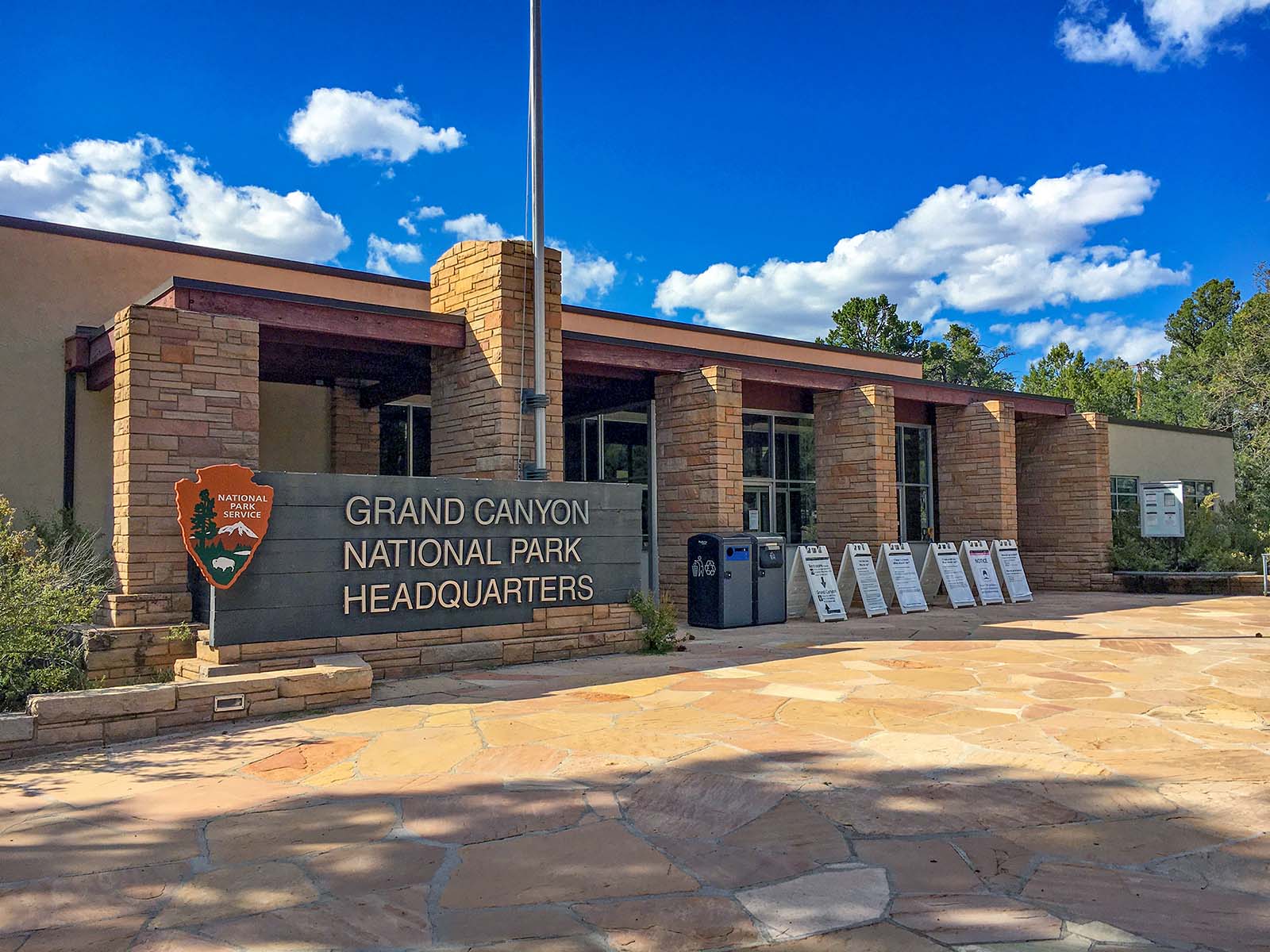
NPS via NPS.gov (Public Domain)
Grand Canyon Hiking Permits: Complete Guide (2026)
7 min read
Permit Guide
The corridor zone caps groups at 12 people, and roughly 30,000 permit applications chase about 13,000 trip dates every year.
Here's how the system actually works.
The Permit Landscape
Grand Canyon National Park runs three separate permit systems, and they have nothing to do with each other:
Backcountry permits - Required for any overnight stay below the rim. This is the competitive one. Applications go through a monthly lottery system with a four-month advance window. The park processes these on a first-come, first-served basis within that window, but demand far exceeds supply for popular months and trails.
Commercial use authorizations - Required if you're guiding or leading a paid group. Separate application process, higher fees, different liability requirements. Most visitors never deal with this.
Special use permits - For weddings, photography workshops, research, and organized events. These require direct coordination with the park's special use office.
For most people reading this, the backcountry permit is what matters. That's what the rest of this guide covers.
Backcountry Permits: Complete Guide
What They Allow
A backcountry permit lets you camp overnight at designated sites below the rim. The park divides the canyon into three management zones with different rules:
Corridor Zone - The most popular and heavily managed. Includes Bright Angel Trail, South Kaibab Trail, North Kaibab Trail, and the campgrounds at Indian Garden, Bright Angel, and Cottonwood. These sites have ranger stations, toilets, and piped water in season. They are also the hardest to book.
Threshold Zone - Trails branching off the corridor. Fewer amenities, less competition, still require reservations. Sites like Hermit Creek, Monument Creek, and Clear Creek fall here.
Primitive Zone - Everything else. No designated sites in many areas, limited water sources, requires route-finding experience and self-sufficiency. These permits are significantly easier to get because fewer people apply for them.
How They're Allocated
The park uses a monthly application system. You apply for a specific start date and trip itinerary. Here's the timeline:
- Applications open on the 1st of each month, four months before your desired start date. For a May 1 hike, you apply on January 1.
- The window stays open until the 20th of that month.
- On the 21st, the park begins processing applications in the order they were received.
- You'll get a response within 2-3 weeks.
The system does not use a random lottery. It's first-come, first-served within that four-month window. This means submitting your application at 12:01 AM on the 1st of the month matters. Significantly.
Success Rates
The park does not publish exact success rates by trail, but rangers at the Backcountry Information Center (located just outside the main gate at South Rim, near the visitor center) will tell you:
- Corridor zone permits for April, May, September, and October have roughly a 30-40% success rate for first-time applicants.
- Phantom Ranch area specifically drops below 20% during peak months.
- Threshold zone permits succeed about 50-60% of the time.
- Primitive zone permits succeed 80% or higher, even during peak season.
Winter months (December through February) have much higher success rates. Snow and ice on the trails discourage most visitors, and the North Rim closes entirely.
Costs
As of 2026, the fees are:
- $10 nonrefundable application fee per permit
- $10 per person, per night for corridor zone camping
- $5 per person, per night for threshold and primitive zones
A typical two-night corridor trip for two people runs $50 total ($10 application fee plus $40 in camping fees).
The Backup Strategy
If you don't get your first choice, you have three options:
Option 1: Reapply for a different month or trail. Primitive zone permits during shoulder seasons (March, November) have high success rates. The Hermit Loop (threshold zone) is a solid alternative that still gets you deep into the canyon.
Option 2: Adjust your itinerary. Instead of Bright Angel to Indian Garden, try South Kaibab to Bright Angel Campground via the Tonto Trail. Same destination, different approach, less competition.
Option 3: Walk-up permits. Covered in detail below.
Walk-Up Permits and Same-Day Options
Rangers will tell you that walk-up permits are the most misunderstood option at this park.
The Backcountry Information Center on the South Rim holds back approximately 40% of all backcountry sites for walk-up permits. These become available one day before the start date. If someone cancels, or if the park held sites specifically for this purpose, they go to whoever shows up in person.
When to arrive: The office opens at 8 AM. People start lining up by 6:30 AM during peak season. By 7:30, the line is usually 20-30 people long.
Realistic odds by season:
- May through October: 20-30% chance of getting anything below the rim on a given day. Better odds for threshold and primitive zones than corridor.
- November through February: 60-70% chance. Fewer people competing, but also fewer available sites since some campgrounds close.
- March and April: 30-40% chance.
Strategy: Show up three days in a row if possible. The first day you might get nothing. Day two, you might get a short notice cancellation. Day three, you have a real shot. People who swing by for one morning and leave empty-handed are the norm.
The desk at the Backcountry Information Center will also tell you about any last-minute cancellations from the online system. These are rare but do happen. Ask specifically.
What the Official Website Doesn't Explain
1. The website crashes on the first of every month.
Not always, but often enough that you need a backup plan. When the application portal opens at midnight Arizona time (no Daylight Saving - Arizona stays on Mountain Standard all year), the traffic spike routinely overwhelms the system. If the site won't load, try again at 5 AM. Many successful applicants report that the system stabilizes by early morning.
2. The application form has quirks.
You can list up to three alternative itineraries on the same application. Using all three improves your odds significantly. Most inexperienced applicants list one option and get rejected outright. List three.
3. Group size limits matter more than you think.
The corridor zone caps groups at 12 people. Threshold and primitive zones cap at 6. If your group exceeds these limits, you must split into separate itineraries with different camping assignments. This makes it harder to coordinate and reduces your success rate. Keep groups small.
4. The "phantom" reservation is a real thing.
Phantom Ranch operates its own reservation system separate from the backcountry permit process. If you want to stay at Phantom Ranch (bunk beds, meals, showers), you enter a lottery system that opens 15 months in advance. This is separate from camping at Bright Angel Campground, which is a 10-minute walk away. They are not the same thing.
5. Cell service drops out at the trailhead.
By the time you're at the South Kaibab trailhead, you likely have no signal. Download your permit confirmation before you leave the South Rim. The Backcountry Information Center can reprint it for you, but better to have it on your phone or printed.
6. The North Rim has different rules.
The North Rim Backcountry Office has a separate allocation of permits. If you're starting from the North Rim, you apply through that office directly. The North Rim season runs May 15 to October 15. Outside those dates, the road is closed and access is by foot or ski only.
Practical Takeaways
- Apply exactly at midnight Arizona time on the 1st of the month, four months before your trip. This is the single most important thing you can do to improve your odds. The window closes on the 20th, but the best itineraries get claimed in the first 48 hours.
- List three alternative itineraries on every application. Increasing your options from one to three roughly doubles your success rate. Be realistic about what you're willing to hike.
- Show up for walk-up permits at 6:30 AM, not 8 AM. The Backcountry Information Center opens at 8, but the queue forms well before that. Bring coffee and a chair.
- Consider winter hiking. December through February permits have success rates above 70%. The trails have ice and snow, and the temperature at the rim often sits below freezing, but the inner canyon stays 20-30 degrees warmer. Proper traction devices (microspikes, not YakTrax) are mandatory.
- Keep your group to four people or fewer. Smaller groups have more itinerary options, fit into more campsites, and have a significantly easier time with both reservations and logistics.
- Print your permit confirmation and carry it on the trail. Rangers check permits at campgrounds. Losing cell service before you can pull it up is common. A paper copy solves this problem.
- Check the park's official backcountry website for current fee updates before applying. As of 2026, the fees listed above are current, but the park reviews them annually. The NPS website also posts any trail closures, water availability updates, or construction that might affect your itinerary.
For more information, see our complete Grand Canyon National Park Guide.
Related: grand canyon hiking guide
Sources
- Official source: NPS — Grand Canyon National Park nps.gov/grca/index.htm
More to Explore
Park Guide
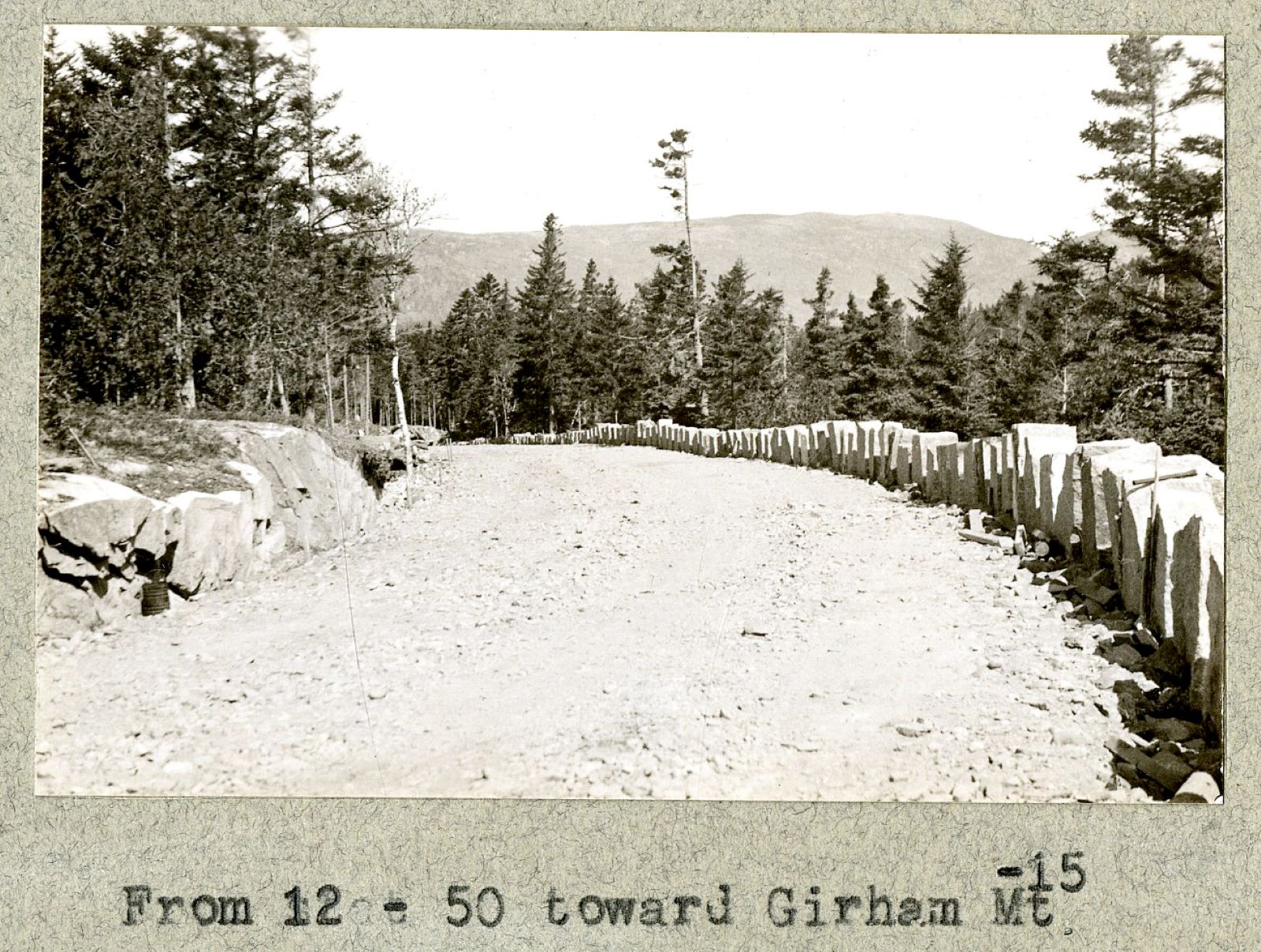
Acadia National Park: Carriage Roads, Cadillac Mountain & 2026 Guide
Discover carriage roads, Cadillac Mountain, and rugged Maine coast. Complete 2026 guide to Acadia National Park — trails, fees, lodging, permits, and what rangers recommend.
Hiking Guide
Grand Canyon Hiking Trails: Day Hikes, Water Sources & Rim to Rim
Compare Grand Canyon hiking trails: Bright Angel, South Kaibab, Hermit, Grandview, and rim to rim, with distances, elevation, water stops, and trailhead access for each.
Best Of
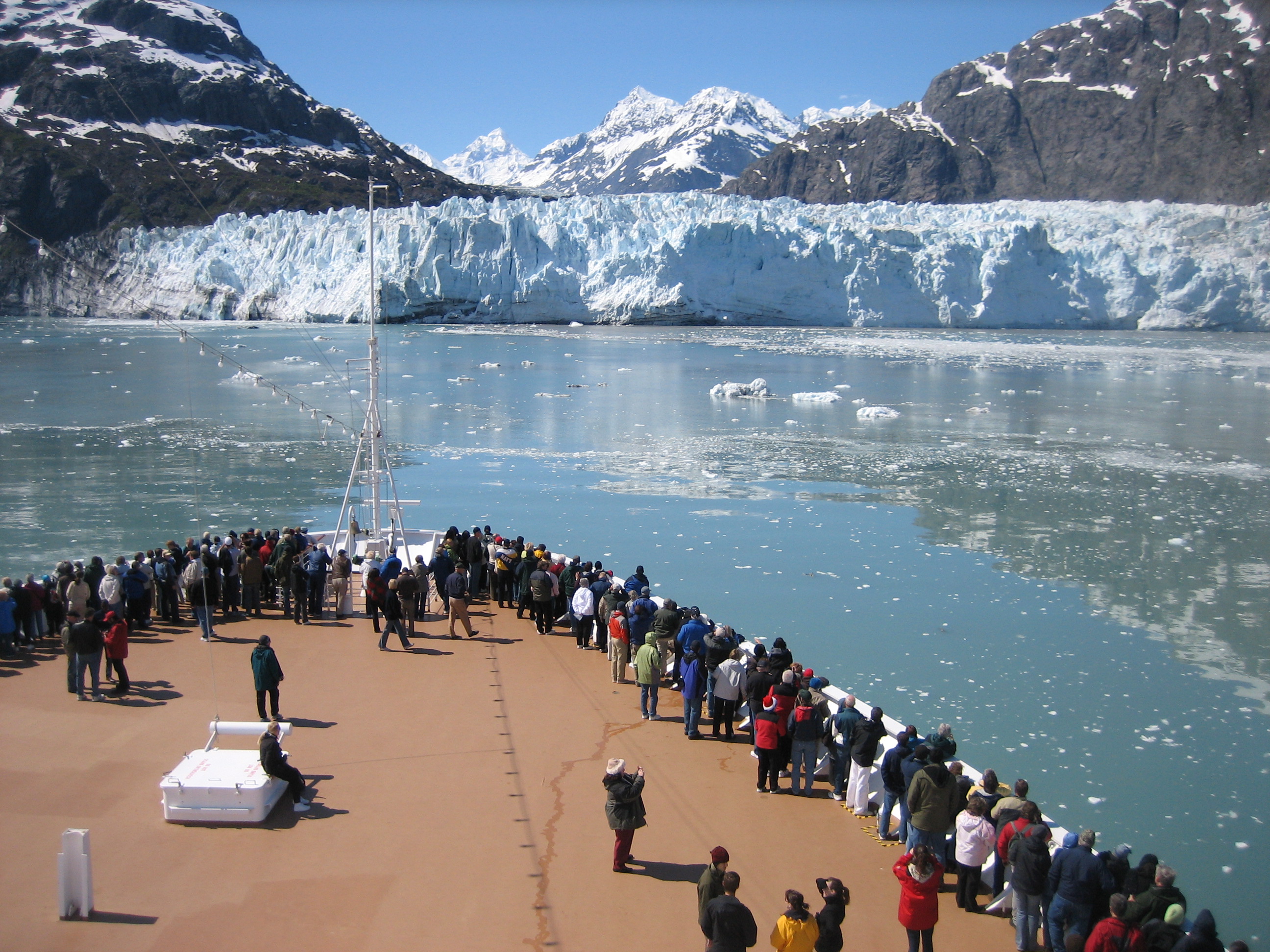
Best of Glacier Bay National Park
The best of Glacier Bay is reached by boat: ranger-led day tours up the bay to the tidewater glaciers. What's worth it, how to book, and when to go (2026).
Campsite Guide
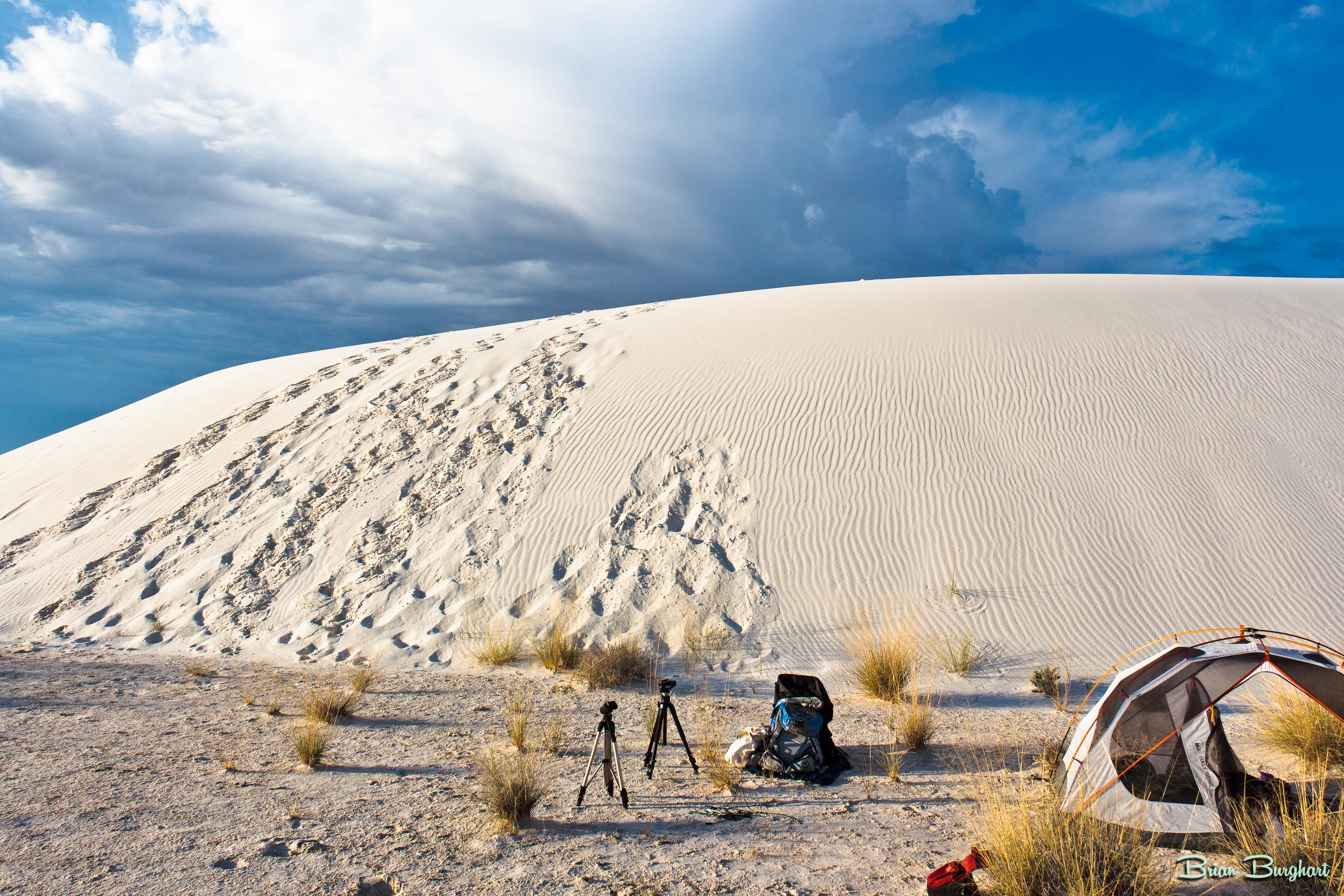
White Sands Backcountry Camping: Closed for 2026 — What to Know
As of 2026, backcountry camping at White Sands National Park is closed for site rehabilitation. What that means, and where to camp nearby instead.
Weather Guide
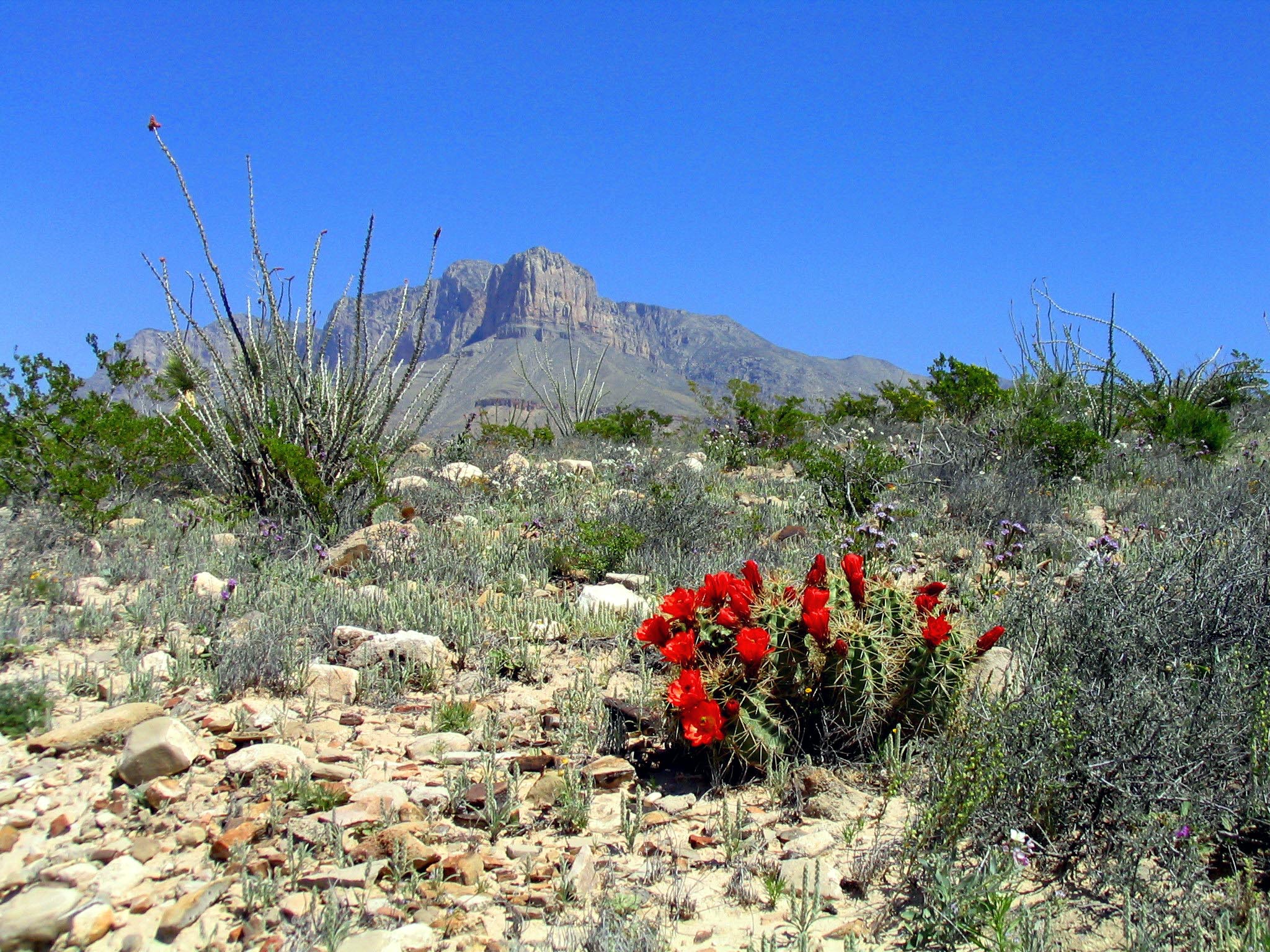
Guadalupe Mountains National Park Weather: Weather
Guadalupe Mountains National Park: weather guide guide updated 2026. Practical visitor information, reservations, and seasonal tips worth bookmarking before
Best Of
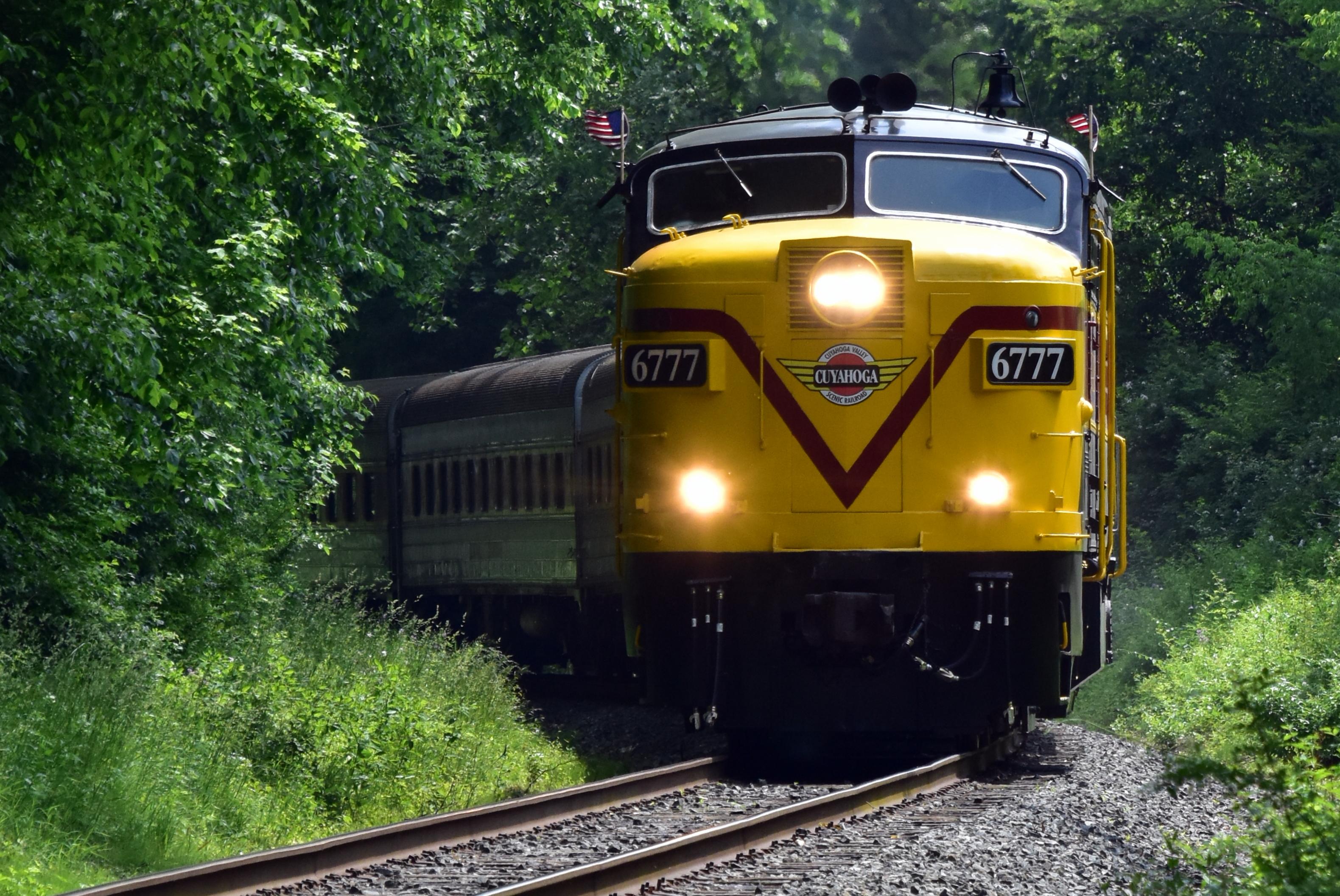
Best of Cuyahoga Valley National Park: Best Things to Do
Seeing a Cleveland Orchestra concert with the woods as your backdrop is a uniquely Cuyahoga Valley experience.
Sign in to join the conversation.
Sources & Attribution
Location data courtesy of the National Park Service (U.S. Department of the Interior). NPS data is public domain.
Images: NPS.
Map data © OpenStreetMap contributors.
Park operations alerts: NPS.gov · Weather and weather hazards: National Weather Service · Live conditions.
Information may change. Always verify fees, hours, and conditions directly with the official source before visiting.
Did this guide help? Share it with a friend.