Gates of the Arctic redefines what a guided tour means. You won't find shuttle buses, paved overlooks, or marked trails here. This is a vast, roadless wilderness where the land itself—unchanged for millennia—is the only amenity. That's why guided trips aren't a luxury here; for most visitors, they're a practical necessity for safe, meaningful access. Your journey starts with a flight from Fairbanks, and from there, your experience depends entirely on the guide you select. To understand what you're undertaking, our complete visitor guide is your essential first step.
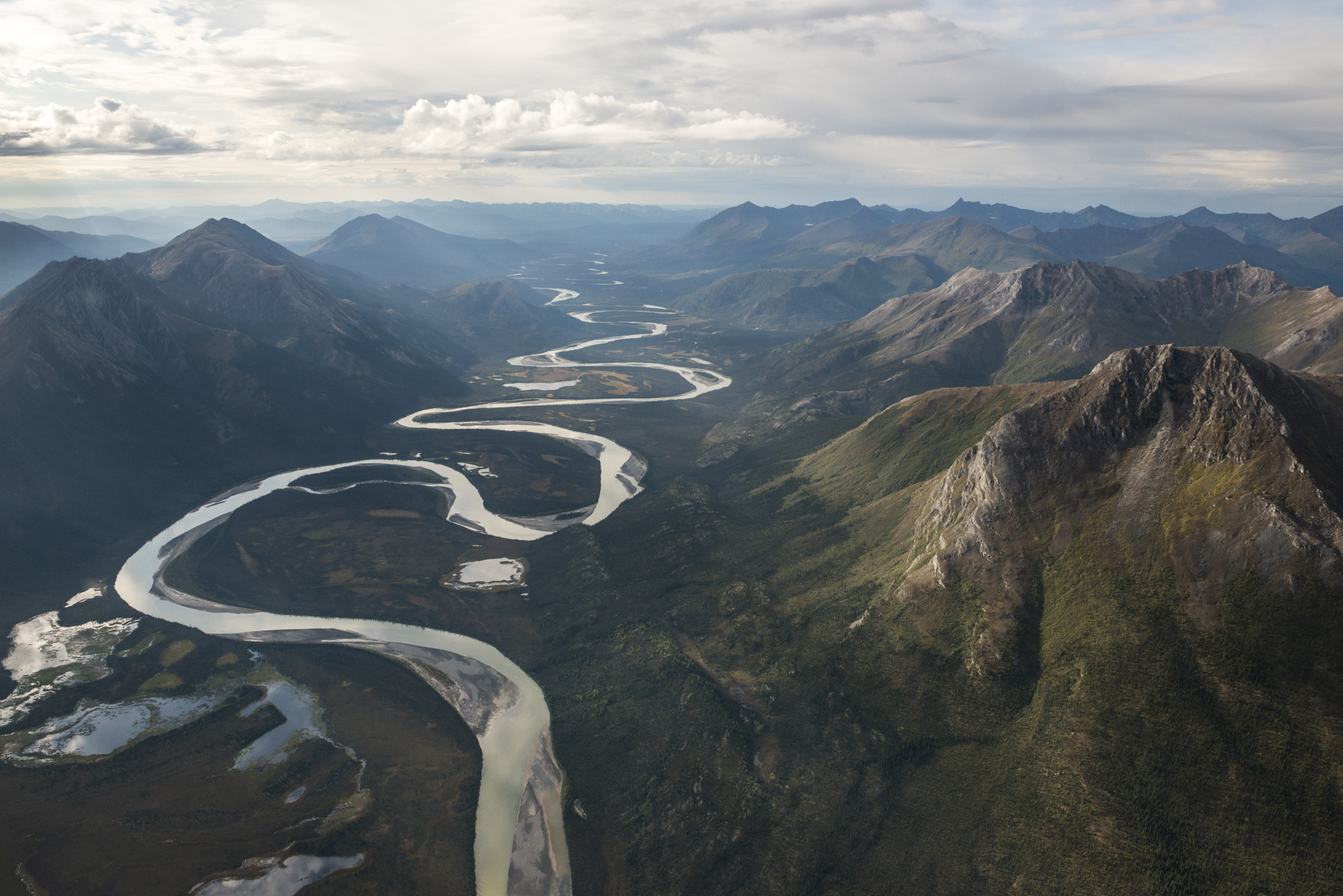
NPS via NPS.gov (Public Domain)
Gates of the Arctic Guided Trips
7 min read
Tours Guide
Best tours and guided experiences at Gates of the Arctic National Park in 2026 — rangers, private guides, and what is worth booking.
This article contains affiliate links — we may earn a small commission at no extra cost to you.
The Best Guided Experience Here
The most valuable guided experience here is a multi-day, fly-in backpacking or river trip with a licensed operator. This isn't about choosing between a two-hour or four-hour tour; it's about selecting your path into the park's core.
What makes it worth the significant investment is access and safety. A quality guide provides the aircraft charter to a remote lake or river gravel bar, the route-finding across trackless tundra, and the skill to manage the park's defining challenges: unpredictable weather, unbridged river crossings, and the sheer scale of the terrain. They show you what you cannot see on your own - how to read the land for caribou migration corridors, identify edible plants, and understand the subtle signs of permafrost and climate change. A good guide turns a grueling cross-country hike into a journey of observation.
The value is in accessing places like the Arrigetch Peaks or the Noatak River headwaters, areas where the consequences of a mistake are measured in days, not hours. They get you beyond the buffer zone near the Dalton Highway and into the profound silence of the central Brooks Range. This is the one park where hiring a guide is less about curated interpretation and more about competent wilderness travel. Without one, your visit is limited to the park's rugged fringes.

Free Ranger Programs
Formal ranger programs are sparse and geographically limited—a logical reality in a park with no road system. The primary offerings cluster around visitor contact points, which serve more as logistical hubs than traditional centers.
In Fairbanks, the Arctic Interagency Visitor Center (jointly managed with other agencies) occasionally hosts evening talks or film screenings in the summer months. Topics range from Arctic survival skills to the cultural history of the Iñupiat and Athabascan peoples. The schedule is irregular, so checking the posted calendar or calling ahead is the only way to know what's on.
In the gateway communities, opportunities are even more limited. In Bettles or Anaktuvuk Pass, you might find a ranger stationed for brief periods who can offer informal advice on gates of the arctic maps and current conditions. These are not scheduled programs, but impromptu conversations. The most consistent "program" is the mandatory backcountry orientation, required for all overnight visitors. This isn't a lecture on ecology; it's a frank, practical briefing on bear safety, Leave No Trace principles for a trail-less park, and how to file your trip plan. Rangers will tell you this orientation is where they emphasize the realities of river crossings - often the most underestimated hazard by newcomers.
If you encounter a ranger in the field, consider it a rare bonus. Their primary role is resource protection, not interpretation. The real ranger program here is the land itself, and your preparation.

Concessionaire Tours
Licensed guide services are the engine of public access. These are typically small, owner-operated businesses specializing in Arctic expeditions. They don't offer "tours" in a conventional sense; they provide fully outfitted wilderness expeditions.
Backpacking & Base Camp Trips
Guides fly your group via small floatplane or helicopter to a remote location for a 5-14 day trek. You'll hike off-trail, navigating by map, compass, and the guide's knowledge of the terrain.
* Value: High, for competent route-finding and risk management. They handle the complex flight logistics and know where to find water and suitable campsites on the tundra.
* Cost & Duration: A significant investment, often starting around $500-$800 per person per day, not including air charter from Fairbanks to the gateway. Trips typically run 7-10 days.
* Booking: Book at least 6-12 months in advance. These are small-group trips (often 4-8 clients) that fill quickly.
* Best For: Experienced backpackers seeking a profound wilderness challenge without the logistical nightmare of self-organizing remote air travel.
River Expeditions
Trips down the Noatak, Alatna, or John Rivers involve flying to a headwaters lake, then paddling for 7-14 days to a pre-arranged pickup point.
* Value: Exceptional. They manage all paddle gear (rafts, kayaks, canoes), provide instruction for whitewater sections, and know the take-out points. This is the most reliable way to cover vast distances and see diverse landscapes.
* Cost & Duration: Similar daily rate to backpacking trips, for durations of 7-14 days.
* Booking: Same long lead time as backpacking trips.
* Best For: Those who want to immerse in the landscape with a different mode of travel. It allows for heavier gear (including better food) and can be more accessible than arduous cross-country hiking.
Flightseeing
Several air taxi operators in Bettles and Coldfoot offer flightseeing tours that circumnavigate iconic features like the Gates themselves or the Arrigetch Peaks.
* Value: Moderate. It provides a jaw-dropping perspective on the scale of the Brooks Range that is otherwise impossible to attain. You'll see glaciers, winding rivers, and peaks that no human may have ever summited.
* Cost & Duration: More accessible, ranging from $300-$600 per person for a 1-2 hour flight.
* Booking: Can often be booked a few days to a week in advance, weather permitting.
* Best For: Visitors with limited time or those who want a spectacular overview before or after a land-based trip. It's a standalone experience, not a substitute for being on the ground.

Specialized Experiences
Given the park's nature, specialization is the norm. Most guided trips here are de facto specialized experiences.
* Photography Workshops: A few guides specialize in leading small groups focused on landscape and wildlife viewing. These trips are timed for optimal light (the midnight sun in June, fall colors in September) and paced for photographers. They know the vantage points and the behavior of Dall sheep or caribou.
* Climbing Expeditions: Technical guided climbs in the Arrigetch Peaks are for expert alpinists only. These are major undertakings with significant objective hazards, led by guides with specific mountain credentials.
* Cultural Heritage Focus: Some operators collaborate with local Iñupiat or Athabascan guides to incorporate deeper cultural interpretation, discussing historical sites, traditional land use, and subsistence practices. This layer adds immense context to the landscape.
The common thread is that none of these are casual outings. Every specialized experience is built on the foundation of a multi-day wilderness expedition.

Booking and Logistics
Booking a gates of the arctic guided trip is a project, not an impulse purchase.
Lead Time: For summer trips (June-September), begin researching and contacting operators 9-12 months in advance. Prime dates (for fall colors or peak wildflowers) can book up over a year out.
The Reservation Process: You'll typically secure a spot with a substantial deposit (often 25-50%). The operator will then provide a detailed gear list, medical form, and itinerary. They handle the air taxi bookings from Bettles/Coldfoot/Anaktuvuk Pass into the park, but you are responsible for getting yourself from Fairbanks to that gateway community. This is a critical and costly leg of the journey to factor in.
What's Included: Clarify this meticulously. A fully outfitted trip should include all group gear (tents, stoves, rafts), food from start to finish, air charter within the park, and guide services. It typically does NOT include: commercial flights to Fairbanks, lodging and accommodations in Fairbanks or the gateway town before/after the trip, personal gear (sleeping bag, backpack, clothing), or gratuities for guides.
Cancellation Policies: These are strict, due to non-refundable air charters and small group sizes. Trip insurance that covers emergency medical evacuation and trip cancellation is not a suggestion; it is a mandatory part of your planning. Weather delays of a day or two are common, so build buffer days into your travel schedule.
Practical Takeaways
- A guide is your access pass. For anything beyond a brief day hike from the Dalton Highway, a licensed guide is the safest, most practical way to experience the park's interior. Self-guided trips require expert-level wilderness skills.
- Start planning 12 months out. The best guides and prime summer dates disappear early. Your first call should be to guide operators, not airlines.
- Budget for the flights. The cost of the guided trip is one line item. Add round-trip flights from your home to Fairbanks, then add $400-$800 for the round-trip flight from Fairbanks to Bettles or Coldfoot. This is non-negotiable.
- Your physical fitness is part of the gear list. Off-trail hiking on tundra, through brush, and across rocky riverbars is exhausting. Be in the best shape of your life. Your group's pace will depend on it.
- Weather is the itinerary. Schedules are fluid. Pack patience and extra food. Your flight into the park might be delayed by a day; your pickup might be later than planned. This is part of the experience.
- Communication is non-existent. Once you leave the gateway community, assume you will have zero cell service. Guides carry satellite communication devices for emergencies only. Tell your family not to expect check-ins.
- The park service orientation is mandatory. Before you head into the backcountry, you must complete the brief with a ranger. It's the final, official step that underscores the seriousness of your undertaking.
For more information, see our complete National Park & Preserve Guide.
Related: gates of the arctic maps guide
Related: how to get to gates of the arctic guide
Recommended Gear
What experienced visitors bring to Gates of the Arctic Guided Trips
Links may earn us a commission at no extra cost to you. We only recommend gear we believe in.
Hiking Essentials
Hydration Pack (3L)
Hands-free water for long trail days
Trekking Poles (Pair)
Save your knees on steep descents
Hiking Boots (Ankle Support)
Sturdy footwear for rocky, uneven trails
Sun & Heat Protection
Wide-Brim Sun Hat
Full coverage UPF 50+ protection at altitude
Insulated Water Bottle (32oz)
Keeps water cold in desert heat all day
Winter Gear
Microspikes / Traction Devices
Essential for icy rim trails in winter months
Packable Down Jacket
Lightweight warmth that stuffs into a pocket
Sources
- Official source: NPS — Gates of the Arctic National Park nps.gov/gaar/index.htm
Photo Gallery
More to Explore
Park Guide
Acadia National Park: Carriage Roads, Cadillac Mountain & 2026 Guide
Discover carriage roads, Cadillac Mountain, and rugged Maine coast. Complete 2026 guide to Acadia National Park — trails, fees, lodging, permits, and what rangers recommend.
Hiking Guide
Grand Canyon Hiking Trails: Day Hikes, Water Sources & Rim to Rim
Compare Grand Canyon hiking trails: Bright Angel, South Kaibab, Hermit, Grandview, and rim to rim, with distances, elevation, water stops, and trailhead access for each.
Best Of
Best of Glacier Bay National Park
The best of Glacier Bay is reached by boat: ranger-led day tours up the bay to the tidewater glaciers. What's worth it, how to book, and when to go (2026).
Campsite Guide
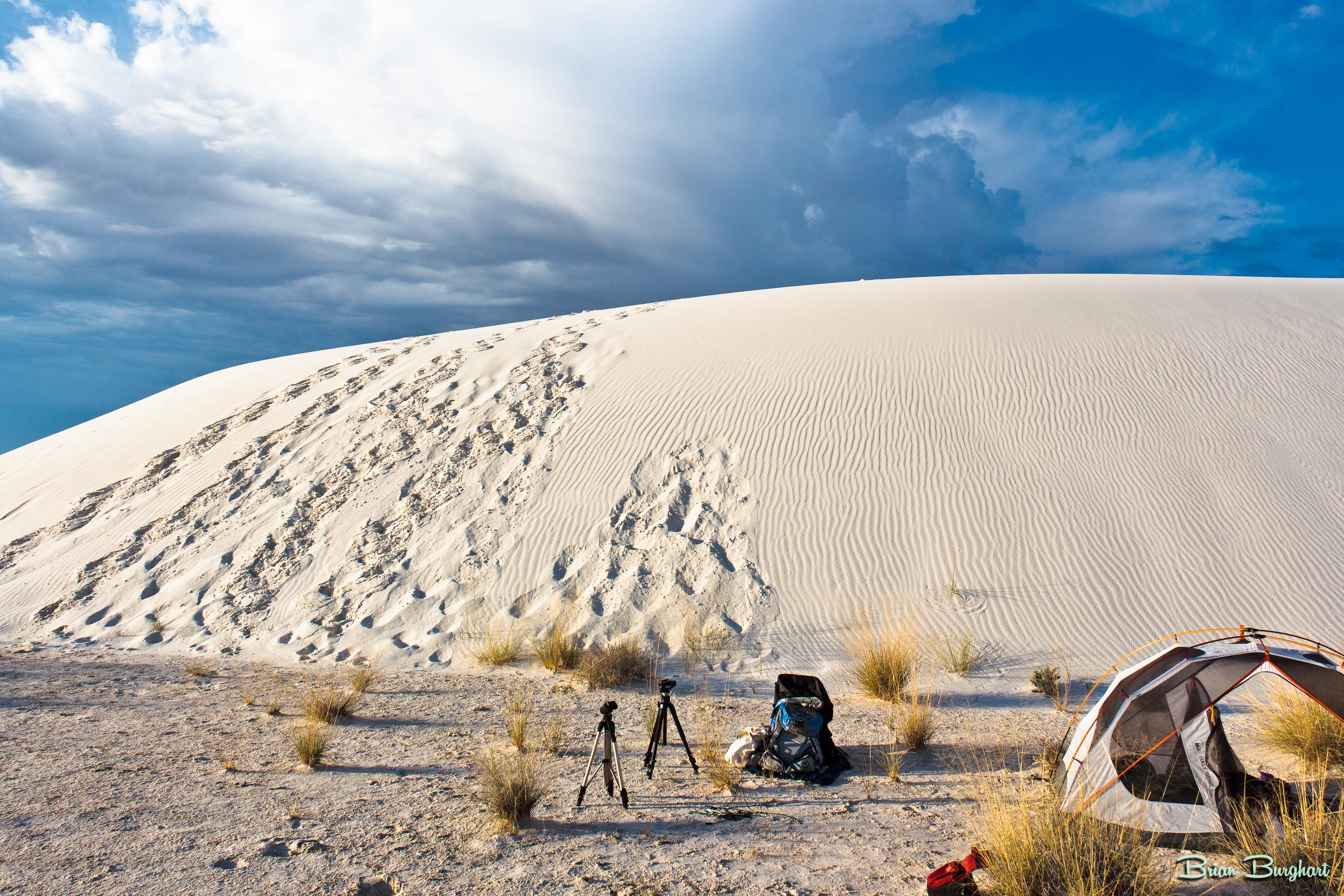
White Sands Backcountry Camping: Closed for 2026 — What to Know
As of 2026, backcountry camping at White Sands National Park is closed for site rehabilitation. What that means, and where to camp nearby instead.
Weather Guide
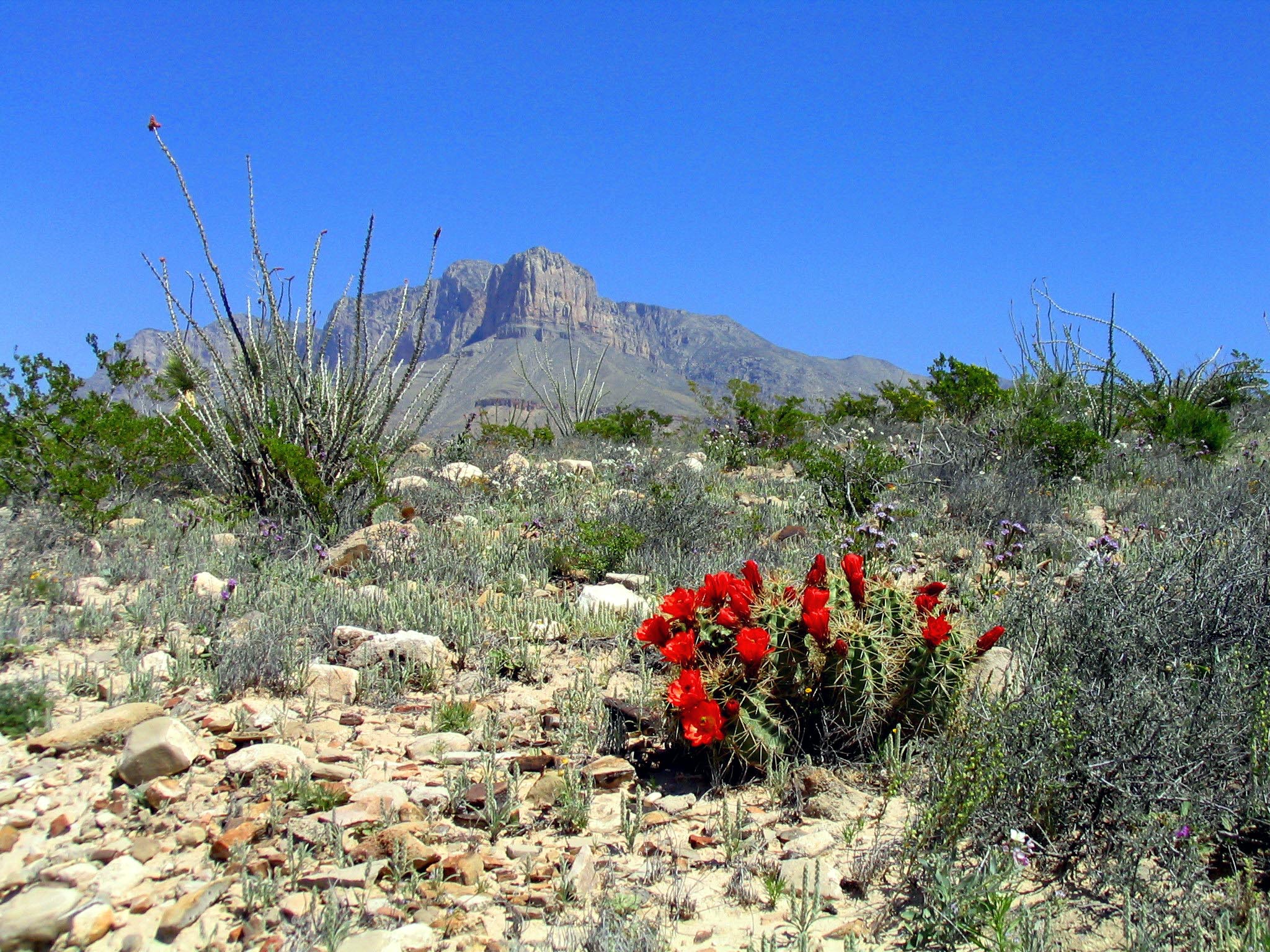
Guadalupe Mountains National Park Weather: Weather
Guadalupe Mountains National Park: weather guide guide updated 2026. Practical visitor information, reservations, and seasonal tips worth bookmarking before
Best Of
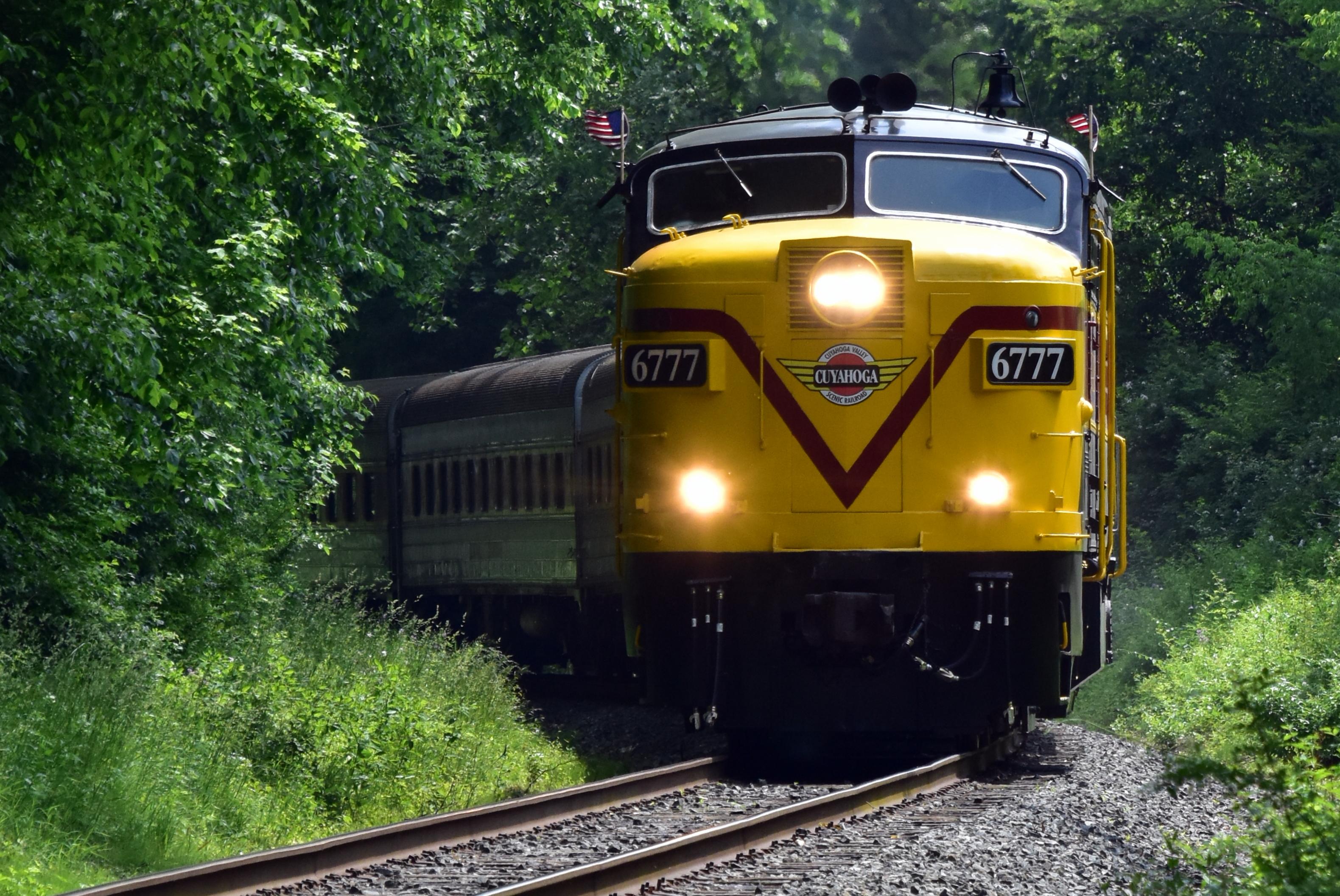
Best of Cuyahoga Valley National Park: Best Things to Do
Seeing a Cleveland Orchestra concert with the woods as your backdrop is a uniquely Cuyahoga Valley experience.
Sign in to join the conversation.
Sources & Attribution
Location data courtesy of the National Park Service (U.S. Department of the Interior). NPS data is public domain. Official NPS page.
Images: NPS; NPS; NPS; NPS; NPS.
Map data © OpenStreetMap contributors.
Park operations alerts: NPS.gov · Weather and weather hazards: National Weather Service · Live conditions.
Information may change. Always verify fees, hours, and conditions directly with the official source before visiting.
Did this guide help? Share it with a friend.