Gates of the Arctic National Park Gear Guide: Hiking Boots
6 min read
Gear Guide
You cannot review Gates of the Arctic hiking boots without first understanding the ground. Tussocks are dense, football-sized clumps of grass that grow with uneven spacing.
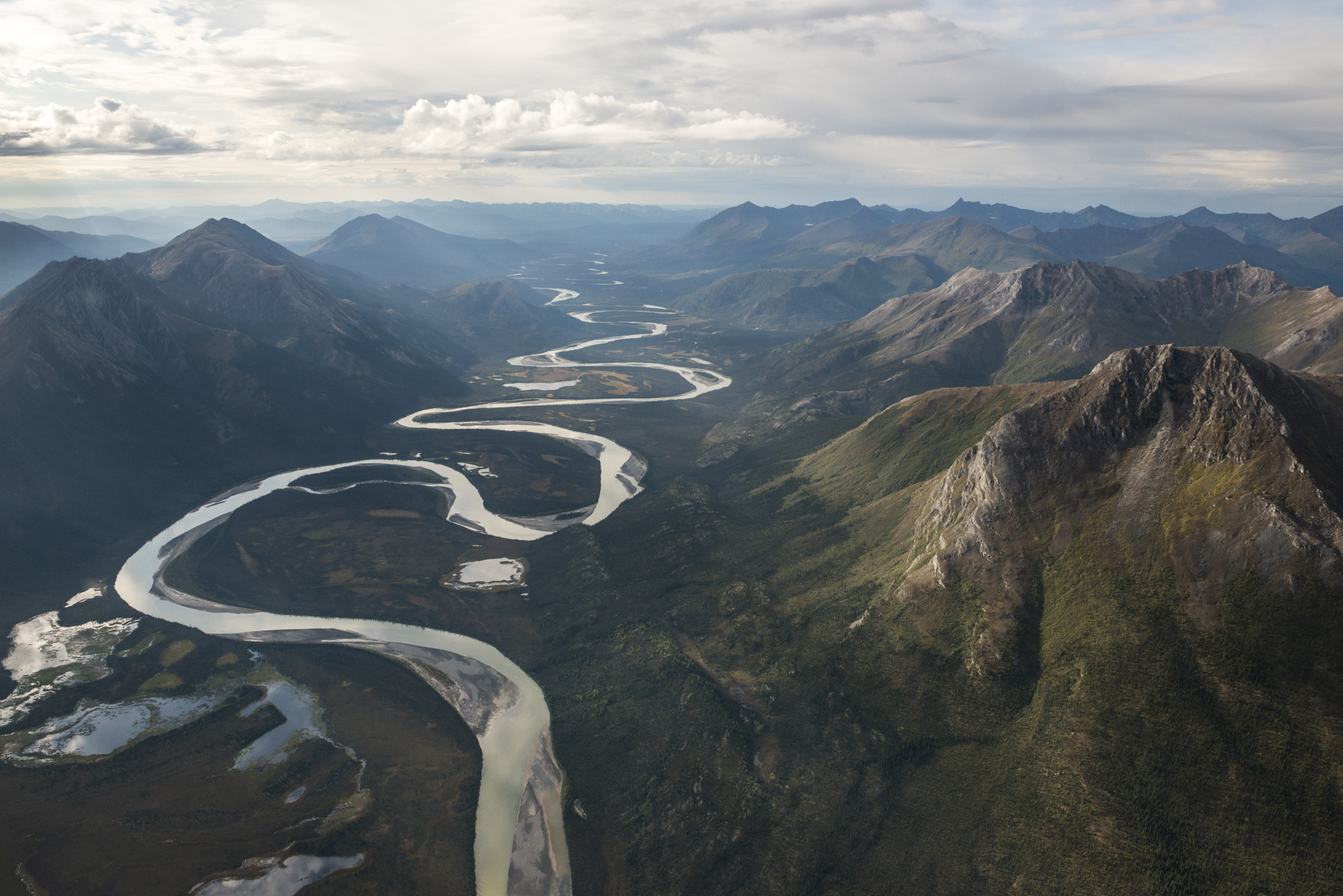
Planning for Gates of the Arctic starts with a fundamental correction: this isn't hiking in the traditional sense. You won't find trails, boardwalks, or scenic overlook signs here. Navigation relies on topographic maps, GPS waypoints, and reading the land itself. This reality shapes every gear decision, beginning with what's on your feet. A proper boot review for this park must start with the terrain itself—it's about survival-grade function, not brand preference. I'll outline what your boots will face, from tussock tundra to river crossings, and how that dictates your choice. For logistics like access, refer to our complete visitor guide.
You cannot review Gates of the Arctic hiking boots without first understanding the ground. Rangers at the Fairbanks visitor center spend a significant portion of their pre-trip briefings on this single point. The park's landscape is virtually unchanged by human development, which means your route is a constant negotiation with natural obstacles.
Tussock Tundra: The Ankle-Twisting Marathon
This will be your primary surface for miles at a time. Tussocks are dense, football-sized clumps of grass that grow with uneven spacing. Walking across them is a relentless exercise in balance. You will step from the uneven top of one tussock, sink into the sodden gap between them, then hoist yourself onto the next. There is no rhythm to it. Your boots need exceptional ankle support to prevent rolls on the unstable tops, and they need to be waterproof well above the ankle because those gaps are often standing water or mud. A low-top shoe here is an invitation for a sprain and soaked socks within the first hour.
River Crossings: Cold, Fast, and Unavoidable
Accessing the park, whether hiking in from the Dalton Highway or from Anaktuvuk Pass, requires fording rivers. These are not stepping-stone hops. They are glacial or snowmelt-fed channels that can be knee-to-thigh deep, with strong currents and rocky, slippery bottoms. Your boots will be submerged. The debate between waterproof and non-waterproof (quick-drying) boots for hiking is settled here in favor of the former for the initial crossing, but with a critical tactic: you change. Experienced visitors carry a pair of lightweight camp shoes or sandals specifically for fording, then switch into dry socks and their primary boots on the other side. Your hiking boots must handle being wet, but their primary job is to protect and support you on the far bank.
Off-Trail Navigation: Rock, Scree, and Brush
Once you're across the rivers, you're navigating cross-country. You'll traverse gravel bars, side-hill across slopes of loose scree, and push through dense thickets of alder and willow. The brush will scratch at leather and fabric. The scree will test the grip of your sole and the rigidity of your shank. A boot with a robust, protective toe cap isn't a luxury; it's what saves your feet when you kick a hidden rock buried in the moss.
Photo: NPS via NPS.gov (Public Domain)
Boot Specifications: The Non-Negotiables
Given that terrain, here are the features that move from "nice to have" to "essential" in any review of Gates of the Arctic hiking boots.
Ankle Support and Height
This is the first filter. Mid-height boots (6-8 inches) are the absolute minimum. Full-height backpacking boots are common and recommended. The support must be substantive, not just a fabric collar. Look for boots with a structured ankle cuff that limits lateral movement. The tussocks demand it.
Waterproofing and Drainage
A Gore-Tex or similar waterproof, breathable membrane is standard. The goal is to keep your feet dry from external moisture - morning dew on the tundra, unexpected puddles, rain. Remember, they will get wet in river crossings, so your system (camp shoes, dry bags for spare socks) matters as much as the boot's technology. A boot that drains reasonably well after a soaking is valuable.
Sole and Traction
The lug pattern needs to be aggressive and deep. Vibram soles or equivalent are typical. Look for lugs that can shed thick mud and grip on wet, angled rock. The sole should also be stiff enough to provide protection from sharp rocks and to offer stability on uneven ground, but with enough flex at the ball of the foot for a natural stride.
Material and Durability
Full-grain leather or heavy-duty synthetic blends dominate here. Leather offers excellent abrasion resistance against brush and can be treated for water resistance. Synthetics are often lighter and may dry faster. Both need robust stitching and reinforcements at high-wear points like the toe and heel. This is not the place for minimalist footwear.
Photo: NPS via NPS.gov (Public Domain)
The Human Factor: Fit and Field Testing
The best-reviewed boot in the world is useless if it doesn't fit your foot. This is the most personal part of the equation and the one you must solve before you ever see the Arctic.
The Fit Process
Go to a reputable outfitter late in the day when your feet are slightly swollen. Wear the socks you intend to hike in - typically a medium-to-heavyweight wool or synthetic blend. Your toes must not touch the front of the boot when you kick a hard surface. There should be minimal heel lift. Walk on an inclined surface if the store has one. Expect a break-in period of several weeks of wear on shorter walks; you do not want to be breaking in new boots on the tundra.
The Forgotten Companion: Gaiters
Any review of Gates of the Arctic hiking boots is incomplete without mentioning gaiters. A knee-high pair of durable, waterproof gaiters is non-negotiable. They keep debris, water, and mosquitoes out of your boots. They are as critical as the boots themselves. Factor them into your footwear system.
Photo: NPS via NPS.gov (Public Domain)
Beyond the Boot: The Complete Ground System
Your boots are the foundation, but they are part of a system. Failures in other components will undermine even the best footwear.
Sock Strategy
Carry multiple pairs of socks. The standard is a synthetic or wool liner sock under a heavyweight hiking sock. Change them at least once during the day to manage moisture and prevent blisters. Your spare socks live in a waterproof bag.
Foot Care Kit
This is as important as your first-aid kit. Include moleskin, leukotape, blister-specific bandages, antifungal powder, and a needle and thread for draining blisters. Inspect your feet twice daily. A small hotspot addressed immediately prevents a trip-ending blister.
The River Crossing Protocol
As mentioned, have a dedicated plan. Many hikers use neoprene socks or waterproof socks inside their camp sandals for colder crossings. The key is speed and safety: unbuckle your pack's waist belt before crossing, use trekking poles for three points of contact, and face upstream, shuffling sideways. Your dry boots are waiting on the other side.
Practical Takeaways
Prioritize Ankle Support: Choose a boot with a structured, high cuff (6-8 inches minimum). Low-tops are not suitable for the tussock tundra.
Waterproof is Mandatory: Ensure your boots have a reliable waterproof membrane. Pair them with knee-high waterproof gaiters to form a seal against wet vegetation.
Break Them In Thoroughly: Wear your chosen boots for at least 20-30 miles of walking on varied terrain before your trip. There is no break-in period in the backcountry.
Build a Sock System: Pack multiple pairs of quality liner and hiking socks. Plan to change them at least once per day to keep feet dry and prevent blisters.
Plan for River Crossings: Carry lightweight camp shoes or sandals specifically for fording rivers. Keep your hiking boots and dry socks sealed in your pack until you are across.
Assemble a Foot Care Kit: Include leukotape, moleskin, blister bandages, and antifungal powder. Inspect your feet morning and night.
Consult the Experts: Use the official NPS website for the latest backcountry bulletins and talk to rangers at the Fairbanks visitor center. They see the consequences of poor gear choices every season.
Final Thoughts
Reviewing Gates of the Arctic hiking boots ultimately means reviewing your own preparedness. The boot is a tool, and the wilderness is indifferent to the brand on its side. It cares only about whether that tool can handle miles of unstable tussocks, icy river water, and granite scree. Your research should be as meticulous as your route planning. Visit an outfitter, ask questions, and weight their advice heavily. Then take those boots outside and walk in them. The confidence that comes from knowing your footwear won't fail you is worth every step of that preparation. When you're standing in the vast silence of the Brooks Range, the last thing you want on your mind is your feet.