Arrive before 7 AM to secure a spot at the Enderts Beach trailhead. The small lot fills fast on clear days when the coastal fog lifts. This isn't a drive-up destination; you earn it with a hike down the bluff. Your reward is one of Redwood National and State Parks' most accessible and protected tide pooling areas. Located about ten minutes south of Crescent City, this rugged stretch of coastline marks where the forest meets the sea. The trailhead also provides access to a longer section of the Coastal Trail for extended exploration.
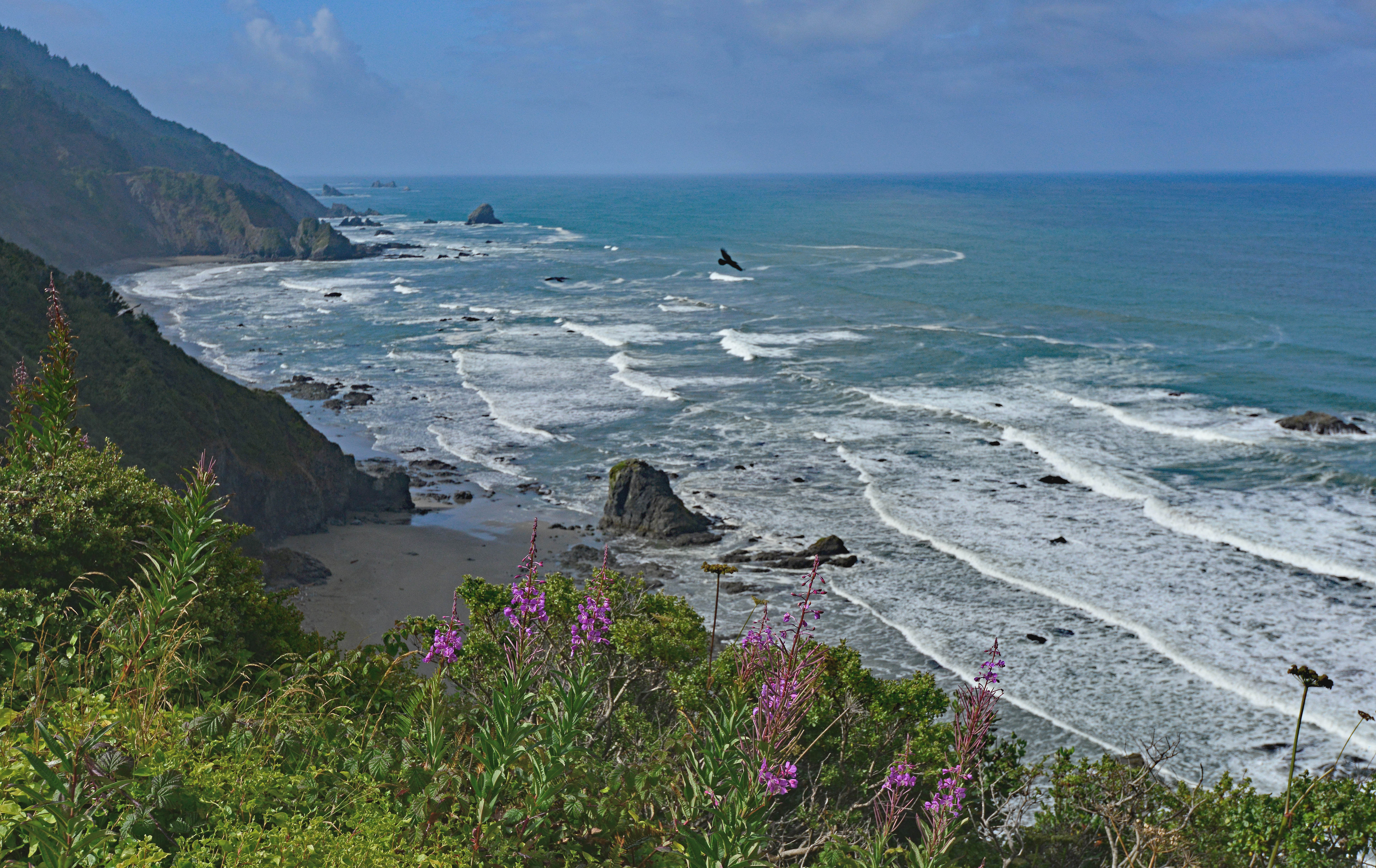
NPS via NPS.gov (Public Domain)
Enderts Beach: Tide Pooling at Redwood National Park
8 min read
Places & Points of Interest
Plan your 2026 visit to Enderts Beach. Complete guide to trails, fees, lodging, best time to visit, and insider tips.
Your plans
Quick Information
The parking area for Enderts Beach is free and open 24 hours a day, year-round. There is no entrance station or fee kiosk specific to this spot. The best time to visit for tide pooling is during a low tide, ideally a minus tide, from late fall through early spring. The beach itself is located in Del Norte County, California, with the nearest services in Crescent City. The trailhead has an information kiosk and bulletin board with tide charts - check them. The parking lot accommodates about 15-20 vehicles and a couple of RVs if parked efficiently. There are no restrooms or water at the trailhead. Cell service is unreliable and often drops out completely at the beach. The trail to the beach is not wheelchair accessible; it's a narrow dirt path with a steady, sometimes steep, descent.
Getting There
From Crescent City, head south on US Highway 101 for approximately 3.5 miles. Look for the signed turnoff for Enderts Beach Road on the ocean side (west) of the highway. The turn is easy to miss if you're not paying attention. Follow this narrow, winding paved road for about 2.5 miles until it ends at the trailhead parking lot. The road is suitable for all vehicles, but drive slowly - it's tight with blind curves. If the main lot is full, do not park on the vegetation or block the road; rangers patrol and will issue citations. Your only alternative is to come back later. The drive from the highway to the trailhead takes about ten minutes.

What to Expect
Prepare for a distinct shift in environment. You'll park in a forested area scented with damp spruce and salt air. From there, a narrow dirt trail switchbacks down the steep coastal bluff. The soundscape transitions from wind through the trees to the steady rumble of surf below. The descent is about 0.75 miles one-way, with a 200-foot elevation drop—remember, you'll gain that back on the return. The path of packed dirt and exposed roots can be slick after rain or during morning dampness. It opens onto a crescent of dark sand and gravel beach, flanked by rocky headlands that shelter the tide pools. Expect cool air, typically 50 to 60 degrees Fahrenheit, with an onshore breeze. Fog can envelop the area rapidly, obscuring views. Newcomers often note the surf's power even on calm days and the remarkable density of life in the intertidal zones. This is a beach for exploration, not swimming.
Top Attractions & Points of Interest
The Main Tide Pool Areas
The rocky shelves extending from the southern headland at Enderts Beach are the prime tide pooling territory. At a low tide, acres of normally submerged rock are exposed, creating a maze of pools, channels, and crevices. This is where you'll find the science-fiction-like colonies of anemones, purple sea urchins, hermit crabs, and colorful sea stars. Rangers will tell you that having safe, easy access to such a rich intertidal zone is a rarity along this rugged coast. The key is timing - you must consult a tide table and aim to arrive at the beach at least an hour before the posted low tide.
Crescent Beach Overlook
On your drive in on Enderts Beach Road, you'll pass a signed pullout for the Crescent Beach Overlook. It's worth a 30-second stop. The view stretches north across Crescent Beach to the harbor of Crescent City and the offshore sea stacks. On a clear evening, it's one of the better sunset spots in the area. It's also a good barometer for coastal fog; if you can't see the harbor from here, the tide pools at Enderts will likely be shrouded.
The Coastal Trail (Last Chance Grade Section)
The trailhead for Enderts Beach doubles as the northern terminus for a rugged 13-mile section of the Coastal Trail heading south. Most people aren't here for that, but it's worth knowing the context. Adventurous hikers and mountain bikers use this route for multi-day trips. For the day-visitor, it means you might see backpackers with serious gear heading out or coming in, looking decidedly more weathered than the families heading down to the beach.
Crescent Beach Day Use Area
If you find Enderts Beach too crowded or the hike too much, your fallback is just north. The Crescent Beach Day Use Area, a two-minute drive off Highway 101, offers direct vehicle access to a long, walkable stretch of sand. It has picnic tables, restrooms, and a large parking lot. It lacks the protected tide pools, but it's a straightforward beach experience with plenty of space.

Activities
Tide Pooling
This is the core activity at Enderts Beach. The park service recommends you always tidepool at low tides, and never turn your back on the ocean. Sneaker waves are a real hazard. Wear shoes with solid grip that you don't mind getting wet - the rocks are slippery with algae. Step carefully on bare rock, not on the mussel beds or other living surfaces. Gently touch if you must, but don't pry anything off the rocks. A ranger-led tide pool walk here is a memorable experience, though they are not offered daily; check the bulletin board or the park's website for schedules.
Hiking
The hike to and from the beach is an activity in itself. The return trip up the bluff gets the heart pumping. For a longer excursion, you can walk south along the beach and connect with the formal Coastal Trail, which climbs back into the forested bluffs. The hiking trails in the surrounding redwood parks, like the Boy Scout Tree Trail or the Simpson-Reed Trail, offer a completely different, forested experience just a short drive away.
Photography and Wildlife Viewing
The dynamic coastline here is a photographer's subject at any time of day. In the morning, soft light illuminates the tide pools. At sunset, the headlands silhouette against the sky. Beyond the intertidal zone, watch for gray whales migrating offshore (peak seasons are December-January and March-April), and seabirds like cormorants and oystercatchers. For more dedicated wildlife viewing, the elk prairies inland are more reliable.
Seasonal Guide
The experience at Enderts Beach is dictated more by tides and fog than by traditional seasons. Summer (June-August) brings the most visitors, the least rain, and the most persistent coastal fog, which can obscure views and keep temperatures in the 50s. The low tides in summer are often in the afternoon. Fall (September-November) often has the clearest, sunniest weather, with less fog and pleasant temperatures. This is a local favorite time. Winter (December-February) is the storm season, with the highest chance of rain and powerful surf. It also brings the year's lowest tides, frequently in the morning, which is ideal for tide pooling if you can catch a dry weather window. Spring (March-May) is a mix - wildflowers bloom on the bluffs, rains taper off, and whale watching is good. Crowds are thinner than in summer except on holiday weekends.
For a detailed breakdown of conditions, see our guide on the best time to visit.

Practical Information
As of 2026, there is no fee to park at the Enderts Beach trailhead or to access the beach. The nearest camping options are at Mill Creek Campground (about a 20-minute drive inland) and Jedediah Smith Campground (near Crescent City). Both are $35 per night as of 2026. For lodging and accommodations, Crescent City has the closest hotels, motels, and vacation rentals. There are no food services at or near the trailhead. Pack in all water and snacks. The last reliable gas stations and grocery stores are in Crescent City.
Safety & Preparation
Your primary safety concern here is the ocean. Never turn your back on the waves. A "sneaker wave" can surge dozens of feet further up the beach than the previous waves, sweeping people off rocks and into cold, dangerous water. Always check the tide tables - tidepool only on a receding low tide, and be aware of when the tide turns and starts coming back in. The trail up and down the bluff is steep and can be slippery; sturdy footwear is non-negotiable. The water temperature is cold year-round, averaging in the low 50s Fahrenheit; hypothermia is a risk if you get wet. There is no cell service for emergencies. Let someone know your plans. Basic preparation means bringing water, layers (a windbreaker is almost always needed), sun protection, and a first-aid kit.

Insider Tips
- The Bulletin Board is Your Best Tool. The tide chart posted at the trailhead kiosk is the most important information you'll see all day. It's specific to this location. Take a photo of it.
- Go Early, Even on Weekdays. The parking lot can fill by 9 AM on a nice Saturday in July. For solitude and the best light, aim to be on the trail by 7:30 AM.
- Wear the Right Shoes. Not sandals. Not flip-flops. Closed-toe shoes with aggressive tread, like hiking shoes or trail runners, are essential for the slippery algae-covered rocks.
- The Gift Shop Sells Water for $4 a Bottle. Bring Your Own. This is the universal park veteran advice. Fill up in Crescent City.
- For a Different Vibe, Come at Sunset. The afternoon crowds have usually left. The hike back up in the dusk is quiet, and you might have the beach to yourself. Bring a headlamp for the trail.
- If the Lot is Full, Have a Plan B. The tours and guided experiences in the redwoods often have reserved slots. Or, drive the Newton B. Drury Scenic Parkway for an incredible forest drive.
- What the Website Doesn't Mention: The most interesting tide pools aren't always right in front of you. Work your way carefully around the southern headland (only on a very low, receding tide) to find less-disturbed pools with more diversity.
For more information, see our complete Redwood National Park Guide.
Sources
- Official source: NPS — Redwood National Park nps.gov/redw/index.htm
- Official source: National Park Service nps.gov/places/endertsbeach.htm
Photo Gallery
More to Explore
Park Guide
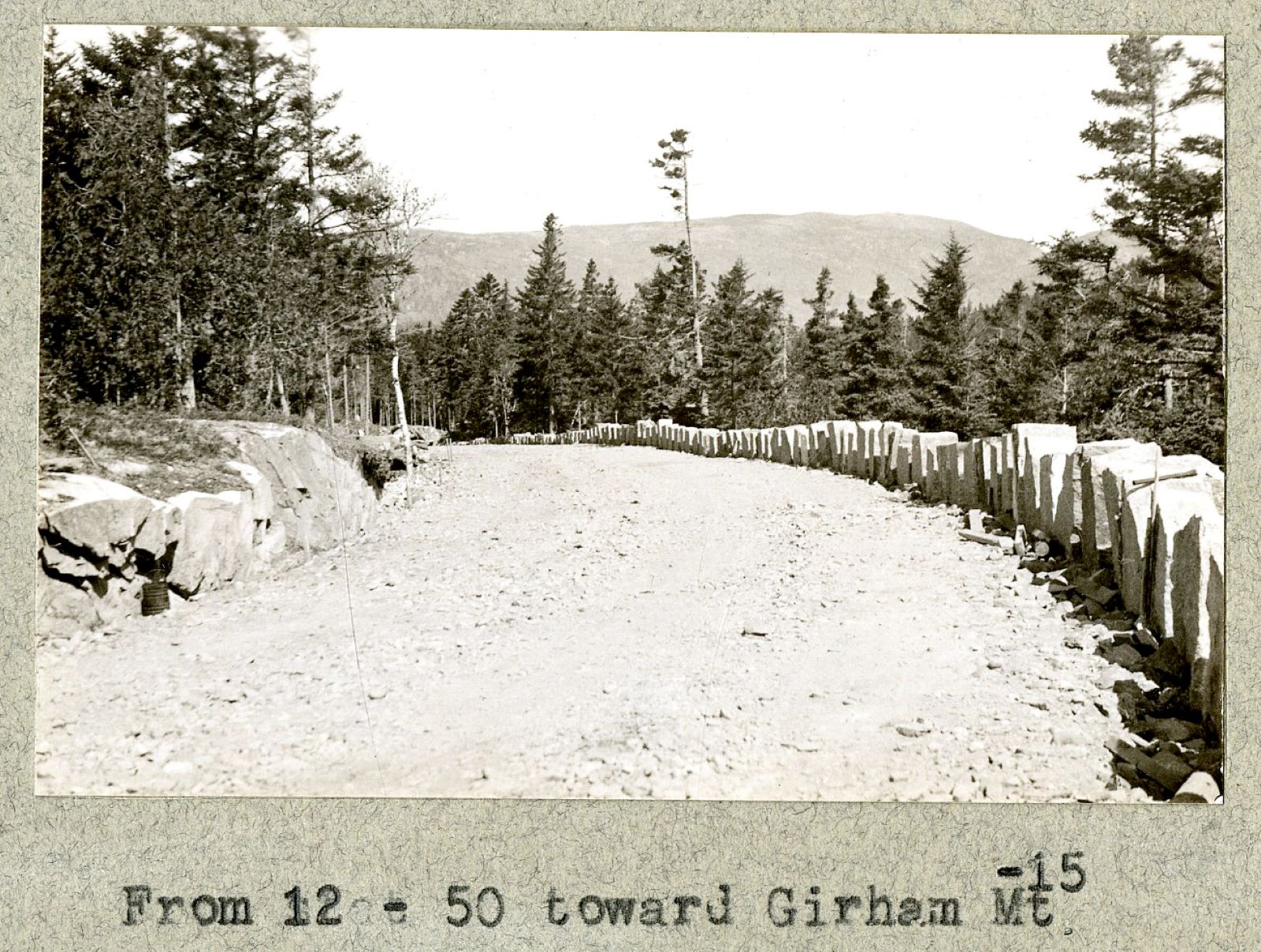
Acadia National Park: Carriage Roads, Cadillac Mountain & 2026 Guide
Discover carriage roads, Cadillac Mountain, and rugged Maine coast. Complete 2026 guide to Acadia National Park — trails, fees, lodging, permits, and what rangers recommend.
Hiking Guide
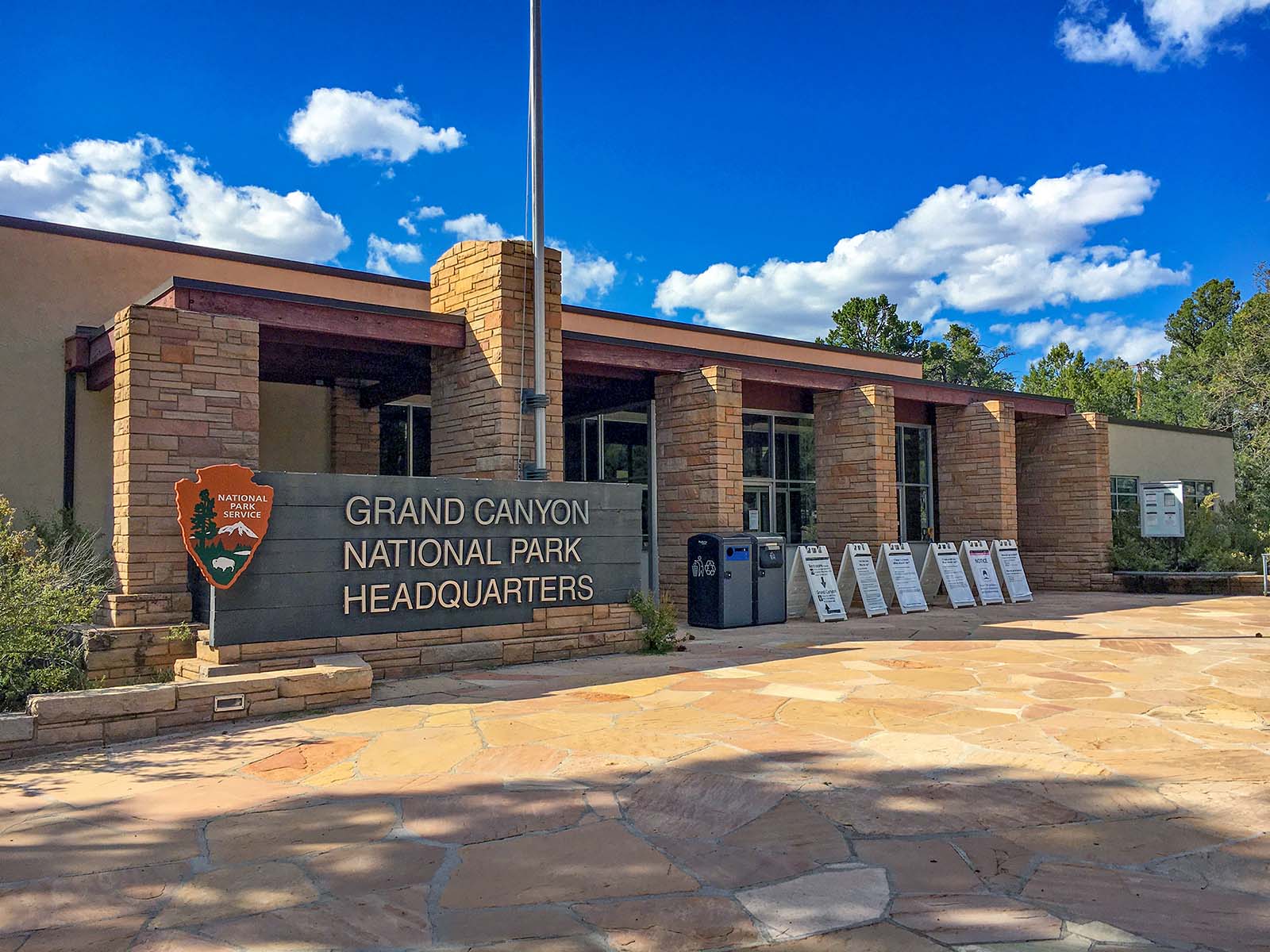
Grand Canyon Hiking Trails: Day Hikes, Water Sources & Rim to Rim
Compare Grand Canyon hiking trails: Bright Angel, South Kaibab, Hermit, Grandview, and rim to rim, with distances, elevation, water stops, and trailhead access for each.
Best Of
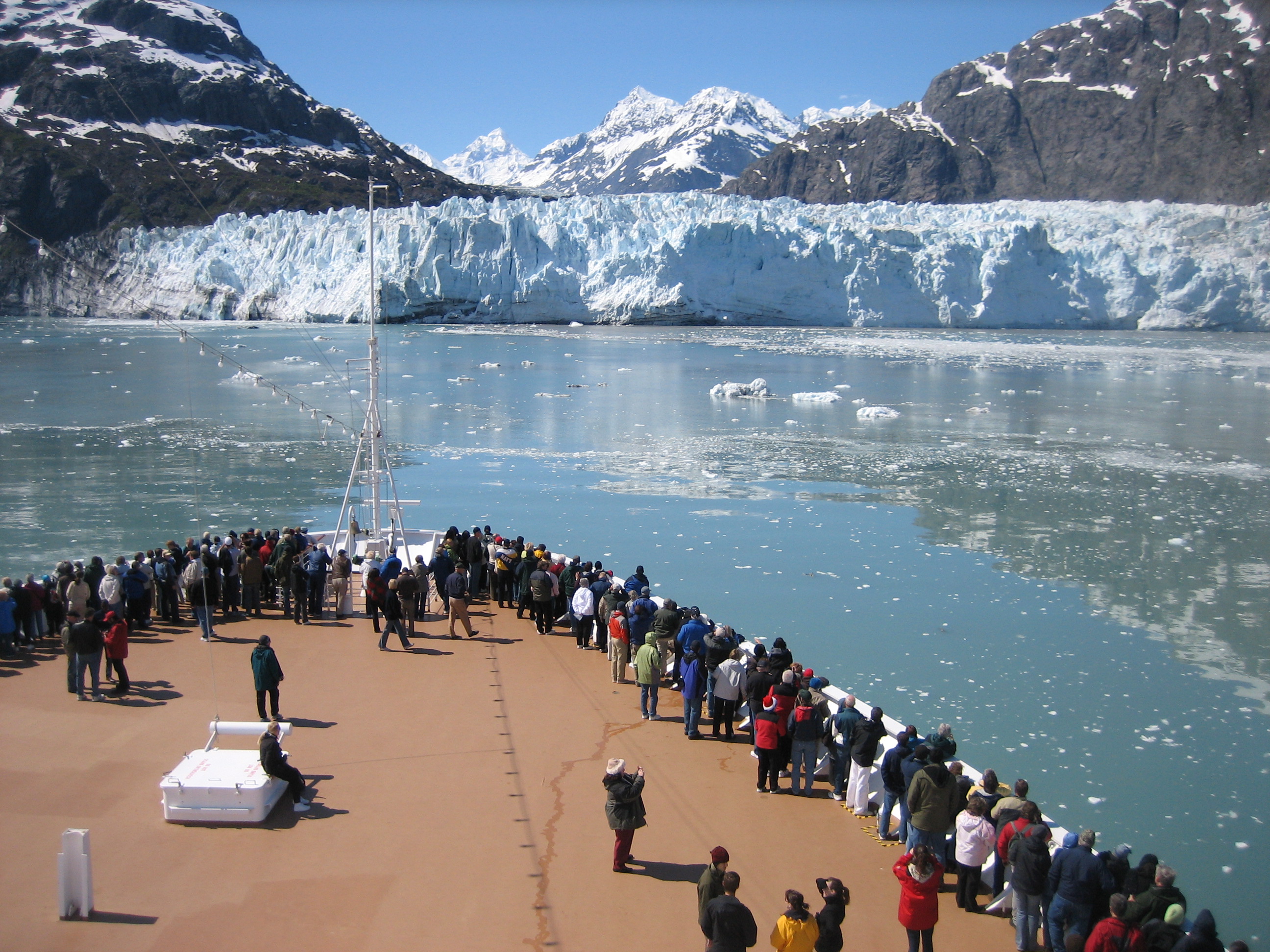
Best of Glacier Bay National Park
The best of Glacier Bay is reached by boat: ranger-led day tours up the bay to the tidewater glaciers. What's worth it, how to book, and when to go (2026).
Campsite Guide
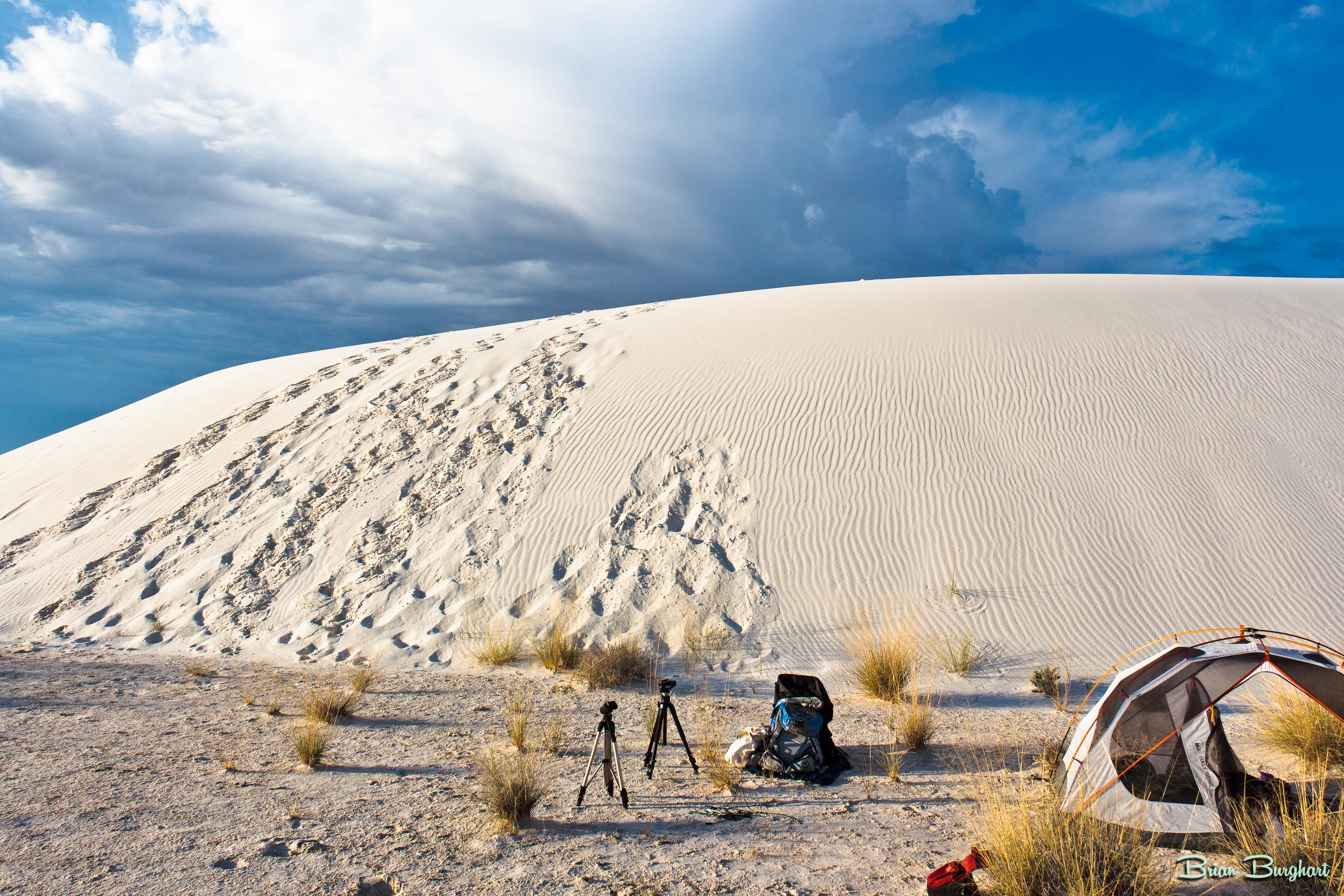
White Sands Backcountry Camping: Closed for 2026 — What to Know
As of 2026, backcountry camping at White Sands National Park is closed for site rehabilitation. What that means, and where to camp nearby instead.
Weather Guide
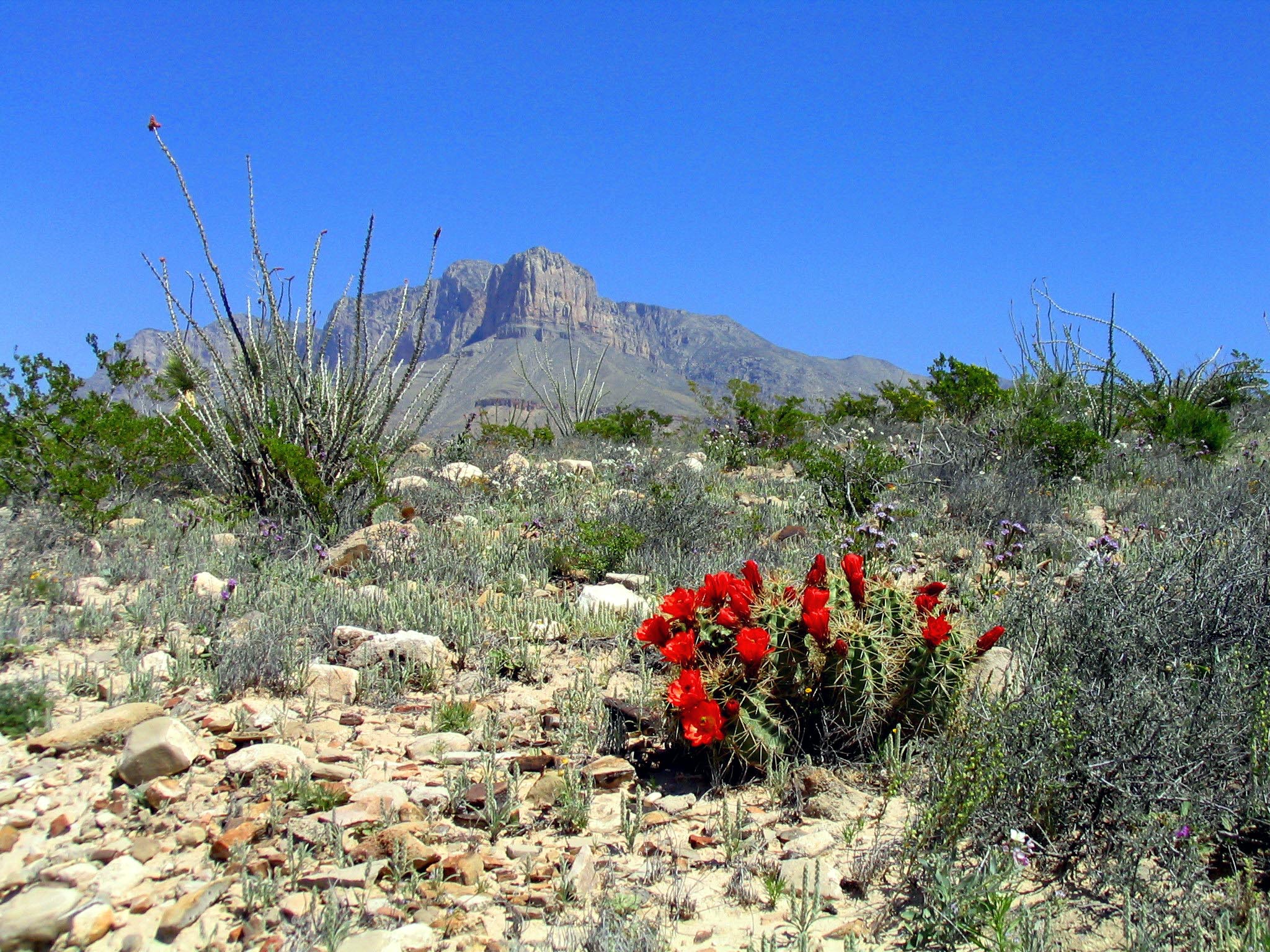
Guadalupe Mountains National Park Weather: Weather
Guadalupe Mountains National Park: weather guide guide updated 2026. Practical visitor information, reservations, and seasonal tips worth bookmarking before

Best Of
Best of Cuyahoga Valley National Park: Best Things to Do
Seeing a Cleveland Orchestra concert with the woods as your backdrop is a uniquely Cuyahoga Valley experience.
Sign in to join the conversation.
Sources & Attribution
Location data courtesy of the National Park Service (U.S. Department of the Interior). NPS data is public domain. Official NPS page.
Images: NPS; NPS; NPS; NPS; NPS.
Map data © OpenStreetMap contributors.
Park operations alerts: NPS.gov · Weather and weather hazards: National Weather Service · Live conditions.
Information may change. Always verify fees, hours, and conditions directly with the official source before visiting.
Did this guide help? Share it with a friend.