Elk Meadow serves as a functional hub, not a scenic destination. Visitors don't come to gawk at a single famous tree. They come for the large paved parking lot, flush toilets, and drinking water—a rare and practical combination in the heart of Redwood National and State Parks. This makes it the best starting point for several major hikes and a reliable picnic spot where you won't be fighting for a table. The name is literal: Roosevelt elk frequently graze in the adjacent meadow, especially in early morning and late afternoon. It's a place of utility and quiet observation, where infrastructure supports the adventure.
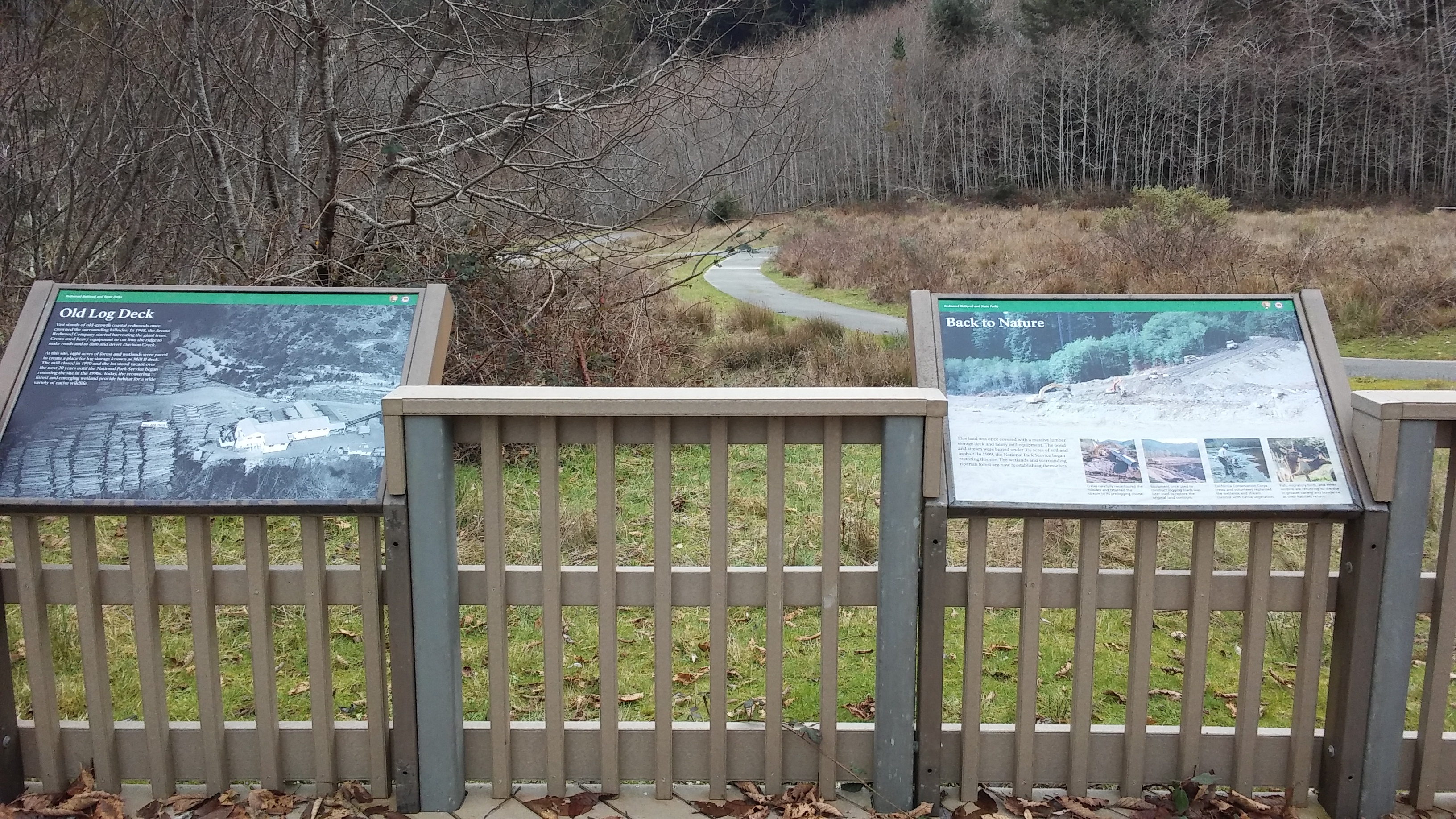
NPS via NPS.gov (Public Domain)
Elk Meadow Day Use Area: Complete 2026 Travel Guide & Visitor Information
10 min read
Places & Points of Interest
Discover Elk Meadow Day Use Area: elk meadow day use area with our comprehensive guide. Expert tips, practical information, and insider knowledge.
Your plans
Overview
Within Prairie Creek Redwoods State Park, Elk Meadow Day Use Area functions as a central trailhead nexus. Its coordinates place it deep in the park's southern section, off the Newton B. Drury Scenic Parkway. The experience here is defined by transition. Visitors park on asphalt under a canopy of massive, ancient redwoods. A short walk past the picnic tables leads to the edge of Elk Meadow, a sudden opening of golden grass and light bordered by dark forest. The air smells different here—less of damp duff and more of dry grass and sun-warmed fir. Sound changes, too; the constant, soft rustle of the forest gives way to the buzz of insects and the distant, guttural bugle of elk.
This area is the primary access point for the Prairie Creek Trail, recently renamed the Karl Knapp Trail, and the connecting Foothill Trail. Rangers treat it as a command center for the southern trail network. It's where they send families looking for an easy loop, serious hikers starting the long trek to the coast, and anyone who needs a guaranteed parking spot before 10 AM. The historical exhibits at the kiosk explain the ecology of the prairie-forest edge, a dynamic landscape maintained by the very elk you're likely watching.
Quick Information
* Entrance Fee: As of 2026, there is no separate fee to use the Elk Meadow Day Use Area. However, it is located within Prairie Creek Redwoods State Park, which is part of the Redwood National and State Parks complex. A day-use fee is required for the park. The current fee is $8 per vehicle. An annual California State Parks pass or an America the Beautiful National Parks Pass covers this fee.
* Hours: The day-use area is open from sunrise to sunset year-round. The parking lot gates may be closed at night.
* Best Time to Visit: Late spring (May-June) and early fall (September-October). Summers are cool but can be foggy; winters are wet but quiet. Elk are most reliably seen in the meadow during the fall rut (September-October) and in spring with new calves.
* Location: Northern California, within Prairie Creek Redwoods State Park. Nearest town is Orick, about 15 minutes north. The GPS coordinates are 41.322969, -124.044822.
* Accessibility: The parking lot, restrooms, and a paved path to several picnic tables are wheelchair accessible. The information kiosk is also accessible. The trails leading from the area are natural surface.
* Cell Service: Spotty to non-existent. Do not rely on your phone for navigation or communication once you leave Highway 101.
* Restrooms: Flush toilets and accessible restrooms are available on-site. This is a notable feature, as many park trailheads only have vault toilets.
* Parking: A large, paved lot with spaces for standard vehicles and designated spaces for buses/RVs. It fills by late morning on weekends and daily in summer. Overflow parking is not available, so arrive early.

Getting There
From the town of Orick on US Highway 101, drive north for approximately 1.5 miles. Look for the signed exit for the Newton B. Drury Scenic Parkway. Take this exit (heading east, away from the ocean). Follow the parkway for 3.5 miles through a corridor of redwoods. The signed turn for the Elk Meadow Day Use Area will be on your left. The turn is easy to miss if you're gazing upward, so watch your speed and the road signs.
From the south (Eureka/Arcata), take US 101 north past the Requa turnoff for Klamath. Continue north for about 20 miles until you see the Newton B. Drury Scenic Parkway exit on your right. Follow the directions above.
The drive from Crescent City in the north takes about 45 minutes. Take US 101 south to the parkway exit, which will be on your left.
Parking strategy is straightforward: arrive before 9:30 AM. The lot services too many popular trailheads to ever have midday availability in peak season. If the lot is full, do not park on the roadway or in non-designated spots; rangers will ticket. Your next best option is to drive further up the parkway to the Prairie Creek Visitor Center lot or return later in the afternoon after the early hikers have left.
What to Expect
Expect a functional, well-maintained hub with a split personality. The developed area with its tables and restrooms feels civilized. Step onto any trail, and within fifty yards you are in a forest that hasn't changed substantially in a thousand years. The ground is soft with centuries of fallen needles. The light is a muted green, filtering down from a canopy so high it often disappears into fog. Steller's jays screech and flash blue between the trunks.
The meadow is the main event. It's a clearing of about 30 acres, a sea of tall grass that turns gold by late summer. This is where the park's herd of Roosevelt elk spends much of its time. You'll hear them before you see them - a sound like a deep, raspy cough. Viewing is best from the edges; always stay at least 100 feet away. Bulls can weigh 900 pounds and cows are fiercely protective of calves. Rangers will tell you that more visitors get into trouble by approaching elk for photos than from any other wildlife encounter in the park.
The elevation here is low, around 300 feet, so the weather is mild but maritime. Fog can roll in and out within an hour, transforming a sunny meadow into a ghostly scene. Rain is always a possibility, even in summer. The trailhead soil is a rich, dark loam that turns muddy with any precipitation. The surprise for most first-time visitors is the sheer convenience of the place. After days of navigating narrow dirt roads to trailheads, finding a paved lot with running water feels like a minor miracle.

Top Attractions & Points of Interest
Elk Meadow
The meadow itself is the attraction. It's not a hike to a viewpoint; it's a place to stand still. Bring binoculars. Watch for the subtle movement of tan hides among the grass. In fall, listen for the rutting bulls bugling and clashing antlers. In spring, you might spot speckled calves on wobbly legs. The best light for photography is early morning, when the low sun backlights the grass and the elk are most active.
Karl Knapp (Prairie Creek) Trailhead
This is the main arterial trail heading west from the day-use area. It's a wide, gentle path that follows Prairie Creek under a continuous redwood canopy. Within minutes, the sounds of the parking lot fade away. This is the start of the popular Karl Knapp to Foothill Trail Loop, a family-friendly hike that showcases the density of the forest. The trailhead is marked at the west end of the parking lot.
Foothill Trail Trailhead
Starting from the eastern side of the meadow, the Foothill Trail offers a slightly different character, traversing slopes of redwood sorrel and fern. It connects with the Karl Knapp Trail to form a loop, and also provides access to longer routes like the Zig Zag Loop. This is where you'll find the trail register - take a moment to sign in. It's a safety formality the park service appreciates.
Prairie Creek Visitor Center
A short 2-minute drive north on the Newton B. Drury Parkway from the day-use area, the visitor center is worth the stop. It has more detailed exhibits, a small bookstore, and - most importantly - rangers who can give you the latest trail conditions and wildlife sightings. They dispense weather forecasts that are more accurate than any app can provide for this specific valley.
Newton B. Drury Scenic Parkway
While not in the day-use area, this 10-mile road is the reason you can drive right to it. The parkway is the alternative to Highway 101, a slow, winding route through the absolute heart of the redwood groves. Driving it is one of the best scenic drives in the park. After your hike or picnic, continue north on the parkway toward the visitor center and beyond to see giants like the Big Tree Wayside without having to get back on the highway.
Activities
Hiking
This is the primary activity. The Karl Knapp to Foothill Trail Loop is a must-do, an easy 2.5-mile walk that feels deeply immersive. For a longer challenge, the Zig Zag Loop (3.9 miles) starts on the same trail system, leading you along the creek before climbing to ridgetop views - a rarity in this flat, valley-bottom landscape. Serious hikers use this area as the starting point for the epic 12-mile James Irvine Trail to Fern Canyon loop (as of March 2026, vehicle access to Fern Canyon is blocked by a landslide on Davison Road; the hike is still possible but is a full-day commitment).
Wildlife Viewing
Elk viewing is the star here. Practice patience. Sit on a bench with your coffee at dawn. The elk move from the forest edges into the meadow to feed. Keep an eye out for black-tailed deer in the same clearings, and listen for the pileated woodpecker's loud drumming in the woods. This is not a zoo; sightings are never guaranteed, but your odds are better here than almost anywhere else in the parks.
Picnicking
The park provides the tables, grills, and ambiance. You provide the food. There are half a dozen tables scattered under the trees at the meadow's edge. They are first-come, first-served. The one with the clearest view of the meadow is always taken first. Even on busy days, the atmosphere remains quiet - the redwoods absorb sound. There is a drinking water spigot to fill bottles.
Biking
The paved parkway is popular with road cyclists, but mountain bikers can access the Ossagon Trail from this general area for a demanding redwoods-to-beach loop. The day-use area has a bike rack if you want to lock up and hike. Note that bikes are not permitted on the Karl Knapp or Foothill trails.

Seasonal Guide
* Spring (April-June): The meadow greens up. Elk calves appear in May and June. Days are cool (50s-60s °F) with frequent rain showers. Trail conditions are soft but not yet dusty. Crowds begin to build in late May.
* Summer (July-August): The most crowded season. Days are cool, often in the 60s, with persistent fog that may not burn off until afternoon. The meadow grass turns golden. Elk are present but may be deeper in the trees during the midday heat. Arrive before 9 AM for parking.
* Fall (September-October): Arguably the best time. The elk rut peaks in September, with dramatic bugling and sparring. Weather is crisp, with clearer skies. Crowds diminish after Labor Day. The first significant rains usually arrive in late October, turning trails muddy.
* Winter (November-March): Wet and quiet. Rainfall is heavy. The meadow is a soggy expanse, and the elk herd may move to lower elevations. The trails are empty and the forest is at its most vibrant green. You'll have the place to yourself, but come prepared for rain and slick roots. Check for storm-related trail closures.
For a detailed breakdown of weather patterns, see our guide on the best time to visit.
Practical Information
As of 2026, the daily vehicle fee for Prairie Creek Redwoods State Park is $8. This is collected at self-service stations at the park entrance kiosks (often on the Newton B. Drury Parkway). Display the pass on your dashboard. An annual California State Parks Pass ($125) or the America the Beautiful National Parks and Federal Recreational Lands Pass ($80) covers this fee and is a sound investment if you're visiting multiple parks in California or nationwide.
No day-use permits or reservations are required for the Elk Meadow area itself. However, if you plan to hike to the Tall Trees Grove, you must obtain a free, limited-availability permit online in advance.
For camping, the nearby Elk Prairie Campground (75 sites, $35/night) is a short walk away through the forest. It offers the same elk-viewing opportunities from your tent site. Reservations are essential from May through September and can be made at ReserveCalifornia.com. Mill Creek Campground is a larger option further north near Del Norte Coast Redwoods State Park.
For lodging and accommodations, you'll need to look to the surrounding towns: Orick (closest, limited services), Trinidad, Klamath, or Crescent City. There are no hotels or restaurants within the park boundaries. The last reliable gas stations are in Orick (south) and Klamath (north).

Safety & Preparation
Elk are wild, large, and unpredictable. Always maintain a distance of at least 100 feet - about the length of two school buses. If an elk looks at you, stops feeding, or moves away, you are too close. This is especially critical during the fall rut (bulls are aggressive) and spring calving season (cows are protective).
Weather shifts rapidly. The temperature difference between a sunny meadow and a shaded forest trail can be 15 degrees. Dress in layers. Rain gear is a year-round recommendation. The trails are often muddy, with slick roots and boards. Good traction on your footwear is non-negotiable.
There is no cell service for emergency calls. Know your route and your limits. Tell someone your plans. In a true emergency, you would need to flag down another visitor or hike to the Prairie Creek Visitor Center during operating hours.
Black bears are present but rarely seen. Store all food and scented items in your vehicle when not in use. Do not leave coolers or packs unattended at picnic tables.
Insider Tips
- The Late-Day Shift: If the parking lot is full at midday, don't despair. Return after 3 PM. Most hikers are back at their cars by then, and the evening is prime time for elk activity in the meadow.
- Skip the Crowd at the Big Tree: Everyone stops at the Big Tree Wayside pullout on the parkway. The trees right here in Elk Meadow are just as large, and you can experience them without the parade of people and idling cars
For more information, see our complete Redwood National Park Guide.
Sources
- Official source: NPS — Redwood National Park nps.gov/redw/index.htm
- Official source: National Park Service nps.gov/places/elkmeadow.htm
Photo Gallery
More to Explore
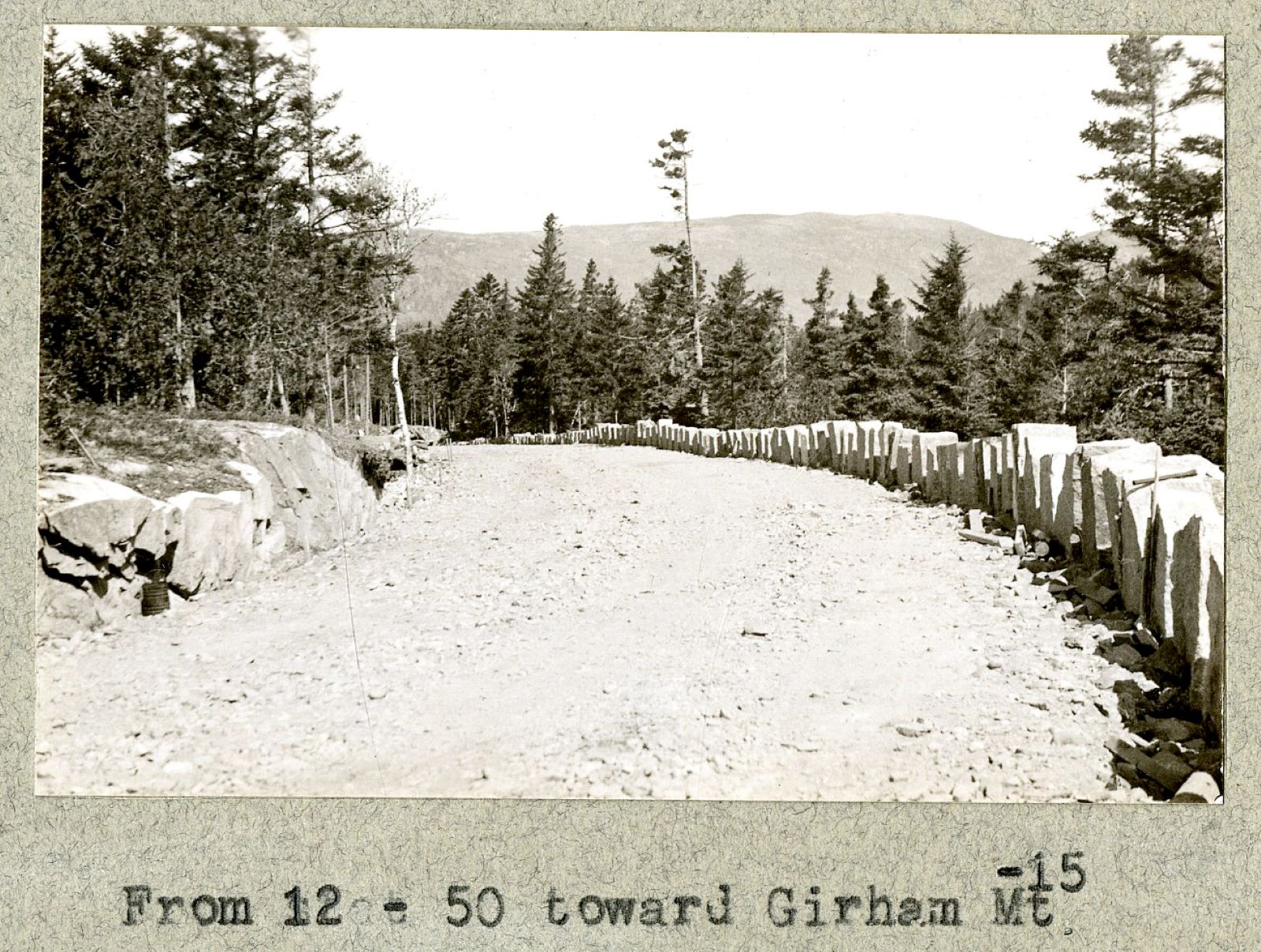
Park Guide
Acadia National Park: Carriage Roads, Cadillac Mountain & 2026 Guide
Discover carriage roads, Cadillac Mountain, and rugged Maine coast. Complete 2026 guide to Acadia National Park — trails, fees, lodging, permits, and what rangers recommend.
Hiking Guide
Grand Canyon Hiking Trails: Day Hikes, Water Sources & Rim to Rim
Compare Grand Canyon hiking trails: Bright Angel, South Kaibab, Hermit, Grandview, and rim to rim, with distances, elevation, water stops, and trailhead access for each.
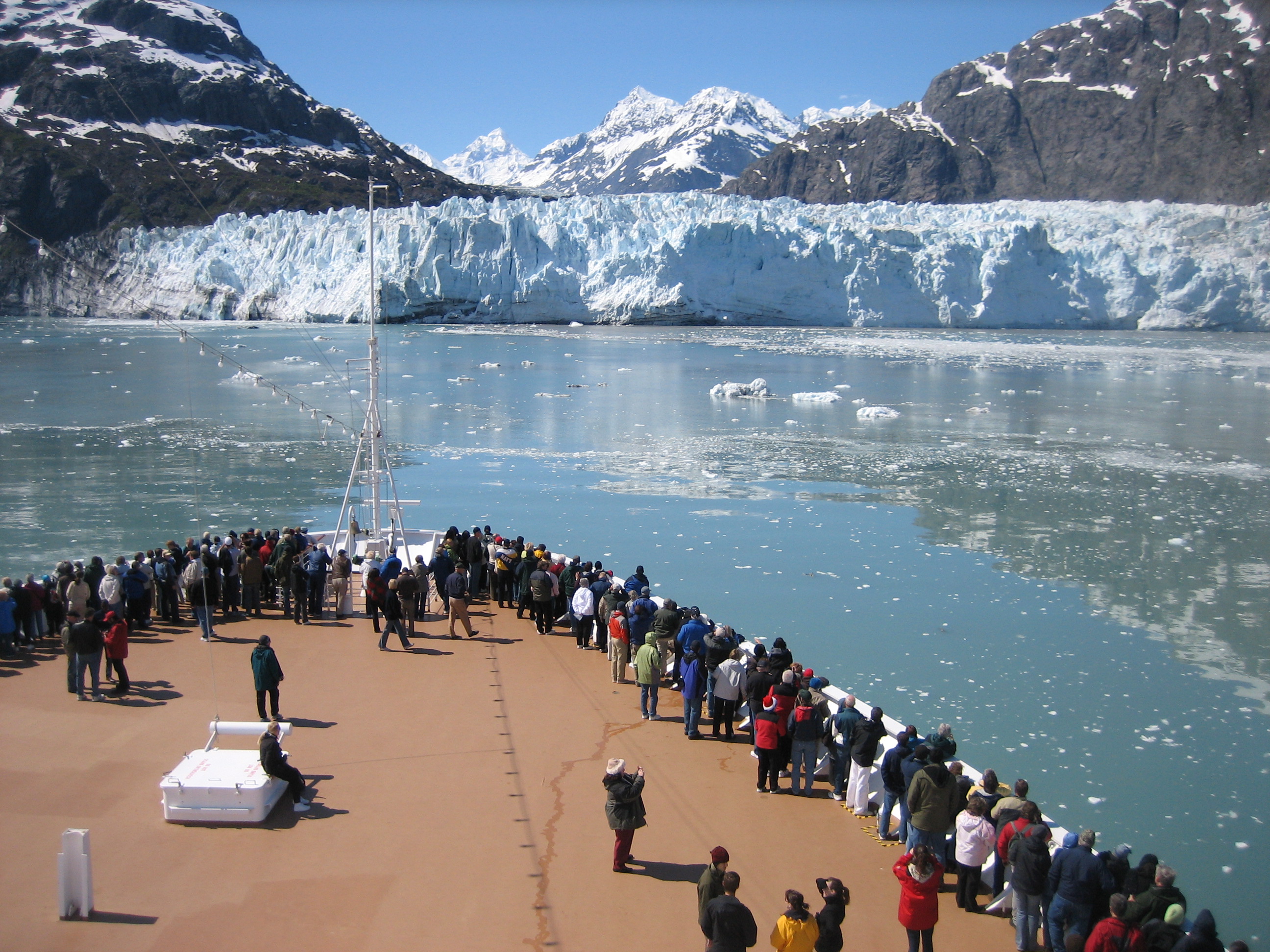
Best Of
Best of Glacier Bay National Park
The best of Glacier Bay is reached by boat: ranger-led day tours up the bay to the tidewater glaciers. What's worth it, how to book, and when to go (2026).
Campsite Guide
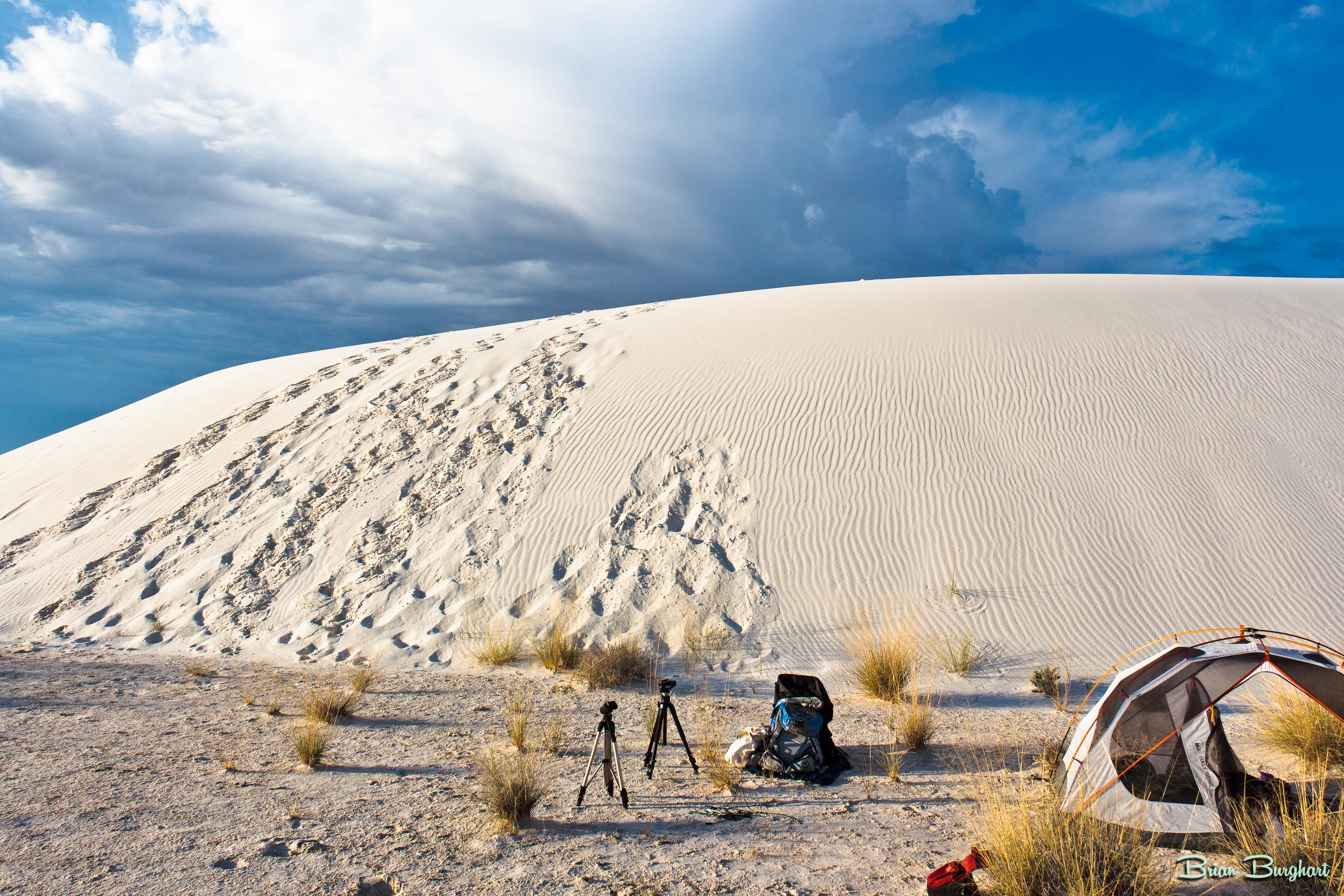
White Sands Backcountry Camping: Closed for 2026 — What to Know
As of 2026, backcountry camping at White Sands National Park is closed for site rehabilitation. What that means, and where to camp nearby instead.
Weather Guide
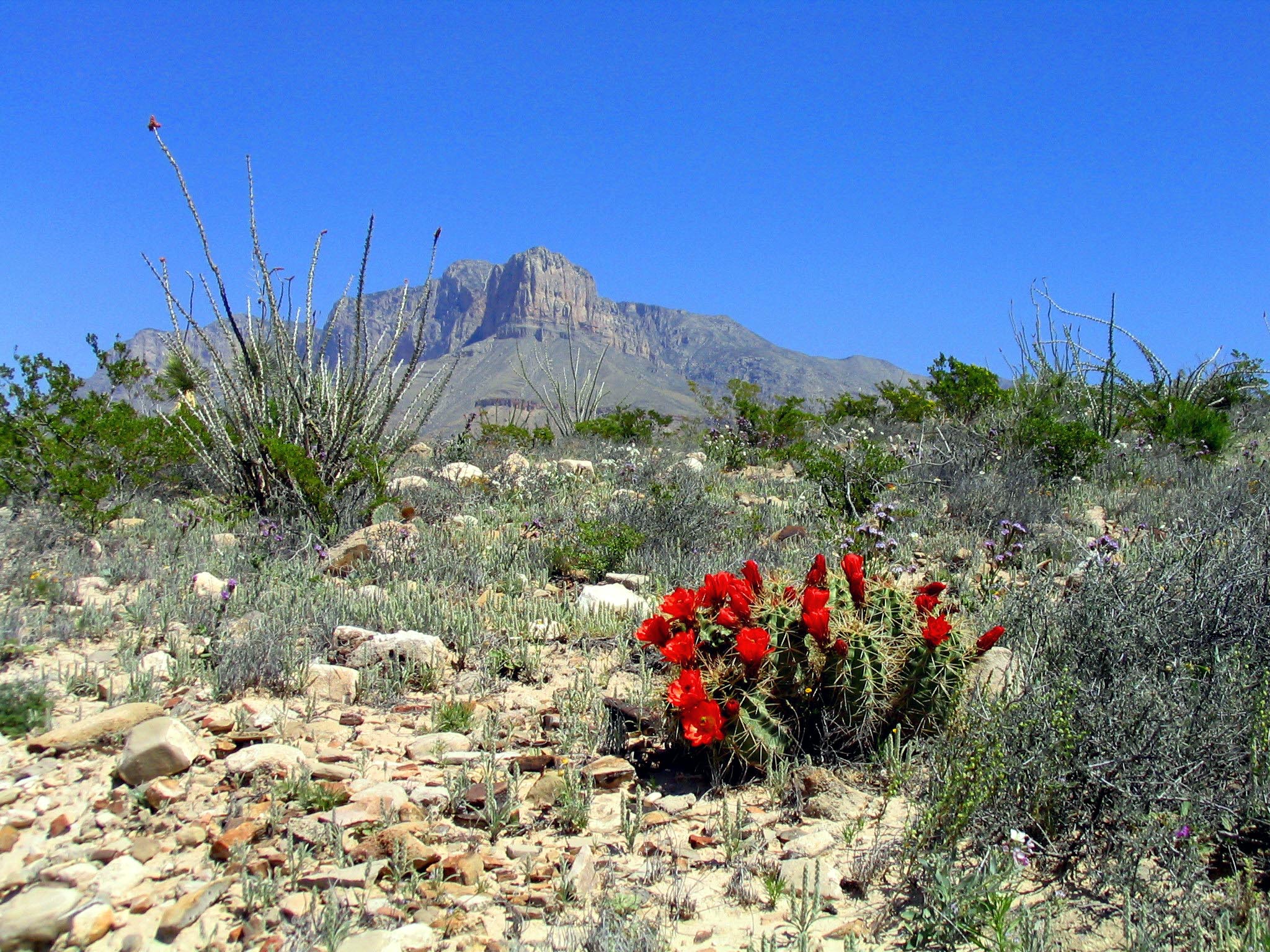
Guadalupe Mountains National Park Weather: Weather
Guadalupe Mountains National Park: weather guide guide updated 2026. Practical visitor information, reservations, and seasonal tips worth bookmarking before
Best Of
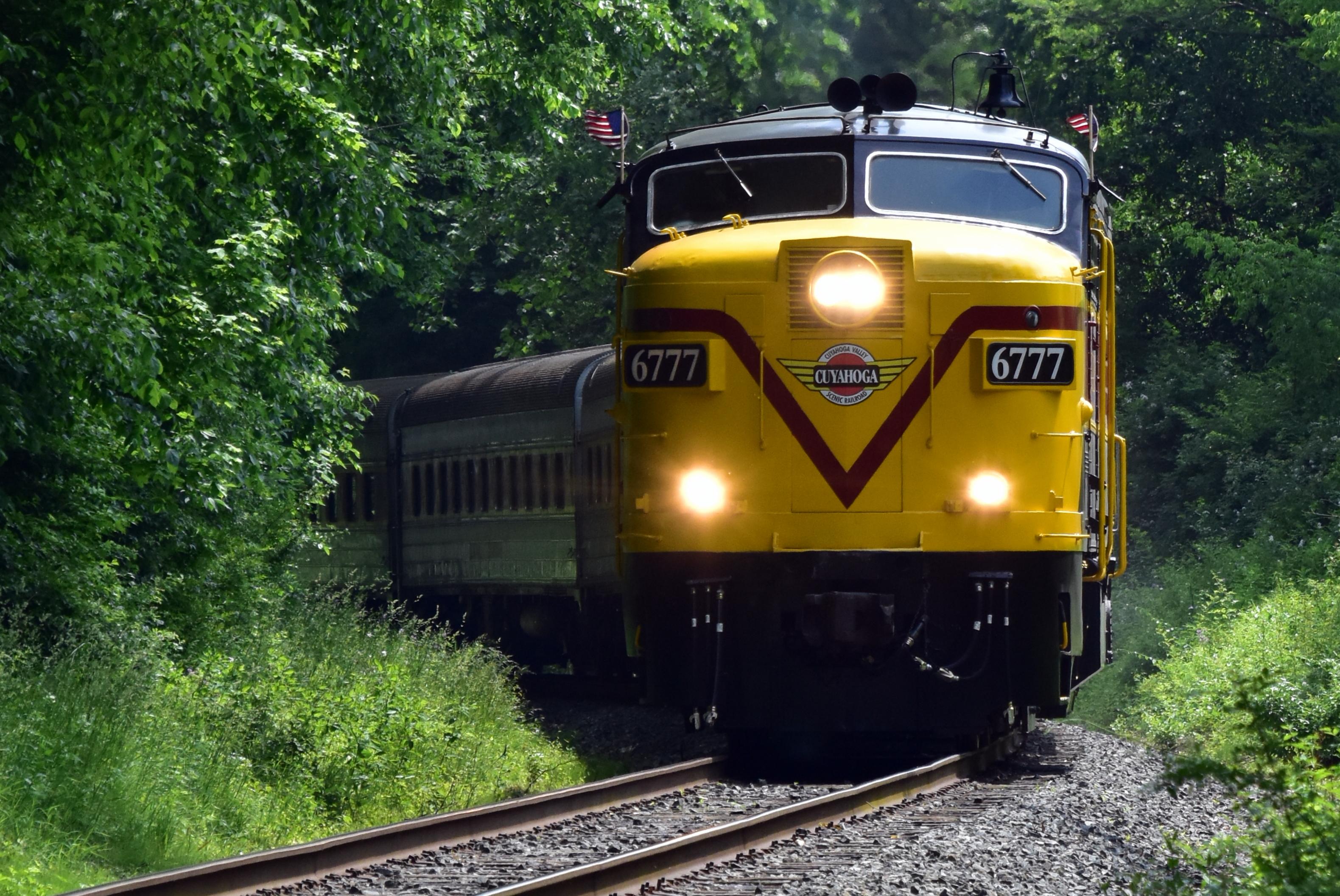
Best of Cuyahoga Valley National Park: Best Things to Do
Seeing a Cleveland Orchestra concert with the woods as your backdrop is a uniquely Cuyahoga Valley experience.
Sign in to join the conversation.
Sources & Attribution
Location data courtesy of the National Park Service (U.S. Department of the Interior). NPS data is public domain. Official NPS page.
Images: NPS; NPS; NPS; NPS; NPS.
Map data © OpenStreetMap contributors.
Park operations alerts: NPS.gov · Weather and weather hazards: National Weather Service · Live conditions.
Information may change. Always verify fees, hours, and conditions directly with the official source before visiting.
Did this guide help? Share it with a friend.