Book your bus tickets for Denali at least three months in advance - they sell out by mid-May for the entire summer. Once you are inside the park with kids, the single most important piece of gear they will have on their feet. The right pair of denali kids hiking shoes determines whether your family makes it to the Eielson Visitor Center or turns back at the Savage River trailhead because someone's feet hurt.
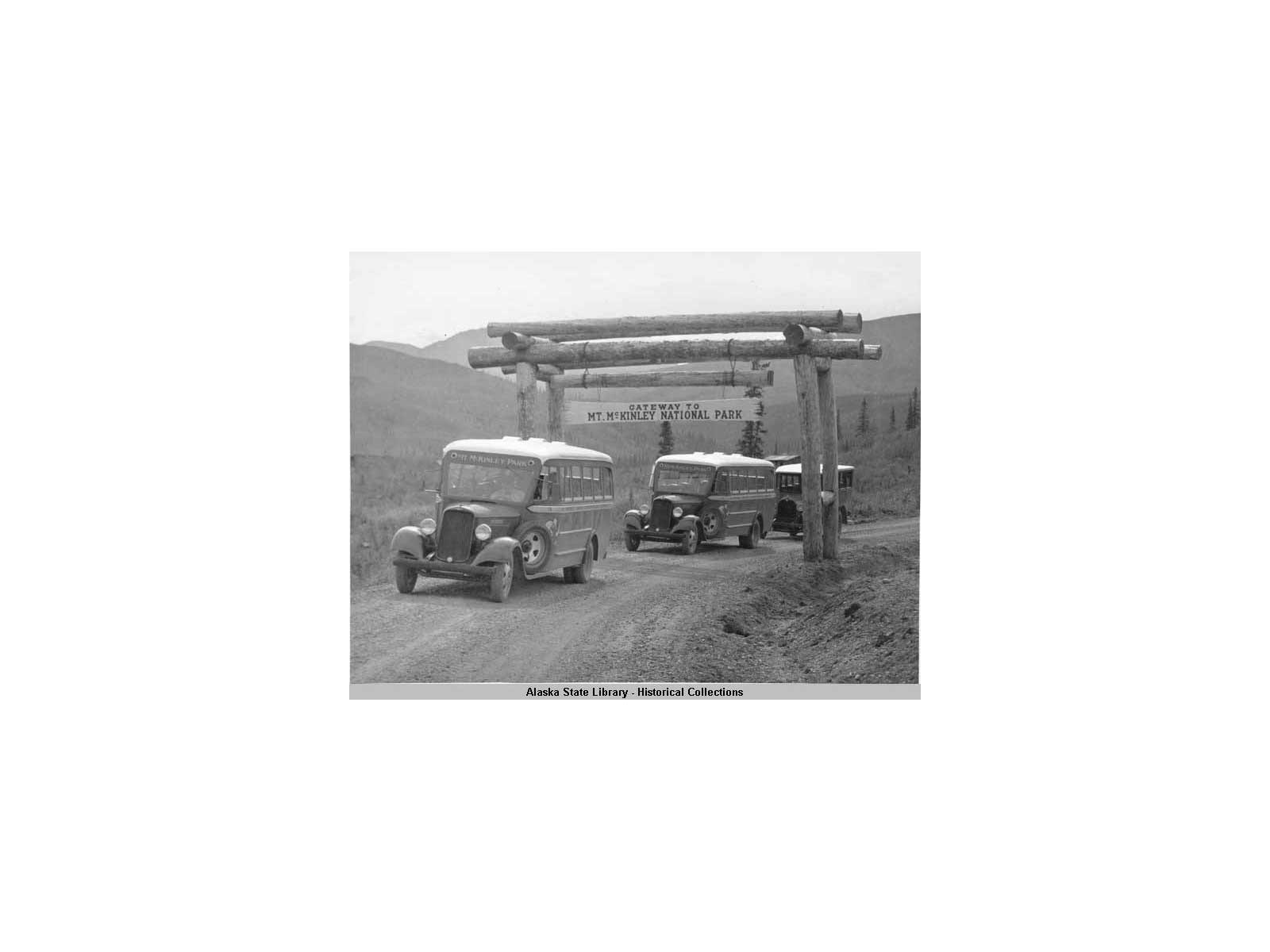
NPS via NPS.gov (Public Domain)
Denali National Park Gear Guide: Denali Kids Hiking Shoes
8 min read
Gear Guide
Denali kids hiking shoes matter: kids log 3-5 miles daily on tundra and gravel trails. Book park bus tickets 3 months ahead—they sell out by mid-May (2026).
Most first-time visitors to Denali National Park underestimate how much walking their children will actually do. Between the bus stops, the short hikes to overlooks, and the time spent walking around visitor centers, kids log three to five miles on a typical day in the park. And that is on a mellow day. If you plan any of the family-friendly trails near the park entrance or along the road corridor, double that number. Your complete visitor guide to Denali should include footgear planning well before you pack.
Why Denali's Trails Demand Real Hiking Shoes for Kids
Denali is not a paved-walkway park. The maintained trails near the entrance - the Savage River Loop at 2 miles round trip, the Horseshoe Lake Trail at 1.3 miles, and the Taiga Trail at 0.75 miles - are gravel, dirt, and exposed roots. The surface changes from packed red dirt to loose rock about a quarter-mile into most of these trails. Kids in sneakers will slip. Kids in sandals will regret it by mile one.
The bigger issue is the terrain you access from the park road. The bus drops you at stops marked on the map, but the "trails" past the first few miles are largely unmaintained tundra paths. Walking on tundra is like walking on a mattress covered in ankle-high shrubs. Your foot does not land flat. Every step requires ankle stability and a sole that grips irregular surfaces. This is where cheap sneakers fail and proper denali kids hiking shoes earn their keep.
Rangers at the visitor center will tell you the same thing every summer: blisters and rolled ankles are the number one reason families cut their bus trips short. The terrain is uneven in ways that are hard to explain until you are standing on it. A child in shoes without good ankle support and stiff enough soles to handle rocks will start complaining around mile two of any given hike.
What the Park Website Doesn't Mention About Footing
The official Denali website describes trails as "moderate" and "natural surface." What this actually means: stretches of embedded river rock the size of your fist, sections of exposed tree root that form natural staircases with inconsistent rise heights, and patches of mud that stay wet well into August. The park gets about 17 inches of precipitation annually, but that includes significant snowfall that melts into trail soup during June.
Cell service drops out at approximately mile 3 of the park road and does not return until you are back at the entrance. If a child's shoe fails - a sole detaches, a lace breaks, a blister forms - you are dealing with it on the bus or on the trail. There is no stepping into a gear shop halfway through your day.
What to Look for in Kids Hiking Shoes for Denali
Traction That Bites Into Loose Surfaces
The soles on kids hiking shoes for Denali need lugs at least 3-4 millimeters deep. Shallow street-shoe tread will not grip the gravel wash that covers sections of the Savage River Loop. Look for Vibram or similar rubber compounds - they maintain grip on wet rock, which matters during the frequent afternoon rain showers that roll through the park between 2 and 4 PM.
The common mistake - and almost every parent makes it - is buying shoes with aggressive tread but no edge control. Kids step on the sides of rocks as often as the tops. A sole that wraps slightly up the edge of the shoe gives better purchase on uneven terrain.
Toe Protection Is Non-Negotiable
Kids kick rocks. It is what they do. In Denali, those rocks are often sharp schist and fractured granite from glacial moraines. The toe bumper on any hiking shoe for Denali should be stiff enough that you cannot easily compress it with your thumb. A child who stubs their toe on a tundra rock with a soft-toed sneaker will have a bad afternoon. With a proper hiking shoe, they shake it off and keep walking.
Ankle Support: How Much Is Enough?
This is the debate that splits parents. Low-cut trail runners versus mid-height boots. For Denali specifically, the answer depends on what you are doing.
If you are sticking to the maintained trails within the first 15 miles of the park road - Savage River, Horseshoe Lake, Mountain Vista - low-cut hiking shoes with good soles are sufficient. The trails are compacted enough that ankle roll risk is moderate.
If you are taking the bus beyond the Savage River checkpoint to Polychrome Pass or the Eielson area, step up to a mid-height shoe or boot. The tundra walking requires more lateral stability. Your child's ankle works harder with every step on the uneven ground. The extra inch of ankle coverage makes a measurable difference in fatigue by the end of a five-hour bus day.
Waterproofing: Yes or No?
Denali's summer weather averages 50-65°F in July, with rain occurring on roughly half the days. Waterproof shoes keep feet dry through puddles and stream crossings. They also make feet sweat more, which can cause blisters on warm days.
The practical compromise: buy shoes with a waterproof membrane (Gore-Tex or similar) and pair them with merino wool blend socks. The wool wicks moisture away from the skin even when feet sweat, and the waterproof layer keeps external water out. This combination works across Denali's full temperature range. A child in cotton socks and non-waterproof sneakers will have wet feet by 11 AM on any given day.
Specific Recommendations for Kids Shoes at Denali
Keep an eye out for shoes with the following features when shopping for Denali:
- Outsole: Vibram or similar with 3.5mm+ lugs
- Toe rand: Rubber wrap covering at least the front quarter of the shoe
- Closure: Quick-lace systems for smaller children who cannot tie their own shoes reliably; traditional laces for older kids who can
- Weight: Under 12 ounces per shoe for anyone under age 10. Heavy boots exhaust small legs.
The trail narrows here to a practical point: do not buy shoes a month before your trip and expect them to work. Kids should wear their hiking shoes for at least two weeks of regular use before stepping onto Denali's trails. This breaks in the shoes and exposes fit issues while you are still at home with replacement options.
Sizing Strategy for Growing Kids
Parents typically buy hiking shoes one size too large for kids to "grow into." This is a mistake for Denali. A shoe that is too big allows the foot to slide forward on downhills, jamming toes into the front of the shoe. On the moderate downhill grades of the Savage River Loop, this causes enough discomfort that children will refuse to walk.
Buy shoes that fit with a thumb's width of space between the longest toe and the shoe's end. Wear the exact socks your child will hike in - thin liner socks under medium-weight wool socks is the standard Denali combo. Check fit at the end of the day when feet are slightly swollen.
What to Do If Your Child Is Between Sizes
This happens every season. A child grows out of their spring sneakers two weeks before the Denali trip. Do not panic: the NPS allows bus passengers to remain on the bus at stops if someone in the group is having foot trouble. You can ride through the entire park road to Kantishna and back without setting foot on a trail if needed.
That said, rangers will tell you the best family experiences happen when you get off the bus. The views from the Polychrome Overlook, the wildlife viewing on the tundra near Sable Pass, the short walk to the Eielson Visitor Center overlook - these justify the shoe investment. From this overlook you can see Denali itself on clear days, rising 20,310 feet above the surrounding landscape, and the trail to the viewpoint is a half-mile round trip on a packed gravel path that any reasonable shoe can handle.
Packing for Foot Care on the Trail
Pack extra socks for every family member. Three pairs per person per day is not excessive. The bus has storage underneath, and you can swap socks at rest stops. Wet socks cause blisters faster than any shoe issue.
Bring moleskin or blister patches in your day pack. Apply them at the first hint of hot spots - do not wait until blisters form. The moment a child says "my shoe is rubbing" is the moment to stop and treat the spot.
The parking situation here at the Denali Visitor Center lot fills by 9 AM in July. Park in the overflow lot if needed and walk the extra quarter-mile to the shuttle pickup. That walk itself is a good test of your children's footwear for the day.
Practical Takeaways
- Buy shoes with aggressive, deep-lug soles. Shallow street tread will slip on gravel and wet rock.
- Get a stiff toe bumper. Kids kick rocks constantly in Denali. Soft toes lead to bruised feet.
- Consider mid-height boots if going beyond Savage River. The tundra terrain demands ankle support.
- Waterproof membrane plus wool socks. This combination handles Denali's rain reliably.
- Two-week break-in period minimum. New shoes cause blisters. Wear them at home first.
- Proper fit, not "room to grow." A thumb's width at the toe. No more.
- Pack three pairs of socks per person per day. Swap at rest stops. Moleskin at the first hot spot.
Final Thoughts
Denali is not a park where footwear choices are optional. The terrain, the weather, and the distance from gear replacement options all demand that every family member has shoes specifically chosen for the conditions. Children's feet blister faster than adults', and a child whose feet hurt will remember the trip for the wrong reasons.
The $60-90 you spend on proper kids hiking shoes is the cheapest insurance you can buy for a successful Denali trip. Skimp on other gear if you must. Do not skimp on what your kids walk in. Their feet are what will carry them up onto the tundra, across the gravel bars, and back to the bus in time for the last shuttle of the day. Get the shoes right, and the rest of the trip falls into place.
For more information, see our complete Denali National Park Guide.
Sources
- Official source: NPS — Denali National Park nps.gov/dena/index.htm
More to Explore
Park Guide
Acadia National Park: Carriage Roads, Cadillac Mountain & 2026 Guide
Discover carriage roads, Cadillac Mountain, and rugged Maine coast. Complete 2026 guide to Acadia National Park — trails, fees, lodging, permits, and what rangers recommend.
Hiking Guide
Grand Canyon Hiking Trails: Day Hikes, Water Sources & Rim to Rim
Compare Grand Canyon hiking trails: Bright Angel, South Kaibab, Hermit, Grandview, and rim to rim, with distances, elevation, water stops, and trailhead access for each.
Best Of
Best of Glacier Bay National Park
The best of Glacier Bay is reached by boat: ranger-led day tours up the bay to the tidewater glaciers. What's worth it, how to book, and when to go (2026).
Campsite Guide
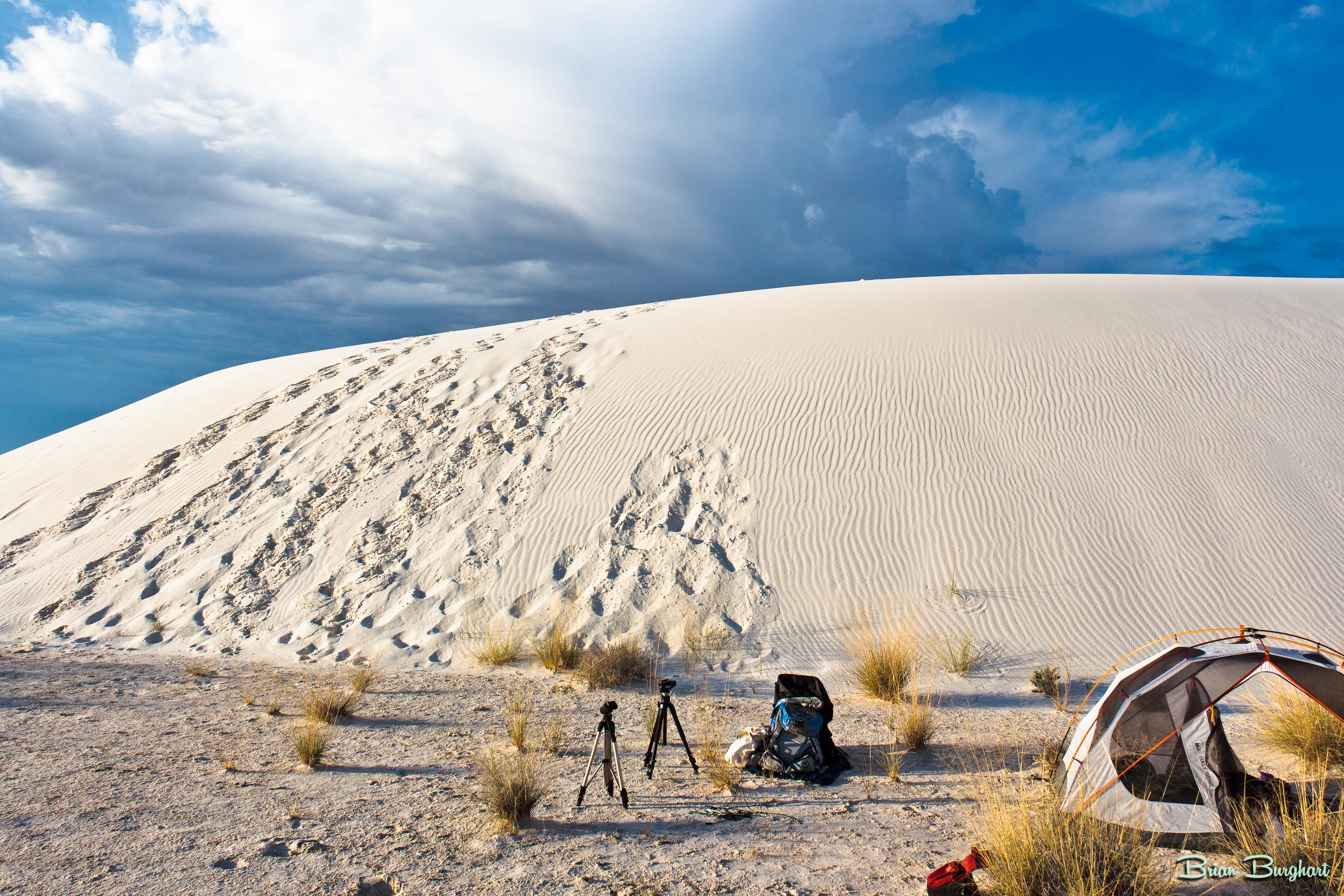
White Sands Backcountry Camping: Closed for 2026 — What to Know
As of 2026, backcountry camping at White Sands National Park is closed for site rehabilitation. What that means, and where to camp nearby instead.
Weather Guide
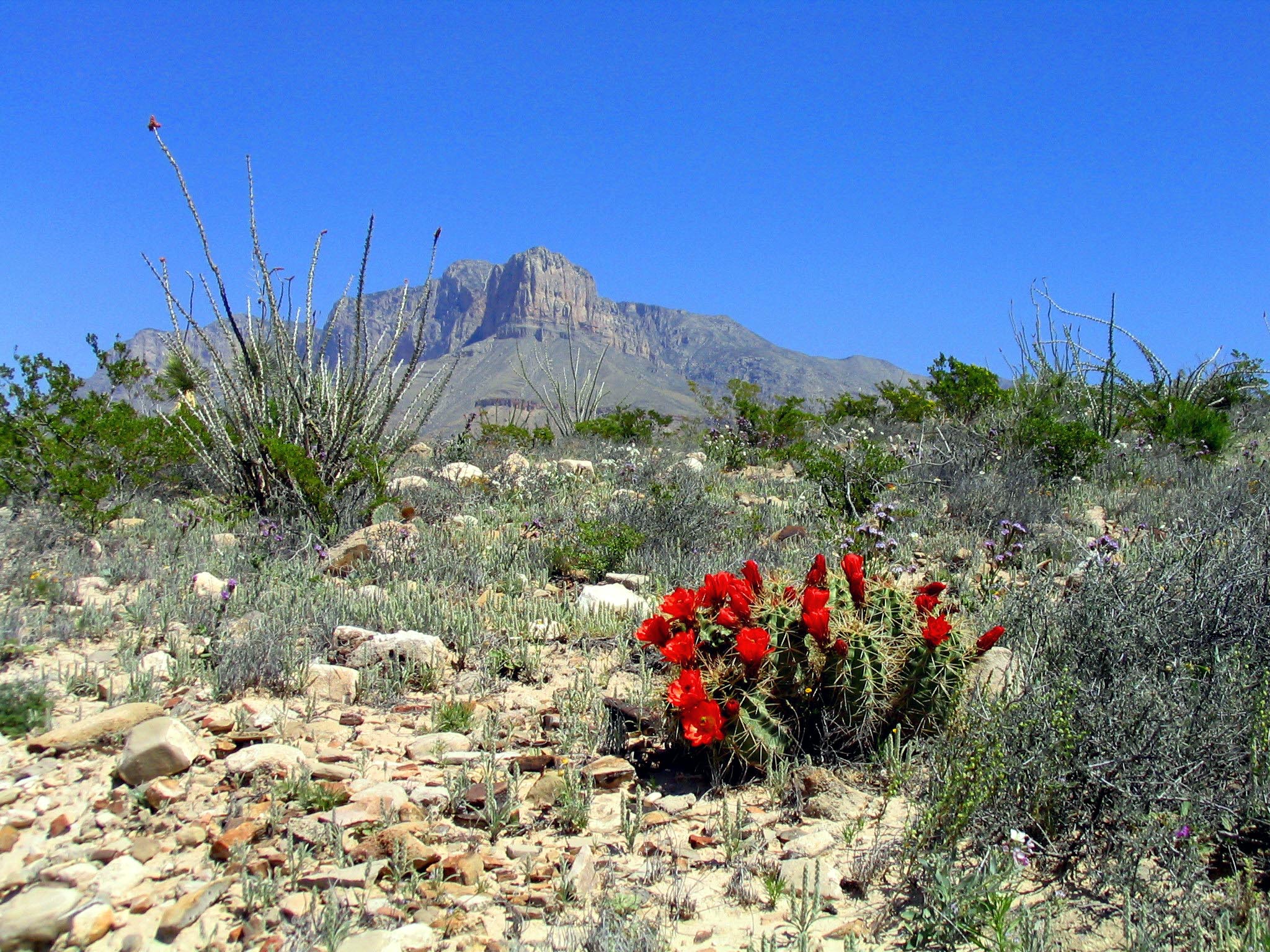
Guadalupe Mountains National Park Weather: Weather
Guadalupe Mountains National Park: weather guide guide updated 2026. Practical visitor information, reservations, and seasonal tips worth bookmarking before
Best Of
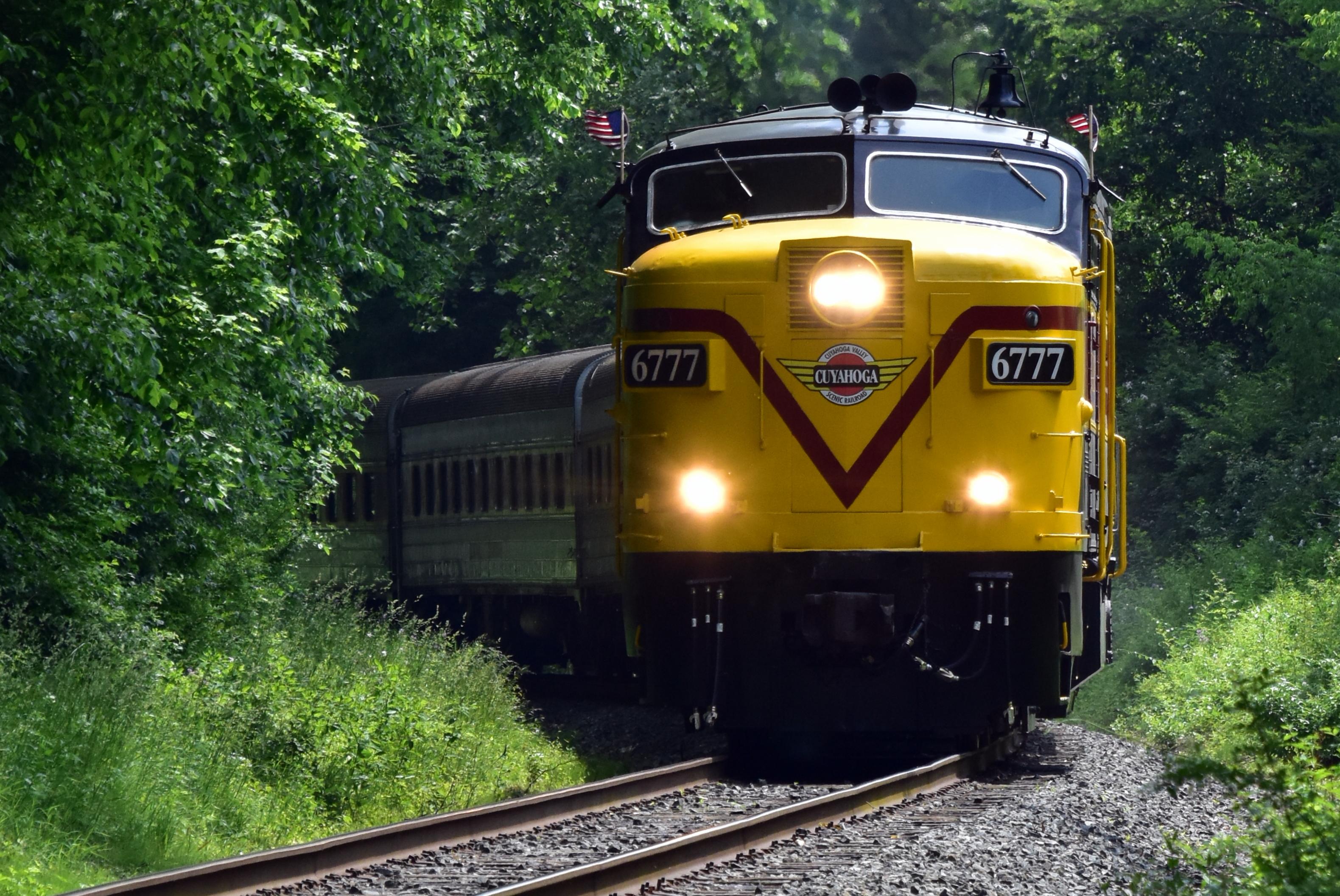
Best of Cuyahoga Valley National Park: Best Things to Do
Seeing a Cleveland Orchestra concert with the woods as your backdrop is a uniquely Cuyahoga Valley experience.
Sign in to join the conversation.
Sources & Attribution
Location data courtesy of the National Park Service (U.S. Department of the Interior). NPS data is public domain.
Images: NPS.
Map data © OpenStreetMap contributors.
Park operations alerts: NPS.gov · Weather and weather hazards: National Weather Service · Live conditions.
Information may change. Always verify fees, hours, and conditions directly with the official source before visiting.
Did this guide help? Share it with a friend.