The first thing you notice is the air. It's thick, carrying the scent of damp earth and decaying leaves, and it settles on your skin the moment you step from your car. This is the baseline reality of Congaree National Park weather. The park's entire identity is tied to a floodplain, a fact that dictates everything from trail conditions to mosquito populations. The official forecast for Columbia, South Carolina, will give you a general idea, but the microclimate under this dense canopy of old-growth hardwoods operates by its own rules. Humidity is a constant companion, and water levels in Cedar Creek and the Congaree River are more important to your visit than the temperature.
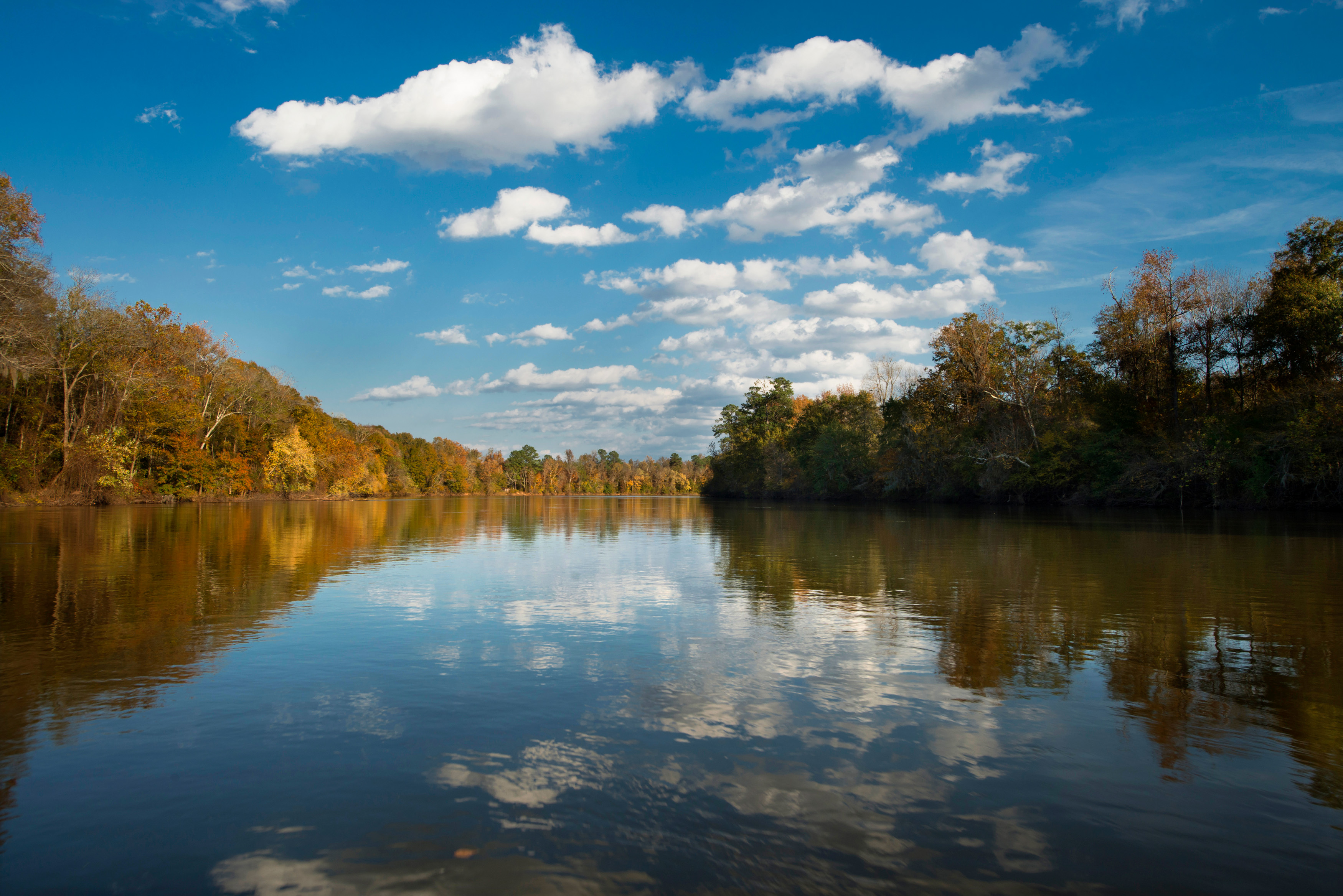
NPS via NPS.gov (Public Domain)
Congaree National Park Weather: Weather
8 min read
Weather Guide
Congaree's weather is defined by its floodplain, not just forecasts. Our 2026 guide explains humidity, water levels, and the park's unique microclimate.
For more, see camping options.
The Weather Reality
The single most important climatic truth here is that the ground is often wet, and sometimes it's underwater. This isn't a park with dry, dusty trails. It's a dynamic floodplain where the rivers act as a seasonal heartbeat, pulsing water across the forest floor. Most first-time visitors are caught off guard by how quickly conditions can shift from a firm path to a shallow pond. A sunny day in the region doesn't guarantee dry footing in the park; water moves slowly through this landscape.
What the regional forecast misses is the localized flooding risk. Rangers will tell you to check water levels for Cedar Creek and the Congaree River before you even think about packing your hiking boots. A rainstorm fifty miles upstream can change trail accessibility here within hours, with little to no warning. The park's famous boardwalk exists for a reason - it's your guaranteed route when the forest floor becomes a temporary lake. The humidity under the dense canopy also routinely feels 5-10 degrees warmer than the open-field temperature listed on your weather app, and it turns the park into a prime habitat for insects from spring through fall.
Month by Month
Congaree's seasons are less about temperature extremes and more about water levels, bugs, and canopy cover. Crowds are generally light compared to major western parks, but they peak during dry, comfortable windows.
January - February
Temperatures range from highs in the 50s to lows dipping into the 30s. Occasional frosts occur. Precipitation is moderate, often as cold rain.
What's happening: This is the dry season relative to the rest of the year. Water levels are typically at their lowest, opening up more of the backcountry trails like Oakridge and Kingsnake for exploration. The leafless canopy allows more light to reach the forest floor.
The trade-off: It's the best time to avoid mosquitoes, hands down. The cold-blooded insects are dormant. The bare trees also offer clearer views of the towering tree structure. However, it can be damp and chilly, and winter rains can still cause sudden flooding. The park is open 24 hours, but days are short.
Trail note: Low water means less mud. It's the most reliable time for hiking off the boardwalk without needing waterproof boots.
March - May
A period of rapid transition. Highs climb from the 60s into the 80s by May, with lows in the 40s-60s. Spring rains are frequent.
What's happening: The forest wakes up. Wildflowers bloom on the higher ground, and the canopy greens out dramatically in April. This is prime birding season as migratory species pass through. Water levels begin to rise with seasonal rains.
The trade-off: The scenery is vibrant, but so are the mosquitoes. They emerge in force as temperatures rise. Humidity becomes noticeable. Crowds increase on pleasant weekends. Rangers start emphasizing flood checks more frequently.
Key detail: The park has historically implemented early closures (like 4:30 PM) in mid-May for operational reasons, so always verify hours before visiting in spring.
June - September
Summer is intense. Highs consistently reach the 90s, with oppressive humidity making it feel well over 100. Lows only drop to the 70s. Afternoon thunderstorms are a near-daily occurrence.
What's happening: This is the true floodplain experience. Water levels can be high, confining many visitors to the boardwalk. The forest is a dense, green tunnel. Wildlife is active at dawn and dusk to avoid the heat.
The trade-off: Hiking at midday is strenuous and uncomfortable. Heat illness is a real risk. Mosquitoes are at their peak - bug spray is non-negotiable. However, summer storms create a powerful atmosphere under the canopy, and the park is lush and alive. Crowds thin out due to the heat.
Essential advice: Your entire day revolves around the weather. Plan vigorous activity for early morning. Be off trails before afternoon thunderstorms roll in.
October - December
The most popular time to visit. October highs are in the 70s-80s, dropping to 50s-60s by December. Rainfall decreases. First frosts typically arrive in late November or December.
What's happening: Falling water levels and retreating mosquitoes make for excellent hiking conditions. Fall color is subtle here - more gold and brown from the cypress and tupelo than fiery reds. The understory begins to die back, improving visibility.
The trade-off: Weather is generally ideal, so expect more visitors on weekends. Mornings can be foggy, burning off by mid-morning. By late December, the insect-free, crisp conditions return, mirroring January.
Wildlife note: A great time for spotting white-tailed deer and observing bird activity as migration cycles again.
Best Times for Specific Activities
Your ideal month depends entirely on what you want to do.
For Hiking the Backcountry
Best: January - February. Low water levels provide the most reliable access to trails like Oakridge and Boggy Gut. The ground is firmest, and the lack of leaves offers better sightlines for navigation. GPS is mandatory on these trails, as the park alerts state, but winter makes following them less of a soggy ordeal.
For Wildlife Viewing
Best: March-May and October-November. Spring brings a burst of birdlife, including prothonotary warblers and barred owls. Alligators become more active as they bask in sunny spots along Cedar Creek. Fall offers another bird migration window and increased mammal activity as temperatures cool. Remember, this is home to wild cats (bobcats) and numerous reptiles - dawn and dusk are your best bets.
For Paddling Cedar Creek
Best: When water levels are "just right." This is less about a specific month and more about checking gauges. Water needs to be high enough to navigate without constantly dragging your canoe, but not so high that it's dangerously swift or the creek blends into the flooded forest. Late winter through early spring often provides this window, but it requires checking conditions right before your trip.
For Photography & Solitude
Best: Weekday mornings in summer, or any day in deep winter. Summer mornings offer dramatic light cutting through the humid air and steam rising from the boardwalk, with few other visitors braving the heat. Winter offers stark, beautiful images of giant trees against a grey sky, with no leaves to obscure their forms, and you'll likely have the place to yourself.
For Avoiding Insects
Best: December - February. This is your only guaranteed bug-free window. Outside of these months, treat your clothing with permethrin and carry DEET.
What to Pack by Season
Forget generic lists. Pack for humidity, water, and bugs.
All Seasons, No Exceptions:
* Waterproof hiking boots with good traction. The boardwalk can be slick with algae or morning dew, and any trail off it will involve mud or water.
* Multiple water bottles. There is no potable water on trails. The summer heat demands more than you think.
* A reliable GPS device or app with offline maps. Cell service is notoriously unreliable in the park, and as the alerts warn, it's necessary for navigating backcountry trails.
Spring & Fall Additions:
* Layered clothing. Mornings can be cool, afternoons warm. A light, long-sleeve shirt is useful for bug protection.
* Maximum-strength insect repellent. Mosquitoes are present.
* Rain jacket. Spring showers and fall storms are common.
Summer Necessities:
* Lightweight, moisture-wicking clothing. Cotton will stay wet all day.
* A wide-brimmed hat and sunglasses. The sun is intense when you're in open areas.
* Extra socks. Your feet will sweat, and wet socks lead to blisters.
* A small towel. For wiping sweat or drying a boardwalk bench after a rain.
* More water than you think you need. Double it.
Winter Additions:
* Insulating layers. The damp cold can seep in quickly when you stop moving.
* A warm hat and gloves. Especially for early morning or paddling trips.
* Traction devices for your boots aren't usually needed, but the boardwalk frost can be surprisingly slick.
What the Forecast Doesn't Tell You
- The flood gauge is your most important weather tool. The forecast says "sunny." The Cedar Creek gauge says "rising and approaching flood stage." Trust the gauge. Flooding happens fast here.
- Humidity amplifies all temperatures. A forecast of 85°F feels like 95°F under the still, dense canopy. Plan your exertion levels accordingly.
- Afternoon storms are a near-certainty in summer. They're not just a chance. They are a daily, predictable event. Schedule your hiking or paddling to finish by early afternoon.
- Boardwalk condition is weather-dependent. It can be covered in a slick layer of algae or morning frost, making footing tricky. It's also subject to closures for maintenance, like the partial closure noted in the 2026 alerts.
- Bug pressure has its own forecast. A warm, still day after a rain is peak mosquito territory. A breezy, cooler day offers relief. There's no app for this, but rangers at the Harry Hampton Visitor Center can give you the day's "bug report."
- Fog is a frequent morning visitor, especially near water and in cooler months. It can reduce visibility on your drive in and obscure views, but it often burns off by mid-morning, creating beautiful light effects.
- The canopy creates its own microclimate. It's often noticeably quieter, stiller, and muggier than the parking lot just a mile away. The weather you experience on the trail is not the weather you left at your car.
Practical Takeaways
- Check two things before you go: the standard weather forecast and the real-time water level for Cedar Creek/Congaree River. The water level dictates trail access more than anything else.
- Mosquitoes are a fact of life from March through November. Pack strong repellent and consider permethrin-treated clothing. The only guaranteed reprieve is winter.
- Your footwear choice is critical. Waterproof boots are recommended year-round. The terrain is consistently damp or muddy.
- Plan around afternoon thunderstorms in summer. Be off trails and away from water by early afternoon. Lightning is a real hazard under tall trees.
- Never rely on cell service for navigation or emergencies. It drops out consistently. Use a dedicated GPS device for any backcountry travel.
- The park is open 24 hours, but facilities are not. The Harry Hampton Visitor Center keeps standard 9-5 hours. Plan accordingly for restrooms, information, and your complete visitor guide.
- Season dictates experience. Want dry trails and solitude? Visit in winter. Want to see the lush, flooded forest alive with sound? Visit in summer, but prepare for heat and bugs. For a balance, target the shoulder months of April or October.
Understanding Congaree National Park weather is understanding that you are visiting a river system first and a forest second. The water calls the shots. Pack for wet feet, bring your bug spray, and always - always - check the gauge. For more on navigating the park itself, including hiking trails and camping options, plan to do some research on those specific topics as you finalize your trip.
For more information, see our complete National Park Guide.
Related: congaree national park guide
Related: congaree national park lodges guide
Sources
- Official source: NPS — Congaree National Park nps.gov/cong/index.htm
More to Explore
Park Guide
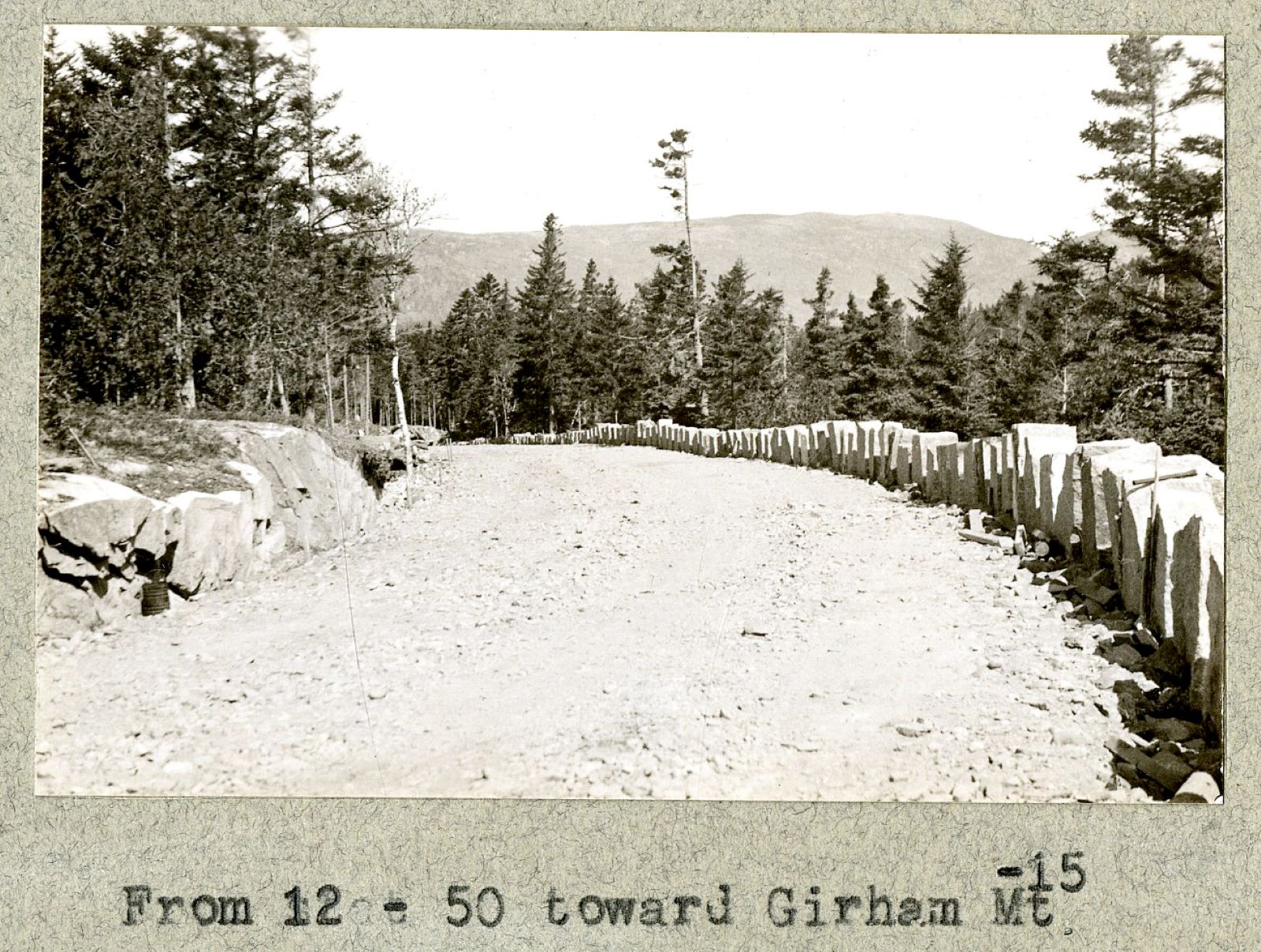
Acadia National Park: Carriage Roads, Cadillac Mountain & 2026 Guide
Discover carriage roads, Cadillac Mountain, and rugged Maine coast. Complete 2026 guide to Acadia National Park — trails, fees, lodging, permits, and what rangers recommend.
Hiking Guide
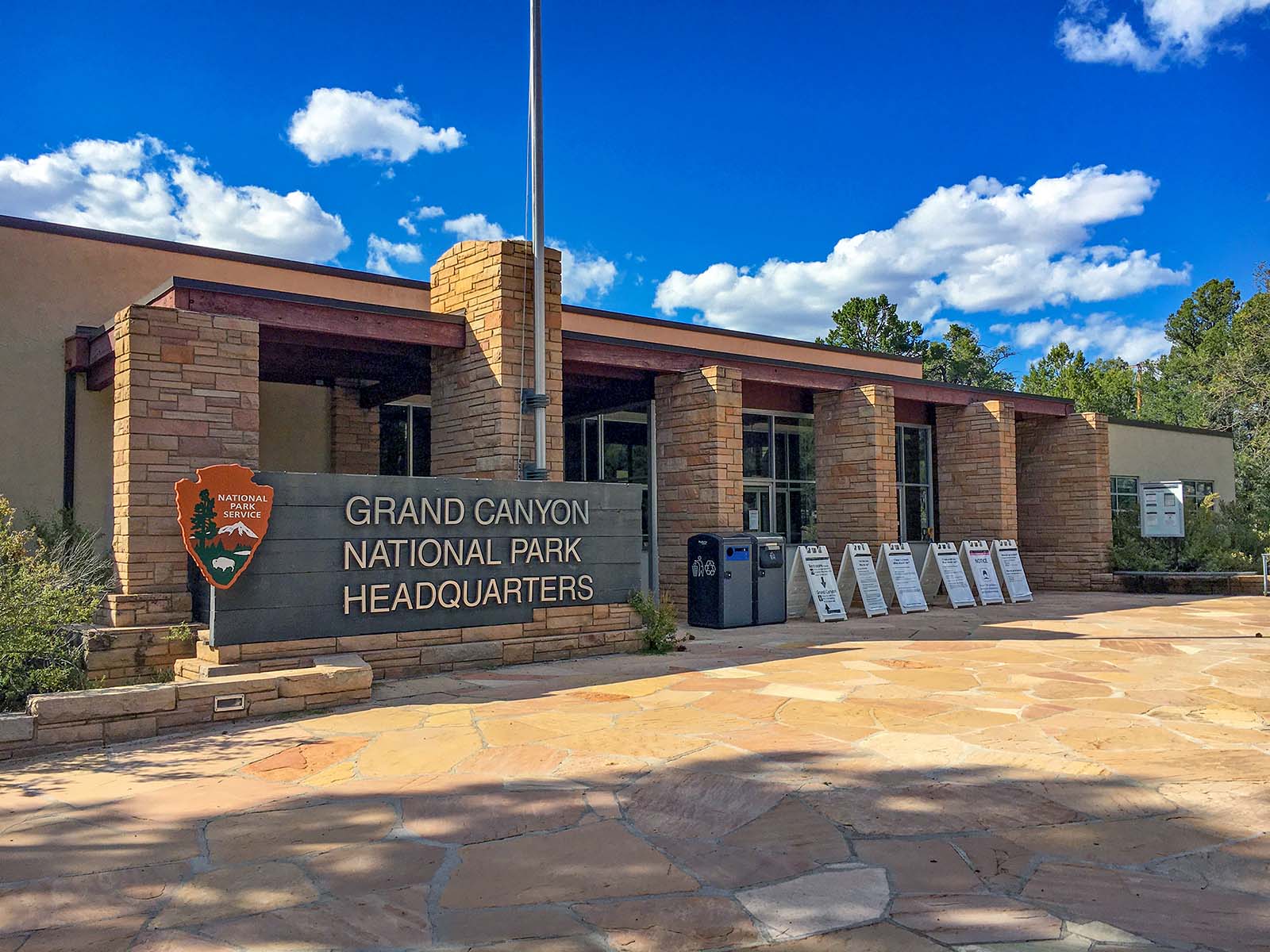
Grand Canyon Hiking Trails: Day Hikes, Water Sources & Rim to Rim
Compare Grand Canyon hiking trails: Bright Angel, South Kaibab, Hermit, Grandview, and rim to rim, with distances, elevation, water stops, and trailhead access for each.
Best Of
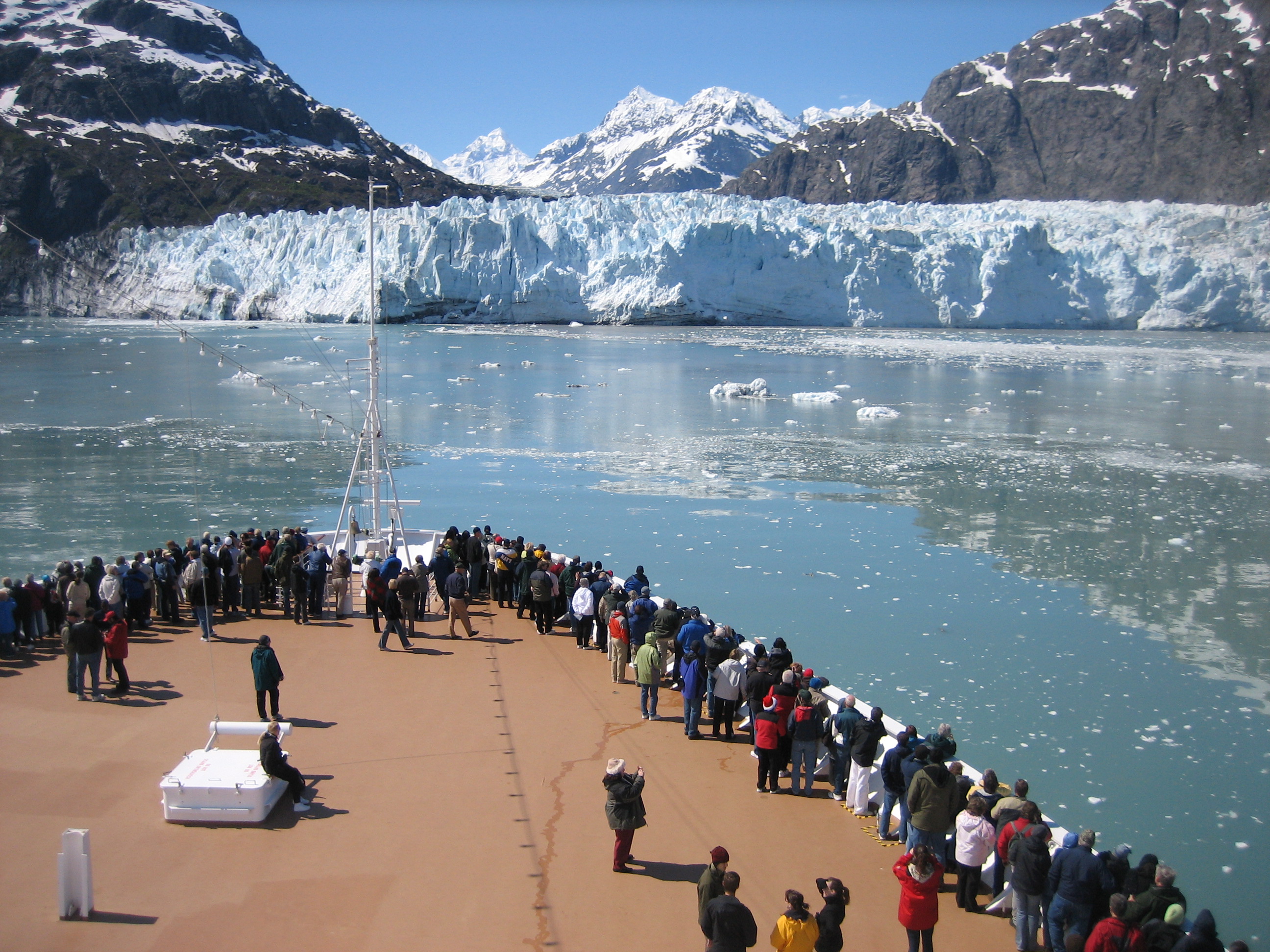
Best of Glacier Bay National Park
The best of Glacier Bay is reached by boat: ranger-led day tours up the bay to the tidewater glaciers. What's worth it, how to book, and when to go (2026).
Campsite Guide
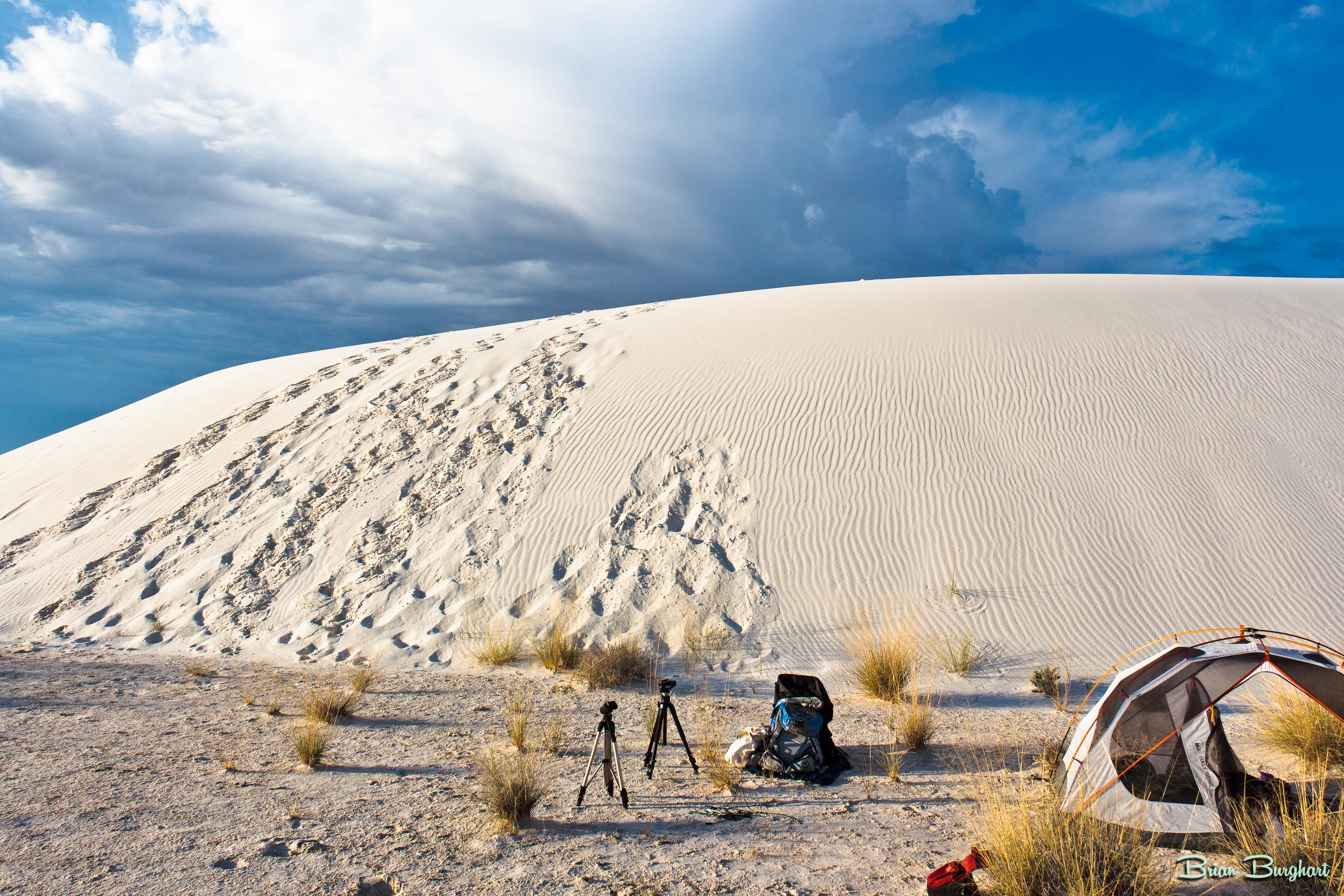
White Sands Backcountry Camping: Closed for 2026 — What to Know
As of 2026, backcountry camping at White Sands National Park is closed for site rehabilitation. What that means, and where to camp nearby instead.
Weather Guide
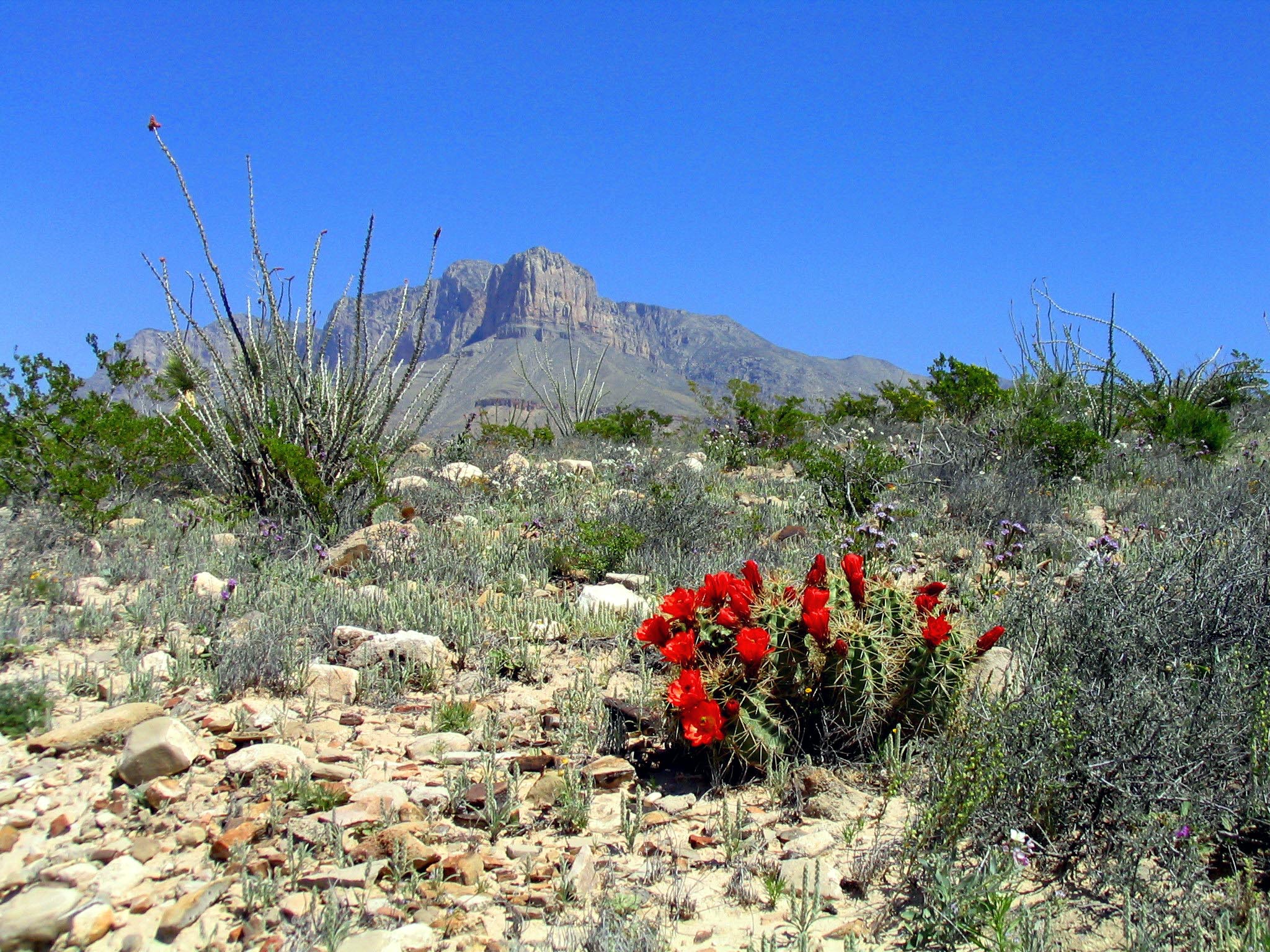
Guadalupe Mountains National Park Weather: Weather
Guadalupe Mountains National Park: weather guide guide updated 2026. Practical visitor information, reservations, and seasonal tips worth bookmarking before
Best Of
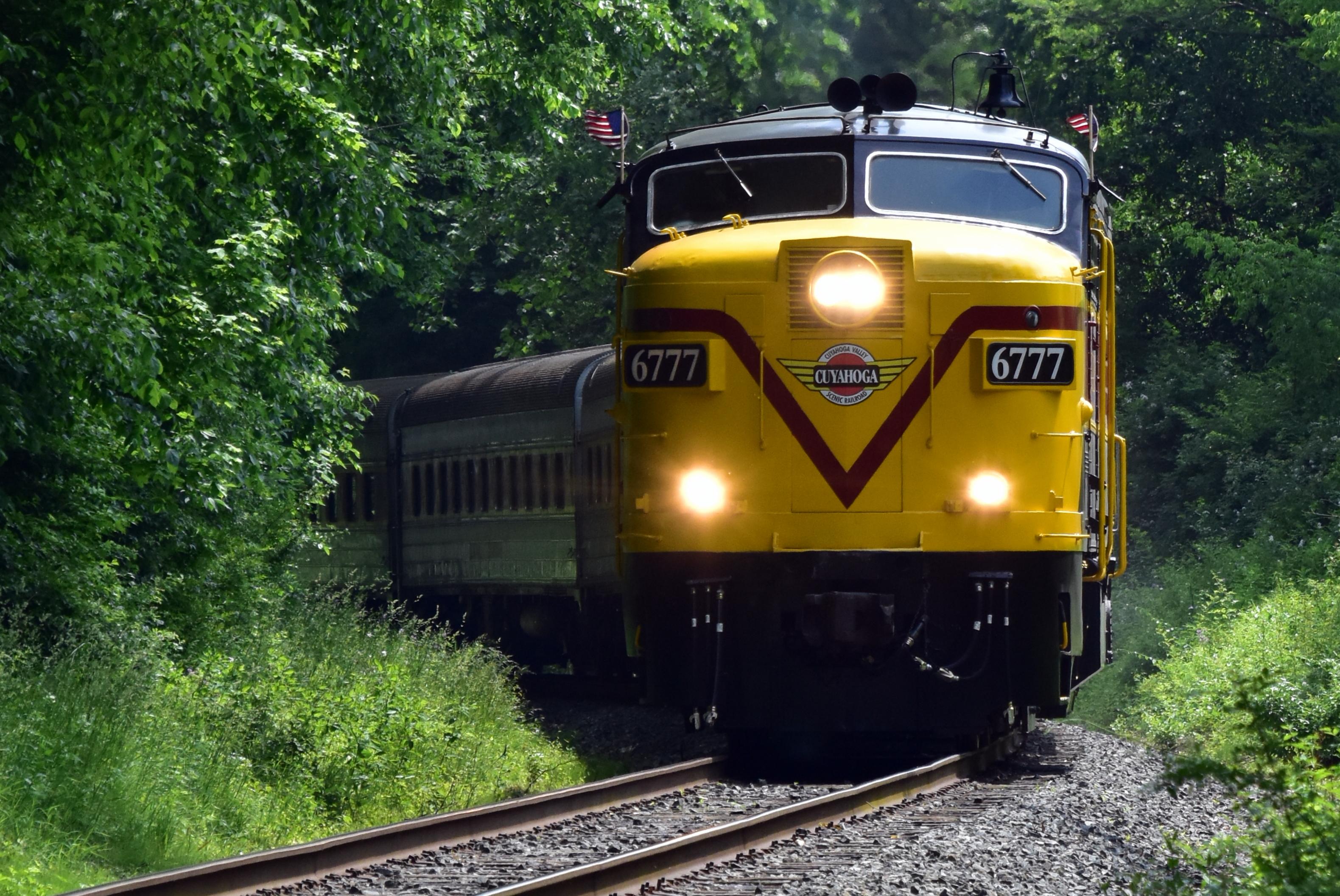
Best of Cuyahoga Valley National Park: Best Things to Do
Seeing a Cleveland Orchestra concert with the woods as your backdrop is a uniquely Cuyahoga Valley experience.
Sign in to join the conversation.
Sources & Attribution
Location data courtesy of the National Park Service (U.S. Department of the Interior). NPS data is public domain. Official NPS page.
Images: NPS.
Map data © OpenStreetMap contributors.
Park operations alerts: NPS.gov · Weather and weather hazards: National Weather Service · Live conditions.
Information may change. Always verify fees, hours, and conditions directly with the official source before visiting.
Did this guide help? Share it with a friend.