For visitors seeking a quieter alternative to Jenny Lake with full amenities and lake access, Colter Bay Visitor Center is the clear choice. Constructed in 1956 as part of the Mission 66 program, this historic structure serves as the park's northern gateway. Perched above Jackson Lake, its back deck offers a classic view of the Teton Range across the water. Beyond standard permits and information, the center houses the David T. Vernon Indian Arts Collection - artifacts unavailable elsewhere in the park. During my years with the service, we consistently recommended Colter Bay as the most practical starting point, particularly when construction elsewhere redirects traffic.
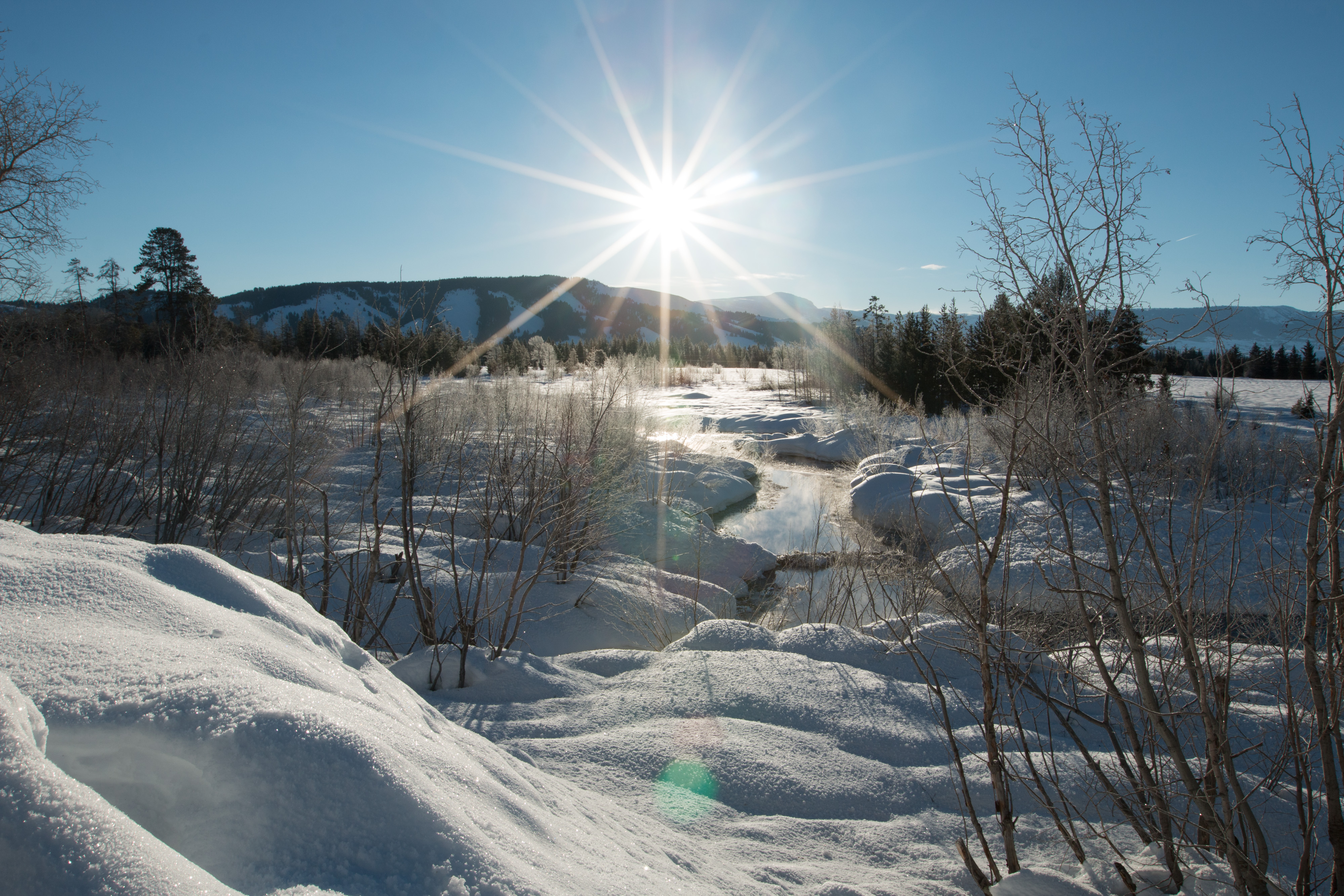
NPS via NPS.gov (Public Domain)
Colter Bay Visitor Center
9 min read
Places & Points of Interest
Discover Colter Bay Visitor Center: colter bay visitor center with our comprehensive guide. Expert tips, practical information, and insider knowledge.
Your plans
Quick Information
The Colter Bay Visitor Center is open daily from late May through late September. Hours typically run from 8:00 AM to 5:00 PM, but these can shift with the season. There is no separate entrance fee for the visitor center itself, but you must pay the Grand Teton National Park entrance fee to access the area. As of 2026, that's $35 per vehicle for a 7-day pass. The America the Beautiful annual pass covers this fee.
The center is fully wheelchair accessible, with paved paths to the building and accessible restrooms inside. Parking is in a large, paved lot that can fill by mid-morning in July and August. Cell service is notoriously spotty throughout the Colter Bay area - expect no signal near the lakeshore and intermittent service near the village. Restrooms are available inside the visitor center during operating hours.
Getting There
Colter Bay is located on the east shore of Jackson Lake in northwestern Wyoming. The GPS coordinates are 43.903172, -110.643504. From the south, take US Highway 26/89/191 north from Jackson. The turnoff for Colter Bay Village is about 25 miles north of the town of Jackson, clearly signed. From the north (Yellowstone), take the same highway south; the turnoff is approximately 8 miles south of the park's northern boundary at Flagg Ranch. The drive from Jackson Hole Airport takes about 45 minutes without traffic. The parking lot for the visitor center is the first large lot on your left after turning off the highway. If it's full, overflow parking is often available further into the village area, but that adds a 5-10 minute walk.

What to Expect
The scent of lodgepole pine greets you before Jackson Lake comes into view. Set within dense forest, the air carries warm pine resin mingled with the clean scent of lake water. The building exemplifies Mission 66 architecture: low-slung stone and timber construction designed to integrate with the landscape. Inside, thick walls and deep shade create a noticeable temperature drop - welcome relief on a summer afternoon.
The main room is dominated by the David T. Vernon Indian Arts Collection. Thirty-five artifacts are on display here, pieces that were never before shown to the public until this exhibit was created. It's not a huge museum, but the quality is exceptional. Look for intricate beadwork, quillwork, and clothing. The back deck is where you'll want to linger. The view is a straight shot across Jackson Lake to Mount Moran and the northern Teton Range. The lake's surface changes by the minute - glassy calm at dawn, choppy and blue by afternoon when the winds pick up.
First-time visitors often treat Colter Bay as a brief stop, but experienced park-goers use it as a base. The Hermitage Point Trailhead is a short walk away, the marina offers boat rentals downhill, and the lakeshore accommodates impromptu picnics. The atmosphere remains more relaxed than Jenny Lake's bustle - you'll hear trekking poles on trails, distant boat engines, and quiet conversation as visitors take in the view.
Top Attractions & Points of Interest
The David T. Vernon Collection
This is the centerpiece of the visitor center. The collection focuses on the artistic traditions of Plains and Plateau tribes. It's a quiet, contemplative space. Rangers emphasize that these are not merely historical objects but continuing artistic traditions. You'll see a fully beaded cradleboard, parfleche bags, and ceremonial attire. Most people spend 20-30 minutes here, but it's worth a slower look. The lighting is low to preserve the artifacts, so give your eyes a moment to adjust.
The Back Deck & Jackson Lake View
This is the operational heart of the visitor center for many. Rangers give informal talks here, visitors plot their next move over a map, and photographers wait for the light to change on Mount Moran. From this overlook, you can see the vast expanse of Jackson Lake, the forested shoreline of Elk Island, and the dramatic, glacier-carved profile of the Teton Range. It's an ideal orientation point. Early morning is your best bet for calm water and reflections.
Hermitage Point Trailhead
Located just a short walk from the visitor center parking lot, this is the launch point for several of the area's best hikes. The trailhead kiosk has current condition reports and a large map. You'll feel the transition immediately from the paved visitor area to a soft, duff-covered path under towering pines. This is your gateway to the Heron Pond - Swan Lake Loop Trail and the longer trek to Hermitage Point itself.
Colter Bay Marina & Lakeshore
A five-minute walk downhill from the visitor center brings you to the marina and the natural lakeshore. This is where the postcard view becomes a physical experience. The water is cold - snowmelt cold - even in August. People wade, skip stones, and launch kayaks. The marina offers tours and guided experiences, including scenic cruises and fishing charters. The gravel beach area is the best place in the complex to simply sit and watch the light play on the mountains.
Colter Bay Amphitheater
Tucked into the woods near the campground, this open-air amphitheater is the site for evening ranger programs throughout the summer. The topics range from geology and wildlife to the history of the dude ranches. It's a classic national park experience. Bring a camp chair or sit on the log benches. The sound of the ranger's voice mixes with the evening chatter of squirrels and the occasional distant loon call from the lake.

Activities
Hiking
The trail network from Colter Bay is extensive and generally flatter than the canyon routes further south. The Lakeshore Trail is an easy, 2-mile round trip that starts directly from the visitor center and follows the contour of Jackson Lake. For a slightly longer loop with excellent wildlife viewing potential, the Heron Pond - Swan Lake Loop is a 3-mile circuit that's mostly flat. The big hike is the 9.8-mile round trip to Hermitage Point, a secluded peninsula with non-stop views. The trail narrows here through marshy areas - watch for moose.
Boating and Water Activities
The Colter Bay Marina is the park's largest public marina. You can rent kayaks, canoes, and motorboats by the hour or day. A park permit is required for private vessels, which can be obtained at the visitor center. The water on Jackson Lake can become rough and windy in the afternoon; rangers recommend morning paddles for beginners. Guided scenic boat tours depart several times a day, offering a unique perspective of the Tetons from the water.
Wildlife Viewing
The mixed habitats around Colter Bay - forest, lake, marsh, and meadow - make it a productive area. Heron and Swan ponds are reliable for spotting moose, especially at dawn and dusk. Black bears forage in the berry patches along the trails (carry bear spray, always). The lakeshore attracts osprey and bald eagles. The most overlooked spot is the slow drive or bike along the lakeshore road at dusk; that's when elk often move down to the water.
Photography
The classic shot is from the visitor center deck at sunrise, with the first pink light hitting the peaks and reflecting in the lake. By mid-day, the light becomes harsh. Photographers seeking wildlife have better luck on the loop trails in the soft light of early morning. The marina at sunset, with silhouetted boats against an orange sky, is another reliable composition.
Seasonal Guide
The Colter Bay Visitor Center operates on a summer schedule. The complex essentially shuts down from late September through late May.
June: The center opens. Trails may be muddy with snowmelt, and mosquitoes emerge. Crowds are lighter than mid-summer. Wildflowers begin in the meadows.
July & August: Peak season. The visitor center is busy, the parking lot fills, and all services are open. Afternoon thunderstorms are common. This is the warmest time for swimming (though the water is still brisk).
September: The best time to visit. Crowds diminish significantly after Labor Day. The aspens turn gold, the air is crisp, and wildlife is more active. The center closes in late September. Always check the official website for the exact closing date.
Winter transforms the area into a silent, snow-covered landscape. The road is plowed to the junction, but the village is closed. It becomes a destination for cross-country skiing and snowshoeing, but you're on your own - no services, no restrooms, no running water.

Practical Information
Fees: Grand Teton National Park entrance fee applies: $35 per vehicle (7 days), $30 per motorcycle, $20 per person on foot/bike. Annual and interagency passes are accepted.
Permits: Backcountry camping permits and boat permits are issued at the visitor center. For popular backcountry sites, a reservation system is in place (www.recreation.gov).
Camping: The adjacent Colter Bay Campground has 324 sites for tents and RVs (no hookups) at $59 per night as of 2026. The Colter Bay RV Park offers 112 full-hookup sites for $117. Both are in high demand and require advance reservations.
Lodging: Colter Bay Cabins offer rustic accommodations a short walk from the lake. Reservations book up months in advance for summer.
Food & Supplies: The Colter Bay Convenience Store has groceries, camping supplies, and gasoline. There's a restaurant and a pizzeria in the village. Prices are what you'd expect in a remote national park - higher than in town.
Safety & Preparation
Weather: Mountain weather changes fast. A sunny morning can turn into a cold, windy afternoon with rain or hail. Pack layers, including a waterproof shell. Sunscreen and a hat are non-negotiable at this altitude.
Wildlife: This is bear country - both black and grizzly. Carry bear spray, know how to use it, and hike in groups. Make noise on the trail. Never approach wildlife, especially moose, which can be aggressive.
Water & Altitude: The elevation at Colter Bay is about 6,800 feet. Drink more water than you think you need to avoid altitude headaches. You can refill bottles at the visitor center.
Lake Safety: Jackson Lake is deep and cold. If you capsize a boat, hypothermia sets in quickly. Always wear a life jacket. Sudden afternoon winds can create dangerous waves for small craft.
Emergency: Cell service is unreliable. In an emergency, go to the visitor center or marina during operating hours. After hours, drive to the nearest ranger station or dial 911 if you have a signal.

Insider Tips
- The Best Parking: If the main visitor center lot is full, drive past it toward the marina. There's often space in the larger marina parking lot, and the walk back to the visitor center is pleasant and shaded.
- Avoid the Midday Rush: The visitor center is quietest before 10 AM and after 4 PM. That's also the best time for ranger attention if you have detailed questions about permits or trail conditions.
- Free Water Refills: Skip buying bottled water at the convenience store. There's a water bottle refill station inside the visitor center, just past the restrooms.
- Better than the Deck: For an unimpeded lake view without the crowd on the deck, walk down the Lakeshore Trail about 200 yards. You'll find several large, flat rocks right at the water's edge - perfect for a quiet sit.
- Check the Amphitheater Schedule: The evening ranger programs are listed on the bulletin board inside the visitor center. Some, like the astronomy talks, are exceptional and worth planning your evening around.
- Construction Workaround: With parkwide construction planned for 2026, Colter Bay is anticipated to be less affected than other areas. Use it as your primary hub to avoid delays elsewhere.
- The Unofficial Wildlife Hotspot: The willows around the outflow between Heron Pond and Swan Lake hold moose like clockwork in the early evening. Sit quietly on the trail and wait. You'll hear other animals moving through the brush long before you see them.
Links may earn us a commission at no extra cost to you. We only recommend gear we believe in.
For more information, see our complete Grand Teton National Park Guide.
Sources
- Official source: NPS — Grand Teton National Park nps.gov/grte/index.htm
- Official source: National Park Service nps.gov/places/000/colter-bay-visitor-center.htm
Photo Gallery
More to Explore
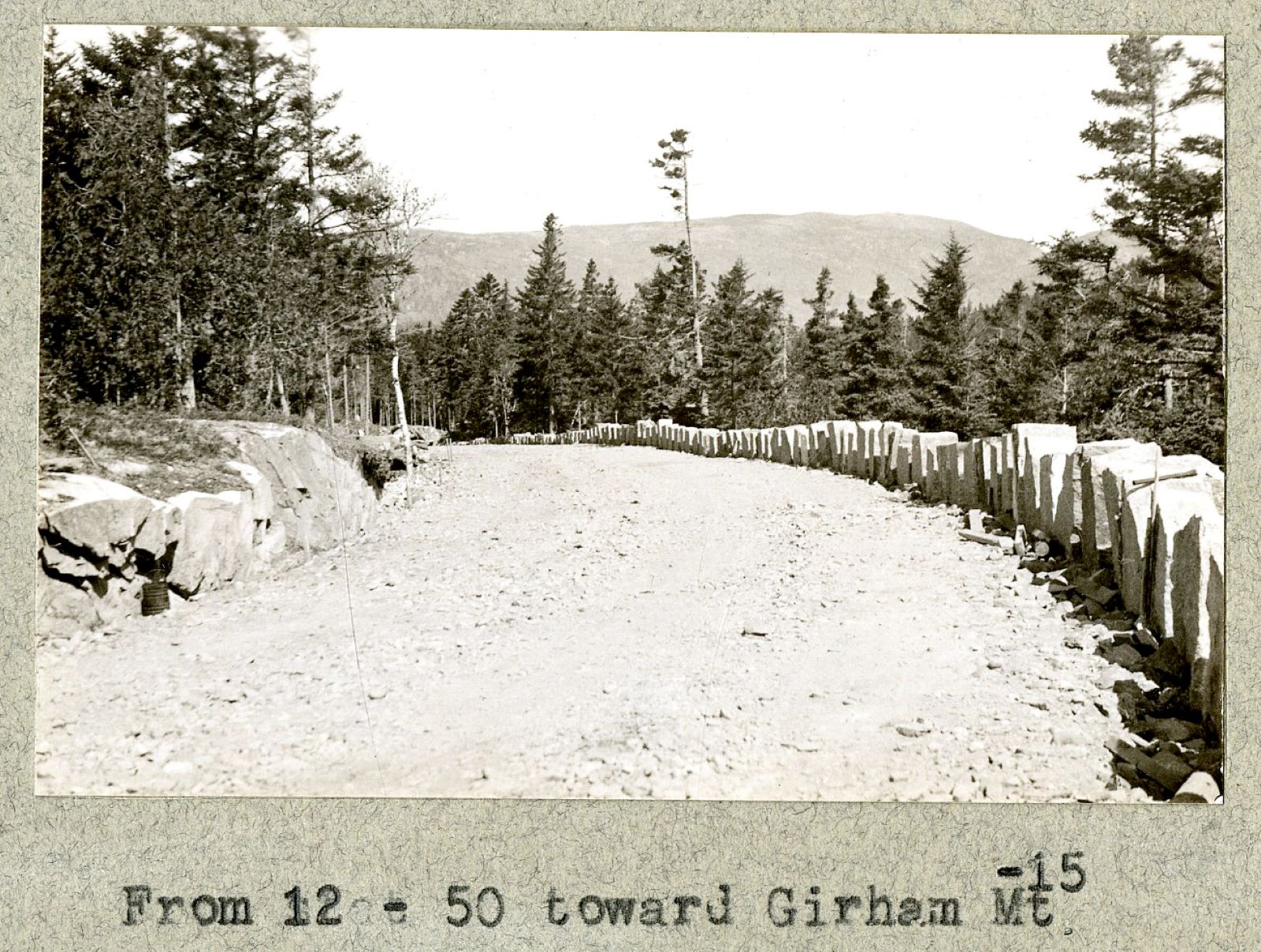
Park Guide
Acadia National Park: Carriage Roads, Cadillac Mountain & 2026 Guide
Discover carriage roads, Cadillac Mountain, and rugged Maine coast. Complete 2026 guide to Acadia National Park — trails, fees, lodging, permits, and what rangers recommend.
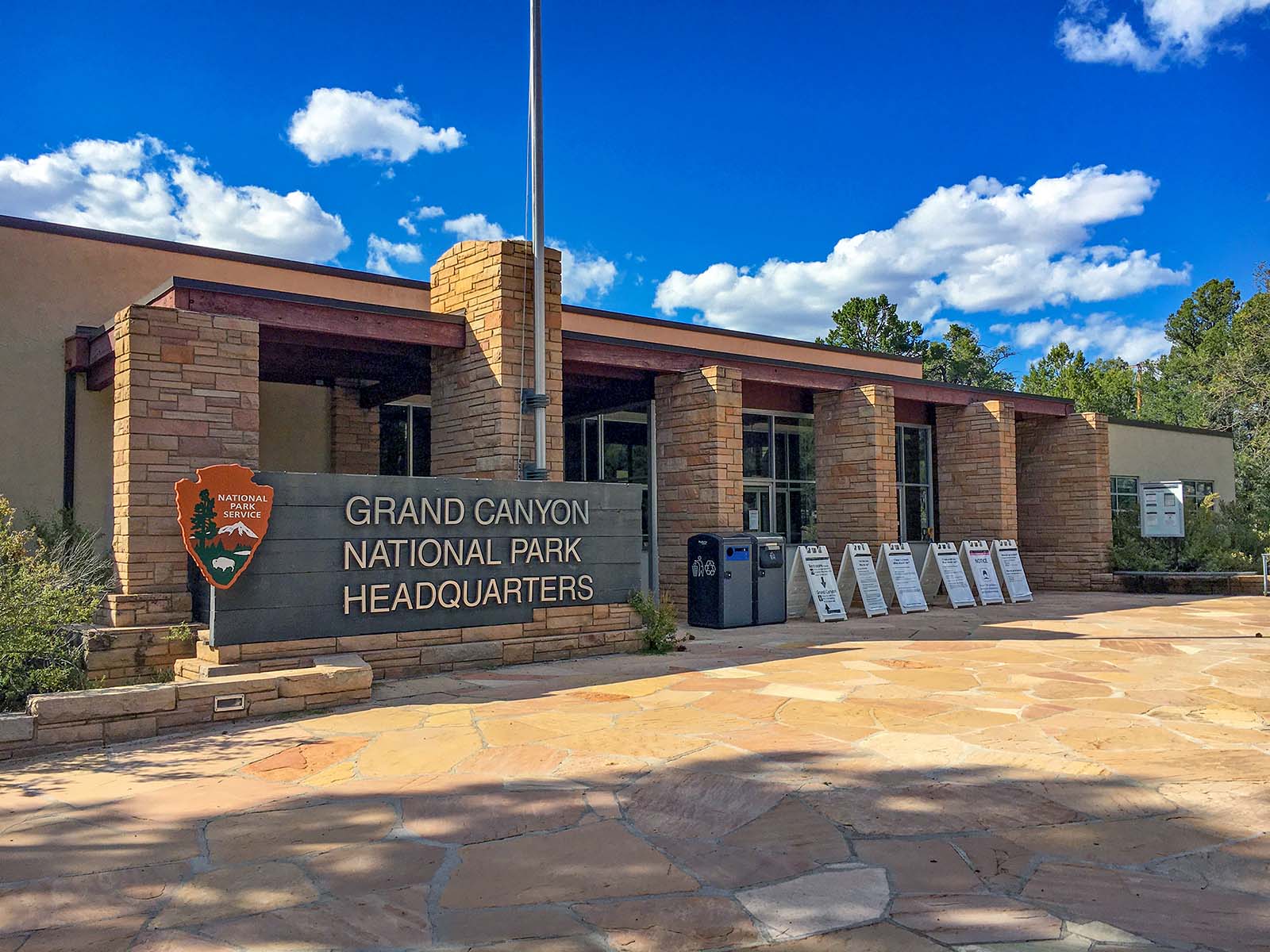
Hiking Guide
Grand Canyon Hiking Trails: Day Hikes, Water Sources & Rim to Rim
Compare Grand Canyon hiking trails: Bright Angel, South Kaibab, Hermit, Grandview, and rim to rim, with distances, elevation, water stops, and trailhead access for each.
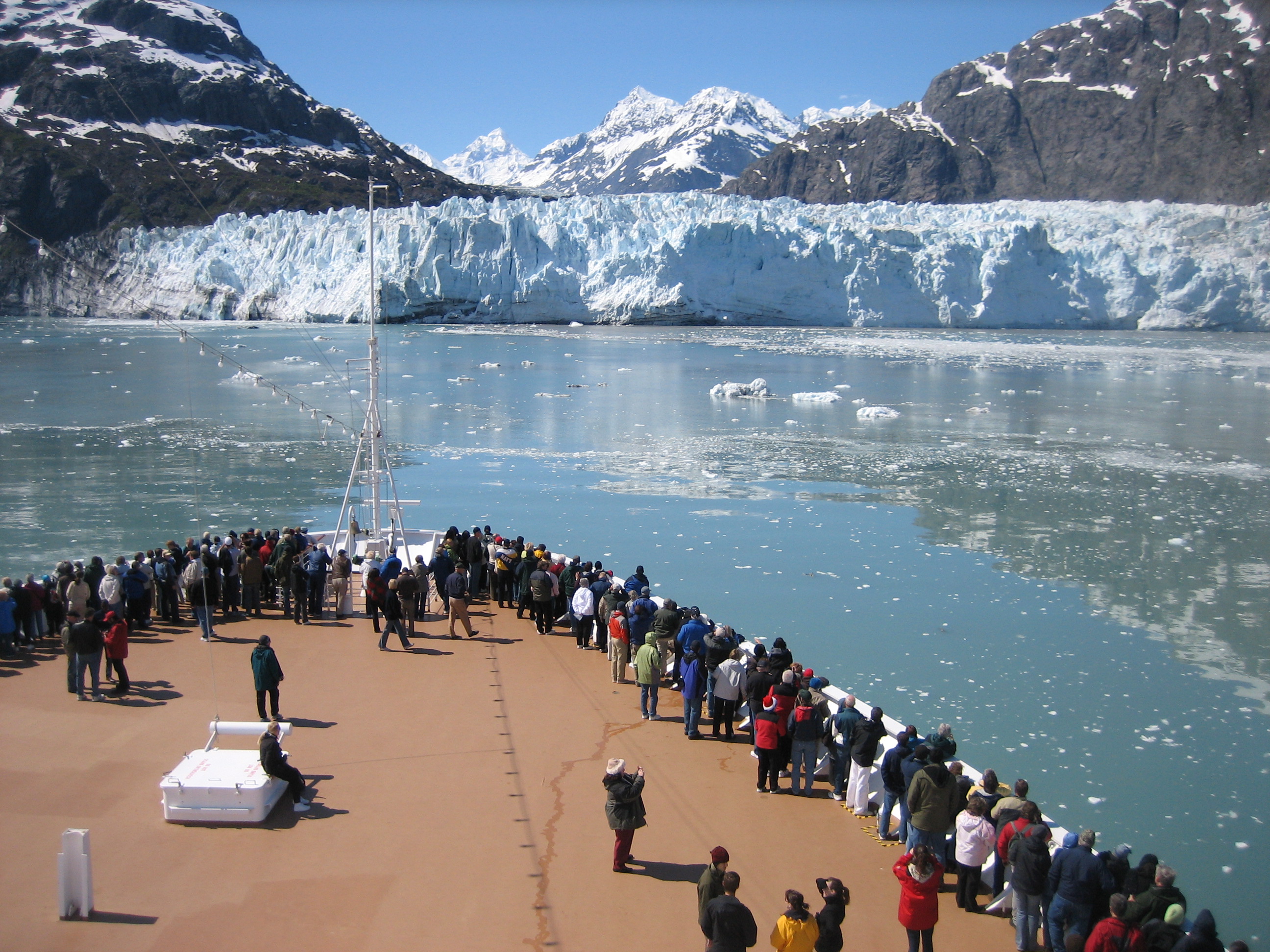
Best Of
Best of Glacier Bay National Park
The best of Glacier Bay is reached by boat: ranger-led day tours up the bay to the tidewater glaciers. What's worth it, how to book, and when to go (2026).
Campsite Guide
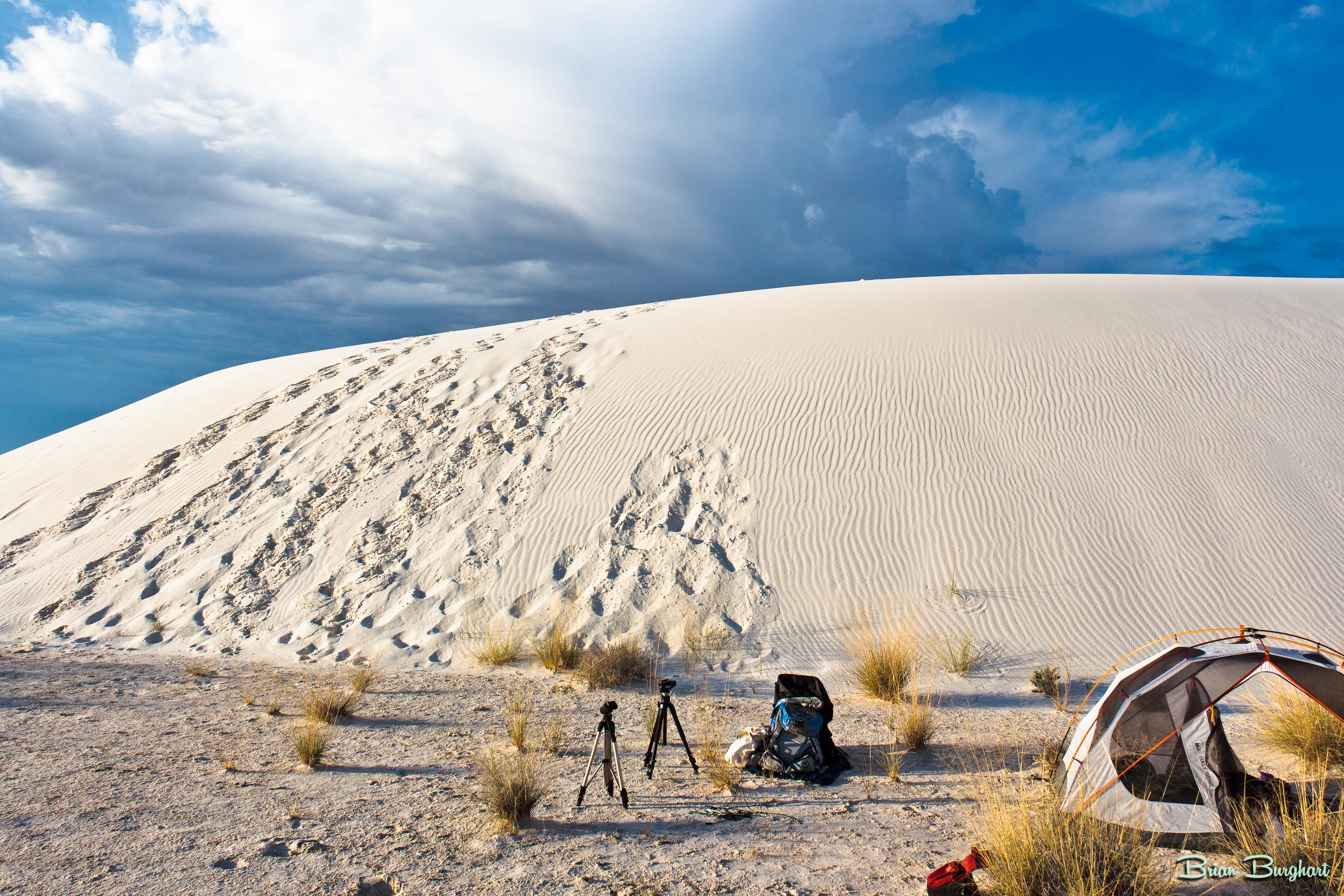
White Sands Backcountry Camping: Closed for 2026 — What to Know
As of 2026, backcountry camping at White Sands National Park is closed for site rehabilitation. What that means, and where to camp nearby instead.
Weather Guide
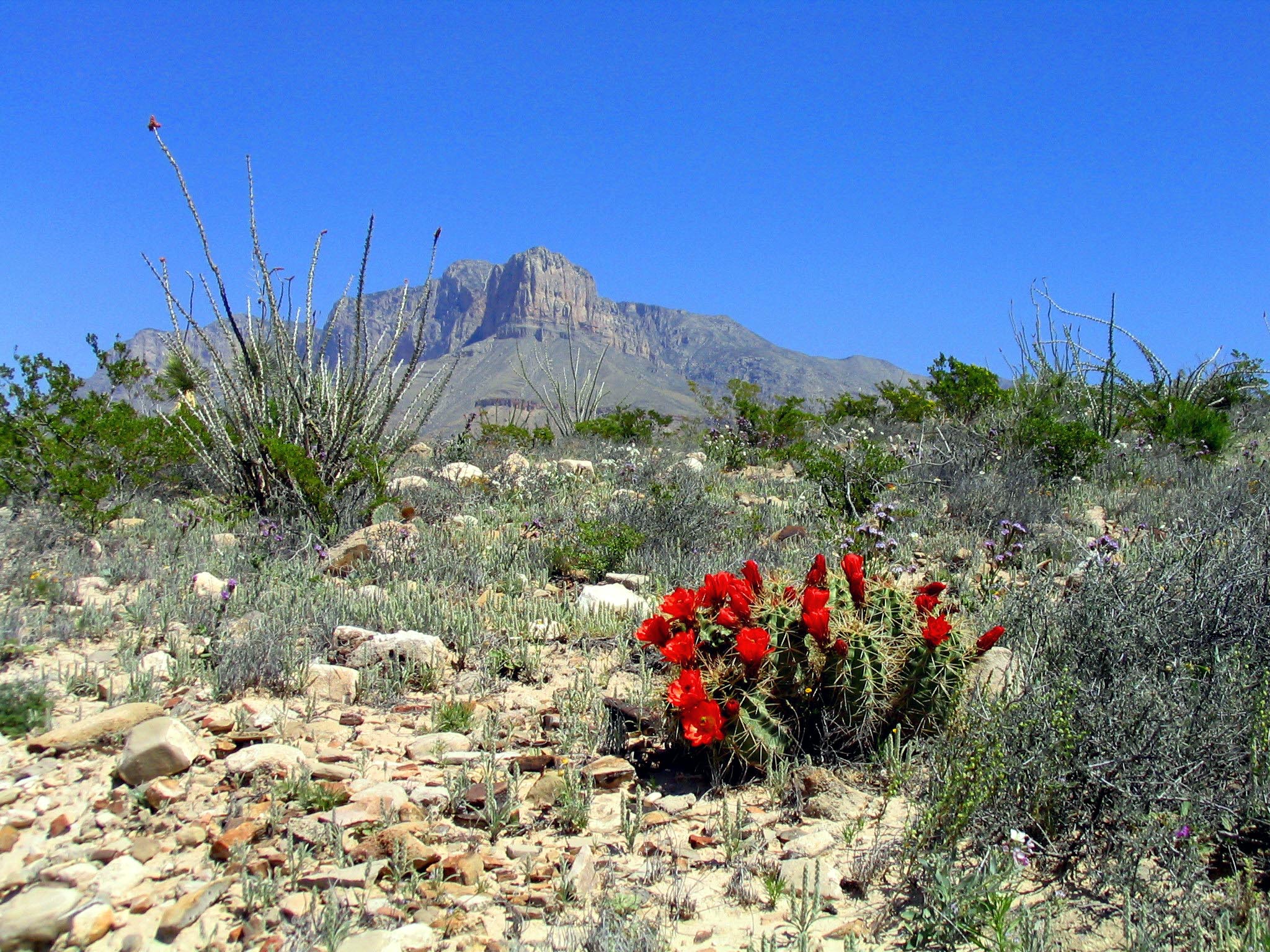
Guadalupe Mountains National Park Weather: Weather
Guadalupe Mountains National Park: weather guide guide updated 2026. Practical visitor information, reservations, and seasonal tips worth bookmarking before
Best Of
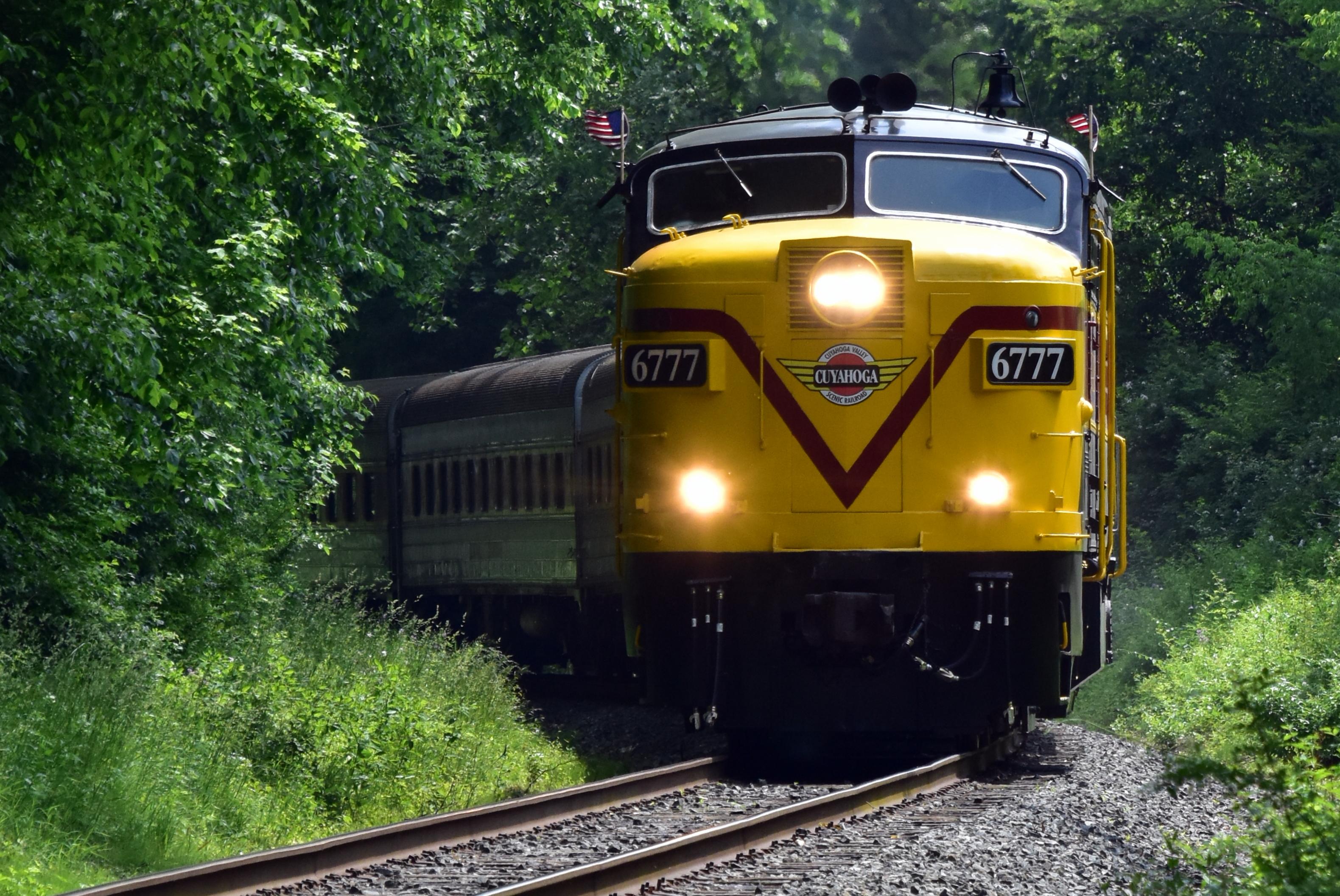
Best of Cuyahoga Valley National Park: Best Things to Do
Seeing a Cleveland Orchestra concert with the woods as your backdrop is a uniquely Cuyahoga Valley experience.
Sign in to join the conversation.
Sources & Attribution
Location data courtesy of the National Park Service (U.S. Department of the Interior). NPS data is public domain. Official NPS page.
Images: NPS; NPS; NPS; NPS; NPS.
Map data © OpenStreetMap contributors.
Park operations alerts: NPS.gov · Weather and weather hazards: National Weather Service · Live conditions.
Information may change. Always verify fees, hours, and conditions directly with the official source before visiting.
Did this guide help? Share it with a friend.