In 1933, with the nation deep in the Great Depression and facing severe ecological damage from drought and poor land management, President Franklin D. Roosevelt created the Civilian Conservation Corps. The program put young men to work restoring public lands. The CCC camp here in Shenandoah was one of hundreds established across the country. Its legacy isn't just in history books—it's in the stonework under your boots and the trees that shade these trails.

NPS via NPS.gov (Public Domain)
CCC Camp: Historical Exhibit, Shenandoah National Park
9 min read
Places & Points of Interest
Plan your 2026 visit to CCC Camp. Complete guide to trails, fees, lodging, best time to visit, and insider tips.
Your plans
Let's be clear: this is a historical exhibit, not a place to pitch your tent. You're walking through a preserved site that tells the story of the young men who built Skyline Drive, fought fires, and planted trees by the thousands. The work was hard—$30 a month, with $25 sent home—and the conditions were spartan. But their impact endures. Every time you drive that road or hike a trail with those stone steps, you're traveling on CCC work. It's a quiet place that connects the park's beauty to the hands that shaped it.
Quick Information
There is no entrance fee specific to the CCC camp site itself, but as of 2026, you must pay the Shenandoah National Park entrance fee to access Skyline Drive where the camp is located. That fee is $30 per private vehicle, valid for seven days. The park transitioned to a fully cashless system in July 2025, so have a credit or debit card ready.
The camp is an open-air historical exhibit, so it's accessible whenever Skyline Drive is open. Skyline Drive's hours are 24/7, but it can close due to severe weather, especially ice and snow in winter. The best time to visit is spring through fall when interpretive waysides are fully accessible. The site is located in Virginia, within Shenandoah National Park near the Big Meadows area. GPS coordinates are 38.517305, -78.431445.
Accessibility is limited. The ground is uneven and grassy, not paved. Cell service in this area of the park is notoriously spotty; assume you won't have a reliable signal. There are no dedicated restrooms or parking lots for the CCC camp. You'll use facilities at nearby areas like Big Meadows. Parking is along the shoulder of Skyline Drive near the exhibit, which is a pull-off large enough for a few cars. If it's full, do not park on vegetation. Move on and circle back.
Getting There
The CCC camp is located on Skyline Drive at approximately mile 51.2, right next to the Big Meadows Campground entrance. Your navigation will likely direct you to the campground. From the Front Royal entrance (north) at mile 0, it's about a 51-mile drive south on Skyline Drive. That drive takes a minimum of 1.5 hours without stopping, but you will stop. Count on 2 to 2.5 hours. From the Swift Run Gap entrance (east-central), it's about 15 miles north to mile 51. From the Rockfish Gap entrance (south) at mile 105, it's a 54-mile drive north, taking roughly 2 hours.
The parking situation here is straightforward but limited. There's a paved pull-out directly adjacent to the exhibit. It fits maybe four vehicles comfortably. If you arrive in peak season (October weekends, summer Saturdays) and it's full, your best bet is to park at the Big Meadows Amphitheater lot or the nearby picnic grounds and walk back along the road shoulder - facing traffic, please. It's a short walk. Do not block the campground entrance road.

What to Expect
You're not visiting a reconstructed village. Expect a cleared area in the woods with several interpretive signs and a few foundational remnants. The signs detail the daily life of the CCC "boys," from their 6 AM wake-up calls to their work assignments and leisure time. You'll see where barracks once stood and get a sense of the camp's layout. The forest has largely reclaimed the site, which feels appropriate.
The ground is a mix of packed dirt and grass. Watch for exposed tree roots. The area is quiet, often bypassed by visitors heading straight for the hiking trails or the Big Meadows Wayside. The sound is usually just the wind in the trees and the distant murmur from the nearby campground. On damp mornings, you'll smell the wet earth and decaying leaves. It's a place that requires a bit of imagination. Rangers will tell you that most visitors spend 15-20 minutes here reading the plaques. It's a worthwhile pause that adds a layer of meaning to everything else you see in the park.
First-time visitors are often surprised by the scale - or lack thereof. They expect more buildings. But the modest footprint drives home the point: this was a functional, temporary work camp, not a resort. The men lived here to transform the land around them.
Top Attractions & Points of Interest
The CCC camp is a single point of interest, but its value is in its connection to the wider park. Think of it as the historical key that unlocks context for other sites.
The CCC Camp Exhibit
This is the main attraction. A series of illustrated wayside exhibits explain the camp's history, complete with photographs of enrollees at work and at rest. One panel breaks down the famous $30 monthly pay. Another details the "Daily Schedule," from reveille at 6:00 AM to lights out at 10:00 PM. Look for the subtle depressions in the earth that hint at former building foundations. The takeaway is how this national program built a national park.
Big Meadows
Just across Skyline Drive, this high-elevation meadow is a living contrast to the wooded camp site. It's a great place to see deer at dawn or dusk and to understand the varied ecosystems the CCC worked within. The meadow exists partly due to historical human activity, linking it thematically to the camp.
Big Meadows Amphitheater
A short walk from the camp, this is where evening ranger programs are held. Topics often include park history, and you might hear the CCC story expanded upon here. Check the posted schedule at the campground or visitor center.
The Blue Ridge Heritage Project Monuments
Scattered at various overlooks along Skyline Drive, these simple stone monuments honor the families who were displaced to create the park. They provide essential, often overlooked context. The CCC built the recreational infrastructure, but these markers acknowledge the human cost of the park's creation. They're a sobering companion piece to the CCC story.

Activities
The primary activity here is historical interpretation - reading and reflecting. It's an excellent first stop on a park visit to frame the experience. It pairs perfectly with a stay at the nearby Big Meadows Campground or a meal at the Big Meadows Wayside.
For active exploration, use the camp as a starting point for a short walk on the Story of the Forest Trail or the Lewis Spring Falls Trail, both accessible from the Big Meadows area. These trails let you see the mature forests and water features the CCC helped conserve and shape.
It's also a strategic spot for wildlife viewing. The edge habitat between the woods and Big Meadows is prime for spotting white-tailed deer, wild turkey, and a variety of birds, especially in the early morning and late afternoon.
Seasonal Guide
The exhibit is accessible year-round, but your experience will vary.
Spring (April-May): The woods around the camp come alive with wildflowers. The ground may be soft and muddy. This is a quiet time to visit before summer crowds.
Summer (June-August): The forest provides deep shade, making it a cool stop on a hot day. This is the busiest season. Visit early in the morning or on a weekday to have the pull-out to yourself. Mosquitoes can be present.
Fall (September-October): Peak foliage season brings the highest traffic to Skyline Drive. The pull-out may be constantly occupied. If you can't park, view it as a drive-by sight. The crisp air and colorful canopy make a beautiful backdrop.
Winter (November-March): Skyline Drive may be closed due to ice or snow; always check the park alert line before visiting in winter. If open, you'll likely have the site to yourself. The bare trees offer a clearer view of the camp's layout. Dress warmly.

Practical Information
As noted, the park entrance fee applies. An America the Beautiful Annual Pass ($80 as of 2026) waives this fee. No additional permit or reservation is needed to visit the CCC camp exhibit.
For lodging and accommodations, the historic Big Meadows Lodge is a stone's throw away and offers a tangible connection to the park's early tourist era. The Big Meadows Campground, with 221 sites, is your closest camping option. Reservations for both are essential and open six months in advance on Recreation.gov.
The Big Meadows Wayside, typically open from spring through fall, is your nearest source for food, drinks, and basic supplies. The gift shop there sells water for $4 a bottle. Bring your own. The only gas station within the park is also here, but as of 2026, check for status updates as it has undergone upgrades.
Safety & Preparation
The main safety considerations here are traffic and weather. You are parking directly on Skyline Drive. Use extreme caution when entering and exiting your vehicle. Watch for cyclists and pedestrians.
The exhibit is in a forested area. Ticks are present from spring through fall. Use insect repellent and do a tick check after your visit. Wildlife, including black bears, frequent this area. Maintain a distance of at least 150 feet from all wildlife. Never approach or feed animals.
There are no lights here. Wrapping up your visit well before dusk is advised. If you must walk along the road from another parking area, wear bright clothing, walk facing traffic, and be prepared for vehicles taking curves quickly.
In case of emergency, the nearest ranger station is at Byrd Visitor Center at Big Meadows (mile 51). Cell service is unreliable. Know that emergency services can be delayed due to the park's remote, mountainous terrain.

Insider Tips
- Pair it with a Program: Check the schedule for the Big Meadows Amphitheater. Attending an evening ranger talk after visiting the camp connects the dots between history and the modern park mission.
- The Quiet Time: The pull-out is often empty between 11 AM and 2 PM, when everyone is either hiking or eating lunch. That's your best chance for a peaceful visit.
- Look for the Work: After visiting the camp, you'll start noticing CCC handiwork everywhere: the stone guardrails on Skyline Drive, the trailside retaining walls, the picnic ground shelters. It becomes a scavenger hunt.
- Skip If Crowded: If the pull-out is full on a fall weekend, don't stress. Read the historical markers at the Byrd Visitor Center instead. They cover much of the same CCC history.
- Photo Tip: The morning light, when the sun filters through the trees from the east, provides the best illumination for reading the signs and photographing the site.
- Continue the Story: Drive a few miles south to the Rapidan Camp trailhead. Hiking to President Hoover's retreat shows another facet of the park's early development era, partly built by CCC labor.
- What the Sign Doesn't Say: The CCC was segregated. African American enrollees worked in Shenandoah too, but in separate camps. Their story is part of the park's full history, even if it's not detailed on these particular waysides.
The CCC camp won't take half your day. It's a brief, grounding stop. But it answers the question every thoughtful visitor eventually asks: "How did all this get here?" You leave with more than just scenery. You leave with a story.
For more information, see our complete Shenandoah National Park Guide.
Sources
- Official source: NPS — Shenandoah National Park nps.gov/shen/index.htm
- Official source: National Park Service nps.gov/places/000/ccc-camp.htm
Photo Gallery
More to Explore
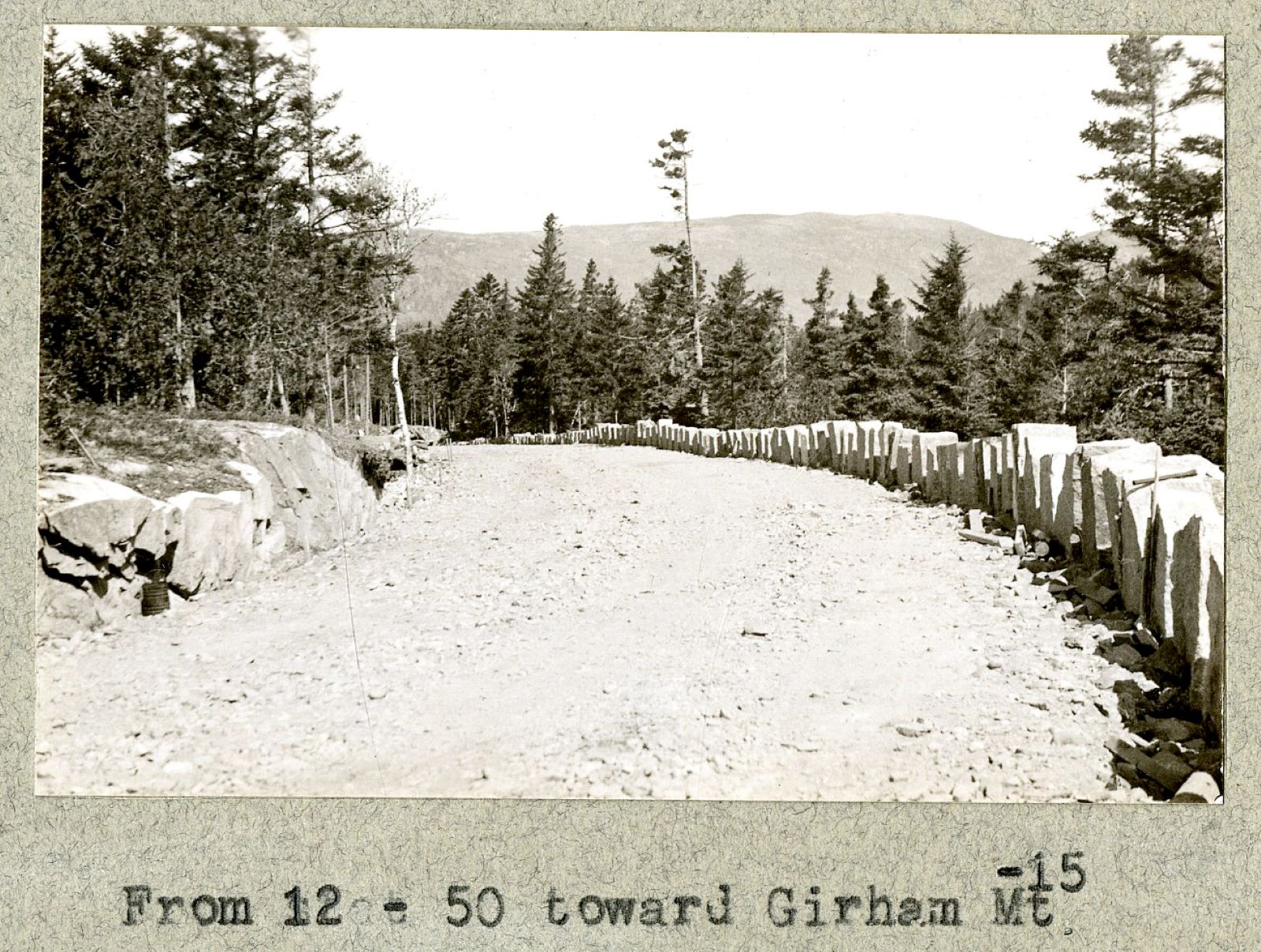
Park Guide
Acadia National Park: Carriage Roads, Cadillac Mountain & 2026 Guide
Discover carriage roads, Cadillac Mountain, and rugged Maine coast. Complete 2026 guide to Acadia National Park — trails, fees, lodging, permits, and what rangers recommend.
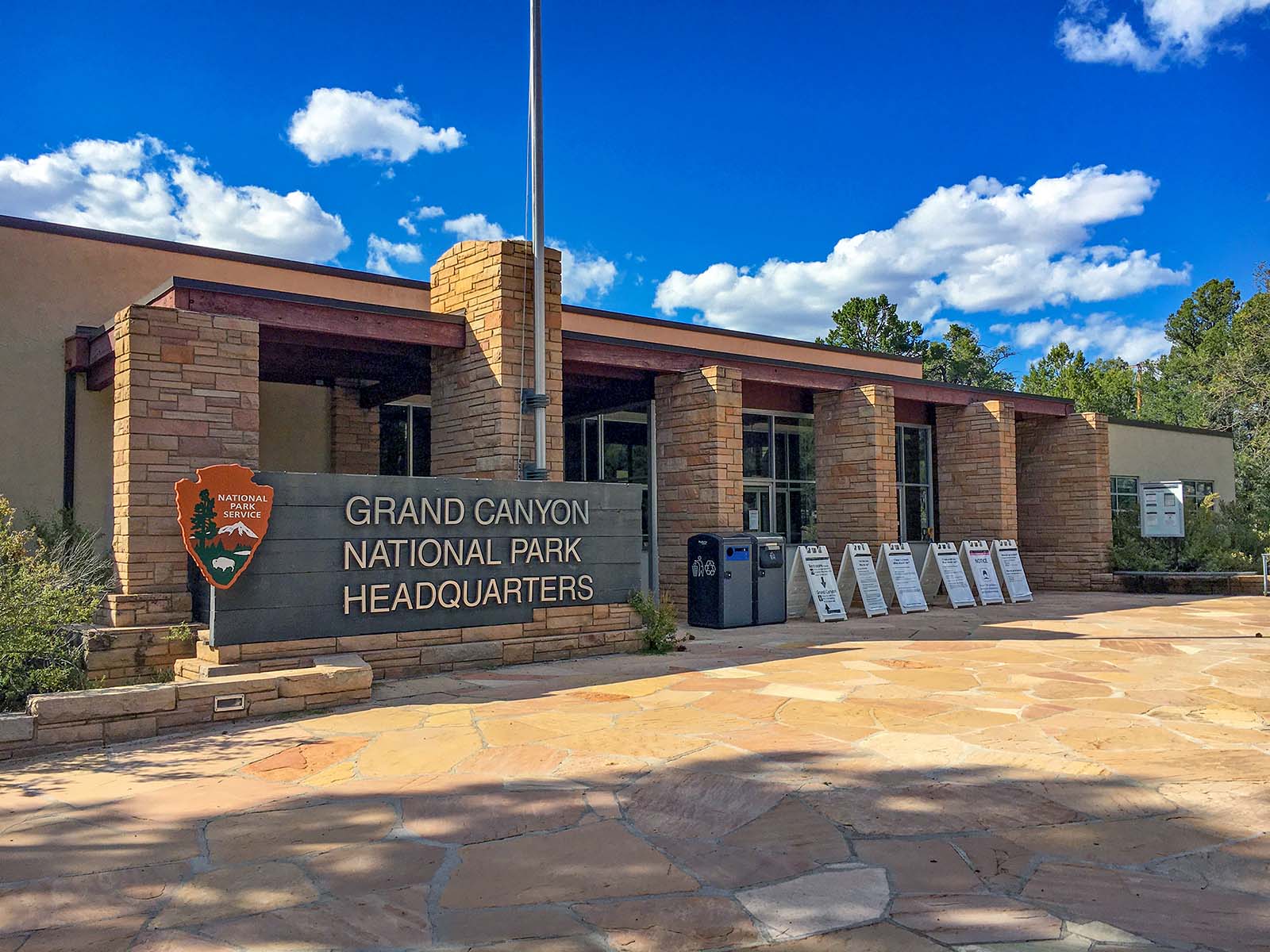
Hiking Guide
Grand Canyon Hiking Trails: Day Hikes, Water Sources & Rim to Rim
Compare Grand Canyon hiking trails: Bright Angel, South Kaibab, Hermit, Grandview, and rim to rim, with distances, elevation, water stops, and trailhead access for each.
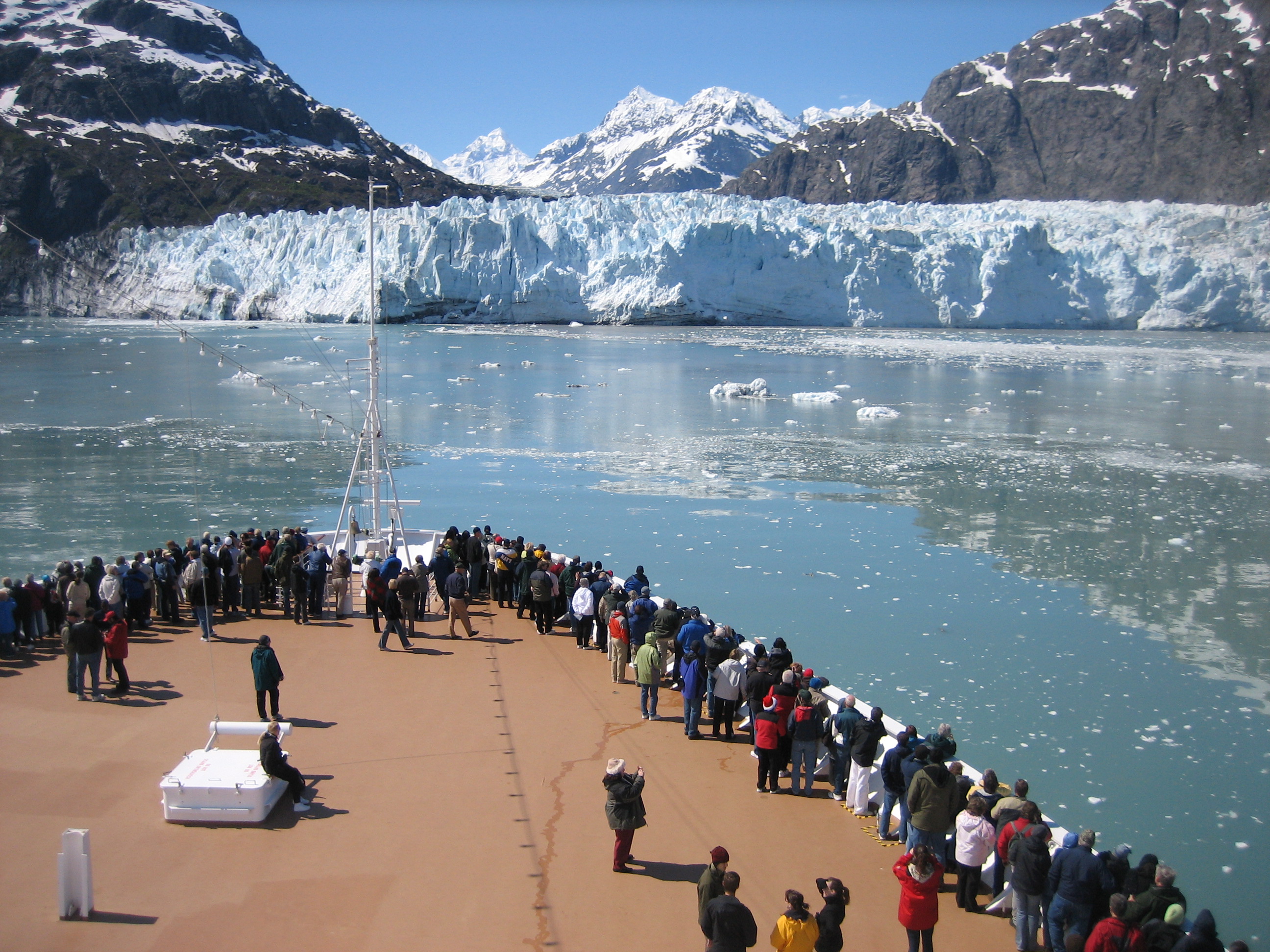
Best Of
Best of Glacier Bay National Park
The best of Glacier Bay is reached by boat: ranger-led day tours up the bay to the tidewater glaciers. What's worth it, how to book, and when to go (2026).
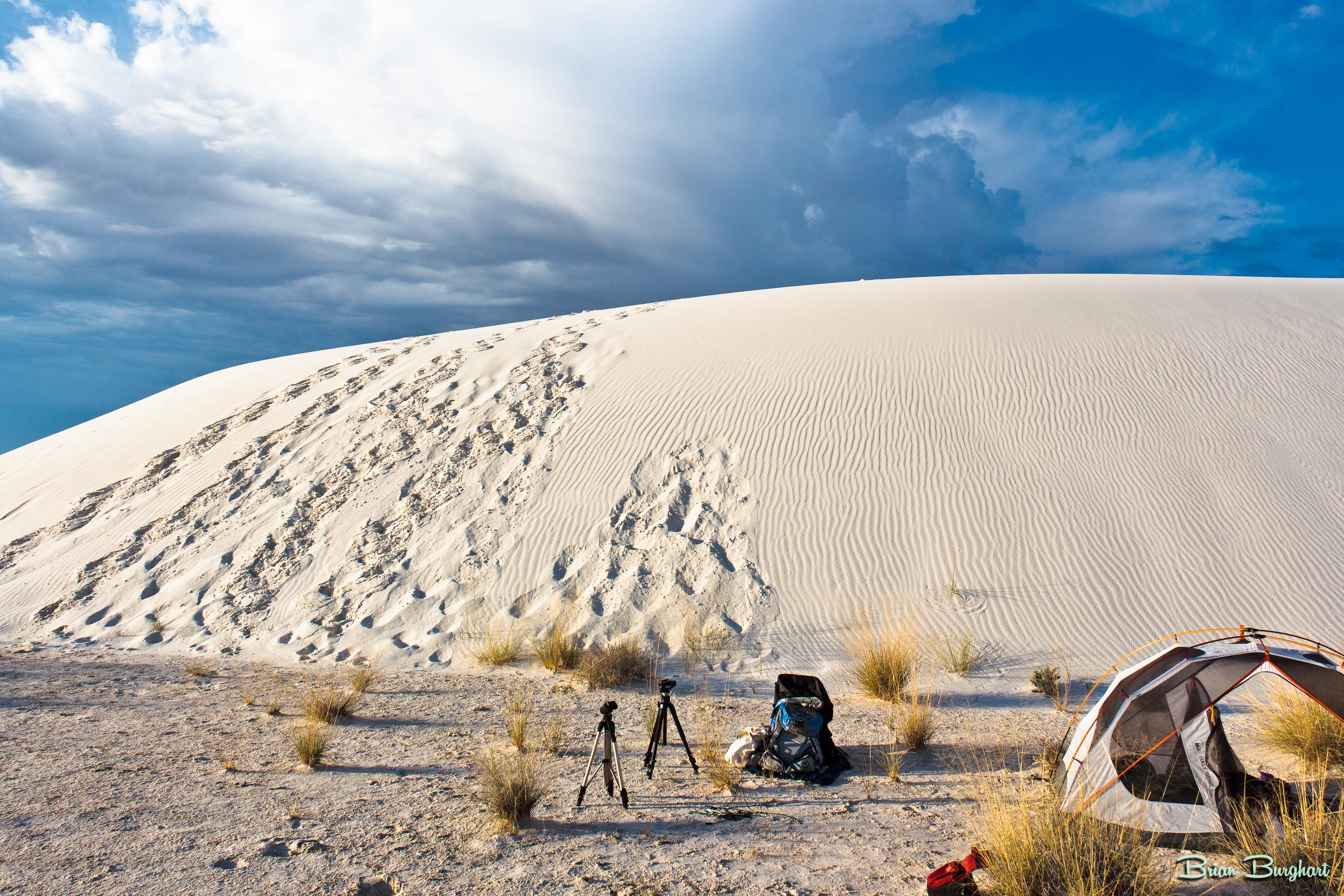
Campsite Guide
White Sands Backcountry Camping: Closed for 2026 — What to Know
As of 2026, backcountry camping at White Sands National Park is closed for site rehabilitation. What that means, and where to camp nearby instead.
Weather Guide
Guadalupe Mountains National Park Weather: Weather
Guadalupe Mountains National Park: weather guide guide updated 2026. Practical visitor information, reservations, and seasonal tips worth bookmarking before
Best Of
Best of Cuyahoga Valley National Park: Best Things to Do
Seeing a Cleveland Orchestra concert with the woods as your backdrop is a uniquely Cuyahoga Valley experience.
Sign in to join the conversation.
Sources & Attribution
Location data courtesy of the National Park Service (U.S. Department of the Interior). NPS data is public domain. Official NPS page.
Images: NPS; NPS; NPS; NPS; NPS.
Map data © OpenStreetMap contributors.
Park operations alerts: NPS.gov · Weather and weather hazards: National Weather Service · Live conditions.
Information may change. Always verify fees, hours, and conditions directly with the official source before visiting.
Did this guide help? Share it with a friend.