Start before 7 AM. That's the single most important piece of advice for anyone trying to understand Canyonlands National Park weather. The forecast might give you a high of 85, but it won't tell you that by 10 AM the sun has been baking the slickrock for hours, radiating heat back at you from every angle. The temperature you feel is rarely the one on your phone. For a complete visitor guide to the park's districts and layout, the park's website is your best resource.
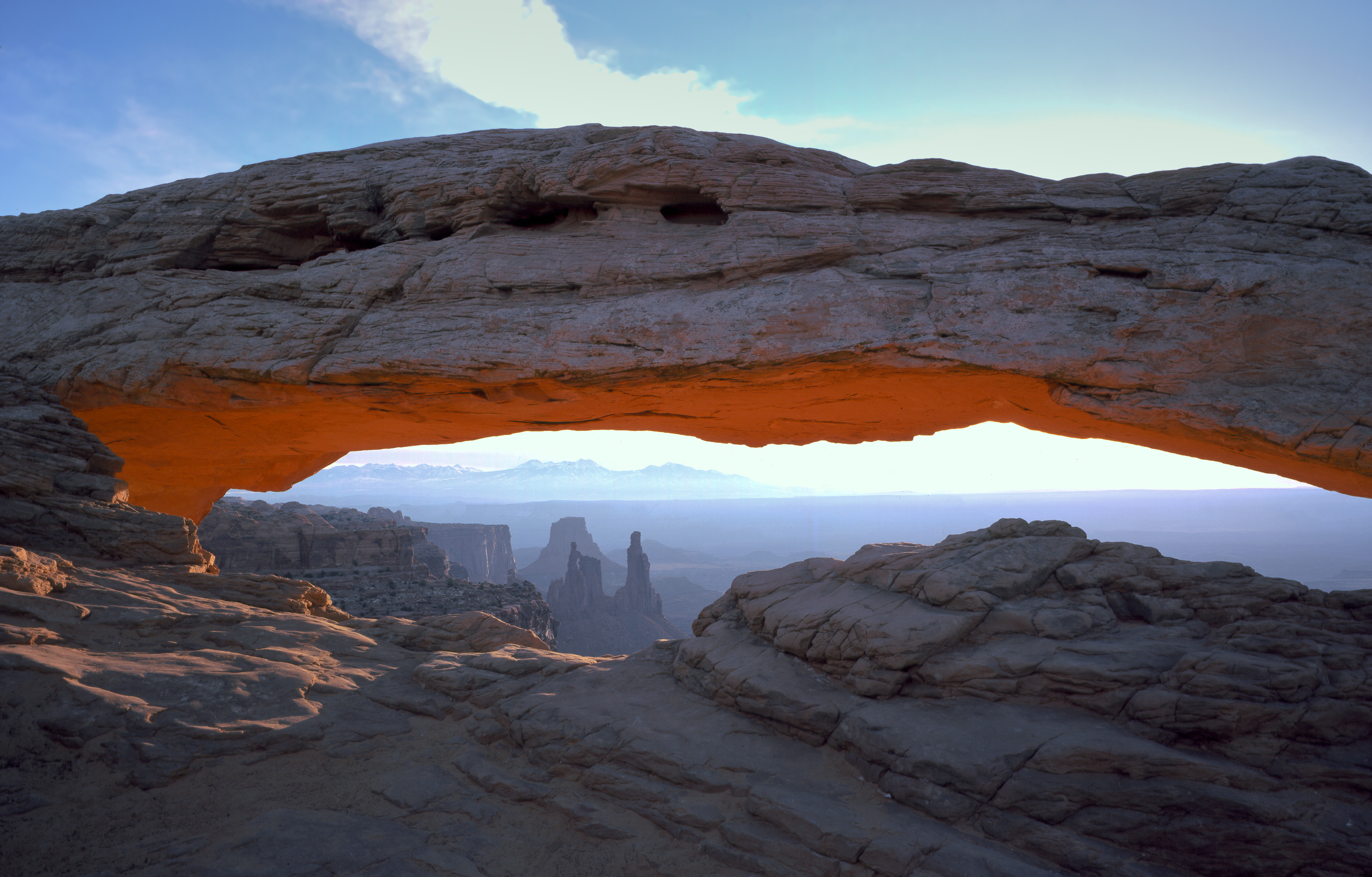
NPS via NPS.gov (Public Domain)
What Is the Weather in Canyonlands National Park
8 min read
Weather Guide
Discover what is the weather in canyonlands national park with our comprehensive guide. Expert tips, practical information, and insider knowledge.
The Weather Reality
The Colorado Plateau is a high desert, and Canyonlands is its textbook example. The most critical thing to grasp is the daily temperature swing - 40 degrees or more is standard, not exceptional. You'll start a hike in a fleece at 8 AM and be seeking shade in a sweat-soaked shirt by noon. The air is dry, often brutally so, which means sweat evaporates instantly, fooling you into thinking you're not dehydrating as fast as you are. There is no marine influence, no moderating humidity. What the official forecasts miss is the radiant heat. The white Navajo sandstone and red Cedar Mesa sandstone absorb and then emit the sun's energy like a furnace. The temperature at your feet can be 20 degrees hotter than the air temperature your car thermometer reads. This is a park where the weather isn't just a condition; it's a terrain feature.

Month by Month
Planning around the averages is one thing. Knowing what actually happens on the ground each month is another.
December - February
Highs average 30 to 50°F. Lows can plunge to 0-20°F.
Precipitation is low, mostly as light snow that dusts the mesa tops and can linger in shaded north-facing canyons. The Needles district, at a lower elevation, sees less accumulation than Island in the Sky.
What's open: All park roads are open unless closed by snow. The visitor centers operate on reduced winter hours. Ranger-led programs are scarce.
Crowd level: Minimal. You might have an entire overlook to yourself.
Wildlife: Bighorn sheep are more visible at lower elevations. Ravens are your constant companions.
Trail conditions: Packed snow and ice are the main concerns, especially on mesa rim trails and any trail with a north-facing aspect. Microspikes are not a luxury; they are essential footwear from December through February.
Worth considering: Absolute solitude and crystal-clear winter air that stretches visibility for a hundred miles. The low-angle sun creates long, dramatic shadows across the canyon depths.
Challenging: Short daylight hours. Ice. And a cold that cuts through layers the moment the wind picks up. The Maze district is essentially inaccessible.
March - May
This is the temperate spring window. Daytime highs climb from the 60s into the 80s by May. Lows range from 30s to 50s.
The "shoulder" months are a misnomer - April and May are now peak season for a reason. Precipitation is still low, but late spring can see the first convective afternoon clouds build.
What's open: Everything. Full visitor center hours and the return of frequent ranger talks.
Crowd level: High from mid-March onward. The parking lot at Mesa Arch for sunrise is a competitive sport by April.
Wildlife: This is the active season. You'll see lizards basking, and the first snakes emerge. Migratory birds pass through the river corridors.
Trail conditions: Ideal for hiking in Canyonlands National Park. The air is cool, the rock is warm, not hot. By late May, afternoon hikes in full sun begin to feel strenuous.
Worth considering: The most reliable window for comfortable, full-day exploration across all districts.
Challenging: Unpredictable wind. A calm morning can turn into a sustained 30-mph breeze by afternoon, whipping sand and testing your hat's durability. Crowds are real.
June - August
Daytime highs consistently exceed 100°F in the sun. Lows might only drop to the 70s.
This is the monsoon season, typically kicking in by early July. Precipitation amounts are small but intense - short, violent thunderstorms that can drop a half-inch of rain in 20 minutes, often accompanied by lightning and sudden, gusty winds.
What's open: All facilities, but some afternoon ranger programs may be canceled due to heat.
Crowd level: Surprisingly moderate at midday. The summer heat acts as a crowd filter. Most visitation happens at dawn and dusk.
Wildlife: Most mammals are nocturnal to avoid the heat. Listen for coyotes at night.
Trail conditions: For hiking in Canyonlands, this is a window of extreme risk. Any hike beyond a short stroll to an overlook requires pre-dawn starts and carrying a minimum of one gallon of water per person, per day. The rock surface temperature can exceed 150°F.
Worth considering: Epic sunrises and sunsets, with monsoon clouds adding drama. The night sky viewing is superb with warm evenings.
Challenging: The heat is a physical barrier. Hiking the high country is not just uncomfortable; it's dangerous without meticulous preparation. Flash flood risk in narrow canyons spikes during afternoon storms.
September - November
The second temperate season. Highs start in the 80s in September, cooling to the 50s-60s by November. Lows begin in the 50s and drop to the 20s-30s.
The monsoon tapers off by mid-September, leading to clear, dry skies. The first snow can dust the highest mesas in late October or November.
What's open: Full operations until late October, then shifting to winter schedules.
Crowd level: High in September and October, especially during fall break periods, then dropping steeply in November.
Wildlife: Elk are in rut in the fall, and you may hear bugling near the river valleys.
Trail conditions: Prime time returns. Cool mornings, warm days, and firm footing. By November, be prepared for ice in the morning shade.
Worth considering: Stable weather, fewer extreme heat days than spring, and the changing light is spectacular.
Challenging: It's a short window. Weather can turn quickly in late October, with an early cold snap or snowstorm possible.

Best Times for Specific Activities
Your ideal month depends entirely on what you want to do.
For Hiking the High Country
The best hiking in Canyonlands National Park is in the shoulder seasons: April, May, late September, and October. These months offer the necessary combination of cool temperatures, dry trails, and sufficient daylight. Rangers will tell you that any hike with significant elevation change, like the Gooseberry Trail in Island in the Sky or the Chesler Park Loop in The Needles, should be avoided between 10 AM and 4 PM from June through August.
For Whitewater Rafting
The season for Cataract Canyon runs from May through September, dictated by dam release schedules from upstream. May and June offer the highest, fastest flows from snowmelt. July through September features warmer water and more predictable weather, though afternoon thunderstorms are a daily consideration. As of 2026, boaters should check the current alerts for take-out conditions at Hite and North Wash.
For Photography
October through March provides the best light. The low sun angle creates deep shadows and highlights the texture of the rock. Winter snow contrasts dramatically with the red sandstone. Summer, while hot, can produce incredible storm light at sunrise and sunset.
For Stargazing
Any clear night is superb due to the park's remote location and Dark Sky designation. The most comfortable stargazing seasons are spring and fall, when nighttime temperatures are mild enough to linger outside without heavy winter gear.
For Solitude
Winter (December-February) is the clear winner, followed by the hottest weeks of July and August. You trade comfort for empty trails and silent overlooks.

What to Pack by Season
Forget generic lists. Pack for the desert's dual personality.
Winter (Dec-Feb): Insulated, waterproof boots. Microspikes or traction devices - don't even question it. Layering system: base layer, fleece, insulated puffy jacket, and a windproof/waterproof shell. Warm hat, gloves, neck gaiter. The wind chill on the mesa rims is profound. A wide-mouth water bottle insulator to prevent your water from freezing solid.
Spring/Fall (Mar-May, Sep-Nov): This is layering in action. Start with a moisture-wicking base, add a light fleece, and always have a windbreaker. A wide-brimmed hat for sun protection is non-negotiable. Sturdy hiking shoes with good grip for sandstone. Twice as much water as you think you need. Lip balm and high-SPF sunscreen. The sun at 5,000-7,000 feet is intense even on cool days.
Summer (Jun-Aug): Technical, light-colored, long-sleeve shirt and pants for sun protection - not cotton. A massive water reservoir (3-4 liters per person for a half-day hike). Electrolyte replacement tablets or powder. An emergency rain poncho for sudden monsoons. A headlamp if you're starting a hike before dawn. Footwear with thick soles; the sand and rock are hot enough to feel through thin shoes.

What the Forecast Doesn't Tell You
- The Wind. It's a constant player, especially in spring. It dehydrates you faster, blows dust into your eyes and camera gear, and can make standing at an exposed overlook feel precarious.
- Microclimates Matter. The temperature difference between the mesa top (Island in the Sky, ~6,000 ft) and the canyon bottom near the rivers (~4,000 ft) can be 10-15 degrees. It's often warmer down in The Needles.
- Flash Floods Aren't Just for Summer. A rainstorm 50 miles upstream can send a wall of water down a narrow canyon long after the sky above you is clear. Never camp in a wash or enter a narrow canyon if storms are forecast anywhere in the region.
- Your Car is Part of Your Gear. In summer, keep extra water and electrolyte drinks in your vehicle for your return. The steering wheel and seatbelt buckles can become burn hazards. A sunshade for the windshield is a wise investment.
- Acclimation is Not Optional. If you're coming from sea level, the park's elevation (4,000-7,000 feet) will affect you. You'll tire faster, dehydrate quicker, and feel the effects of any alcohol more strongly. Plan lighter activities for your first day.
- Weather Changes District by District. A storm cell might drench The Needles while Island in the Sky remains sunny. Check the forecast for the specific district you're visiting.
Practical Takeaways
- To truly enjoy hiking in Canyonlands National Park, target April-May or September-October. These windows offer the best balance of safe temperatures and accessible trails.
- Regardless of the season, dress in layers you can add or shed throughout the day. That 40-degree swing is a guarantee.
- Your daily water needs are at least double your normal intake. Carry it, and leave a reserve in your car. Hydration begins the day before your hike.
- Start every activity early. You want to be heading back to the trailhead by 11 AM in the summer, and by early afternoon in the shoulder seasons.
- Check the park's official website for current alerts before you go, especially regarding road conditions in The Maze or river take-outs. The dirt roads in The Maze and White Rim can become impassable clay pits after even a light rain.
- For detailed trail information and current conditions, consult the park's dedicated page on hiking trails in Canyonlands National Park.
- Know your limits. "Summiting" a butte in 102-degree heat is not an accomplishment; it's a common reason for ranger-led rescue missions. The best view isn't worth a medical emergency.
For more information, see our complete National Park Guide.
Sources
- Official source: NPS — Canyonlands National Park nps.gov/cany/index.htm
Photo Gallery
More to Explore
Park Guide
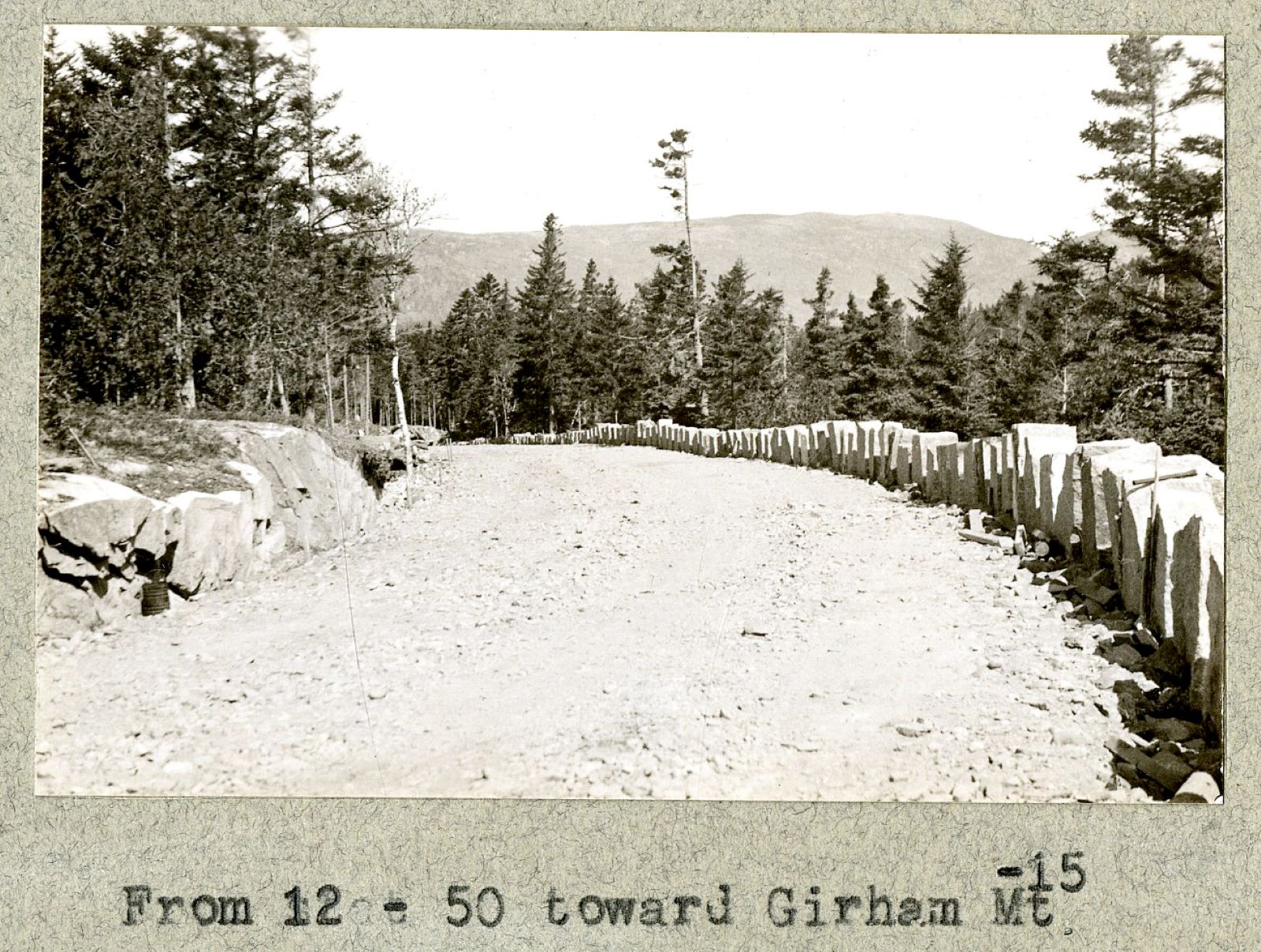
Acadia National Park: Carriage Roads, Cadillac Mountain & 2026 Guide
Discover carriage roads, Cadillac Mountain, and rugged Maine coast. Complete 2026 guide to Acadia National Park — trails, fees, lodging, permits, and what rangers recommend.
Hiking Guide
Grand Canyon Hiking Trails: Day Hikes, Water Sources & Rim to Rim
Compare Grand Canyon hiking trails: Bright Angel, South Kaibab, Hermit, Grandview, and rim to rim, with distances, elevation, water stops, and trailhead access for each.
Best Of
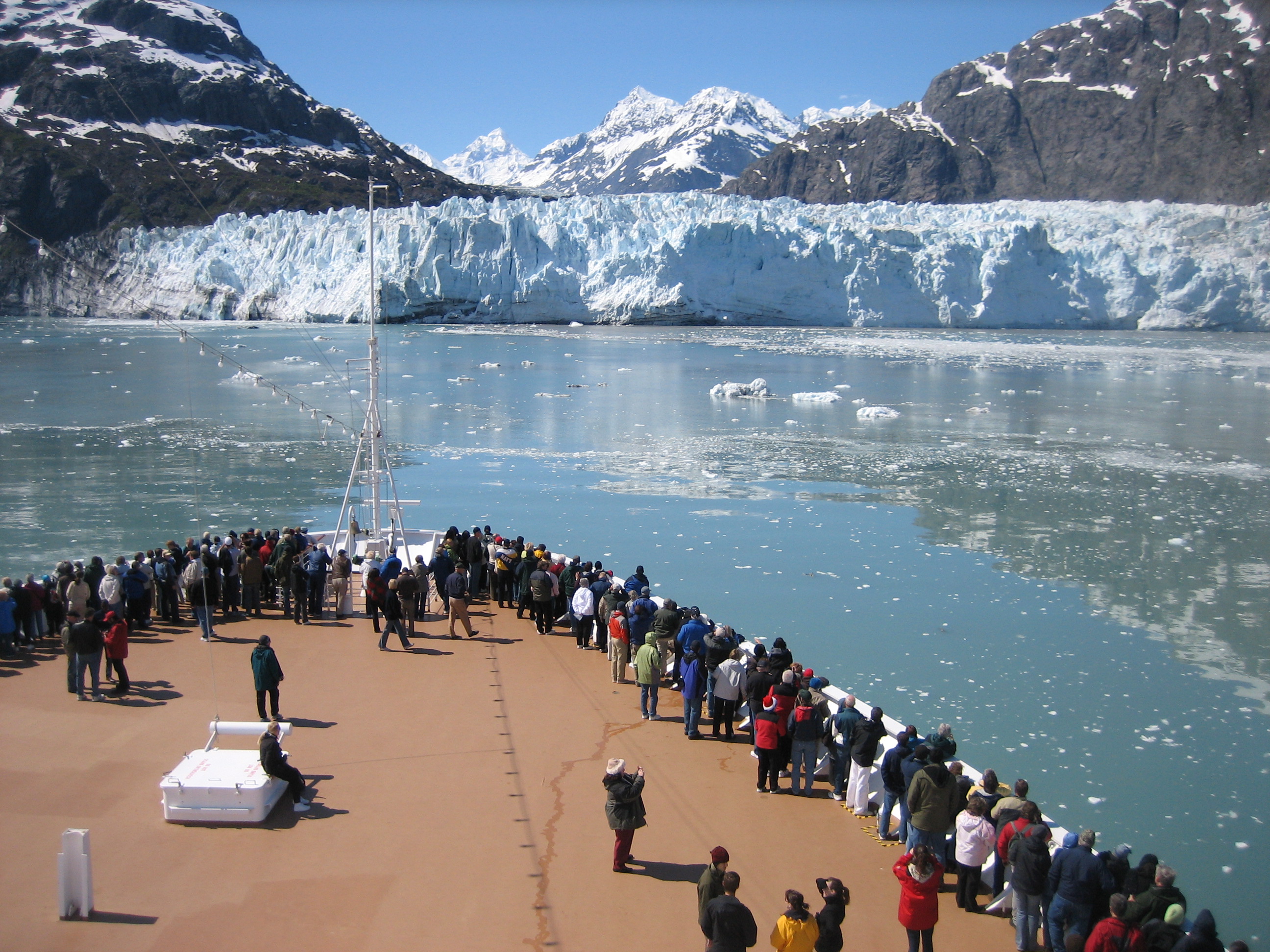
Best of Glacier Bay National Park
The best of Glacier Bay is reached by boat: ranger-led day tours up the bay to the tidewater glaciers. What's worth it, how to book, and when to go (2026).
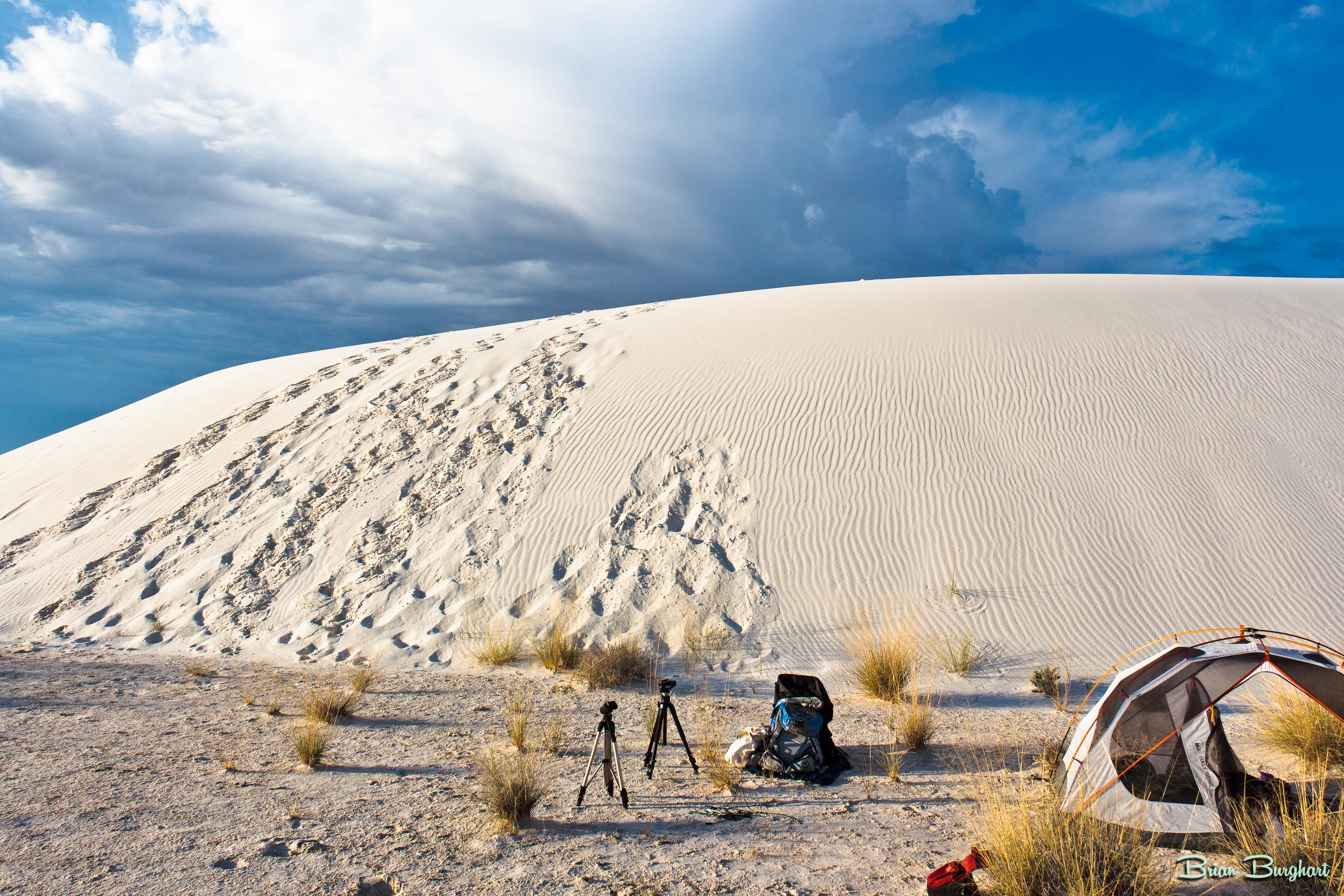
Campsite Guide
White Sands Backcountry Camping: Closed for 2026 — What to Know
As of 2026, backcountry camping at White Sands National Park is closed for site rehabilitation. What that means, and where to camp nearby instead.
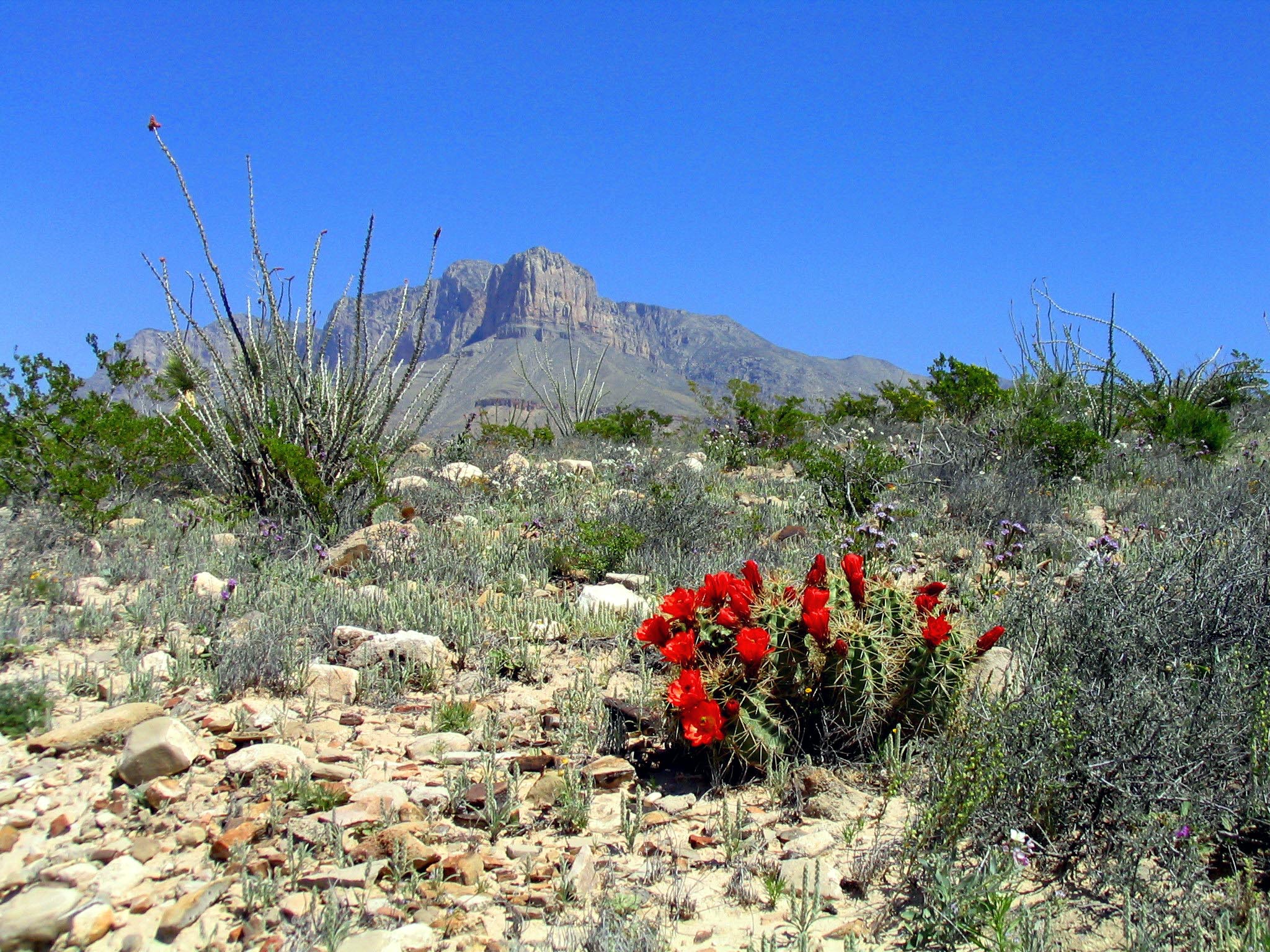
Weather Guide
Guadalupe Mountains National Park Weather: Weather
Guadalupe Mountains National Park: weather guide guide updated 2026. Practical visitor information, reservations, and seasonal tips worth bookmarking before
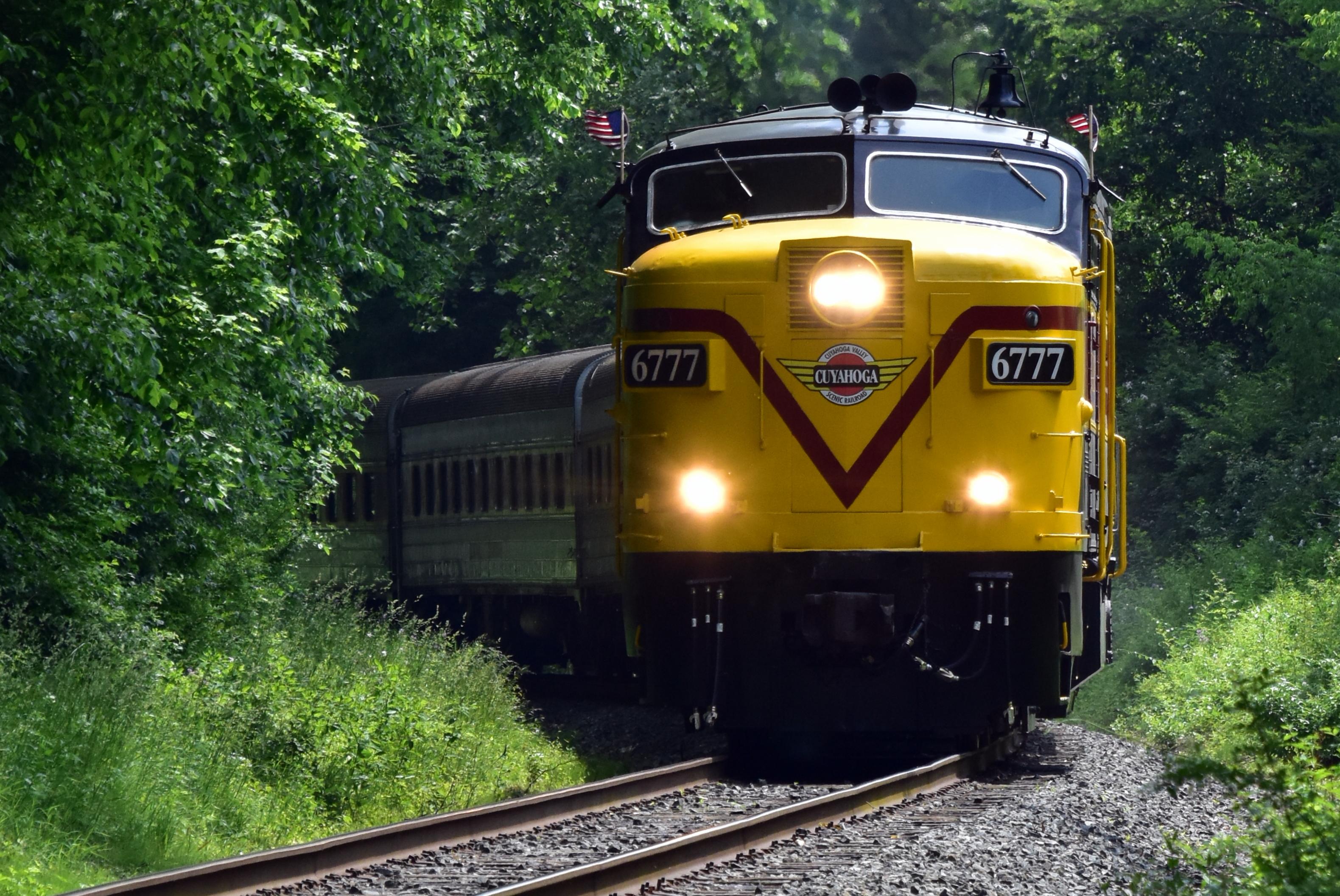
Best Of
Best of Cuyahoga Valley National Park: Best Things to Do
Seeing a Cleveland Orchestra concert with the woods as your backdrop is a uniquely Cuyahoga Valley experience.
Sign in to join the conversation.
Sources & Attribution
Location data courtesy of the National Park Service (U.S. Department of the Interior). NPS data is public domain. Official NPS page.
Images: NPS; NPS; NPS; NPS; NPS.
Map data © OpenStreetMap contributors.
Park operations alerts: NPS.gov · Weather and weather hazards: National Weather Service · Live conditions.
Information may change. Always verify fees, hours, and conditions directly with the official source before visiting.
Did this guide help? Share it with a friend.