Securing a guided tour at Canyonlands requires foresight. Reserve at least three months ahead for peak seasons, as the premier trips—particularly those accessing areas beyond standard vehicle reach—fill quickly. This park rewards preparation; spontaneous visitors often miss its most profound offerings.
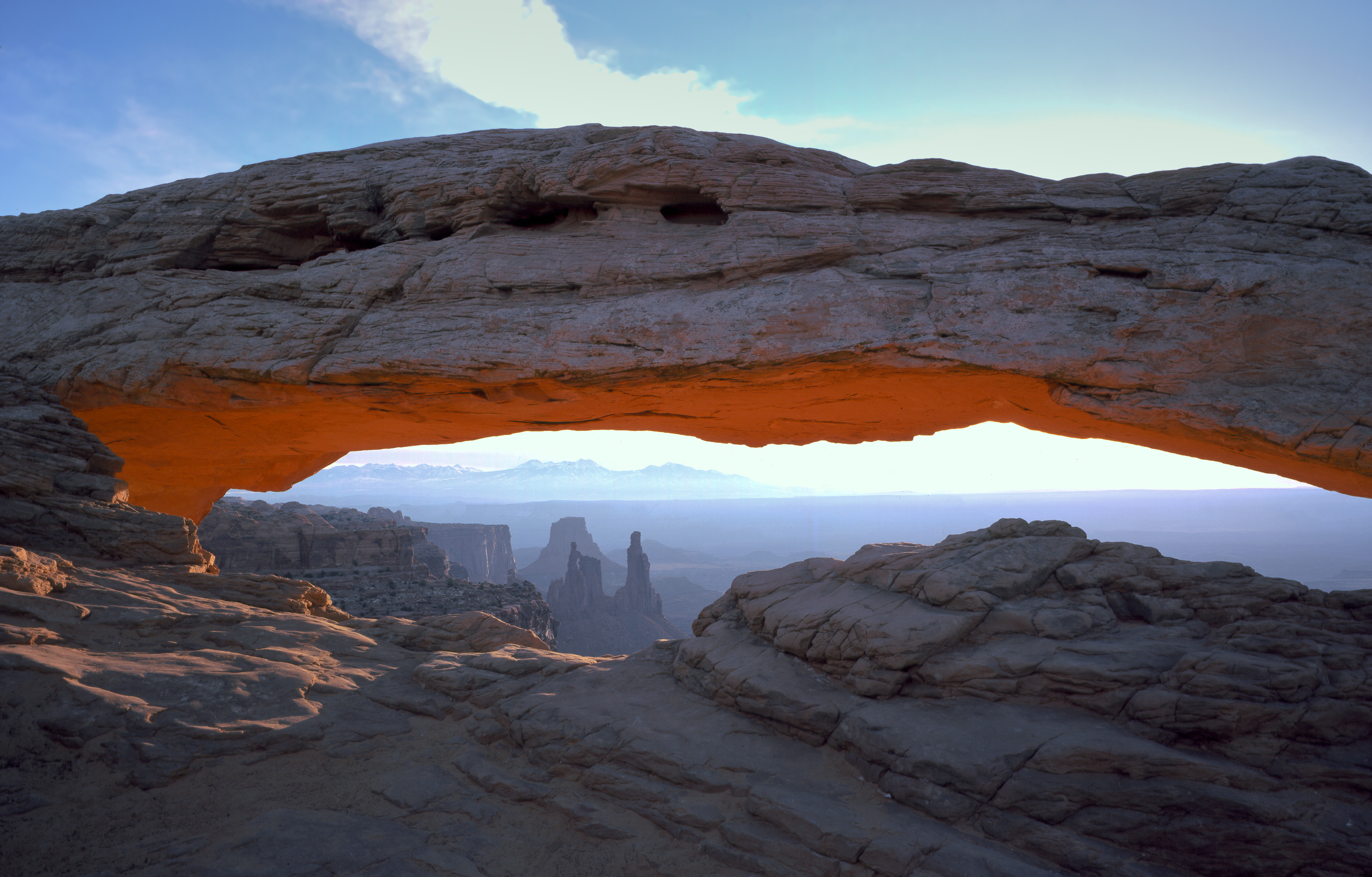
NPS via NPS.gov (Public Domain)
Best Tours of Canyonlands
8 min read
Tours Guide
Best tours and guided experiences at Canyonlands National Park in 2026 — rangers, private guides, and what is worth booking.
This article contains affiliate links — we may earn a small commission at no extra cost to you.
The Best Guided Experience Here
The multi-day, guided 4x4 expedition into The Maze district is the definitive Canyonlands experience. It's the one guided trip that fundamentally changes your understanding of the park's scale and isolation. Rangers will tell you that over 99% of park visitors never set foot in The Maze. A guided tour is the most practical way for most people to see it.
What makes it worth the time and money is access. The Maze is a labyrinth of canyons so remote that all roads require high-clearance, four-wheel-drive vehicles, and significant off-road driving skill. The ranger station itself is 46 miles down a dirt road from the nearest pavement. A professional guide handles the white-knuckle driving down the Flint Trail switchbacks and across rock-strewn washes, letting you focus on the landscape instead of your differential. They get you to landmarks like the Harvest Scene pictograph panel and the Doll House - formations you've likely seen in photos but few ever visit.
This tour adds value by providing context you cannot get on your own. The geology here is a chaotic storybook, with orange and white Cedar Mesa sandstone eroded into spires and slots. A guide can point out the subtle differences between the Honaker Trail Formation and the Paradox Formation, turning a beautiful mess of rock into a readable history. They also know where to find the scarce, reliable water sources and how to navigate a district with few marked trails. You're paying for expertise, safety, and a vehicle you probably don't own.
The common mistake is underestimating the commitment. These are not day trips. Expect expeditions of three to five days involving backcountry camping. You need to be comfortable with primitive conditions, wide temperature swings, and being genuinely out of contact. Cell service drops out long before you even reach the district boundary. For a complete visitor guide to the park's other districts, you can start with our complete visitor guide.

Free Ranger Programs
The National Park Service provides complimentary programs that vary with the season and available staff. These sessions offer valuable insight, particularly for visitors unfamiliar with high-desert ecosystems.
Evening Campfire Talks
Held at the Squaw Flat campground in The Needles and sometimes at the Island in the Sky campground, these are the classic ranger program. As of 2026, they typically run nightly from spring through fall. Topics range from park geology to the history of the ranching families who tried to make a life here. The one on "Canyonlands Night Sky" is worth rearranging your evening for - the rangers often bring out laser pointers to trace constellations against a blackness you didn't know still existed. Seating is first-come, first-served on picnic benches. Bring a jacket; the temperature can plunge 40 degrees from the afternoon high once the sun goes down.
Guided Hikes
These are infrequent and coveted. Rangers might lead a weekend hike along the Slickrock Foot Trail in The Needles or to the Fortress Arch in Island in the Sky. They don't advertise these far in advance; your best bet is to check the posted schedules at any visitor center the moment you arrive. Group sizes are strictly limited, often to 15 or 20 people. If you see one that fits your schedule, sign up immediately. The value isn't in the distance covered - you could hike these trails yourself - but in the ranger's ability to point out cryptobiotic soil crusts, explain the formation of a pothole arch, or identify the call of a canyon wren.
Junior Ranger Program
It's not just a busy book. At Canyonlands, the Junior Ranger book is surprisingly substantive, asking kids to observe specific rock layers and identify plant adaptations. The badge ceremony at the visitor center is a genuine point of pride for the rangers and the kids. Pick up the free booklet at any visitor center. Allow at least two hours to complete the activities.
Most visitors overlook the simple "Ask a Ranger" opportunity. The rangers at the Island in the Sky visitor center desk see hundreds of people an hour, but if you have a specific, thoughtful question - not just "what's the best hike?" - they'll often light up and share detailed insights about recent wildlife sightings or the best light at Mesa Arch that week.

Concessionaire Tours
Licensed operators provide the vehicle-based and river access that the park service does not. Booking is almost exclusively through their own websites, not Recreation.gov.
4x4 Off-Road Tours
Two main operators run trips from Moab into Canyonlands. They focus primarily on the Island in the Sky district, running tours down the White Rim Road and onto spur roads like the Shafer Trail. The value here is the vehicle and the driver's knowledge of road conditions. The White Rim is a 100-mile dirt road that loops below the mesa top; doing it yourself requires a permit, a very capable 4x4, and often multiple days. A tour condenses the highlights into a full-day trip.
You'll ride in a modified, open-air Jeep or similar truck. The guide narrates the geology as you descend switchbacks cut into the cliff face. They stop at viewpoints overlooking the Colorado River and places like Musselman Arch. The cost as of 2026 ranges from $200 to $350 per person for a full day. It's best suited for visitors who want a taste of the backcountry without the commitment of a multi-day expedition, or for those who lack a suitable vehicle. Book at least two months ahead for spring and fall dates.
River Rafting Tours
Several outfitters are licensed to run the Cataract Canyon section of the Colorado River, which cuts through the heart of the park. This is a world-class whitewater experience, with massive rapids in the spring and early summer snowmelt runoff. Trips range from single-day "taster" trips (which involve a scenic flight back to Moab) to multi-day expeditions that include camping on sandy river beaches.
The guided river trip offers something completely inaccessible by land: a canyon-level perspective. From the river, the walls of the Colorado and Green rivers rise a thousand feet straight up. You'll see side canyons and geologic layers invisible from the mesa tops. Guides handle all the logistics, from rigging the rafts to cooking meals. Expect to pay over $500 per person for a multi-day trip. This is for those who want adventure and are okay with being unplugged for days. Due to the complex logistics, these book out four to six months in advance.

Specialized Experiences
Night Sky Programs
Canyonlands is a Gold-Tier International Dark Sky Park. The park service occasionally hosts formal "Star Parties" with telescopes, but these are rare events announced on the park website. More consistently, the evening campfire talks often have a strong astronomy component. Rangers will point out the Milky Way, planets, and satellites with green laser pointers. The real pro move is to simply ask a ranger at the visitor center where the best nearby, easy-to-access pull-off is for stargazing after the program. They'll usually give you a specific mile marker on the main road.
Photography Workshops
Independent photography guides and workshops operate under commercial use authorizations. These are not park-run. A good workshop leader knows exactly where to be for sunrise at Mesa Arch (arrive at least 90 minutes before sunrise if you want a spot at the front) and, more importantly, knows several lesser-known arches and vistas with similar light and zero crowds. They'll help with technical settings for capturing the vast dynamic range between dark canyon shadows and bright sky. These are premium experiences, often costing $400+ for a day. They're best for serious amateur photographers looking to maximize their shot list.
Guided Backpacking Trips
A handful of guide services offer multi-day backpacking trips, primarily in The Needles district. This is for those who want to hike into destinations like Chesler Park or the Joint Trail but prefer not to handle all the route-finding, water caching, and permit logistics alone. The guide carries a satellite communicator, knows the reliable water sources (which are few and far between), and can tailor the route to the group's ability. It's a way to safely experience the park's most rugged hiking trails with a safety net. Compared to other guided trips, the group size is very small, usually six people or fewer.

Booking and Logistics
Lead times are everything. For the major concessionaire trips - especially multi-day river rafting through Cataract Canyon or 4x4 tours in the prime April-May and September-October windows - you should be booking four to six months out. Some dates sell out the January before.
Reservations are made directly with the outfitters. A list of current permit holders is on the park's official website under "Guided Tours." Don't book through generic third-party travel sites; go straight to the operator. Cancellation policies are strict, often with forfeiture of a 50% deposit for cancellations inside 30 days. Trip insurance is a common recommendation.
What's included varies. Most full-day and multi-day tours include lunch, water, and sometimes snacks. They rarely include the park entrance fee, which is $30 per vehicle as of 2026, or your lodging and accommodations before and after the trip. Always ask about bathroom facilities - on a 4x4 tour, it's often a "bring your own toilet paper and find a privacy rock" situation.
For free ranger programs, no booking is required. Just show up. But for any guided hike with a size limit, sign-up is in-person only at the relevant visitor center, often on the same day. Get there early.
Practical Takeaways
- The Maze is the pinnacle. If you want the definitive, transformative guided experience, it's a multi-day 4x4 expedition into The Maze. This is the only way most people will ever see it.
- Book river trips by winter. For a guided Cataract Canyon rafting adventure in spring or fall, secure your spot by January or February of that year.
- Ranger programs are weather-dependent. Evening talks and guided hikes can be canceled due to high winds, rain, or extreme heat. Always have a backup plan.
- Ask specific questions. At the visitor center, move beyond "what should I do?" Ask a ranger, "Where's the best place to hear canyon wrens this time of day?" or "Which overlook has the fewest people at sunset?" You'll get better intel.
- Verify what's included. When booking a tour, explicitly confirm what gear, food, and water is provided. Assume the park entrance fee is your responsibility.
- Prepare for isolation. On any guided trip beyond Island in the Sky, cell service is nonexistent. Tell someone your itinerary and expected return time.
- Use guides for access, not just narration. The core value of a Canyonlands guide is their ability to safely operate a 4x4 vehicle on treacherous roads or a raft in big whitewater, granting you access to the park's most profound spaces. If you just want stories, stick to the ranger programs. For a deeper look at the park's natural inhabitants, keep an eye out for our upcoming guide on wildlife viewing.
Recommended Gear
What experienced visitors bring to Best Tours of Canyonlands
Links may earn us a commission at no extra cost to you. We only recommend gear we believe in.
Hiking Essentials
Hydration Pack (3L)
Hands-free water for long trail days
Trekking Poles (Pair)
Save your knees on steep descents
Hiking Boots (Ankle Support)
Sturdy footwear for rocky, uneven trails
Sun & Heat Protection
Wide-Brim Sun Hat
Full coverage UPF 50+ protection at altitude
Insulated Water Bottle (32oz)
Keeps water cold in desert heat all day
Winter Gear
Microspikes / Traction Devices
Essential for icy rim trails in winter months
Packable Down Jacket
Lightweight warmth that stuffs into a pocket
Sources
- Official source: NPS — Canyonlands National Park nps.gov/cany/index.htm
Photo Gallery
More to Explore
Park Guide
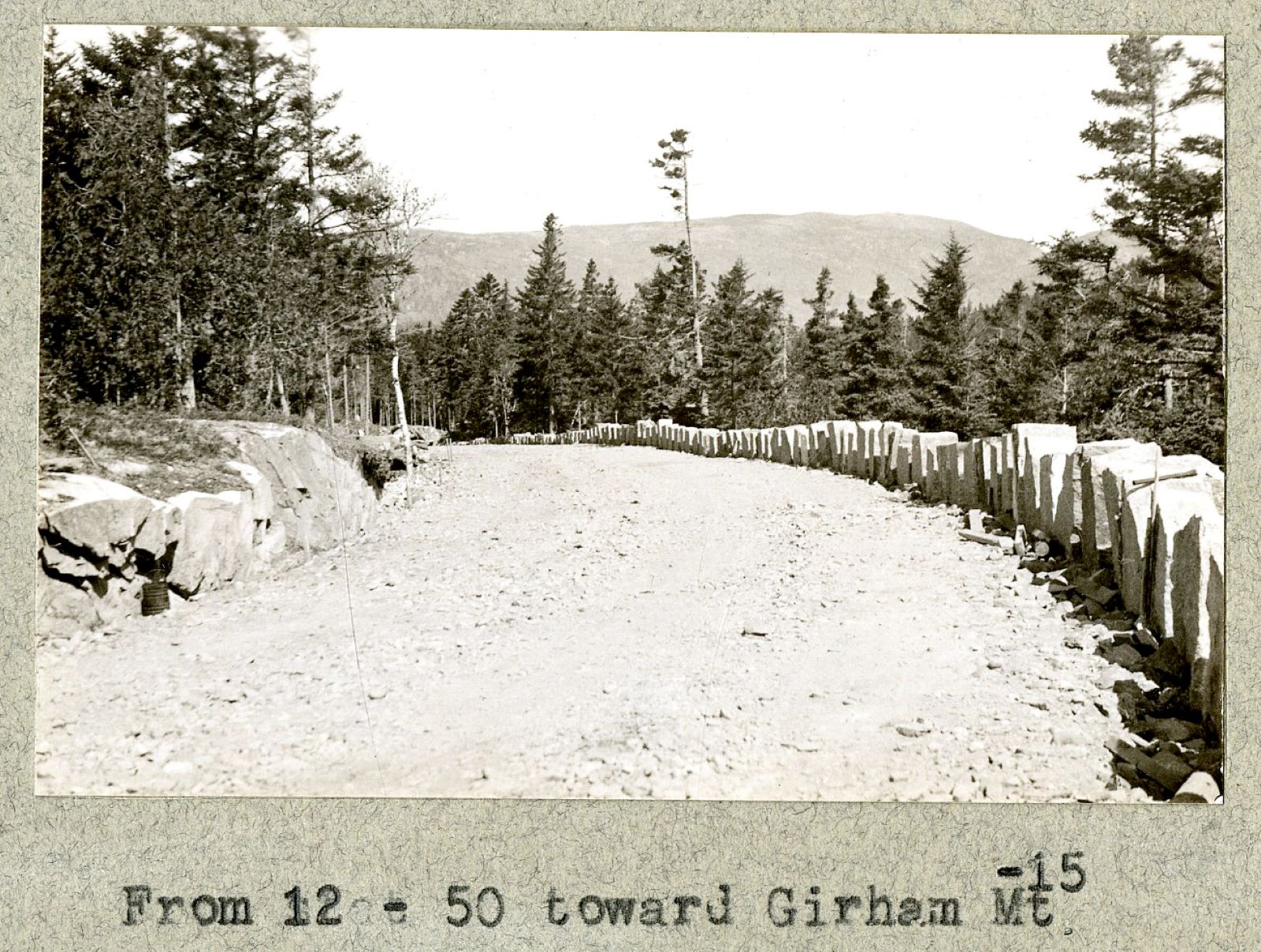
Acadia National Park: Carriage Roads, Cadillac Mountain & 2026 Guide
Discover carriage roads, Cadillac Mountain, and rugged Maine coast. Complete 2026 guide to Acadia National Park — trails, fees, lodging, permits, and what rangers recommend.
Hiking Guide
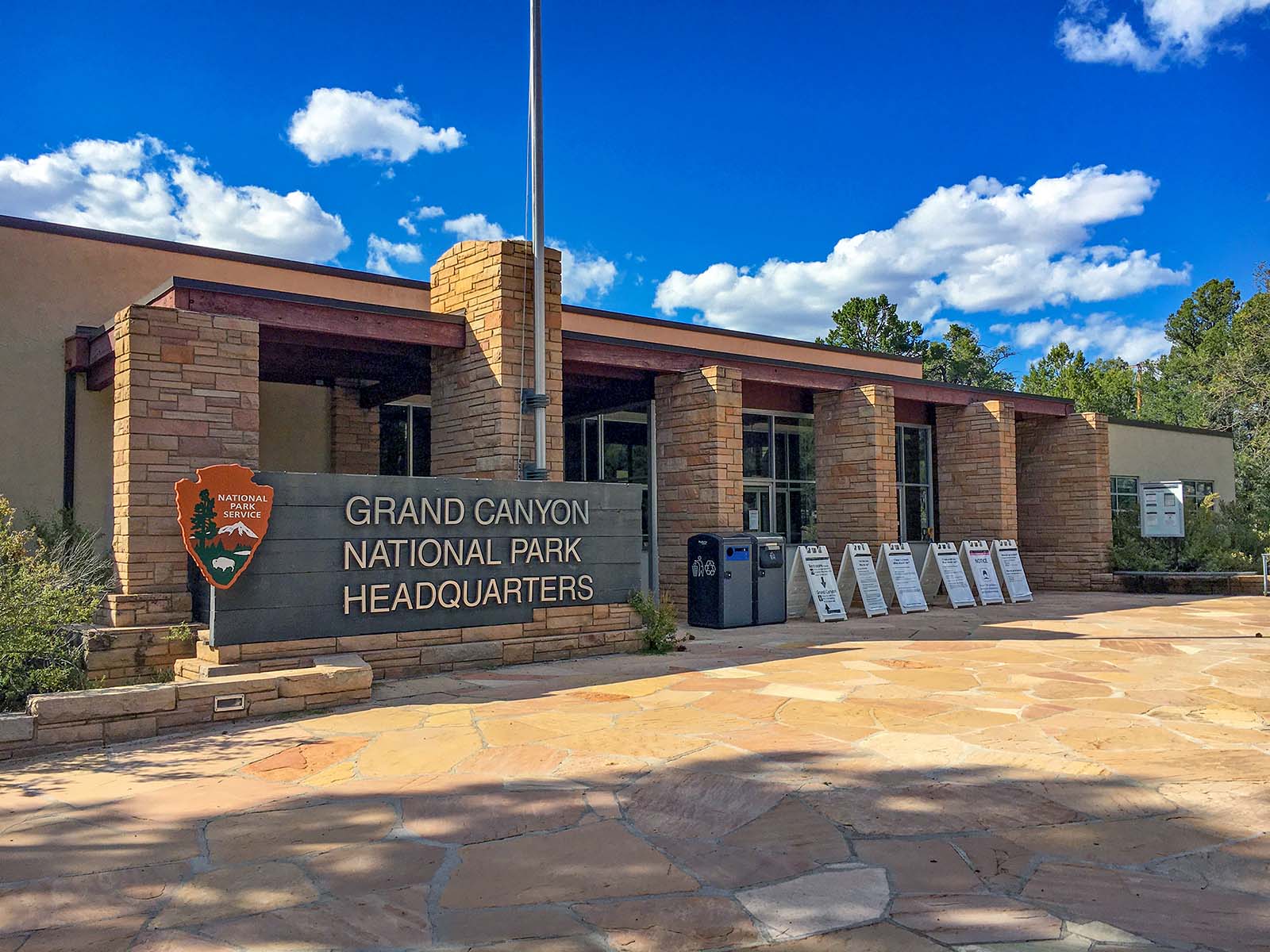
Grand Canyon Hiking Trails: Day Hikes, Water Sources & Rim to Rim
Compare Grand Canyon hiking trails: Bright Angel, South Kaibab, Hermit, Grandview, and rim to rim, with distances, elevation, water stops, and trailhead access for each.
Best Of
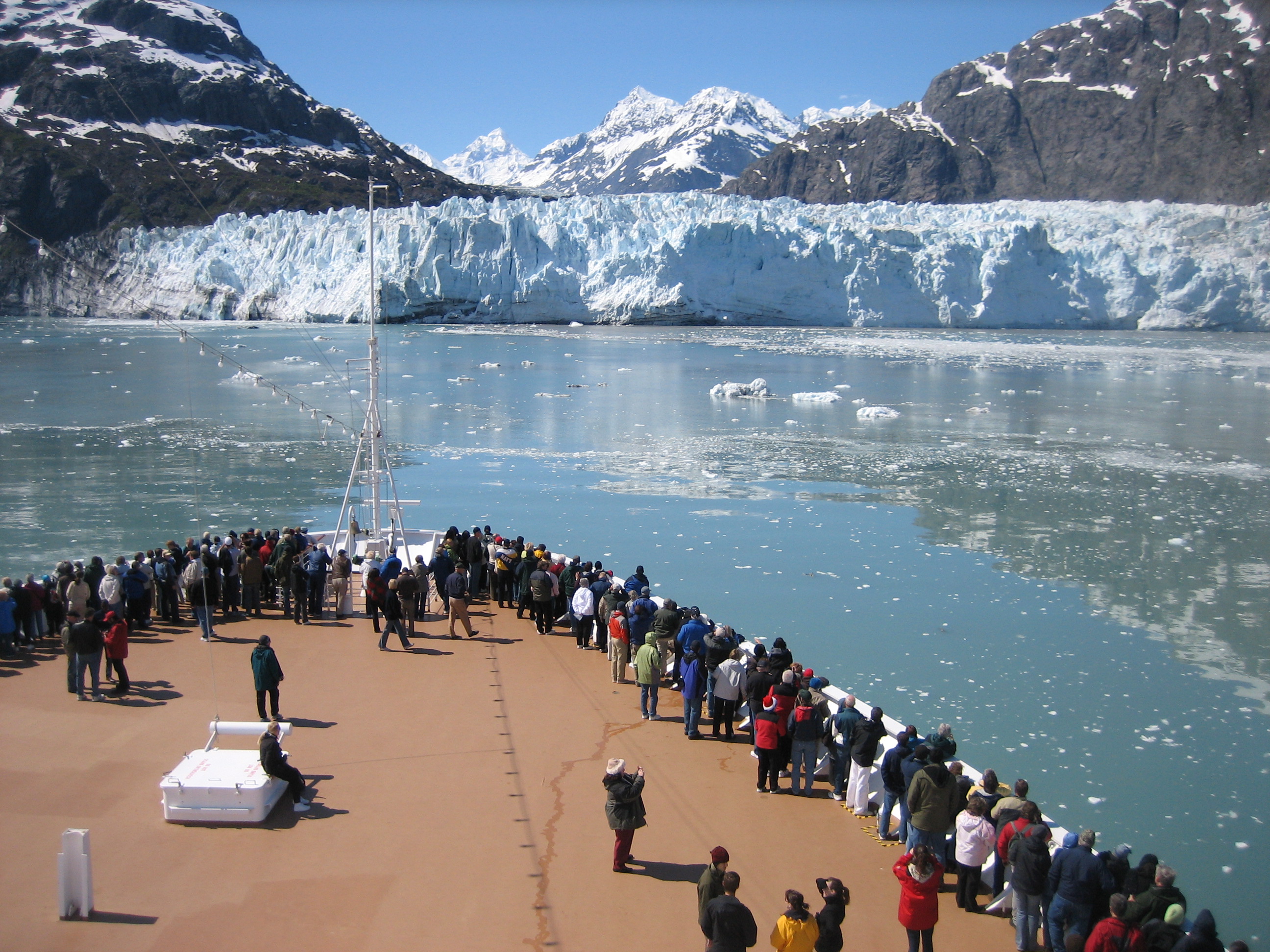
Best of Glacier Bay National Park
The best of Glacier Bay is reached by boat: ranger-led day tours up the bay to the tidewater glaciers. What's worth it, how to book, and when to go (2026).
Campsite Guide
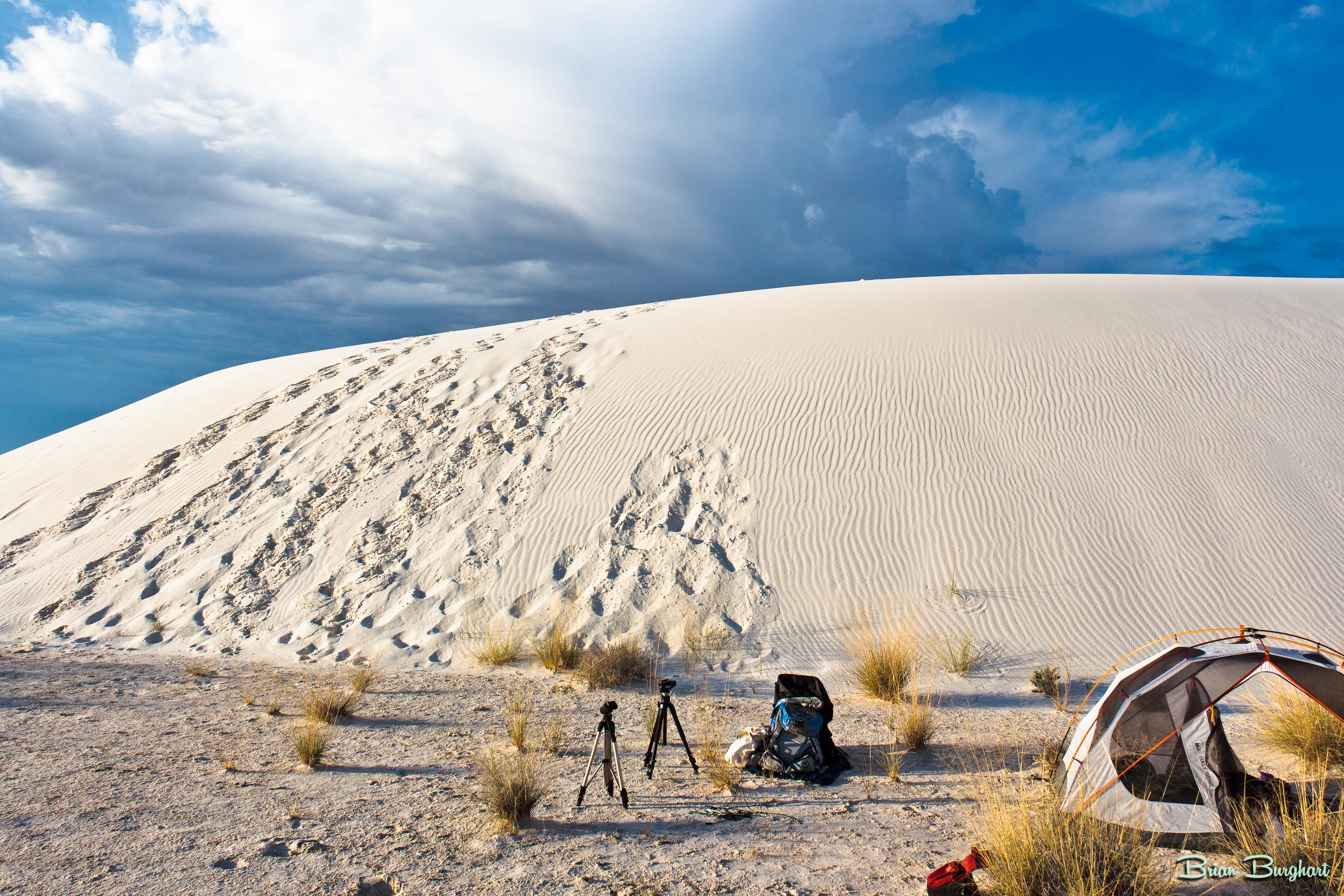
White Sands Backcountry Camping: Closed for 2026 — What to Know
As of 2026, backcountry camping at White Sands National Park is closed for site rehabilitation. What that means, and where to camp nearby instead.
Weather Guide
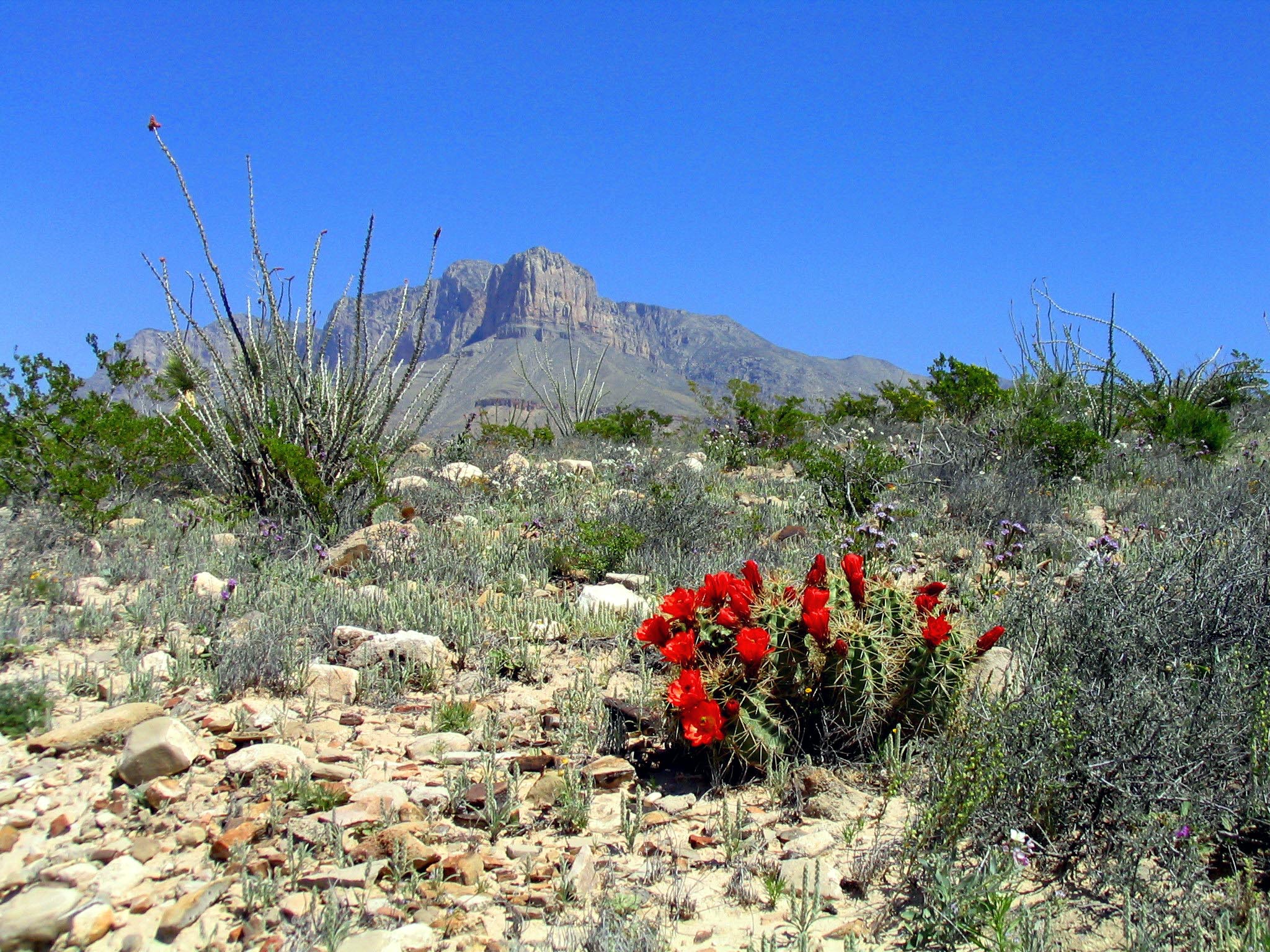
Guadalupe Mountains National Park Weather: Weather
Guadalupe Mountains National Park: weather guide guide updated 2026. Practical visitor information, reservations, and seasonal tips worth bookmarking before
Best Of
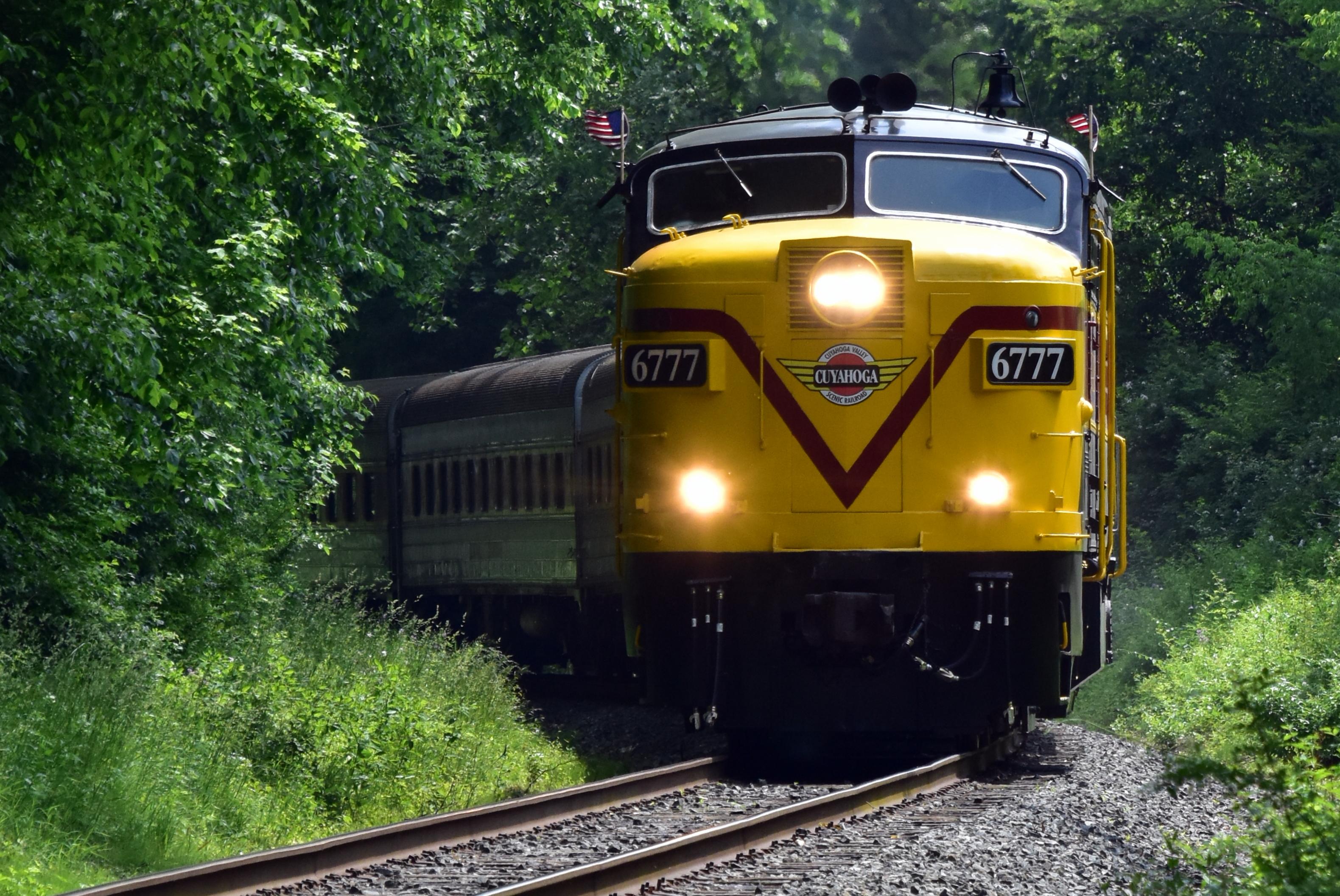
Best of Cuyahoga Valley National Park: Best Things to Do
Seeing a Cleveland Orchestra concert with the woods as your backdrop is a uniquely Cuyahoga Valley experience.
Sign in to join the conversation.
Sources & Attribution
Location data courtesy of the National Park Service (U.S. Department of the Interior). NPS data is public domain. Official NPS page.
Images: NPS; NPS; NPS; NPS; NPS.
Map data © OpenStreetMap contributors.
Park operations alerts: NPS.gov · Weather and weather hazards: National Weather Service · Live conditions.
Information may change. Always verify fees, hours, and conditions directly with the official source before visiting.
Did this guide help? Share it with a friend.