Most visitors pull into Bryce Canyon expecting to find a campground with full hookups, a swimming pool, and maybe a camp store that sells firewood at reasonable prices. North Campground is not that place. It's a no-frills operation - 100 sites spread across four loops, no water or electric at individual sites, and a dump station that only operates in summer. And that's exactly why people who know the park keep coming back.
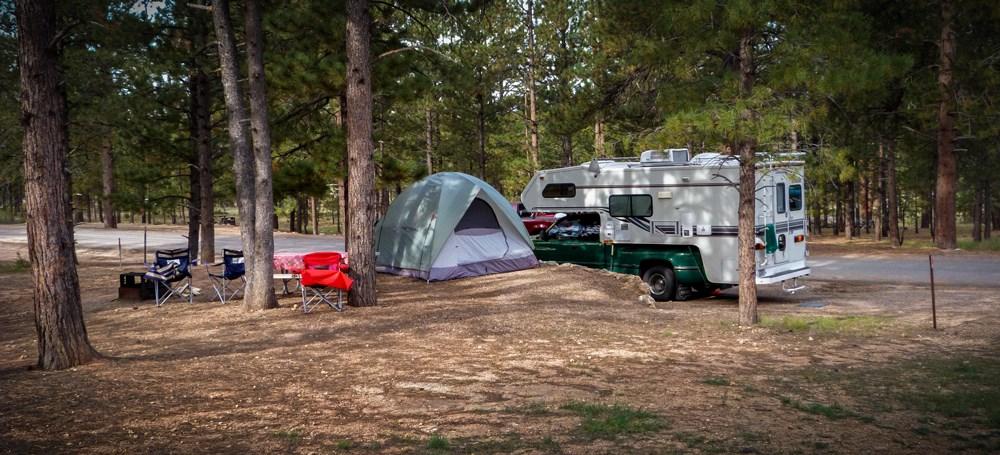
NPS via NPS.gov (Public Domain)
Campsites at North Campground (2026 Guide)
7 min read
Campsite Guide
Consider the "Figure-8 Combination" hike if you have a full day. This 4-5 hour loop combines Queen's Garden, Navajo Loop, and Peekaboo Loop into one route.
Your plans
For more, see complete visitor guide, all campgrounds, and hiking trails.
This guide covers everything you need to decide if North Campground is the right base for your Bryce Canyon trip in 2026 - from which loop to book to what the park website doesn't mention about winter camping.
Site Layout and Loop Breakdown
North Campground sits directly across the road from the Visitor Center, which means you're about a five-minute walk from trail information, the park film, and restrooms with flush toilets. The campground has 100 sites divided into four loops labeled A, B, C, and D.
Loops A and B: RV Campers
Loops A and B are designated for RV campers. That doesn't mean tent campers can't use them - it means these loops are designed for larger vehicles, with longer pull-through sites and space for tow vehicles. If you're in a camper van or a small trailer, either loop works fine. RVs up to about 40 feet can fit in most sites, though the tighter turning radius in Loop B gives some drivers trouble.
There are no hookups in either loop. No water, no sewer, no electrical. You'll run your generator during quiet hours (10 PM to 8 AM) unless you're fully self-contained. Rangers will tell you that the lack of hookups surprises more first-time RVers than almost anything else about the park.
Loops C and D: Tent Campers
Loops C and D are tent-only and close during freezing temperatures. In practice, that means they're typically open from late spring through early fall - roughly May through September, depending on the year's weather. These loops have smaller, more shaded sites tucked among ponderosa pines. The ground is mostly packed dirt with some pine needle duff, so your tent stakes will go in without a fight.
Loop D is quieter than C because it's farther from the main road. Most visitors don't realize that Loop C sites near the entrance can get some road noise from Highway 63 until about 10 PM.

Seasonality and When to Book
North Campground is open year-round, but the available loops shrink dramatically in winter.
- October 5 to December 31: Only Loops A and B are open. Loop A stays open through most of the winter, but even Loop B closes when snow accumulation makes access difficult.
- January 1 to April 15: Only Loop A remains open, weather permitting. During heavy snow years, even Loop A may close temporarily. The park service posts conditions on the website and at the entrance station.
Reservations are required for North Campground. As of 2026, you can book sites through Recreation.gov. The standard booking window opens six months in advance. Sites in Loop A during summer weekends - especially June through August - typically sell out within minutes of the release date. If you're flexible, aim for a midweek stay.
Most visitors underestimate how cold this place gets at night, even in summer. At 8,000 feet elevation, temperatures can drop into the 40s Fahrenheit (single digits Celsius) in July. In winter, expect overnight lows around 10°F to 20°F (-12°C to -6°C). The gift shop sells hand warmers, but you're better off bringing a sleeping bag rated for at least 20°F below the expected low.

Amenities and What to Expect
The phrase "no hookups" covers the big picture. But there are some amenities worth knowing about.
Dump Station and Water
A dump station is available near the campground entrance during summer months - roughly May through October, weather dependent. Use of the dump station is included with your campsite fee. Potable water is available at the same location. Fill your tanks and water jugs when you arrive, because there's no water at individual sites.
Bathrooms and Showers
There are flush toilets in the restroom buildings near the campground entrance. They're cleaned daily, but by mid-afternoon during peak season they can get, let's say, well-used. There are no shower facilities in the campground. The closest public showers are in the town of Bryce (about a mile north) or at Ruby's Inn.
Picnic Tables and Fire Rings
Every site has a picnic table and a fire ring. Firewood is available for purchase at the General Store near Sunrise Point, about a 10-minute walk from Loop A. The store also sells basic groceries, ice, and camping supplies. Prices are higher than in town, but not unreasonable by national park standards.
Cell Service
Cell service drops out at the park entrance and doesn't return reliably until you're back on Highway 12. Some Verizon users report spotty coverage in Loop A near the road, but don't count on it. The Visitor Center has public Wi-Fi that works well for checking email and downloading maps.

Best Nearby Trails and Activities
North Campground's location makes it one of the most convenient base camps in the park for accessing the Bryce Amphitheater.
Queen's Garden Trail (1-2 hours)
The Queen's Garden Trail is the least difficult trail descending into the amphitheater. The trailhead is at Sunrise Point, a five-minute walk from the campground. This is the trail most rangers recommend for first-time hoodoo viewers. The views open up within the first quarter mile, and you'll be surrounded by hoodoos before you know it.
Navajo Loop Trail (1-2 hours)
The Navajo Loop starts at Sunset Point, about a 15-minute walk from the campground along the Rim Trail. Note that as of April 2026, the Wall Street side of the Navajo Loop is closed due to hazardous conditions. The other side remains open, but the full loop isn't available. Check at the Visitor Center for current status.
Rim Trail (20 minutes to full day)
The Rim Trail runs from Fairyland Point in the north to Bryce Point in the south - about 5.5 miles one way. The section between Sunrise Point and Sunset Point is the most popular and takes about 30 minutes each way. This is your early morning best bet for sunrise photography, because the light hits the hoodoos directly from the east.
Fairyland Loop (4-5 hours)
For those who want a quieter hike, the Fairyland Loop starts at Fairyland Point, about a mile north of the campground. This 8-mile loop sees a fraction of the traffic that the main amphitheater trails get. The trail combines rim hiking with a descent into the canyon, offering long views of Boat Mesa and the northern hoodoo formations.
Stargazing
Bryce Canyon was designated an International Dark Sky Park in 2019. North Campground's location away from the main lodge lights makes it one of the better spots for stargazing without a long drive. Rangers lead evening programs and full moon hikes seasonally - check the calendar at the Visitor Center.

Practical Tips for a Smooth Stay
Arrive early. North Campground fills nearly every night from June through September. Even with a reservation, the earlier you arrive, the better your chance of getting a site you like. Check-in is at 11:30 AM.
Pack for temperature swings. The data shows an average of 30°F temperature difference between day and night. You'll be shedding layers by 9 AM and adding them back by 6 PM.
Bring cash for firewood. The General Store takes cards, but a few dollars in cash helps for the occasional self-serve firewood box.
Quiet hours are strictly enforced. Rangers patrol from 10 PM to 8 AM. Generators must be off during that window. The campground is small enough that noise carries.
Don't leave food out overnight. Bears are present in the park, though less common than in Yellowstone or Glacier. All food, coolers, and scented items must be stored in a hard-sided vehicle or bear-resistant locker. The campground has shared food storage lockers near the restrooms.
Consider the "Figure-8 Combination" hike if you have a full day. This 4-5 hour loop combines Queen's Garden, Navajo Loop, and Peekaboo Loop into one route. Start early from Sunrise Point and you'll avoid most of the midday crowds.
Final Thoughts
North Campground isn't fancy. It's a collection of dirt pads and pine trees with no hookups, minimal cell service, and a dump station that only works in summer. But it's also the most centrally located campground in Bryce Canyon, within walking distance of the park's best trails and the Visitor Center. For anyone serious about spending time among the hoodoos, it's the right choice.
Check the official website for current rates and conditions before you go - seasonal closures and road work can change the picture quickly. And if you're still deciding where to stay, our complete visitor guide has more details on nearby options. For a full list of campgrounds in the park, see our all campgrounds page.
For more information, see our complete Bryce Canyon National Park Guide.
Sources
- Official source: NPS — Bryce Canyon National Park nps.gov/brca/index.htm
- Official source: National Park Service nps.gov/brca/planyourvisit/northcampground.htm
Photo Gallery
More to Explore
Park Guide
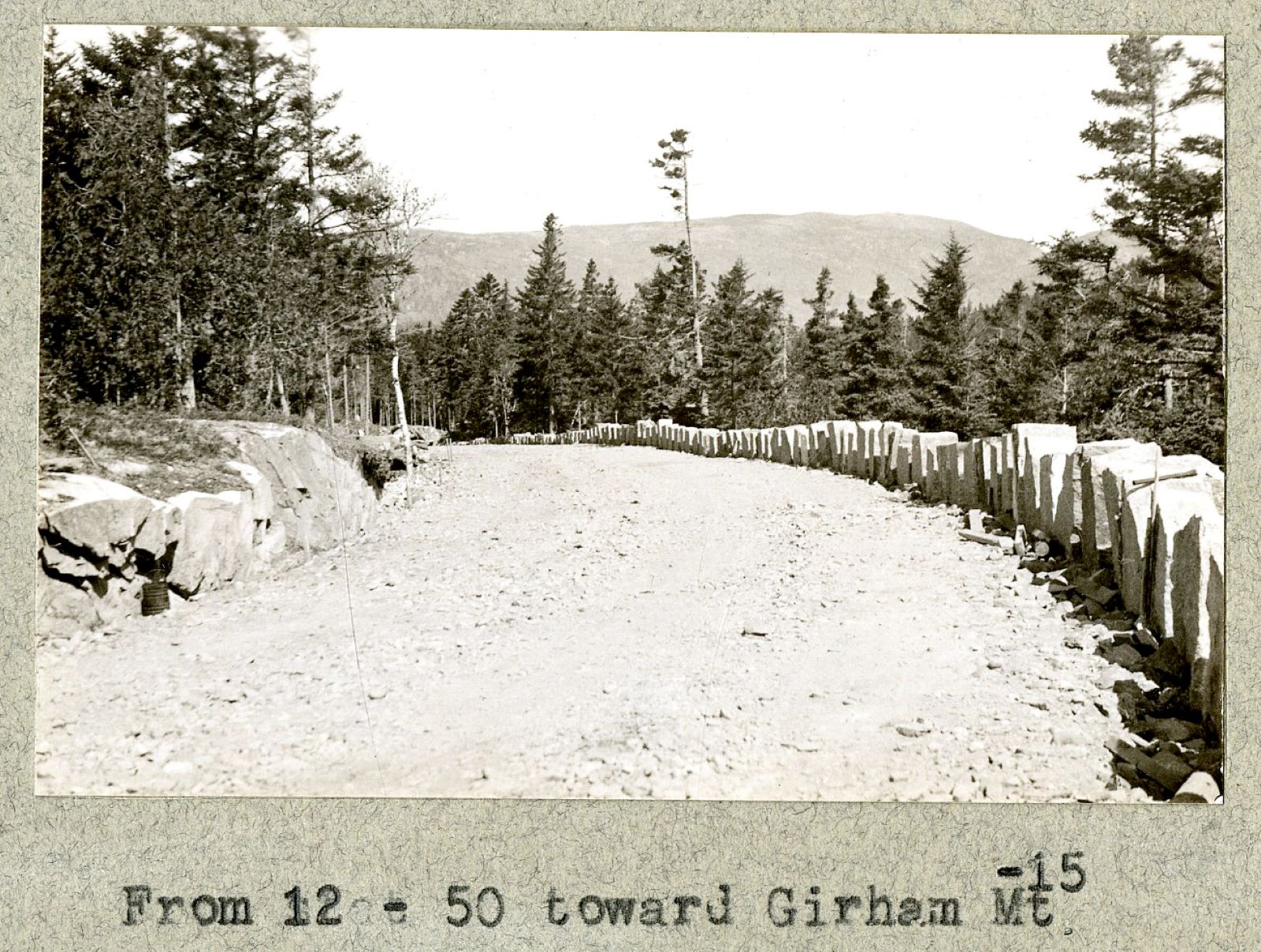
Acadia National Park: Carriage Roads, Cadillac Mountain & 2026 Guide
Discover carriage roads, Cadillac Mountain, and rugged Maine coast. Complete 2026 guide to Acadia National Park — trails, fees, lodging, permits, and what rangers recommend.
Hiking Guide
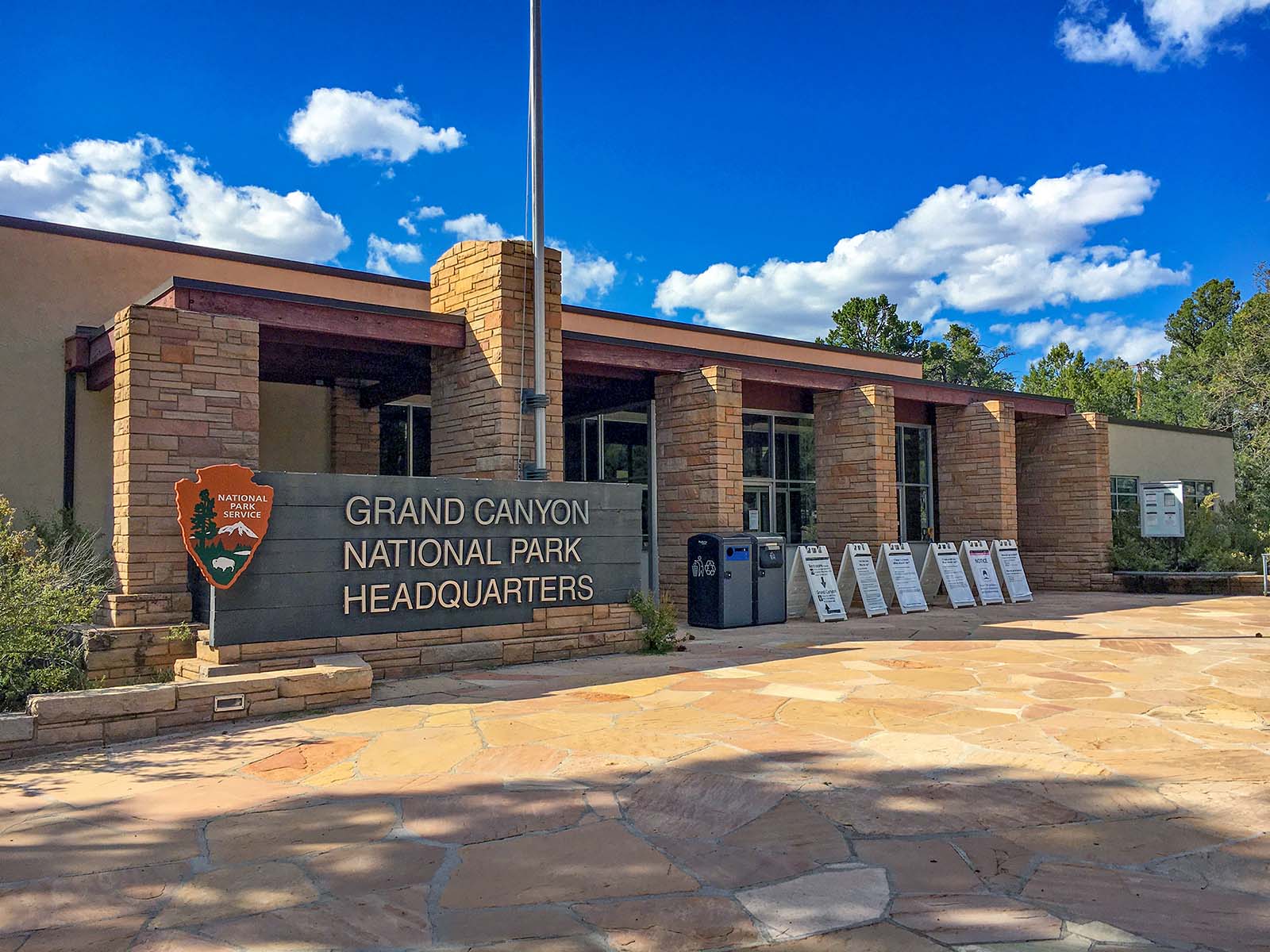
Grand Canyon Hiking Trails: Day Hikes, Water Sources & Rim to Rim
Compare Grand Canyon hiking trails: Bright Angel, South Kaibab, Hermit, Grandview, and rim to rim, with distances, elevation, water stops, and trailhead access for each.
Best Of
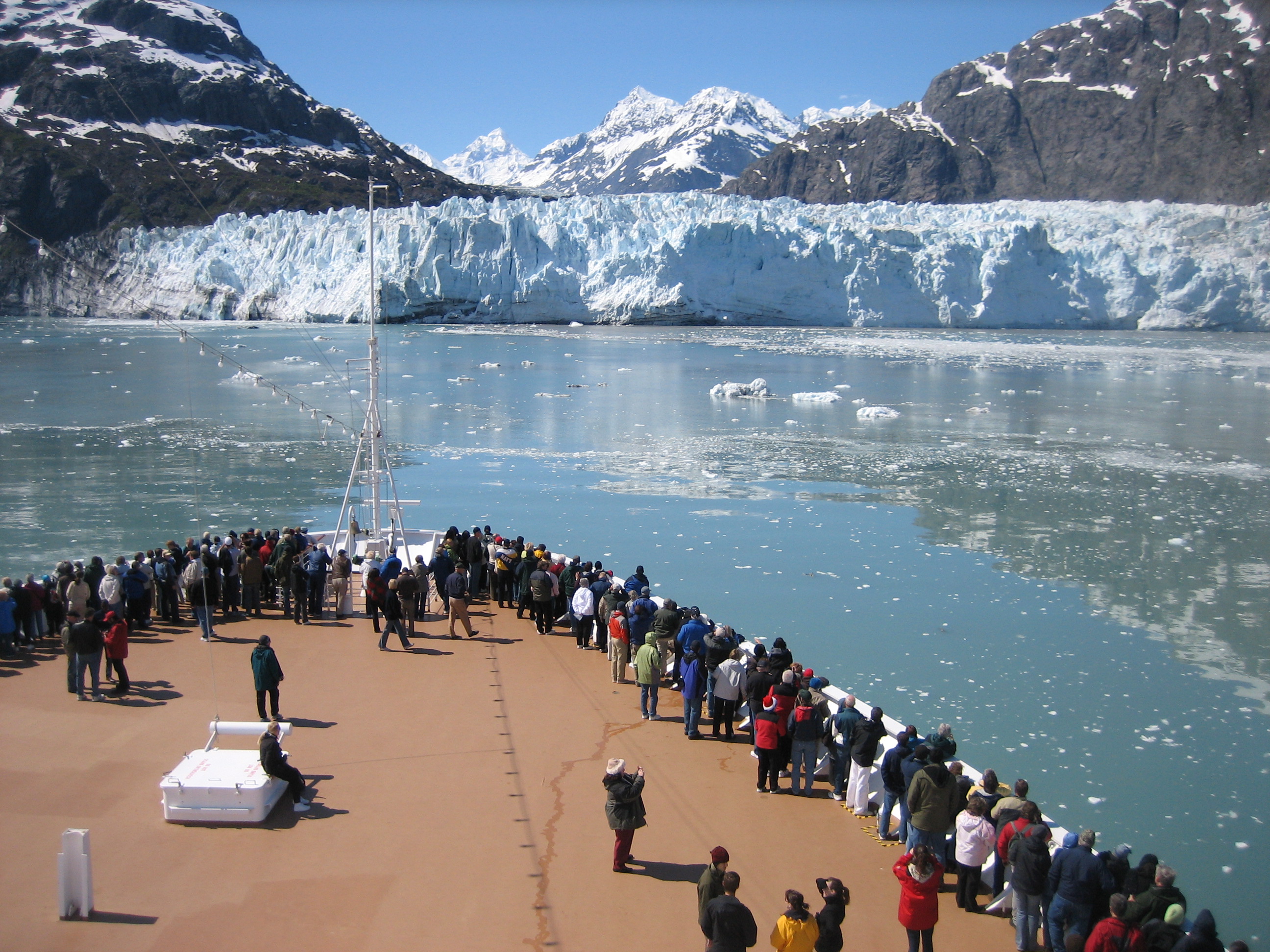
Best of Glacier Bay National Park
The best of Glacier Bay is reached by boat: ranger-led day tours up the bay to the tidewater glaciers. What's worth it, how to book, and when to go (2026).
Campsite Guide
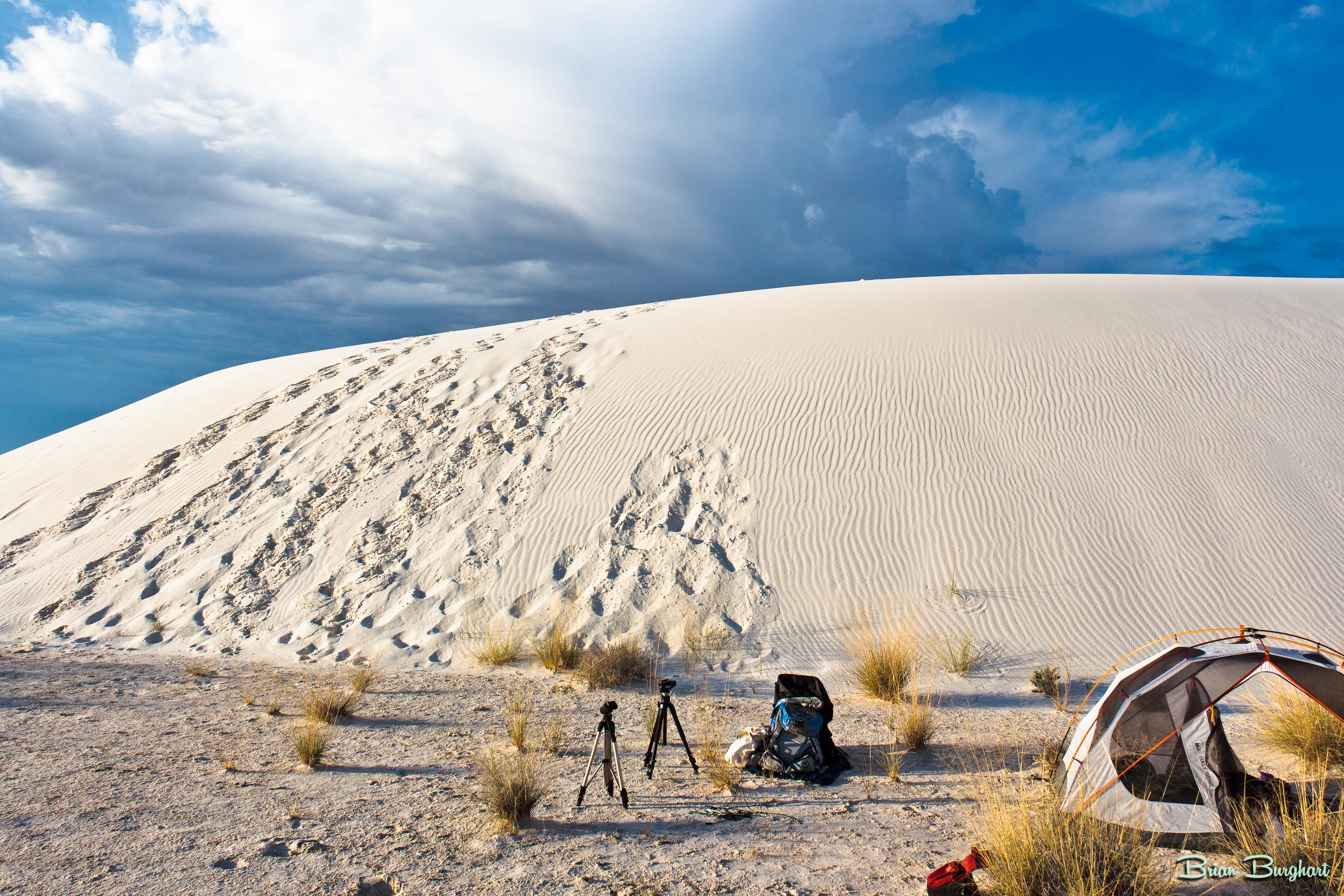
White Sands Backcountry Camping: Closed for 2026 — What to Know
As of 2026, backcountry camping at White Sands National Park is closed for site rehabilitation. What that means, and where to camp nearby instead.
Weather Guide
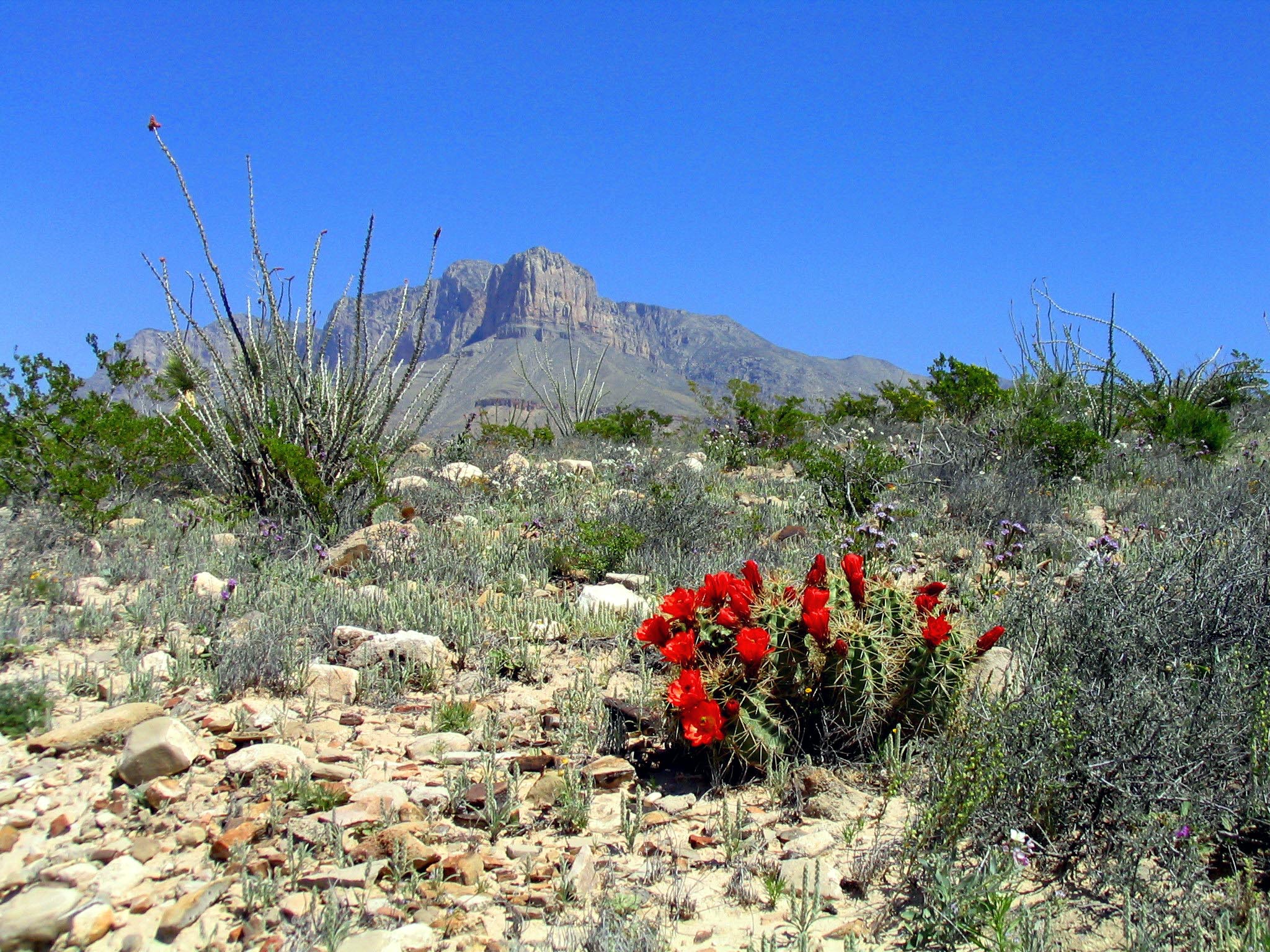
Guadalupe Mountains National Park Weather: Weather
Guadalupe Mountains National Park: weather guide guide updated 2026. Practical visitor information, reservations, and seasonal tips worth bookmarking before
Best Of
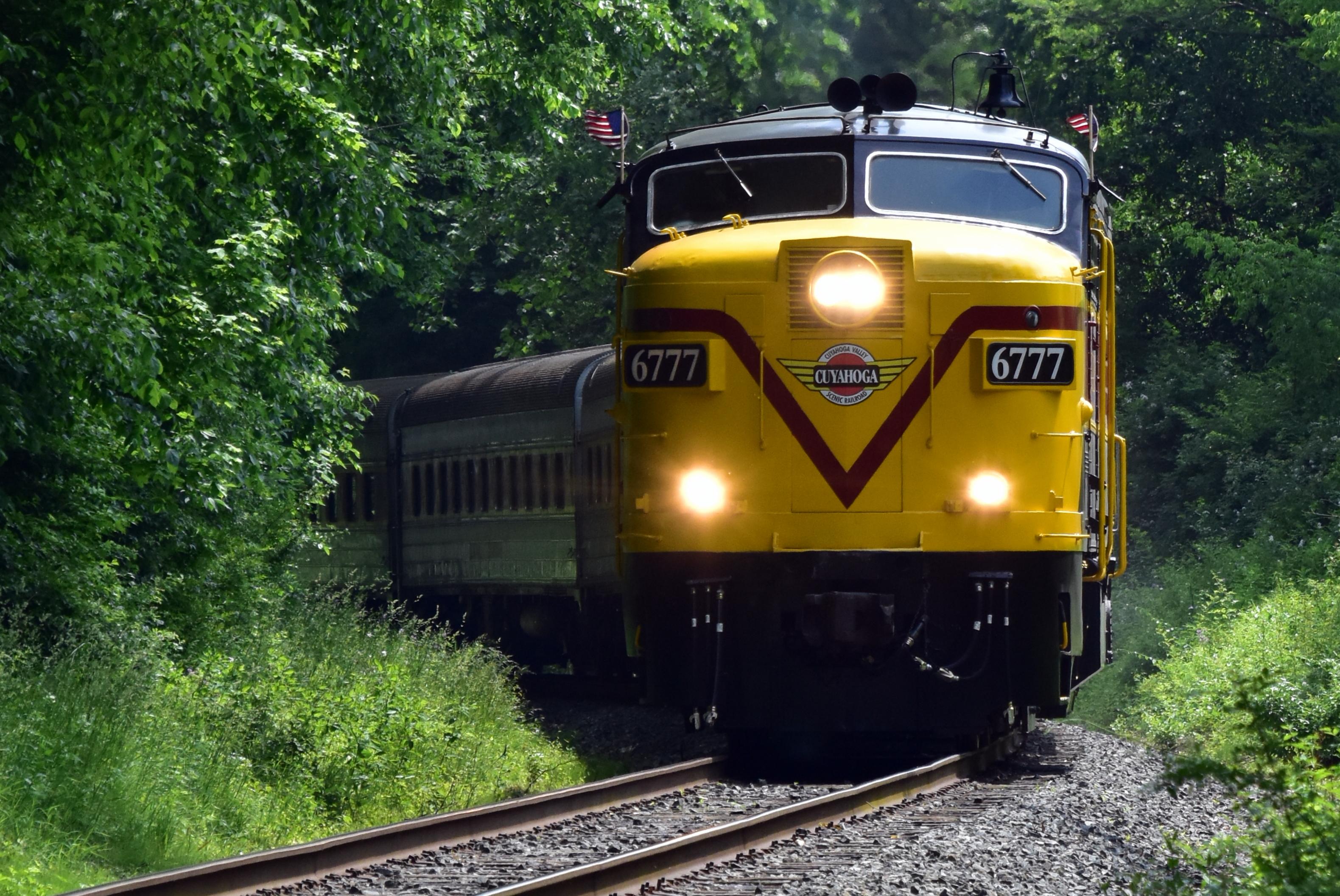
Best of Cuyahoga Valley National Park: Best Things to Do
Seeing a Cleveland Orchestra concert with the woods as your backdrop is a uniquely Cuyahoga Valley experience.
Sign in to join the conversation.
Sources & Attribution
Location data courtesy of the National Park Service (U.S. Department of the Interior). NPS data is public domain. Official NPS page.
Images: NPS; NPS; NPS; NPS; NPS.
Map data © OpenStreetMap contributors.
Park operations alerts: NPS.gov · Weather and weather hazards: National Weather Service · Live conditions.
Information may change. Always verify fees, hours, and conditions directly with the official source before visiting.
Did this guide help? Share it with a friend.