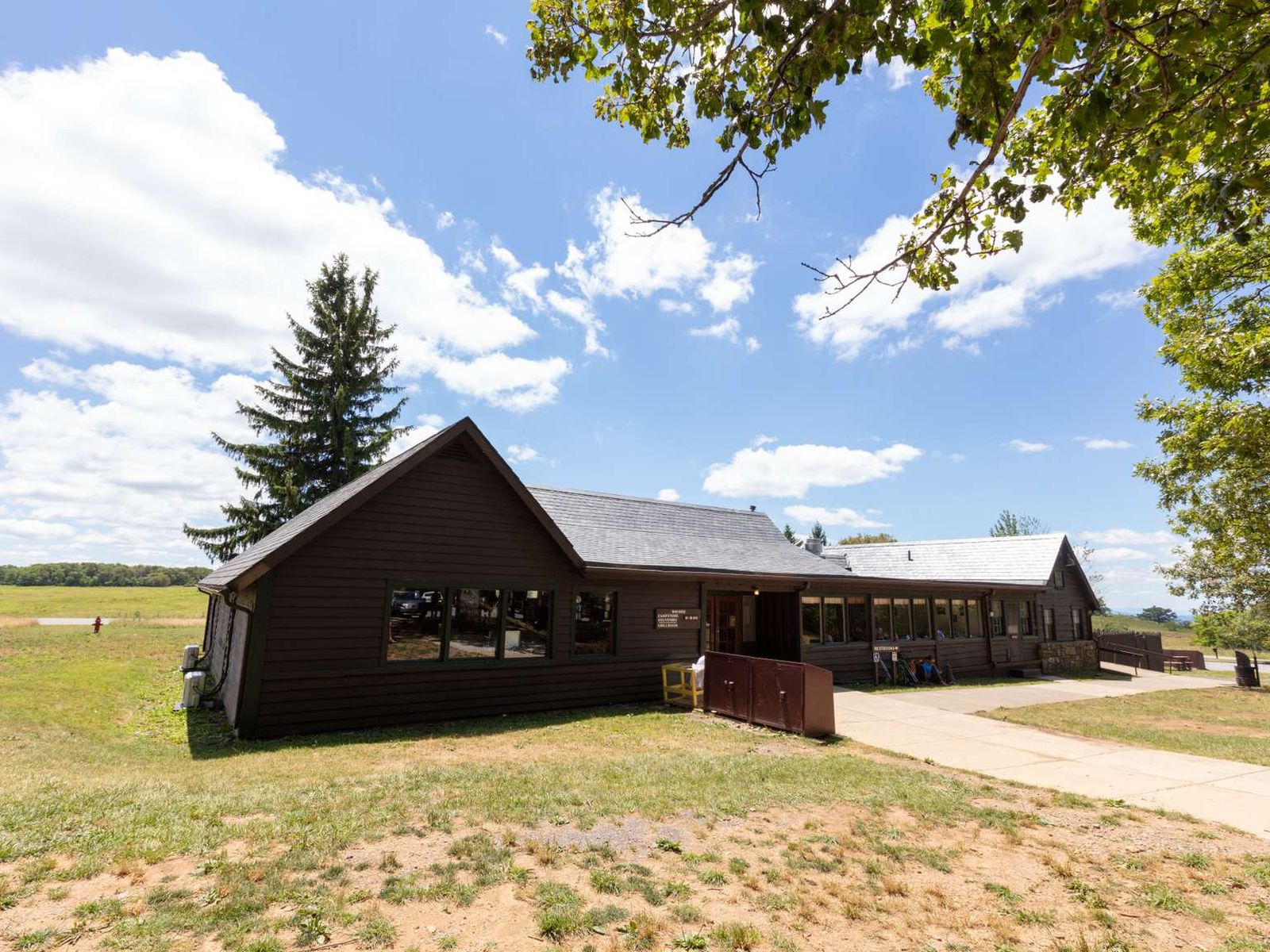
At mile 51.2 on Skyline Drive, Big Meadows Wayside serves as the park's logistical anchor. This isn't a scenic overlook or trailhead—it's a working service hub that has supported visitors since Shenandoah's founding. You'll find fuel, food, and supplies here, with the high-elevation clearing of Big Meadow stretching behind it. After miles of dense forest, that open expanse always surprises newcomers. In my two decades here, I've directed countless visitors to this spot for refueling, a hot meal, and orientation before venturing deeper into the backcountry.
NPS via NPS.gov (Public Domain)
Big Meadows Wayside: Seasonal Service Hub, Shenandoah
10 min read
Places & Points of Interest
Plan your 2026 visit to Big Meadows Wayside. Complete guide to trails, fees, lodging, best time to visit, and insider tips.
Your plans
Quick Information
The wayside is a seasonal operation. As of 2026, it typically opens in late March and closes in mid-November, with full food service starting a few weeks after opening. Hours shift with the seasons, but plan on it being open from at least 9 AM to 5 PM daily during peak season. Check the official website for current hours.
There is no separate entrance fee for the wayside, but you must pay the Shenandoah National Park entrance fee to reach it via Skyline Drive. As of 2026, the park is fully cashless - only credit cards, debit cards, or mobile payments are accepted at entrance stations.
Parking is free but can be competitive. The main lot accommodates cars and RVs, but it fills by mid-morning on weekends from April through October. Overflow parking is limited. The building and dining area are wheelchair accessible, and accessible restrooms are available on-site. Cell service is notoriously spotty throughout this section of the park; consider the wayside a dead zone for most carriers. This is also the location of the only gas station within park boundaries, though as of 2026 the pumps were closed for upgrades. Always top off your tank before entering the park.
Getting There
Big Meadows Wayside is almost exactly halfway along the 105-mile length of Skyline Drive. The nearest major entrance is the Thornton Gap Entrance at mile 31.5, coming from U.S. Route 211. From the north (Front Royal, I-66), it's about a 50-minute drive via the Front Royal Entrance. From the south (Charlottesville, I-64), use the Rockfish Gap Entrance; the drive north on Skyline Drive takes about an hour.
The parking situation here is straightforward but busy. The main lot is directly off Skyline Drive. If it's full, do not park along the road or in non-designated grassy areas - rangers patrol and will ticket. Your best bet is to circle back later, typically after 2 PM when the lunch crowd thins. My field notes on seasonal traffic patterns offer detailed guidance for navigating this area.

What to Expect
You're at 3,500 feet. The air is cooler and often damp, with fog rolling in and out of the meadow with little warning. The wayside building itself is a rustic, low-slung structure of stone and wood. Inside, it's part quick-service restaurant, part camp store, and part information point. The smell of frying oil, coffee, and pine-scented cleaning solution mixes with the damp wool of a hundred rain jackets.
The Grab 'n Go kiosk offers sandwiches, salads, and pastries. The sit-down counter service menu leans into regional comfort food. It's not gourmet, but it's hot and filling after a morning on the trails. The attached store sells basic groceries, overpriced snacks, camping supplies, souvenirs, and a decent selection of park-related books. They also sell bags of ice and have propane tank recycling.
Step outside the back doors, and the character changes completely. Big Meadow opens up - a vast, rolling field of tall grass, wildflowers, and scrub. The trail narrows here as paths lead into the meadow. The sound of traffic on Skyline Drive fades, replaced by wind through grass and the calls of birds like Eastern Bluebirds and Meadowlarks. Deer are almost always visible at the tree line, especially at dawn and dusk. It's a different ecosystem from the surrounding forest, and it feels it.
Top Attractions & Points of Interest
Big Meadow
The meadow itself is the main attraction. A network of mowed paths allows you to walk into its center without trampling vegetation. Early morning is your best bet for photography and wildlife; the low sun lights up the grass and spiderwebs, and fog often lingers in the hollows. Rangers lead guided walks here frequently. It's also a premier spot for wildlife viewing, particularly for observing deer and bird behavior.
Story of the Forest Trail
This easy, 1.8-mile loop trail starts right behind the wayside. It's paved and accessible, winding through young woods and past the Big Meadows airfield (a grassy strip). It's a good leg-stretcher if you've been driving, but don't expect sweeping views. The park service designed it as an introductory nature walk.
Dark Hollow Falls Trailhead
Located just half a mile north at milepost 50.7, this is one of the park's most popular waterfall hikes. The trail descends steeply 0.75 miles to a 70-foot cascade. Your calves will have strong opinions about the hike back up. The parking lot is small and fills by 9 AM; many people park at Big Meadows and walk the shoulder of Skyline Drive to the trailhead. Not recommended with small children or if you're not prepared for a strenuous return climb.
Rose River Falls Loop
A more substantial, 4-mile circuit hike that also starts near the wayside area. It passes Rose River Falls and follows a scenic stream for much of the route. It's a quieter alternative to Dark Hollow Falls and sees fewer crowds. The elevation gain is worth it for the cascades.
Big Meadows Amphitheater
A short walk from the wayside, this outdoor amphitheater hosts evening ranger programs throughout the summer. Topics range from park history to astronomy. Bring a camp chair or blanket. It's a classic national park experience and a perfect way to end a day.
Rapidan Camp
The restored fishing retreat of President Herbert Hoover is about a 4-mile round-trip hike from the Milam Gap parking area (mile 52.8). You can also drive to a closer trailhead with a pre-arranged pass. The rustic cabins and history offer a unique glimpse into the 1920s. It's a moderate hike with a significant payoff for history buffs.
Appalachian Trail Access
The famous trail crosses Skyline Drive at the Milam Gap parking area, just 1.6 miles south of the wayside. You can hike a section north or south for as little or as long as you want. A popular short out-and-back goes to the summit of Hazeltop Mountain for views without the crowds of more famous peaks.
Big Meadows Lodge
A quarter-mile down a side road, this historic lodge offers a different vibe. Even if you're not staying there, you can visit for a meal at the restaurant, a drink on the terrace overlooking the meadow, or just to admire the classic 1930s architecture. It's a key part of the lodging and accommodations ecosystem in the central park.

Activities
Hiking
This is the core activity. The wayside is a gateway to over a dozen major trails, from the easy Story of the Forest to the challenging Rose River-Dark Hollow loop. The most common mistake is underestimating the terrain. Trails here are rocky, roots are everywhere, and what goes down must come back up. Always check trail distances and elevation profiles before you start. For a detailed breakdown, see our guide to hiking trails radiating from this area.
Wildlife Viewing
Big Meadow is phenomenal for this. Dawn and dusk are prime times. White-tailed deer are abundant. Black bears are possible but less common right at the meadow's edge - give them immense space if seen. The meadow is also excellent for birding; keep an eye out for Northern Harriers cruising low over the grass. Practice ethical viewing: use binoculars, never feed animals, and observe from the established paths.
Photography
The changing light on Big Meadow provides endless opportunities. Foggy mornings, stormy skies, and golden hour before sunset are the most dramatic. A telephoto lens is useful for compressing the layers of ridges in the distance. Tripods are allowed on the meadow paths.
Stargazing
The high elevation and distance from major cities make this a decent spot for stargazing, though some skyglow is visible from the valley. The amphitheater sometimes hosts astronomy programs. For the darkest skies, rangers recommend driving a few miles south to higher, more open overlooks.
Evening Programs
Check the board outside the wayside or the park newspaper for the schedule at the Big Meadows Amphitheater. Programs are free and cover natural and cultural history. They start at dusk. Bring a jacket - it gets cold quickly at this elevation.
Seasonal Guide
Spring (April-May): The meadow greens up. Wildflowers begin in May. Weather is unpredictable: sunny one hour, cold rain the next. Trails can be muddy. The wayside is open but may not be as crowded as summer.
Summer (June-August): Peak season. The meadow is lush, days are warm (70s-80s F), but afternoon thunderstorms are a near-daily occurrence. Start hikes early. The wayside and all trails are packed on weekends. Bugs are present; bring repellent.
Fall (September-October): The most popular time. Foliage peaks from early to mid-October. Crowds are extreme, especially on weekends. The wayside is very busy. Skyline Drive can become a parking lot. Visit on a weekday if possible. Days are crisp, nights are cold.
Winter (November-March): The wayside is closed. Skyline Drive may be closed due to weather. The meadow is brown and often snow-covered. Access is limited, but for those prepared for winter hiking and solitude, it's a starkly beautiful experience. Always check for road closures before visiting.

Practical Information
Fees: Park entrance fee is required. As of 2026, it's $30 per private vehicle (valid 7 days), $25 per motorcycle, or $15 per person on foot/bike. America the Beautiful passes are accepted and waive the fee.
Food: The wayside offers table service, a Grab 'n Go kiosk, and a camp store. Prices are what you'd expect for a captive audience - a burger and fries will run you about $15. You can bring your own food and use the Big Meadows Picnic Grounds located nearby.
Supplies: The store sells basic groceries (bread, milk, canned goods), camping supplies (fuel canisters, firewood, basic tools), gifts, and souvenirs. It's your last chance for many items if you're heading deeper into the park's southern section.
Lodging: The adjacent Big Meadows Lodge offers hotel-style rooms and cabins. The Big Meadows Campground, with 221 sites, is a short walk away. Reservations for both are essential months in advance for summer and fall. Explore all camping options and lodging and accommodations in the area for alternatives.
Gas: The gas station at the wayside is the only one in the park. As of 2026, it was closed for upgrades. Do not rely on it being open. Fill up in towns like Luray, Stanardsville, or Waynesboro before entering.
Safety & Preparation
Weather: Conditions change rapidly. At 3,500 feet, temperatures can be 10-15 degrees cooler than in the valleys. Rain and fog can appear suddenly. Always pack a rain layer and an extra insulating layer, even on a sunny summer day.
Wildlife: This is bear country. Store food properly in your car (out of sight, windows up). If you encounter a bear, do not run. Back away slowly, make yourself look big, and speak firmly. Give all wildlife plenty of space.
Hiking Safety: Tell someone your plans. Carry a physical map - cell service is unreliable. Pack extra water for this stretch; a liter per person for every two hours of hiking is a good minimum. Wear sturdy footwear with ankle support for the rocky, uneven trails.
Driving: Deer and other animals cross Skyline Drive constantly, especially at dawn and dusk. Obey the 35 mph speed limit. Watch for pedestrians crossing to trailheads.
Emergency: In a life-threatening emergency, call 911. The closest year-round ranger station is at Byrd Visitor Center (mile 51), right next to the wayside. They can provide assistance and current trail condition reports.

Insider Tips
- The Secret Sandwich: The Grab 'n Go kiosk inside often has shorter lines than the main counter. Their pre-made sandwiches are the same as those on the menu, just wrapped and ready.
- Meadow Access at Dusk: For the best chance to see wildlife in the meadow without crowds, take a short walk just after the dinner rush (around 7 PM in summer). The light is golden, and the deer become more active.
- Avoid the Lunch Rush: The wayside dining room is packed from 12 PM to 1:30 PM. Eat an early or late lunch. If you must go at noon, get your food to go and picnic at the tables outside or at the nearby picnic grounds.
- Water Refill Station: There's a drinking water faucet on the outside of the building, near the restrooms. Fill up your bottles here for free instead of buying expensive bottled water inside.
- Check the Bulletin Board: The board outside the wayside entrance has the most current trail condition reports, ranger program schedules, and wildlife alerts for the central district. It's more up-to-date than the app when you have no service.
- Park Once for Multiple Trails: If the Dark Hollow Falls lot is full, park at Big Meadows. You can hike the Story of the Forest loop, then walk the shoulder of Skyline Drive (carefully) to the Dark Hollow trailhead, making a longer but logical hiking day without moving your car.
- Evening Alternative: If the amphitheater program is crowded or weather is iffy, the lodge terrace often has live music or a quiet space to sit with a drink and watch the light fade over the meadow. It's a less structured but equally pleasant end to the day.
Big Meadows Wayside is less a destination and more a vital pivot point. It's where you refuel, rehydrate, and recalibrate your plans. Understanding its role - as a service hub, a trailhead cluster, and a gateway to a unique meadow ecosystem - is key to navigating the heart of Shenandoah. Use it strategically, and it will make your visit smoother. Rely on it exclusively, and you'll miss the wilder experiences just a short walk away.
For more information, see our complete Shenandoah National Park Guide.
Sources
- Official source: NPS — Shenandoah National Park nps.gov/shen/index.htm
- Official source: National Park Service nps.gov/places/000/big-meadows-wayside.htm
Photo Gallery
More to Explore
Park Guide
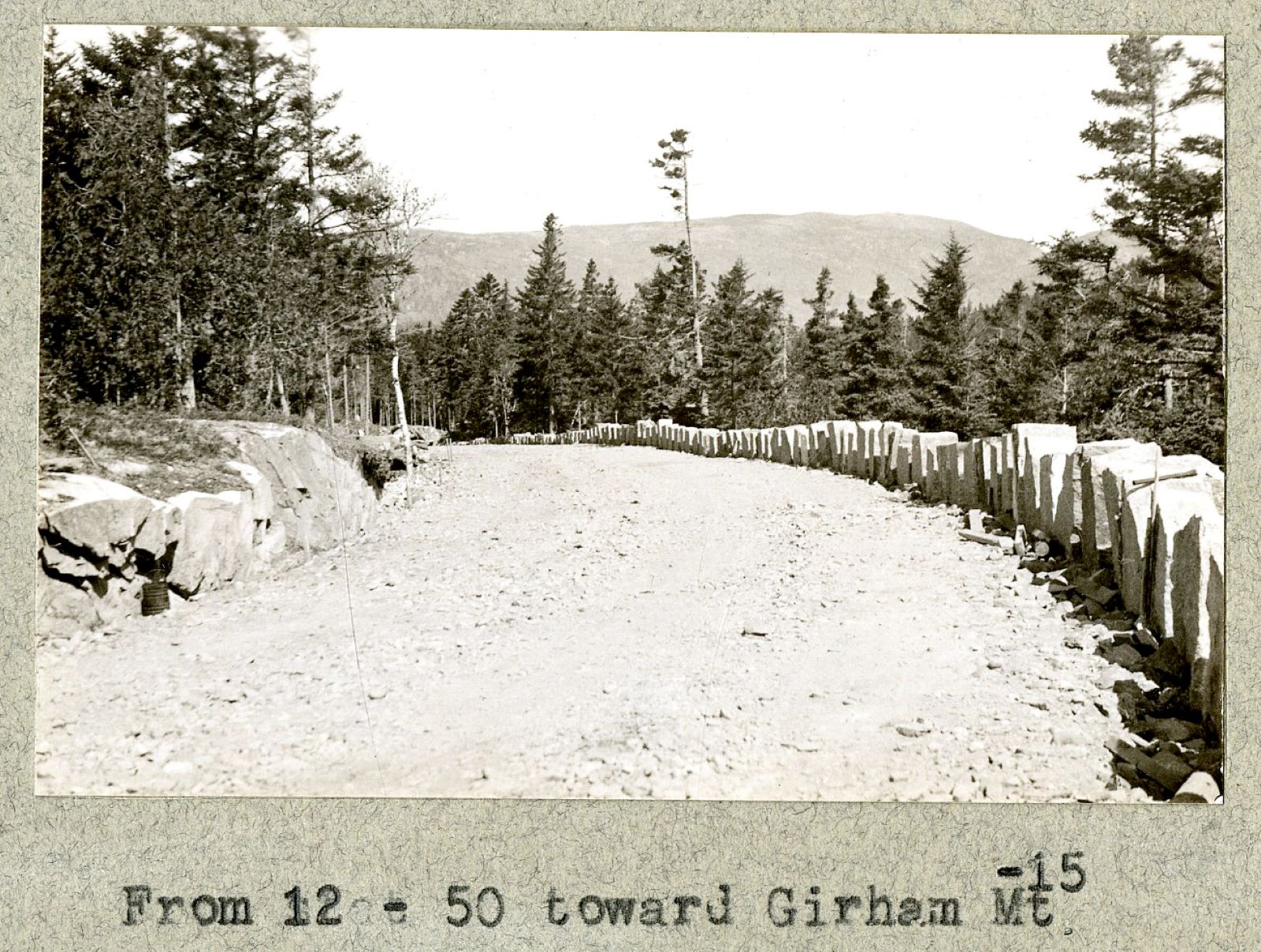
Acadia National Park: Carriage Roads, Cadillac Mountain & 2026 Guide
Discover carriage roads, Cadillac Mountain, and rugged Maine coast. Complete 2026 guide to Acadia National Park — trails, fees, lodging, permits, and what rangers recommend.
Hiking Guide
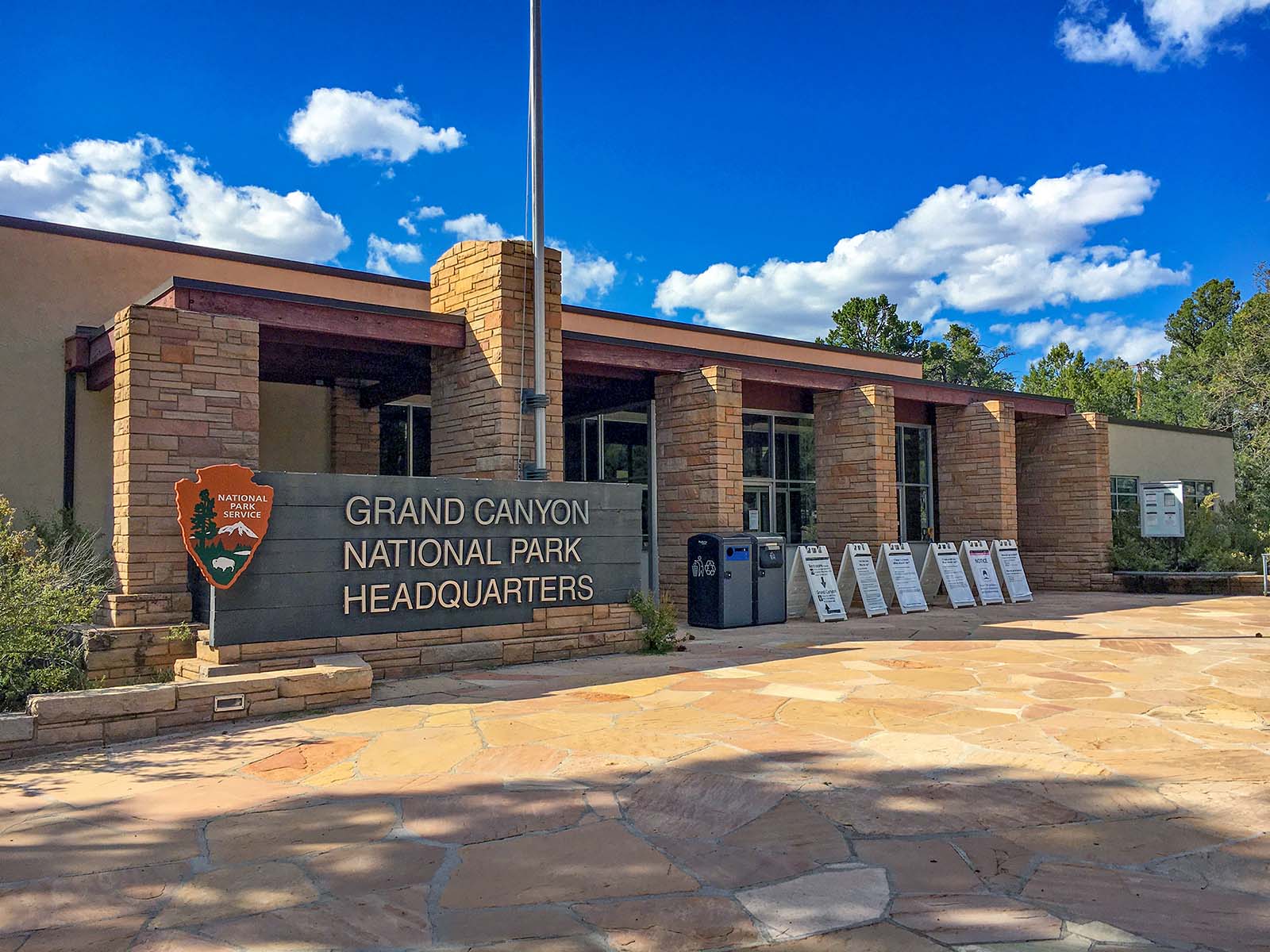
Grand Canyon Hiking Trails: Day Hikes, Water Sources & Rim to Rim
Compare Grand Canyon hiking trails: Bright Angel, South Kaibab, Hermit, Grandview, and rim to rim, with distances, elevation, water stops, and trailhead access for each.
Best Of
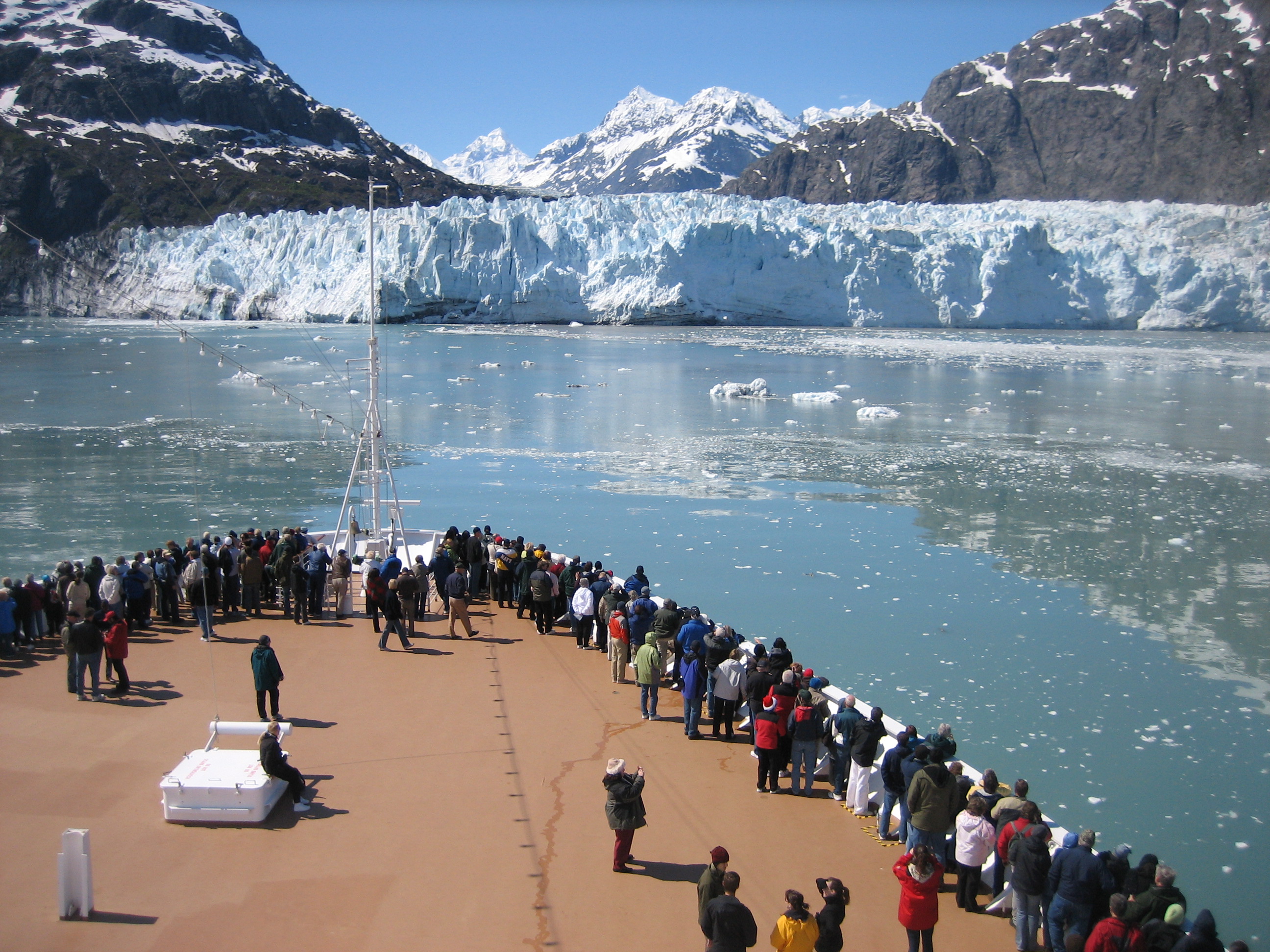
Best of Glacier Bay National Park
The best of Glacier Bay is reached by boat: ranger-led day tours up the bay to the tidewater glaciers. What's worth it, how to book, and when to go (2026).
Campsite Guide
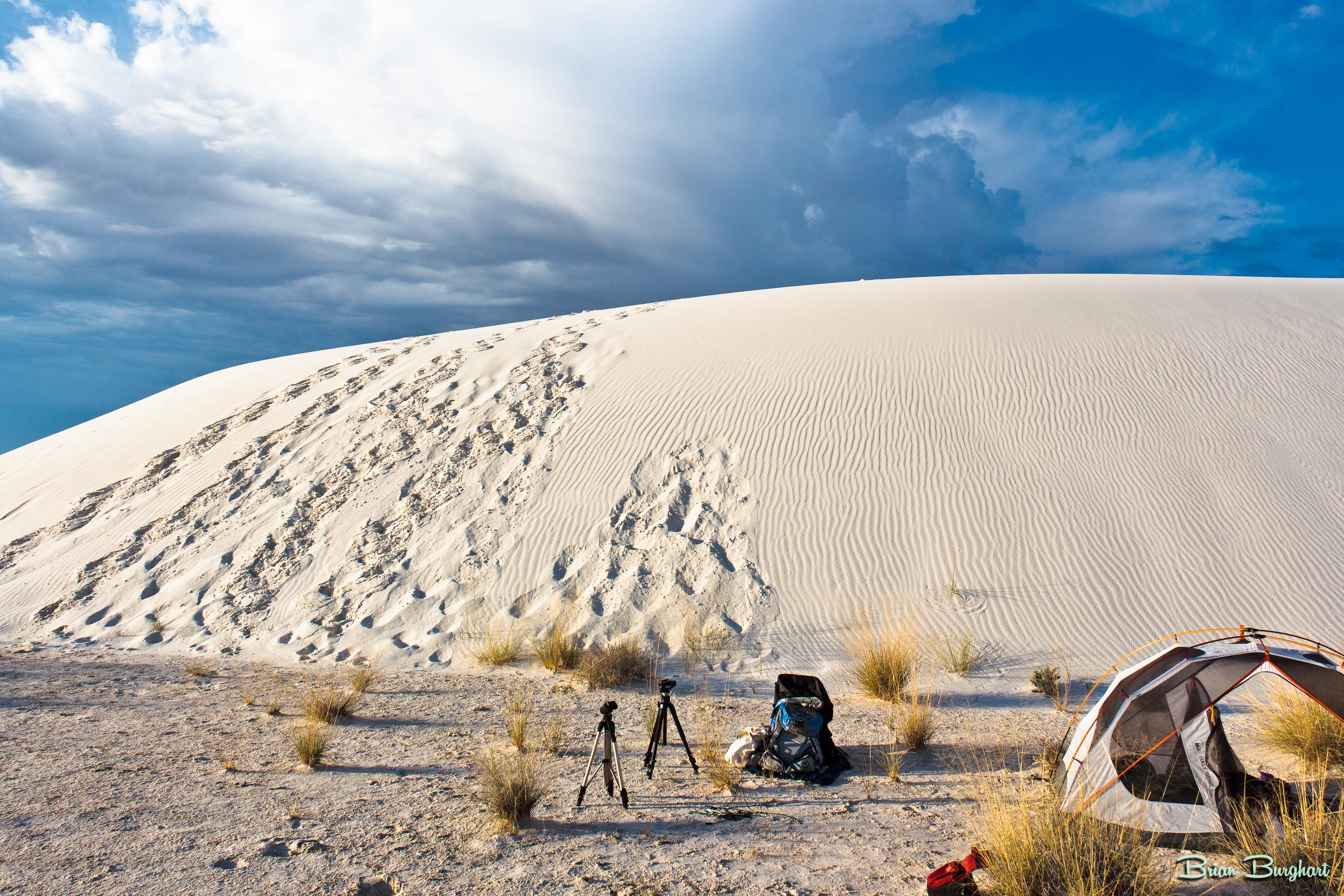
White Sands Backcountry Camping: Closed for 2026 — What to Know
As of 2026, backcountry camping at White Sands National Park is closed for site rehabilitation. What that means, and where to camp nearby instead.
Weather Guide
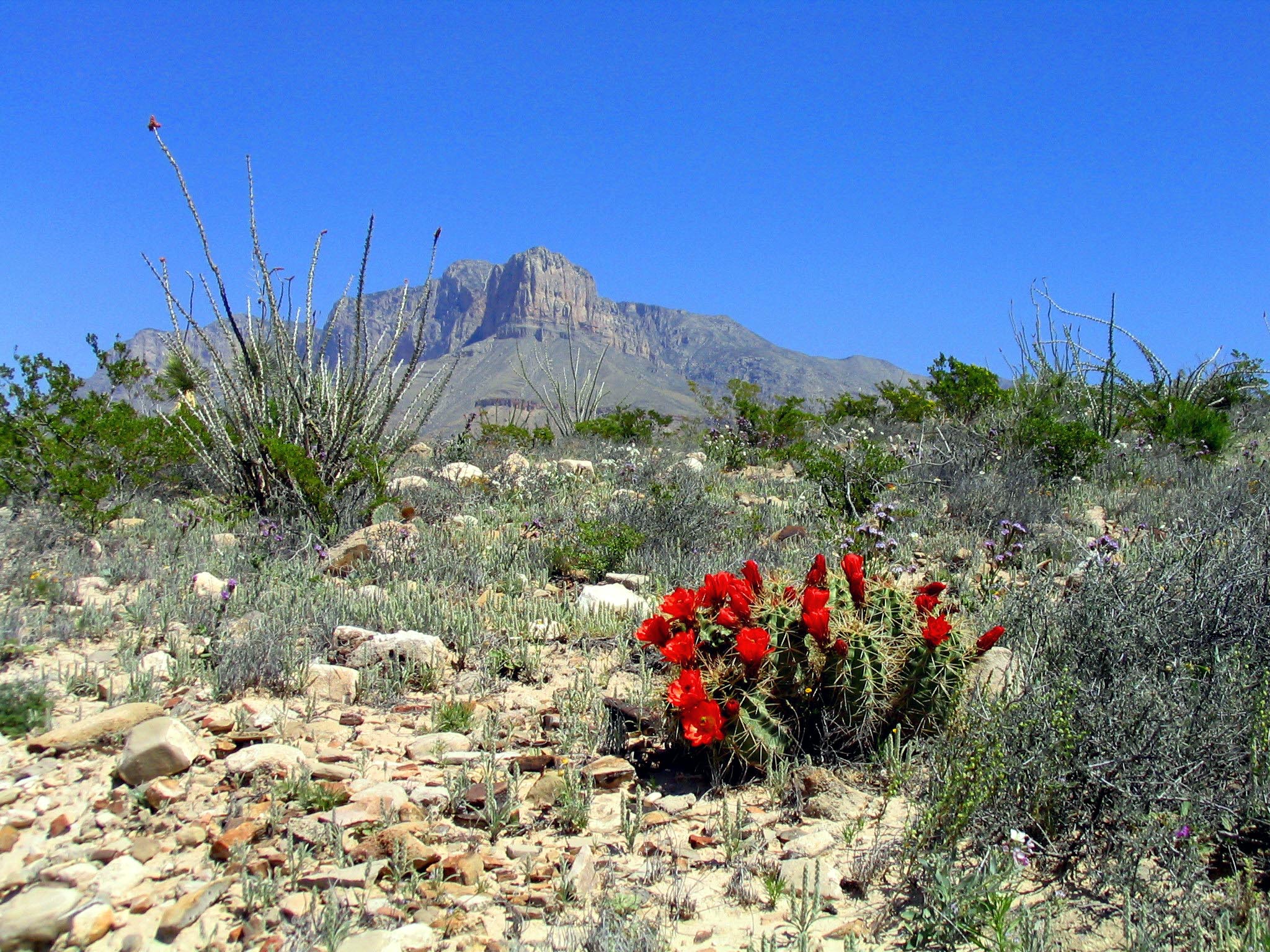
Guadalupe Mountains National Park Weather: Weather
Guadalupe Mountains National Park: weather guide guide updated 2026. Practical visitor information, reservations, and seasonal tips worth bookmarking before
Best Of
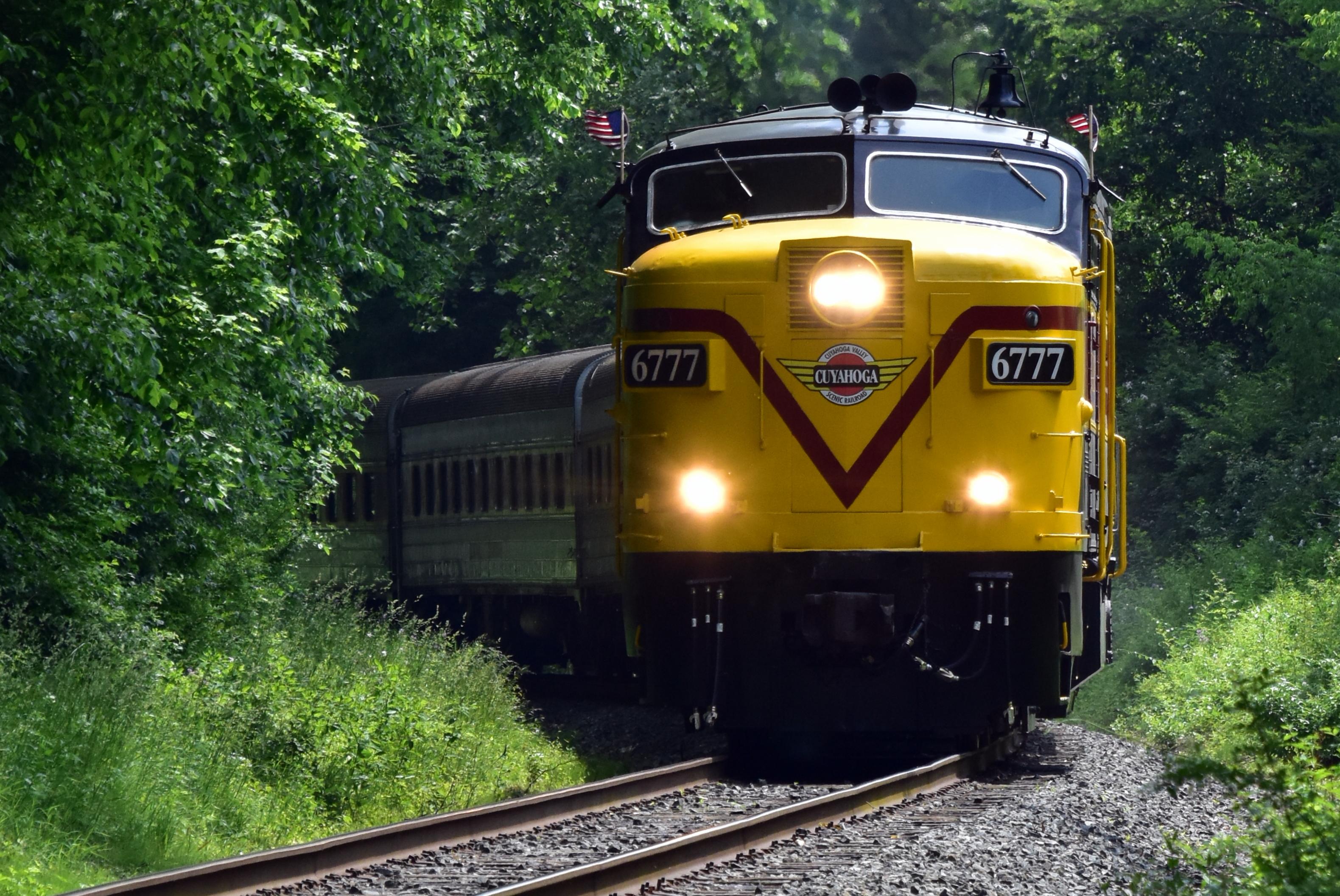
Best of Cuyahoga Valley National Park: Best Things to Do
Seeing a Cleveland Orchestra concert with the woods as your backdrop is a uniquely Cuyahoga Valley experience.
Sign in to join the conversation.
Sources & Attribution
Location data courtesy of the National Park Service (U.S. Department of the Interior). NPS data is public domain. Official NPS page.
Images: NPS; NPS; NPS; NPS; NPS.
Map data © OpenStreetMap contributors.
Park operations alerts: NPS.gov · Weather and weather hazards: National Weather Service · Live conditions.
Information may change. Always verify fees, hours, and conditions directly with the official source before visiting.
Did this guide help? Share it with a friend.