Arrive before 7 AM to secure parking at Big Meadows trailheads. At mile 51 on Skyline Drive, this high-elevation clearing serves as Shenandoah's operational center. By mid-morning on summer weekends, every lot from the visitor center to the wayside fills completely. The meadow offers a sudden break from the forest canopy—a place where practical logistics meet open skies. Visitors find fuel, meals, information, and trail access here.
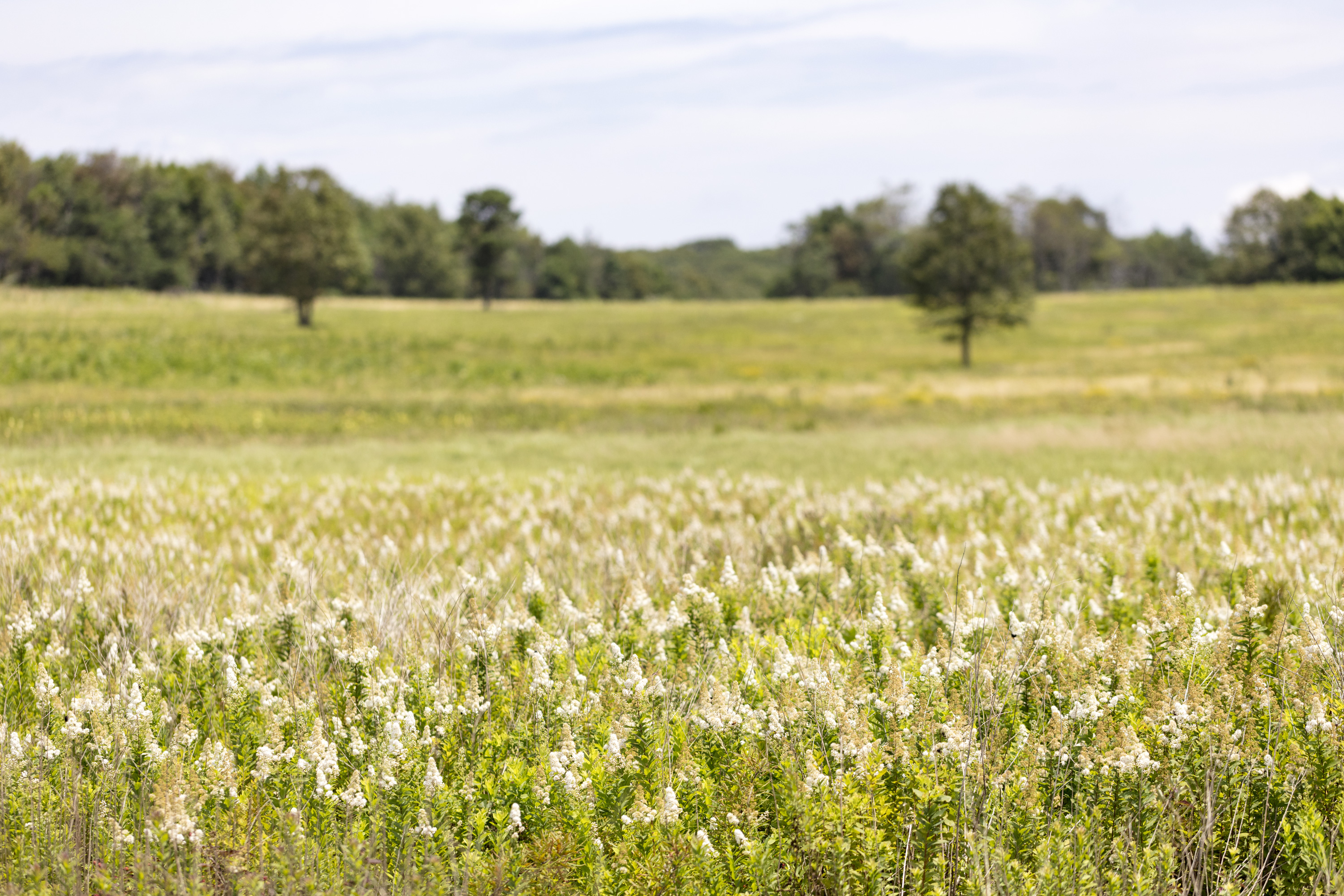
NPS via NPS.gov (Public Domain)
Big Meadows: High-Elevation Hub, Shenandoah
11 min read
Places & Points of Interest
Plan your 2026 visit to Big Meadows. Complete guide to trails, fees, lodging, best time to visit, and insider tips.
Your plans
Overview
Big Meadows sits at an elevation just over 3,500 feet, a broad, rolling grassland that feels like a different world from the tunnel of green along Skyline Drive. Rangers will tell you the meadow isn't natural - it's maintained by the park service through periodic controlled burns to prevent forest succession. The result is a crucial habitat for species that need open space and a visual anchor point for visitors navigating the park's central district. From the edges of the meadow, you get long views across the tops of the surrounding mountains, a perspective on scale that the forested overlooks don't provide.
This half-mile stretch functions as the park's logistical core. It contains Shenandoah's sole gas station, a full-service lodge, a large campground, the Byrd Visitor Center, a wayside with dining and supplies, and trailheads connecting to over 500 miles of paths. First-time visitors often underestimate its scope. Beyond scenery, it's a practical hub for refueling vehicles, stocking provisions, and planning routes. Treating it as a brief photo stop is a common error; allocate several hours—or a full day—to use it effectively as a base.
Quick Information
These operational details reflect the 2026 season. Verify current hours and fees via the official park website before visiting, as conditions adjust.
Entrance Fee: Shenandoah National Park charges a per-vehicle fee. As of 2026, it's $35 per private vehicle, valid for seven consecutive days. The park is fully cashless; only credit/debit cards or mobile payments are accepted at entrance stations. Holders of the America the Beautiful Annual Pass enter for free.
Hours: Skyline Drive and Big Meadows are open 24 hours a day, year-round, but access is subject to weather closures (ice, snow, fog). The Byrd Visitor Center at Big Meadows typically operates from 9:00 AM to 5:00 PM daily, with reduced hours or closure from late fall through early spring. The Big Meadows Wayside dining and camp store has seasonal operating hours, generally from late March through November.
Best Time to Visit: Late May through June for peak wildflowers in the meadow, and September through October for fall foliage. Crowds are highest in October. For solitude, aim for a weekday in November after leaf drop or in April before full greenery.
Location: Shenandoah National Park, Virginia. The Big Meadows area is at milepost 51 on Skyline Drive. The nearest major town is Luray, about 12 miles west via US-211.
Accessibility: The Byrd Visitor Center, Big Meadows Lodge, and restrooms at the wayside are wheelchair accessible. The Story of the Forest Trail is a paved, 1.8-mile loop suitable for strollers and wheelchairs. The terrain in the meadow itself is natural grass and can be uneven.
Cell Service: Cell service is notoriously unreliable throughout Shenandoah. You might get a weak, intermittent signal near the Big Meadows Lodge, but don't count on it. Assume you will have no service for navigation or communication once you leave the park entrances.
Restrooms: Flush toilets and running water are available at the Byrd Visitor Center and the Big Meadows Wayside. Vault toilets are located at the picnic grounds and at some trailhead parking areas like Milam Gap.
Parking: Parking is the primary constraint at Big Meadows. The main lots at the visitor center, wayside, and lodge fill by 9:30 AM on peak days. Overflow parking spills onto the grassy shoulders of Skyline Drive, which is permitted but creates congestion. The Dark Hollow Falls trailhead lot (mile 50.7) is often full by 8 AM.

Getting There
Big Meadows is almost exactly halfway along the 105-mile length of Skyline Drive. Your approach depends on your starting point.
From the north (Washington D.C./Front Royal): Enter at the Front Royal Entrance Station (mile 0). Drive south on Skyline Drive for 51 miles. The drive takes about 1.5 to 2 hours without stops, but you will stop at overlooks. Budget more time.
From the south (Charlottesville): Enter at the Rockfish Gap Entrance Station (mile 105) near Waynesboro. Drive north on Skyline Drive for 54 miles. This also takes roughly 1.5 to 2 hours.
From the west (Luray): This is the most direct route if you're targeting Big Meadows specifically. Take US-211 east from Luray. The road climbs steeply up the mountain to the Thornton Gap Entrance Station at mile 31.5. From Thornton Gap, drive south on Skyline Drive for 19.5 miles to reach Big Meadows at mile 51.
A critical note for GPS users: Input "Byrd Visitor Center, Shenandoah National Park" or use the specific milepost. General mapping apps will sometimes try to route you on closed fire roads or non-existent shortcuts through the park. Stick to the published entrances on US-211, I-66, or US-33.
What to Expect
You drive for miles under a dense canopy of oak, hickory, and maple. The forest feels enclosed, with only brief glimpses of sky at the overlooks. Then, at mile 51, it simply opens up. The tree line falls back, revealing a rolling sea of grass that stretches for hundreds of acres. The light changes - it's brighter, the shadows are longer, and you can see weather moving across the valley. The air smells different here: less of damp leaf litter, more of dry grass and, in summer, the sweet scent of milkweed and black-eyed Susans.
The soundscape shifts, too. The constant rustle of wind in the leaves is replaced by the buzz of insects in the meadow grass and the distinct, croaking calls of ravens riding the thermals overhead. On a still evening, you can hear the distant murmur from the Big Meadows amphitheater during a ranger program.
The elevation here means temperatures are consistently 10-15 degrees Fahrenheit cooler than in the Shenandoah Valley below. A sunny 85-degree day in Luray can be a pleasant 72 degrees at the meadow. Conversely, fog can envelop the area in minutes, reducing visibility on Skyline Drive to near zero. Rangers at the visitor center emphasize checking the weather forecast for the mountain, not the valley.
First-time visitors consistently underestimate two things: the sheer volume of people using this central hub, and how quickly the parking vanishes. They also often miss the subtle beauty of the meadow itself, rushing past it to the famous waterfall trails. The meadow at sunrise or sunset, backlit and glowing, is a quieter attraction worth your time.

Top Attractions & Points of Interest
Byrd Visitor Center
This is your first stop. Beyond the restrooms and park maps, the center houses the primary exhibit for Shenandoah National Park, "From Mountain to Mountain: A Heritage Reborn." It details the complex history of the park's creation, including the displacement of mountain communities. Rangers at the desk have the most current trail condition reports and weather insights. They'll tell you which trails are muddy, where bear activity has been reported, and which overlook is particularly clear that day.
Big Meadows Lodge
Built in 1939 from chestnut logs and native stone, the lodge is a classic example of National Park Service rustic architecture. Even if you're not staying overnight, it's worth walking through the main lobby. The massive stone fireplace, hardwood floors, and simple, sturdy furniture haven't changed much in decades. The patio behind the lodge offers one of the best sunset views in the park, looking west over the meadow toward the Shenandoah Valley. You can order a drink from the taproom and watch the light show.
Dark Hollow Falls Trailhead
Located just north of Big Meadows at mile 50.7, this is the park's most popular waterfall hike for a reason. It's a relatively short, steep descent to a beautiful, cascading 70-foot waterfall. The trail narrows here, with stone steps and roots. The parking lot is famously inadequate. If it's full, do not park along Skyline Drive where signs prohibit it; rangers ticket and tow. Your best bet is to park at the Byrd Visitor Center and walk the 0.3 miles along the road shoulder to the trailhead.
The Meadow Itself
The open grassland is the main event. A network of informal social trails leads into it from the picnic grounds and the Story of the Forest trail. In late spring and early summer, it's a mosaic of color: orange Turk's cap lily, blue lupine, white oxeye daisy, and pink milkweed. Deer are almost always visible grazing at the tree line, especially at dawn and dusk. Please stay on established paths to protect the fragile soil and plant life.
Big Meadows Amphitheater
Tucked into the woods near the campground, this simple stone-and-wood amphitheater hosts evening ranger programs from spring through fall. Topics range from bear ecology to the history of the Civilian Conservation Corps. It's a quintessential national park experience. Bring a jacket - even summer nights get chilly at this elevation. The schedule is posted at the visitor center and campground entrance.
Big Meadows Wayside
This is your resupply point. The wayside operates as a sit-down restaurant, a grab-and-go market, and a camp store. The menu leans toward classic park fare: burgers, fried chicken, blackberry ice cream pie. The camp store sells basic groceries, firewood, ice, and forgotten camping gear. Crucially, this is the location of the only gas station within Shenandoah National Park. As of 2026, the pumps were closed for upgrades - a situation that underscores the need to fill your tank before entering the park.
Story of the Forest Trail
This 1.8-mile paved loop is the most accessible trail in the area. It starts behind the Byrd Visitor Center and winds through young forest and past the Big Meadows airfield (a small, historic clearing). It's ideal for families with strollers, visitors with mobility concerns, or a leg-stretch after a long drive. Interpretive signs explain forest succession. It's a quiet counterpoint to the busier waterfall trails.
Milam Gap and the Appalachian Trail
The parking area at Milam Gap (mile 52.8) provides direct access to the Appalachian Trail (AT). You can hike a fairly level section of the AT north or south from here. Heading south, you'll pass through the remnants of a former homestead - look for crumbling stone walls and foundation outlines in the woods. It's a tangible, quiet connection to the land's human history before it became a park.
Activities
The Big Meadows area is a launchpad for the park's core experiences. For a detailed breakdown of all the hiking trails radiating from this hub, see our dedicated guide.
Hiking: This is the primary activity. Short, steep hikes like Dark Hollow Falls (1.4 miles round trip) draw the biggest crowds. For more solitude, consider the Rose River Falls loop (4 miles) or the longer trek to Rapidan Camp (4 miles round trip), the historic presidential retreat. The trail register at the visitor center is full of comments about the relentless, rocky descent on the Dark Hollow trail - your calves will have strong opinions about the hike back up.
Wildlife Viewing: Big Meadows is one of the best spots in the park for it. White-tailed deer are ubiquitous. Black bears are frequently seen foraging along the meadow's edges, especially in early morning. The open area is also excellent for birding; look for eastern bluebirds, goldfinches, and hawks circling above. For a full primer on what you might see and how to behave, our wildlife viewing guide has you covered.
Stargazing: The high elevation and distance from major city lights make the meadow a decent spot for stargazing. The amphitheater area or the lodge patio offer open sightlines. The park occasionally hosts official astronomy programs. The Milky Way is visible on clear, moonless nights from late spring through early fall.
Lodging & Dining: Beyond the wayside, Big Meadows Lodge offers historic rooms and cabins. The lodge dining room provides table service with views. It's a different, more relaxed pace than the quick-service wayside.
Camping: The Big Meadows Campground, with over 200 sites, is the park's largest and most centrally located. Sites book up months in advance for summer and fall weekends. The campground has flush toilets and shower facilities (fee for showers).
Ranger Programs: Free, daily programs are a park highlight. The evening amphitheater talks are most popular, but the visitor center also hosts shorter "pop-up" talks on the patio about meadow ecology or park history.

Seasonal Guide
Your experience at Big Meadows is entirely dictated by the calendar.
April - May: The meadow begins to green up. Wildflowers start in May, with a peak in late May/early June. Temperatures are cool, often in the 50s and 60s. Spring rains mean waterfalls are flowing strongly, but trails can be muddy. Crowds are moderate.
June - August: This is peak season. The meadow is in full bloom early, then transitions to tall, golden grass. Temperatures are pleasant, typically 70s to low 80s. Afternoon thunderstorms are common and can be severe. Crowds are heavy every weekend. Parking is a competitive sport by 9 AM. Insects, including ticks and mosquitoes, are present.
September - October: The most crowded time of year, especially on October weekends for foliage. The meadow grasses turn brown and are often frosted in the morning. The surrounding forest erupts in color, usually peaking in mid-to-late October. Skyline Drive becomes a slow-moving parade of cars. If you visit in fall, arrive on a weekday or be prepared for congestion.
November - March: The park is quiet. The Byrd Visitor Center and Wayside are closed or have limited hours. Skyline Drive may close temporarily for ice or snow. The meadow is often brown or snow-covered, and the wind has a serious bite. This is the time for solitude, stark landscapes, and cold-weather hiking if you're prepared. For a deeper dive on weather patterns, consult our guide on the best time to visit.
Practical Information
Fees & Passes: The $35 vehicle fee is cashless. Annual passes for Shenandoah alone are available, but the America the Beautiful Pass ($80) is a better value if you visit more than two national parks in a year. It covers the entrance fee for everyone in your vehicle.
Lodging Reservations: Reservations for Big Meadows Lodge and the Big Meadows Campground are made through the park's official concessionaire website. Lodge rooms often book a year in advance for fall weekends
For more information, see our complete Shenandoah National Park Guide.
Sources
- Official source: NPS — Shenandoah National Park nps.gov/shen/index.htm
- Official source: National Park Service nps.gov/places/big-meadows.htm
Photo Gallery
More to Explore
Park Guide
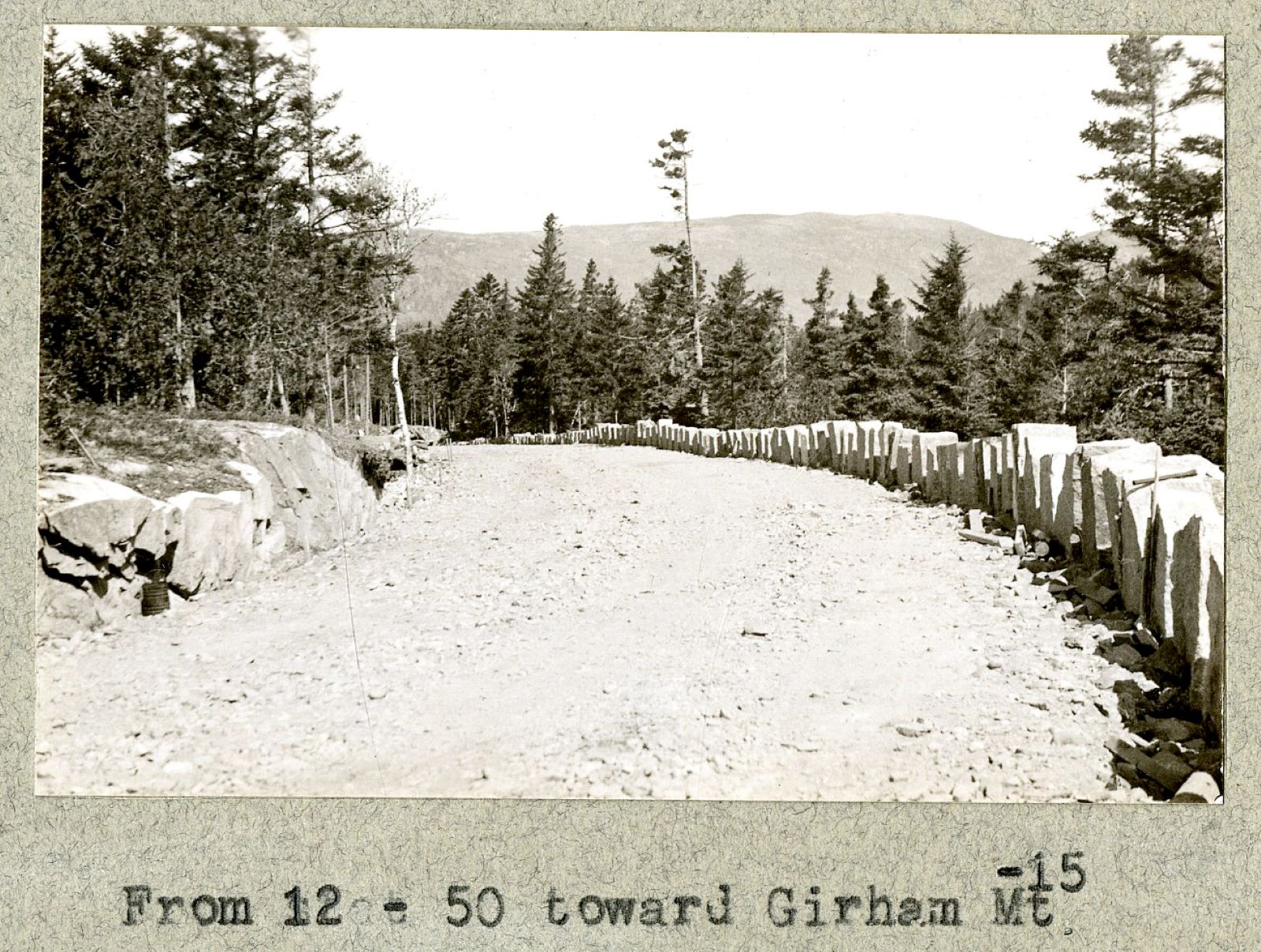
Acadia National Park: Carriage Roads, Cadillac Mountain & 2026 Guide
Discover carriage roads, Cadillac Mountain, and rugged Maine coast. Complete 2026 guide to Acadia National Park — trails, fees, lodging, permits, and what rangers recommend.
Hiking Guide
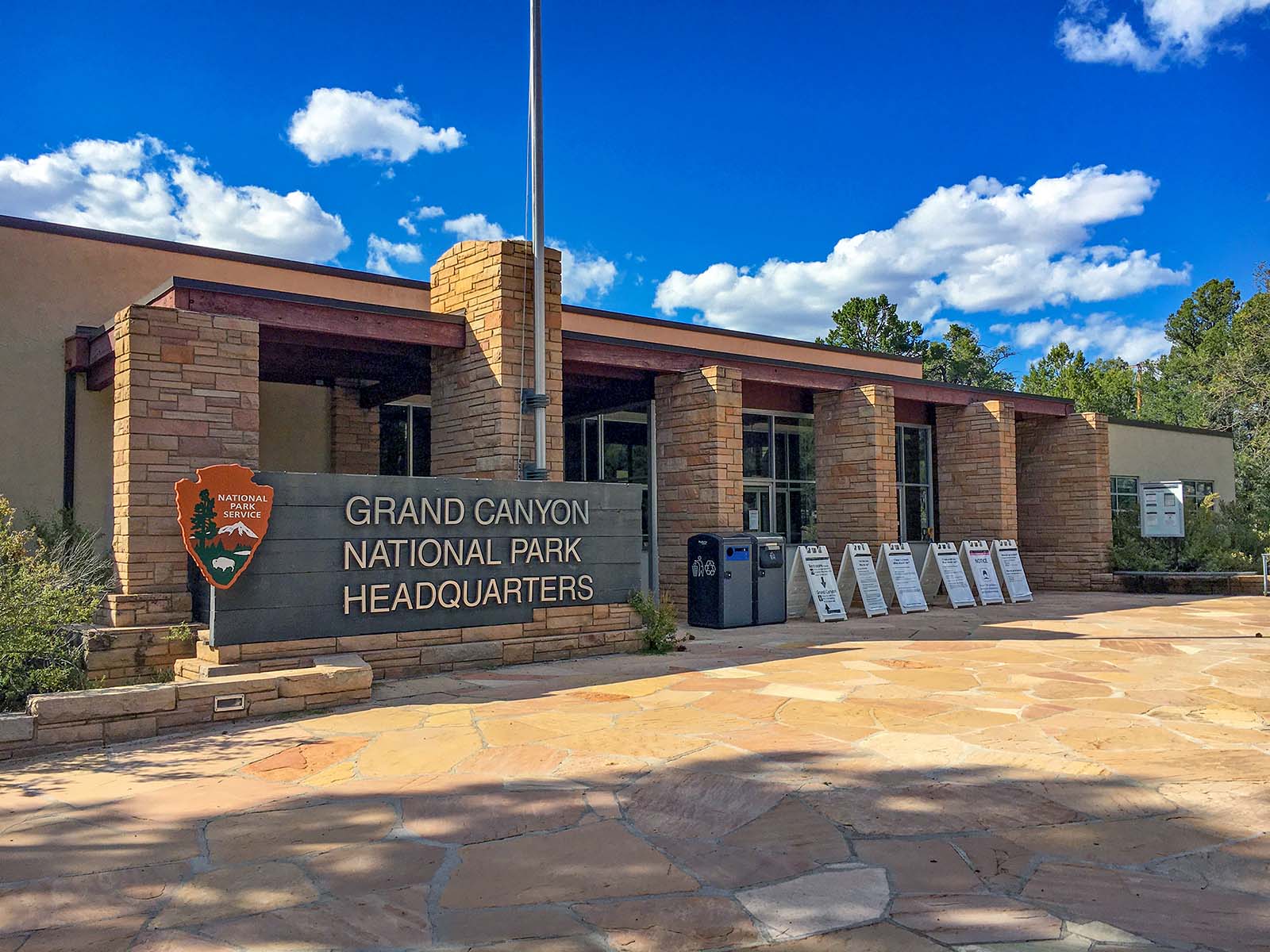
Grand Canyon Hiking Trails: Day Hikes, Water Sources & Rim to Rim
Compare Grand Canyon hiking trails: Bright Angel, South Kaibab, Hermit, Grandview, and rim to rim, with distances, elevation, water stops, and trailhead access for each.
Best Of
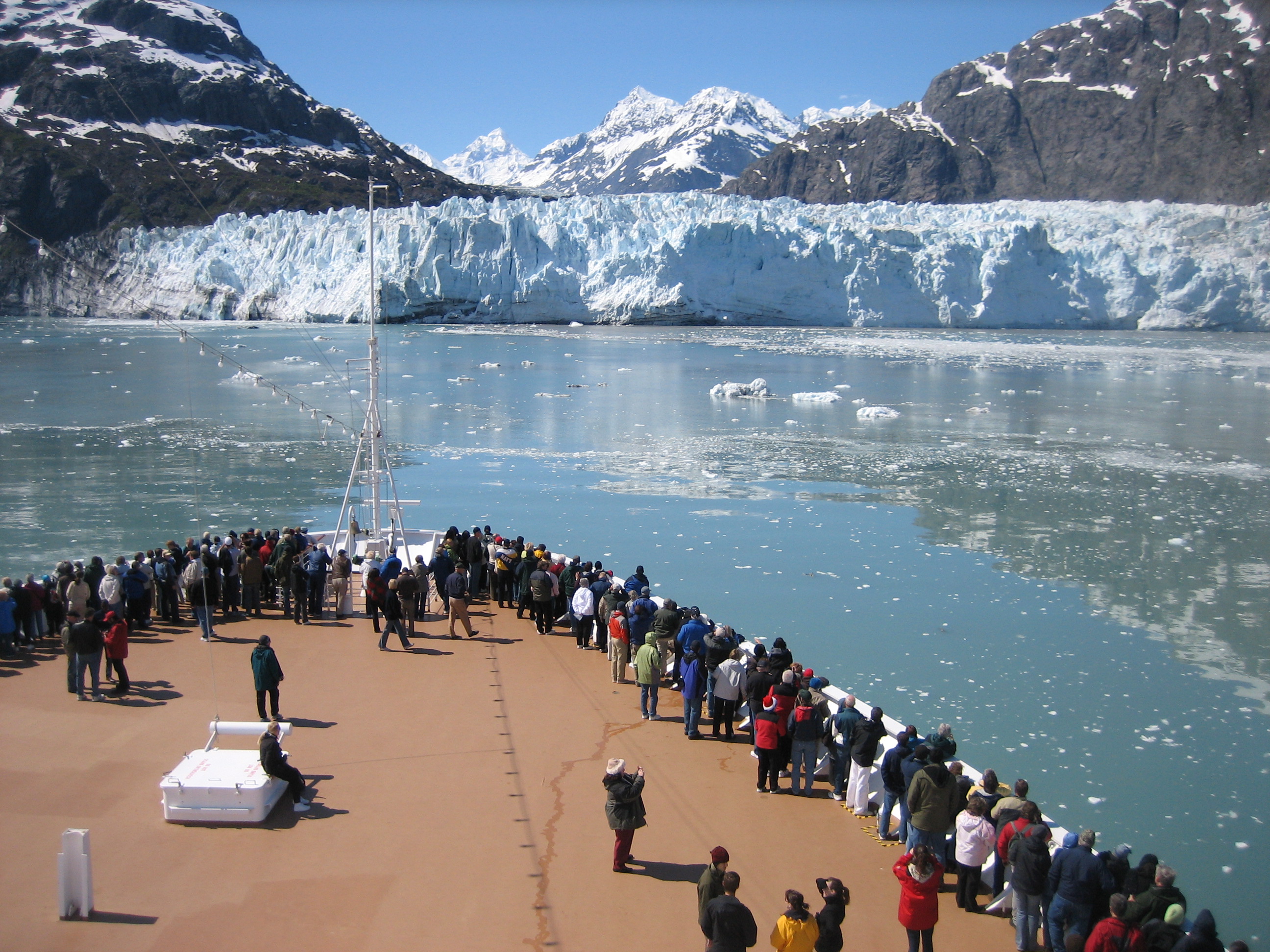
Best of Glacier Bay National Park
The best of Glacier Bay is reached by boat: ranger-led day tours up the bay to the tidewater glaciers. What's worth it, how to book, and when to go (2026).
Campsite Guide
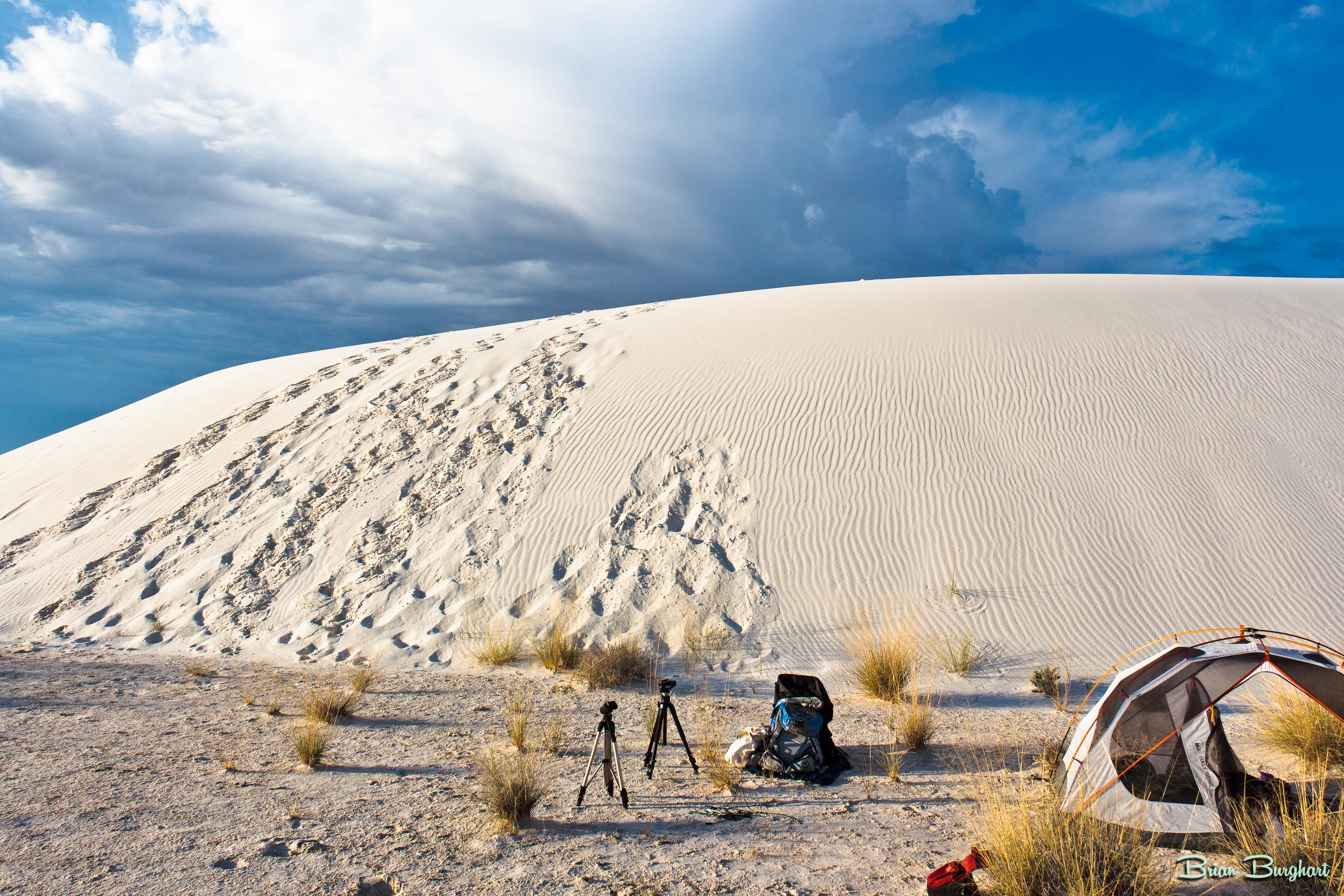
White Sands Backcountry Camping: Closed for 2026 — What to Know
As of 2026, backcountry camping at White Sands National Park is closed for site rehabilitation. What that means, and where to camp nearby instead.
Weather Guide
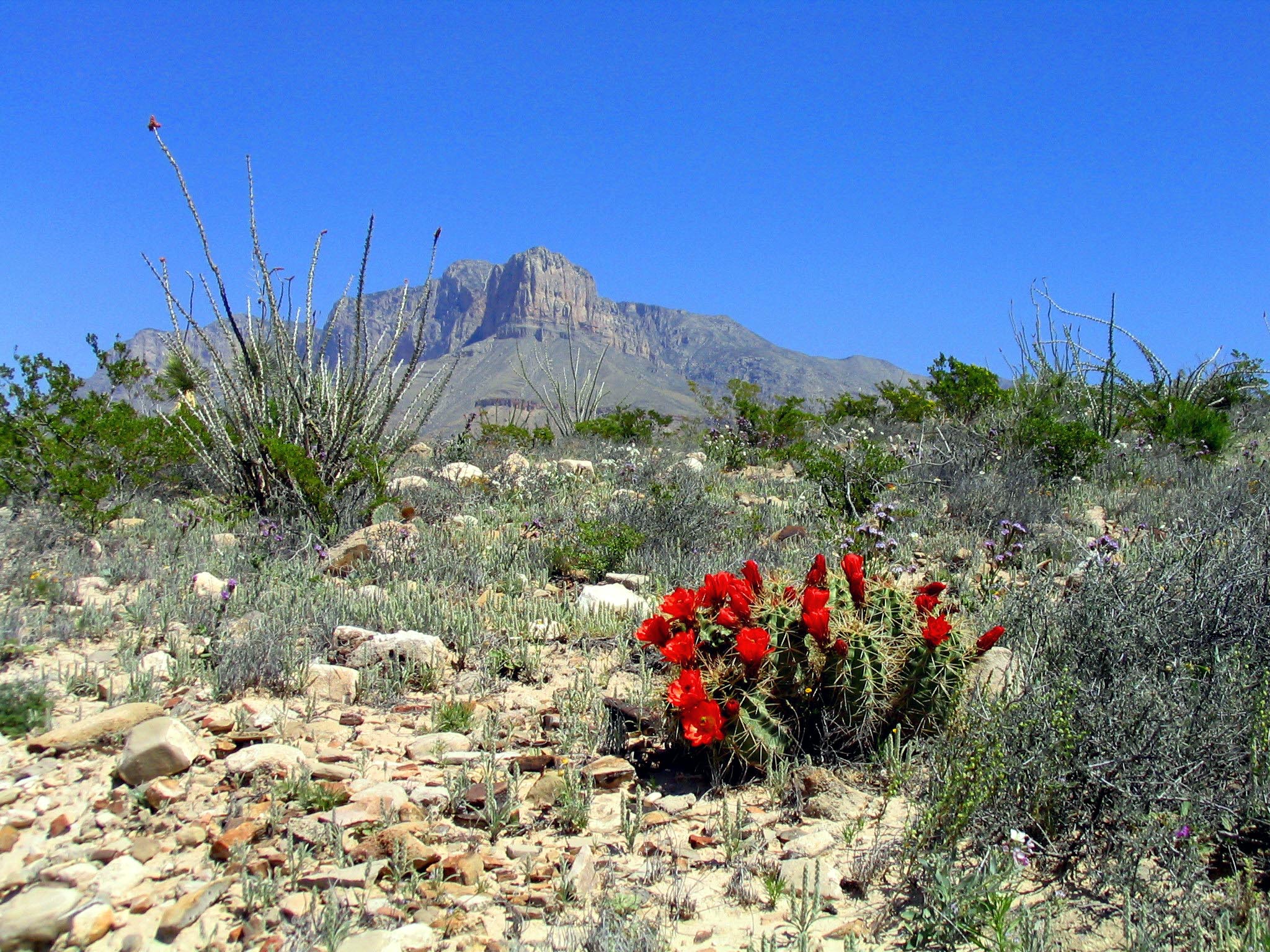
Guadalupe Mountains National Park Weather: Weather
Guadalupe Mountains National Park: weather guide guide updated 2026. Practical visitor information, reservations, and seasonal tips worth bookmarking before
Best Of
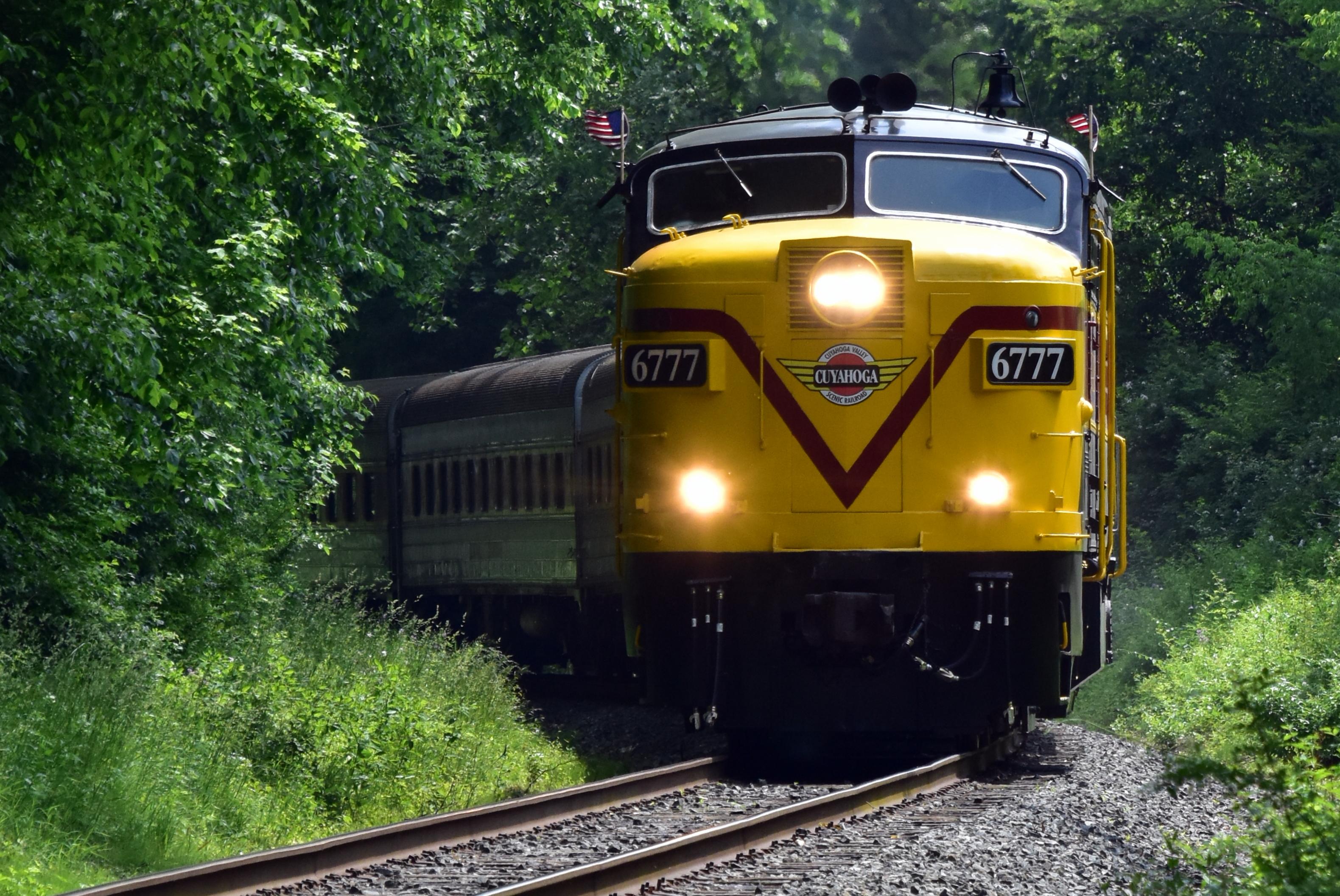
Best of Cuyahoga Valley National Park: Best Things to Do
Seeing a Cleveland Orchestra concert with the woods as your backdrop is a uniquely Cuyahoga Valley experience.
Sign in to join the conversation.
Sources & Attribution
Location data courtesy of the National Park Service (U.S. Department of the Interior). NPS data is public domain. Official NPS page.
Images: NPS; NPS; NPS; NPS; NPS.
Map data © OpenStreetMap contributors.
Park operations alerts: NPS.gov · Weather and weather hazards: National Weather Service · Live conditions.
Information may change. Always verify fees, hours, and conditions directly with the official source before visiting.
Did this guide help? Share it with a friend.