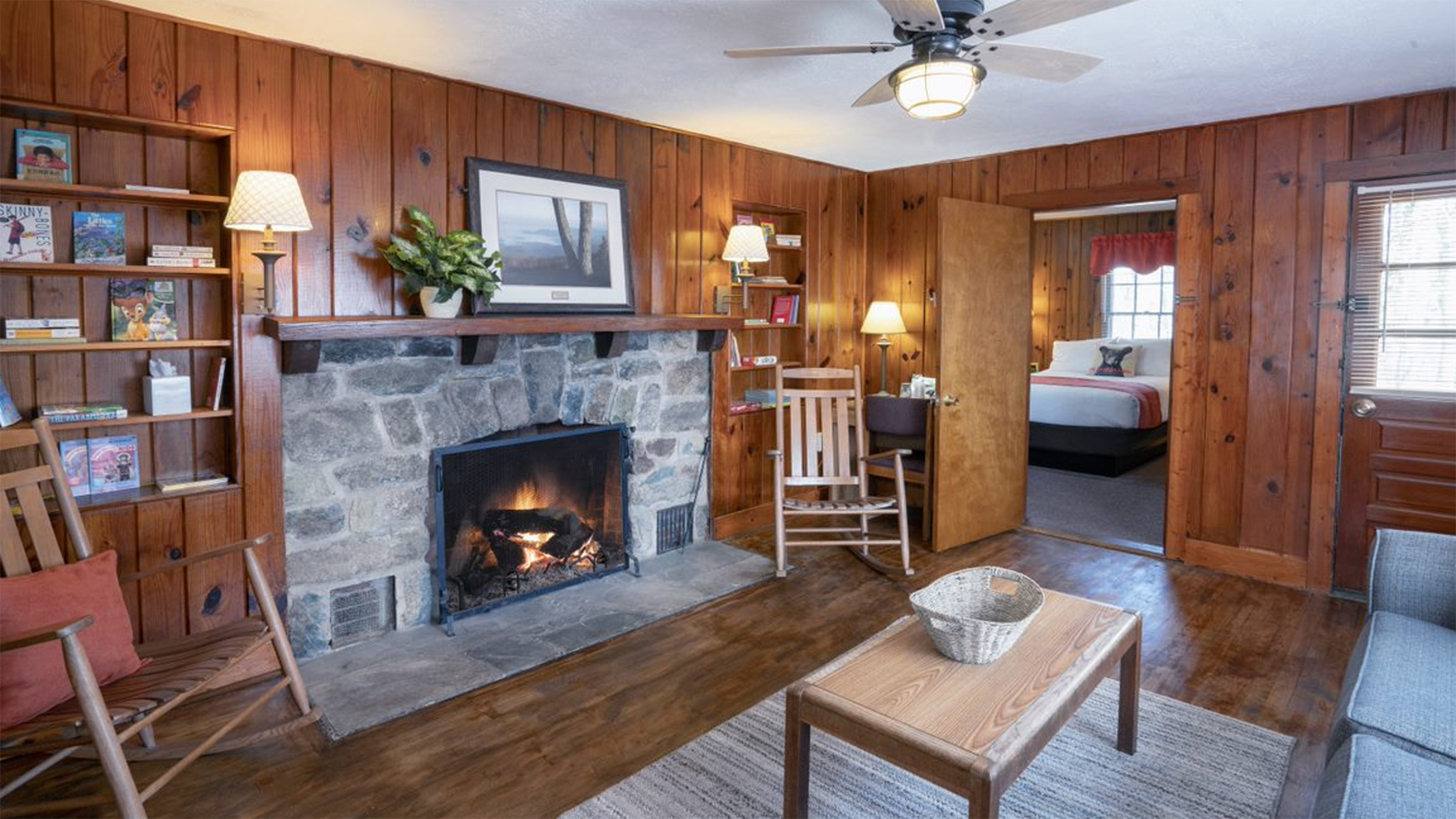
Big Meadows Lodge earns its reputation as the park's most practical basecamp through three key factors. Its position at mile 51.2 on Skyline Drive provides central access to both northern and southern districts. You have a full-service lodge at your doorstep and a 300-acre high-elevation meadow directly behind it. This combination allows for flexible daily itineraries that adapt to changing weather or interests. In my experience, guests based here log significantly more trail time and less windshield time. The lodge consists of rustic, low-profile buildings—main lodge, traditional rooms, and detached cabins—all connected by walking paths. The main building houses the Spottswood Dining Room, New Market Taproom, and a small craft shop. It's designed for functional convenience, not luxury, which proves to be its greatest asset for serious park visitors.
Big Meadows Lodge: Mile 51.2 Basecamp, Shenandoah
9 min read
Plan your 2026 visit to Big Meadows Lodge. Complete guide to trails, fees, lodging, best time to visit, and insider tips.
Quick Information
You'll need a park entrance pass to reach Big Meadows Lodge. As of 2026, that's $30 per vehicle for a 7-day pass, and the park is fully cashless - credit, debit, or mobile payments only. The lodge operates seasonally, typically from late March through November. Check the official website for exact opening and closing dates each year. The best time to visit for reliable weather and full services is late spring through fall, though October brings peak crowds for foliage. It's located in Virginia, with the nearest significant town being Luray. Cell service is notoriously spotty throughout this section of the park; expect no signal at the lodge itself. Public restrooms are available in the main lodge building and are wheelchair accessible. Parking is spread across several small lots near the various lodge buildings and fills quickly by mid-morning. If you're just visiting for a meal, park in the designated day-use area near the wayside.
Getting There
Big Meadows Lodge sits almost exactly in the middle of Shenandoah's 105-mile Skyline Drive. The most straightforward entrance is Thornton Gap (US 211) at mile 31.5. From there, it's a 20-mile, roughly 40-minute drive south on Skyline Drive. From the north, enter at Front Royal (US 340) at mile 0 and drive 51 miles south. From the south, use the Rockfish Gap entrance (I-64) at mile 105 and drive 54 miles north. The drive is the experience - a winding two-lane road with a 35 mph speed limit. Allow extra time for overlook stops and potential wildlife traffic jams. The physical address is best used for GPS before you enter the park; once on Skyline Drive, navigate by milepost. The lodge is at mile 51.2.

What to Expect
The meadow consistently surprises first-time visitors. After traveling through miles of dense oak-hickory forest along Skyline Drive, the landscape abruptly opens at 3,500 feet to this rolling grassland. You'll notice the air immediately—less damp forest floor, more dry grass and wildflower pollen. The lodge complex functions like a quiet village, with rustic wood-and-stone buildings connected by paved paths. The ambient sound is wind through tall grasses, accented by bird chatter and distant ravens. Night brings exceptional stargazing due to minimal light pollution. A critical note: temperatures here typically run 10-15 degrees cooler than the Shenandoah Valley below, and fog can obscure views rapidly, even when the valley is clear. This isn't a resort with amenities like pools; it's a comfortable, well-used basecamp where muddy boots by the door are standard.
Top Attractions & Points of Interest
Big Meadows
This isn't just a pretty view from the road. The meadow is a dynamic, managed ecosystem. A network of mowed paths lets you walk out into the sea of grass. In late spring and summer, it's a riot of wildflowers - black-eyed Susans, milkweed, and bee balm. At dusk, it's the best place in the central district to spot grazing deer. Rangers often lead guided walks here to discuss the park's history and fire management practices. It's directly across Skyline Drive from the lodge.
Dark Hollow Falls
This is the most popular waterfall hike in the park for a reason, and the trailhead is just a half-mile north of the lodge. The 1.4-mile round trip is steep on the return, but it delivers you to a beautiful, multi-tiered 70-foot cascade. The trail is often crowded by 10 AM. Go early, or go late. The rocks around the base are perpetually slick.
Byrd Visitor Center & Big Meadows Wayside
Located just a quarter-mile south of the lodge, this complex is your practical hub. The visitor center has exhibits on park history and a bookstore. The wayside is a classic park concession: a camp store with souvenirs, basic groceries, and a casual restaurant. The attached gas station is the only one within park boundaries, so plan your fill-ups accordingly. The Grab 'n Go kiosk is a lifesaver for quick trail lunches.
Rapidan Camp
A 4-mile round trip hike (or a seasonal shuttle) takes you to the restored fishing retreat of President Herbert Hoover. It's less about grandeur and more about stepping back into a specific moment of history. The simple brown cabins sit at the confluence of two streams. Rangers give tours, and the cool, shaded setting is a pleasant contrast to the open ridge tops.
Stony Man
The second-highest peak in the park, and arguably the best reward-for-effort ratio of any hike. The 1.6-mile round trip trail from the Stony Man parking area (mile 41.7, a 10-mile drive north) is mostly gentle, ending at a rocky outcrop with a sweeping view of the Shenandoah Valley. It's the perfect sunrise or sunset spot. Pets are not allowed on this trail.
The Appalachian Trail
The AT runs directly behind the lodge property. You can access it from several points, including the Milam Gap parking area. Even a short 20-minute walk south or north gives you the bragging rights of having hiked the famous trail. The section here is relatively level and forested.
Big Meadows Amphitheater
Nothing caps a park day like an evening ranger program. Topics range from astronomy to bear biology. The amphitheater is a short walk from the lodge, and the programs are free. Bring a jacket; even summer nights get chilly at this elevation.

Activities
Your primary activity here is hiking. With the lodge as your base, you have immediate access to over a dozen major trails, from the easy Story of the Forest loop to the challenging Rose River Falls circuit. Our dedicated guide to the hiking trails near the lodge breaks down the best options.
Wildlife viewing is a constant activity. The meadow is a magnet for white-tailed deer, especially at dawn and dusk. Black bears are frequently seen in the area, particularly in the early morning hours along Skyline Drive near the meadow edges. Always view from a safe distance. For a deeper dive, see our guide to wildlife viewing protocols and hotspots.
Photography opportunities are endless. The meadow provides foreground interest for sunrise and sunset shots across the valley. Foggy mornings create moody, abstract scenes. Night photography is exceptional due to the dark skies.
For guided experiences, check at the Byrd Visitor Center for schedules. Ranger-led walks through Big Meadows or to Rapidan Camp are regularly offered. For more structured outings, our page on tours and guided experiences has the latest info.
Seasonal Guide
Spring (Late March-May): The lodge opens. Days are cool and nights cold. Wildflowers begin in the meadow in May. Crowds are light until Memorial Day. Trails can be muddy.
Summer (June-August): Peak season. Days are warm (70s-80s) but nights are cool. Afternoon thunderstorms are common. The meadow is in full bloom. The lodge and trails are busiest. Book accommodations far in advance.
Fall (September-November): The most popular season. September is pleasant. October brings peak foliage and maximum crowds; Skyline Drive can have bumper-to-bumper traffic on weekends. The lodge closes in late November. Weather becomes unpredictable.
Winter (December-March): The lodge is closed. Skyline Drive may be closed due to ice and snow. The park is quiet and starkly beautiful for those prepared for winter hiking from boundary trailheads.
For a detailed month-by-month breakdown, consult our guide on the best time to visit.

Practical Information
As of 2026, the park entrance fee is $30 per private vehicle, $25 per motorcycle, or $15 per person on foot/bike. These passes are valid for 7 days. Annual Shenandoah passes and America the Beautiful passes are accepted. The park is cashless.
For lodging and accommodations, Big Meadows Lodge offers main lodge rooms, preferred rooms with better views, suites, and detached rustic cabins. Some rooms are pet-friendly for an extra fee. Reservations open 12-13 months in advance and are essential for fall weekends. There are no TVs or air conditioning in the rooms; ceiling fans and cool mountain air are the climate control.
Dining is in the Spottswood Dining Room (table service, regional fare) or the New Market Taproom (casual pub food). The Big Meadows Wayside offers counter service. Reservations are recommended for the dining room.
For camping options, the 221-site Big Meadows Campground is adjacent to the lodge area. Sites are $75 per night as of 2026 and can be reserved on Recreation.gov. It has flush toilets and showers. The smaller, first-come-first-served Lewis Mountain Campground is 6 miles south.
Safety & Preparation
Weather changes fast. Always have a rain layer and an extra insulating layer, even in summer. Hypothermia is a real risk on wet, windy days.
Black bears are active. Never approach them. Store all food, trash, and scented items (toiletries, coolers) in the provided food storage lockers at campgrounds or in your vehicle with windows closed. Do not leave items in your tent.
The trails are rocky and rooted. Good, sturdy footwear is non-negotiable. Trekking poles are helpful for steep, slippery sections like the return from Dark Hollow Falls.
Dehydration happens quickly at altitude. Carry at least one liter of water per person for short hikes, two or more for longer ones. You can refill bottles at the lodge or wayside.
In case of emergency, dial 911. Cell service is unreliable, so be prepared to drive to the nearest ranger station (Byrd Visitor Center) or use a landline at the lodge. Know your location by Skyline Drive milepost.

Insider Tips
- The Afternoon Fog Advantage: If fog blankets the meadow in the afternoon - a common occurrence - don't despair. Drive 10-15 miles north or south. You'll often drop below the cloud layer and find clear skies and open vistas at lower-elevation overlooks.
- Parking Hack: The main lodge parking lot fills by mid-morning. If you're staying overnight and returning from a hike, use the larger day-use parking area near the wayside/visitor center and walk the 5-minute path back to the lodge.
- Sunrise Without the Hike: You don't need to hike Stony Man for a great sunrise. The Bacon Hollow Overlook (mile 50.5) or Baldface Mountain Overlook (mile 53.1) face east and are a 2-minute walk from your car.
- Dinner Reservations Are Key: The Spottswood Dining Room takes reservations. Make one when you book your room, or at least a few days ahead. The taproom doesn't take reservations and can have a wait on busy nights.
- The Quiet Cabin Zone: If you book a cabin, request one in the "C" or "D" sections. They're set farther back from the road and main lodge, offering more privacy and less foot traffic noise.
- Check the Amphitheater Schedule First: When you check in, grab the weekly activity schedule. Plan your evenings around the ranger programs at the Big Meadows amphitheater - they're genuinely informative and a classic national park experience.
- Forget the Gas Gauge: The Big Meadows gas station is the only one in the park. If your tank is at half or below when you arrive, fill up immediately. Running out of gas on Skyline Drive is an expensive and time-consuming mistake.
For more information, see our complete Shenandoah National Park Guide.
Sources
- Official source: NPS — Shenandoah National Park nps.gov/shen/index.htm
- Official source: National Park Service nps.gov/places/000/big-meadows-lodge.htm
Photo Gallery
More to Explore
Acadia National Park: Carriage Roads, Cadillac Mountain & 2026 Guide
Discover carriage roads, Cadillac Mountain, and rugged Maine coast. Complete 2026 guide to Acadia National Park — trails, fees, lodging, permits, and what rangers recommend.
Grand Canyon Hiking Trails: Day Hikes, Water Sources & Rim to Rim
Compare Grand Canyon hiking trails: Bright Angel, South Kaibab, Hermit, Grandview, and rim to rim, with distances, elevation, water stops, and trailhead access for each.
Best of Glacier Bay National Park
The best of Glacier Bay is reached by boat: ranger-led day tours up the bay to the tidewater glaciers. What's worth it, how to book, and when to go (2026).
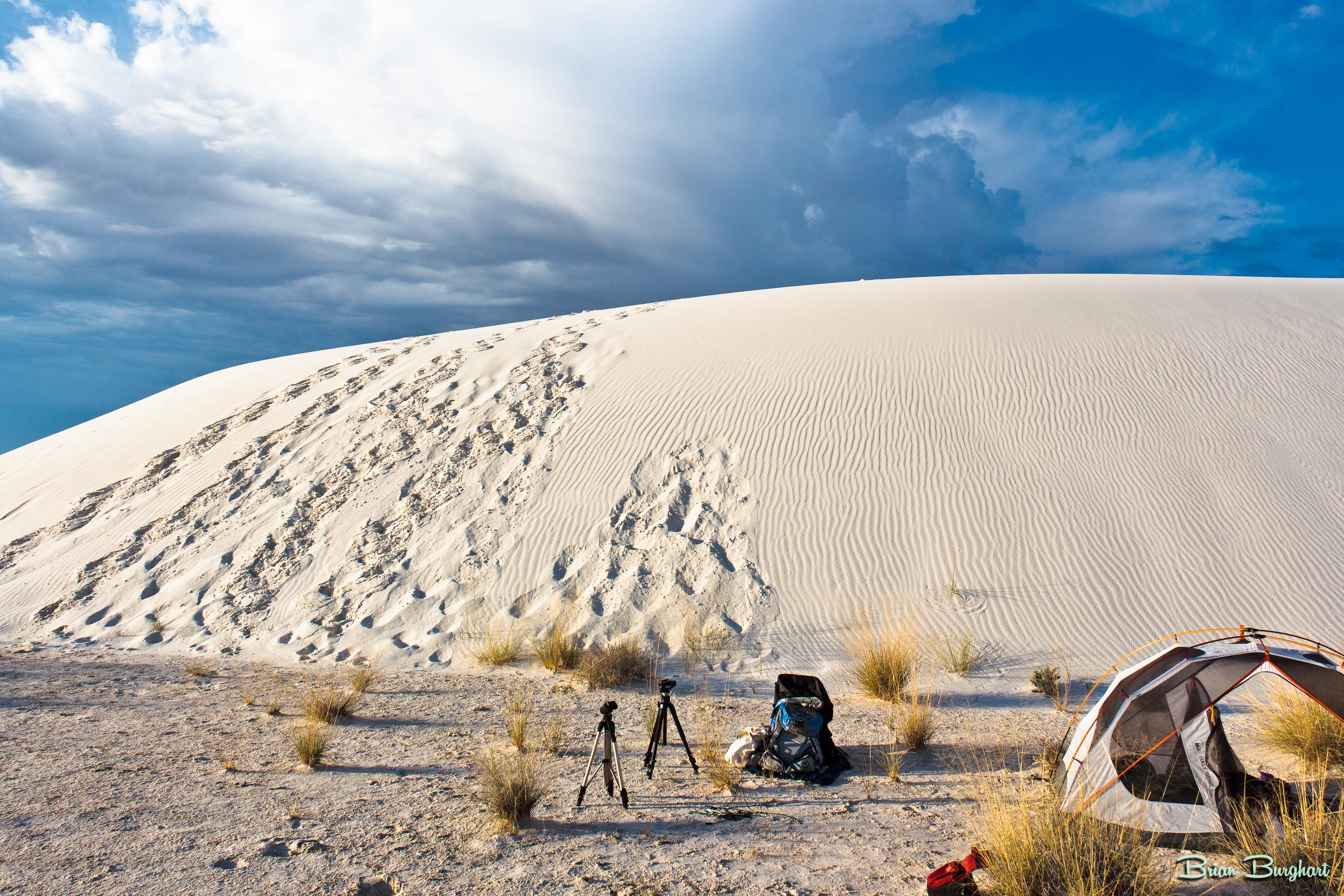
White Sands Backcountry Camping: Closed for 2026 — What to Know
As of 2026, backcountry camping at White Sands National Park is closed for site rehabilitation. What that means, and where to camp nearby instead.
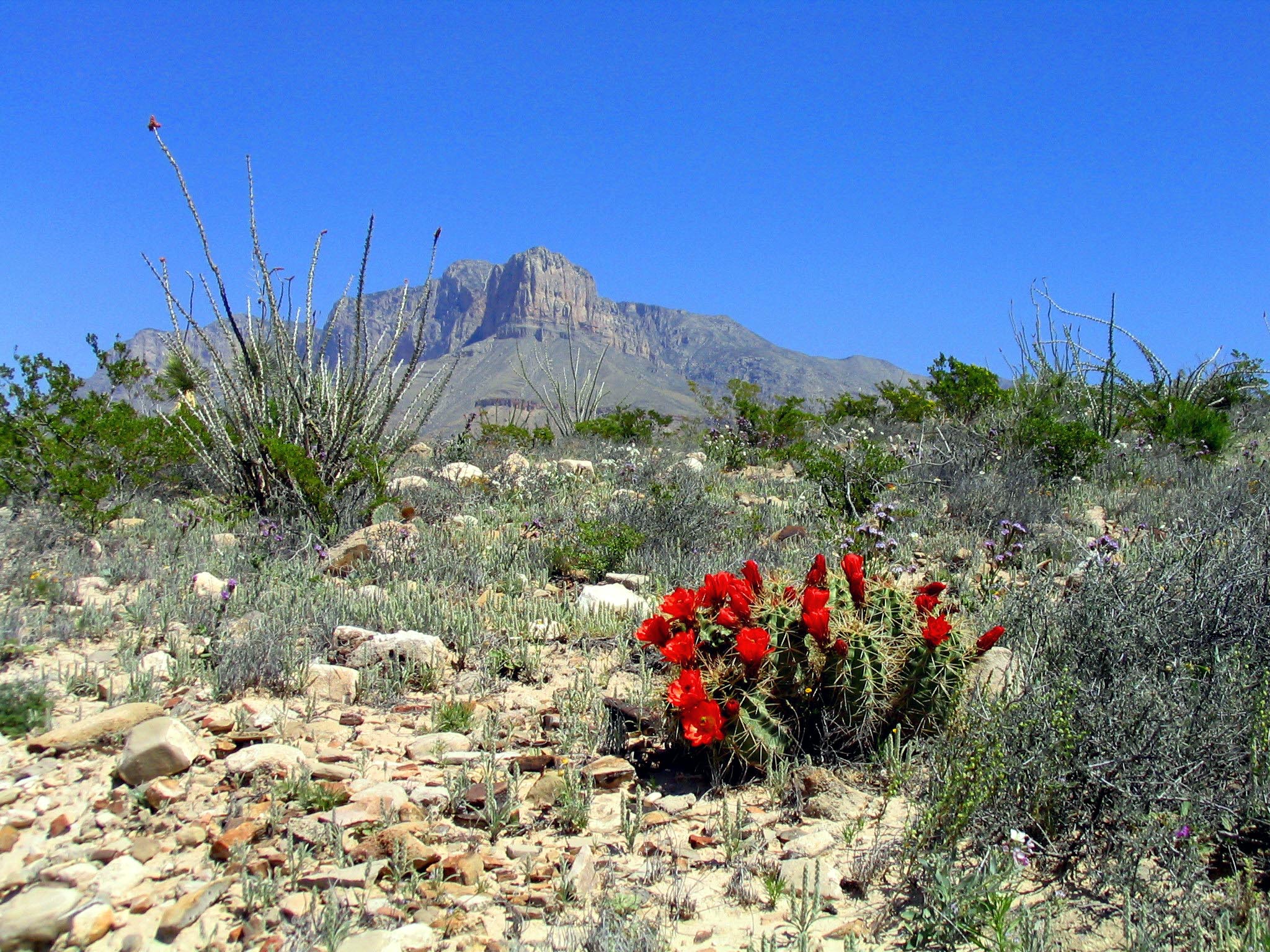
Guadalupe Mountains National Park Weather: Weather
Guadalupe Mountains National Park: weather guide guide updated 2026. Practical visitor information, reservations, and seasonal tips worth bookmarking before
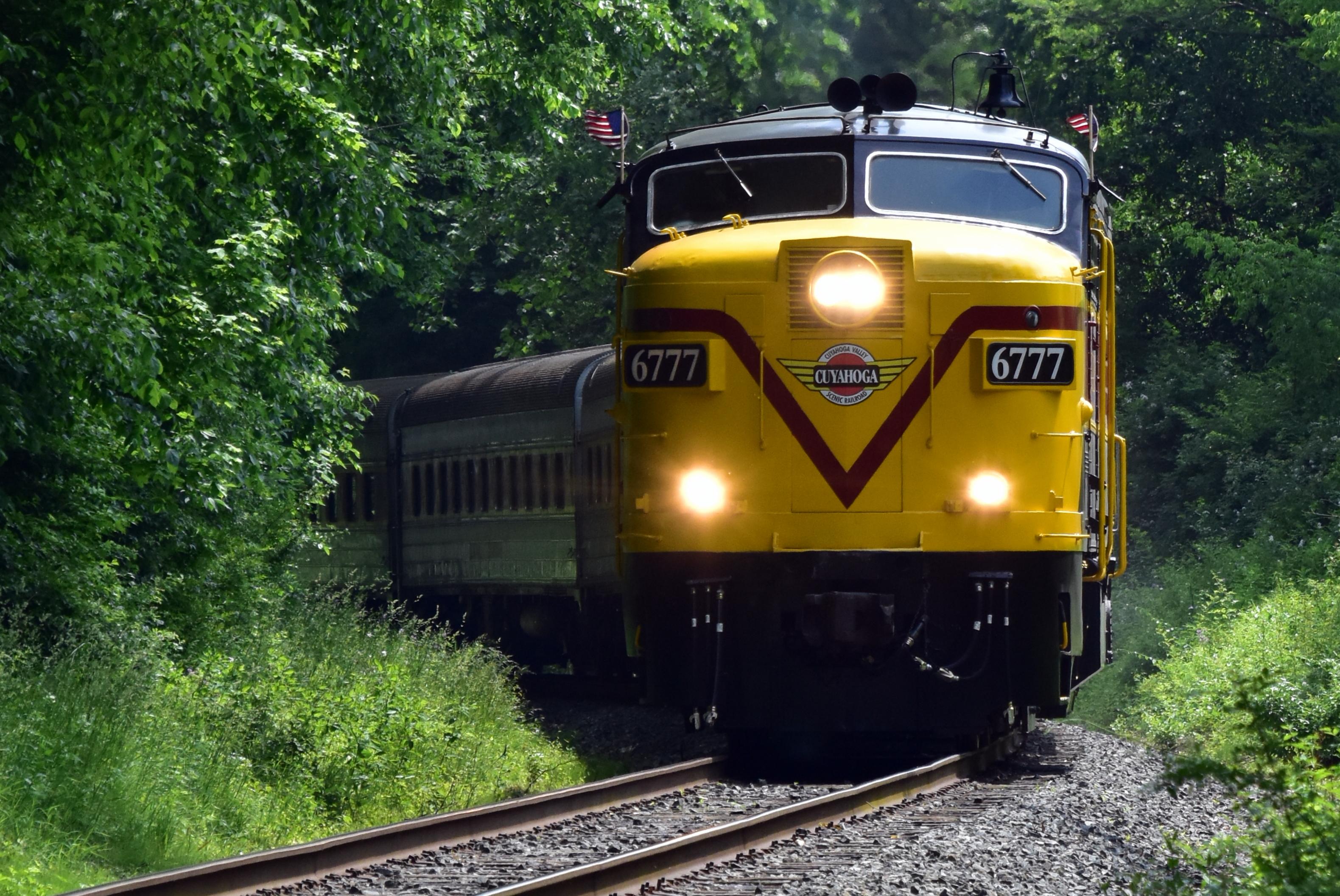
Best of Cuyahoga Valley National Park: Best Things to Do
Seeing a Cleveland Orchestra concert with the woods as your backdrop is a uniquely Cuyahoga Valley experience.
Sign in to join the conversation.
Sources & Attribution
Location data courtesy of the National Park Service (U.S. Department of the Interior). NPS data is public domain. Official NPS page.
Images: NPS; NPS; NPS; NPS; NPS.
Map data © OpenStreetMap contributors.
Park operations alerts: NPS.gov · Weather and weather hazards: National Weather Service · Live conditions.
Information may change. Always verify fees, hours, and conditions directly with the official source before visiting.
Did this guide help? Share it with a friend.