Big Bend National Park Tours: Guided Birding Tours (2026 Guide)
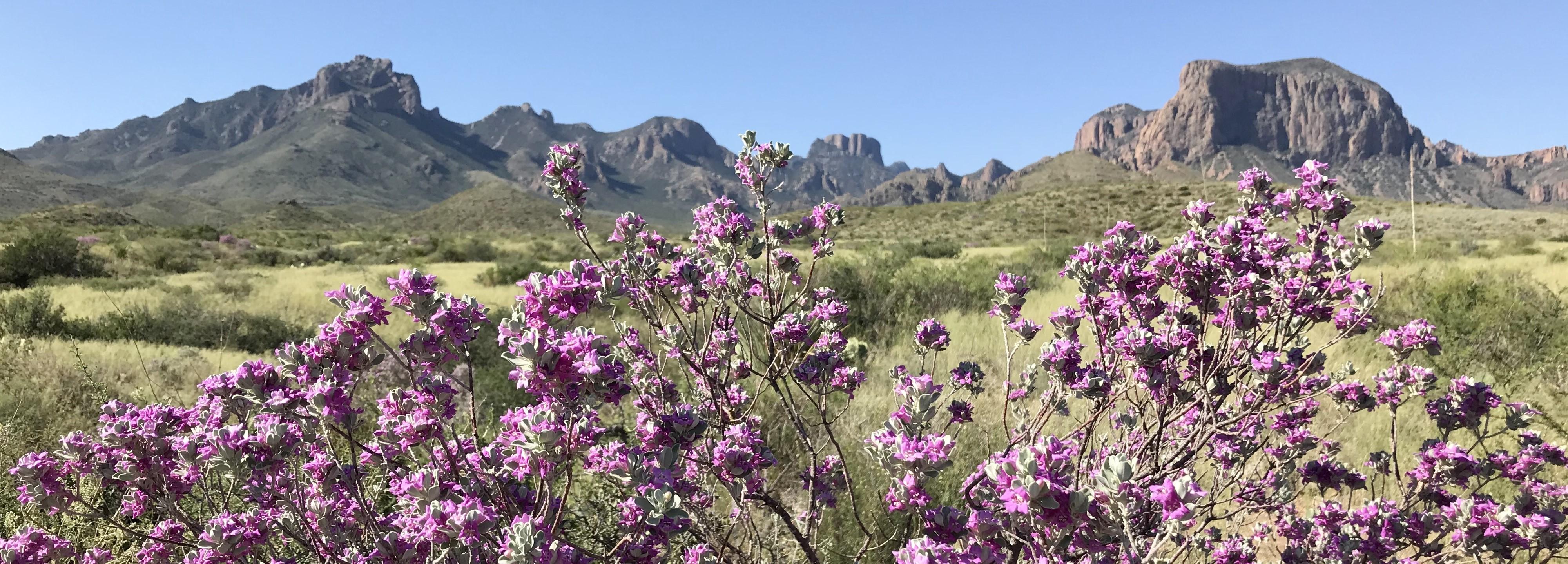
NPS via NPS.gov (Public Domain)
Guided Birding Tours Big Bend National Park: 450+ Species
8 min read
Tours Guide
Guided Birding Tours Big Bend National Park reveal 450+ species with park-approved guides who know micro-habitats and seasonal patterns, boosting your sightings.
This article contains affiliate links — we may earn a small commission at no extra cost to you.
Big Bend's unique position where the Chihuahuan Desert meets the Rio Grande and Chisos Mountains creates exceptional bird diversity. With over 450 species on the official park list, even seasoned birders can find the numbers daunting. That's precisely why hiring a professional guide matters. A guided tour here goes beyond checking boxes on a list; it provides access to nuanced knowledge of micro-habitats, teaches you to recognize subtle seasonal patterns, and helps locate birds you'd otherwise overlook. For broader park logistics and seasonal advice, consult our complete visitor guide.
The Best Guided Experience Here
The single most valuable guided experience here is a half-day or full-day birding tour with a park-approved concessionaire, focused on the Rio Grande Village and Cottonwood Campground corridors. Rangers will tell you that while you can see birds anywhere, these riparian zones along the river are where diversity explodes. A guide knows that the tiny Lucy's Warbler prefers the mesquite bosques just east of the campground, not the taller cottonwoods. They'll point out the difference between the call of a Summer Tanager and a Hepatic Tanager - a distinction that sounds obvious only after someone shows you.
What you're paying for is efficiency and depth. On your own, you might spend an hour scanning the riverbank for a Green Kingfisher. A guide knows which specific bend in the river, which exposed root ball, it uses as a perch, and they'll have the scope on it before you've finished parking. They understand the timing: that the best activity is in the first three hours after sunrise, before the desert heat stills the air, and that late afternoon can bring a second wave as birds come to water.
The value is in the details you'd miss: the explanation of why a Vermilion Flycatcher is so brilliantly red, the story of the Colima Warbler's extremely limited U.S. range almost entirely within the Chisos Mountains, or the tip to listen for the "whisper song" of a Black-tailed Gnatcatcher in the desert scrub. This access to context turns a list of sightings into a meaningful understanding of the ecosystem. Most visitors underestimate how spread out the prime birding spots are; a guide maximizes your windshield time and gets your boots on the right dirt path at the right moment.

Free Ranger Programs
The park service runs a rotating schedule of free ranger-led programs, with birding sessions always being the most popular. In 2026, expect these programs 1-2 times weekly during peak seasons—spring (March through May) and fall (October to November)—rather than daily.
Birding Basics Walks
These are usually gentle, slow-paced walks of a mile or less on flat trails like the Rio Grande Village Nature Trail. A ranger will carry a spotting scope and often a field guide. The goal is less about racking up a huge species count and more about teaching identification techniques - how to note size, shape, behavior, and field marks. They'll spend ten minutes on a single bird if the group is engaged. These are perfect for beginners or families. They start early, often at 7:30 AM, and are limited to 15-20 people. You secure a spot by showing up at the trailhead; there are no reservations. The line forms 30 minutes early.
Evening Campfire Talks
While not exclusively about birds, the evening programs at the Chisos Basin or Rio Grande Village amphitheaters frequently cover topics like "Raptors of the Big Bend" or "The Rio Grande: A Migratory Highway." These are 45-minute illustrated talks. You'll learn about the Peregrine Falcons that nest in the cliffs of Santa Elena Canyon or the seasonal arrival of the Swainson's Hawk. They're worth attending for the narrative - the ranger will weave in geology and human history alongside the natural history. Bring a jacket; the mountain air chills quickly after sunset even when the desert floor is still warm.
Rangers emphasize that their programs are weather-dependent. A forecast of high winds or rain will cancel a bird walk, as the birds themselves will be hunkered down. Check the posted schedule at any visitor center upon arrival; the printed weekly bulletin is your most reliable source.

Concessionaire Tours
Big Bend has a small list of licensed commercial operators authorized to lead guided trips within the park. For birding, this typically means hiring a guide for a private or small-group tour. There is no large, daily group birding bus tour operated by the park.
Private Birding Guide Services
These are independent, professional naturalists who have obtained a Commercial Use Authorization from the park. You book them directly through their own websites or businesses, which are often based in nearby gateway towns like Terlingua or Alpine.
What they offer: A fully customized birding experience. You discuss your target species, skill level, and mobility beforehand. The guide then crafts an itinerary, provides transportation in their vehicle (a critical perk given the park's vast distances), and supplies high-quality optics like spotting scopes. A typical full-day tour runs 6-8 hours and might combine the Rio Grande Village wetlands, a scan of the desert scrub for roadrunners and thrashers, and an ascent into the Chisos Basin for higher-elevation species like the Mexican Jay and the endemic Colima Warbler.
Cost and value: As of 2026, expect rates starting around $350-$500 for a full day for a small private group (2-4 people). It's a significant investment. The honest assessment is this: if you are a casual birder with a general interest, the free ranger walks are sufficient. If you are a serious birder with a target list, or a photographer seeking specific shots, the private guide is worth every penny. They know where the rare (for the U.S.) species like the White-collared Seedeater has been seen lately, and they have the network to get real-time updates from other guides.
Booking process: Lead time is everything. For spring migration, you need to book 3-6 months in advance. Some top guides are booked a year out for prime weeks in April. A deposit is standard, with cancellation policies varying from 14 to 30 days. Payment is usually via credit card or electronic transfer.
River Outfitters as Birding Guides
Many of the companies licensed for Rio Grande float trips also employ guides who are expert birders. A half-day float through Santa Elena or Boquillas Canyon can be an exceptional birding platform. From the river, you're at eye level with bank swallows and canyon wrens, and you can quietly approach herons and egrets fishing in the shallows.
Who it's for: This is for the birder who wants to combine an iconic Big Bend activity with their hobby. The pace is relaxed, the perspective is unique, and you'll access cliffside nests and riverside habitats unreachable by trail. It's less about covering maximum ground and more about immersion. Costs are similar to standard river trips, often $75-$150 per person for a half-day, and you must request a bird-knowledgeable guide when booking.

Specialized Experiences
Beyond standard birding tours, Big Bend's unique environment fosters a couple of specialized niches.
Night Sky and Owl Prowls
A few guides offer evening "owl prowls." Using recorded calls (played sparingly and ethically), they attempt to locate and observe Big Bend's nocturnal birds: the Elf Owl (the world's smallest), the Western Screech-Owl, and the less common Great Horned Owl. These tours depend heavily on conditions - a bright moon or wind makes it tough. They typically last 2-3 hours after full dark and require quiet walking on easy paths. It's a memorable experience, hearing the whinny of a screech-owl echo off a canyon wall you can barely see.
Photography-Focused Birding Workshops
Occasionally, professional photographers or guide services will host multi-day bird photography workshops. These are intensive, often limited to 4-6 participants, and focus on fieldcraft and camera technique as much as finding birds. They'll cover how to approach skittish subjects, use natural blinds, and manage the harsh desert light. These workshops are rare and sell out instantly; they're usually advertised on operator websites or specialty photography forums a full year in advance.

Booking and Logistics
The single most important logistical fact is that Big Bend has limited services and no on-demand guide kiosks. Nothing is booked through a central park reservation system.
How far in advance: For a private birding guide during peak season (March through April), 4-6 months is prudent. For the fall season (October), aim for 2-3 months. For a river trip with a birding focus, a month's notice might suffice, but don't count on it.
Where reservations are made: Directly with the individual guide or outfitter. The park's official website maintains a list of authorized concessionaires. You'll need to email or call them. A quality guide will ask you detailed questions about your hopes for the day.
Cancellation policies: These are strict, often 50% non-refundable within 30 days. Weather cancellations are at the guide's discretion; most will only cancel for genuine safety concerns (lightning, flash flood risk), not for heat or wind. Trip insurance is not a bad idea.
What's included: Clarify this. A full-service guided birding tour should include park entry fees, transportation during the tour, use of optics, snacks, and water. It does not include your lodging, meals, or transportation to the meeting point. Most guides will meet you at a designated location inside the park, like the Rio Grande Village store. For your lodging and accommodations before or after the tour, you'll need to plan separately.
Practical Takeaways
- Book your guide first, then everything else. Secure your guided birding tour for your target dates before you book flights, rental cars, or campsites. Guide availability is the scarcest resource.
- Spring is for migrants, fall is for rarities. April and May bring waves of colorful warblers and flycatchers moving north. October and November can produce unexpected strays from Mexico. Summer is brutally hot but offers nesting species like the Gray Hawk. Winter has its own suite of residents.
- Your vehicle is not their vehicle. If your guide provides transportation, use it. They know the pullouts, they'll handle the dusty back roads, and you can all scan together instead of worrying about driving.
- Carry the park's bird list. You can get a printable checklist from the NPS website or buy the laminated version at a visitor center. Have your guide initial it as you go - it's a great souvenir.
- Birding here is not a passive activity. You will walk on uneven terrain, stand for long periods, and deal with sun, wind, and dust. Wear sturdy shoes, a wide-brimmed hat, and neutral-colored clothing.
- Respect the heat. Even on a guided tour, you are responsible for your own hydration. Drink water before you're thirsty. Your guide will have extra, but bring your own as well.
- Guided birding is a gateway. The skills and awareness you learn about habitat and behavior will directly improve your own future hiking in Big Bend National Park, making you more attuned to the landscape you're moving through. For more on the other creatures you might encounter, keep an eye out for our upcoming guide on wildlife viewing in the park.
Recommended Gear
What experienced visitors bring to Guided Birding Tours Big Bend National Park: 450+ Species
Links may earn us a commission at no extra cost to you. We only recommend gear we believe in.
Hiking Essentials
Hydration Pack (3L)
Hands-free water for long trail days
Trekking Poles (Pair)
Save your knees on steep descents
Hiking Boots (Ankle Support)
Sturdy footwear for rocky, uneven trails
Sun & Heat Protection
Wide-Brim Sun Hat
Full coverage UPF 50+ protection at altitude
Insulated Water Bottle (32oz)
Keeps water cold in desert heat all day
Winter Gear
Microspikes / Traction Devices
Essential for icy rim trails in winter months
Packable Down Jacket
Lightweight warmth that stuffs into a pocket
Sources
- Official source: NPS — Big Bend National Park nps.gov/bibe/index.htm
Photo Gallery
More to Explore
Park Guide
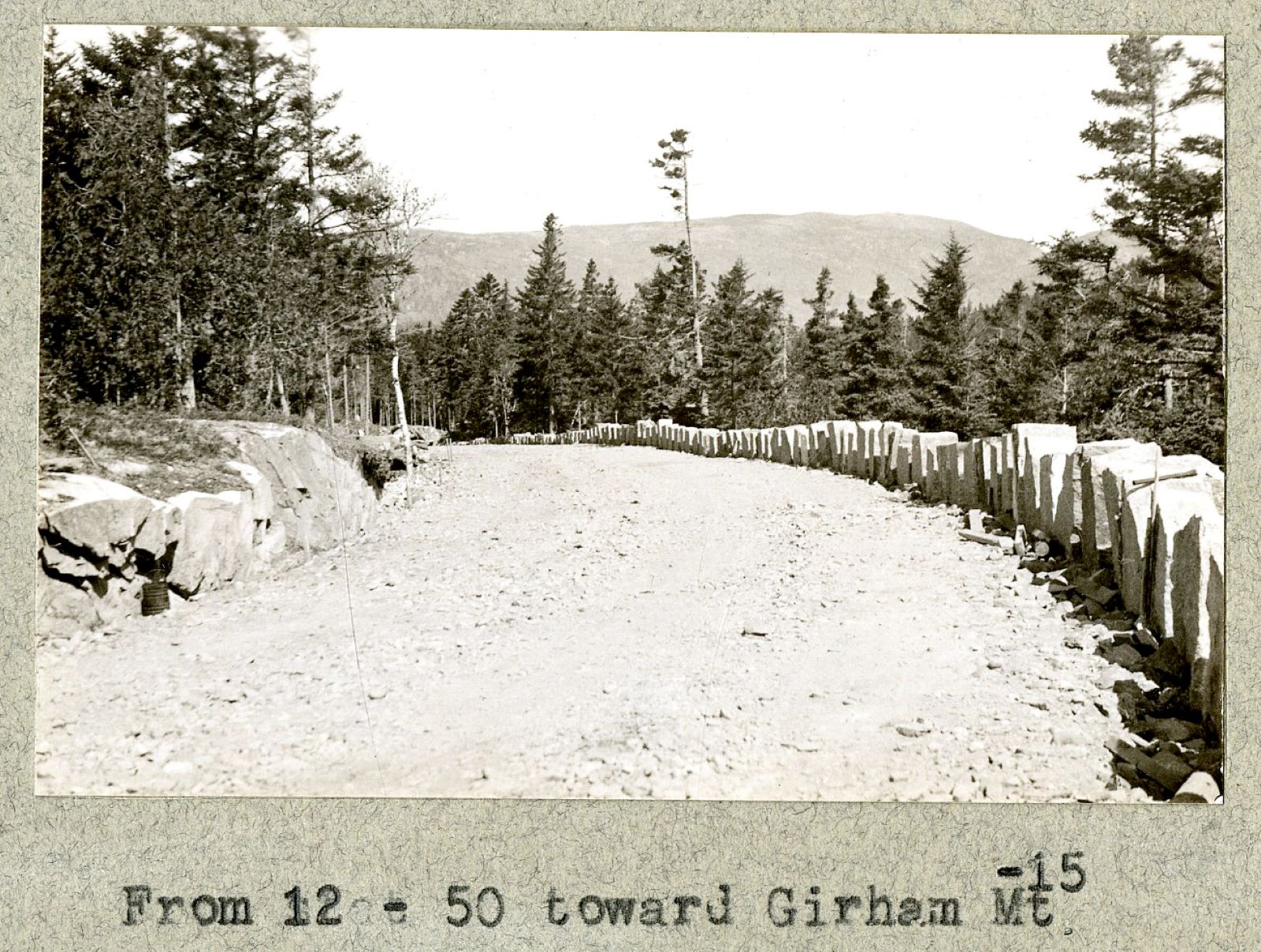
Acadia National Park: Carriage Roads, Cadillac Mountain & 2026 Guide
Discover carriage roads, Cadillac Mountain, and rugged Maine coast. Complete 2026 guide to Acadia National Park — trails, fees, lodging, permits, and what rangers recommend.
Hiking Guide
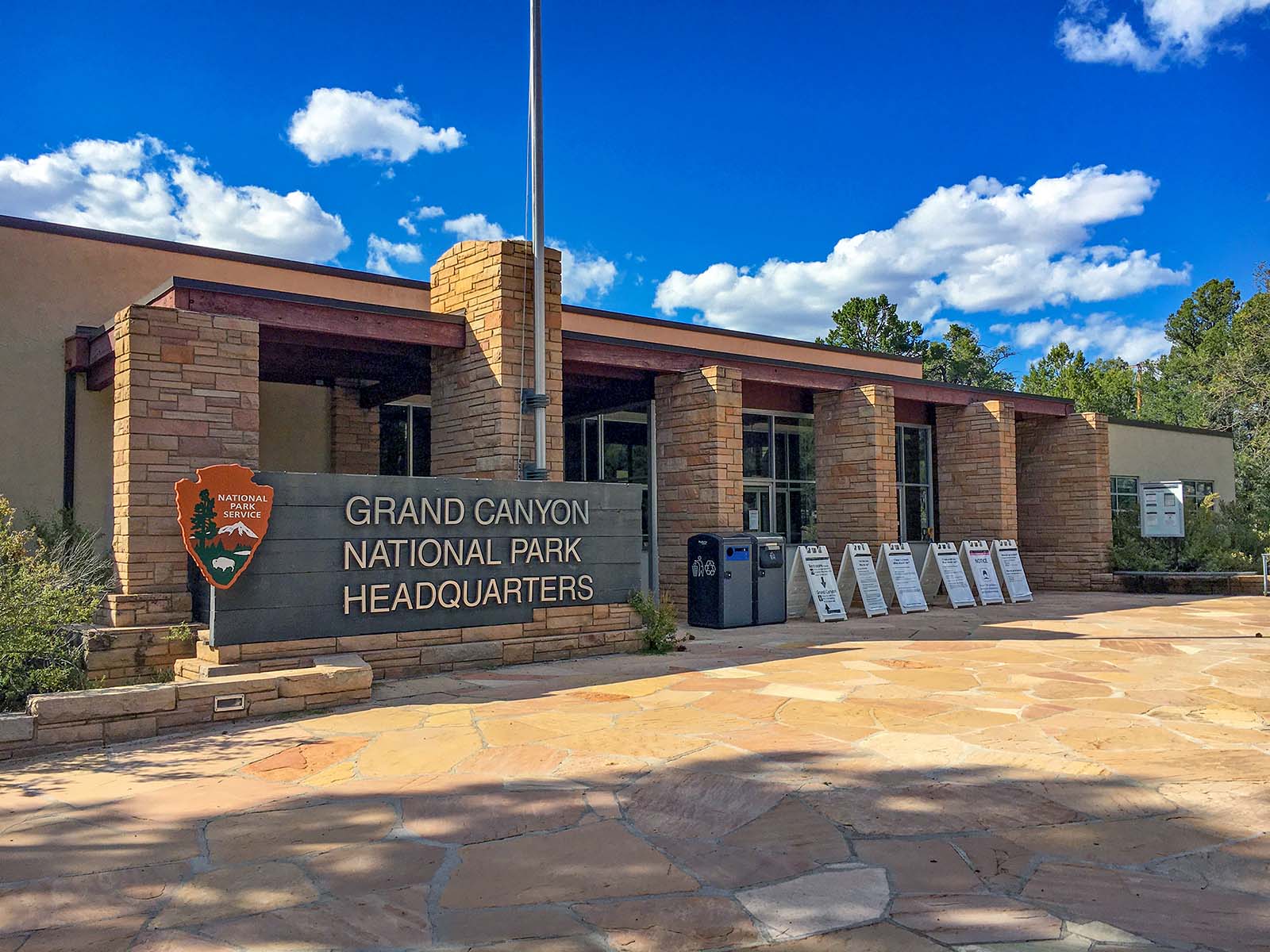
Grand Canyon Hiking Trails: Day Hikes, Water Sources & Rim to Rim
Compare Grand Canyon hiking trails: Bright Angel, South Kaibab, Hermit, Grandview, and rim to rim, with distances, elevation, water stops, and trailhead access for each.
Best Of
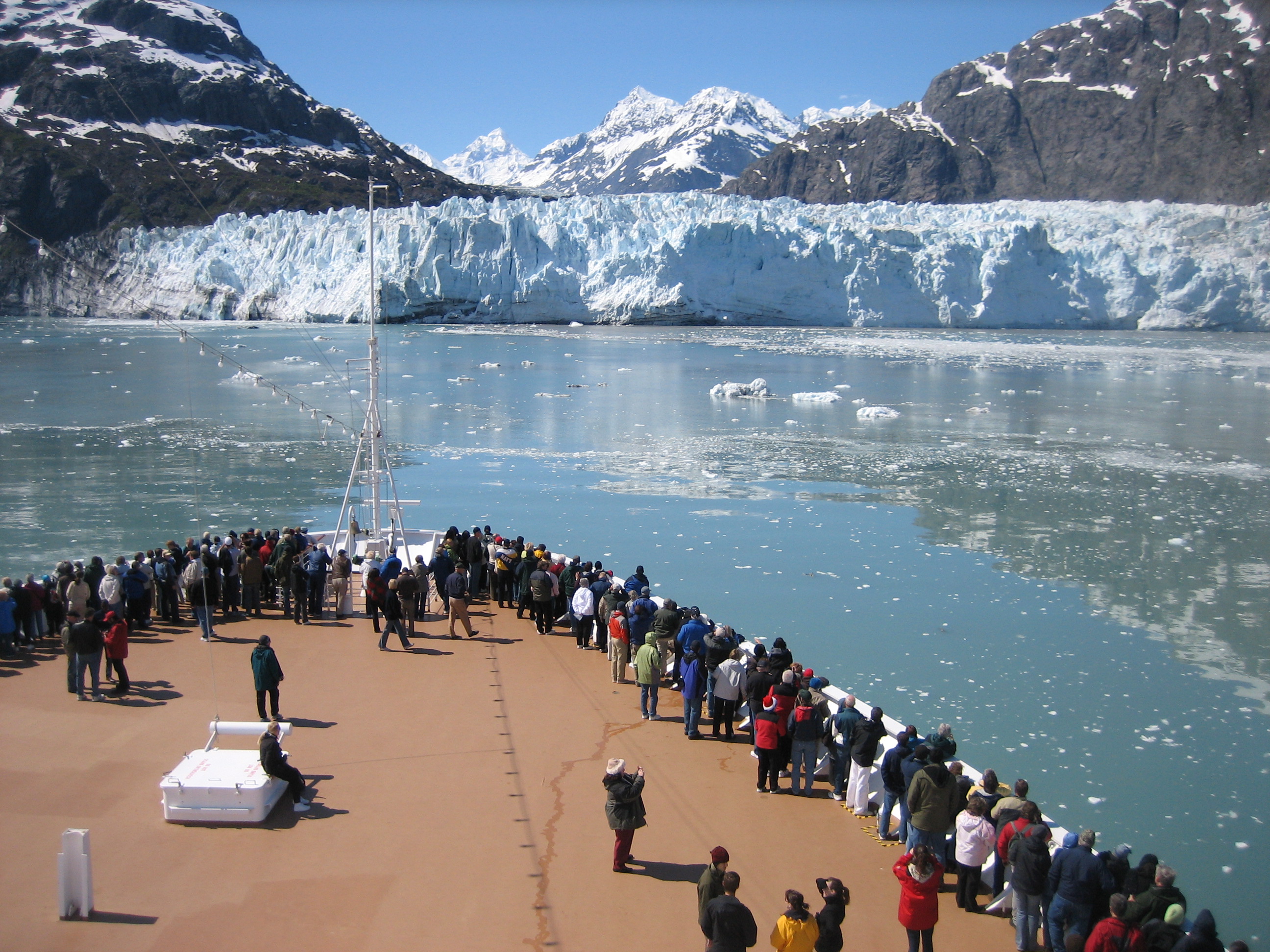
Best of Glacier Bay National Park
The best of Glacier Bay is reached by boat: ranger-led day tours up the bay to the tidewater glaciers. What's worth it, how to book, and when to go (2026).
Campsite Guide
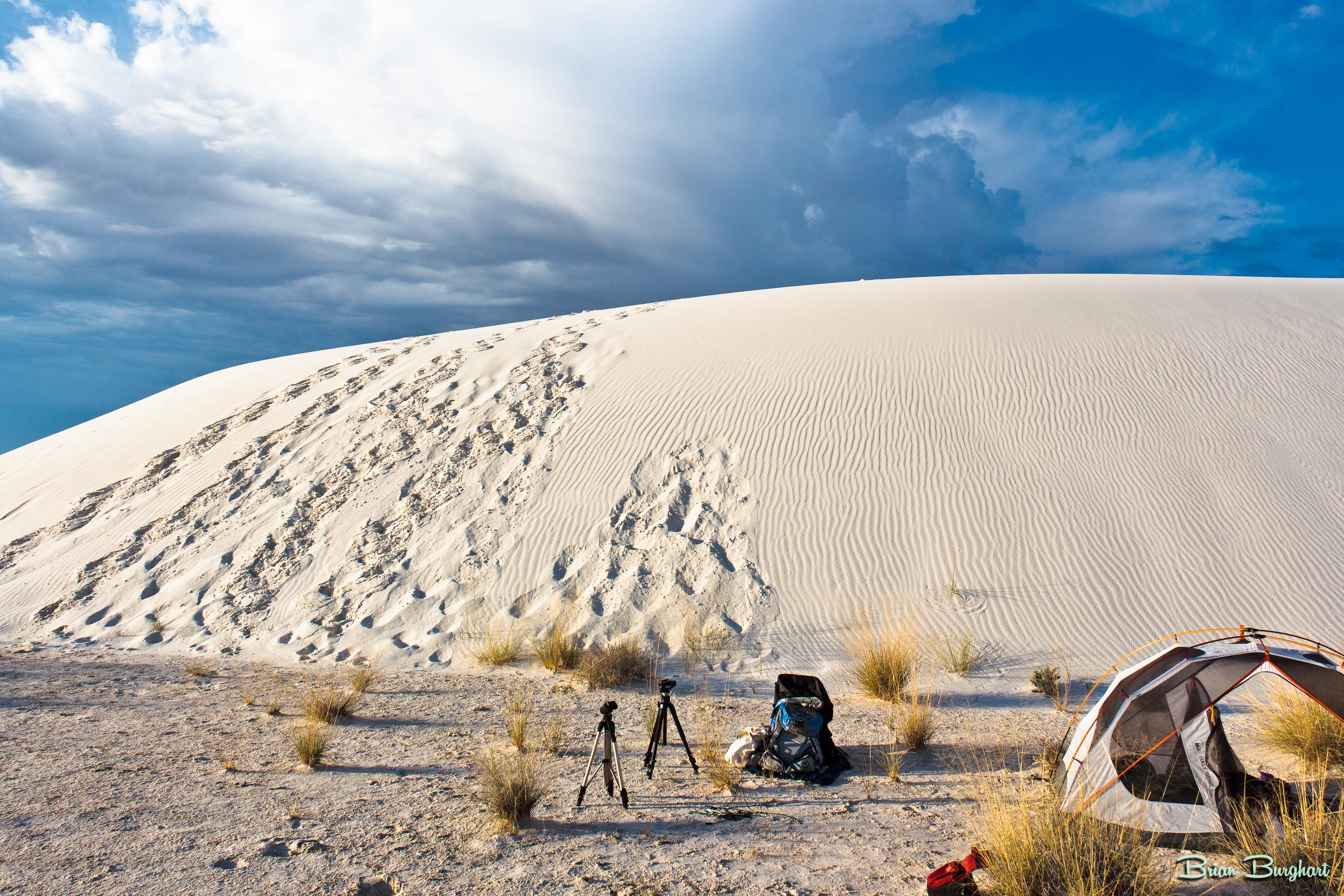
White Sands Backcountry Camping: Closed for 2026 — What to Know
As of 2026, backcountry camping at White Sands National Park is closed for site rehabilitation. What that means, and where to camp nearby instead.
Weather Guide
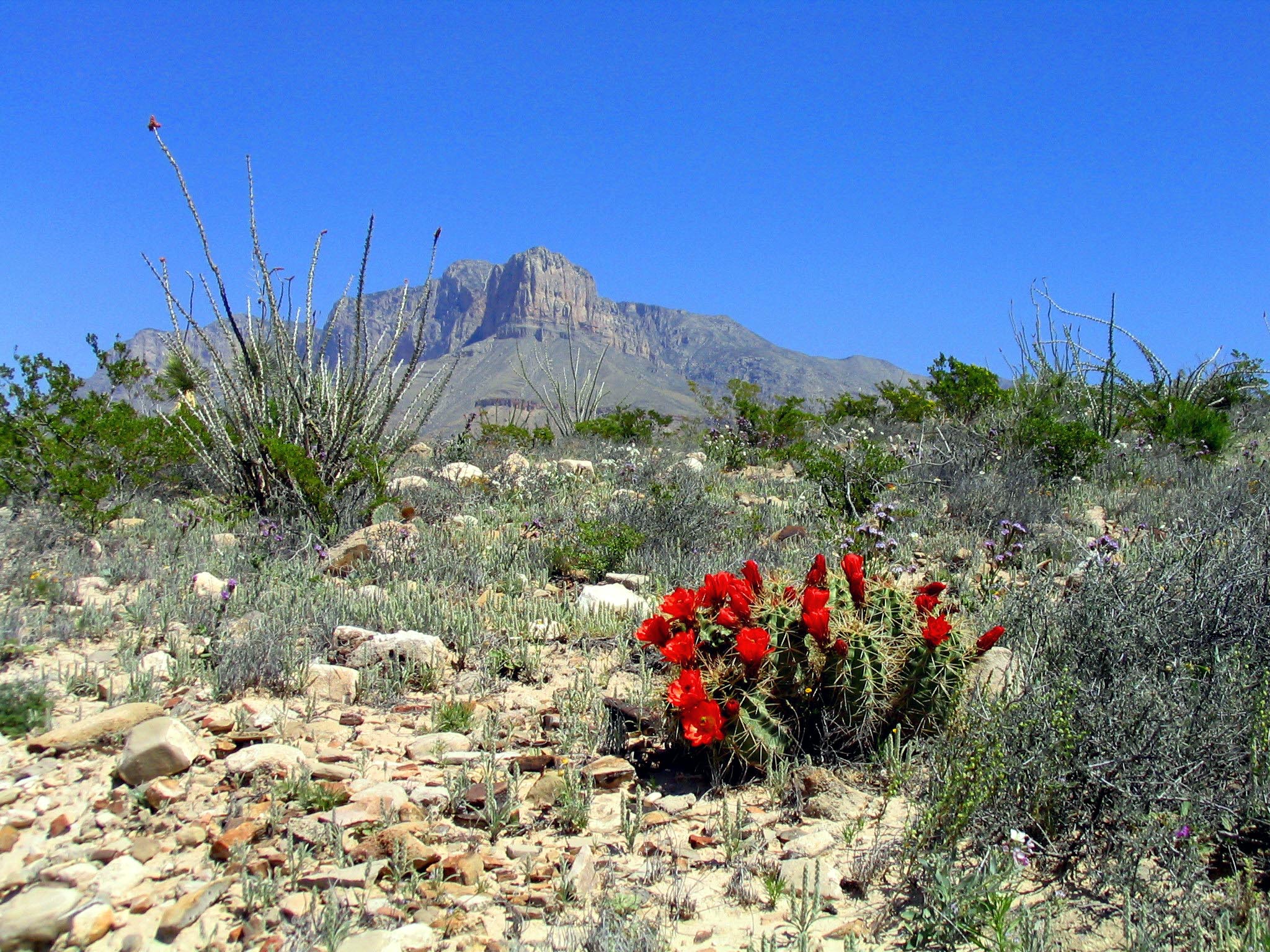
Guadalupe Mountains National Park Weather: Weather
Guadalupe Mountains National Park: weather guide guide updated 2026. Practical visitor information, reservations, and seasonal tips worth bookmarking before
Best Of
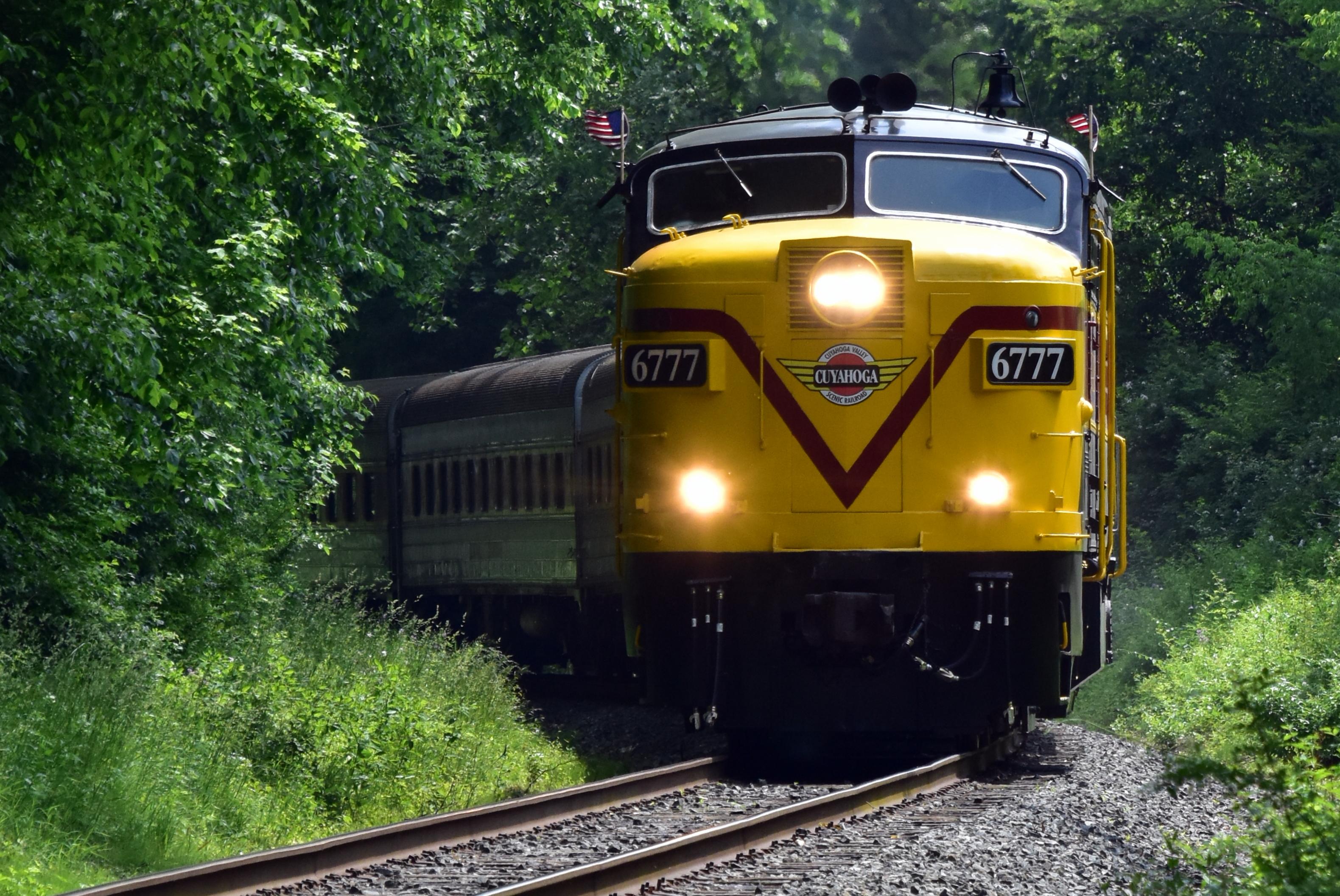
Best of Cuyahoga Valley National Park: Best Things to Do
Seeing a Cleveland Orchestra concert with the woods as your backdrop is a uniquely Cuyahoga Valley experience.
Sign in to join the conversation.
Sources & Attribution
Location data courtesy of the National Park Service (U.S. Department of the Interior). NPS data is public domain. Official NPS page.
Images: NPS; NPS; NPS; NPS; NPS.
Map data © OpenStreetMap contributors.
Park operations alerts: NPS.gov · Weather and weather hazards: National Weather Service · Live conditions.
Information may change. Always verify fees, hours, and conditions directly with the official source before visiting.
Did this guide help? Share it with a friend.