Start before 7 AM. That's the single most important piece of advice for any serious hiking in Big Bend, and it dictates everything else about your gear. The desert floor can hit triple digits by late morning, and the difference between a pleasant climb and a punishing slog is often just a few hours. Your choice of footwear isn't about fashion; it's about managing terrain that shifts from loose gravel to sharp limestone and temperatures that swing 40 degrees between dawn and noon. This guide covers the best hiking boots for Big Bend, grounded in the realities of the park's trails, weather, and the specific demands of the Chisos Mountains versus the desert canyons. For a broader view of trip planning, our complete visitor guide covers logistics from permits to fuel stops.
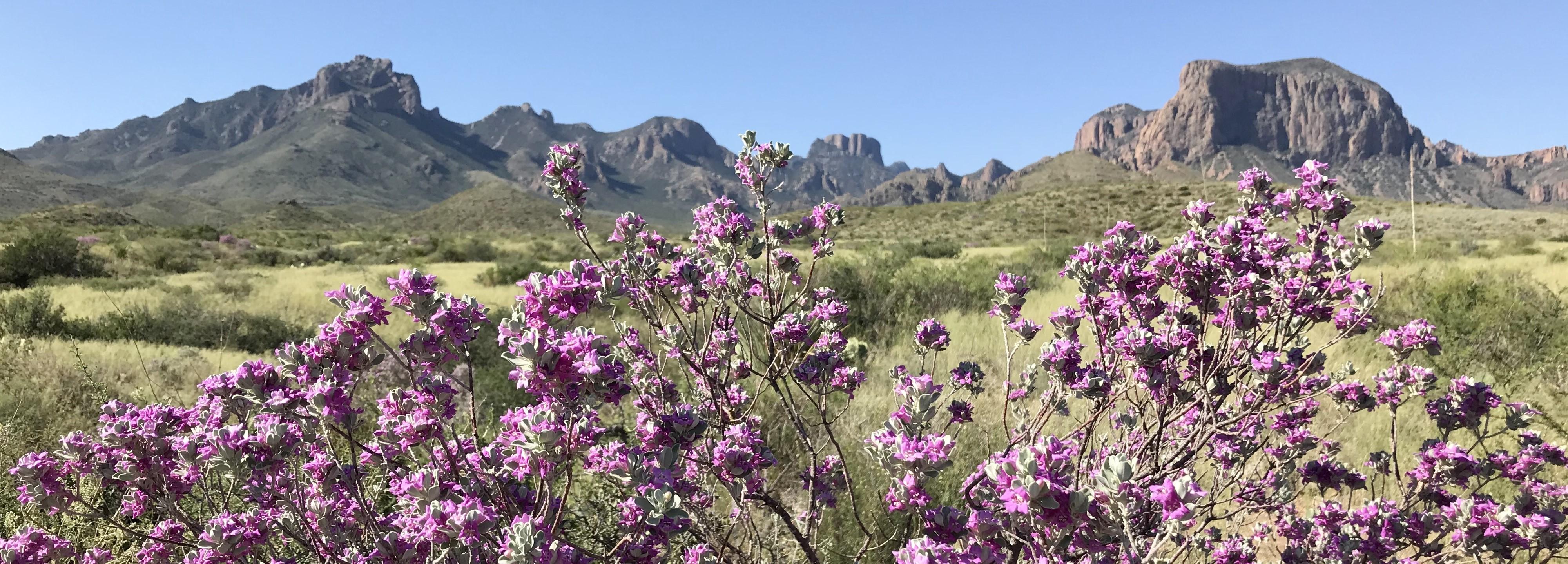
Big Bend Gear Guide: What to Pack for Desert & Canyon Hikes
7 min read
What to pack for Big Bend — desert hiking boots, sun protection, and the gear rangers recommend for the Chisos Mountains and Rio Grande canyon hikes.
The Terrain Dictates the Boot
Big Bend hiking isn't a single experience. It's two distinct environments that will quickly degrade unsuitable footwear. You must prepare for both.
The Chisos Mountains: Grip and Ankle Support
The trails here, like the popular Lost Mine Trail or the strenuous Emory Peak route, are a mix of packed dirt, loose rock, and sustained incline. The surface changes from decomposed granite to exposed bedrock switchbacks. Your calves will have strong opinions about the climb back from the Window. A boot with a firm, lugged sole is non-negotiable for traction on the gravelly descents. Ankle support matters more than you think - not because the trails are technical, but because a rolled ankle 2.5 miles up the Laguna Meadow trail is a long way from the trailhead. Rangers will tell you that most foot injuries they see come from hikers in worn-out sneakers or low-top trail runners slipping on loose scree.
The Desert and Canyons: Abrasion and Stability
Down on the desert floor, the challenge is different. Trails like the Chimneys or the path into Santa Elena Canyon (when open) cross stretches of soft sand, river cobble, and sun-baked clay. The gravel has a way of working itself into any shoe with a loose fit. More importantly, the abrasive nature of the terrain - the constant scuff against rock and thorny vegetation - wears through soft mesh uppers quickly. A boot with a reinforced toe cap and durable, snag-resistant upper isn't overkill; it's preservation. The Boquillas Canyon Trail may only be 1.5 miles roundtrip, but that includes 150 feet of elevation change on a surface that can be slick with fine dust over hardpan.

Key Features for Big Bend Boots
Forget generic "hiking boot" advice. In this park, specific features transition from optional to essential.
Sole Composition and Tread Pattern
Look for a Vibram or similar high-quality rubber compound. The limestone and volcanic rock here are surprisingly abrasive. A soft, cheap sole will visibly wear down over a week of hiking. The tread pattern needs to be multi-directional - deep lugs for loose descents in the mountains, but also a relatively flat platform for stability on the slabby sections of the South Rim. The trail narrows here on many climbs, and a secure foot placement is everything.
Upper Material and Climate Control
Full-grain leather is overkill and will cook your feet. Modern synthetic uppers or nubuck leather offer the best balance of durability and breathability. You need a boot that vents heat but can also handle the prickly embrace of catclaw acacia and lechuguilla. A well-fitted boot with a gusseted tongue (one attached to the sides) is critical. It's the only way to keep the pervasive, fine red dust of the Chihuahuan Desert from coating your socks by mile two.
Weight and Break-In Period
This is where many get it wrong. A heavy, mountaineering-style boot is a misery on the 4.8-mile roundtrip to the Chimneys. But a flimsy shoe offers no protection. Aim for a mid-weight hiking boot. The sweet spot is a boot that provides structure without feeling like a lead weight in the afternoon heat. And this is non-negotiable: break them in thoroughly before your trip. A new boot, no matter how well-designed, will create blisters on the hike to the South Rim. Wear them for at least 20 miles of walking on varied surfaces before you set foot on the Lost Mine Trail.

Seasonal Considerations: Your Boots Change with the Calendar
The best hiking boots for Big Bend in November are not the same as in July. The park's extreme climate forces a gear shift.
The Hot Half of the Year (May through September)
When the desert hits 100°F by late morning, breathability is your primary concern. A low-cut hiking shoe or a highly ventilated mid-cut boot can be appropriate for early-morning canyon hikes. The priority is letting heat escape. However, you still need a protective toe box for stubbing against rocks and a sole stiff enough to handle the uneven terrain. Many experienced hikers in summer opt for a rugged trail runner, but only if it has a rock plate and a durable upper. The gift shop sells moleskin, but you don't want to be a customer.
The Cool Season (October through April)
This is when you can comfortably use a more substantial boot. With temperatures mild and often pleasant, a boot with less aggressive venting and a bit more insulation (not for warmth, but for padding) is ideal for longer days. This is the season for tackling the 10.5-mile Emory Peak trail, where the extra support of a sturdy mid-weight boot is welcome over many hours. You'll still want breathability for the climb, but protection from the cooler morning chill and sharper rocks takes precedence.

Boots and Specific Big Bend Trails
Matching your footwear to your planned itinerary is the mark of a prepared visitor.
For the Classic Day Hikes
The Lost Mine Trail (4.8 miles roundtrip) and the Santa Elena Canyon Trail (1.6 miles roundtrip, conditions permitting) are perfect examples of the park's split personality. Lost Mine gains 1,100 feet on a well-maintained but rocky path. A supportive mid-cut boot with good ankle articulation is ideal. For Santa Elena, you'll cross Terlingua Creek (which can be dry or running) and walk on sand before climbing paved steps. A boot with a quick-drying lining and secure heel lock prevents blisters from wet sand and repetitive climbing.
For the Big Adventures: South Rim and Outer Mountain Loop
These are full-day or multi-day commitments where your boots are your most critical piece of gear. The South Rim trail involves significant elevation change, miles of rocky trail, and potential temperature swings. Boots must be broken-in, waterproof (for morning dew and creek crossings in Blue Creek), and have exceptional comfort over 12+ miles. For the Outer Mountain Loop, which drops from the Chisos into the desert and back, you need a boot that can handle the brutal, shadeless stretch of Dodson Trail - where the ground radiates heat - and then provide support for the steep climb back up. This is where a boot with a protective shank and a fatigue-fighting footbed pays for itself.

What to Pair With Your Boots
The right boot is useless with the wrong sock. This is not a place for cotton athletic socks. A merino wool or synthetic blend hiking sock with cushioning in the heel and ball of the foot will manage moisture and reduce friction. Carry a second pair in your daypack. Also, consider a gaiter. Even a short, ankle-height gaiter does wonders at keeping gravel and spiney seedpods out of your boots on desert trails like the Burro Spring route. It's a small addition that prevents a lot of stopping and shaking out your shoe.
Practical Takeaways
- Prioritize a Lugged Sole: Traction on loose rock is your first line of defense. Look for boots with deep, multi-directional lugs made of durable rubber.
- Match the Boot to the Season: Use lighter, more breathable footwear for summer dawn hikes; a more substantial, supportive boot is better for cool-season long hauls.
- Break Them In, No Exceptions: Walk at least 20 miles in your new boots on similar terrain before your trip. The park is not the place to discover a hot spot.
- Protect Against Abrasion: Reinforced toe caps and durable uppers matter more here than in forested parks. The desert is rough on gear.
- Your Socks Are Part of the System: Invest in quality hiking socks. Merino wool blends manage sweat and temperature, reducing blister risk dramatically.
- Check Trail Conditions First: As of April 2026, roads to Santa Elena Canyon are closed due to storm damage. Always verify current trail and road status at Panther Junction before committing to a hike.
Final Thoughts
The search for the best hiking boots for Big Bend ends with a simple question: what will keep you moving comfortably from first light until you're back at the trailhead? It's about respect for a landscape that offers no compromises. The right boot lets you focus on the curve of the Rio Grande 1,800 feet below the South Rim, not on the ache in your heels. It's the difference between a hike you endure and one you remember. Double-knot your laces, top off your water, and hit the trail early. The light on Casa Grande peak won't wait.
Related: big bend hiking guide
Related: hiking big bend national park guide
Sources
- Official source: NPS — Big Bend National Park nps.gov/bibe/index.htm
Photo Gallery
More to Explore
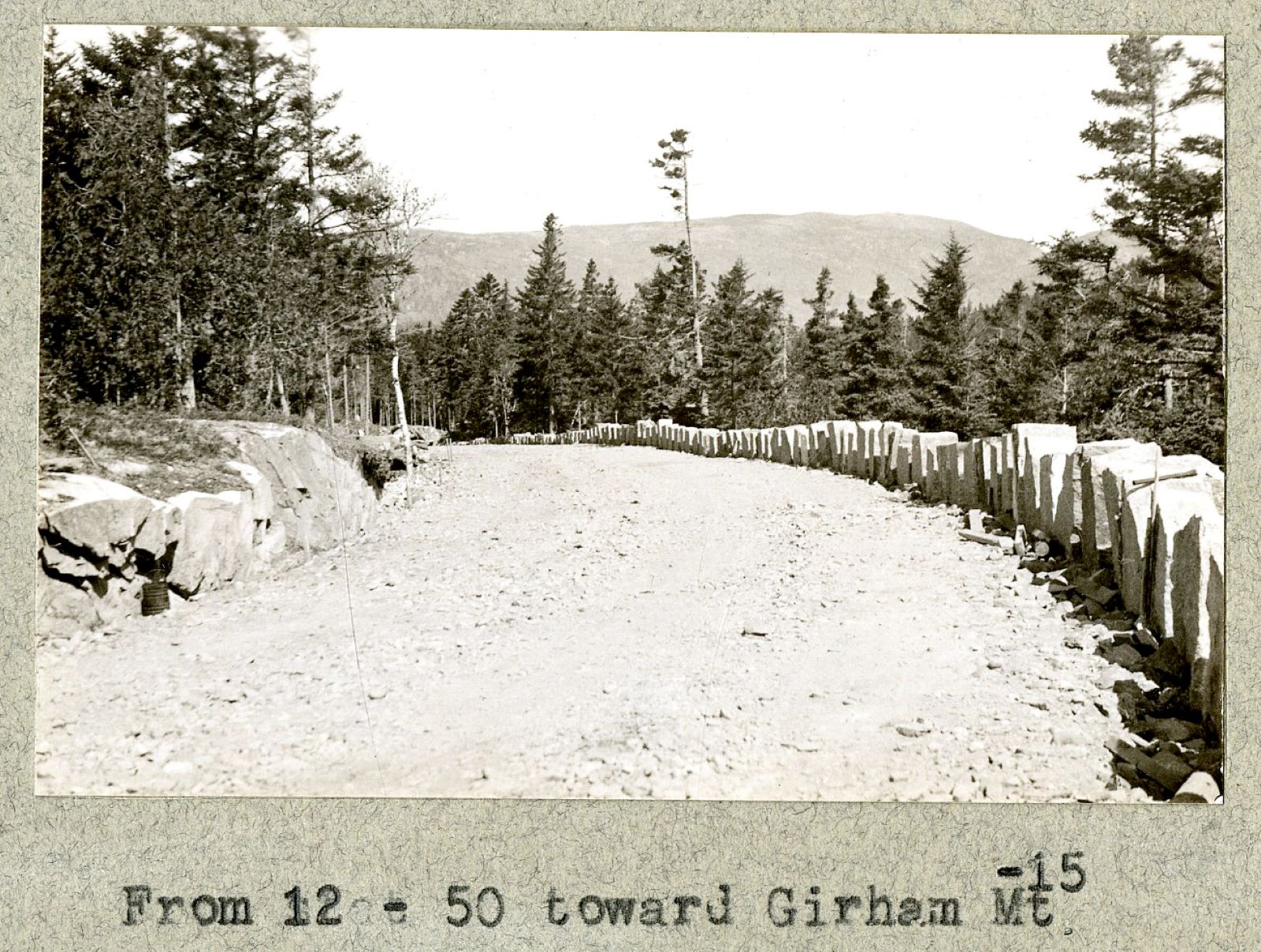
Acadia National Park: Carriage Roads, Cadillac Mountain & 2026 Guide
Discover carriage roads, Cadillac Mountain, and rugged Maine coast. Complete 2026 guide to Acadia National Park — trails, fees, lodging, permits, and what rangers recommend.
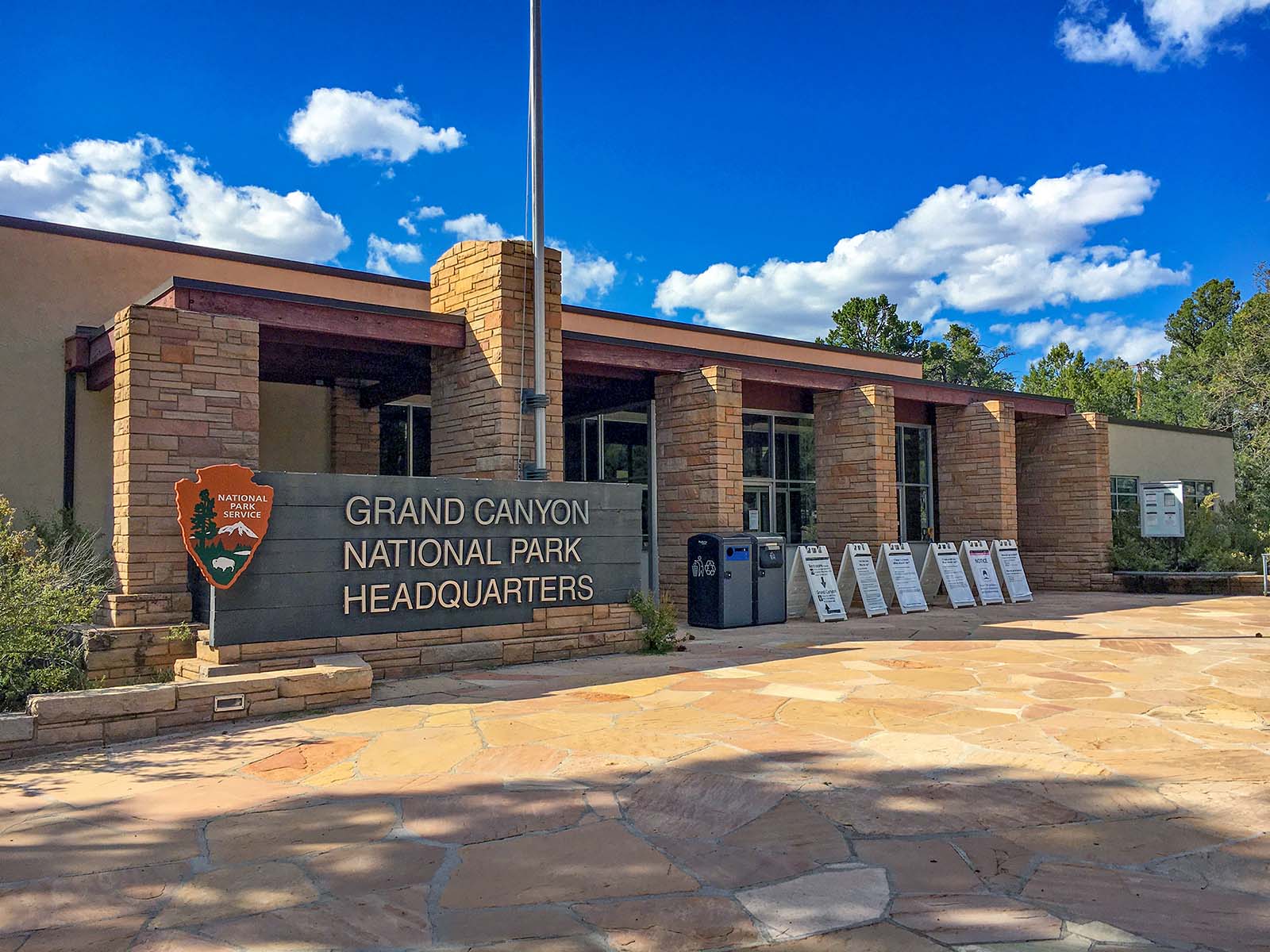
Grand Canyon Hiking Trails: Day Hikes, Water Sources & Rim to Rim
Compare Grand Canyon hiking trails: Bright Angel, South Kaibab, Hermit, Grandview, and rim to rim, with distances, elevation, water stops, and trailhead access for each.
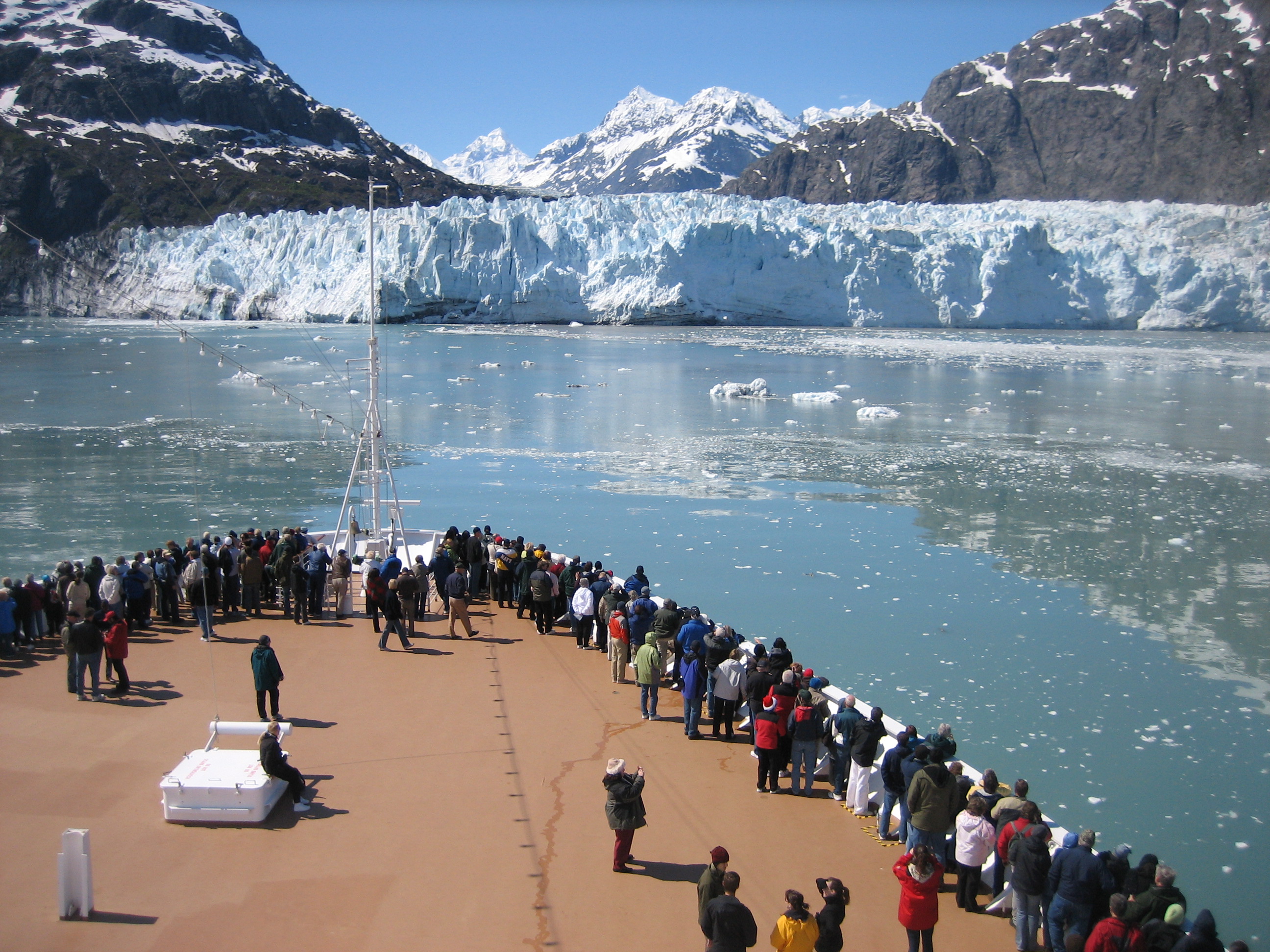
Best of Glacier Bay National Park
The best of Glacier Bay is reached by boat: ranger-led day tours up the bay to the tidewater glaciers. What's worth it, how to book, and when to go (2026).
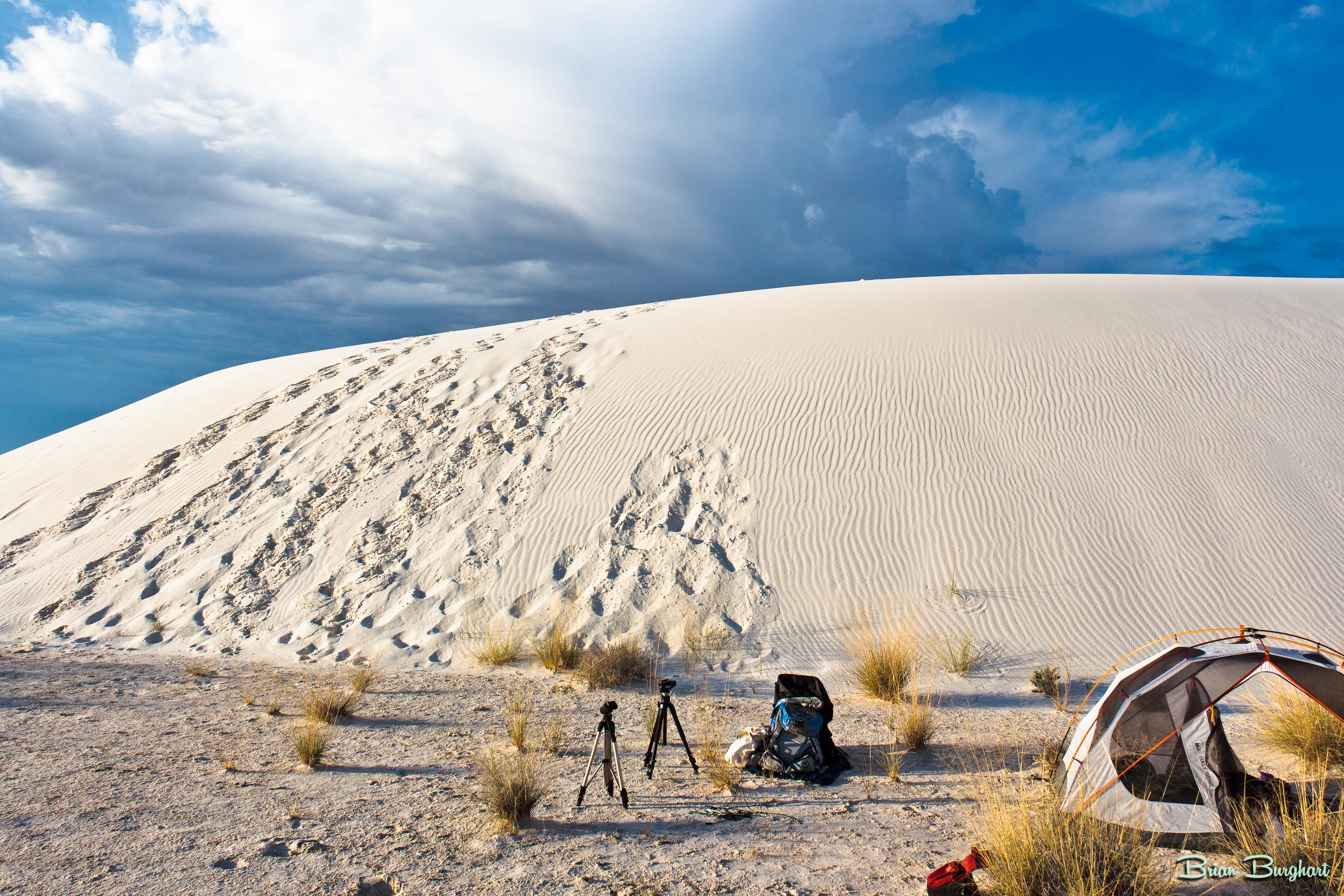
White Sands Backcountry Camping: Closed for 2026 — What to Know
As of 2026, backcountry camping at White Sands National Park is closed for site rehabilitation. What that means, and where to camp nearby instead.
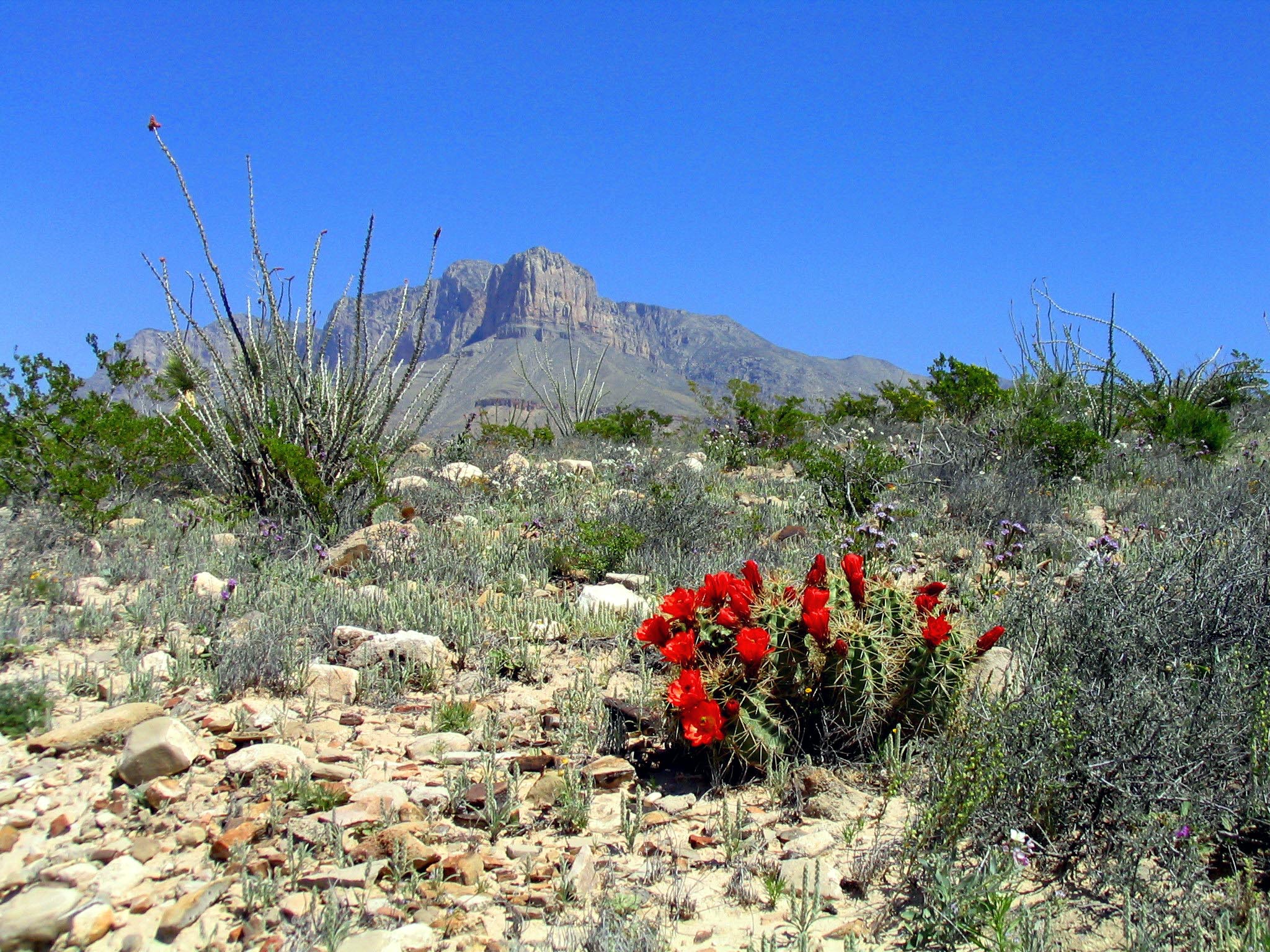
Guadalupe Mountains National Park Weather: Weather
Guadalupe Mountains National Park: weather guide guide updated 2026. Practical visitor information, reservations, and seasonal tips worth bookmarking before

Best of Cuyahoga Valley National Park: Best Things to Do
Seeing a Cleveland Orchestra concert with the woods as your backdrop is a uniquely Cuyahoga Valley experience.
Sign in to join the conversation.
Sources & Attribution
Location data courtesy of the National Park Service (U.S. Department of the Interior). NPS data is public domain. Official NPS page.
Images: NPS; NPS; NPS; NPS; NPS.
Map data © OpenStreetMap contributors.
Park operations alerts: NPS.gov · Weather and weather hazards: National Weather Service · Live conditions.
Information may change. Always verify fees, hours, and conditions directly with the official source before visiting.
Did this guide help? Share it with a friend.