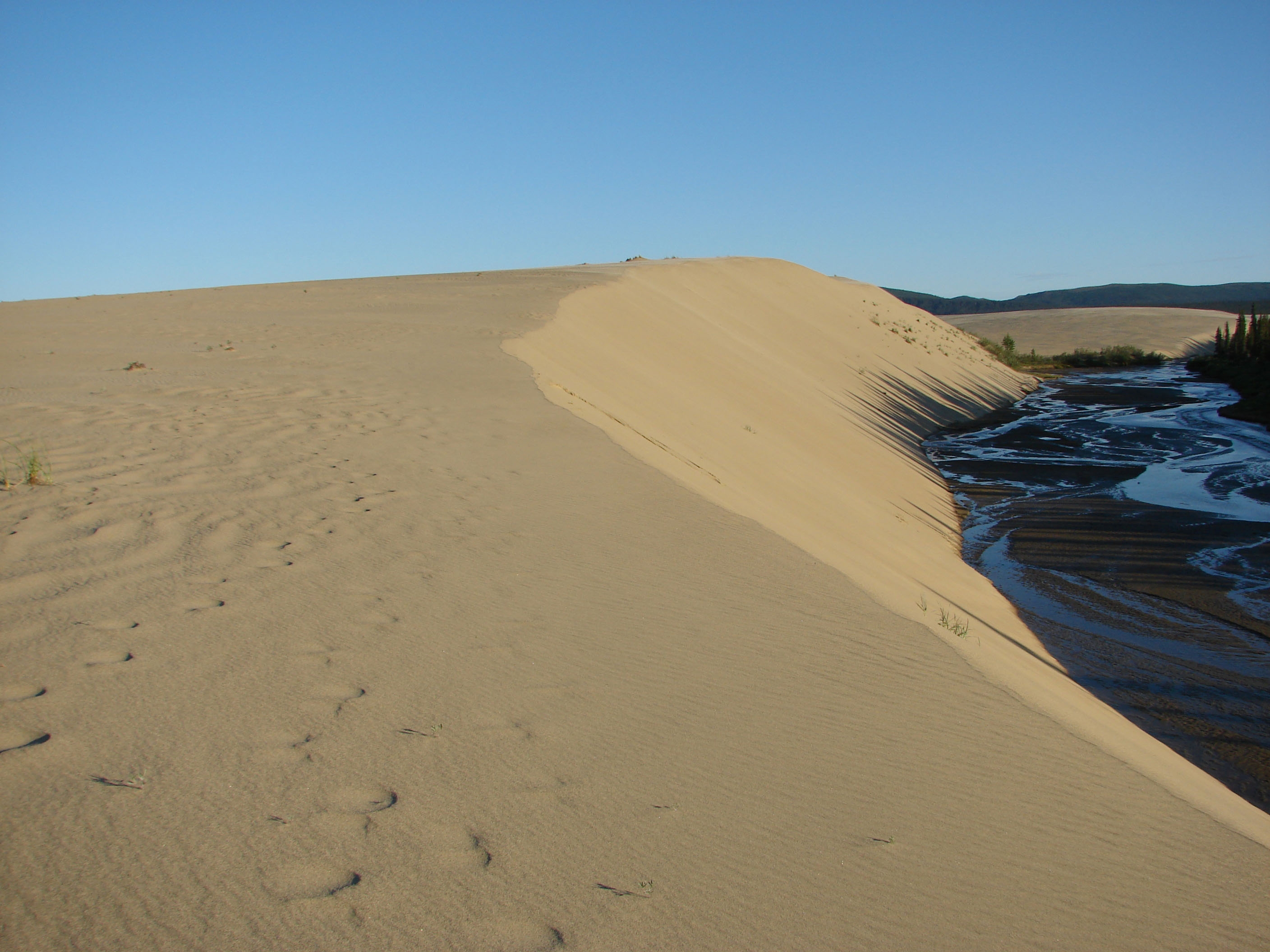
The wind lifts fine sand from the dune crest, carrying it downslope in a low hiss. Standing in the Great Kobuk Sand Dunes—a 25-square-mile sea of rolling sand in the Alaskan Arctic—you hear only that whisper and your boots crunching. This is Kobuk Valley National Park at its finest: massive, active dunes surrounded by boreal forest and caribou migration routes, reachable only by small plane or boat. Most visitors come for one reason: to walk the Arctic's largest active dunes. This guide will help you navigate the logistics to do it properly.
Chen Te via Pexels
Best of Kobuk Valley: Great Kobuk Sand Dunes, Caribou & Arctic
8 min read
Best Of
The Great Kobuk Sand Dunes - the Arctic's largest active dunes - and caribou migration routes, reached only by bush plane from Kotzebue or Bettles (2026).
This article contains affiliate links — we may earn a small commission at no extra cost to you.
If You Only Have One Day
Forget about having a full day—you have a weather window. Flights from Kotzebue or Bettles run on bush plane schedules, so your plans depend entirely on cloud cover, wind, and pilot availability. The biggest mistake visitors make is not allowing enough flexibility. Never schedule a tight connection from Anchorage or Fairbanks right after your Kobuk trip. Plan for at least a 48-hour buffer.
When the weather cooperates, a typical day trip goes like this: Meet your air taxi at the Kotzebue gravel strip around 8 AM, board a small Cessna or similar plane for the 45-minute flight south over the Kobuk River. The pilot will circle the dunes to give you an aerial view of their scale—a stark, blonde patchwork against the green spruce forest. They'll land on a designated gravel bar or airstrip near the dunes, often at the Onion Portage ranger station if you've arranged it with the NPS.
From there, you walk. There are no marked trails on the dunes themselves. Your goal is to get into the dune field, find a high ridge, and experience the silence and scale. Aim for 2-3 hours of actual hiking time. The sand is soft and walking is strenuous; a mile here feels like two on a packed trail. Your pilot will give you a strict pickup time - often 4-5 hours after drop-off. Miss it, and you're spending an unplanned night. Carry everything you'd need for one: extra layers, more water than you think, food, and a satellite communication device. The single best tip for executing this day is to listen intently to your pilot's briefing. They know the weather patterns and the landing sites. What they emphasize is what matters most.

The Top Experiences, Ranked
#1 - Hiking the Great Kobuk Sand Dunes: The Defining Arctic Anomaly
- Why it's here: This is why the park exists. No other place on Earth has dunes this large alongside an Arctic river ecosystem and half a million migrating caribou. The sensory contrast—sand underfoot, spruce trees on the horizon, caribou possibly cresting a ridge—is absolute.
- What it takes: Major financial planning for air charter, strong fitness for soft sand hiking, and flexibility for weather delays. This isn't a casual park trip.
- The key tip: Wear gaiters. The fine, glacial silt sand infiltrates everything. Ankle-high gaiters over your boots prevent you from dumping pounds of sand later.
- Common mistake: Underestimating the sun. Sand reflects intense UV, even on overcast days. Without heavy sunscreen, a wide-brimmed hat, and sunglasses, you'll burn from above and below.
- More details: For specific routes and seasonal advice, check our guide to the park's hiking trails.
#2 - Witnessing the Western Arctic Caribou Herd Migration: Timing is Everything
- Why it makes this list: The Kobuk River valley is a primary corridor for one of the largest caribou herds in North America. Seeing hundreds or thousands of animals swimming the river or moving across the tundra is a profound wildlife spectacle.
- What it requires: Advanced planning around migration timing (typically late August through September for the fall crossing) and the willingness to wait and watch. You need a guide or pilot who knows current herd locations.
- The single best tip for executing it: Base yourself at Onion Portage, a historic crossing point. Charter a multi-day trip that allows you to wait for the caribou to come to you, rather than chasing them in a single day.
- What most visitors do wrong: They come in July hoping to see the migration. The mass river crossings usually happen later, as the herd moves south to its wintering grounds.
#3 - Floating the Kobuk River: The Slow Perspective
- Why it makes this list: The river is the park's lifeline and highway. A multi-day float trip by canoe or pack raft offers immersion you can't get from a plane. You'll pass dunes, forest, and historic sites at 3-4 miles per hour.
- What it requires: Serious wilderness skills, your own gear, and a flight to drop you at an upstream put-in (like Walker Lake) and pick you up days later downstream. This is a remote, self-supported expedition.
- The single best tip for executing it: Pack for every possible weather condition in a single day - from hot sun on the water to cold, driving rain. Use dry bags within dry bags.
- What most visitors do wrong: Underestimating the river's power and the complexity of arranging remote pickups. This is not a beginner-friendly float.
#4 - Camping at the Dune Edge: A Night in the Silence
- Why it makes this list: Day-trippers get a taste. Spending a night lets you hear the dunes at sunset and dawn, with no engine noise to break the spell. The light on the sand ridges in the late evening is worth the extra charter cost.
- What it requires: A pilot willing to drop you with camping gear for an overnight and return the next day (weather permitting). You must be proficient in Leave No Trace practices in a pristine environment.
- The single best tip for executing it: Camp on the gravel or tundra at the dune's edge, not in the sand itself. It's more stable, easier to manage gear, and minimizes your impact on the fragile dune ecosystem.
- Link to dedicated guide: For more on backcountry protocols and preparation, review our overview of camping options in the region.
#5 - Visiting the Onion Portage Archaeological Site: Layers of Human History
- Why it makes this list: This site contains evidence of human habitation spanning 12,500 years, one of the longest records in North America. It provides crucial context - people have been using this caribou crossing for millennia.
- What it requires: Coordination with the park service, as access may be restricted to protect the site. Often included as part of a guided cultural or natural history tour.
- The single best tip for executing it: If you get the chance to visit, go with a ranger or archaeologist. The significance of the site isn't in dramatic ruins, but in the explained layers of ancient camps.
- What most visitors do wrong: They expect a museum-like display. It's an active archaeological dig site that looks, at first glance, like a riverbank. The story is in the explanation.

What Most People Miss
The Sound of the Dunes. On a windy day, the sand grains avalanching down the lee side of a dune create a low, resonant hum. It's easy to miss if you're talking. Stop walking, sit down on the sand, and just listen for five minutes. It's the sound of the landscape moving.
The Scale of the Blowouts. The active dune field is impressive, but look toward the forest edges at the "blowouts" - areas where wind has scoured all vegetation down to the sand, creating strange, bare patches in the middle of the spruce. They show the dunes as an advancing, living system, not a static feature.
The Berry Patches in Late Summer. In August, the tundra and forest floor away from the dunes erupt with blueberries, crowberries, and low-bush cranberries. If you're on a multi-day trip, a few minutes of picking can yield a handful of tart, fresh flavor. Know how to identify them positively first.
Kobuk Valley's Designation. Rangers will tell you that many visitors are surprised to learn this is a full national park, not a national monument or preserve. That designation speaks to the unique combination of ecological and cultural resources found here - the dunes alone wouldn't have done it. It's the dunes plus the river plus the caribou plus 12,000 years of human history.

What's Overrated (and Better Alternatives)
Chasing a "Guaranteed" Caribou Sighting. The Western Arctic Herd is wild and its movements are unpredictable. Booking a single, expensive day trip in September with the sole expectation of seeing thousands of caribou is a high-risk gamble. Weather can ground planes, and the herd might be 50 miles away.
Better Alternative: Book a multi-day base camping or floating trip during the migration window. You increase your odds dramatically by having more time in the field. Or, re-frame your goal: come for the profound emptiness and scale of the dunes themselves. Any wildlife then becomes a bonus, not a potential disappointment.
The "Quick Look" Flightseeing Tour. Some air taxis offer a flightseeing loop from Kotzebue that flies over the dunes and back in an hour. You get a nice view from 1,500 feet, but you don't feel the sand underfoot, hear the wind, or grasp the isolation. For a similar cost, you can often find a pilot who will land and give you 90 minutes on the ground.
Better Alternative: Insist on a landing. Even a short ground stop is transformative. If a operator says they only do flyovers, book with someone else. The entire point is to stand in the middle of it.

Practical Takeaways
- Access is Everything. Kobuk Valley has no roads, no entrance stations, and no drive-up campgrounds. Your entire visit hinges on contracting with a licensed air taxi or boat operator out of Kotzebue or Bettles. Start planning these logistics 6-12 months in advance for a summer visit.
- Budget for the Flight, Not the Fee. The park has no entrance fee. Your major cost will be the air charter, which can run several hundred to over a thousand dollars per person, depending on the length of the trip and number in your party. This is non-negotiable.
- Pack for Self-Sufficiency. Once you're dropped off, you are on your own. Your pilot is not a guide. Carry a satellite messenger, a full first-aid kit, repair items, extra food, and water purification. Cell service does not exist here.
- Weather Dictates the Schedule. Fog, high winds, or low clouds can ground small planes for days. Build at least two extra days into your overall Alaska itinerary as a buffer for Kobuk Valley. The single most common visitor complaint is a cancelled flight they couldn't reschedule.
- Footwear is a Debate. Some swear by lightweight hiking shoes for the sand, others by sturdy boots for ankle support on uneven terrain. The consensus: whichever you choose, pair them with tall gaiters. The sand is finer than you imagine.
- The Season is Short. Reliable access typically runs from late June through mid-September. For the caribou migration, target late August and September, but understand this overlaps with more volatile fall weather. For general dune hiking and longer days, July is often ideal. Our guide on the best time to visit breaks this down further.
- Start with the Source. Before you book anything, read the park's official website for the latest alerts and a list of permitted commercial operators. Then, use our complete visitor guide to frame your planning. This park rewards the well-prepared and punishes the casual.
Recommended Gear
What experienced visitors bring to Best of Kobuk Valley: Great Kobuk Sand Dunes, Caribou & Arctic
Links may earn us a commission at no extra cost to you. We only recommend gear we believe in.
Hiking Essentials
Hydration Pack (3L)
Hands-free water for long trail days
Trekking Poles (Pair)
Save your knees on steep descents
Hiking Boots (Ankle Support)
Sturdy footwear for rocky, uneven trails
Sun & Heat Protection
Wide-Brim Sun Hat
Full coverage UPF 50+ protection at altitude
Insulated Water Bottle (32oz)
Keeps water cold in desert heat all day
Winter Gear
Microspikes / Traction Devices
Essential for icy rim trails in winter months
Packable Down Jacket
Lightweight warmth that stuffs into a pocket
Sources
- Official source: NPS — Kobuk Valley National Park nps.gov/kova/index.htm
Photo Gallery
More to Explore
Park Guide
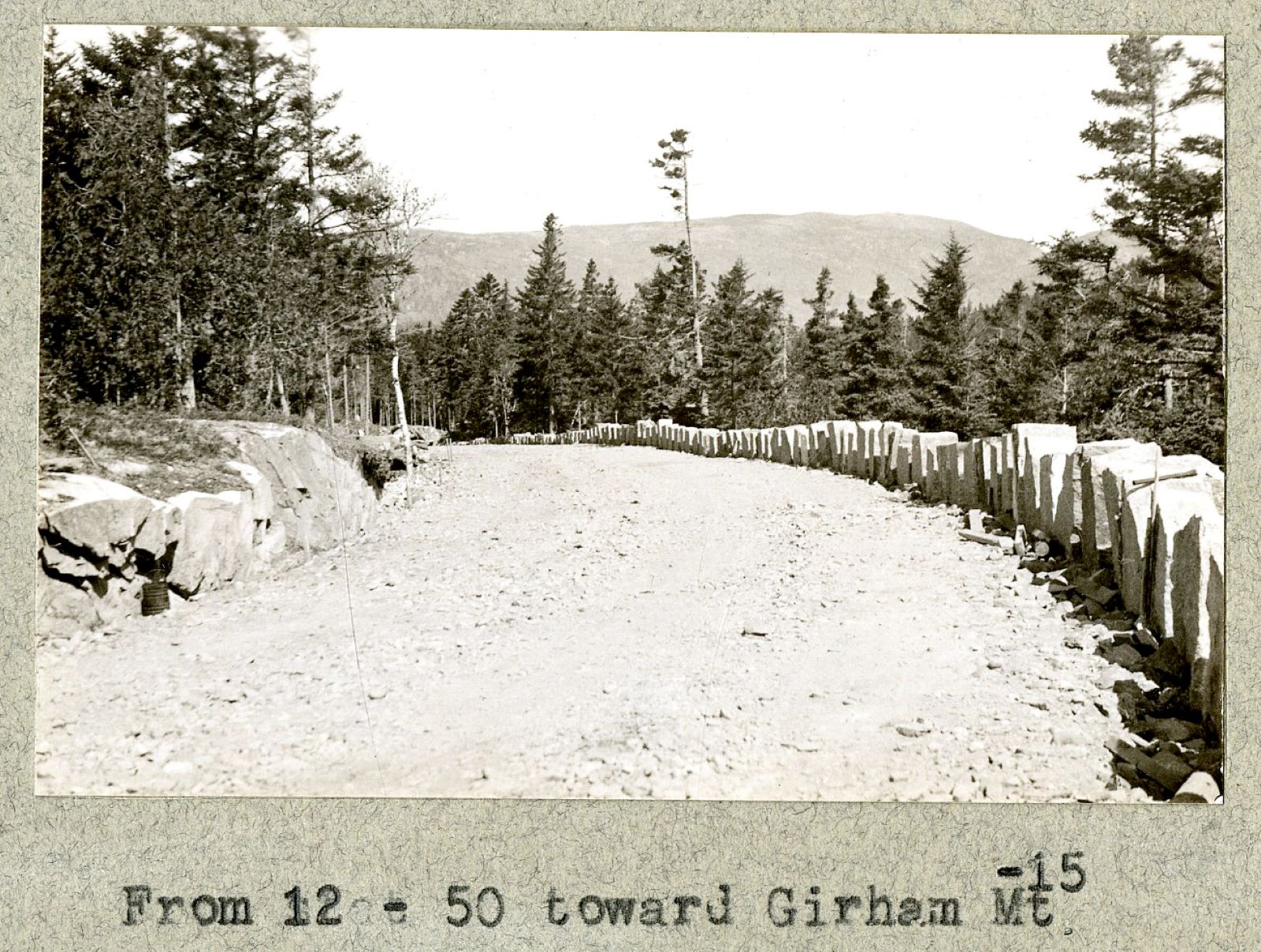
Acadia National Park: Carriage Roads, Cadillac Mountain & 2026 Guide
Discover carriage roads, Cadillac Mountain, and rugged Maine coast. Complete 2026 guide to Acadia National Park — trails, fees, lodging, permits, and what rangers recommend.
Hiking Guide
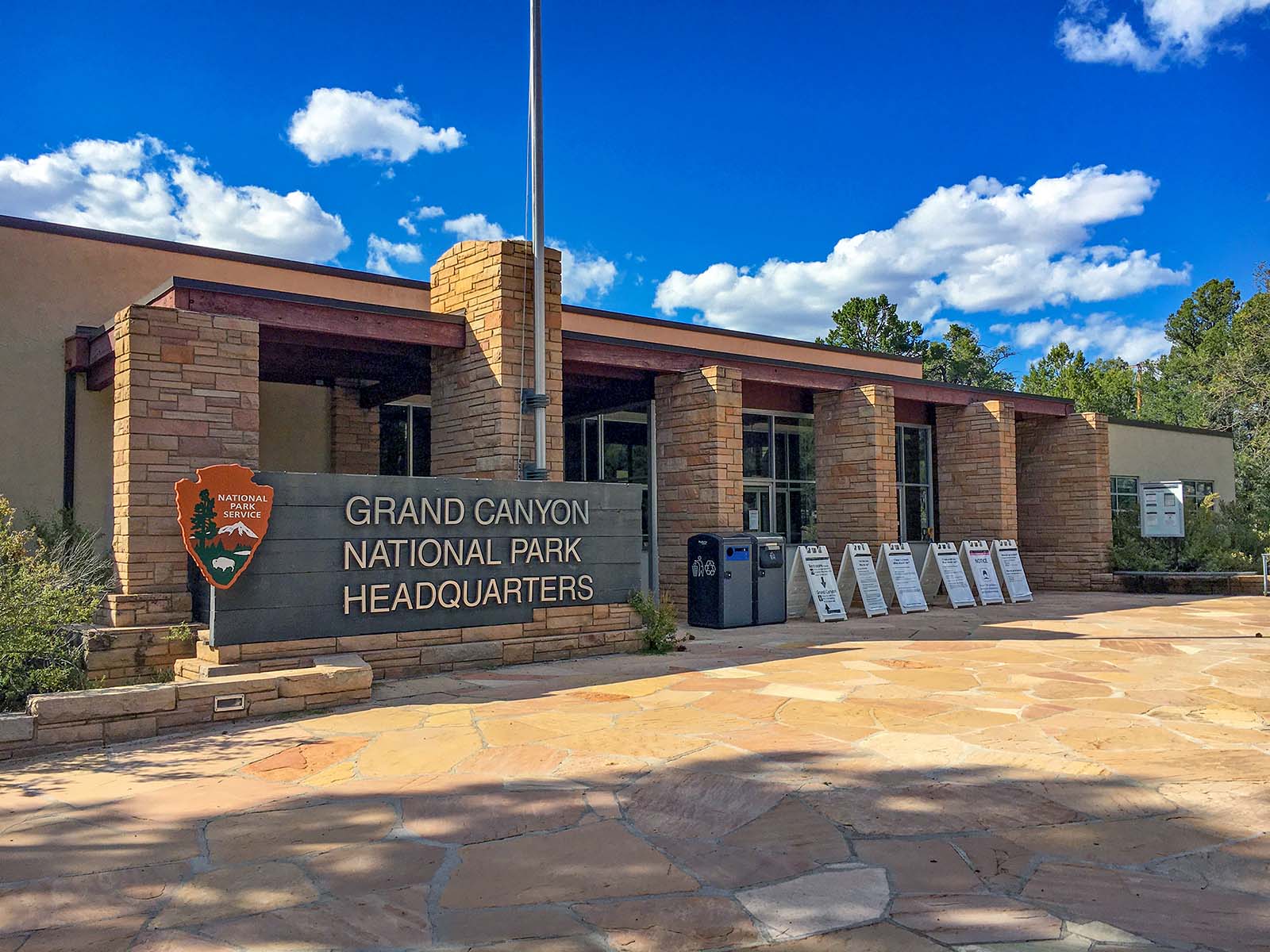
Grand Canyon Hiking Trails: Day Hikes, Water Sources & Rim to Rim
Compare Grand Canyon hiking trails: Bright Angel, South Kaibab, Hermit, Grandview, and rim to rim, with distances, elevation, water stops, and trailhead access for each.
Best Of
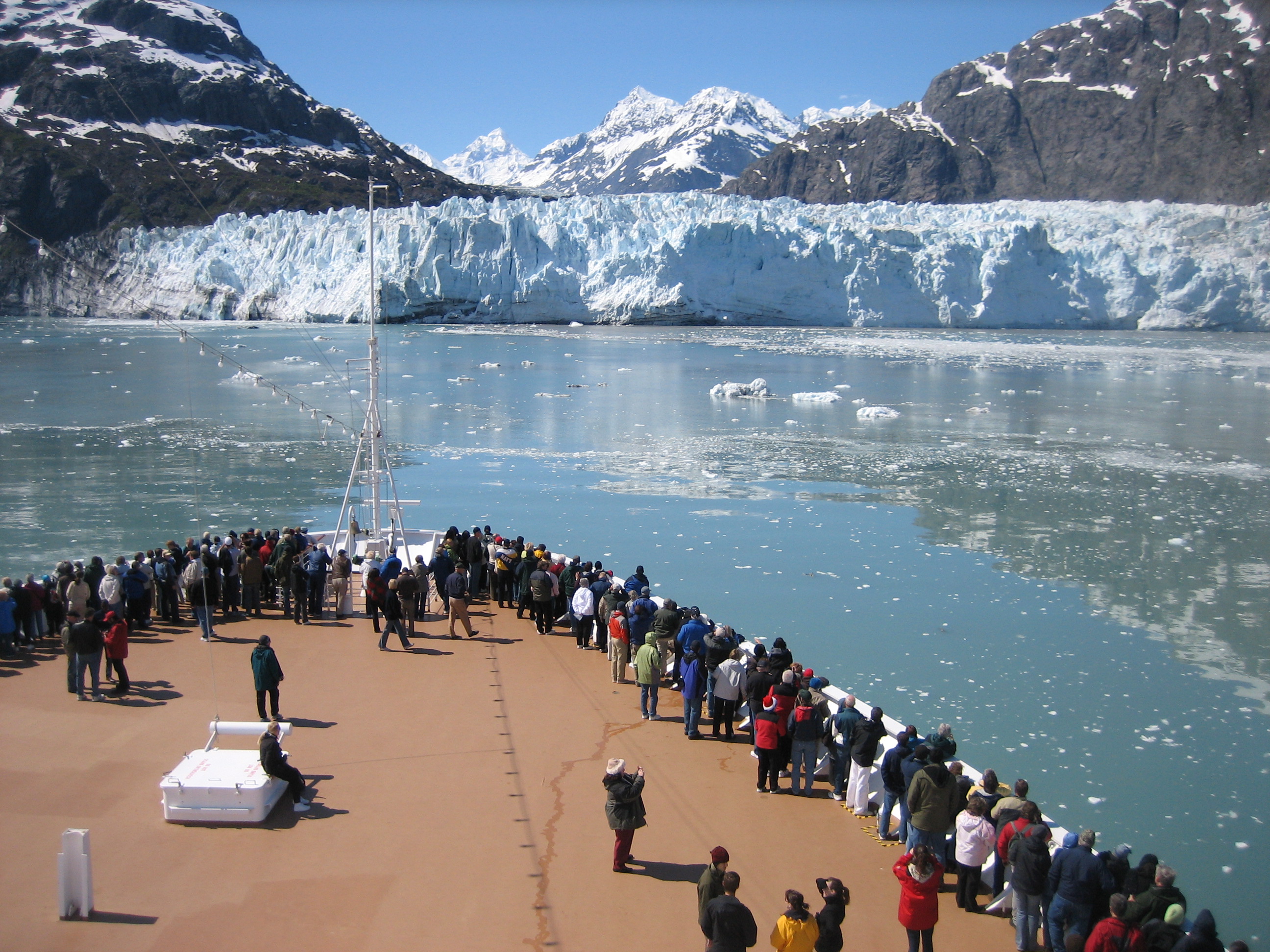
Best of Glacier Bay National Park
The best of Glacier Bay is reached by boat: ranger-led day tours up the bay to the tidewater glaciers. What's worth it, how to book, and when to go (2026).
Campsite Guide
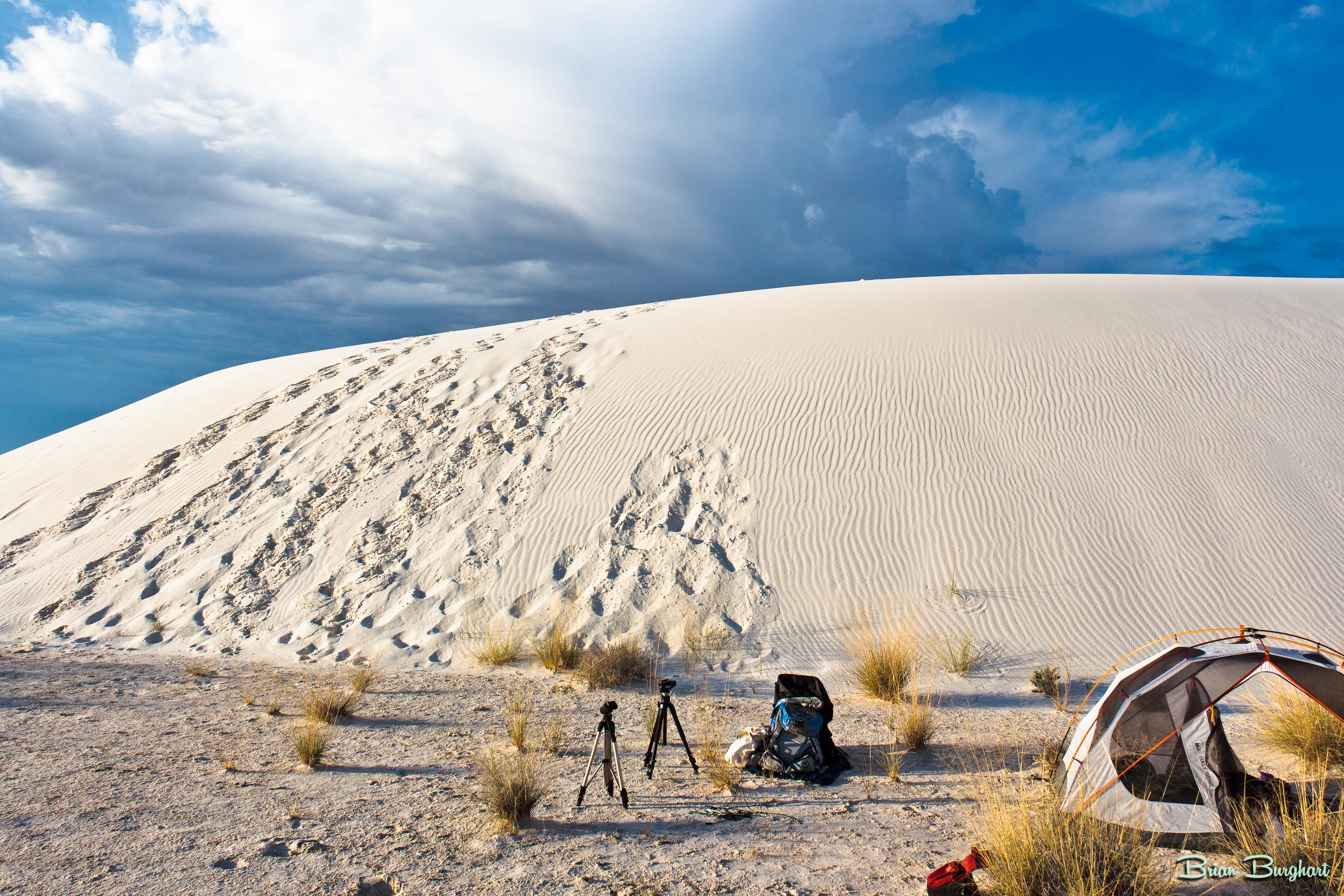
White Sands Backcountry Camping: Closed for 2026 — What to Know
As of 2026, backcountry camping at White Sands National Park is closed for site rehabilitation. What that means, and where to camp nearby instead.
Weather Guide
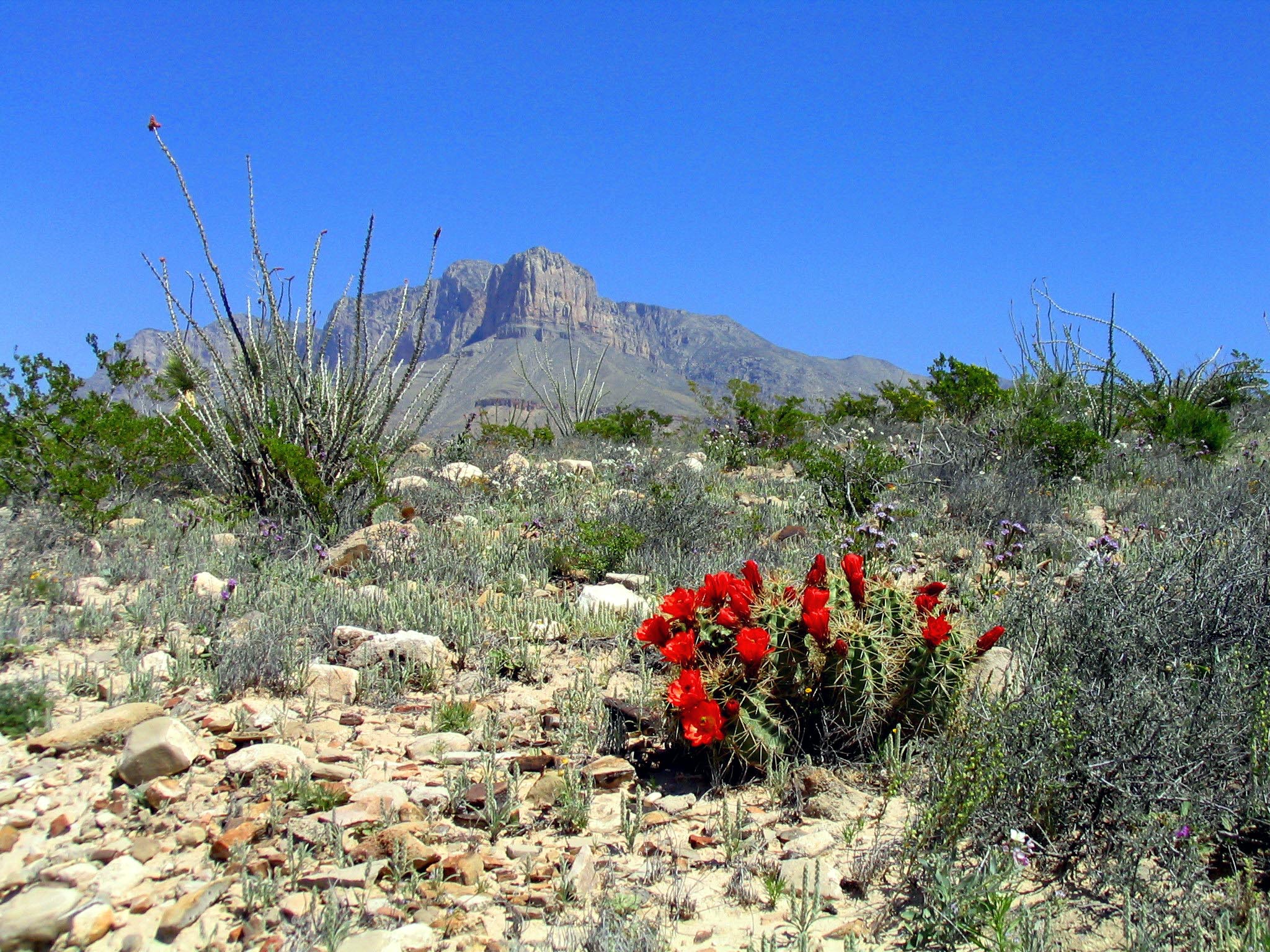
Guadalupe Mountains National Park Weather: Weather
Guadalupe Mountains National Park: weather guide guide updated 2026. Practical visitor information, reservations, and seasonal tips worth bookmarking before
Best Of
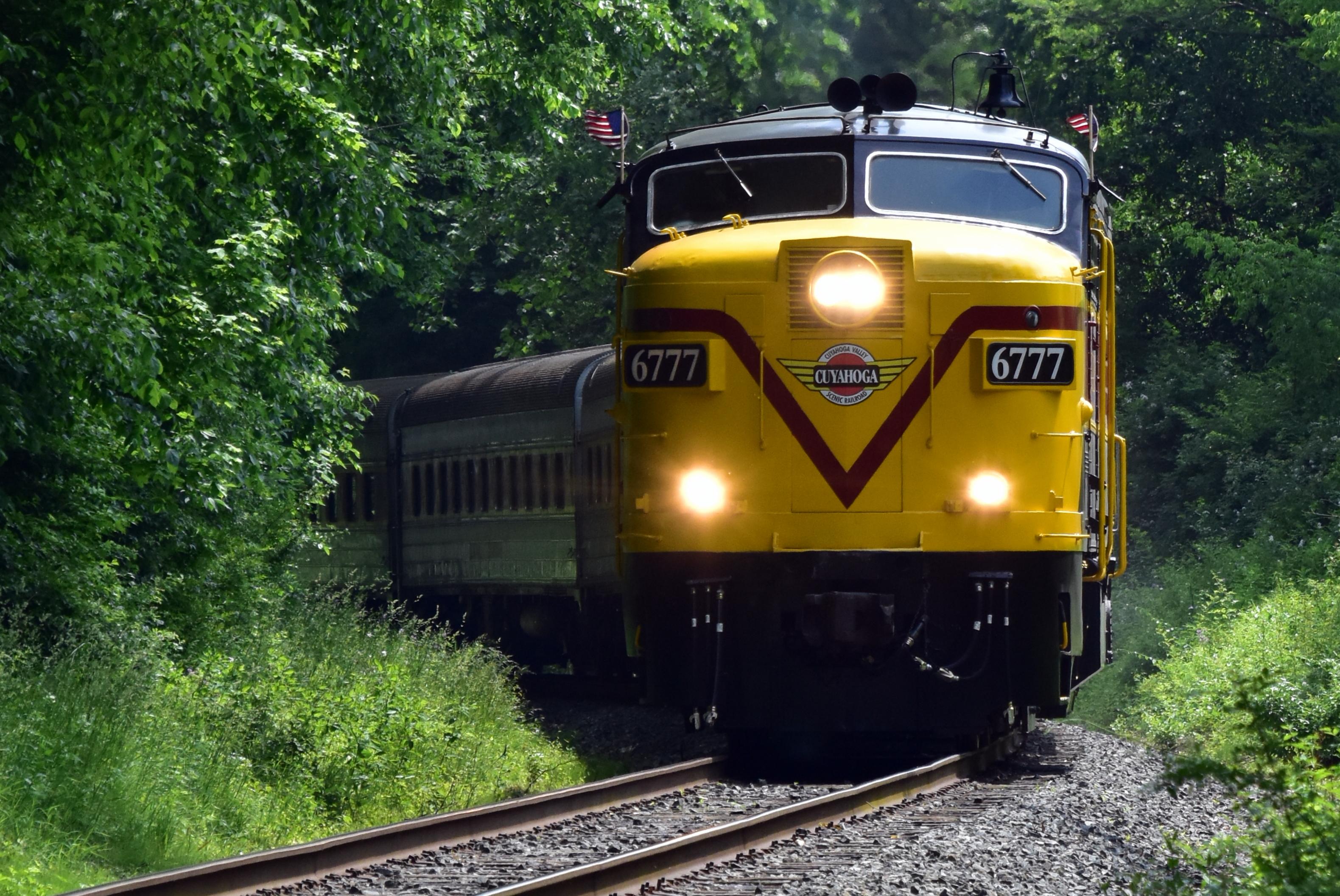
Best of Cuyahoga Valley National Park: Best Things to Do
Seeing a Cleveland Orchestra concert with the woods as your backdrop is a uniquely Cuyahoga Valley experience.
Sign in to join the conversation.
Sources & Attribution
Location data courtesy of the National Park Service (U.S. Department of the Interior). NPS data is public domain.
Images: Photo by Chen Te on Pexels; Photo by Joe Valdes on Pexels; Photo by John Fairchild on Pexels; Photo by Roger Hunter on Pexels; Photo by Ali Kazal on Pexels. Stock photos from Pexels / Unsplash license; links above point to each photo where available.
Map data © OpenStreetMap contributors.
Park operations alerts: NPS.gov · Weather and weather hazards: National Weather Service · Live conditions.
Information may change. Always verify fees, hours, and conditions directly with the official source before visiting.
Did this guide help? Share it with a friend.