The air changes about a quarter-mile before you see them. It gets cooler. Quieter. The dust on the trail shifts from granite grit to reddish duff, and the smell is unmistakable - pitch and cedar and damp earth, the particular scent of a grove that has stood here since before anyone kept records. Then the trunks start appearing, massive red columns that make you recalibrate what a tree can be.
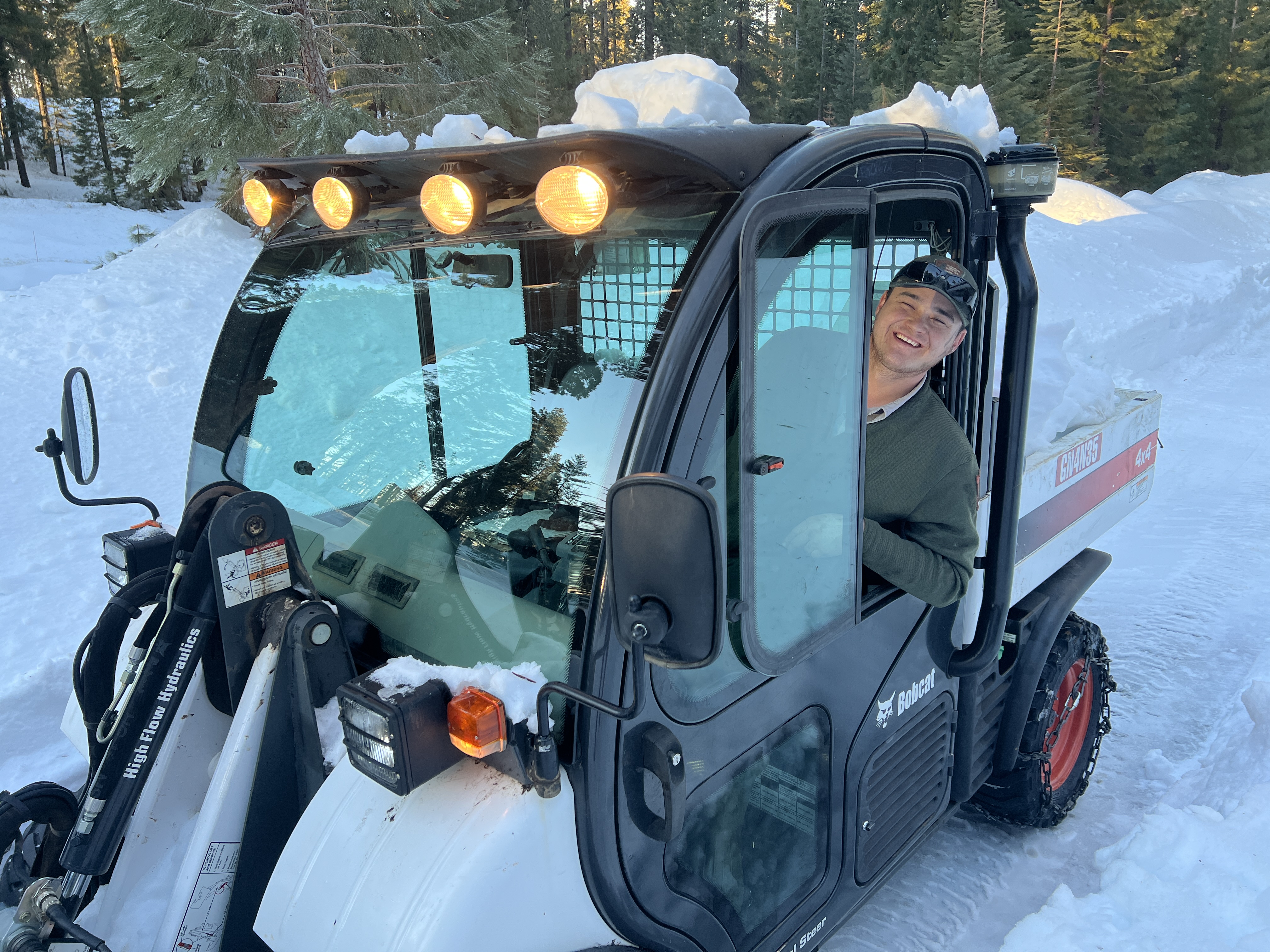
NPS via NPS.gov (Public Domain)
Best of Kings Canyon National Park: Best Giant Sequoias (2026)
13 min read
Best Of
Walk among giant sequoias in Kings Canyon without the crowds. 2026 guide to the best groves, from Grant Grove to the quiet Redwood Canyon trails.
This article contains affiliate links — we may earn a small commission at no extra cost to you.
For more, see hiking trails and best time to visit.
Kings Canyon has the second-largest contiguous grove of giant sequoias on the planet, and it gets a fraction of the visitors that Sequoia National Park receives thirty miles south. For anyone looking for the best kings canyon national park giant sequoias, the payoff is straightforward: you get the same scale with a lot less company.
This guide prioritizes the experiences that deliver the most for your time. If you've only got one day, start here. If you've got more, the rankings will help you decide where to spend it. For a full overview of the park, including entrance fees and hours, check the complete visitor guide.
If You Only Have One Day
Arrive at the Grant Grove entrance by 7:30 AM. The parking lot at the General Grant Tree fills by 8:30 in summer, and after that you're parking along the road and walking an extra quarter-mile.
7:30-9:00 AM - General Grant Tree and North Grove Loop. Hit the General Grant Tree first. It's a 0.6-mile paved loop - easy, flat, and the tree itself is the third-largest living thing on earth. The National Christmas Tree designation isn't the draw here; standing under a trunk that's forty feet in diameter is. Most visitors do the paved loop and leave. Don't. Continue onto the North Grove Loop trail (adds 1.5 miles) where the crowds thin to nearly nothing and you'll pass through a second grove of mature sequoias that most people miss entirely.
9:00-10:30 AM - Big Stump Trail. Short drive south to the Big Stump parking area. This is a 0.8-mile loop through what was once a grove of giants, logged in the 1880s before the park existed. The stumps remain - some still show the notches where springboards held the loggers. It's sobering, and it puts the preserved groves in context. The Mark Twain Stump, thirty feet across, was used as a dance floor after being cut. You'll see the char marks from a 2021 wildfire on the surrounding forest. It's not the prettiest walk in the park. It's the most honest one.
10:30 AM-1:00 PM - Grant Grove Village. Grab food or supplies here. The gift shop sells water for $4 a bottle - bring your own. If you packed lunch, the picnic tables near the visitor center have good shade and you'll hear the Clark's nutcrackers working the Jeffrey pines.
1:00-4:00 PM - Cedar Grove. Drive the Kings Canyon Scenic Byway (Highway 180) down to Cedar Grove. The road follows the South Fork of the Kings River for thirty miles, dropping 3,000 feet in elevation. The canyon walls close in as you go. Pull over at Junction View for the classic canyon shot - the river bends 180 degrees below you, and on clear days you can see the granite face of North Dome rising 5,000 feet above the canyon floor. At Roads End, you've reached the terminus. The trailheads for Zumwalt Meadows and Bubbs Creek start here.
The one decision that derails most one-day visits: trying to do Muir Grove AND Cedar Grove in the same day. Muir Grove requires a 4-mile round-trip hike from the Grant Grove area, which eats three hours minimum. Pick one. For a single day, Cedar Grove gives you more variety - river access, canyon views, and a short hike through a riparian zone that feels completely different from the sequoia groves.
4:00-7:00 PM - Zumwalt Meadows. Easy 1.5-mile loop on a well-maintained trail. The meadow sits in a U-shaped glacial valley with granite walls rising 4,000 feet on both sides. Late afternoon light hits the canyon rim and turns the rock orange. The trail crosses the river on a footbridge halfway through - good spot to refill water bottles if you're carrying a filter.
The Top Experiences, Ranked
These are ranked by return-on-effort for a first-time visitor. Time, fitness level, and planning requirements are factored in.
#1 - General Grant Tree and the North Grove Loop: The best giant sequoia experience in the park
- Why it makes this list: The General Grant Tree is the third-largest tree on earth. But the real argument for this as the #1 experience is the North Grove Loop extension, which most visitors skip. The paved loop around the Grant Tree takes fifteen minutes and you'll share it with everyone. The North Grove Loop adds an hour and you'll share it with almost no one. The sequoias here are slightly smaller but you can stand at the base without a line of people waiting for their photo.
- What it requires: 2.1 miles total, flat, paved and dirt surfaces. Any fitness level. 60-90 minutes.
- The single best tip: Go counterclockwise on the North Grove Loop. The trail descends gently and you'll approach the largest trees from below, which exaggerates their height. The alternative direction has you walking downhill away from the big trunks.
- What most visitors do wrong: They stop at the Grant Tree, take the photo, and leave. The North Grove Loop is the difference between "I saw a big tree" and "I spent time among sequoias."
- Link: See the hiking trails guide for full route details.
#2 - Muir Grove: The quiet alternative to Congress Grove
- Why it makes this list: This is the grove that experienced visitors talk about. It requires a 4-mile round-trip hike from the Grant Grove area, which filters out the casual crowd. The trail climbs 600 feet through mixed conifer forest before dropping into a grove of mature sequoias where you'll often have the entire space to yourself in the middle of the day. The trees here are not as massive as the Grant Tree, but the experience of standing alone in a grove of giants is qualitatively different from sharing a boardwalk with fifty other people.
- What it requires: 4 miles round-trip, 600 feet elevation gain. Moderate fitness. 2-3 hours.
- The single best tip: Pack a lunch. There's a fallen sequoia log about halfway through the grove that makes a perfect bench. The light filters through the canopy between 11 AM and 1 PM, lighting up the red bark.
- What most visitors underestimate: The trail is easy to lose in the last quarter-mile. Look for the small rock cairns past the big downed log. The grove opens suddenly - you'll smell the duff before you see the trunks.
#3 - Kings Canyon Scenic Byway (Highway 180): The drive that justifies the canyon's name
- Why it makes this list: The thirty-mile drive from Grant Grove down to Cedar Grove is the best canyon drive in the Sierra Nevada south of Yosemite. The road follows the South Fork of the Kings River through a glacial canyon that drops 3,000 feet. The scale is the point - the canyon walls rise 5,000 feet above the river in places, and you can feel the temperature climb as you descend.
- What it requires: 45 minutes one-way without stops. 2-3 hours with pullouts and short walks. Any vehicle in good condition. RVs over 22 feet will have a tight time at the switchbacks near the bottom.
- The single best tip: Stop at Junction View on the way down, not on the way back. The afternoon sun is behind the viewpoint on the return trip, washing out the canyon. Morning and early afternoon light hits the canyon walls directly.
- What most visitors do wrong: They drive straight through without pulling over. The Boyden Cavern turnoff is worth fifteen minutes if you've never seen a marble cavern - the cave stays at 52°F year-round and the guided tour takes about 45 minutes. Check hours at the visitor center; they vary by season.
#4 - Zumwalt Meadows: The easiest high-value hike in Cedar Grove
- Why it makes this list: For a 1.5-mile loop on flat ground, the payoff is remarkable. The meadow sits in the bottom of the canyon with granite walls rising 4,000 feet on both sides. The South Fork of the Kings River runs along the eastern edge. You'll see mule deer in the meadow most evenings. The trail crosses the river on a footbridge that gives you a view straight down-canyon.
- What it requires: 1.5 miles, flat. Any fitness level. 45 minutes.
- The single best tip: Go at 4 PM or later. The canyon walls block direct sun by early afternoon in winter, but in summer the light stays on the upper canyon walls until 6:30 PM. The contrast between the dark canyon floor and the illuminated granite faces above is the reason photographers return.
- What most visitors miss: The trail continues past the meadow loop for another mile up-canyon to a small waterfall that's not on most maps. It's worth the extra 20 minutes.
#5 - Roaring River Falls: A short walk to a punchy waterfall
- Why it makes this list: 0.3 miles round-trip on a paved path. The falls drop 40 feet into a plunge pool, and the volume of water in late spring is enough to spray the viewing area. It's not Yosemite Falls, but the walk is so short that the effort-to-reward ratio is basically infinite. The river canyon narrows here, and the sound bounces off the granite walls.
- What it requires: 0.3 miles, paved, flat. 15 minutes.
- The single best tip: Combine this with Zumwalt Meadows. They're two miles apart on the same road.
- What to know: By August, the flow drops significantly. Still worth the walk, but the "roaring" part is more accurate in May and June.
#6 - Big Stump Trail: The history lesson most visitors skip
- Why it makes this list: This 0.8-mile loop walks you through what was once a grove of giant sequoias, logged before the park existed. The cut stumps remain - some are thirty feet across. The Mark Twain Stump was used as a dance floor after being felled. The trail is sobering, educational, and most importantly, it makes you appreciate the preserved groves more. The 2021 KNP Complex Fire burned through part of this area, and the contrast between the charred forest and the living sequoias on the other side of the road is stark.
- What it requires: 0.8 miles, easy, some uneven ground. 30-45 minutes.
- The single best tip: Read the interpretive signs. They're well-written and include photographs from the logging era that show the trees being cut with crosscut saws. The scale of the operation becomes clear in a way that just looking at the stumps doesn't convey.
- What most visitors do wrong: They skip it because it's "just stumps." The stumps are the point. This trail takes 30 minutes and fundamentally changes how you see the living groves.
#7 - Grizzly Falls: Roadside waterfall with a swimming hole
- Why it makes this list: Located just past the Cedar Grove entrance station, Grizzly Falls drops 80 feet into a pool that's deep enough for wading in late summer. The walk is 50 yards from the parking area. It's popular for a reason - the spray keeps the area cool on hot afternoons, and kids can safely wade in the pool below the falls.
- What it requires: Literally 100 feet from the car. No hike.
- The single best tip: Come early June when the flow is at its peak. By September, the falls can reduce to a trickle in dry years.
- What most visitors do wrong: They stop, take a photo, and leave. Sit on the rocks for ten minutes. The way the light moves through the spray changes constantly.
#8 - Boyden Cavern: The underground alternative
- Why it makes this list: A marble cavern carved by underground rivers, Boyden Cavern offers a 45-minute guided tour through a cave system that stays at 52°F year-round. The stalactites and stalagmites are active - still growing at a rate of about one cubic inch per century. It's not Carlsbad, but it's a solid cave tour that provides a break from the sun and a different perspective on the geology.
- What it requires: 45-minute guided tour. Moderate stairs and uneven surfaces. Not wheelchair accessible in the cave portion.
- The single best tip: Book ahead in summer. Tours sell out by noon on weekends.
- What most visitors underestimate: The walk from the parking lot to the cave entrance is a quarter-mile downhill. The return is uphill, and at 4,000 feet elevation, it can catch people who are out of shape.

What Most People Miss
These experiences don't make the standard highlight reel, but experienced visitors consistently recommend them.
Dead Giant Loop. A 1.5-mile loop near the Grant Grove visitor center that passes through a sequoia grove that burned in the 2021 fire. The contrast is educational - you can see how sequoias survive fire (thick bark, high canopy) and where the fire penetrated. The trail is lightly used because most people head straight for the General Grant Tree.
Sequoia Lake Overlook. A short spur trail off the Highway 180 that most people drive past. The view looks west over a small glacial lake surrounded by second-growth forest. Not dramatic, but quiet. Good spot for a picnic if the Grant Grove area is crowded.
The North Grove's "Cathedral" area. About three-quarters of the way through the North Grove Loop, there's a cluster of four large sequoias arranged in a rough circle. The canopy closes overhead. Rangers will tell you this spot has the best acoustics in the grove - stand in the center and clap once. The sound doesn't echo so much as hang in the air.
What's Overrated (and Better Alternatives)
Congress Grove. This is the sequoia grove near Grant Grove that gets the most promotional attention. It's fine. The trees are impressive. But it's also the most crowded grove in the park, and the boardwalk loop is so heavily trafficked that you'll spend more time stepping aside for other groups than you will looking at trees. The better alternative is Muir Grove, which has similar tree size and a fraction of the visitors. The hike is longer (4 miles vs. 2.5), but the solitude is worth the extra effort.
Cedar Grove Visitor Center. Not overrated as a concept - the staff are knowledgeable and the exhibits are well-done. But the building itself is small and the parking lot fills by 10 AM in summer. If you need information, stop at the Grant Grove Visitor Center instead, where the lot is larger and the wait times are shorter. The Cedar Grove center is better as a restroom stop than as a destination.
The "General Grant Tree" paved loop at midday. The tree itself is essential. But visiting between 11 AM and 2 PM means you'll share the boardwalk with bus groups and the light is flat overhead. Go before 9 AM or after 4 PM. The tree doesn't move. The quality of the experience depends entirely on when you show up.

Practical Takeaways
- The best kings canyon national park giant sequoias are on the North Grove Loop extension at Grant Grove. The General Grant Tree is the marquee attraction, but the quieter grove 0.3 miles past it is where the experience transforms from a photo op into something else.
- Arrive early. The Grant Grove parking lot fills by 8:30 AM in summer. The Cedar Grove entrance station can have 20-minute waits by 10 AM. The park opens at 6 AM. Use that window.
- The Kings Canyon Scenic Byway is worth the drive even if you don't hike. The canyon views from the road are remarkable, and there are five pullouts with interpretive signs between Grant Grove and Cedar Grove. Budget at least 90 minutes for the drive with stops.
- Cell service drops out at the Grant Grove entrance station and doesn't return until you're back on Highway 180 near the park boundary. Download maps and directions before you arrive. The park newspaper has a basic map that's sufficient for navigation.
- Pack layers. The elevation ranges from 4,600 feet at Cedar Grove to 6,600 feet at Grant Grove. Summer afternoons hit the 80s in the canyon bottom, but mornings are in the 50s and you'll feel the temperature drop 15 degrees when you walk into a sequoia grove. A fleece or light jacket is not optional.
- The best time to visit is mid-September through October. The crowds thin after Labor Day, the temperatures are comfortable (60s and 70s), and the fall light on the canyon walls is better than summer's harsh midday sun. The sequoia groves are spectacular in any season, but the overall experience is better in fall. See the best time to visit guide for month-by-month breakdown.
- If you're hiking sequoia and kings canyon national parks across both parks in one trip, prioritize the Giant Forest in Sequoia National Park for the largest grove (it has the General Sherman Tree and half the park's sequoias), then spend your second day in Kings Canyon's Grant Grove and Cedar Grove. The two parks are adjacent but the driving time between the major attractions is about 90 minutes. Don't try to do both in one day.
- Camping options at Grant Grove and Cedar Grove fill months in advance in summer. If you don't have a reservation, check for cancellations 48 hours before your trip, or plan to stay outside the park in Fresno or Three Rivers. See the camping options page for site-specific recommendations.
For more information, see our complete Kings Canyon National Park Guide.
Related: hiking trails kings canyon national park guide
Related: hiking sequoia and kings canyon national parks guide
Recommended Gear
What experienced visitors bring to Best of Kings Canyon National Park: Best Giant Sequoias (2026)
Links may earn us a commission at no extra cost to you. We only recommend gear we believe in.
Hiking Essentials
Hydration Pack (3L)
Hands-free water for long trail days
Trekking Poles (Pair)
Save your knees on steep descents
Hiking Boots (Ankle Support)
Sturdy footwear for rocky, uneven trails
Sun & Heat Protection
Wide-Brim Sun Hat
Full coverage UPF 50+ protection at altitude
Insulated Water Bottle (32oz)
Keeps water cold in desert heat all day
Winter Gear
Microspikes / Traction Devices
Essential for icy rim trails in winter months
Packable Down Jacket
Lightweight warmth that stuffs into a pocket
Sources
- Official source: NPS — Kings Canyon National Park nps.gov/kica/index.htm
Photo Gallery
More to Explore
Park Guide
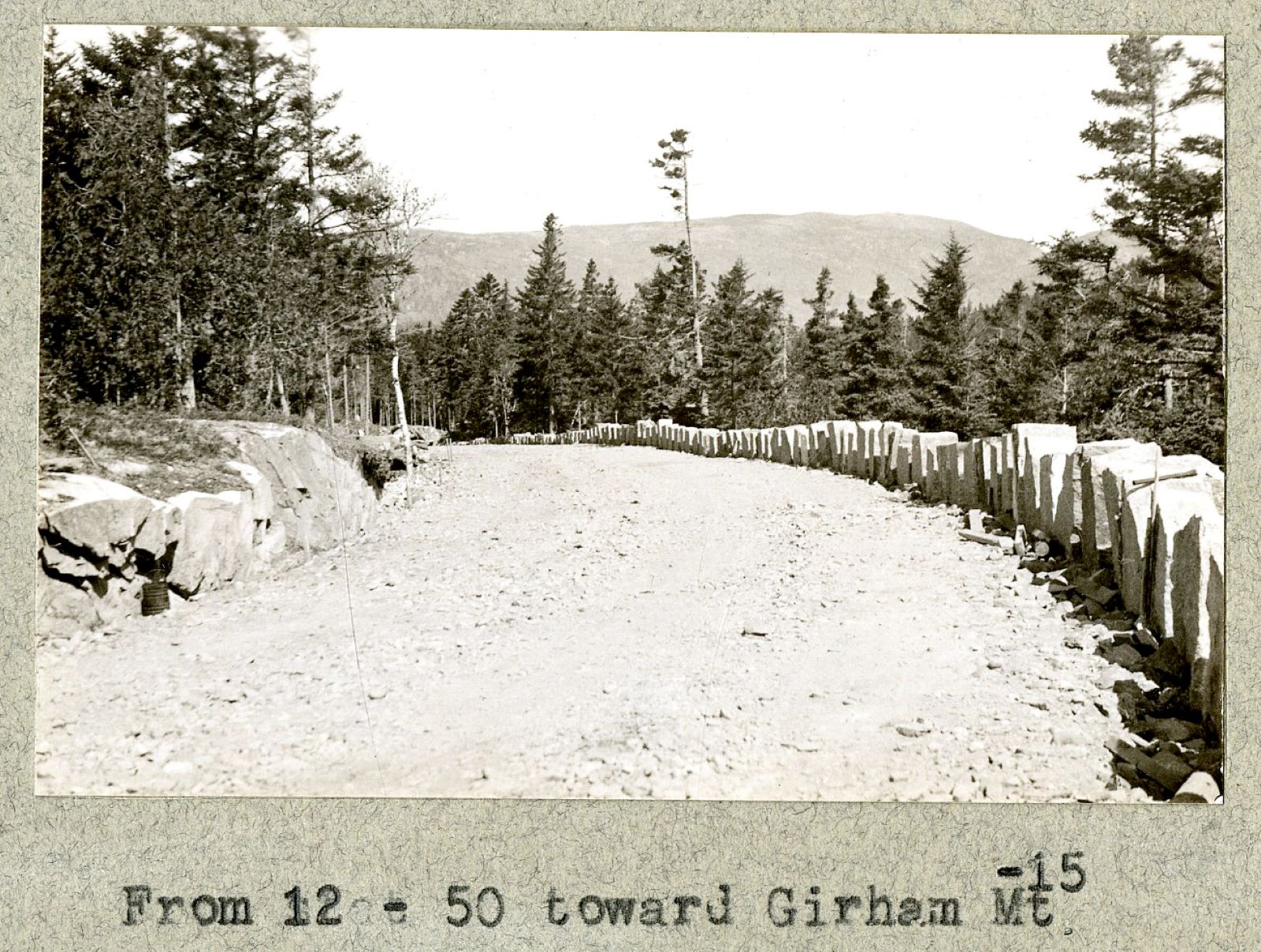
Acadia National Park: Carriage Roads, Cadillac Mountain & 2026 Guide
Discover carriage roads, Cadillac Mountain, and rugged Maine coast. Complete 2026 guide to Acadia National Park — trails, fees, lodging, permits, and what rangers recommend.
Hiking Guide
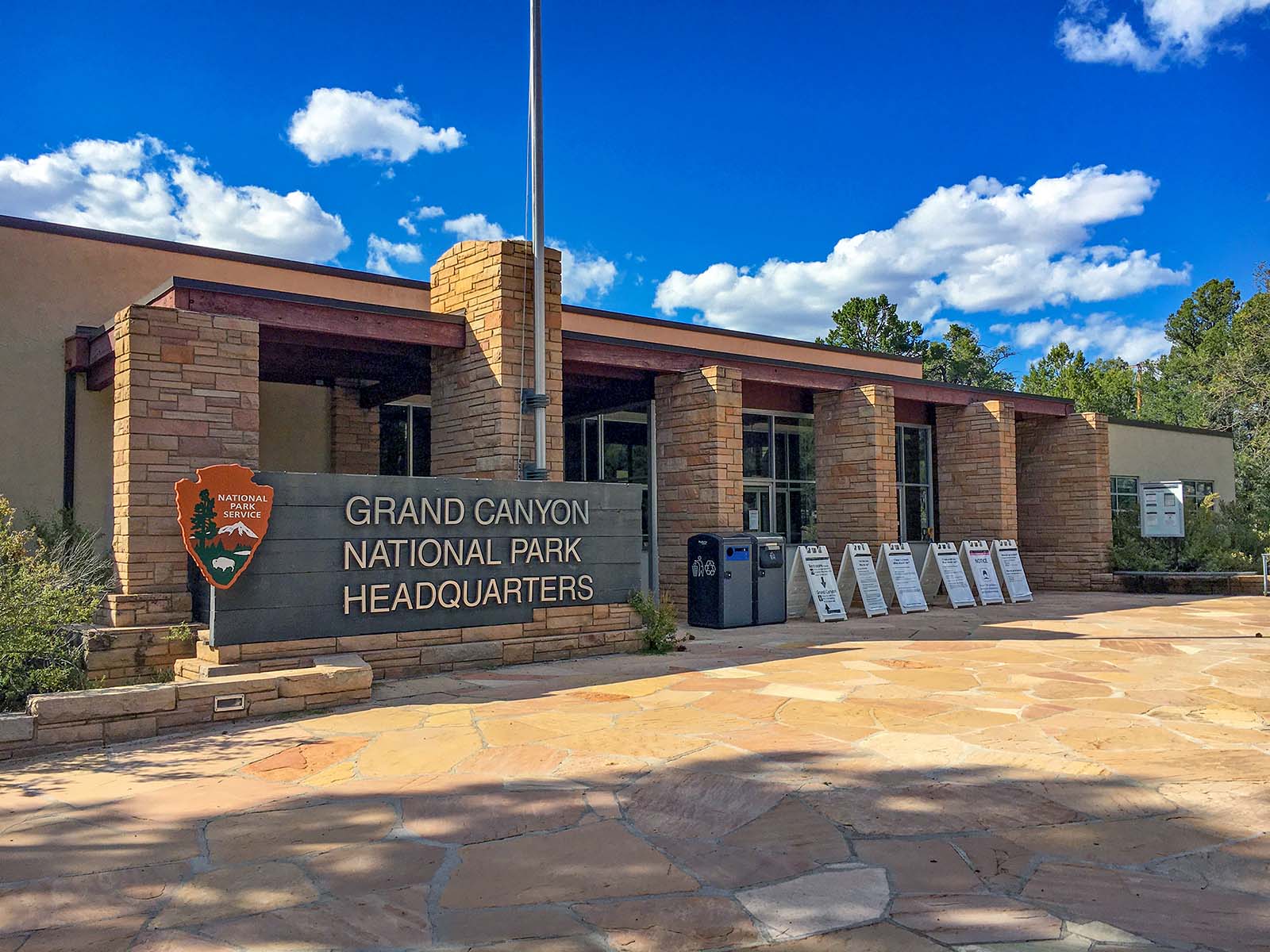
Grand Canyon Hiking Trails: Day Hikes, Water Sources & Rim to Rim
Compare Grand Canyon hiking trails: Bright Angel, South Kaibab, Hermit, Grandview, and rim to rim, with distances, elevation, water stops, and trailhead access for each.
Best Of
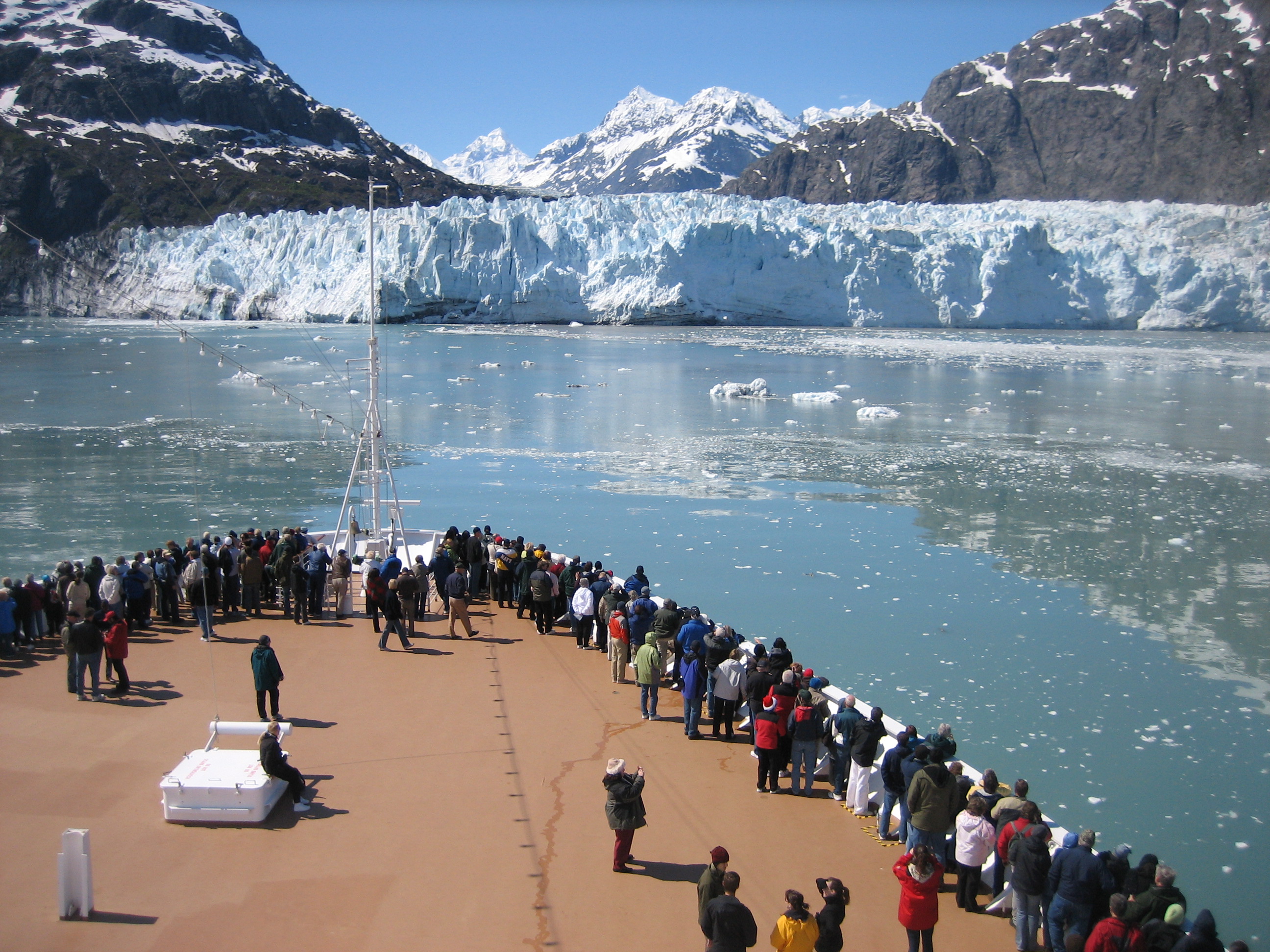
Best of Glacier Bay National Park
The best of Glacier Bay is reached by boat: ranger-led day tours up the bay to the tidewater glaciers. What's worth it, how to book, and when to go (2026).
Campsite Guide
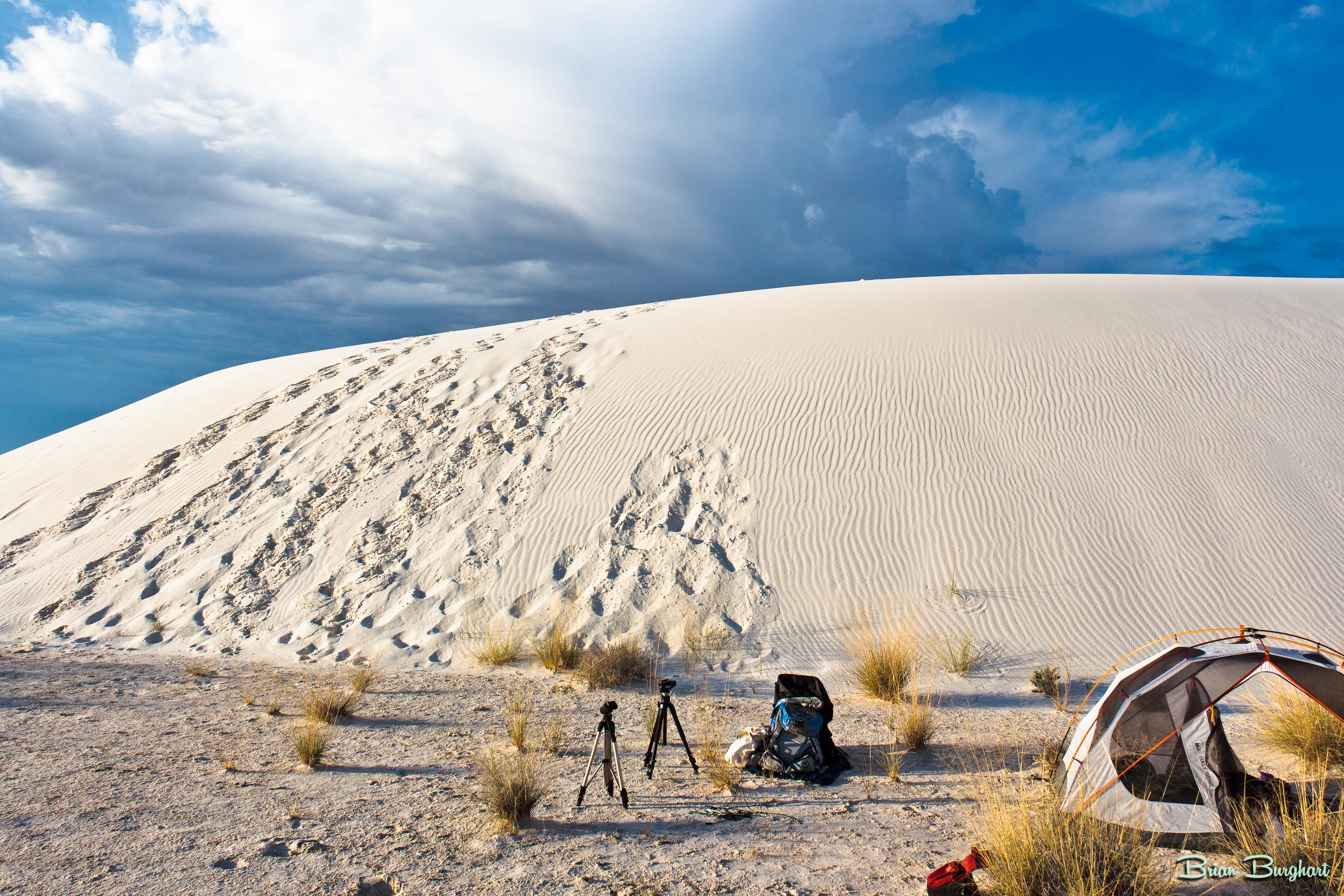
White Sands Backcountry Camping: Closed for 2026 — What to Know
As of 2026, backcountry camping at White Sands National Park is closed for site rehabilitation. What that means, and where to camp nearby instead.
Weather Guide
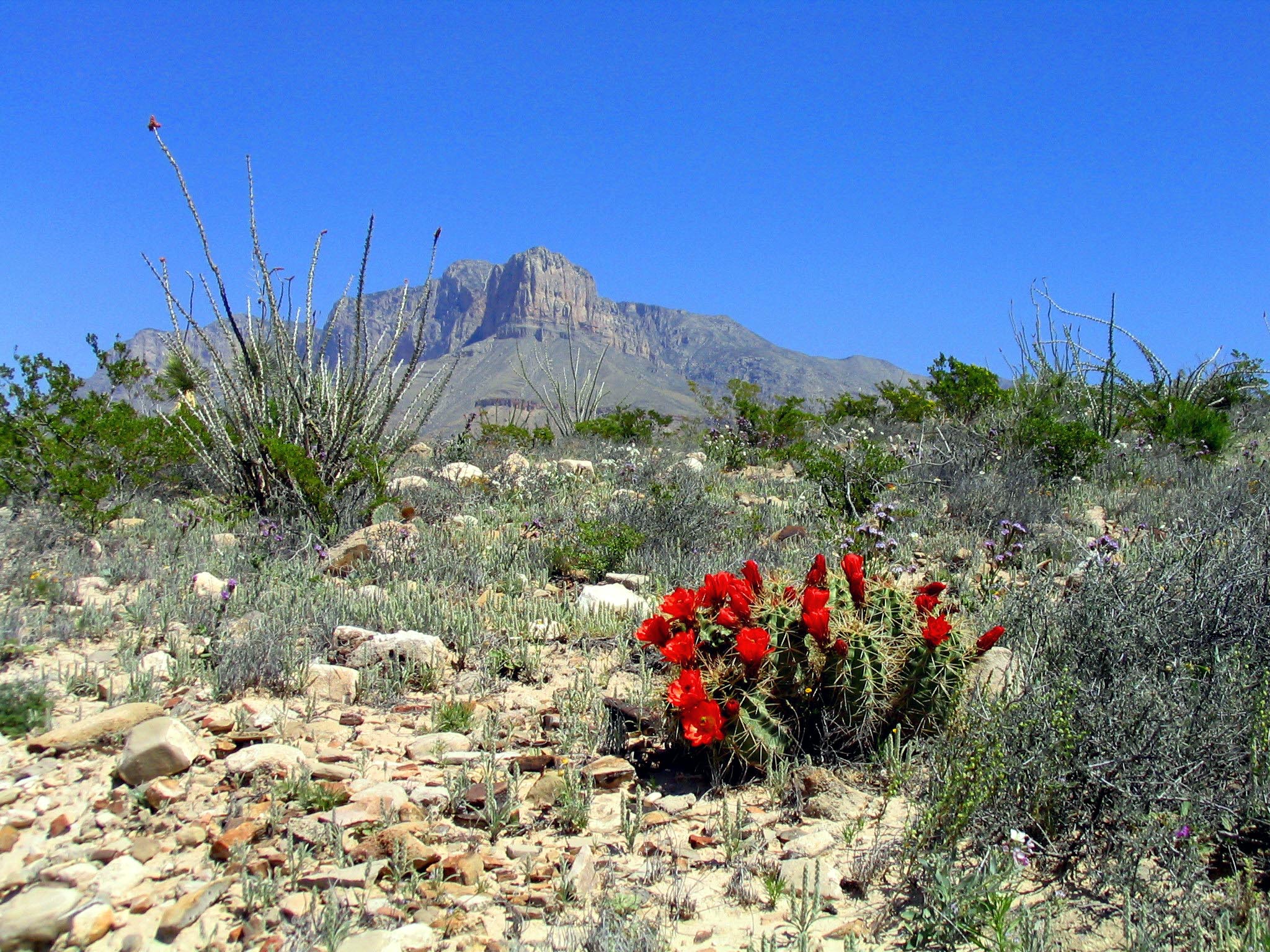
Guadalupe Mountains National Park Weather: Weather
Guadalupe Mountains National Park: weather guide guide updated 2026. Practical visitor information, reservations, and seasonal tips worth bookmarking before
Best Of
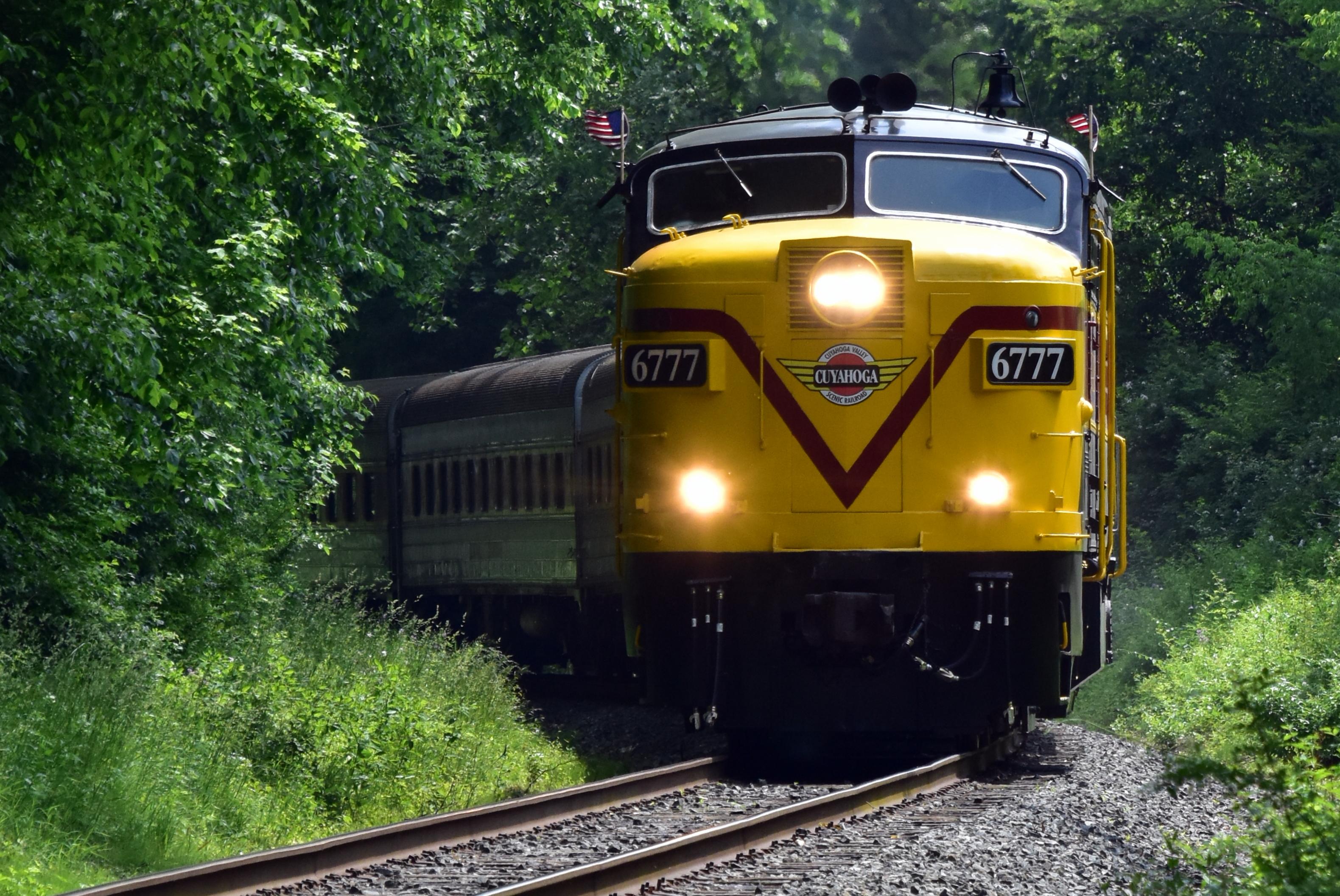
Best of Cuyahoga Valley National Park: Best Things to Do
Seeing a Cleveland Orchestra concert with the woods as your backdrop is a uniquely Cuyahoga Valley experience.
Sign in to join the conversation.
Sources & Attribution
Location data courtesy of the National Park Service (U.S. Department of the Interior). NPS data is public domain.
Images: NPS; NPS; NPS.
Map data © OpenStreetMap contributors.
Park operations alerts: NPS.gov · Weather and weather hazards: National Weather Service · Live conditions.
Information may change. Always verify fees, hours, and conditions directly with the official source before visiting.
Did this guide help? Share it with a friend.