Kings Canyon's weather operates on two distinct levels, a reality that catches many first-time visitors off guard. This isn't one climate zone; it's two. Down in the canyon where the main visitor center sits, you'll find hot, dry summers and mild, damp winters. Head up to Grant Grove or Cedar Grove, and you're in Sierra Nevada high country—a world defined by snow. The crucial truth is that summer arrives at different times across elevations. While May brings t-shirt weather to the canyon floor, roads to high country trails may still be snowbound. Your visit's success depends entirely on understanding which elevation you're targeting.
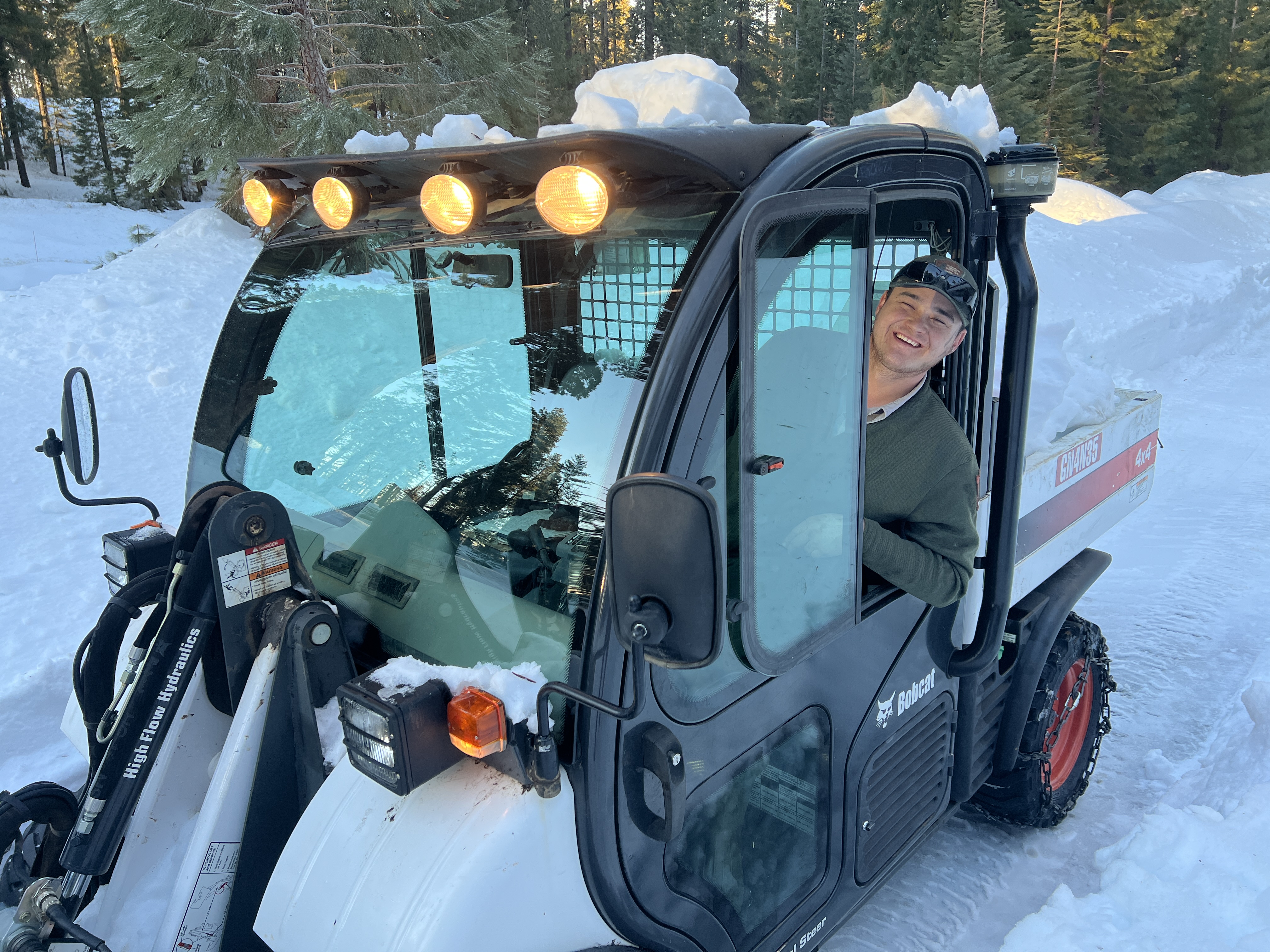
NPS via NPS.gov (Public Domain)
Kings Canyon National Park Weather: Seasons & Crowds
8 min read
Weather Guide
Kings Canyon National Park weather operates on two distinct levels, and most first-time visitors are caught off guard by the split.
For more, see hiking trails.
The Weather Reality
The park's weather is dictated by the Sierra Nevada crest, which creates a pronounced rain shadow. Pacific storms dump their moisture on the western slopes, leaving the eastern side drier. Within the park, this plays out across a vertical gradient of nearly 8,000 feet. The Kings Canyon National Park weather story is one of microclimates. The canyon bottom, around 2,500 feet, sees California interior valley heat. The Grant Grove area at 6,500 feet gets proper mountain seasons. Go higher, and you're in a subalpine environment where the growing season is measured in weeks, not months.
Official forecasts labeled "Kings Canyon" often default to Fresno conditions, which bear little resemblance to what you'll actually encounter. You need a forecast for your specific elevation. What those forecasts consistently miss are the afternoon thunderstorms. From July into early September, monsoonal moisture pushes up from the southwest, building cumulonimbus clouds over the high country by early afternoon. These aren't gentle showers—they bring lightning, sudden temperature drops, and occasionally hail. We tell visitors to be off exposed ridges and peaks by noon.
Month by Month
December - March: The Snow Season
This is the quietest and most transformed period. In Grant Grove and higher, expect consistent snowpack. Temperatures often stay below freezing, with highs maybe reaching the 40s on a sunny March day. Lows dip into the teens. Snowfall is measured in feet, not inches.
The Generals Highway between Grant Grove and Cedar Grove closes for the winter, typically from late November until late April or May. The Cedar Grove area is inaccessible. What's open? The Grant Grove area remains accessible via Highway 180, weather permitting. Chains are frequently required. The visitor center operates with reduced hours. Crowds are minimal - mostly snowshoers, cross-country skiers, and visitors coming to see the General Grant Tree dusted with snow.
Trail conditions mean snowshoes or skis for any travel beyond plowed roads. The challenge is road access and cold. The reward is profound silence and seeing the giant sequoias under a blanket of snow.
April - May: The Thaw & The Bloom
Unpredictable is the best word. April can still deliver late-season snowstorms, especially above 7,000 feet. Daytime temperatures in Grant Grove can swing from the 50s to 70s. Nights are cold, often near freezing. Rain is common.
This is when the park begins to reopen. The Generals Highway to Cedar Grove usually opens in late April or May, depending on snowplow progress. Wildflowers start at the lower elevations first. Dogwood blooms along the Kings River in Cedar Grove are a major draw in May. Crowds begin to build, especially on weekends, but it's nothing like summer.
Trail conditions are muddy and wet. Many high-country trails remain snow-covered and impassable. Stream crossings are high and dangerous with snowmelt. The challenge is variable conditions and lingering closures. The advantage is rushing waterfalls, green hillsides, and comfortable hiking temperatures in the canyon.
June - August: The Access Window
Summer arrives. In Cedar Grove (canyon bottom), prepare for heat. Daytime highs regularly hit the 90s, and it can touch 100. Nights are mild, in the 60s. In Grant Grove and the high country, days are pleasant, typically 70s to low 80s. Nights are cool, dropping into the 40s and 50s.
Precipitation is low, but those afternoon thunderstorms become a real factor from mid-July onward. This is the peak season. All roads and facilities are open. Crowds are significant - lodge parking lots fill by mid-morning, and popular trailheads like Mist Falls are packed by 9 AM.
All trails are generally snow-free and passable by late June. This is the only reliable window for backpacking into the high alpine basins like Rae Lakes. The challenge is the heat in the canyon, the crowds, and the lightning risk. The reward is full access.
September - October: The Fall Shift
The best balance for many. The monsoon pattern fades, leading to stable, clear skies. Daytime temperatures are perfect: 70s and 80s in the canyon, 60s and 70s in Grant Grove. Nights become crisp, with freezing temperatures returning to the high country by October.
Crowds drop off dramatically after Labor Day. Facilities begin to wind down; some lodges and services in Cedar Grove close in September or early October. The first significant snow can dust the high country as early as late September, but it usually melts.
Trail conditions are excellent - dry and cool. Fall color arrives, not from broadleaf trees but from aspens turning gold in high-elevation creek drainages and dogwoods showing red in the canyon. The challenge is shorter days and the possibility of an early winter storm closing roads. The advantage is having the trails more to yourself under brilliant blue skies.
November: The Closing Act
A transitional month that feels like winter. Temperatures fall steadily. Snow closes the Generals Highway to Cedar Grove, often around Thanksgiving. Days are chilly, nights are cold. It's a quiet, starkly beautiful time with a high chance of experiencing the park in snow without the deep winter commitment. Most visitor services are reduced or closed.
Best Times for Specific Activities
High Country Hiking & Backpacking
The window is short and precise. For trails like the Rae Lakes Loop or anything crossing passes over 10,000 feet, you need the snow to melt and the streams to recede. That typically happens from late June through mid-September. Early July can still have tricky snowfields on north-facing slopes. By late September, nights are long and cold, and the first snows can come anytime.
Wildlife Viewing
Spring (May-June) is best for activity. Bears are emerging and foraging. Mule deer are with fawns. You'll hear the distinctive drumming of pileated woodpeckers in the sequoia groves. Summer offers sightings of marmots and pikas in the high country. Fall (September-October) is the rut for deer, and you might see bears actively foraging before hibernation.
Wildflowers
It's a rolling bloom. In the canyon bottom and foothills, peak is April to May. In the mid-elevations like Grant Grove, look for peak in June and July. The true alpine wildflowers in places like Paradise Valley don't hit their stride until July and August, after the snow finally melts.
Fall Color
Don't expect New England. Seek out stands of quaking aspen along creeks in the high country. The best displays are usually from mid-September to early October. In Cedar Grove, dogwood leaves turn a deep red in October.
Stargazing
Clear, dry air makes for excellent stargazing year-round. The best conditions are during the new moon in September and October, when the air is most stable and the summer haze has cleared. Winter offers incredibly clear, cold nights but requires serious cold-weather preparation.

What to Pack by Season
Summer (June-August): This requires a split kit. For the canyon, think desert hiking: wide-brimmed hat, sunglasses, high-SPF sunscreen, light-colored long sleeves, and liters more water than you think you need. For the high country, you must pack for the afternoon thunderstorm: a waterproof rain shell (not just resistant), insulating layer like a fleece, and gloves. The temperature drop can be 30 degrees in minutes. Sturdy, broken-in boots are non-negotiable for rocky trails.
Spring/Fall (April-May, Sept-Oct): Layers are everything. A typical day starts cold, warms up significantly, and ends cold again. Pack a warm hat, gloves, a mid-weight insulating layer, and a windproof/waterproof outer layer. Traction devices like microspikes can be lifesavers in May or October if you encounter icy patches on shaded trails.
Winter (Nov-March): This is serious cold-weather gear. Insulated, waterproof boots. Thermal base layers. A heavy insulated jacket. Snow pants if you plan to play in the snow. Gaiters. Sunglasses or goggles for snow glare. Tire chains for your vehicle - not just "all-season" tires, actual chains - and know how to install them before you arrive.
What the Forecast Doesn't Tell You
- The Canyon is a Solar Oven. The forecast might say "92°F," but hiking on exposed, sun-baked granite next to the Kings River feels significantly hotter. The rock radiates heat back at you. There's often little breeze. Your water consumption will double compared to a hike at home.
- Hypothermia Happens in July. A sunny 75°F hike to an alpine lake can turn dangerous if a thunderstorm rolls in. Soaked cotton clothing plus a 40°F temperature drop plus wind equals a rapid loss of body heat. That's why the rain shell is in the summer pack list.
- Morning is Non-Negotiable. For both beating crowds and beating weather, start early. In summer, parking is gone by 9 AM. For high country hikes, you want to be descending from the summit by noon to avoid lightning. The light is also better for photography.
- Wind Has a Schedule. In the afternoons, wind often funnels up the canyon. What was a calm morning can become a persistent, draining breeze. It cools you down but also dehydrates you faster.
- Snowmelt Dictates Everything in Spring. That "moderate" trail in August can be a dangerous, creek-riddled route in June. Water crossings are at their highest and coldest. Bridges can be damaged or washed out. Always check at a visitor center for the latest trail conditions before heading out.
- Cell Service is a Fantasy. Do not rely on your phone for last-minute weather checks once you're in the park. Check the forecast before you leave, and assume it will be more intense at elevation.
Practical Takeaways
- Target by Elevation. Decide what you want to see: giant sequoias and canyon views, or alpine lakes? Your season is chosen for you. For high country, plan for July to September. For canyon and sequoias, May-June and September-October are ideal.
- Pack for Two Seasons in One Day. From June to September, your daypack must include sun protection and storm protection. Every time.
- Water is Your Primary Gear. Dehydration is the most common cause of distress. Plan for at least one liter per person for every two hours of activity, and double that for the canyon floor. Water sources on trails require treatment.
- Respect the Afternoon Storm. When you see clouds building over the peaks, it's your cue to head down. Lightning seeks the highest point, and that's you on a ridge.
- Road Closures are Seasonal Law. The Cedar Grove area is closed for about half the year. Always check the official National Park Service website for current road status before your trip, especially in shoulder seasons.
- Your Car Needs Supplies. Keep extra water, snacks, and warm blankets in your vehicle. Weather changes can cause unexpected delays, and roadside services are nonexistent in the park.
For a broader look at navigating the park beyond the climate, our complete visitor guide has essential details on navigating its two distinct sections. And when you're ready to hit the trails, our guide to the park's hiking trails breaks down the best routes for every season and skill level. If you're planning to stay overnight, research your camping options well in advance, as sites book up quickly during the short summer season.
For more information, see our complete Kings Canyon National Park Guide.
Related: kings canyon national park guide
Sources
- Official source: NPS — Kings Canyon National Park nps.gov/kica/index.htm
Photo Gallery
More to Explore
Park Guide
Acadia National Park: Carriage Roads, Cadillac Mountain & 2026 Guide
Discover carriage roads, Cadillac Mountain, and rugged Maine coast. Complete 2026 guide to Acadia National Park — trails, fees, lodging, permits, and what rangers recommend.
Hiking Guide
Grand Canyon Hiking Trails: Day Hikes, Water Sources & Rim to Rim
Compare Grand Canyon hiking trails: Bright Angel, South Kaibab, Hermit, Grandview, and rim to rim, with distances, elevation, water stops, and trailhead access for each.
Best Of
Best of Glacier Bay National Park
The best of Glacier Bay is reached by boat: ranger-led day tours up the bay to the tidewater glaciers. What's worth it, how to book, and when to go (2026).
Campsite Guide
White Sands Backcountry Camping: Closed for 2026 — What to Know
As of 2026, backcountry camping at White Sands National Park is closed for site rehabilitation. What that means, and where to camp nearby instead.
Weather Guide
Guadalupe Mountains National Park Weather: Weather
Guadalupe Mountains National Park: weather guide guide updated 2026. Practical visitor information, reservations, and seasonal tips worth bookmarking before
Best Of
Best of Cuyahoga Valley National Park: Best Things to Do
Seeing a Cleveland Orchestra concert with the woods as your backdrop is a uniquely Cuyahoga Valley experience.
Sign in to join the conversation.
Sources & Attribution
Location data courtesy of the National Park Service (U.S. Department of the Interior). NPS data is public domain.
Images: NPS; NPS; NPS.
Map data © OpenStreetMap contributors.
Park operations alerts: NPS.gov · Weather and weather hazards: National Weather Service · Live conditions.
Information may change. Always verify fees, hours, and conditions directly with the official source before visiting.
Did this guide help? Share it with a friend.