If you have three days at Grand Canyon and want the best vantage point, choose the North Rim. That's the shortest answer to the grand canyon best view north or south question. The North Rim sits 1,000 feet higher than the South Rim and provides a deeper, more intimate view of the canyon's main corridor. But that answer comes with serious caveats about access, season, and driving time that most first-time visitors underestimate.
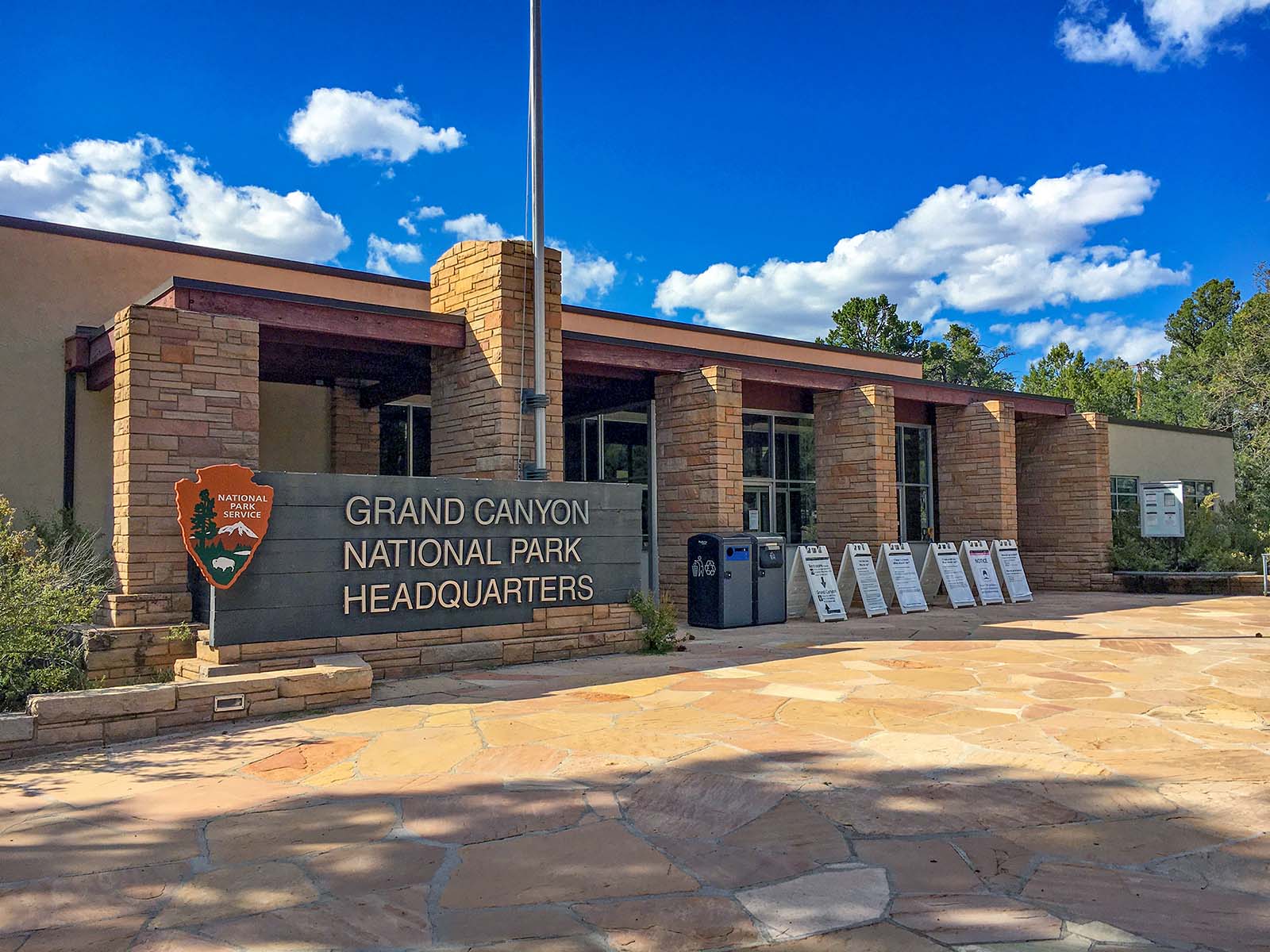
NPS via NPS.gov (Public Domain)
Best of Grand Canyon National Park: Grand Canyon Best View North
14 min read
Best Of
The grand canyon best view north or south decision ultimately comes down to how much time you have and whether you're willing to trade convenience for solitude.
This article contains affiliate links — we may earn a small commission at no extra cost to you.
If you have one day, you go to the South Rim. If you have three days and want the best photographic light and fewer crowds, you drive the extra four hours to the North Rim. The grand canyon best view north or south decision ultimately comes down to how much time you have and whether you're willing to trade convenience for solitude.
For a complete overview of everything at the park, start with the complete visitor guide. What follows here assumes you've already decided to visit and need to optimize your limited time.
If You Only Have One Day
Most one-day Grand Canyon visits fail for one reason: people try to see both rims. The North Rim is 215 miles and a 4.5-hour drive from the South Rim. That's not a day trip. That's a lost day in the car.
The correct one-day plan for a South Rim visit:
Arrive at the South Entrance Station by 6:30 AM. The line backs up past the gas station by 7:30 in peak season. Show your pass, park at the Visitor Center lot (it fills by 8 AM), and walk to Mather Point before the tour buses arrive. You'll have the overlook mostly to yourself until about 8 AM.
From Mather, take the Village Route shuttle west to the Trail View Overlook. This gives you a 45-minute window before the crowds thicken. Then walk the Rim Trail east from Yavapai Point to the Geology Museum. The stretch between Yavapai and Mather is the most walkable section with the best interpretive signage.
By 10 AM, the overlooks are shoulder-to-shoulder. That's when you drop below the rim. The South Kaibab Trail to Ooh Aah Point is 0.9 miles one way with 500 feet of elevation loss. It takes about an hour round trip. The trail surface is packed dirt and stone steps with no shade. Early morning is your best bet for this stretch - the shadows are long and the temperature is manageable.
Return to the rim by noon, eat lunch at the Desert View Marketplace (shorter lines than the Village), and drive east to Desert View Watchtower for the afternoon. The tower closes at 5 PM and the parking situation here is tight - expect to circle once or twice.
For a one-day North Rim visit (June through October only):
You drive in from Jacob Lake on Highway 67. The 44-mile road takes about an hour. Arrive at the gate by 6:30 AM, same as the South Rim. Head directly to Bright Angel Point - it's a 0.5-mile paved round trip from the lodge parking lot. This is the easiest high-reward viewpoint on either rim.
From there, drive to Point Imperial (11 miles north) for the highest overlook on either rim at 8,803 feet. Then Cape Royal (23 miles from the lodge) for the afternoon. The drive alone takes about 45 minutes each way. The cape has a 0.6-mile paved trail to the viewpoint with picnic tables near the parking area.
The North Rim closes for the season on October 15 in 2026. The road from Jacob Lake typically closes with the first major snow, which can arrive as early as mid-October.
The Top Experiences, Ranked
These are ranked by return-on-effort - what gives you the most visual payoff for the time and energy invested. This list assumes a summer or early fall visit when both rims are accessible.
#1 - Cape Royal (North Rim): The Best Single Viewpoint on Either Rim
- Why it makes this list: Cape Royal sits at 7,865 feet at the end of a 23-mile drive from the North Rim Lodge. From this overlook you can see the Colorado River curving through the canyon for nearly 15 miles of visible river mileage. The view includes Wotans Throne, the Vishnu Temple, and the eastward stretch toward the Painted Desert. No other single overlook on either rim shows you this much of the river and the canyon's internal geology in one glance.
- What it requires: A full morning or afternoon. The drive is paved but slow - plan 45 minutes each way from the lodge. The trail is 0.6 miles round trip on smooth pavement with less than 50 feet of elevation change. Suitable for anyone who can walk a quarter mile.
- The single best tip: Arrive by 9 AM. The sun rises behind the viewpoint, so morning light illuminates the canyon walls rather than blasting directly into your eyes. By 10 AM, the railing fills with tour groups from the lodge.
- What most visitors do wrong: They skip Angels Window, which is a short spur trail 0.3 miles from the Cape Royal parking area. It's a natural arch in the rock that frames the river below. Most people walk straight past the signed turnoff.
#2 - South Kaibab Trail to Ooh Aah Point or Skeleton Point (South Rim)
- Why it makes this list: This trail gives you the steepest, fastest descent into the canyon on either rim. The first 0.9 miles to Ooh Aah Point drop 500 feet and deliver a view of the river bend that most canyon visitors never see because they never leave the rim. The trail is all exposed rock - no shade, no water, no railings.
- What it requires: Ooh Aah Point is 1.8 miles round trip with 500 feet of climbing on the return. Allow 1.5 hours. Skeleton Point is 6 miles round trip with 1,700 feet of climbing. Allow 4-5 hours. This is not a casual stroll. Your calves will have strong opinions about every switchback on the way back up.
- The single best tip: Start before 7 AM. Park at the South Kaibab trailhead lot (it has 20 spaces and fills by 7:30) or take the Kaibab Trail Route shuttle from the Visitor Center. Cell service drops out at the trailhead and does not return until you climb back above the rim.
- What most visitors do wrong: They don't bring enough water. Rangers will tell you to carry one liter per hour of hiking. Most people bring one liter for three hours. Pack extra water for this stretch.
#3 - Desert View Watchtower (South Rim, East Entrance)
- Why it makes this list: This is the only structure on the South Rim where you can stand 70 feet above the rim and see 360 degrees - the canyon to the west, the Painted Desert to the east, and the San Francisco Peaks 80 miles south on clear days. The tower was designed by Mary Colter in 1932 and the interior walls are painted with Hopi-inspired murals.
- What it requires: A 25-mile drive east from Grand Canyon Village. The tower opens at sunrise and closes at 5 PM. Entry is free with park admission. The staircase is narrow and the upper levels require climbing five flights of stone stairs.
- The single best tip: Go at sunset. Most visitors crowd Mather Point at the Village. The Desert View parking area is significantly less packed in the evening, and the tower stays open until sunset. From this overlook you can see the sunset light hit the canyon walls from an entirely different angle than the Village viewpoints.
- What most visitors do wrong: They skip the tower interior. The lower-level gift shop sells books and maps, but the upper rooms have the Colter murals and original furniture. The official website doesn't mention that the top level has a small observation room with bench seating - a good spot to wait out a brief rain shower.
#4 - Bright Angel Point (North Rim)
- Why it makes this list: This is the most accessible high-value viewpoint on the North Rim. A 0.5-mile paved loop from the lodge parking lot takes you to a narrow point of rock projecting into the canyon. From this overlook you can see Roaring Springs 3,000 feet below, the Bright Angel Creek drainage, and the South Rim 10 miles across. The elevation gain is minimal - less than 50 feet.
- What it requires: A 15-minute walk from the parking lot. No shuttle required. The trail is paved and has handrails at the narrow sections. Suitable for virtually all fitness levels. The lodge is open mid-May through October 15 in 2026.
- The single best tip: Go at sunset. The North Rim faces south and east, so sunrise is directly behind the viewpoint. Sunset puts the canyon walls in warm side light. The parking lot clears out after 6 PM.
- What most visitors do wrong: They assume the North Rim Lodge parking is sufficient. It has about 80 spaces. On summer weekends the lot fills by 10 AM. The overflow lot is a quarter mile back up the access road.
#5 - Grand Canyon hiking trails: Rim Trail from Maricopa Point to Powell Point (South Rim)
- Why it makes this list: This 1.5-mile section of the Rim Trail between Maricopa Point and Powell Point is the quietest stretch of rim within easy walking distance of the Village. Most visitors concentrate at Mather and Yavapai. This section gets perhaps 10% of the foot traffic and has better views of the river.
- What it requires: A level paved walk of about 45 minutes one way. Start from the Hopi Point shuttle stop and walk west. The trail passes the abandoned Orphan Mine site and ends at Powell Point, which has a stone monument listing the members of John Wesley Powell's 1869 expedition.
- The single best tip: Walk this section in the late afternoon. The sun is behind you, the canyon is in full light, and the shadows starting to reach across the walls create visible depth. The bench at Powell Point is shaded by a juniper - a good place to sit for 20 minutes and watch light move across the canyon.
- What most visitors do wrong: They ride the shuttle past this section without getting off. The shuttle stops at Hopi Point and Powell Point. Most people stay on the bus. Get off and walk between these two stops.
#6 - Grand canyon national park lodges: North Rim Lodge Dining Room
- Why it makes this list: The dining room at the North Rim Lodge has floor-to-ceiling windows facing the canyon. You eat lunch while looking at the same view that the overlooks charge parking for. The food is solid - sandwiches, salads, a good bean burger - and prices are reasonable for national park food (entrees $12-18 as of 2026).
- What it requires: A reservation for dinner, but lunch is first-come. The dining room opens at 7 AM for breakfast and serves lunch from 11:30 to 2:30. The waiting area fills up by noon.
- The single best tip: Go for breakfast at 7:30. The sun is just hitting the canyon walls, the room is quiet, and you can sit at a window table without waiting. Coffee is $3.50.
- What most visitors do wrong: They walk past the dining room thinking it's just for lodge guests. It's open to everyone. The front desk doesn't advertise this clearly.
#7 - Grand canyon national park hiking: Rim-to-Rim Day Hike
- Why it makes this list: This is the most ambitious single-day hike in the park system. Starting at the North Rim (8,800 feet), dropping 5,800 feet to the Colorado River, and climbing 4,500 feet back out the South Kaibab Trail gives you the canyon from top to bottom. The distance is 24 miles.
- What it requires: Extreme physical fitness, 12-14 hours of daylight, and a shuttle between rims. You arrange a drop-off or use the Trans-Canyon Shuttle ($90 per person in 2026, runs May through October). Carry a minimum of 4 liters of water plus electrolyte tablets. The trail register will show you how many people attempt this daily - about 30-40 in summer - and how many turn back at Phantom Ranch (about half).
- The single best tip: Start from the North Rim at 4 AM with a headlamp. The first 7 miles to Cottonwood Campground are in full shade until 8 AM. By 10 AM the inner canyon is baking. Anyone who starts after 6 AM is in direct sun for the exposed section between Phantom Ranch and the South Kaibab climb.
- What most visitors do wrong: They underestimate the climb out. The South Kaibab Trail from the river to the rim climbs 4,800 feet in 7 miles. The last 2 miles are switchbacks with no shade and surface temperatures of 100 degrees by noon in summer. Rangers have a saying: "Everyone hikes down, not everyone hikes out."
#8 - Grand canyon national park hotels: El Tovar Dining Room (South Rim)
- Why it makes this list: El Tovar is the historic lodge built in 1905, and its dining room is the best sit-down restaurant on the South Rim. The menu focuses on Southwestern food - green chile stew, bison meatloaf, trout - and the service is faster than the deli at the Village Market. Reservations are available 60 days in advance.
- What it requires: A reservation for dinner (call 888-297-2757 or book through Xanterra). Without a reservation, expect a 45-90 minute wait. Lunch is first-come and usually has a 20-30 minute wait.
- The single best tip: Eat at the bar. The bar has the same menu as the dining room, no reservation required, and the bartenders have worked there for years. Ask them about trail conditions - they hike on their days off and will give you honest advice about whether Phantom Ranch canteen has water flowing.
- What most visitors do wrong: They show up at 7 PM without a reservation and leave after an hour wait. The bar has seating for 12 and opens at 11 AM. Go at 11:30 for lunch and skip dinner entirely.
#9 - Grand canyon hiking trails: North Kaibab Trail to Supai Tunnel (North Rim)
- Why it makes this list: This is the North Rim's best short hike below the rim. The trail drops 1,500 feet over 2 miles to Supai Tunnel, a natural rock overhang that provides rare shade on the descent. The trail surface is well-maintained but steep - you'll feel the elevation gain on the return.
- What it requires: 4 miles round trip with 1,500 feet of elevation regain on the way up. Allow 3-4 hours. The trailhead is at the North Rim Lodge parking lot. No shuttle required. The trail is open only when the North Rim is open (mid-May through October 15 in 2026).
- The single best tip: Go in the morning. The trail is east-facing, so morning sun lights the canyon walls. By 11 AM the trail is in direct sun for the upper half mile. The tunnel itself is cool enough that you'll want a light jacket even in August.
- What most visitors do wrong: They don't realize the tunnel is just a large alcove, not a through-cave. The name "tunnel" is misleading. The trail ends at the tunnel and turns around. Some visitors expect a passage through the rock and keep walking past the signed turn-around point.
#10 - Grand canyon village trails: Shoshone Point Trail (South Rim)
- Why it makes this list: This is the best viewpoint on the South Rim that most visitors never find. Shoshone Point is a 1-mile easy walk east of the Village on an unmarked dirt road. The trail is not on the park map. It ends at a broad sandstone point with the entire eastern canyon visible. On weekdays you may have it entirely to yourself.
- What it requires: A 2-mile round trip on a flat dirt road. No parking at the trailhead - park in the pullout on Desert View Drive (Highway 64) at the signed but unmarked entrance. The road is gated. Walk around the gate.
- The single best tip: Go at sunset. The point faces east, so the setting sun lights the canyon walls from behind you. The color on the buttes in August and September is deep orange to purple to gray over about 45 minutes.
- What most visitors do wrong: They drive past the gate looking for a sign. The gate has a small metal sign that says "Shoshone Point" in letters about 3 inches tall. If you pass the pullout on Desert View Drive marked with a brown park service sign, you've gone a quarter mile too far. Turn around and look for the dirt road with the cattle gate.
What Most People Miss
These experiences don't make the standard highlight reel but reward the effort with genuine solitude.
Powell Point (South Rim). The stone monument at Powell Point commemorates the 1869 Powell expedition. The viewpoint sits 50 yards downhill from the monument and has a stone bench. Most people stop at the monument and consider it done. The walk to the actual overlook is another 30 yards and removes you from the trail traffic entirely. The trail narrows here and you can hear the wind moving through the canyon rather than conversation from the path behind you.
Roaring Springs Canyon (North Rim descent). The North Kaibab Trail descends through a slot canyon section about 1.5 miles from the trailhead where the walls close in to about 15 feet apart. The sound of water running through the narrows echoes off the limestone. In June, the wild roses along the trail corridor bloom and the smell is noticeable 50 yards away. Most day hikers don't make it this far down.
Desert View Campground General Store (East South Rim). This store at the eastern end of the park has a deli counter that makes breakfast burritos from 7-10 AM. They're $8 and come with green chile. The line is rarely more than five minutes. Visitors staying at Mather Campground drive 25 miles for these. Locals have a saying about the breakfast burrito at Desert View: it's worth the drive.
What's Overrated (and Better Alternatives)
Mather Point (South Rim) at any time between 9 AM and 3 PM. This is the most photographed spot in the park, and it shows. The viewing platform is approximately 40 feet wide and accommodates about 60 people. By 9 AM, there are frequently 80-100 people on it. The parking lot is a grid. The shuttle stop is crowded. The view is genuinely good, but the experience is not.
Better alternative: Yavapai Point, a half mile west. The geology museum has the same view, indoor seating, interpretive exhibits, and roughly one-third the crowd density. The museum opens at 8 AM.
Bright Angel Trail (South Rim) for a casual hike. This trail gets the most attention because it's the most famous. It's also the most crowded - the first mile regularly has 200+ hikers per hour in summer. The trail is wide, well-graded, and heavily trafficked. For a short hike below the rim, South Kaibab Trail gives you a better view with a quarter of the people. For a longer hike, the Hermit Trail is rougher and less maintained but has sections where you won't see anyone for an hour.
The Grand Canyon Village shuttles during peak hours (10 AM to 2 PM). Wait times at the busiest stops routinely exceed 20 minutes in summer. The shuttles run every 15-30 minutes depending on the route, and during peak season they fill at the first two stops.
Better alternative: Walk the Rim Trail between the Village and Yavapai Point. It's 1.3 miles, paved, mostly flat, and goes through juniper forest. You'll pass viewpoints that the shuttles skip. The walk takes 25 minutes at a relaxed pace - faster than waiting for the bus and riding three stops.
Practical Takeaways
- The grand canyon best view north or south question has a clear answer for time-limited visitors: South Rim wins for accessibility and infrastructure. The North Rim gives better photography conditions and fewer people, but it requires a dedicated trip with flexible scheduling. You cannot do both in one visit and enjoy either.
2
Related: grand canyon hiking guide
Recommended Gear
What experienced visitors bring to Best of Grand Canyon National Park: Grand Canyon Best View North
Links may earn us a commission at no extra cost to you. We only recommend gear we believe in.
Hiking Essentials
Hydration Pack (3L)
Hands-free water for long trail days
Trekking Poles (Pair)
Save your knees on steep descents
Hiking Boots (Ankle Support)
Sturdy footwear for rocky, uneven trails
Sun & Heat Protection
Wide-Brim Sun Hat
Full coverage UPF 50+ protection at altitude
Insulated Water Bottle (32oz)
Keeps water cold in desert heat all day
Electrolyte Mix Packets
Replace what water alone cannot during intense heat
Winter Gear
Microspikes / Traction Devices
Essential for icy rim trails in winter months
Sources
- Official source: NPS — Grand Canyon National Park nps.gov/grca/index.htm
More to Explore
Park Guide
Acadia National Park: Carriage Roads, Cadillac Mountain & 2026 Guide
Discover carriage roads, Cadillac Mountain, and rugged Maine coast. Complete 2026 guide to Acadia National Park — trails, fees, lodging, permits, and what rangers recommend.
Hiking Guide
Grand Canyon Hiking Trails: Day Hikes, Water Sources & Rim to Rim
Compare Grand Canyon hiking trails: Bright Angel, South Kaibab, Hermit, Grandview, and rim to rim, with distances, elevation, water stops, and trailhead access for each.
Best Of
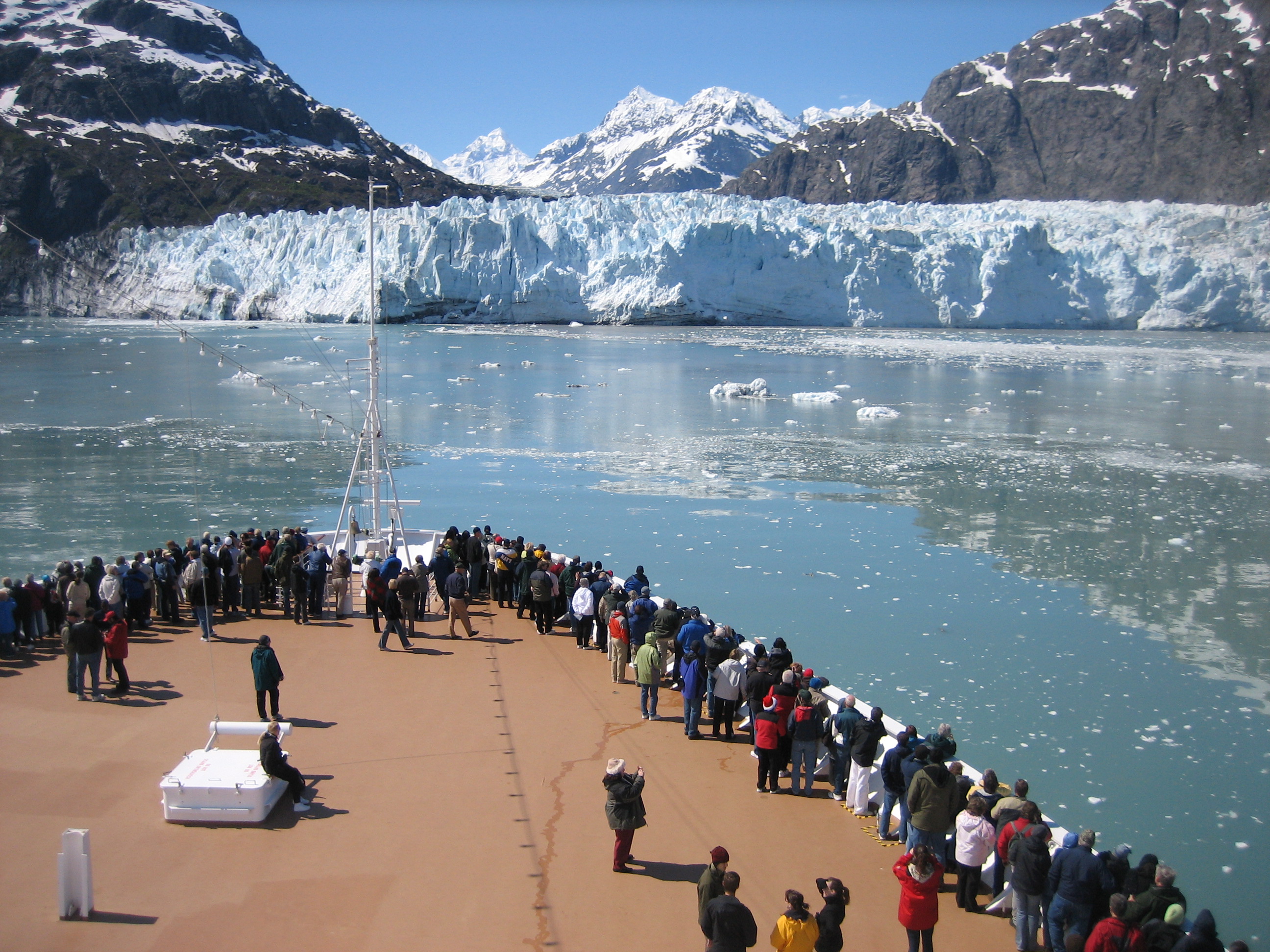
Best of Glacier Bay National Park
The best of Glacier Bay is reached by boat: ranger-led day tours up the bay to the tidewater glaciers. What's worth it, how to book, and when to go (2026).
Campsite Guide
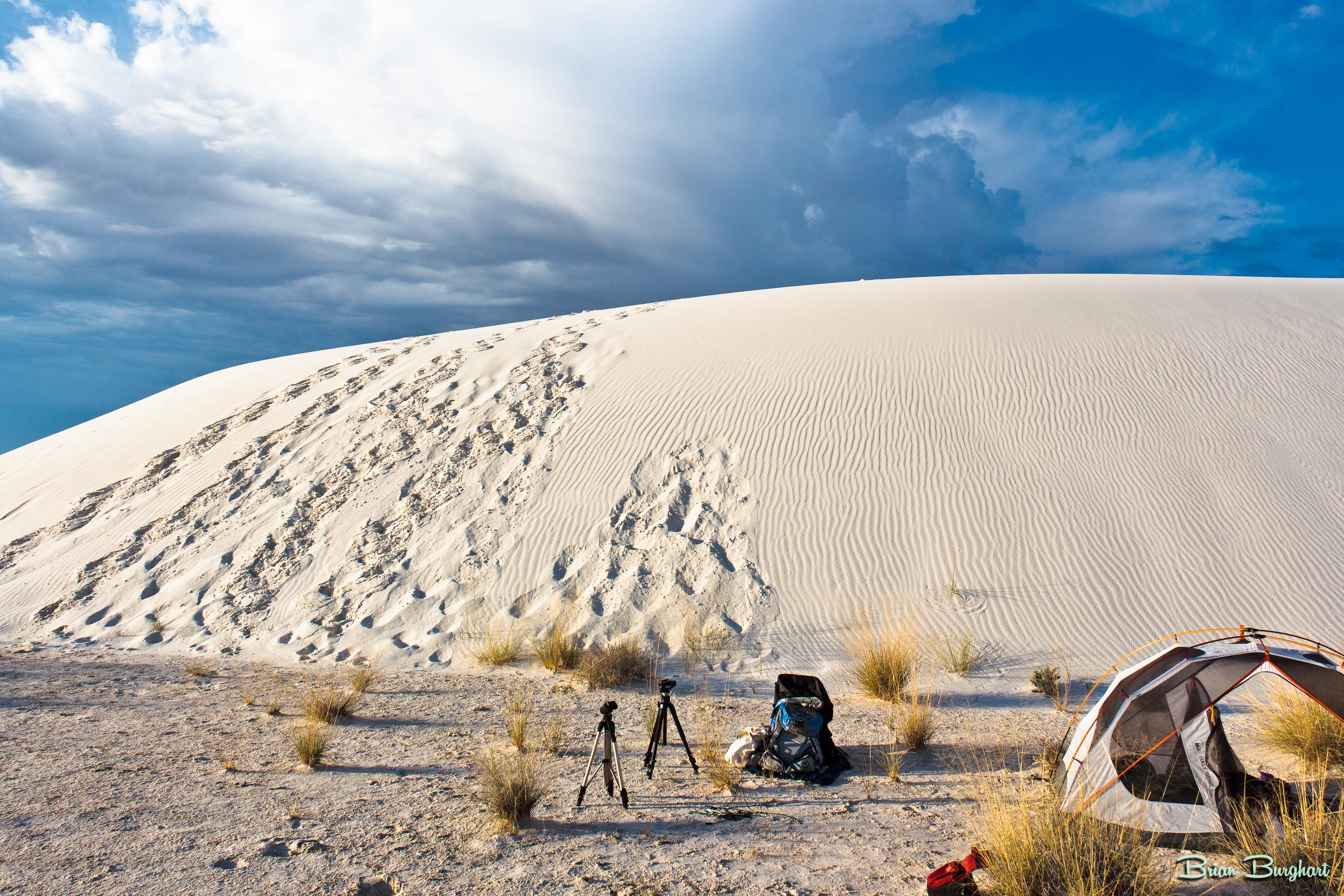
White Sands Backcountry Camping: Closed for 2026 — What to Know
As of 2026, backcountry camping at White Sands National Park is closed for site rehabilitation. What that means, and where to camp nearby instead.
Weather Guide
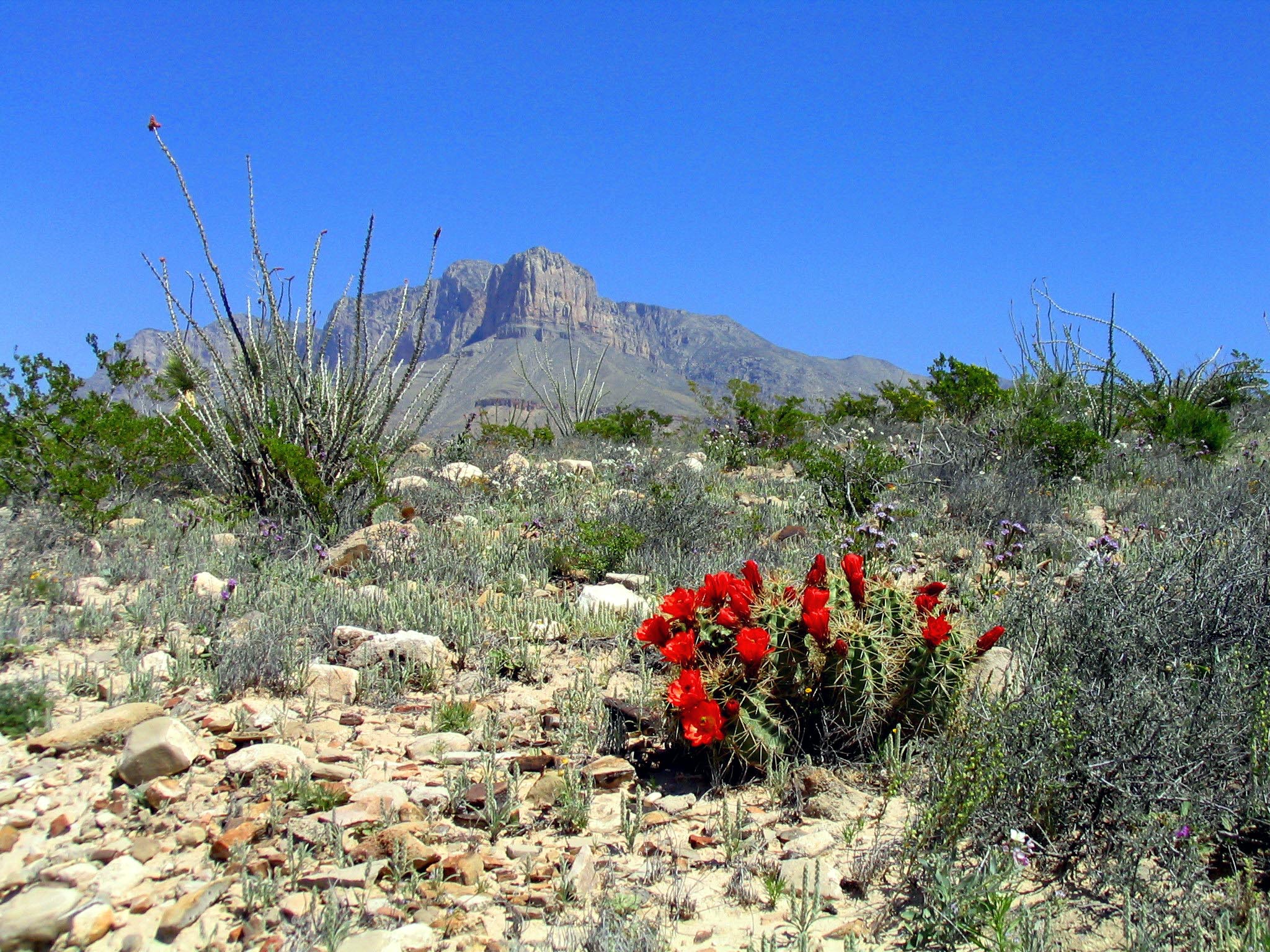
Guadalupe Mountains National Park Weather: Weather
Guadalupe Mountains National Park: weather guide guide updated 2026. Practical visitor information, reservations, and seasonal tips worth bookmarking before
Best Of
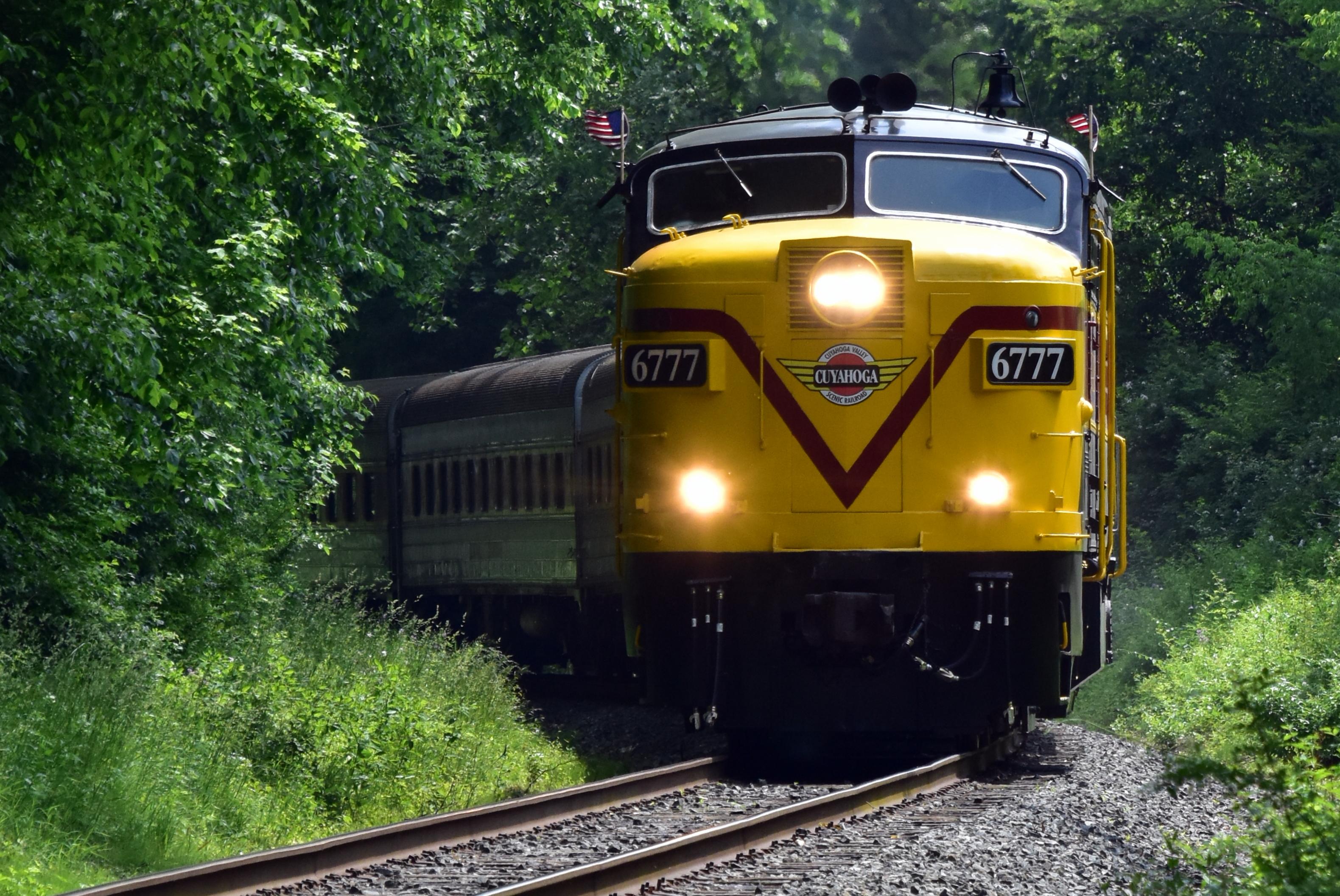
Best of Cuyahoga Valley National Park: Best Things to Do
Seeing a Cleveland Orchestra concert with the woods as your backdrop is a uniquely Cuyahoga Valley experience.
Sign in to join the conversation.
Sources & Attribution
Location data courtesy of the National Park Service (U.S. Department of the Interior). NPS data is public domain.
Images: NPS.
Map data © OpenStreetMap contributors.
Park operations alerts: NPS.gov · Weather and weather hazards: National Weather Service · Live conditions.
Information may change. Always verify fees, hours, and conditions directly with the official source before visiting.
Did this guide help? Share it with a friend.