Arrive at least an hour before sunset to secure parking and an unobstructed view. Bass Harbor Head Light remains an active Coast Guard navigation aid, not a museum exhibit. The experience centers on finding footing on the wave-polished granite below the tower—a task that defines most visits.
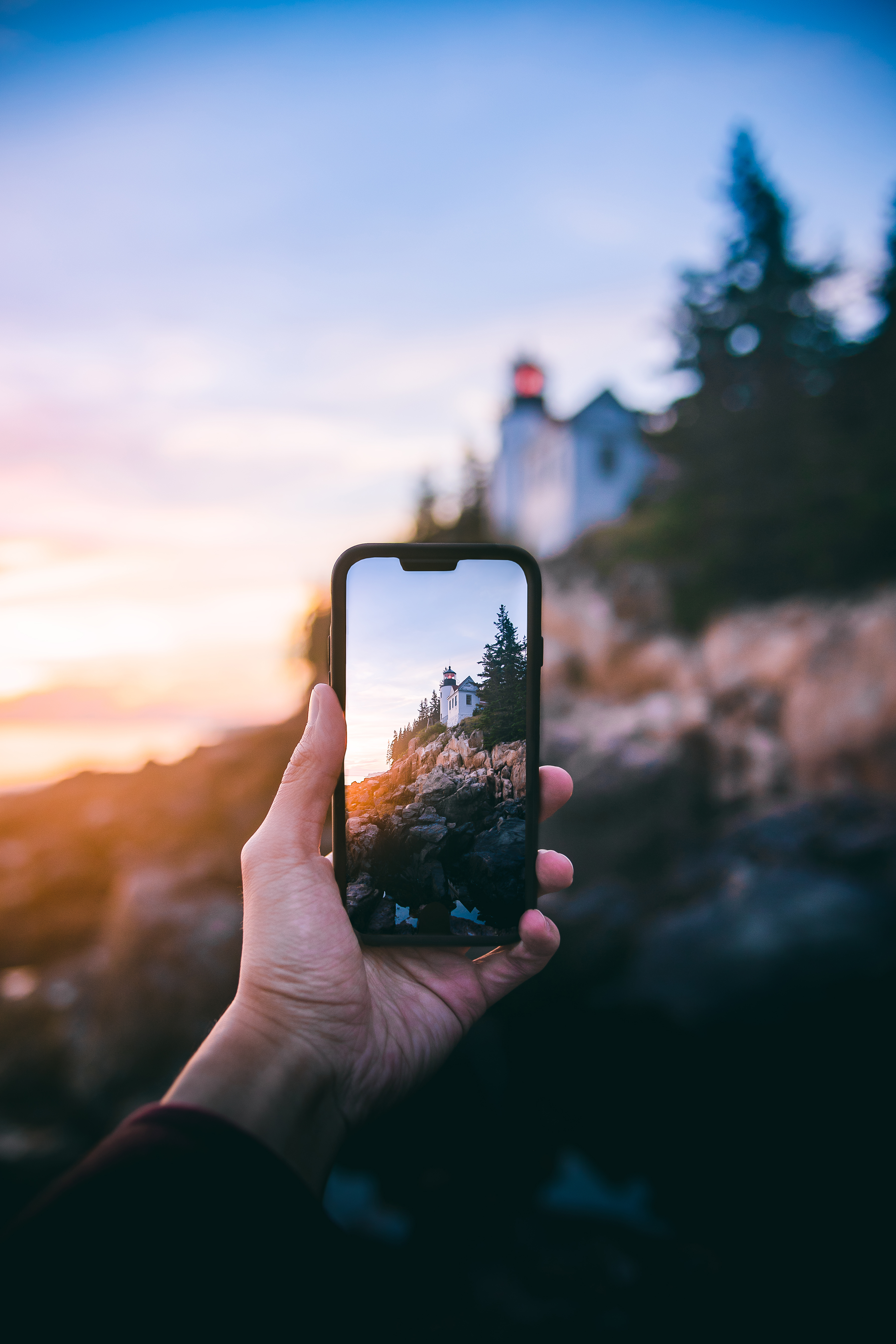
NPS via NPS.gov (Public Domain)
Bass Harbor Head Light Station
7 min read
Places & Points of Interest
The Bass Harbor Head Light Station marks the entrance to Bass Harbor and Blue Hill Bay on the southwest corner of Mount Desert Island.
Your plans
Overview
The Bass Harbor Head Light Station marks the entrance to Bass Harbor and Blue Hill Bay on the southwest corner of Mount Desert Island. It's a functional U.S. Coast Guard aid to navigation, which means the tower and keeper's house are not open for tours. What you're here for is the postcard view: a white lighthouse with a red roof perched on dark, wave-battered granite. The sound is constant - the low rumble of waves hitting rock, the metallic groan of the fog bell buoy offshore, and the wind through the spruce trees that frame the scene. The air smells of salt and damp pine. Rangers will tell you it's one of the most photographed spots in Acadia, and on a summer evening, you'll see why as dozens of tripods crowd the limited space.
Quick Information
* Entrance Fee: None for the lighthouse itself. Access is included with the standard Acadia National Park entrance pass, which is required for all park areas. As of 2026, that's $35 per private vehicle for a 7-day pass.
* Hours: The grounds are accessible 24/7, but the small parking lot is only officially open from 9:00 AM to 30 minutes after sunset. Rangers do enforce parking closures after dark.
* Best Time to Visit: Late afternoon to sunset. The west-facing lighthouse is front-lit by the afternoon sun, and sunset paints the sky behind it. Weekdays are less crowded than weekends.
* Location: Tremont, Maine, on Mount Desert Island. The nearest town is Southwest Harbor, about a 10-minute drive away.
* Accessibility: The upper viewing area near the lighthouse and the path to the vault toilets are accessible. The trail down to the iconic photo spot on the rocks is not. It involves steep, uneven granite steps and requires scrambling.
* Cell Service: Spotty but often present for major carriers. Don't rely on it for navigation in the surrounding areas.
* Restrooms: Two vault toilets are located in a wooden building at the back of the parking lot.
* Parking: One small asphalt lot with space for about 20-25 vehicles. It fills completely every evening from May through October. Once full, parking along the narrow entrance road is prohibited and will get you a ticket.

Getting There
From Bar Harbor, take Route 102 south through Somesville and Southwest Harbor. In the village of Bass Harbor, turn right onto Lighthouse Road (clearly signed). Follow it to the end, about 1.5 miles, where it terminates at the parking lot. The drive from Bar Harbor takes 35-45 minutes depending on traffic. From the Hulls Cove Visitor Center, it's about a 50-minute drive. There is no direct Island Explorer bus service to the lighthouse; you'll need a car. GPS will get you there reliably, but cell service drops out at the turn onto Lighthouse Road, so have your directions loaded.
What to Expect
Prepare for crowds, particularly under clear skies. A full parking lot by 4 PM on a July weekday tells you everything. From there, a paved path leads past the white keeper's house—still a Coast Guard residence—and the 32-foot brick tower. Historical context comes from interpretive panels. Nearly everyone then takes the steep trail leftward down to the shoreline. Wooden railings transition to carved stone steps, often slick with salt spray or moss. At the base, you'll stand on sloping pink granite smoothed by millennia of waves. Breakers surge into fissures below, throwing spray upward. The view back toward the lighthouse justifies the trip.le queue politely for the prime photo angles. The atmosphere is a mix of quiet appreciation and the quiet clicks of camera shutters.

Top Attractions & Points of Interest
The Lighthouse and Keeper's House
The station was built in 1858. The classic New England architectural style - a Cape Cod keeper's house with an attached tower - is the focal point. You can walk right up to the fence around the house and tower, but cannot enter. The best frontal views are from the lawn area.
The Granite Shoreline Viewpoint
This is the spot. The short, steep trail leads down to a network of granite ledges that offer the iconic side-view of the lighthouse perched above the sea. Early morning is your best bet for having space to yourself, but the light is better in the afternoon. Watch your footing; the rocks are uneven and can be slippery.
The Fog Bell Buoy
Keep an eye out for the red buoy marked "2" just offshore. In foggy conditions, its deep, resonant clang is the soundtrack of the visit. It's a reminder that this is a working navigational site, not just a scenic overlook.
The Spruce Forest Perimeter
The trail from the parking lot is lined with dense, wind-sculpted spruce trees. They frame every photograph and buffer the sound of the crowd, creating a sense of separation from the road. In fall, the contrast of dark green spruce against the blue ocean is particularly sharp.
Activities
Photography
This is the primary activity. Bring a tripod if you're serious, but be prepared for tight quarters. A wide-angle lens (16-35mm full-frame equivalent) is useful for capturing the lighthouse with the rocks and ocean. For sunset, a neutral density graduated filter can help balance the bright sky with the darker foreground. Rangers frequently remind photographers not to trample the fragile vegetation on the cliffs.
Sightseeing and Picnicking
There are no picnic tables, but the upper lawn area near the lighthouse has enough space for a small blanket. It's a peaceful spot to watch boats enter Bass Harbor. This is a better option for those who can't manage the rocky trail below.
Wildlife Viewing
While not a primary wildlife viewing hotspot, you might see harbor seals bobbing in the waves, bald eagles soaring on the coastal thermals, or various gulls and cormorants. The intertidal zone on the rocks at low tide reveals small crabs and snails.

Seasonal Guide
May-June: Crowds begin to build. Days are long, with sunset around 8 PM. Fog is common, which can obscure the view but adds atmosphere. The parking lot fills by late afternoon on weekends.
July-August: Peak visitation. The parking lot can be full by mid-afternoon on sunny days. Sunsets are late (after 8 PM). Warm temperatures, but the rocks can be hot. This is when the queue for the photo spot is most pronounced.
September-October: The best balance, in many opinions. Crowds diminish after Labor Day. Sunsets come earlier. The fall light is clear and golden. October brings colder winds, so pack a layer.
November-April: The lighthouse is accessible, but the trail down to the rocks can be icy, treacherous, or closed. The parking lot is rarely full. You'll likely have the place to yourself, but services (like the vault toilets) may be limited. Winter storms provide dramatic wave action.
Practical Information
A park pass is required. The America the Beautiful Annual Pass ($80 as of 2026) covers the entry fee. There are no concessions or water at the site. The nearest services for food, gas, and supplies are in Southwest Harbor or Bass Harbor village. For lodging and accommodations, Southwest Harbor offers more options than the immediate lighthouse area. The park's camping options include Seawall Campground, which is about a 15-minute drive south and is the closest public campground.

Safety & Preparation
The granite rocks are slippery when wet, which is often. Wear shoes with solid traction - hiking shoes or sneakers, not sandals or flip-flops. The ocean here is powerful and cold; never turn your back on the waves, and do not climb on rocks that are wet or directly in the surf zone. There are no guardrails at the lower viewpoint. Keep children close. If the parking lot is full, do not park on the roadside or in the nearby neighborhood. Return later. The park website doesn't mention that the fog can roll in incredibly fast, reducing visibility to nothing in minutes and making the rocks even more hazardous.
Insider Tips
- The Late Strategy: If the lot is full, drive to nearby hiking trails like the Wonderland Trail or Ship Harbor Trail for an hour. Return 30-45 minutes after sunset. The crowd will have thinned, the lot will have spaces, and the afterglow in the sky can be just as photogenic.
- The Morning Alternative: You'll have the place virtually to yourself at sunrise. The lighthouse will be backlit, creating a different, more serene silhouette against the morning sky.
- Skip the Scramble: The view from the upper lawn, though not the classic angle, is still impressive and completely accessible. You avoid the crowd and the tricky descent.
- Check the Tide: A mid-to-high tide provides more dramatic wave action against the rocks. Low tide exposes more seaweed-covered rock, which can be slick.
- Full Moon: If a full moon is rising around sunset, position yourself to capture the lighthouse with the moon over the water. It requires planning and luck, but the result is worth it.
- Bug Defense: In early summer, the still air around the spruce trees can harbor mosquitoes. Bring repellent.
- Local Eats: After your visit, skip the crowded Bar Harbor scene and head into Southwest Harbor for dinner. The harborside restaurants are less hectic and feel more local.
For more information, see our complete Acadia National Park Guide.
Sources
- Official source: NPS — Acadia National Park nps.gov/acad/index.htm
- Official source: National Park Service nps.gov/places/bass-harbor-head-light-station.htm
Photo Gallery
More to Explore
Park Guide
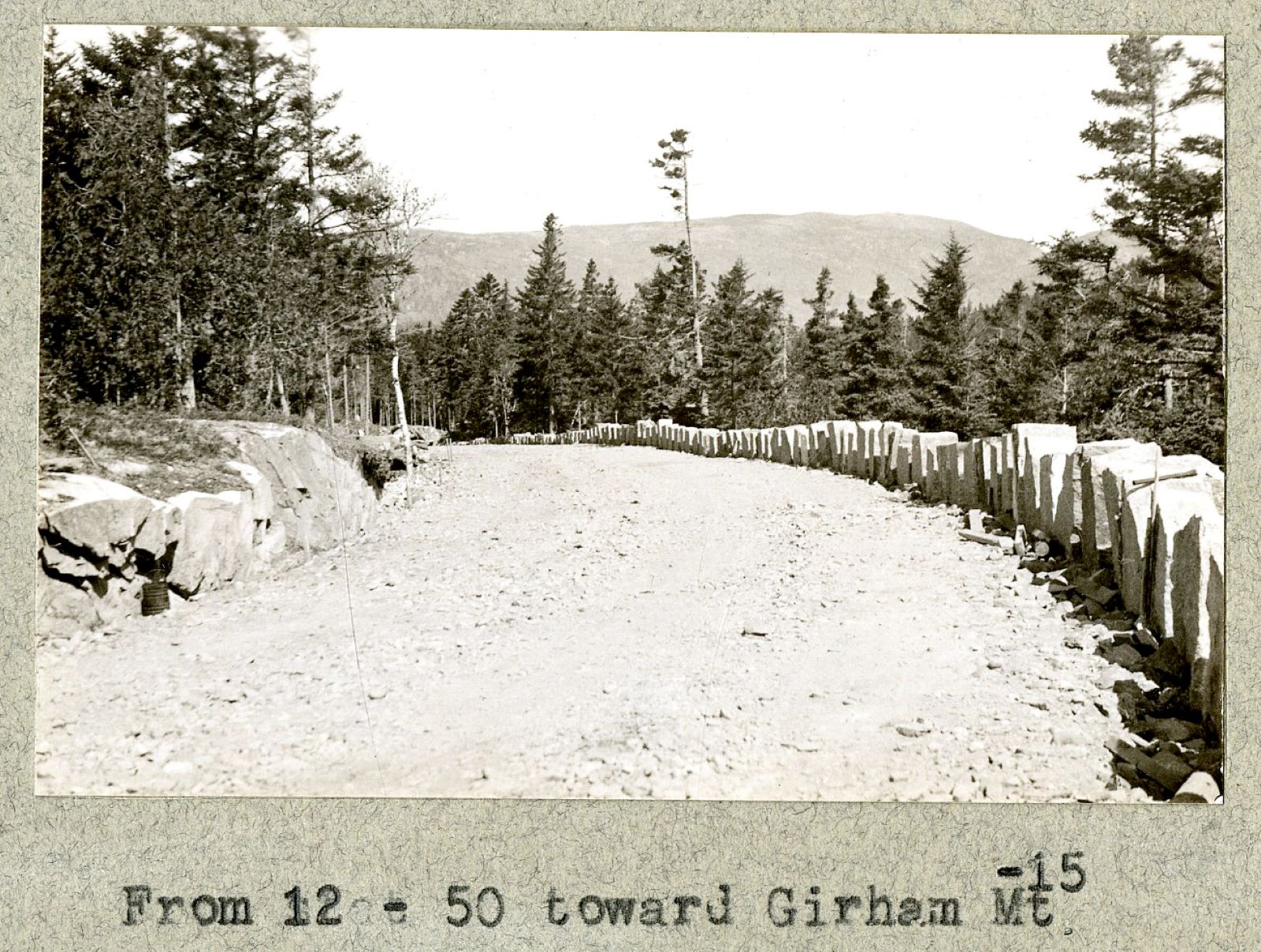
Acadia National Park: Carriage Roads, Cadillac Mountain & 2026 Guide
Discover carriage roads, Cadillac Mountain, and rugged Maine coast. Complete 2026 guide to Acadia National Park — trails, fees, lodging, permits, and what rangers recommend.
Hiking Guide
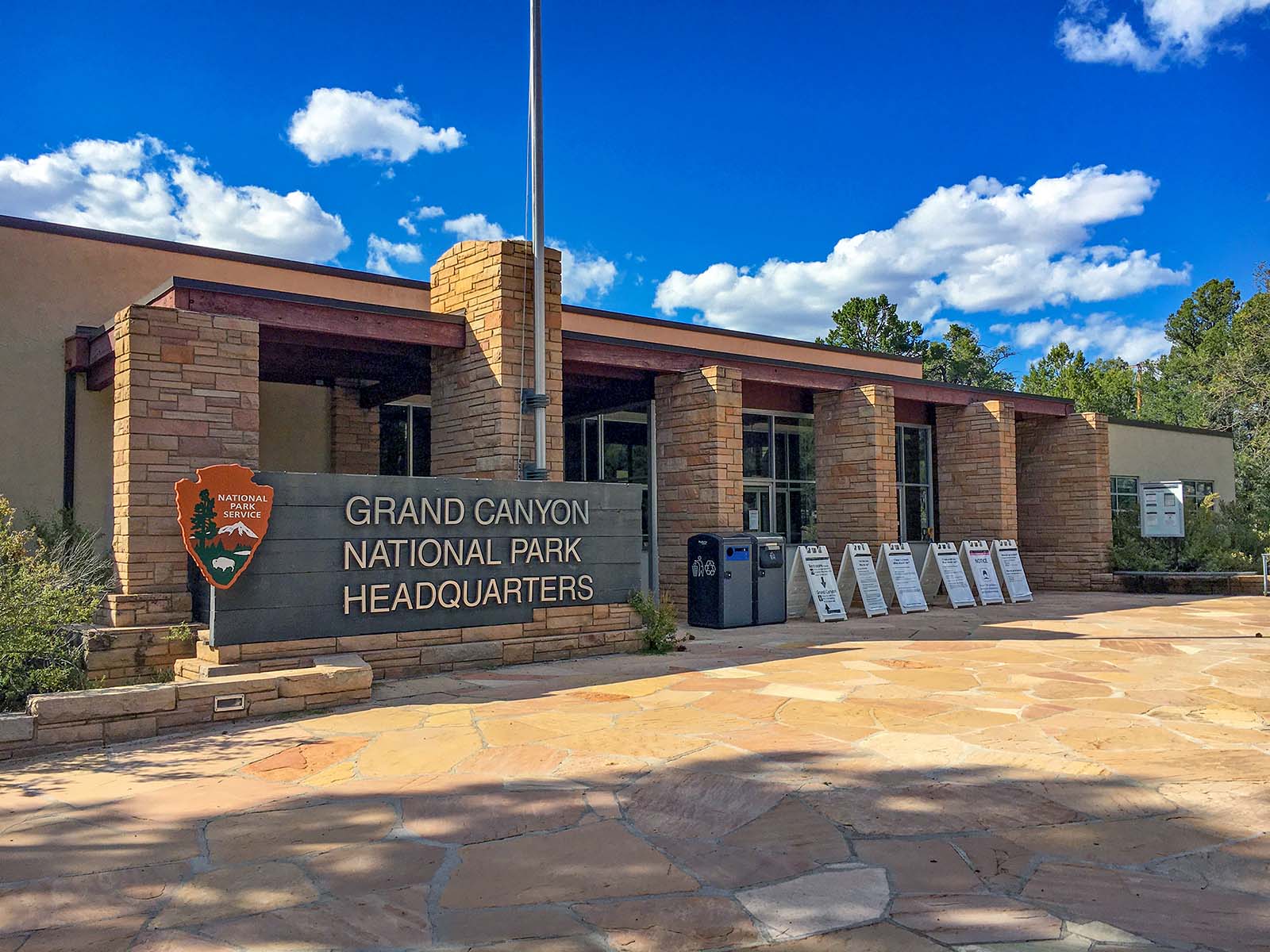
Grand Canyon Hiking Trails: Day Hikes, Water Sources & Rim to Rim
Compare Grand Canyon hiking trails: Bright Angel, South Kaibab, Hermit, Grandview, and rim to rim, with distances, elevation, water stops, and trailhead access for each.
Best Of
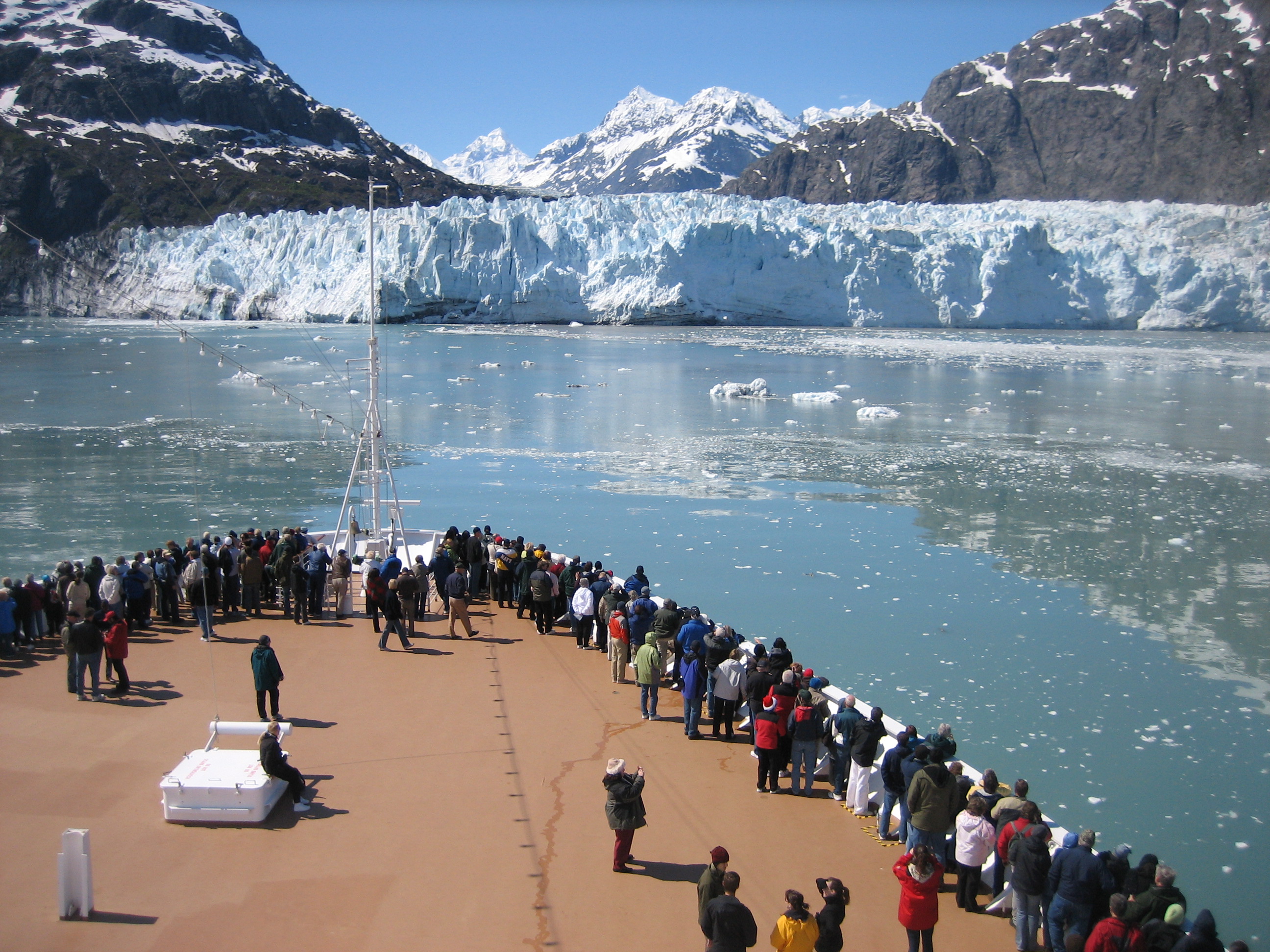
Best of Glacier Bay National Park
The best of Glacier Bay is reached by boat: ranger-led day tours up the bay to the tidewater glaciers. What's worth it, how to book, and when to go (2026).
Campsite Guide
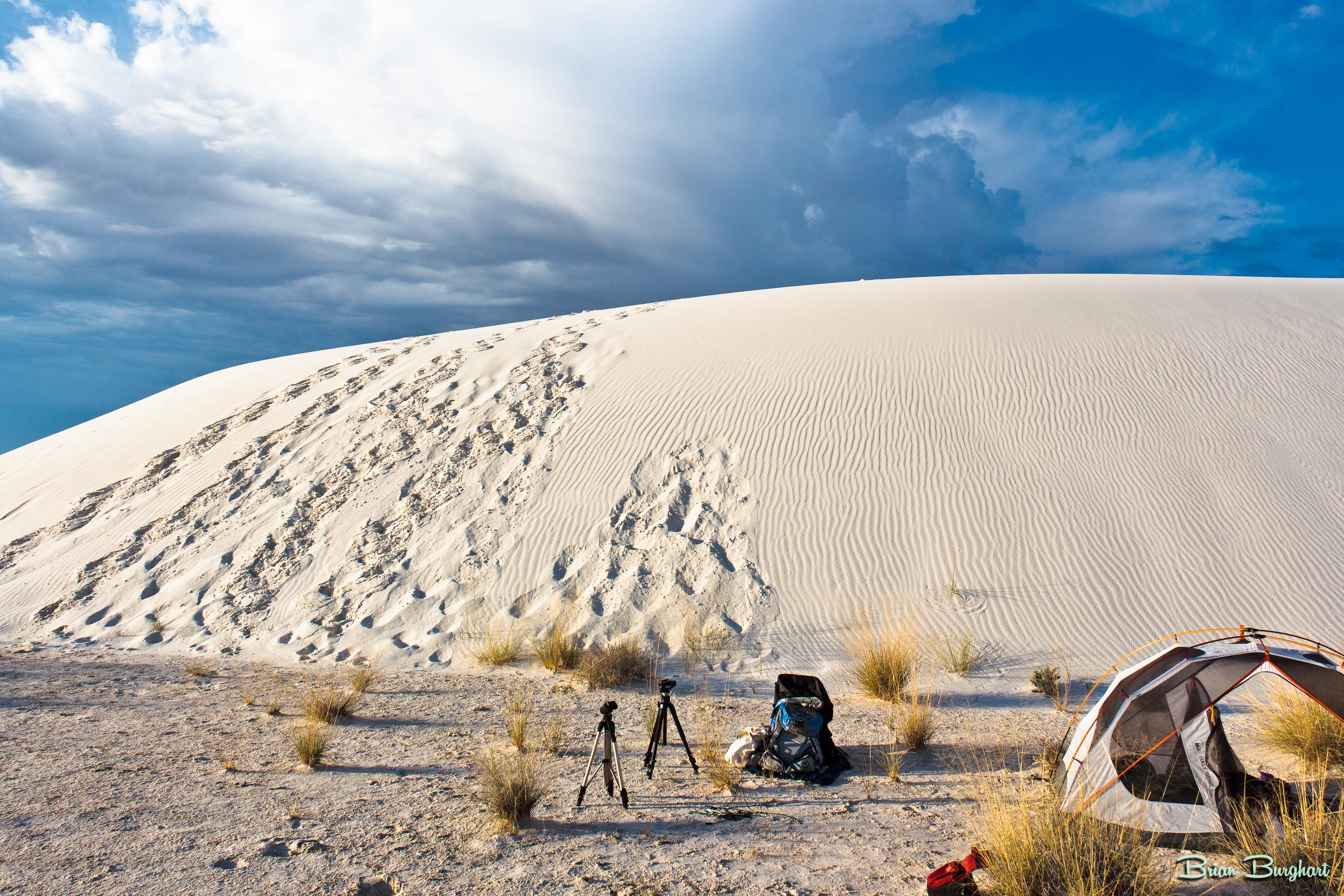
White Sands Backcountry Camping: Closed for 2026 — What to Know
As of 2026, backcountry camping at White Sands National Park is closed for site rehabilitation. What that means, and where to camp nearby instead.
Weather Guide
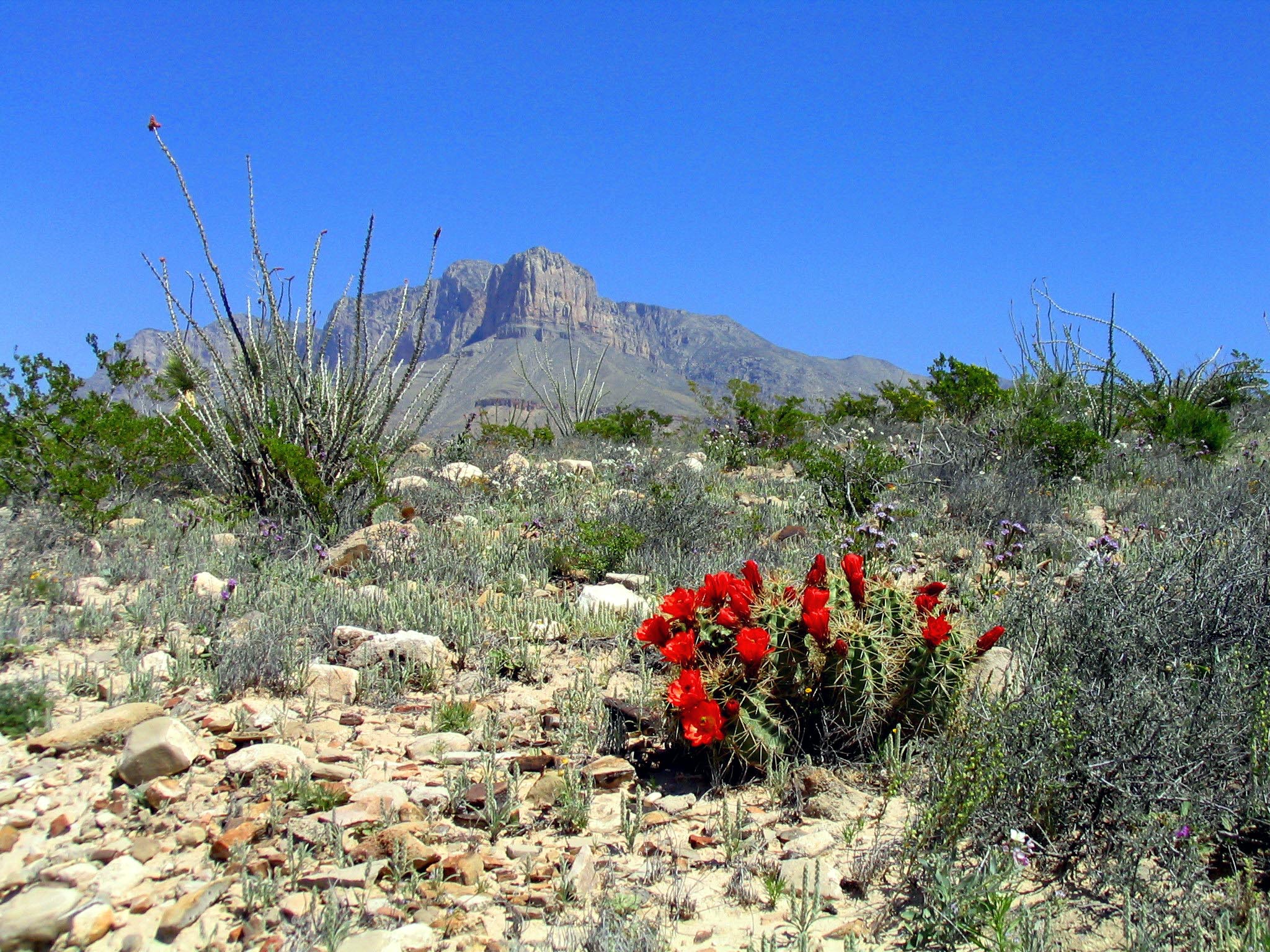
Guadalupe Mountains National Park Weather: Weather
Guadalupe Mountains National Park: weather guide guide updated 2026. Practical visitor information, reservations, and seasonal tips worth bookmarking before
Best Of
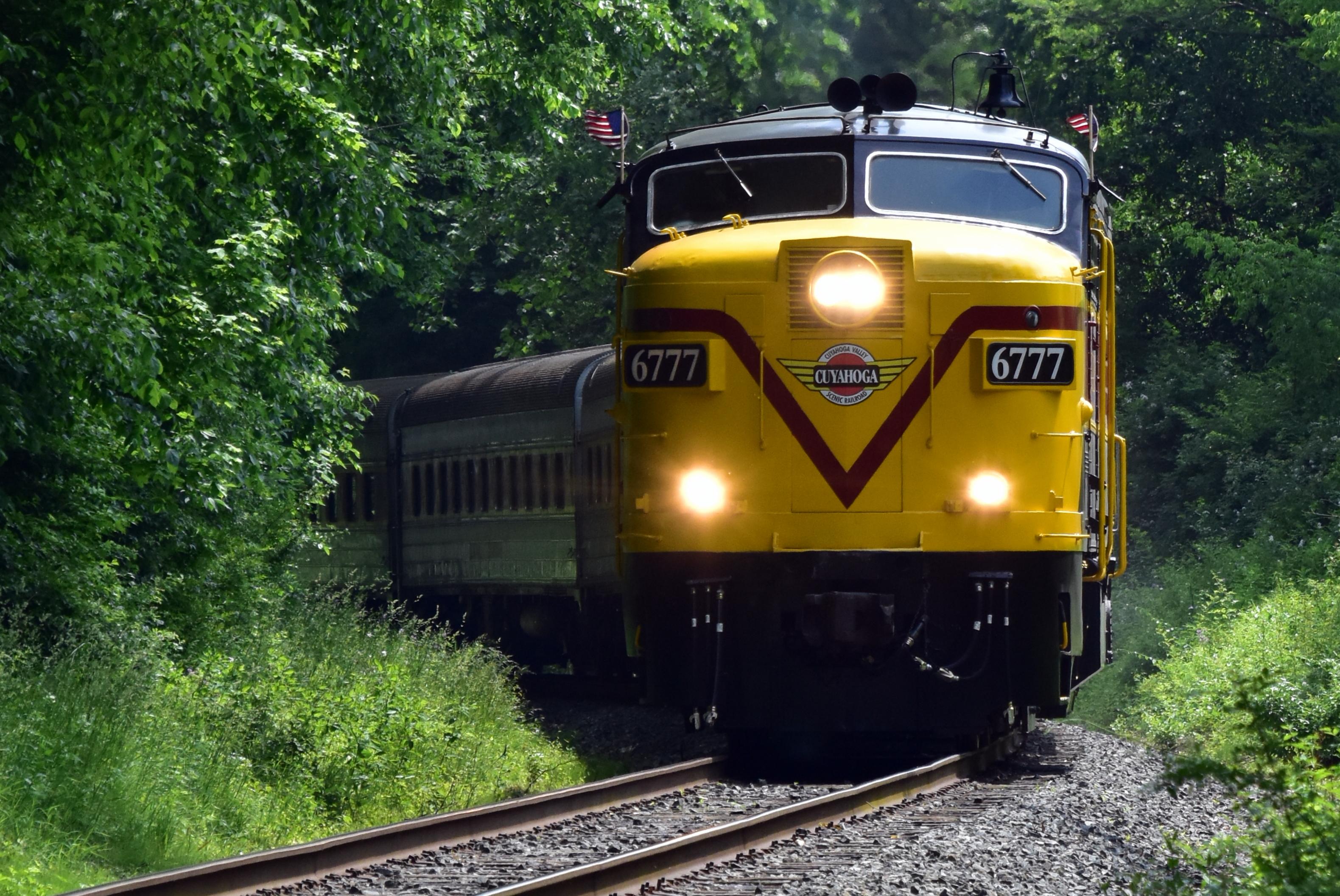
Best of Cuyahoga Valley National Park: Best Things to Do
Seeing a Cleveland Orchestra concert with the woods as your backdrop is a uniquely Cuyahoga Valley experience.
Sign in to join the conversation.
Sources & Attribution
Location data courtesy of the National Park Service (U.S. Department of the Interior). NPS data is public domain. Official NPS page.
Images: NPS; NPS; NPS; NPS; NPS.
Map data © OpenStreetMap contributors.
Park operations alerts: NPS.gov · Weather and weather hazards: National Weather Service · Live conditions.
Information may change. Always verify fees, hours, and conditions directly with the official source before visiting.
Did this guide help? Share it with a friend.