Acadia National Park reveals itself at dawn: gravel underfoot, salt and pine on the breeze, fog lifting from Cadillac Mountain's summit. Here, the Atlantic meets Mount Desert Island's granite backbone. At over 49,000 acres spanning islands, peninsulas, and mainland, it stands as the Northeast's sole national park—a landscape of contrasts where forest paths meet thunderous cliffs, ponds mirror jagged peaks, and carriage roads weave through wilderness. Its preservation story, shaped by private citizens in the early 1900s, safeguarded this Maine coastline from development. Start with the basics: a $35 vehicle pass (2026 rate) grants seven-day access. The park operates year-round, but services and roads follow seasonal schedules. As rangers advise, mastering the Island Explorer bus system and the park's fragmented layout is key to a smooth visit. This guide outlines essentials from the quieter Acadia Mountain Trailhead to the bustling Park Loop Road.
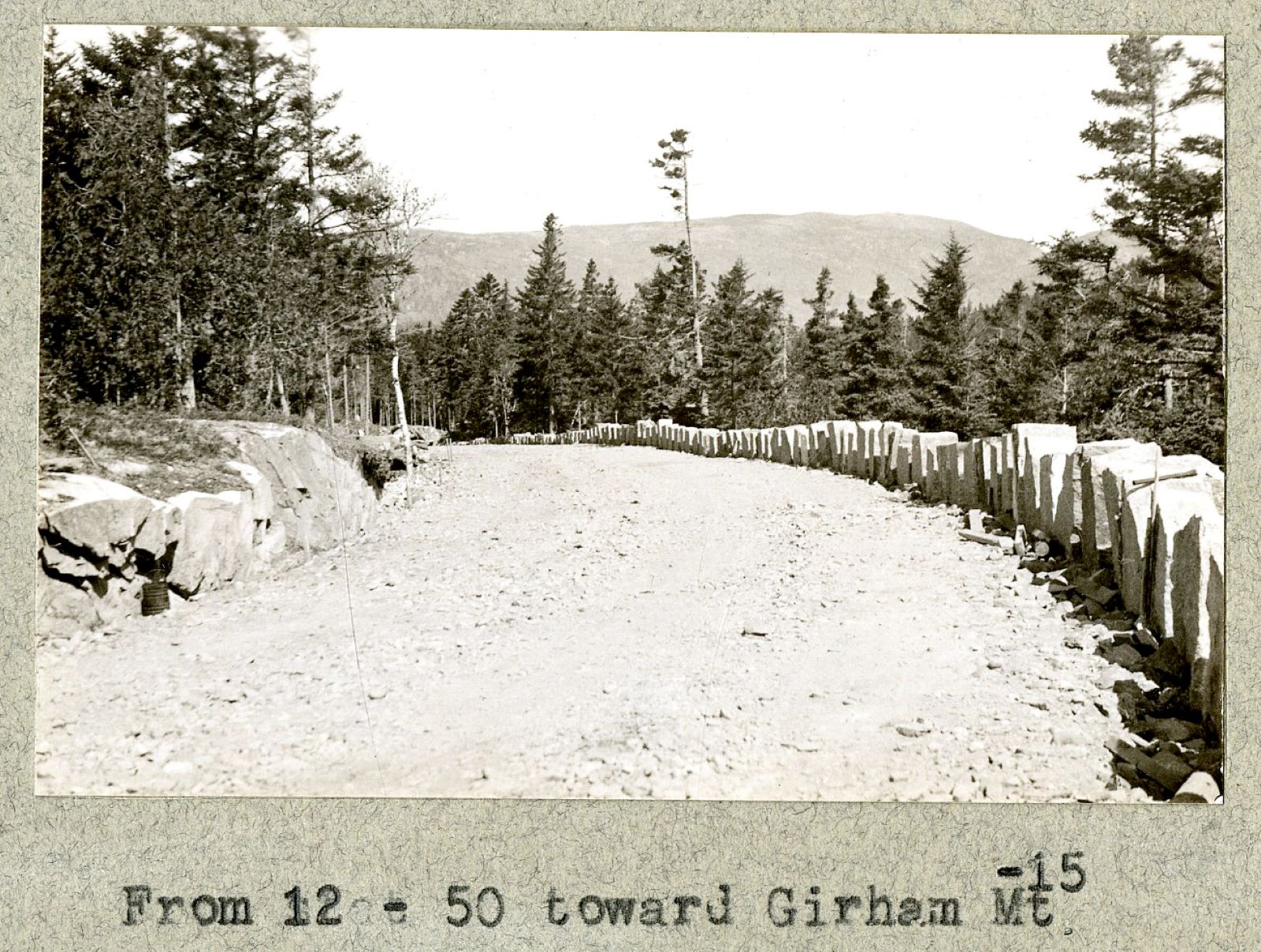
Acadia Mountain Trailhead
10 min read
Discover Acadia Mountain Trailhead: acadia mountain trailhead with our comprehensive guide. Expert tips, practical information, and insider knowledge.
Quick Information
- Entrance Fee: $35 per private vehicle (7-day pass), $20 per individual (bicycle, pedestrian), $30 per motorcycle. An annual Acadia pass is $70.
- Hours: Park is open 24/7 year-round. Hulls Cove Visitor Center typically operates from late April through October. Road closures occur in winter; Cadillac Summit Road is closed to vehicles from December 1 through mid-April.
- Best Time to Visit: Late May to early June and September to early October. These shoulder seasons offer moderate temperatures, fewer crowds, and active wildlife. July and August bring peak visitation and frequent fog.
- Location: Maine, primarily on Mount Desert Island. Nearest major towns are Bar Harbor (east side) and Southwest Harbor (west side). Primary GPS reference for the park is 44.3340° N, 68.2487° W.
- Accessibility: Several carriage road entrances and visitor centers are ADA accessible. The Ocean Path and portions of the Jordan Pond Path are relatively flat and surfaced. The Island Explorer bus fleet is fully accessible.
- Cell Service: Coverage is generally good in Bar Harbor and near major park roads. Service drops out at many trailheads, coves, and on the western side of the island. Do not rely on it for navigation.
- Restrooms: Flush toilets and water are available at visitor centers, the Jordan Pond House, and Sand Beach. Vault toilets are located at many trailheads and picnic areas, including the Acadia Mountain Trailhead.
- Parking: This is the primary constraint. Lots at popular sites like Sand Beach, Jordan Pond, and Cadillac Summit fill by 9 AM, often earlier in summer. Parking is free but limited. Using the Island Explorer bus is strongly recommended.
Getting There
Acadia occupies Maine's coastline. Most visitors arrive via Bangor International Airport (BGR), an hour's drive north, or Portland International Jetport (PWM), about three hours south. From the south, follow I-95 to Augusta, then Route 3 east through Ellsworth to Mount Desert Island. The main entrance is at Hulls Cove Visitor Center off Route 3, where maps and passes are available if not purchased online.
The Park Loop Road runs one-way for most of its route, starting just beyond the visitor center. To reach western Mount Desert Island sites like the Acadia Mountain Trailhead or Bass Harbor Head Light, take Route 102 and 102A—public two-way roads. Parking here is less chaotic than on the Loop Road, but trailhead lots remain small and fill fast. The Island Explorer bus system, free with your park entrance fee, is the most strategic way to move around the congested eastern side from late June through Columbus Day.

What to Expect
Expect a park of compartments. The eastern side, accessed by the 27-mile Park Loop Road, holds the iconic, crowd-drawing sights: Sand Beach, Thunder Hole, Otter Cliffs, and the Cadillac Mountain summit road. The air here is loud with waves and visitor chatter. The western side, often called the "quiet side," feels different. The forest is a bit thicker, the villages smaller, and the pace slower. Somes Sound, a fjard (a glacial inlet), cuts deep into the island's center, separating the two experiences.
The terrain underfoot is predominantly granite - pink and grey, polished smooth by glaciers or left rough and fractured. Trails are a mix of forest duft, granite steps, and exposed rock faces requiring careful footing. The elevation gain is worth it, but it's rarely gradual. Most trails go straight up. Weather shifts with the sea wind. A bright morning can become a cool, fog-shrouded afternoon in an hour. You'll want layers, even in August.
First-time visitors are often caught off guard by the park's popularity. This isn't a remote wilderness; it's a beloved, accessible park that sees over 3.5 million visits a year. The common mistake is trying to see everything from your car. The real Acadia begins where the pavement ends.
Top Attractions & Points of Interest
Cadillac Mountain
At 1,530 feet, it's the highest point on the North Atlantic seaboard. The summit is accessible by car, foot, or bike, but requires a timed vehicle reservation from late May through October. From this overlook you can see Bar Harbor, the Porcupine Islands, and on a clear day, the mountains of Mount Katahdin to the north. Most visitors come for the famed sunrise, but late afternoon light on the glacially-scoured granite summit is less crowded and equally dramatic. The gift shop sells water for $4 a bottle. Bring your own.
Jordan Pond
This deep, clear glacial tarn is one of the park's iconic vistas, with the rounded summits of the Bubbles framing its north end. The 3.3-mile Jordan Pond Path is a mostly level loop around the shore, part boardwalk, part rocky path. The Jordan Pond House at the north end is famous for its popovers and tea, but expect a wait. Early morning is your best bet for a parking spot and a quiet walk.
Park Loop Road
This 27-mile scenic drive is the park's main artery, winding past oceanside cliffs, mountain passes, and serene lakes. It's one-way for the ocean section from Sand Beach to Otter Point. Drive it early or late to avoid congestion. Pull-offs are frequent, but parking is not. Rangers will tell you that biking it is possible but not for the faint of heart due to narrow sections and traffic.
Bass Harbor Head Light Station
Located on the southwest tip of the island, this is the quintessential Maine lighthouse. The lighthouse itself is an active Coast Guard station, but a short, steep path leads down to the wave-pounded cliffs for the classic photo angle. Sunset here is spectacular, but the small parking lot overflows an hour beforehand. Consider the Island Explorer bus if visiting in peak season.
Sand Beach
Tucked into a small cove between granite headlands, this is the park's largest sandy beach. The water temperature rarely exceeds 55°F, even in summer. It's more for viewing than swimming for most. The Ocean Path starts here, leading south along the cliffs. The parking lot is usually full by 10 AM.
Somes Sound
Often called the only fjord on the U.S. East Coast, this deep, steep-sided inlet slices the island nearly in half. You can view it from the summit of Acadia Mountain or from pull-offs along Route 198 on the eastern shore. The water is deep and cold, favored by sailboats and seals.
Carriage Roads
This 45-mile network of gravel paths, built by John D. Rockefeller Jr., is the park's crown jewel for non-motorized travel. They are closed during spring mud season (typically March into May) to prevent damage. The rest of the year, they are perfect for biking, walking, and horseback riding. Stone gatehouses mark many entrances, like the Brown Mountain Gatehouse.
Schoodic Peninsula
This separate, mainland portion of the park, about an hour's drive from Bar Harbor, offers a raw, rocky coastline with a fraction of the crowds. The one-way Schoodic Loop Road provides dramatic views of Mount Desert Island across the water. It's worth the trip if you have an extra day and want solitude.

Activities
Hiking
Acadia has over 120 miles of hiking trails, ranging from ocean-side strolls to strenuous climbs. The Acadia Mountain Trail on the west side is a moderate 2.8-mile loop with steep granite scrambles and superb views of Somes Sound. On the east side, the Beehive Trail uses iron rungs and ladders for a thrilling, exposed ascent - not for those afraid of heights. The Precipice Trail is similar but more demanding and is often closed for peregrine falcon nesting from March through August. For a longer trek, the Cadillac South Ridge Trail is a 7-mile out-and-back that feels more remote than the summit road. Always check for trail closures before you go; several face seasonal restrictions for falcon nesting.
Biking
The historic carriage roads are the premier biking experience. They are graded gravel, passing stone bridges and through forested valleys. Rentals are available in Bar Harbor. Road biking on Park Loop Road is popular but requires caution due to vehicle traffic and narrow bridges.
Water Activities
Kayaking and canoeing are excellent ways to explore. Long Pond and Eagle Lake are popular freshwater paddling spots with public boat launches. Ocean kayaking in Frenchman Bay or around the islands is spectacular but should be undertaken with a guide or by experienced paddlers familiar with tides, weather, and cold water. Swimming is primarily at Sand Beach (cold saltwater) or Echo Lake Beach (warmer freshwater).
Wildlife Viewing
Keep an eye out for white-tailed deer, red foxes, and the occasional moose (rare on MDI). Birding is exceptional, especially during migrations. Peregrine falcons nest on the eastern cliffs. Seals are commonly seen on rocks offshore, and whales (finbacks, humpbacks) can sometimes be spotted from shore, particularly from the Schoodic Peninsula. For more focused advice, our guide to wildlife viewing details the best spots and times.
Photography & Sightseeing
The golden hour before sunset bathes the pink granite in warm light. Classic shots include Bass Harbor Light at dusk, the Bubbles reflected in Jordan Pond at dawn, and waves crashing against Otter Cliffs. The Ocean Path provides endless coastal compositions.
Winter Sports
When snow falls, the carriage roads become trails for cross-country skiing and snowshoeing. The Park Loop Road is closed to vehicles beyond the Hulls Cove entrance, making it a quiet route for winter walking. Ice fishing is popular on frozen ponds. Services are extremely limited.
Seasonal Guide
April - May (Spring): Mud season. Many carriage roads and some trails are closed to prevent erosion. Temperatures range from 30s to 60s. Deciduous trees are bare, but crowds are minimal. The Blackwoods Campground opens in May.
June - August (Summer): Peak season. Days are warm (70s-80s), nights cool. Dense fog is common, especially in July. All facilities are open, including the Island Explorer bus. Parking lots fill by mid-morning. Reservations are essential for camping, Cadillac Summit Road, and some tours.
September - October (Fall): Arguably the best time to visit. Crowds diminish after Labor Day. Foliage peaks in early to mid-October, with brilliant reds and oranges. Temperatures are crisp, perfect for hiking. The Island Explorer service ends around Columbus Day.
November - March (Winter): Quiet and starkly beautiful. Snow and ice are common. The Park Loop Road is closed at Sand Beach. Only the Ocean Drive section and Hulls Cove entrance remain plowed. Cadillac Summit Road is closed to vehicles. Blackwoods Campground is open for winter camping (no water). Prepare for cold, wind, and limited services.

Practical Information
The park entrance fee is your primary cost. For extended stays, consider the $70 annual Acadia pass or the $80 America the Beautiful Interagency Pass, which covers entrance fees at all national parks.
Camping: The park operates two campgrounds on Mount Desert Island. Blackwoods (east side) has over 300 sites, is open year-round, and is largely reservable. Seawall (west side) has over 200 sites, is open late May through September, and is mostly first-come, first-served. Fees start at $22-$30 per night as of 2026. For a full breakdown of camping options, including the remote Duck Harbor Campground on Isle au Haut, see our dedicated guide.
Lodging: There are no hotels or lodges within the park boundaries. Bar Harbor offers a wide range of lodging and accommodations, from inns to chain hotels. Southwest Harbor and Northeast Harbor on the quiet side have smaller, often quieter B&Bs and motels.
Dining & Supplies: The Jordan Pond House is the only full-service restaurant within the park. Bar Harbor has countless restaurants, grocery stores, and gear shops. On the west side, Southwest Harbor has basic groceries and a few eateries. Gas is available in Bar Harbor, Southwest Harbor, and Northeast Harbor.
Tours: Numerous companies offer tours and guided experiences, including boat cruises, kayak tours, horse-drawn carriage rides, and bus tours. Ranger-led programs are free and highly recommended; schedules are posted at visitor centers.
Safety & Preparation
Weather: This is your primary concern. Conditions change rapidly. Hypothermia is a risk even in summer due to wind, rain, and cold water. Dress in layers and carry a rain shell.
Trails: Acadia's trails are rugged. Granite can be extremely slippery when wet or covered in pine needles. Wear sturdy footwear with good traction. Many trails involve scrambling over open rock; know your limits.
Ocean & Tides: Never turn your back on the ocean. "Sneaker waves" can sweep over seemingly safe rocks. Tidepooling is popular at places like Wonderland Trail; consult a tide chart and go at low tide.
Wildlife: Maintain a safe distance from all wildlife. Do not feed animals. Deer ticks are present and can carry Lyme disease; use repellent and check for ticks after hiking.
Driving: Watch for pedestrians, cyclists, and wildlife on park roads. Obey one-way signs on Park Loop Road. Do not stop in travel lanes.
Emergency: In an emergency, call 911. Cell service is not reliable in many areas. Know your location (trail name, nearest road). Ranger stations are located at Hulls Cove Visitor Center and park headquarters in Bar Harbor.

Insider Tips
- The Island Explorer is Your Best Friend. Use it. Park at the Thompson Island or Bar Harbor Village Green lots and ride for free. It eliminates the parking headache and connects all major points.
- For Sunrise Without the Reservation. Vehicle reservations are required for Cadillac Summit Road for sunrise. Alternatively, hike
For more information, see our complete Acadia National Park Guide.
Sources
- Official source: NPS — Acadia National Park nps.gov/acad/index.htm
- Official source: National Park Service nps.gov/places/acadia-national-park.htm
Photo Gallery
More to Explore
Acadia National Park: Carriage Roads, Cadillac Mountain & 2026 Guide
Discover carriage roads, Cadillac Mountain, and rugged Maine coast. Complete 2026 guide to Acadia National Park — trails, fees, lodging, permits, and what rangers recommend.
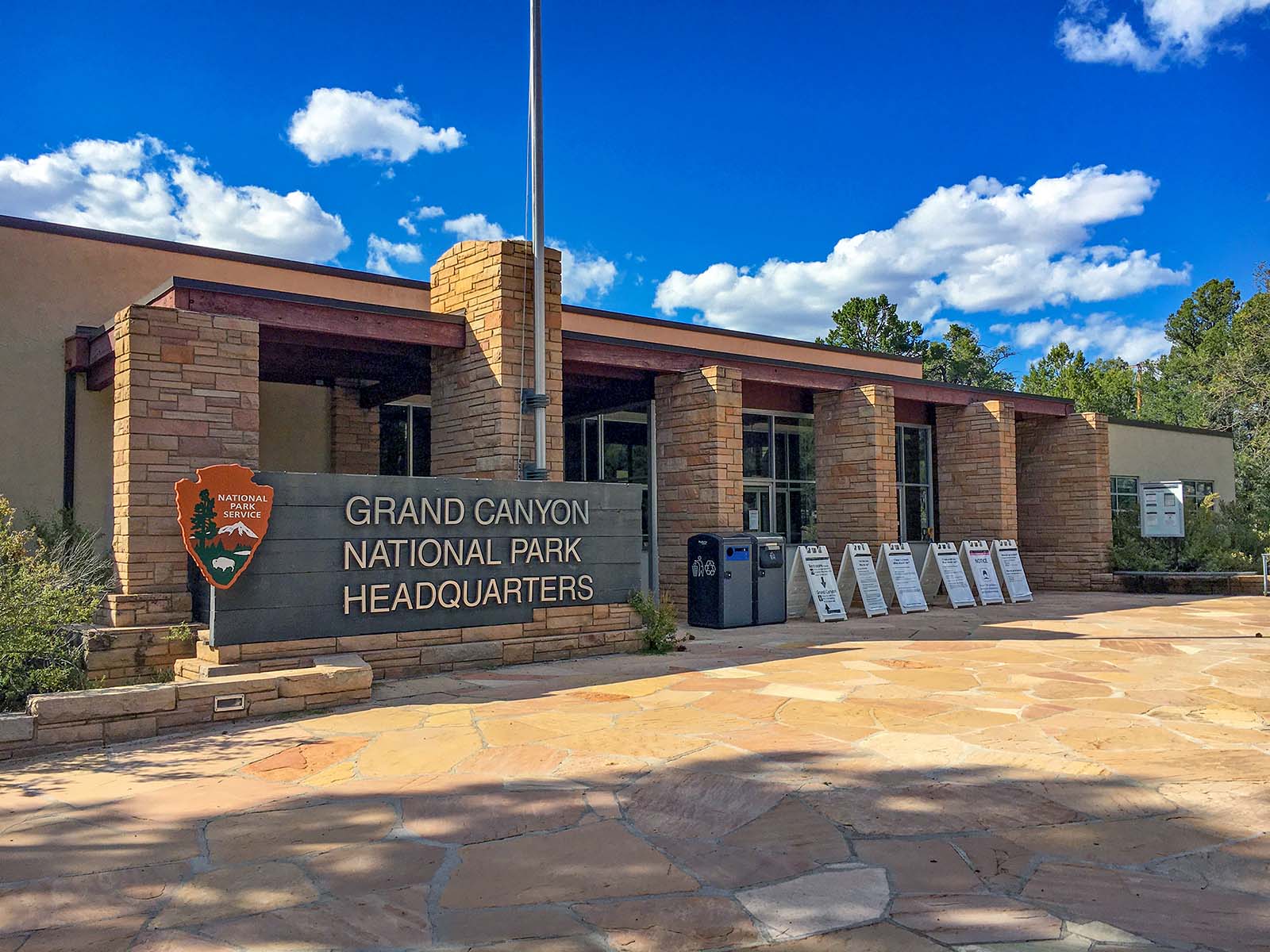
Grand Canyon Hiking Trails: Day Hikes, Water Sources & Rim to Rim
Compare Grand Canyon hiking trails: Bright Angel, South Kaibab, Hermit, Grandview, and rim to rim, with distances, elevation, water stops, and trailhead access for each.
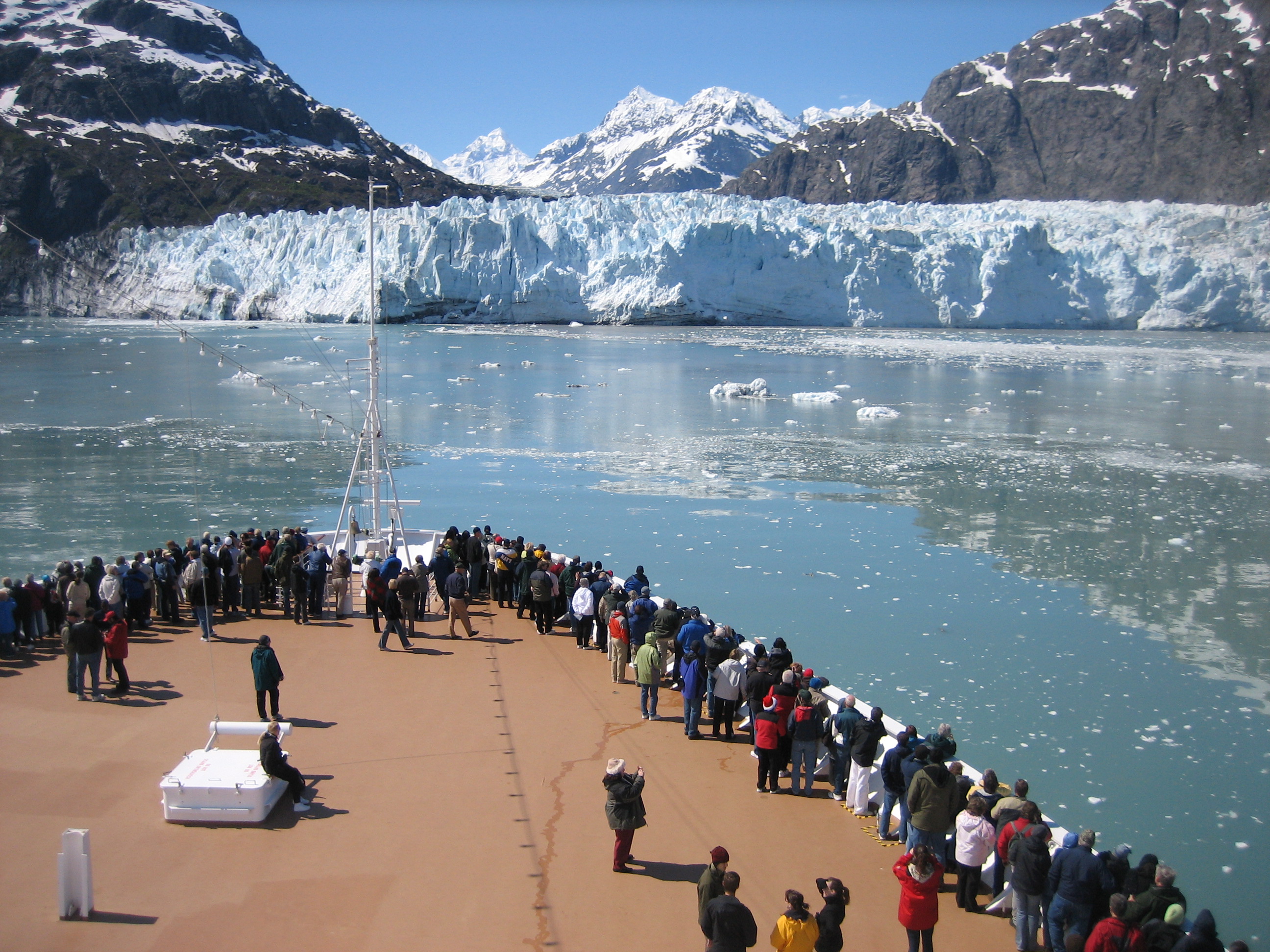
Best of Glacier Bay National Park
The best of Glacier Bay is reached by boat: ranger-led day tours up the bay to the tidewater glaciers. What's worth it, how to book, and when to go (2026).
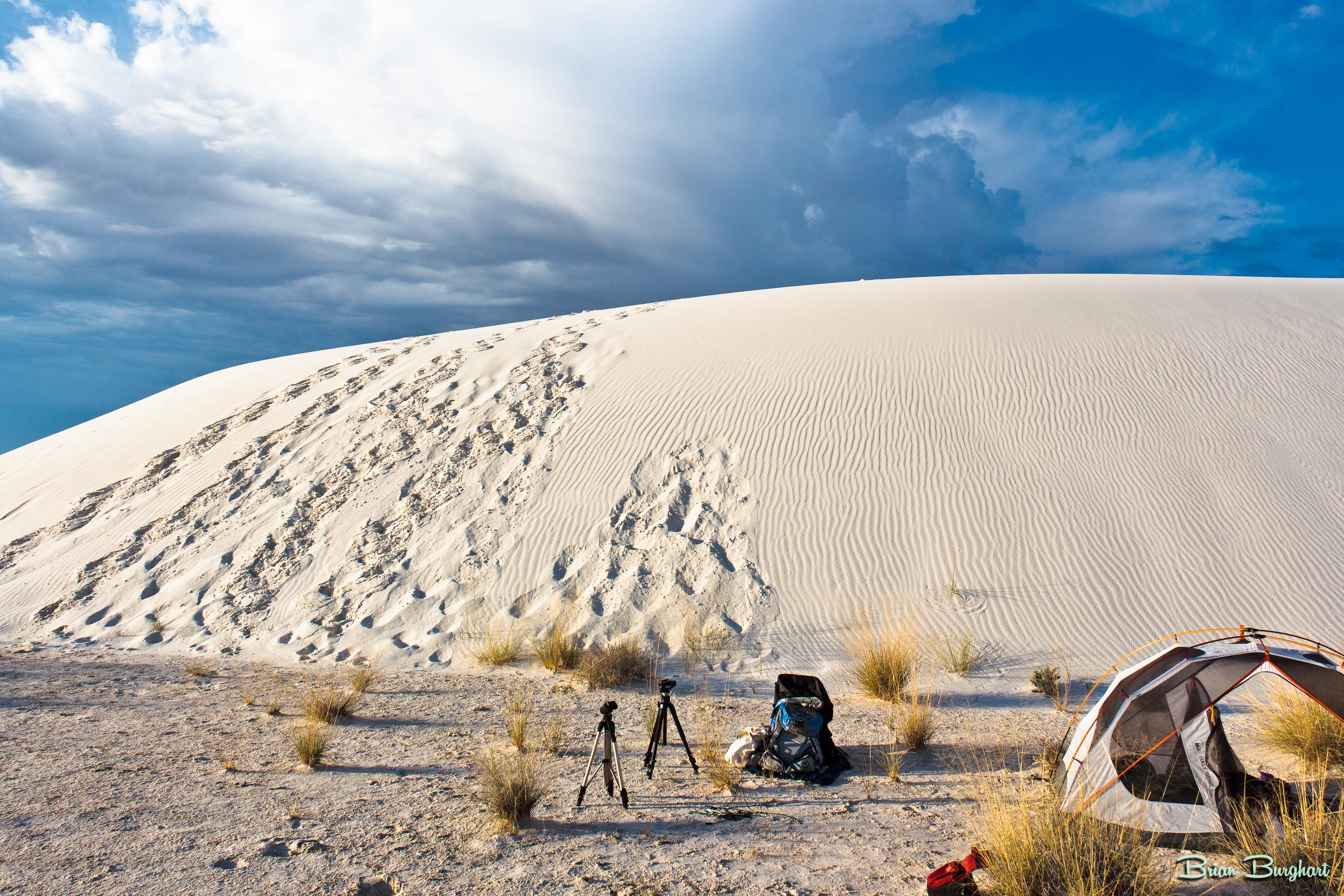
White Sands Backcountry Camping: Closed for 2026 — What to Know
As of 2026, backcountry camping at White Sands National Park is closed for site rehabilitation. What that means, and where to camp nearby instead.
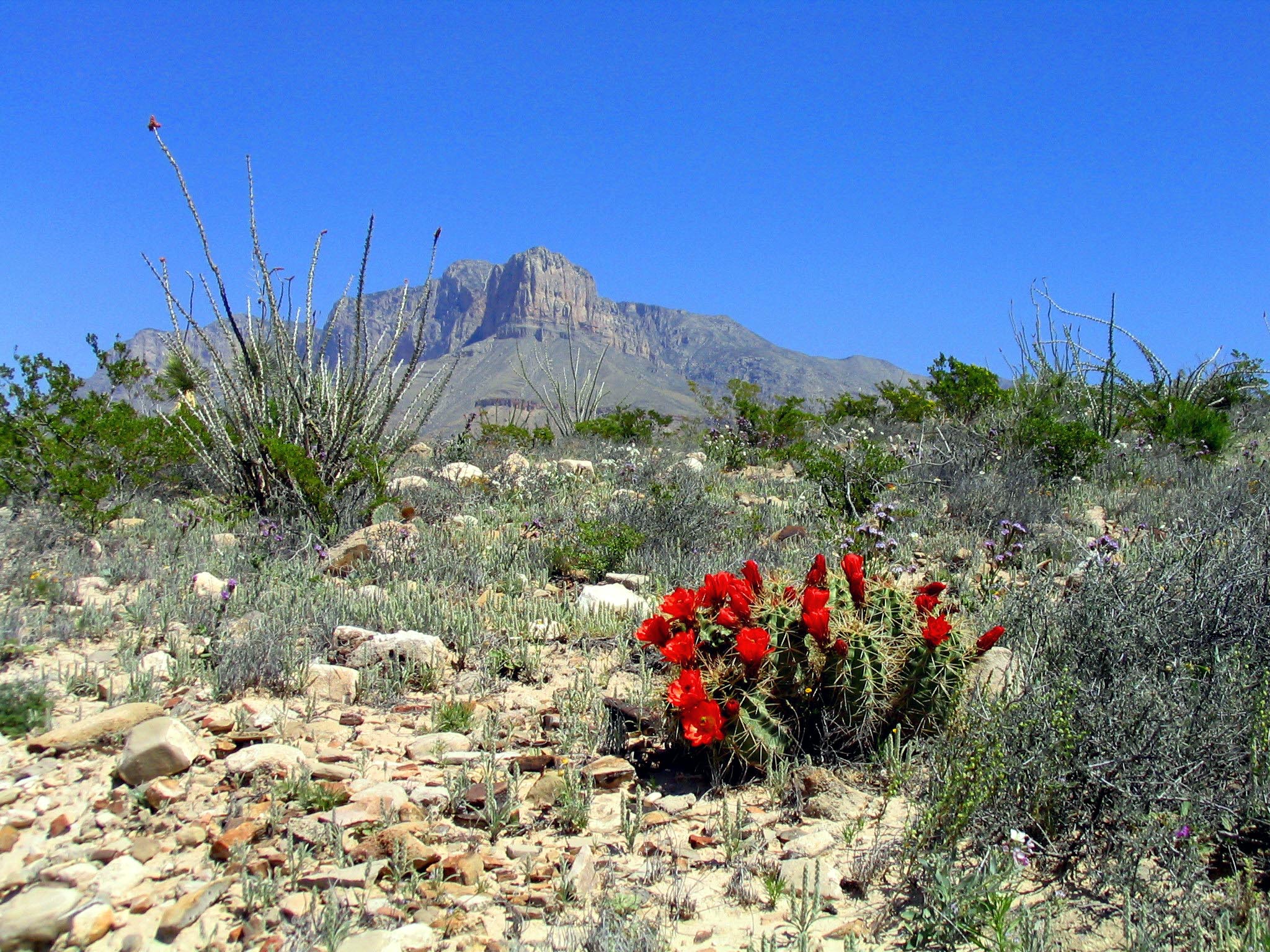
Guadalupe Mountains National Park Weather: Weather
Guadalupe Mountains National Park: weather guide guide updated 2026. Practical visitor information, reservations, and seasonal tips worth bookmarking before
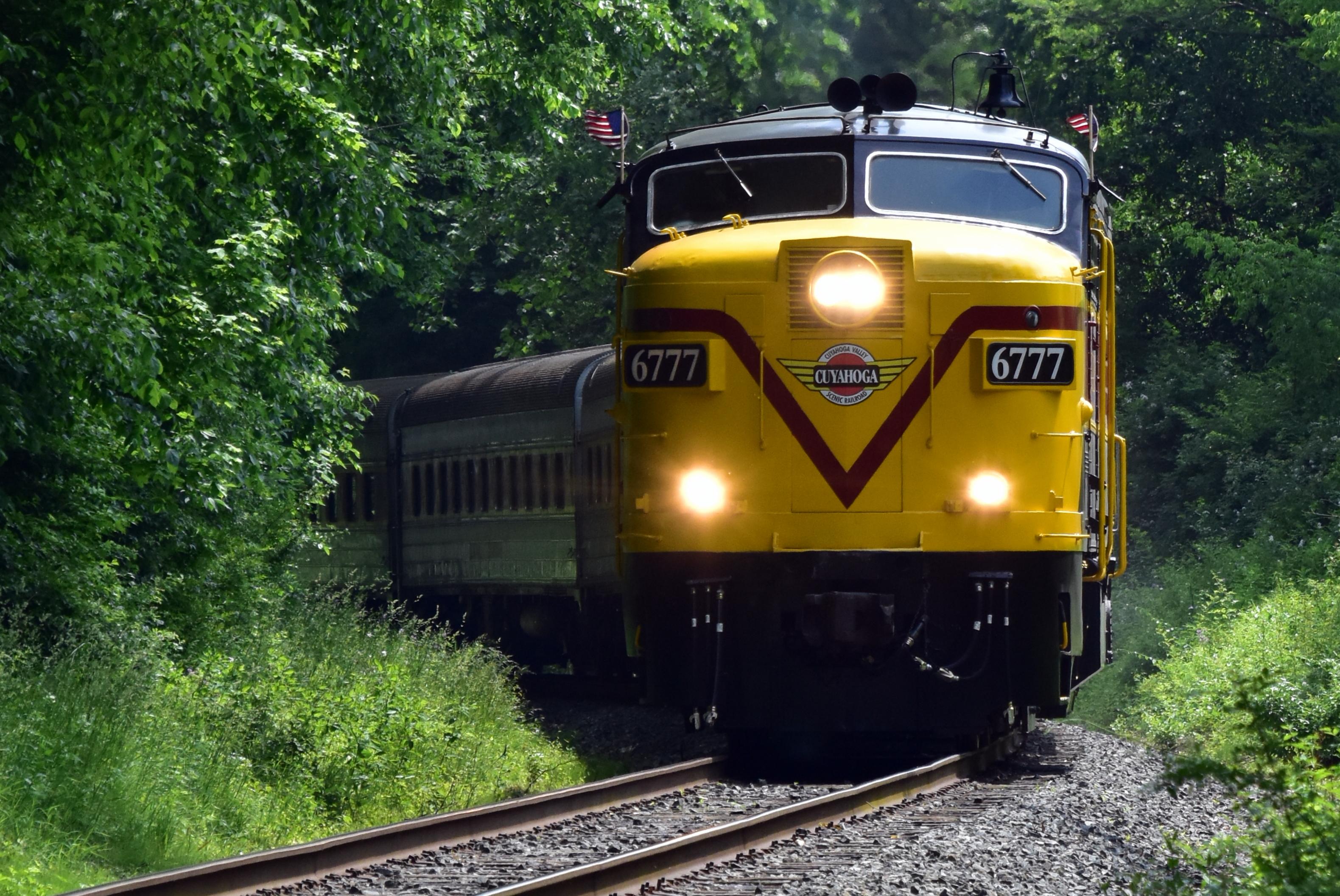
Best of Cuyahoga Valley National Park: Best Things to Do
Seeing a Cleveland Orchestra concert with the woods as your backdrop is a uniquely Cuyahoga Valley experience.
Sign in to join the conversation.
Sources & Attribution
Location data courtesy of the National Park Service (U.S. Department of the Interior). NPS data is public domain. Official NPS page.
Images: NPS; NPS; NPS; NPS; NPS.
Map data © OpenStreetMap contributors.
Park operations alerts: NPS.gov · Weather and weather hazards: National Weather Service · Live conditions.
Information may change. Always verify fees, hours, and conditions directly with the official source before visiting.
Did this guide help? Share it with a friend.