Most visitors arrive at Acadia National Park expecting the tame coastal walk of a seaside preserve. Then they hit their first granite slab angled at 40 degrees with a 200-foot drop to the side. That's the moment they realize why footwear matters here more than at most national parks. The right pair of acadia hiking boots can separate a day of comfortable ridge walking from a miserable slip-and-slide on polished stone.
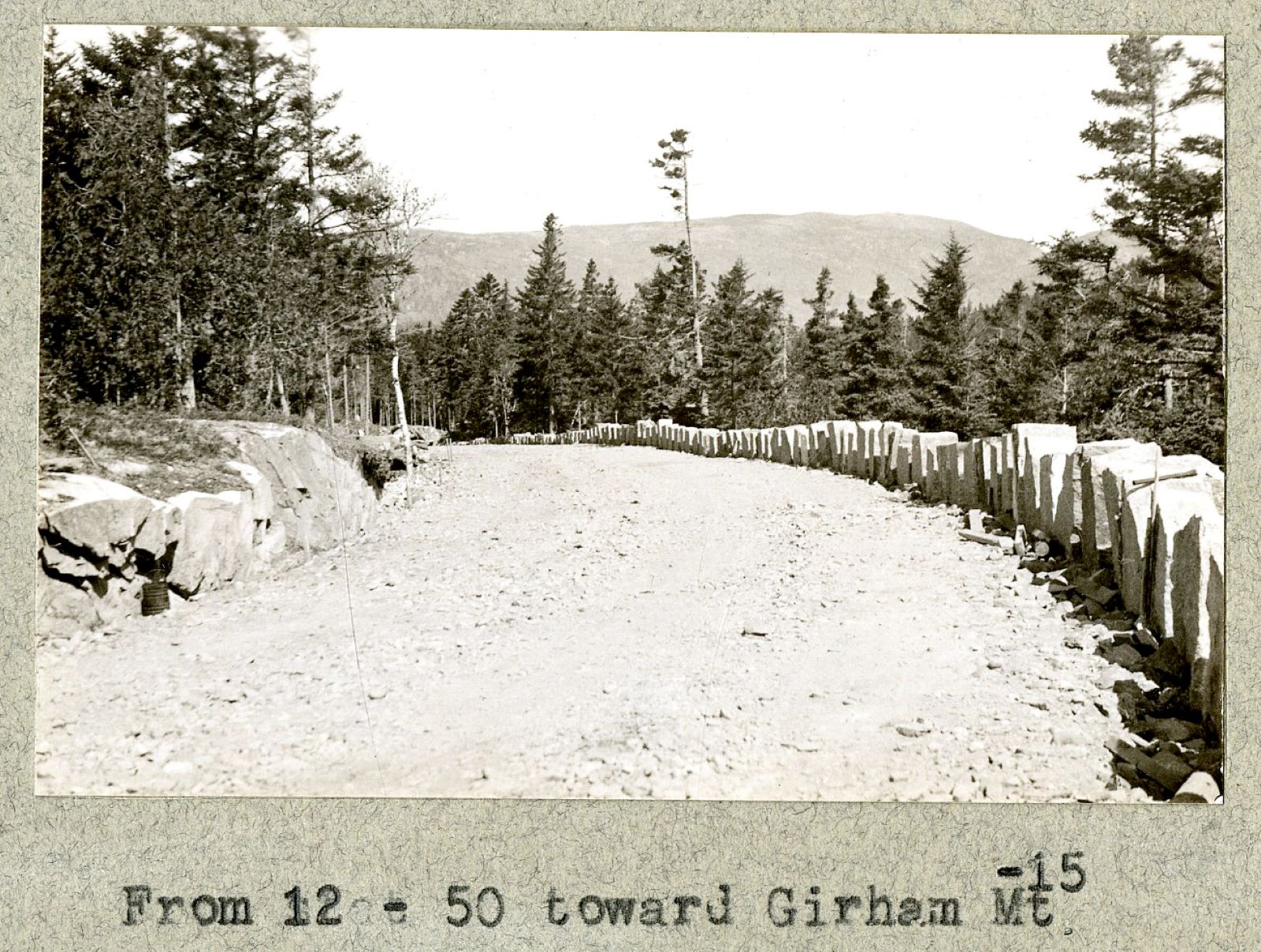
NPS via NPS.gov (Public Domain)
Acadia National Park Gear Guide: Hiking Boots
8 min read
Gear Guide
Acadia's granite slabs get slick in fog, making traction and ankle support essential. Discover the best hiking boots for the Beehive, Precipice, and more (2026).
Acadia's terrain is deceptive. The Park Loop Road makes everything look accessible from a car window. But step onto any trail that heads upward - the Beehive, Precipice, Gorham Mountain - and you're immediately on exposed granite with iron rungs, steep pitch, and loose gravel. This isn't a place for casual sneakers or fashion boots. You need actual traction and ankle support.
Why Acadia's Terrain Demands Serious Footwear
The Granite Problem
Mount Desert Island is essentially a giant block of granite that glaciers scraped clean. The result: miles of exposed rock with minimal soil or vegetation to soften the surface. When that granite is dry, it offers decent grip. When damp with morning fog or sea spray, it becomes slippery enough to send a hiker sliding in seconds.
The research data lists 87 activities and trails across the park. Of those, dozens involve steep ascents over bare rock. The Gorge Path climbs through a narrow rocky gorge with steep cliff walls. The Beech Cliff Trail climbs a steep rock face above Echo Lake. The Bubbles Nubble Loop traverses steep granite sections between summits. Every one of these demands footwear with sticky rubber soles and rigid enough construction to edge on small footholds.
Rangers will tell you that ankle injuries are the most common park rescue call. The combination of uneven granite surfaces, the step-height variation between rocks, and the tendency to look at views instead of footing creates frequent rolling injuries. A boot with good ankle support doesn't prevent every fall, but it dramatically reduces the odds of a turned ankle ending your trip by noon.
Elevation Gain Disguised as Coastal Hiking
Acadia's mountains aren't tall by western standards. Cadillac Mountain peaks at 1,530 feet. But those 1,530 feet are condensed into short, steep trails that gain elevation faster than most visitors expect. The Acadia Mountain Loop, at just 681 feet tall, still packs enough steep climbing to make your quads and calves burn by the descent.
The weight of your footwear matters here. Heavy leather expedition boots are overkill. You want something stiff enough to edge on granite but light enough that you're not dragging dead weight up every pitch. A mid-height boot in the 2-3 pound range per pair is the sweet spot for most hiking acadia national park trails.

Trails That Test Your Boot Choice
The Beehive Trail
The acadia national park beehive trail is the park's most famous steep climb. It's a 1.4-mile loop with exposed ledges, iron rungs embedded in the rock face, and sections where both hands are needed for climbing. The trail gains 450 feet in under half a mile. Loose granite grit coats every iron rung.
Footwear for this trail needs aggressive tread - not the shallow lugs of a hiking shoe but the deep, widely spaced pattern of a real boot. You'll be standing on 2-inch-wide iron rungs with wet rock below. Smooth Vibram soles that are fine on dirt trails will have you skidding here. Many visitors who attempt the Beehive in trail runners end up turning back at the first exposed ladder section.
The Precipice Trail
The acadia precipice trail is even more aggressive than the Beehive. It's not beginner terrain. Closed during peregrine falcon nesting season from March through at least mid-summer per the current park alerts, this trail features sheer cliff faces, narrow ledges, and iron rung ladders bolted directly into the granite wall.
Footwear for the Precipice needs to edge on rock holds barely wider than your thumb. The research data notes that several trails close for peregrine falcon nesting starting March 1, including the Precipice Trail, Jordan Cliffs Trail, Penobscot East Trail, and Valley Cove Trail. Rangers strictly enforce these closures. If you're planning on hiking the Precipice, check the park website for nesting status before you pack your boots.
Cadillac Mountain Options
The research data highlights multiple routes up Cadillac. The South Ridge Trail is a longer, more scenic option - an out and back that ascends through forest to a unique meadow-like area before hitting the summit. By contrast, the Gorge Path/Cadillac Mountain North Ridge Loop follows Kebo Brook through a narrow gorge with steep cliff walls and small cascades.
Both routes involve sustained granite walking. The South Ridge has more dirt and duff underfoot, making it slightly more forgiving on the knees. The Gorge Path has more rock scrambling and requires better edging performance from your boots. Either way, pack extra water for this stretch - the summit is exposed and dry, and the hike back down can feel longer than the ascent.

Beyond Footwear: What Else You Need
The Boots You Actually Want
Let's be specific about what works here. You need:
- Sole compound: A sticky rubber formulation - Vibram Megagrip, Contagrip, or equivalent. Hard plastic-like soles popular on approach shoes aren't ideal; you want rubber that grips damp granite.
- Tread depth: Lugs at least 4mm deep. Shallow tread fills with granite grit and loses traction on smooth rock.
- Ankle height: Mid-cut at minimum. Low hiking shoes put you at risk on the steep descents where ankle rolling is most common.
- Toe protection: A reinforced toe rand. You will kick rocks on these trails. It's not a matter of if, but when.
- Waterproof membrane: Gore-Tex or similar. Acadia gets fog and drizzle even on "sunny" days. The research data notes trails are best in all seasons, and spring brings significant moisture. Wet feet cause blisters and cold discomfort by mile three.
If you're buying one pair specifically for this park, look at the mid-height offerings from brands like Asolo, La Sportiva, or Salomon. These companies design for the European alpine where granite and steep pitches are the norm. That translates directly to Acadia's conditions.
The Park Loop Road and Access
The research data mentions a current alert: the Park Loop Road will have a section closed from Kebo Street to Sieur de Monts from April 13 to June 12, 2026, excluding Memorial Day Weekend. A detour redirects traffic onto Mount Desert Street and Main Street following Route 3 to re-enter at Sieur de Monts.
If you're staying at one of the acadia national park hotels nearby (there are many in Bar Harbor, which sits right outside the park entrance), this detour adds about 10 minutes to your drive to the eastern side of the island. Plan accordingly if you're heading to the Beehive or Sand Beach for an early start.
The Island Explorer Bus System
The research data repeatedly mentions the Island Explorer Bus as a transportation option. Multiple hikes - including the Jordan Pond Loop, Ocean Path Trail, Great Head, and the Sieur de Monts to Sand Beach Trek - specifically recommend using the bus system. It eliminates the parking headache that dominates most visitors' complaints.
The parking situation here is genuinely difficult. Lots at Sand Beach, the Beehive trailhead, and Jordan Pond fill by 7:30 AM in July and August. The Island Explorer Bus runs routes connecting the key trailheads, the Hulls Cove Visitor Center, and Bar Harbor. If you're wearing acadia hiking boots and carrying a daypack, the bus is straightforward - just step on and go. The service is free and runs frequently during peak season.

When to Visit and What Changes
Seasonal Considerations
The research data lists activities as best in Winter, Spring, Summer, Fall - all four seasons, depending on the trail. But the experience changes dramatically.
Summer (June-August) brings crowds, warm temperatures (60s to low 80s), and full bus service. The parking lots fill earliest. You'll want lighter boots for summer since waterproofing is less critical and you'll be walking more miles.
Fall (September-October) offers cooler temperatures and fewer people after Labor Day. The trails can be damp with leaf litter covering granite - a dangerous combination. Your boots' tread matters more in fall because wet leaves on rock create zero traction.
Spring (April-May) brings mud, lingering snow on north-facing slopes, and the peregrine closures. Trails like the Precipice won't be open. But the crowds are thin, and the park feels raw and quiet.
Winter (November-March) sees many trails icy. Microspikes or crampons become necessary for any summit attempt. The park is open but services are limited. The Schoodic Woods Campground and other facilities have reduced hours or close entirely.
The Campsite Situation
The research data lists four official campgrounds: Blackwoods Campground (east side, popular, fills early), Seawall Campground (west side, quieter), Schoodic Woods Campground (89 sites, located on the Schoodic Peninsula), and Duck Harbor Campground (5 sites with lean-tos, located on Isle au Haut, accessible by ferry).
If you're camping, book months ahead. Blackwoods and Seawall fill for the entire season within hours of the reservation window opening. The Schoodic Woods campground is newer and slightly easier to reserve, but it's a 45-minute drive from the main Mount Desert Island trails.

Practical Takeaways
- Buy your boots in advance and break them in. A new pair of hiking boots on the Beehive's iron rungs is a recipe for blisters. Walk 20-30 miles in them before you arrive.
- Choose mid-height boots with sticky rubber soles. Skip the heavy leather backpacking boots and the low trail runners. Acadia's granite requires the middle option.
- The Park Loop Road detour runs April 13-June 12, 2026. If visiting during that window, add 10 minutes to your drive time to eastern trailheads.
- Check the peregrine falcon closure status before hiking. The Precipice Trail, Jordan Cliffs Trail, Penobscot East Trail, and Valley Cove Trail may be closed through summer. The research data confirms these closures start March 1.
- Use the Island Explorer Bus. It solves the parking problem and connects directly to most major trailheads. No reservations needed, free to ride.
- Pack extra water for Cadillac Mountain trails. The summit is exposed and dry. The South Ridge Trail alone takes 2-4 hours, and there's no water source on the upper mountain.
- The easiest way to plan your trip is to start with a complete visitor guide that covers trail maps, campground reservations, and bus routes - the park's official website links everything together.
- Cell service drops out at many points along the Park Loop Road and on the west side of the island near Seawall. Download maps and shuttle schedules before you arrive.
Final Thoughts
Acadia looks gentle from the car. From the trail, it's a different place - all steep climbs, polished granite, and views that extend across Frenchman Bay to the Schoodic Peninsula. The people who enjoy it most are the ones who prepared for the terrain rather than the postcard version.
Your boots are the single most important piece of gear you'll bring. Not your rain jacket, not your backpack, not your camera. Good boots with sticky soles and ankle support will let you hike the Beehive's iron rungs, scramble up Gorham Mountain, and descend the Gorge Path without hesitation. Bad boots will have you sitting on a rock watching other people summit while you nurse a rolled ankle and wonder why that seemed like a good idea.
The park service recommends checking current conditions on the official website before your trip. Trail status changes with weather and nesting seasons, and the 2026 season brings the Park Loop Road detour that will catch unprepared drivers off guard. Know before you go - and lace up properly before you hit the trail.
For more information, see our complete Acadia National Park Guide.
Related: hiking acadia national park guide
Sources
- Official source: NPS — Acadia National Park nps.gov/acad/index.htm
- Official source: National Park Service nps.gov/places/acadia-national-park.htm
Photo Gallery
More to Explore
Park Guide
Acadia National Park: Carriage Roads, Cadillac Mountain & 2026 Guide
Discover carriage roads, Cadillac Mountain, and rugged Maine coast. Complete 2026 guide to Acadia National Park — trails, fees, lodging, permits, and what rangers recommend.
Hiking Guide
Grand Canyon Hiking Trails: Day Hikes, Water Sources & Rim to Rim
Compare Grand Canyon hiking trails: Bright Angel, South Kaibab, Hermit, Grandview, and rim to rim, with distances, elevation, water stops, and trailhead access for each.
Best Of
Best of Glacier Bay National Park
The best of Glacier Bay is reached by boat: ranger-led day tours up the bay to the tidewater glaciers. What's worth it, how to book, and when to go (2026).
Campsite Guide
White Sands Backcountry Camping: Closed for 2026 — What to Know
As of 2026, backcountry camping at White Sands National Park is closed for site rehabilitation. What that means, and where to camp nearby instead.
Weather Guide
Guadalupe Mountains National Park Weather: Weather
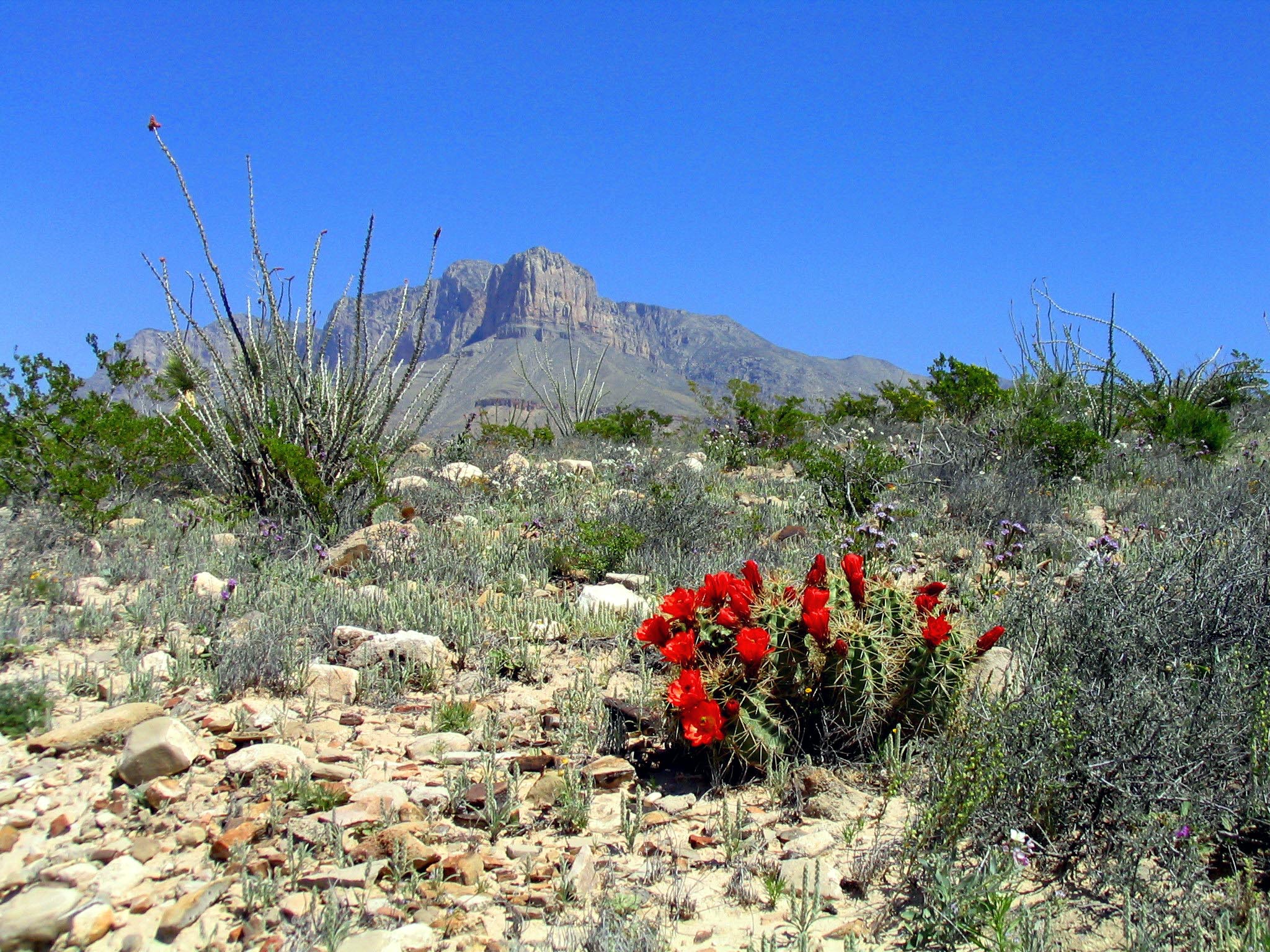
Guadalupe Mountains National Park: weather guide guide updated 2026. Practical visitor information, reservations, and seasonal tips worth bookmarking before

Best Of
Best of Cuyahoga Valley National Park: Best Things to Do
Seeing a Cleveland Orchestra concert with the woods as your backdrop is a uniquely Cuyahoga Valley experience.
Sign in to join the conversation.
Sources & Attribution
Location data courtesy of the National Park Service (U.S. Department of the Interior). NPS data is public domain. Official NPS page.
Images: NPS; NPS; NPS; NPS; NPS.
Map data © OpenStreetMap contributors.
Park operations alerts: NPS.gov · Weather and weather hazards: National Weather Service · Live conditions.
Information may change. Always verify fees, hours, and conditions directly with the official source before visiting.
Did this guide help? Share it with a friend.