With over four million annual visitors, Acadia requires strategic navigation. The Acadia Gateway Center, located off Route 3 in Trenton, Maine, serves as the park service's primary solution to summer congestion. This facility functions not as a traditional visitor center but as a practical launch point for the Island Explorer bus system, offering free propane-powered transit to key locations across Mount Desert Island and the Schoodic Peninsula.
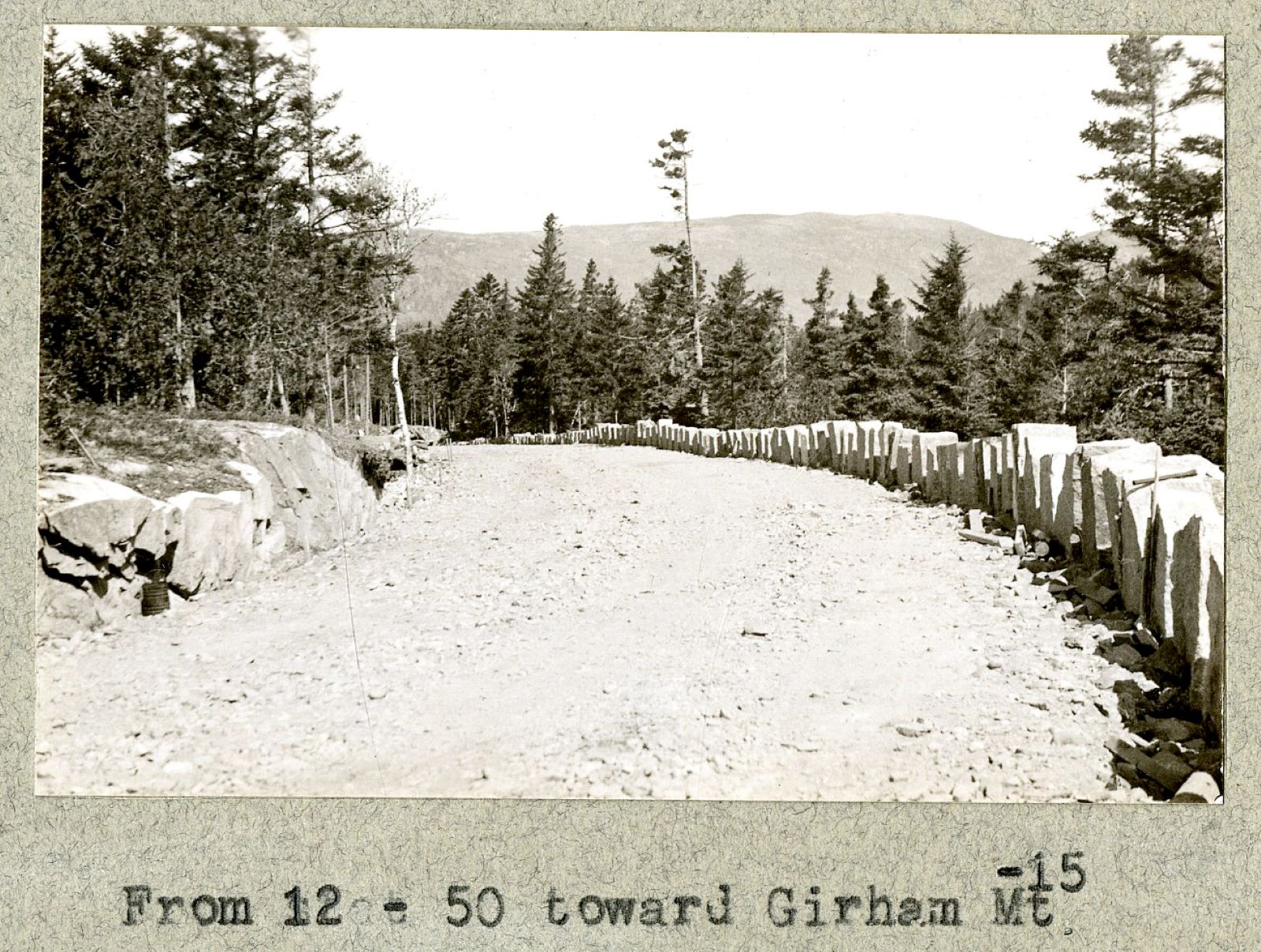
NPS via NPS.gov (Public Domain)
Acadia Gateway Center
10 min read
Places & Points of Interest
Discover Acadia Gateway Center: acadia gateway center with our comprehensive guide. Expert tips, practical information, and insider knowledge.
Your plans
The Acadia Gateway Center marks a significant change in park visitation management. As any ranger will confirm, trailhead parking at Jordan Pond or Sand Beach typically fills by 9 AM during summer. The center's large, free parking lot provides a reliable alternative. Park your vehicle, board a bus, and avoid Park Loop Road congestion completely. For visits between late June and early October, mastering this system proves essential for effective trip planning.
Quick Information
* Park Entrance Fee: $35 per private vehicle, $20 per individual (motorcycle, bicycle, pedestrian). The pass is valid for 7 days. An annual Acadia pass is $70.
* Gateway Center Hours: The parking lot is accessible 24/7. Island Explorer bus service typically runs from late June through early October; check the official schedule for exact seasonal dates and times.
* Best Time to Visit: Late September to early October for fall foliage and fewer crowds. July and August offer the warmest weather but the highest visitation.
* Location: Trenton, Maine. Approximately 10 miles north of the Hulls Cove Visitor Center on Mount Desert Island.
* Accessibility: The Acadia Gateway Center facility and buses are ADA-accessible. The Island Explorer fleet includes buses with wheelchair lifts.
* Cell Service: Generally good coverage at the center and in developed areas of the park. Service drops out at many trailheads and along coastal stretches.
* Restrooms: Available at the Acadia Gateway Center terminal building.
* Parking: Large, free, paved parking lot. It is designed as a park-and-ride facility, not for long-term storage while you stay in Bar Harbor.
Getting There
The Acadia Gateway Center is strategically placed before the main causeway onto Mount Desert Island. If you're driving from the north via Bangor International Airport (about an hour's drive), you'll take I-395 to Route 1A, then head south on Route 3. The center will be on your right, clearly signed, just before the Mount Desert Island bridge. From Portland to the southwest, the drive is roughly 3 hours via I-95 and Route 3.
The parking situation here is straightforward because it's the whole point. Drive in, find a spot in the expansive lot, and lock your car. Your vehicle stays here for the day. From the terminal, you can catch the Island Explorer bus that corresponds to your destination - different route colors service Bar Harbor, the Park Loop Road, and the Schoodic Peninsula. The ride to the Hulls Cove Visitor Center takes about 20 minutes. This system saves you the stress of hunting for a parking spot that likely doesn't exist.

What to Expect
Glacial activity shaped Acadia's diverse landscapes. The park features the Atlantic coast's highest rocky headlands, dense spruce-fir forests, tranquil ponds, and granite mountains emerging from the sea. Ocean salt mixes with pine and balsam fir scents on the air, while sounds range from Thunder Hole's crashing waves to forest path quiet, broken by raven calls and red squirrel chatter.
Most first-time visitors are caught off guard by the park's fragmented geography. Acadia encompasses portions of Mount Desert Island, the Schoodic Peninsula, and several smaller islands. The core experience for most is the 27-mile Park Loop Road on Mount Desert Island, which connects Sand Beach, Thunder Hole, Otter Point, and Jordan Pond. The terrain ranges from paved, wheelchair-accessible paths like the Ocean Path to strenuous, iron-rung climbs up the Precipice Trail (which is often closed for peregrine falcon nesting until August). The common mistake - and almost everyone makes it - is trying to see too much in one day and underestimating travel time between points, especially in summer traffic.
Top Attractions & Points of Interest
Cadillac Mountain
This is the highest point on the North Atlantic seaboard at 1,530 feet. The summit is accessible by a paved road, but as of 2026, the Cadillac Summit Road is closed for construction from Park Loop Road to just before the summit lot. This closure includes pedestrians and cyclists. Always check the NPS website for the latest status, as this is a major project. When open, sunrise reservations (required from mid-May to mid-October) are fiercely competitive. The view, when you get it, stretches across Frenchman Bay to the Porcupine Islands.
Park Loop Road
This 27-mile one-way scenic drive is the park's arterial route. It winds past forests, lakes, mountains, and the dramatic coastline. You can drive it yourself, but between 9 AM and 5 PM in summer, expect slow-moving traffic and full parking lots at every pullout. A better strategy is to use the Island Explorer's Loop Road line, which stops at all major sights. From this road you can access Sand Beach, Thunder Hole, Otter Cliffs, and the trailhead for the Beehive.
Jordan Pond
One of the park's most iconic locations, Jordan Pond sits at the base of the Bubbles mountains. The Jordan Pond Path is a mostly level 3.3-mile loop around the pond's shore, with a boardwalk section that gets your feet wet. The Jordan Pond House restaurant at the north end is famous for its popovers and tea. The parking lot here is a notorious bottleneck. The Island Explorer bus is, again, your best friend.
Bass Harbor Head Light Station
Located on the quiet "west side" of Mount Desert Island in Tremont, this is the only lighthouse in Acadia. The classic red-and-white lighthouse sits atop rugged granite cliffs. The best light for photography is at sunset, but that also draws the biggest crowds. The parking lot is small and fills quickly. The short path to the main viewpoint is steep and rocky.
Sand Beach
Tucked into a small cove between granite mountains, this is a rarity in Maine: a sandy beach. The water is cold - rarely above 55°F even in August - but the setting is dramatic. It's a popular spot for a quick stroll on the Ocean Path or a picnic. The beach is backed by a lifeguarded swimming area in summer. The parking lot is one of the first to fill on the Loop Road.
Thunder Hole
A natural rock inlet where waves rush in, trap air, and create a thunderous clap and spray. It's most dramatic at mid-tide with an onshore wind. The rest of the time, it's more of a gentle gurgle. The walk from the parking area is short and paved. It's perennially crowded. Experienced visitors know to continue walking south on the Ocean Path for equally impressive views with far fewer people.
The Carriage Roads
A network of 57 miles of gravel roads built by John D. Rockefeller Jr. for horse-drawn carriages. They are now used by hikers, bikers, and equestrians. Critical note: As of March 2026, the National Park Service has closed all carriage roads to all users until further notice to protect them during spring thaw, or "mud season." This is a standard annual closure to prevent damage, but the reopening date varies with conditions. Always check current status before planning a carriage road activity.

Activities
Hiking
Acadia's trail system is extensive and varied. For a classic challenge, the Beehive Trail uses iron rungs and ladders to scale a 450-foot cliff - it's not for those afraid of heights. The hiking trails around Jordan Pond offer more relaxed, family-friendly options with huge payoffs in scenery. The Precipice Trail is the most demanding iron-rung route but is frequently closed until late summer for peregrine falcon nesting. Rangers emphasize checking trail status boards at visitor centers before you head out.
Cycling
The historic carriage roads are the premier destination for mountain and hybrid bikes when they are open and dry. The crushed stone surface is smooth, and the gentle grades are manageable for most fitness levels. Road cycling is popular on the Park Loop Road, but be prepared for narrow shoulders, blind curves, and significant summer traffic. Early morning is your best bet for a safe ride.
Wildlife Viewing
Wildlife viewing here is less about megafauna and more about observation. You'll likely see white-tailed deer, red squirrels, and a variety of seabirds. The peregrine falcon closures on certain cliffs are successful nesting pairs. Tidepooling at spots like Wonderland Trail on the west side at low tide reveals a micro-world of crabs, snails, and sea stars. Bring a field guide.
Water Activities
Kayaking and canoeing are popular on the park's many freshwater ponds like Long Pond, Eagle Lake, and Jordan Pond (no private motors allowed). The ocean waters are cold and conditions can change rapidly; guided tours from Bar Harbor are recommended for sea kayaking. Swimming is possible at Sand Beach (cold) or the freshwater Echo Lake Beach, which is notably warmer.
Stargazing
As a certified Dark Sky Park, Acadia offers exceptional night skies. The summit of Cadillac Mountain is the most famous spot, but vehicle access at night is limited and often requires a separate reservation. For a simpler experience, the Seawall area on the west side offers broad, dark horizons with the sound of the ocean.
Seasonal Guide
* Spring (April-June): Unpredictable. Trails can be muddy or icy into May. The carriage roads are typically closed for mud season until late May or early June. Fewer crowds, but some facilities and restaurants may not be open until Memorial Day. A good time for solitude if you don't mind cool, damp weather.
* Summer (July-August): Peak season. All facilities are open, including the full Island Explorer bus system. Weather is most reliable, with highs in the 70s. This also means maximum crowds, traffic, and competition for parking and lodging and accommodations. Fog is common, especially in the morning. Book everything well in advance.
* Fall (September-October): Many consider this the best time to visit. Crowds diminish after Labor Day, but foliage peaks in early October and draws a second wave of visitors. Days are crisp, nights are cold. The Island Explorer service usually ends in early October. Weather becomes more variable.
* Winter (November-March): A starkly different park. Park Loop Road is closed beyond Sand Beach. Snow blankets the carriage roads, making them ideal for cross-country skiing and snowshoeing. Only the Ocean Path and a few other plowed areas are easily accessible. Facilities are minimal. For experienced winter adventurers only.

Practical Information
The park entrance fee is $35 per vehicle for a 7-day pass, payable at entrance stations or the Hulls Cove Visitor Center. If you enter via the Island Explorer from the Acadia Gateway Center, you will need to purchase your pass at Hulls Cove or online in advance. The America the Beautiful Annual Pass ($80) covers the entrance fee.
For camping options, the park operates two main campgrounds on Mount Desert Island: Blackwoods (open year-round) and Seawall (open late May to September). Both are often fully booked months in advance for summer dates via Recreation.gov. Schoodic Woods Campground on the Schoodic Peninsula offers more availability and a quieter experience. Backcountry camping is only available at the five lean-to sites at Duck Harbor Campground on Isle au Haut, accessible by mail boat.
Dining and supplies are concentrated in Bar Harbor and the surrounding villages. The park itself has limited options, primarily the Jordan Pond House. Packing water, snacks, and a picnic is always recommended.
Safety & Preparation
The risks here are more about terrain and weather than wildlife. The granite trails can be extremely slippery when wet or covered in pine needles. Proper footwear is non-negotiable. Tides change quickly; never turn your back on the ocean, and stay off slippery, wave-splashed rocks. Hypothermia is a real risk even in summer due to the cold ocean water and sudden fog.
Carry more water than you think you need - there are few reliable water sources on trails. Let someone know your plans. Cell service is not reliable for emergency communication in many areas of the park. The park's emergency number is 911.

Insider Tips
- The Precipice Workaround: If the Precipice Trail is closed for falcons, the Beehive Trail offers a similar (though shorter) iron-rung experience. Do it early to avoid crowds and afternoon heat on the exposed granite.
- Quiet Side Secret: For a dramatic coastal hike without the Loop Road crowds, head to the Ship Harbor Trail on the west side near Bass Harbor. It's a gentle, scenic 1.3-mile loop perfect for families and birding.
- Parking Hack: If you must drive into the park, aim to arrive at your destination trailhead by 7:30 AM or plan to visit after 3 PM. The lots have turnover in the afternoon as morning hikers leave.
- Popover Alternative: The line for the Jordan Pond House can be hours long. You can often get popovers to-go from the takeout window with a much shorter wait.
- Fog Strategy: If Cadillac Mountain is shrouded in fog, don't waste your time. Head to the west side of the island or inland to a pond - the fog often clings to the eastern peaks while other areas are clear.
- Bike Early or Late: Carriage roads are shared by many users. For the most peaceful biking experience, go as soon as they open in the morning or in the early evening.
- Check the Tides: Plan tidepooling and visits to Thunder Hole around a tide chart. Low tide is best for tidepools; mid-tide with incoming surf is best for Thunder Hole's "boom."
Links may earn us a commission at no extra cost to you. We only recommend gear we believe in. For Acadia's mixed terrain, a sturdy hiking shoe with a grippy Vibram sole is more useful than a heavy boot. The granite is like sandpaper and will shred running shoes. A reliable, packable rain jacket is also essential - coastal weather shifts fast.
For more information, see our complete Acadia National Park Guide.
Sources
- Official source: NPS — Acadia National Park nps.gov/acad/index.htm
- Official source: National Park Service nps.gov/places/acadia-national-park.htm
Photo Gallery
More to Explore
Park Guide
Acadia National Park: Carriage Roads, Cadillac Mountain & 2026 Guide
Discover carriage roads, Cadillac Mountain, and rugged Maine coast. Complete 2026 guide to Acadia National Park — trails, fees, lodging, permits, and what rangers recommend.
Hiking Guide
Grand Canyon Hiking Trails: Day Hikes, Water Sources & Rim to Rim
Compare Grand Canyon hiking trails: Bright Angel, South Kaibab, Hermit, Grandview, and rim to rim, with distances, elevation, water stops, and trailhead access for each.
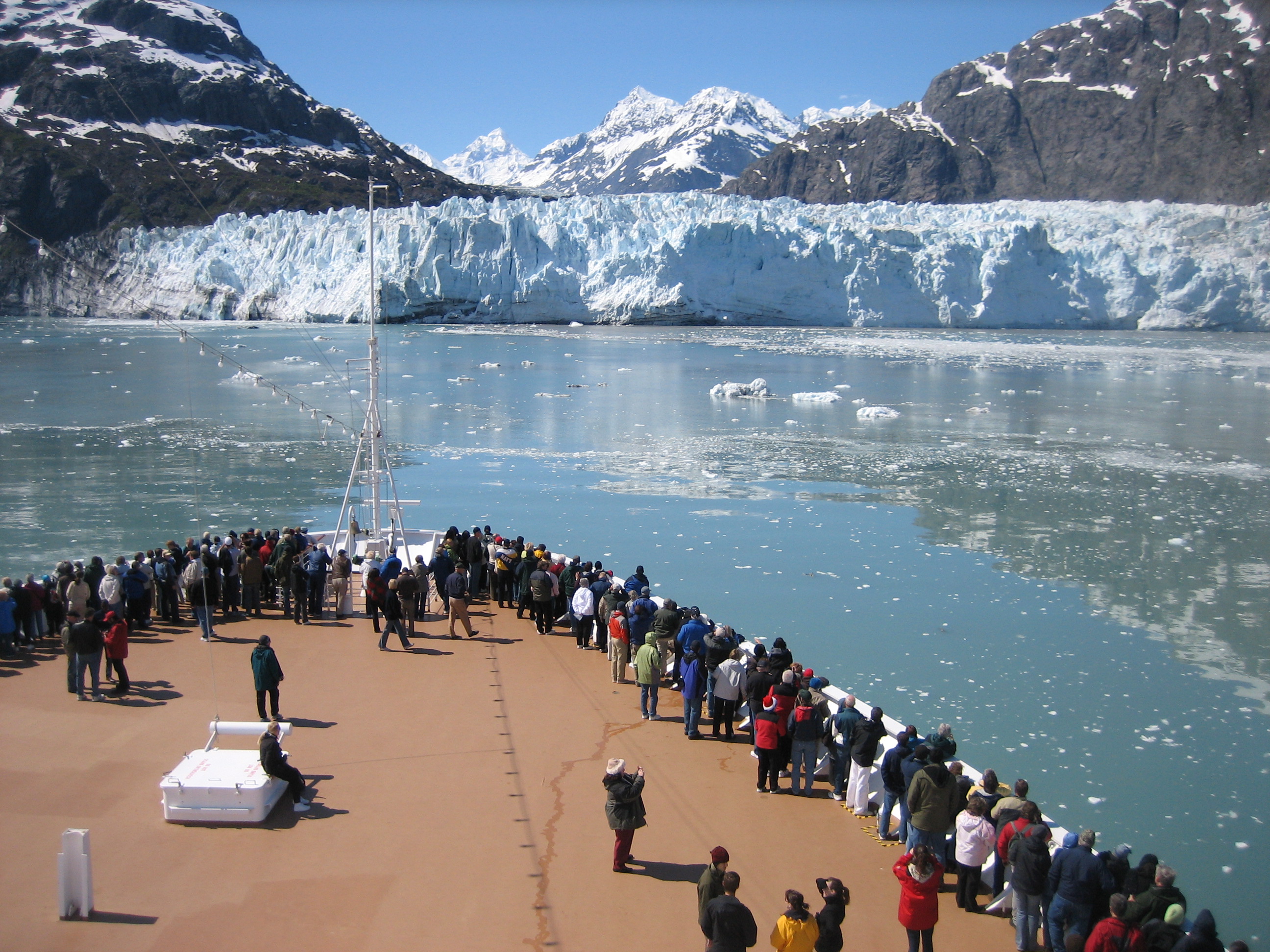
Best Of
Best of Glacier Bay National Park
The best of Glacier Bay is reached by boat: ranger-led day tours up the bay to the tidewater glaciers. What's worth it, how to book, and when to go (2026).
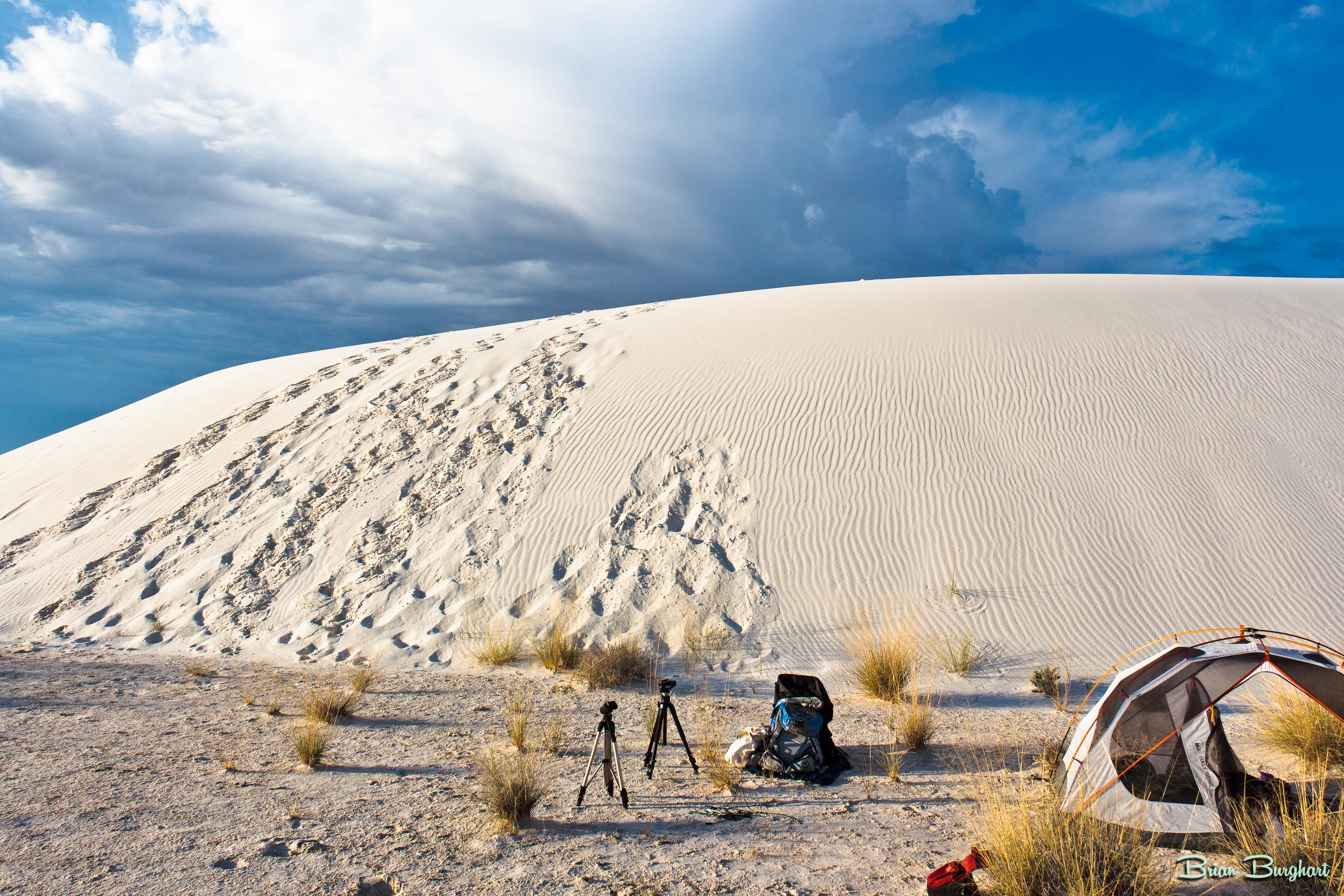
Campsite Guide
White Sands Backcountry Camping: Closed for 2026 — What to Know
As of 2026, backcountry camping at White Sands National Park is closed for site rehabilitation. What that means, and where to camp nearby instead.
Weather Guide
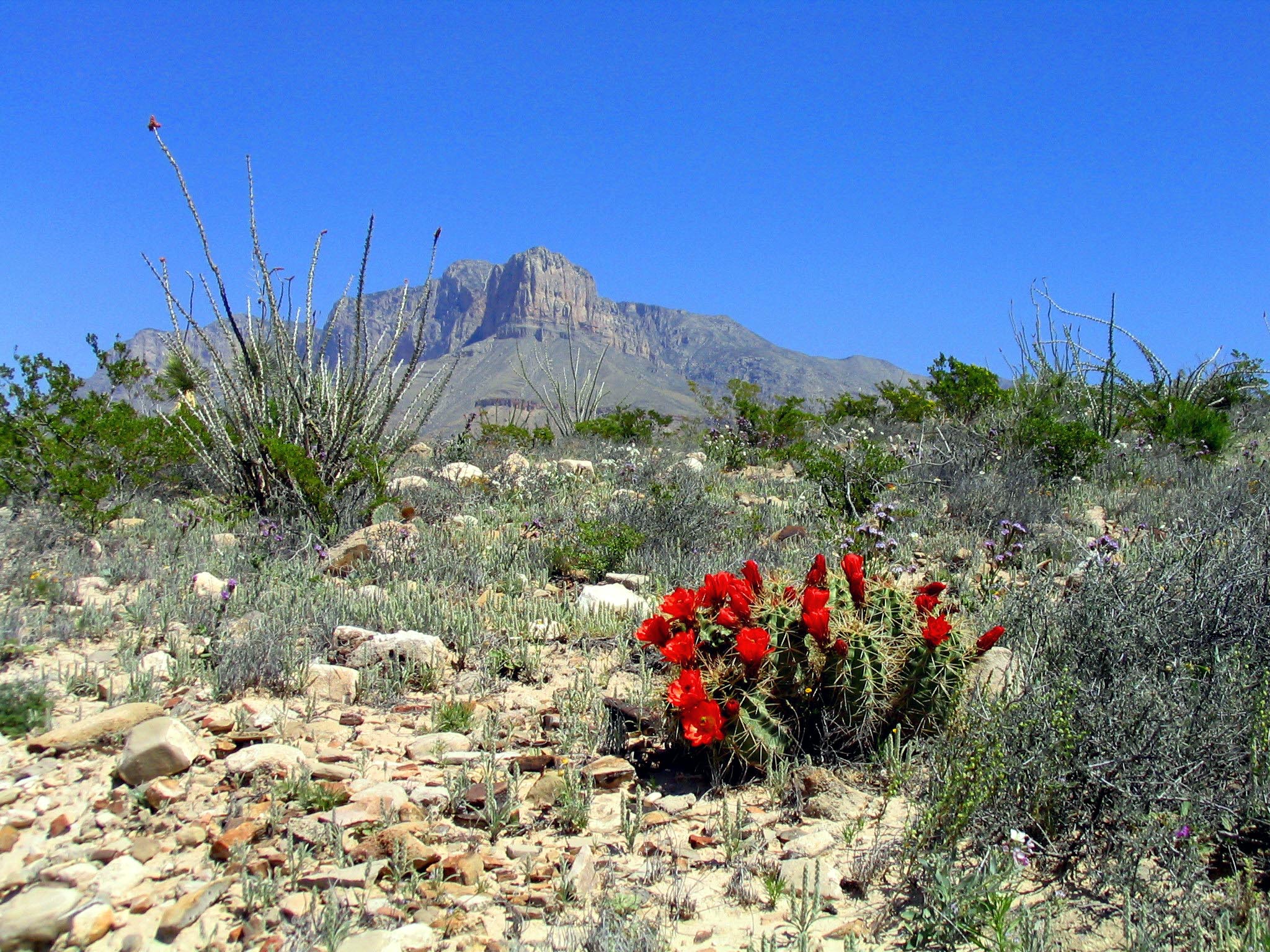
Guadalupe Mountains National Park Weather: Weather
Guadalupe Mountains National Park: weather guide guide updated 2026. Practical visitor information, reservations, and seasonal tips worth bookmarking before

Best Of
Best of Cuyahoga Valley National Park: Best Things to Do
Seeing a Cleveland Orchestra concert with the woods as your backdrop is a uniquely Cuyahoga Valley experience.
Sign in to join the conversation.
Sources & Attribution
Location data courtesy of the National Park Service (U.S. Department of the Interior). NPS data is public domain. Official NPS page.
Images: NPS; NPS; NPS; NPS; NPS.
Map data © OpenStreetMap contributors.
Park operations alerts: NPS.gov · Weather and weather hazards: National Weather Service · Live conditions.
Information may change. Always verify fees, hours, and conditions directly with the official source before visiting.
Did this guide help? Share it with a friend.