The first thing you notice is the smell - a faint, sharp tang of sulfur on the breeze. Then you see the color. In the heart of Yellowstone's West Thumb Geyser Basin, Abyss Pool holds a blue so deep and saturated it looks artificial, a perfect circle of sapphire water ringed by a pale, ghostly sinter. It's one of the deepest hot springs in the park, plunging 53 feet straight down. The water is deceptively still, and the silence around it is often broken only by the distant hiss of other thermal features. This isn't a geyser that puts on a show; it's a window into the volcanic heart of the park, and it demands a moment of quiet attention.
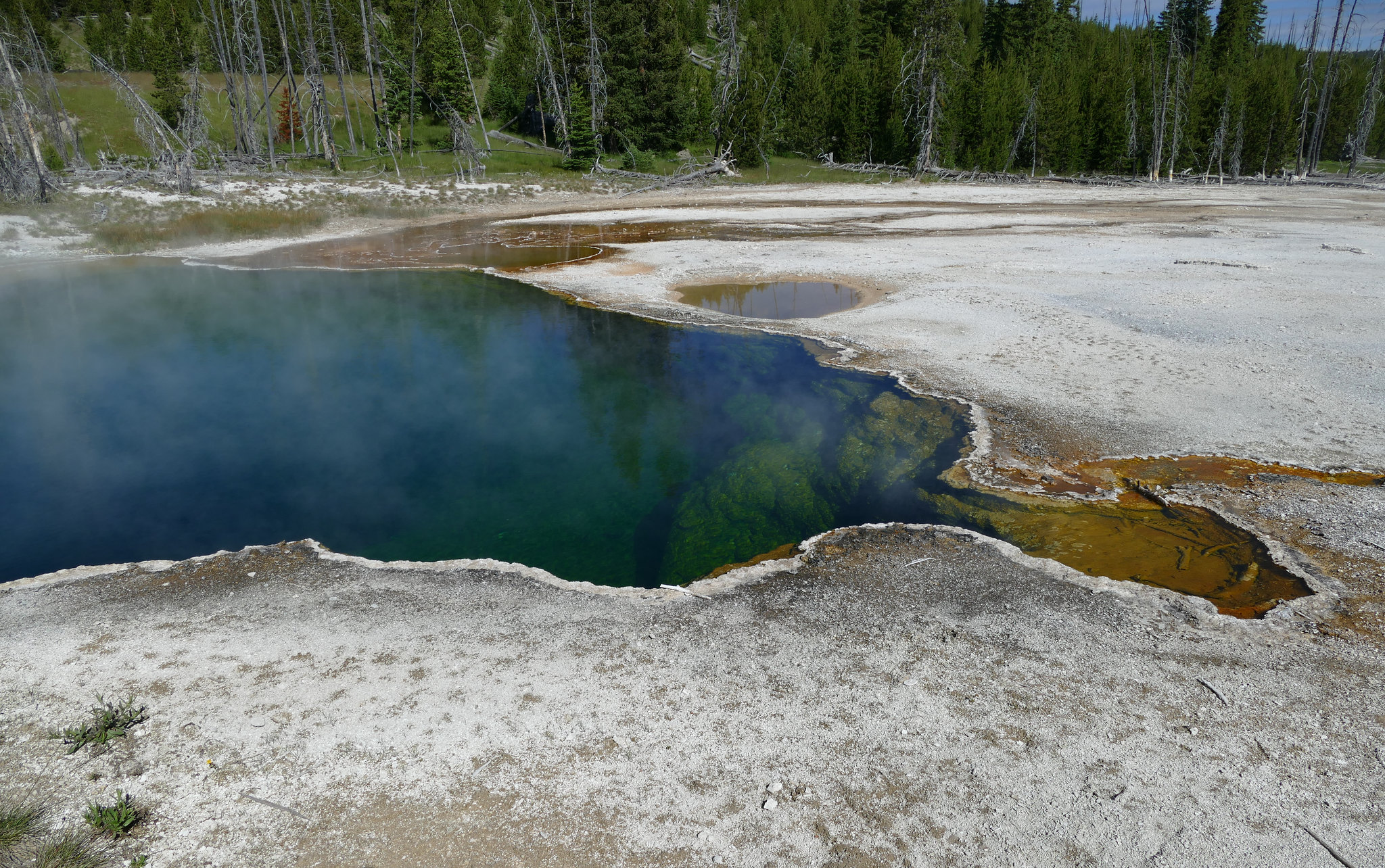
NPS via NPS.gov (Public Domain)
Abyss Pool: 53-Foot Deep Hot Spring, Yellowstone
10 min read
Places & Points of Interest
Plan your 2026 visit to Abyss Pool. Complete guide to trails, fees, lodging, best time to visit, and insider tips.
Your plans
Located on the shore of Yellowstone Lake, the West Thumb Basin is unique for its lakeside hydrothermal features. The Abyss Pool sits among them, a landmark of profound depth and temperature. Rangers will tell you its clarity and color are a direct result of its heat and the lack of mineral-charged overflow. It's a place where the raw power of the Yellowstone supervolcano is rendered in serene, almost hypnotic beauty. Most visitors are caught off guard by its proximity to the vast, cold expanse of the lake - a reminder of the constant, dynamic tension that defines this landscape.
Quick Information
Accessing West Thumb Basin requires traveling the Grand Loop Road. Remember, your park entrance fee covers access here—no additional charge for the basin. Current rates are $35 for a 7-day vehicle pass, $70 for an annual Yellowstone pass, or you can use the $80 America the Beautiful Interagency Pass.
While the basin itself never closes, practical access is limited to daylight hours. I recommend arriving early or late to avoid the midday rush—crowds typically peak between 10 AM and 3 PM. Photographers will find the morning or evening light enhances the thermal features' colors, particularly Abyss Pool's distinctive blue.
Cell service is notoriously unreliable throughout Yellowstone, and the West Thumb area is typically a dead zone. Plan on being offline. Vault toilets are available at the West Thumb Geyser Basin parking area. The parking lot is large but fills completely by late morning in summer. If the main lot is full, you may find limited overflow parking along the road shoulders, but obey all "No Parking" signs to avoid a ticket.
Getting There
Abyss Pool is in the West Thumb Geyser Basin, roughly midway between the park's South Entrance and Fishing Bridge on the east side of the Grand Loop Road.
From the South Entrance (near Jackson, WY), drive north on US-89/191/287 for about 22 miles. You'll pass Lewis Lake on your right. The turn for the West Thumb Geyser Basin parking area will be on your left, clearly signed. The drive takes about 45 minutes without traffic or wildlife jams.
From Fishing Bridge or Lake Village, drive south on the Grand Loop Road for approximately 12 miles. The parking area will be on your right. Allow 25 minutes.
From Old Faithful, drive east on the Grand Loop Road for about 17 miles to West Thumb. The drive takes 35-40 minutes.
There is no shuttle service directly to West Thumb. The parking situation here is straightforward but competitive. The lot fills by 9:30 AM on a typical July or August day. Your best bet is to arrive before 9 AM or after 4 PM. RVs and trailers can park here, but the turning radius in the lot is tight when it's busy.

What to Expect
The parking area sits at 7,800 feet—expect cool, thin air even in summer. From there, a paved path connects to the boardwalk system. The entire loop covers roughly 0.6 miles of flat, well-maintained boardwalk.ined, but it can be slick with morning frost, spray, or algae in places. Watch your footing.
The basin itself is a stark, otherworldly place. Steam rises from dozens of pools, vents, and geysers against the backdrop of the deep blue waters of Yellowstone Lake. The soundscape is a constant, low symphony of bubbling mud pots, hissing fumaroles, and the occasional gurgle of a hot spring. The smell of sulfur is pervasive but not overwhelming. You'll share the boardwalks with a lot of people during peak hours - it's one of the park's most popular roadside attractions.
From the main boardwalk, Abyss Pool is clearly visible. It appears as a near-perfect circular pool. The water is profoundly clear and still, allowing you to see the steep, vertical walls that drop into darkness. The pool's sinter rim is a pale, creamy white, stained in places with orange and yellow thermophiles (heat-loving bacteria). Rangers emphasize staying on the boardwalk at all times. The ground here is a thin, brittle crust over boiling water. A misstep can cause severe, life-altering burns.
Top Attractions & Points of Interest
The West Thumb Basin boardwalk is a loop with two spurs. Abyss Pool is the star, but several other features are worth your time.
Abyss Pool
This is the deepest pool in the basin and one of the deepest in the park. Its depth and consistent high temperature (around 172°F/78°C) prevent most microbial life from growing on its walls, resulting in that startlingly clear, deep blue color. It rarely erupts, but it has been known to overflow. The best view is from the main boardwalk section directly adjacent to it. Early morning is your best bet for a crowd-free moment with it.
Fishing Cone
This famous feature is a geyserite cone that once stood in the lake shallows. Historically, anglers could catch a fish in the lake and immediately cook it in the cone's hot water. Lake level changes have since connected it to the shore. It's a fascinating piece of park history and a unique example of a lakeshore geyser.
Black Pool
Once a cool enough pool to support dark, thermophile-derived colors, this pool heated dramatically in the early 1990s, killing the microbes and revealing the, jewel-like blue water beneath. It's now one of the hottest pools in the basin and a brilliant contrast to the deep blue of Abyss Pool.
Lakeside Spring and Geysers
Several features, like the Blue Funnel Spring, sit right at the lake's edge. You can see where the superheated water from the springs mixes with the frigid lake water, creating swirling patterns of steam and temperature gradients. It's a direct, visible illustration of the thermal energy that underlies the entire park.
Thumb Paint Pots
Located on the inland side of the loop, these are small, bubbling mud pots. Their consistency changes with rainfall and groundwater levels - more watery after snowmelt, thicker and muddier in late summer. The constant bloop and plop sounds are a classic Yellowstone audio experience.

Activities
The primary activity here is boardwalk walking and thermal feature viewing. The entire 0.6-mile loop is accessible and considered easy. Allow 45 minutes to an hour to walk it at a leisurely pace, read the interpretive signs, and take photos. This is not a hiking trail in the traditional sense, but more of an outdoor museum walk.
Photography is a major draw. The contrast between the colorful hot springs, the white sinter, the steamy plumes, and the blue lake is exceptional. A polarizing filter can help cut the glare on the water's surface and deepen the blues. Sunrise and sunset provide the most dramatic light, but midday visits can yield good shots if the sky is clear.
Wildlife viewing in the immediate basin is limited to birds like ravens and the occasional gull, but the drive to and from West Thumb is prime habitat for bison, elk, and sometimes bears. Always have bear spray accessible when outside your vehicle, even in seemingly developed areas.
For more strenuous activity, you'll need to drive elsewhere. The area serves as a gateway to longer hiking trails like the Lewis River Channel/Dogshead Trail, which offers a feel for Yellowstone's backcountry. Check our dedicated guide to hiking trails for detailed options.
Seasonal Guide
Summer (Late June - August): This is peak season. All boardwalks are open and snow-free. Weather is mild, with daytime highs in the 60s and 70s°F (15-25°C), but afternoon thunderstorms are common. Crowds are intense. Visit at dawn.
Fall (September - October): A superb time. Crowds diminish significantly after Labor Day. Daytime temperatures are cool (40s-50s°F/4-15°C), and nights drop below freezing. Fall colors in the surrounding forests are excellent. The boardwalks remain open until heavy snow closes the road.
Winter (November - April): The Grand Loop Road from Old Faithful to West Thumb and on to Lake Village is closed to regular vehicles. The basin is accessible only via guided snowmobile or snowcoach tours. The pools and geysers steam dramatically in the cold air, creating incredible frost-covered landscapes. It's a completely different, and much quieter, experience.
Spring (May - Mid-June): Roads begin to reopen. This is a season of transition - snow patches linger, weather is highly variable (sun, rain, snow all possible), and animal activity is high as wildlife moves to summer ranges. Boardwalks may be wet and slick.
For a detailed breakdown of weather patterns and ideal visiting windows, see our guide on the best time to visit.

Practical Information
Your entrance fee covers access. No additional permits are required for day use of the West Thumb Basin.
For camping options, the nearest frontcountry campgrounds are Bridge Bay Campground (432 sites, $33/night as of 2026) and Grant Village Campground (430 sites, $39/night). Both operate on a summer season and require advance reservations via Recreation.gov. Lewis Lake Campground ($20/night) is first-come, first-served and is about a 15-minute drive south. Our camping options guide has full details.
For lodging and accommodations, the closest in-park option is the Lake Yellowstone Hotel & Cabins, about a 15-minute drive north. Grant Village Lodge is about a 10-minute drive south. Both require reservations well in advance. More information is available in our lodging and accommodations resource.
The West Thumb area has a small visitor information station (seasonal) and a gift shop. There are no gas stations, restaurants, or repair services at West Thumb itself. The nearest fuel and basic services are at Fishing Bridge (north) or Grant Village (south). Pack snacks and water.
Safety & Preparation
Thermal Area Safety: This is non-negotiable. Stay on designated boardwalks and trails. The ground is thin, hot, and acidic. People have died from falling into hot springs. Keep a close watch on children and hold their hands. Do not throw objects into the pools.
Wildlife: Bison and elk frequently wander near parking lots and roads. Maintain a distance of at least 25 yards from all large animals. Bears are possible in the area. Carry bear spray, know how to use it, and hike in groups, making noise.
Weather: Mountain weather changes fast. Have layers, including a waterproof jacket. Even summer mornings can be near freezing. Sunscreen and a hat are essential - the high elevation means intense UV radiation.
Altitude: At 7,800 feet, some visitors may feel lightheaded or short of breath. Take it easy, stay hydrated, and avoid alcohol.
Emergency Services: The nearest ranger station is at Lake Village. In an emergency, dial 911. Cell service is unreliable, so be prepared to flag down a ranger or another visitor for help.
For focused advice on encountering animals, read our wildlife viewing guide.

Insider Tips
- The Early Loop: If the main parking lot is full, don't circle endlessly. Drive to the nearby West Thumb Overlook parking (just south on the main road), enjoy the lake view, and wait 10-15 minutes. Spots often open up as the first wave of visitors leaves.
- Reverse Route: Most people turn right at the start of the boardwalk loop. Go left instead. You'll hit Abyss Pool first with fewer people around you.
- Listen for Lake Sounds: On a calm day, pause on the lakeside boardwalk section. You can hear the gentle lap of lake waves mixing with the hiss and bubble of the hot springs - a unique acoustic blend.
- Check the Forecast, Then Ignore It: Morning fog and steam from the lake can completely obscure the basin, making photography pointless. If you arrive to a wall of white, check the time. It often burns off by 9:30 or 10 AM. Have a backup plan, like a drive along the lake shore, and circle back.
- The Gift Shop Sells Ice: If you've brought a cooler, the West Thumb gift shop sells bags of ice. It's a useful stop to refresh your cold supplies for the day.
- Skip It at Midday in July: If you're passing through between 11 AM and 3 PM in peak summer and the lot is a zoo, consider continuing your drive. The experience is diminished when the boardwalk is a slow-moving human chain. Come back early the next day.
- Look for the Overflow Channel: On the inland side of Abyss Pool, look for a dry, white sinter channel leading away from the rim. This shows where the pool has overflowed in the past, depositing mineral-rich water that solidified into a rocky creekbed.
For a structured way to see the area with expert narration, consider one of the park's official tours and guided experiences, which often include West Thumb.
Links may earn us a commission at no extra cost to you. We only recommend gear we believe in. For this walk, you don't need special boots, but shoes with good grip are wise for the sometimes-slick boardwalks. A wide-brimmed hat and a quality, reusable water bottle are the two most-used items in any visitor's pack.
The common mistake - and almost everyone makes it - is treating Abyss Pool as a quick photo stop. It's worth more than that. Stand still for five minutes. Watch the steam patterns shift. Notice how the blue seems to pull light down into it. That depth is real, both in the water and in the geologic story it tells. Then continue your walk, because the basin has more to say.
For more information, see our complete Yellowstone National Park Guide.
Sources
- Official source: NPS — Yellowstone National Park nps.gov/yell/index.htm
- Official source: National Park Service nps.gov/places/000/abyss-pool.htm
Photo Gallery
More to Explore
Park Guide
Acadia National Park: Carriage Roads, Cadillac Mountain & 2026 Guide
Discover carriage roads, Cadillac Mountain, and rugged Maine coast. Complete 2026 guide to Acadia National Park — trails, fees, lodging, permits, and what rangers recommend.
Hiking Guide
Grand Canyon Hiking Trails: Day Hikes, Water Sources & Rim to Rim
Compare Grand Canyon hiking trails: Bright Angel, South Kaibab, Hermit, Grandview, and rim to rim, with distances, elevation, water stops, and trailhead access for each.
Best Of
Best of Glacier Bay National Park
The best of Glacier Bay is reached by boat: ranger-led day tours up the bay to the tidewater glaciers. What's worth it, how to book, and when to go (2026).
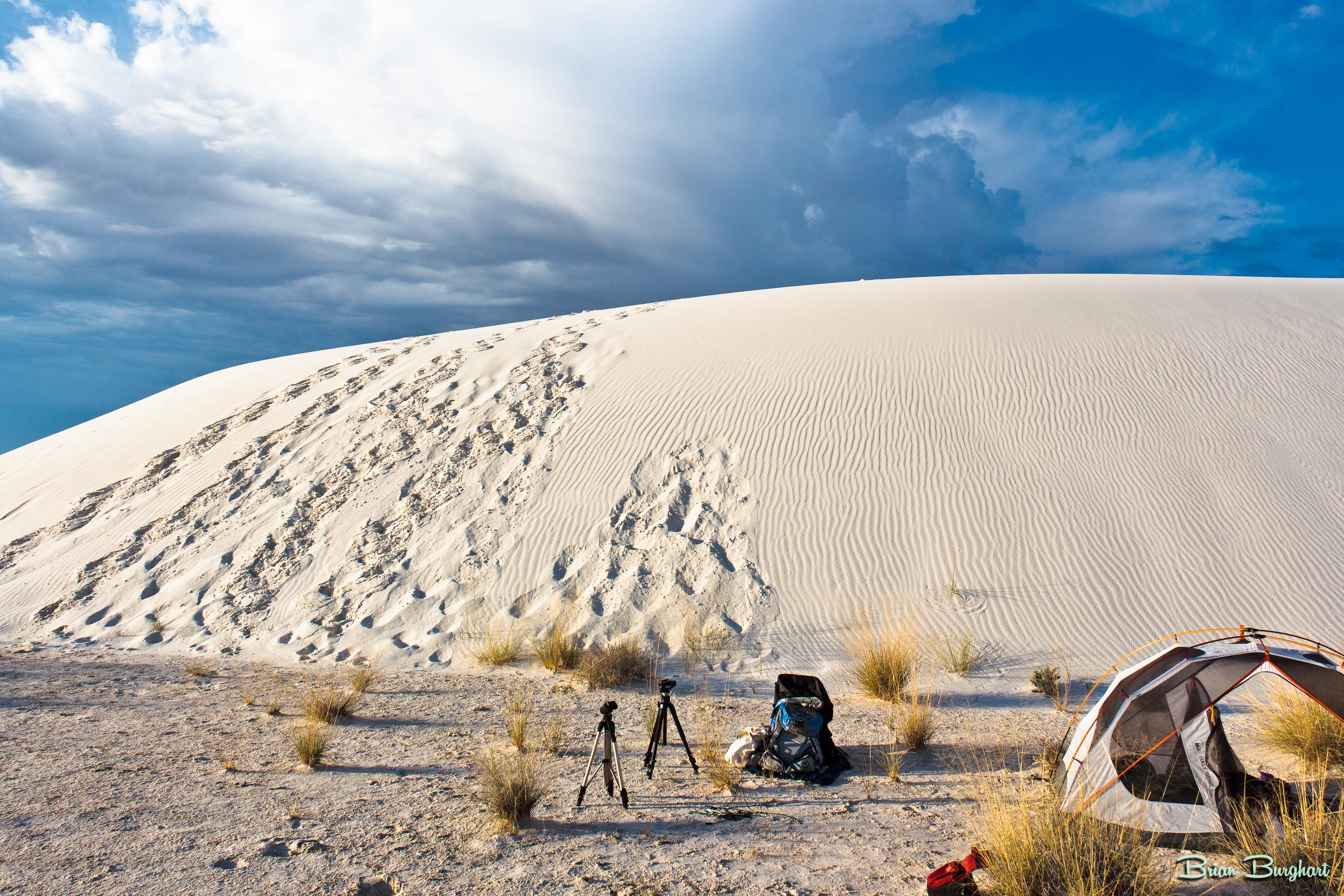
Campsite Guide
White Sands Backcountry Camping: Closed for 2026 — What to Know
As of 2026, backcountry camping at White Sands National Park is closed for site rehabilitation. What that means, and where to camp nearby instead.
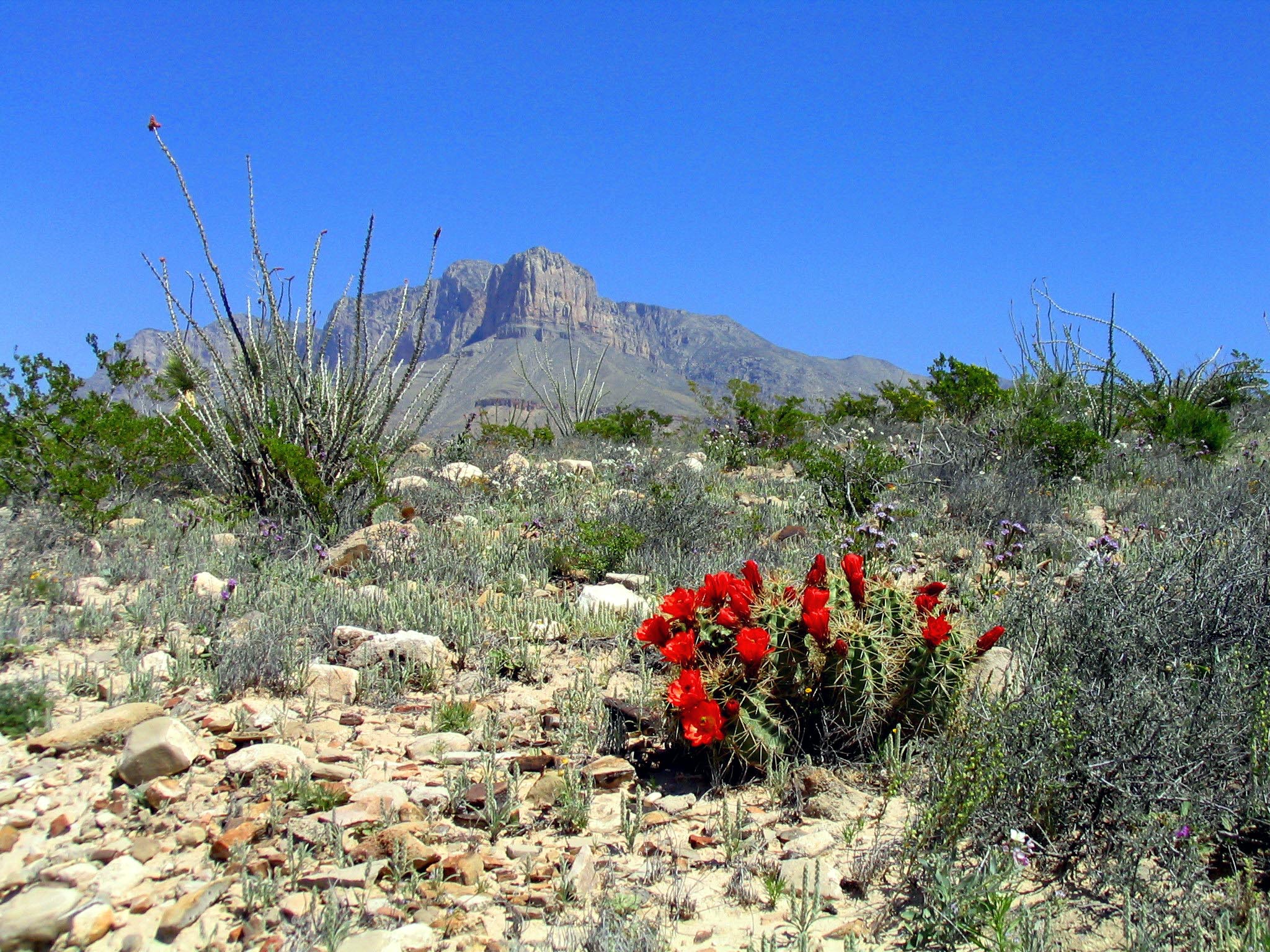
Weather Guide
Guadalupe Mountains National Park Weather: Weather
Guadalupe Mountains National Park: weather guide guide updated 2026. Practical visitor information, reservations, and seasonal tips worth bookmarking before
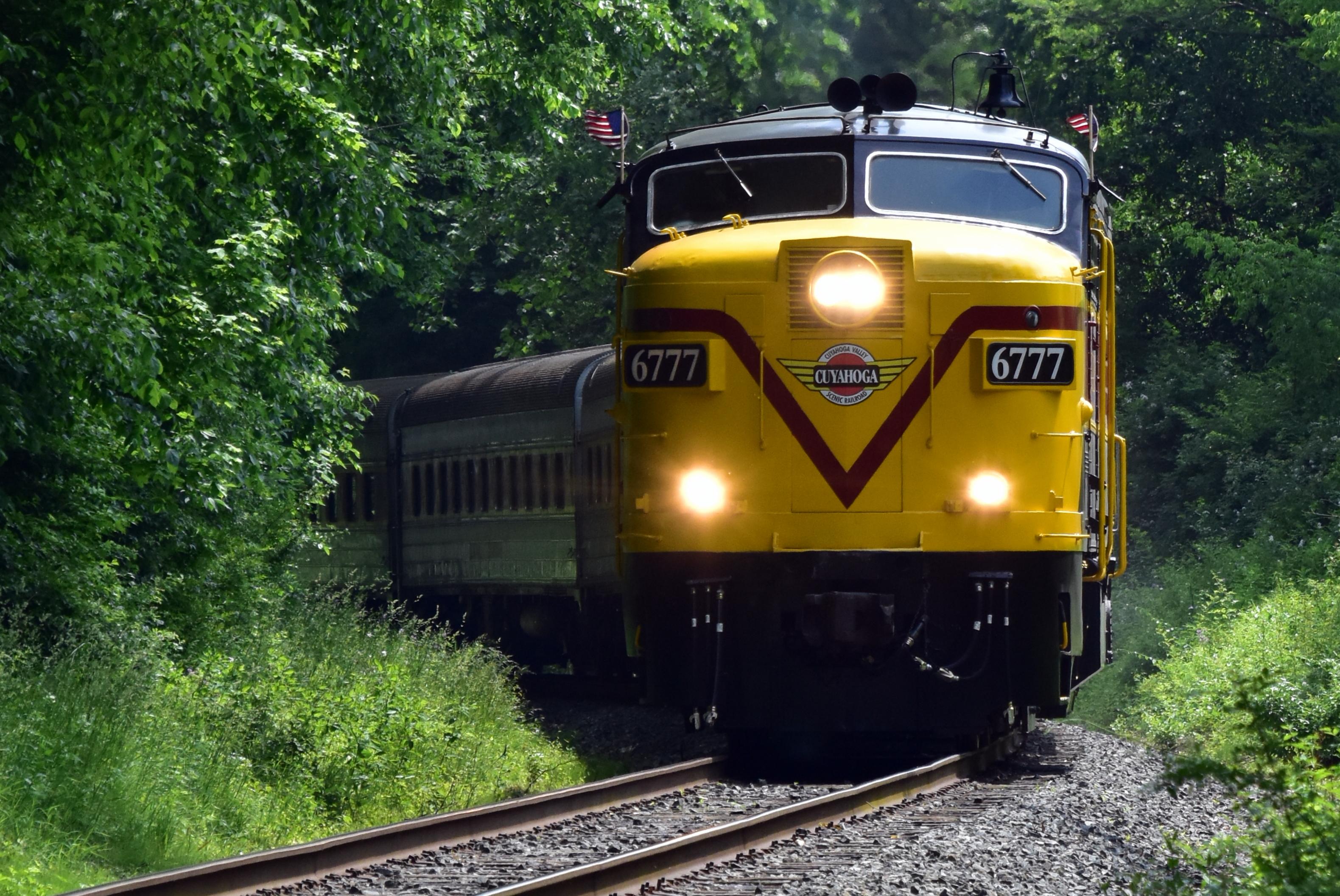
Best Of
Best of Cuyahoga Valley National Park: Best Things to Do
Seeing a Cleveland Orchestra concert with the woods as your backdrop is a uniquely Cuyahoga Valley experience.
Sign in to join the conversation.
Sources & Attribution
Location data courtesy of the National Park Service (U.S. Department of the Interior). NPS data is public domain. Official NPS page.
Images: NPS; NPS; NPS; NPS; NPS.
Map data © OpenStreetMap contributors.
Park operations alerts: NPS.gov · Weather and weather hazards: National Weather Service · Live conditions.
Information may change. Always verify fees, hours, and conditions directly with the official source before visiting.
Did this guide help? Share it with a friend.