Spotting a grizzly bear in Yellowstone requires three things: timing, location, and patience. This 2.2-million-acre park supports the largest concentration of mammals in the lower 48 states. The northern range provides critical winter habitat for thousands of elk, bison, and pronghorn, creating predator-prey dynamics visible from park roads. Understanding this ecosystem matters more than checking off every geyser.
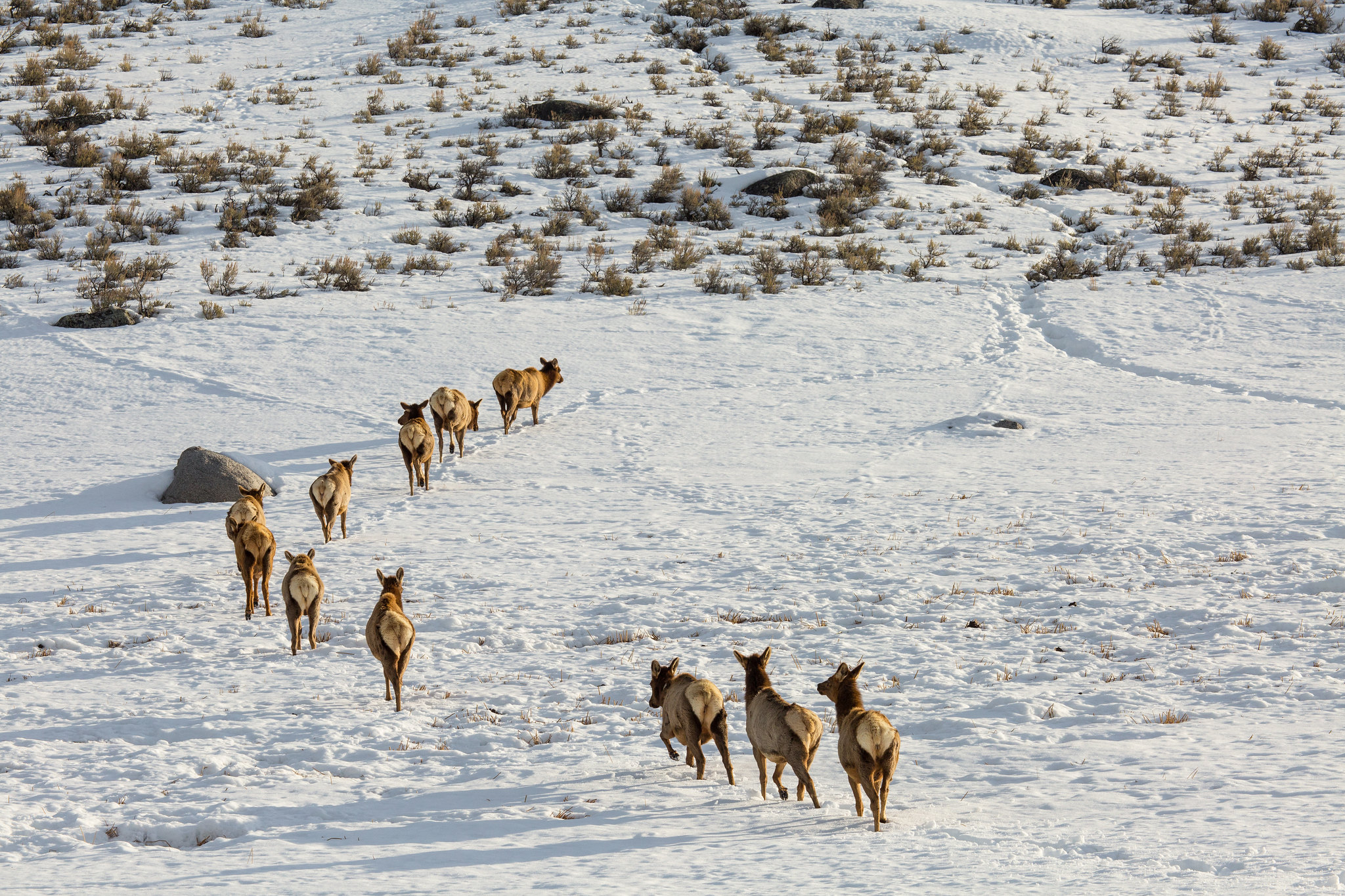
NPS via NPS.gov (Public Domain)
A Wildlife Paradise: Yellowstone's Northern Range Wildlife
10 min read
Places & Points of Interest
Plan your 2026 visit to A Wildlife Paradise. Complete guide to trails, fees, lodging, best time to visit, and insider tips.
Your plans
Quick Information
Before you get lost in the scenery, get the logistics right. The park's scale means a wrong turn can cost you hours.
* Entrance Fee: As of 2026, a private vehicle pass is $35 and is valid for 7 days. Motorcycle passes are $30, and individual passes (for those on foot, bike, or as a passenger) are $20. An annual Yellowstone pass is $70. The America the Beautiful Annual Pass ($80) covers entrance fees for the pass holder and accompanying passengers.
* Hours: The park is open 24/7, year-round. However, most park roads close to regular vehicles from early November to mid-April. The road between the North Entrance (Gardiner, MT) and the Northeast Entrance (Cooke City, MT) is the only one open year-round.
* Best Time to Visit: For wildlife, late spring (May-June) and fall (September-October) are prime. Crowds are thinner, animals are active, and the northern range is accessible. Summer offers full access but with significant traffic.
* Location: Primarily in Wyoming, with sections in Montana and Idaho. Major gateways are West Yellowstone, MT; Gardiner, MT; and Cody, WY.
* Accessibility: Many major attractions like Old Faithful, Grand Canyon of the Yellowstone overlooks, and boardwalks at Fountain Paint Pot and Midway Geyser Basin are wheelchair accessible. Check the official NPS app for detailed accessibility guides.
* Cell Service: Spotty at best. Expect no service in most of the park. Download offline maps and guides before you arrive. Cell service drops out at the park boundaries.
* Restrooms: Flush toilets and water are available at major developed areas (Old Faithful, Canyon, Mammoth, Grant Village). Vault toilets are found at most trailheads and picnic areas.
* Parking: The parking situation here is a daily challenge. Lots at Old Faithful, Midway Geyser Basin (for Grand Prismatic), and Canyon Village fill by 9:30 AM from June through August. Early morning is your best bet for a spot.
Getting There
Yellowstone has five entrances, and your choice dictates your first day's experience. The North Entrance near Gardiner, Montana, is the only year-round entrance for vehicles. From Bozeman, MT, it's about a 90-minute drive. The West Entrance near West Yellowstone, MT, is the most popular summer gate, putting you close to geyser basins and the Madison River. From Salt Lake City, it's roughly a 5-hour drive. The South Entrance connects to Grand Teton National Park; from Jackson, WY, it's about an hour. The East Entrance from Cody, WY, is a spectacular but winding 90-minute drive into the park. The Northeast Entrance is the most remote, accessed via the Beartooth Highway (seasonal) from Cooke City, MT.
No matter which you use, plug your destination into your GPS before you lose service. The Grand Loop Road forms a figure-eight through the park; driving the full lower loop is about 100 miles and takes a minimum of four hours without stops. Most visitors underestimate the travel times.

What to Expect
Yellowstone sits on a high-altitude volcanic plateau. Elevations run from 5,300 feet at the North Entrance to over 11,000 feet at Eagle Peak. Prepare for thin air, intense sun, and weather that can shift in minutes. You'll feel the dryness in your throat and the chill of a sudden afternoon thunderstorm.
The landscape is a study in contrasts: rolling sagebrush valleys in the north give way to dense lodgepole pine forests, which suddenly open to reveal steaming geyser basins or the sheer, painted walls of the Grand Canyon of the Yellowstone. The sounds define the place as much as the sights. There's the distant hiss of a fumarole, the low grunt of a bison herd, the wind through the pines, and the absolute silence that follows a snow squall in Lamar Valley.
First-time visitors are often caught off guard by the traffic. This isn't a wilderness experience until you step away from the road. Animal jams are a real phenomenon - a line of cars stopped because a bison herd is crossing the road or a bear is visible on a distant hillside. Pack patience alongside your water and binoculars.
Top Attractions & Points of Interest
Old Faithful and the Upper Geyser Basin
Watching Old Faithful Geyser erupt is the park's signature experience, but the real magic is the surrounding basin. Old Faithful erupts roughly every 90 minutes. Rangers at the visitor center post predicted times. Spend the time before an eruption walking the boardwalks to see other dynamic features like Castle Geyser or the brilliant blue waters of Morning Glory Pool. The overlook from the Old Faithful Inn porch is less crowded than the main boardwalk benches.
Grand Prismatic Spring
The largest hot spring in the United States is a psychedelic display of color. The ground-level boardwalk gets you close to the steam and runoff channels, but for the iconic view, you need the Grand Prismatic Overlook Trail. This 0.6-mile climb from the Fairy Falls Trailhead leads to a platform looking down on the spring's full, rainbow-hued expanse. Go in late morning after the steam has burned off for the best colors.
Grand Canyon of the Yellowstone
This isn't just a canyon; it's a two-tiered, waterfall-carved spectacle. The Brink of the Lower Falls Trail is a steep switchback descent that puts you at the very edge where the Yellowstone River plunges 308 feet. For the classic panoramic view, Artist Point on the South Rim is the spot. On the North Rim, Lookout Point gives a different, equally powerful perspective. The trail narrows here, so hold onto railings.
Lamar Valley
Dubbed "America's Serengeti," this broad valley in the park's northeast corner is the heart of its wildlife viewing. At dawn and dusk, you'll see tripod legs and spotting scopes lined up along the road. This is where wolf packs are most frequently observed, along with massive bison herds, pronghorn, and the occasional grizzly. It's a long drive from other park hubs, so plan a full morning or afternoon.
Mammoth Hot Springs
A landscape that looks like a petrified waterfall. Terraces of travertine limestone are built and constantly reshaped by hot, mineral-rich water. The boardwalks here are fully accessible and let you walk among the formations. The adjacent Fort Yellowstone historic district offers a glimpse into the Army's 30-year stewardship of the park. Elk frequently lounge on the lawns around the Mammoth Hotel, especially in fall.
Hayden Valley
South of Canyon Village, this wide, grassy valley is another premier wildlife corridor, especially for bison and waterfowl. The Yellowstone River meanders through it, creating wetlands that attract trumpeter swans and sandhill cranes. It's a slower-paced drive than Lamar, with numerous pullouts for scanning the hillsides.
Norris Geyser Basin
The hottest, oldest, and most dynamic thermal area in the park. It's divided into two sections: the stark, white Porcelain Basin and the more forested Back Basin, home to Steamboat Geyser, the world's tallest active geyser. Its eruptions are unpredictable but monumental. The ground is thin here - stay on the boardwalks.

Activities
With over 1,000 miles of trails, your options stretch far beyond the boardwalks. For detailed route descriptions, check our guide to the park's best hiking trails.
Hiking: Trails range from easy boardwalks to multi-day backcountry treks. The Mount Washburn Trail (from Dunraven Pass or Chittenden Road) is a park classic, a steady climb to 10,243 feet for 360-degree views. The Fairy Falls Trail is a mostly flat walk through recovering forest to a 200-foot waterfall. For solitude, consider the Lewis River Channel/Dogshead Trail, which follows a crystal-clear river corridor.
Wildlife Viewing: This is the main event for many. Success requires optics (binoculars or a spotting scope), patience, and respectful distance. Always stay at least 100 yards from bears and wolves, and 25 yards from all other animals. The Forces of the Northern Range Self-guided Trail is a 0.5-mile boardwalk with exhibits explaining the ecosystem you're about to drive through. For a deeper dive, our dedicated wildlife viewing guide has specific strategies.
Winter Sports: From mid-December to early March, the park transforms. Roads from Mammoth to Cooke City and from the South Entrance to Old Faithful are open to oversnow vehicles only (commercially guided snowcoaches and snowmobiles). This is the time for guided tours and guided experiences by snowcoach, cross-country skiing on groomed trails like the Riverside Ski Trail, and snowshoeing. The Observation Point Loop Snowshoe Trail offers quiet, snowy views of geyser basins.
Boating & Fishing: Yellowstone Lake allows motorized and non-motorized boats with a permit. The lake is cold and prone to sudden, violent storms - check conditions carefully. Fishing is popular but requires a Yellowstone-specific permit and knowledge of strict native species protection rules.
Seasonal Guide
* Spring (April-May): A season of thaw and rebirth. Roads begin opening in late April. The northern range is vibrant with newborn bison and elk calves. Bears emerge from hibernation. Weather is wildly unpredictable: sunshine, snow, and rain all in one day. Some facilities and campgrounds are still closed.
* Summer (June-August): Full access, full crowds, and mostly warm days. All roads, campgrounds, and services are open. Afternoon thunderstorms are common. Wildlife is active but often moves to higher elevations during the heat of the day. Parking is a daily competition.
* Fall (September-October): Many consider this the best season. Crowds dissipate after Labor Day. The elk rut (mating season) fills the air with bugling in late September. Bears enter hyperphagia, actively foraging. Weather cools, with possible early snows. Facilities begin closing in October.
* Winter (November-March): A silent, snowy wonderland accessible only via oversnow travel or from the North Entrance. Wildlife concentrates in the lower-elevation northern range, making viewing exceptional. Services are limited to Mammoth Hot Springs and Old Faithful Snow Lodge. It's cold - temperatures often drop below zero.
For a detailed monthly breakdown of weather and conditions, see our guide on the best time to visit.

Practical Information
Camping: The park has 12 campgrounds with over 2,000 sites. Only Mammoth Campground is open year-round. Others operate from late spring through fall. Sites range from $20 (like Lewis Lake) to $39 per night. Fishing Bridge RV Park is the only campground with full hookups (water, sewer, electric). Reservations for most campgrounds are essential and open months in advance. Explore all your camping options.
Lodging: In-park lodges, operated by Yellowstone National Park Lodges, include the historic Old Faithful Inn, Lake Yellowstone Hotel, and Canyon Lodge. These book up a year in advance for summer. Rooms range from rustic cabins to hotel suites. Gateway towns like West Yellowstone and Gardiner offer many more hotels and motels. Review the complete lodging and accommodations guide.
Dining & Supplies: Dining rooms, cafeterias, and grill-style restaurants are located at all major hubs. Prices are what you'd expect in a remote location. Groceries and gas are available at Canyon Village, Fishing Bridge, Grant Village, Mammoth, and Old Faithful. Fill your tank whenever you're at half - distances are long, and gas stations are far apart.
Safety & Preparation
This is an environment that demands respect.
* Wildlife: This is their home. Never approach, feed, or attempt to take a selfie with an animal. Carry bear spray and know how to use it. Rentals are available at several park locations. Hike in groups of three or more, make noise on trails, and be especially alert at dawn and dusk.
* Thermal Areas: The ground in geyser basins is thin and can collapse into boiling water. Stay on designated boardwalks and trails. Every year, visitors are severely burned by ignoring this rule.
* Weather & Altitude: Hypothermia is a risk even in summer. Pack layers, rain gear, a hat, and sunscreen. Drink twice as much water as you think you need to combat altitude and dryness.
* Driving: Obey speed limits. Animals on the road are a constant hazard, especially at night. If you want to view wildlife, use a pullout - never stop in the travel lane.
Emergency services are limited. Dial 911 in an emergency, but response times can be long. Know the location of the nearest clinic (Mammoth Hot Springs and Lake Village have the largest).

Insider Tips
- The Early Rule: Arrive at any major attraction before 9 AM or after 5 PM. You'll avoid 90% of the crowds and see more wildlife.
- Look for the Tripods: In Lamar or Hayden Valley, a cluster of spotting scopes means someone has found something interesting. Pull over politely, ask what they're watching, and often they'll let you take a look.
- Skip the Midday Geyser Stroll: Thermal features are often shrouded in steam on cool mornings. Visit geyser basins in the afternoon when the air is warmer and the views are clearer.
- The Gift Shop Sells Water for $4 a Bottle. Bring your own reusable bottle and fill it at visitor centers. There are filling stations at Old Faithful, Canyon, and Mammoth.
- Download the NPS App: Before you arrive, download the official NPS app and the Yellowstone park content for offline use. It has maps, self-guided tours, and alerts.
- Check for Road Work: As of 2026, expect single-lane traffic with delays at the Gardner River High Bridge near the North Entrance. Plan extra travel time.
- Don't Try to See It All: Picking two regions per day is a realistic goal. The common mistake is spending the entire day in the car. Pick a hike, explore a basin thoroughly, and watch a valley for an hour. You'll remember that more than the inside of your windshield.
For more information, see our complete Yellowstone National Park Guide.
Sources
- Official source: NPS — Yellowstone National Park nps.gov/yell/index.htm
- Official source: National Park Service nps.gov/places/000/a-wildlife-paradise.htm
Photo Gallery
More to Explore
Park Guide
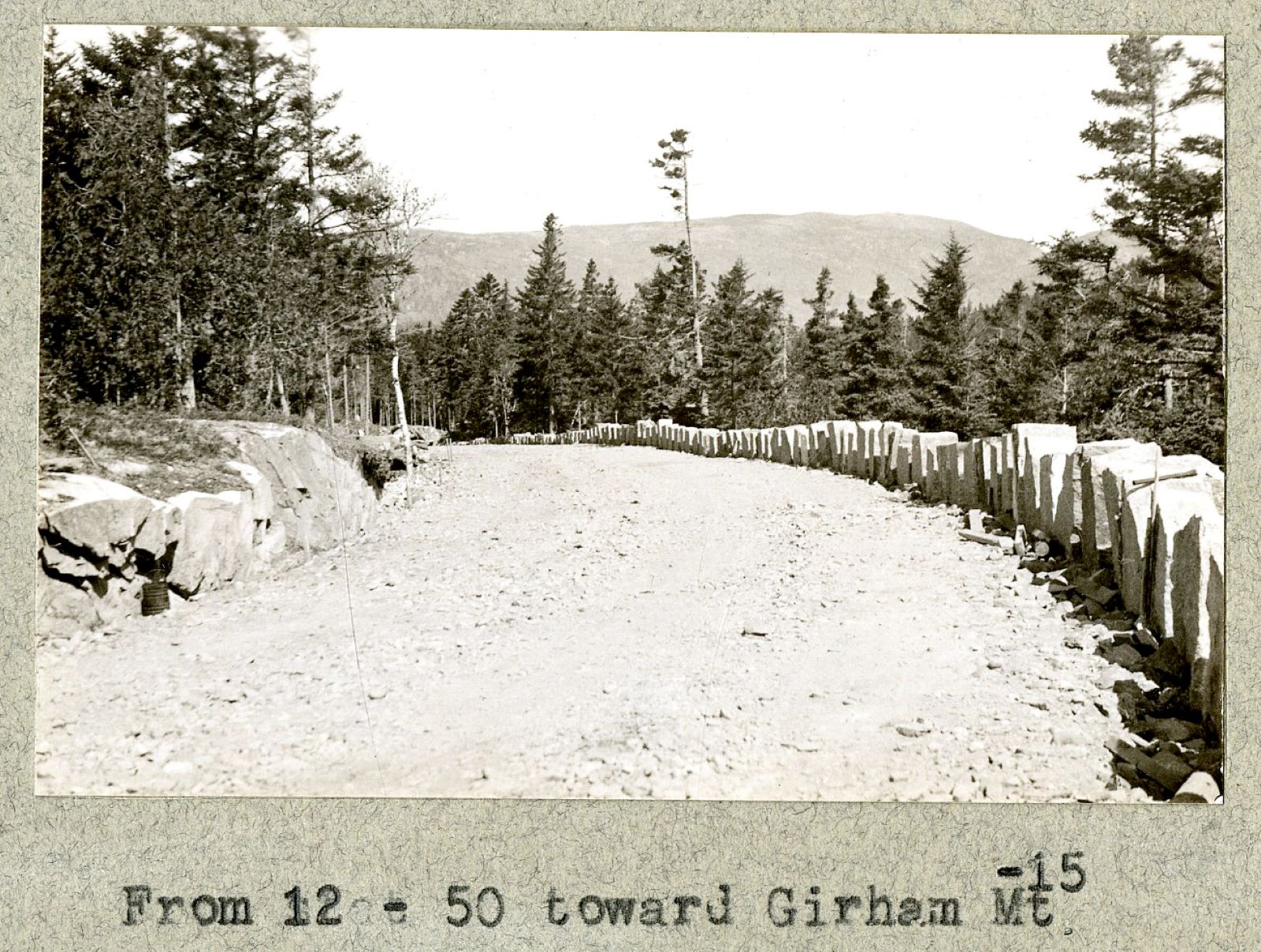
Acadia National Park: Carriage Roads, Cadillac Mountain & 2026 Guide
Discover carriage roads, Cadillac Mountain, and rugged Maine coast. Complete 2026 guide to Acadia National Park — trails, fees, lodging, permits, and what rangers recommend.
Hiking Guide
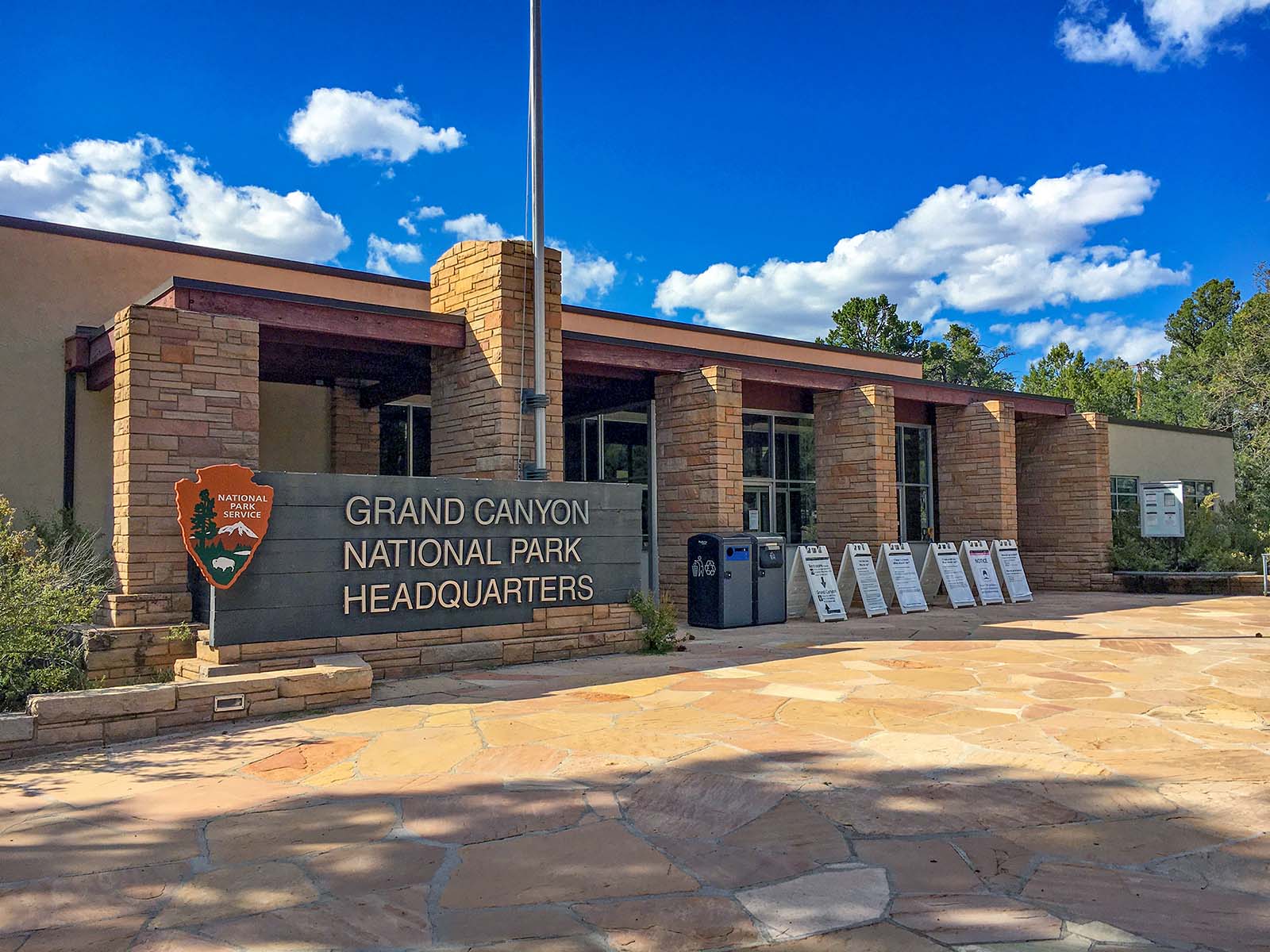
Grand Canyon Hiking Trails: Day Hikes, Water Sources & Rim to Rim
Compare Grand Canyon hiking trails: Bright Angel, South Kaibab, Hermit, Grandview, and rim to rim, with distances, elevation, water stops, and trailhead access for each.
Best Of
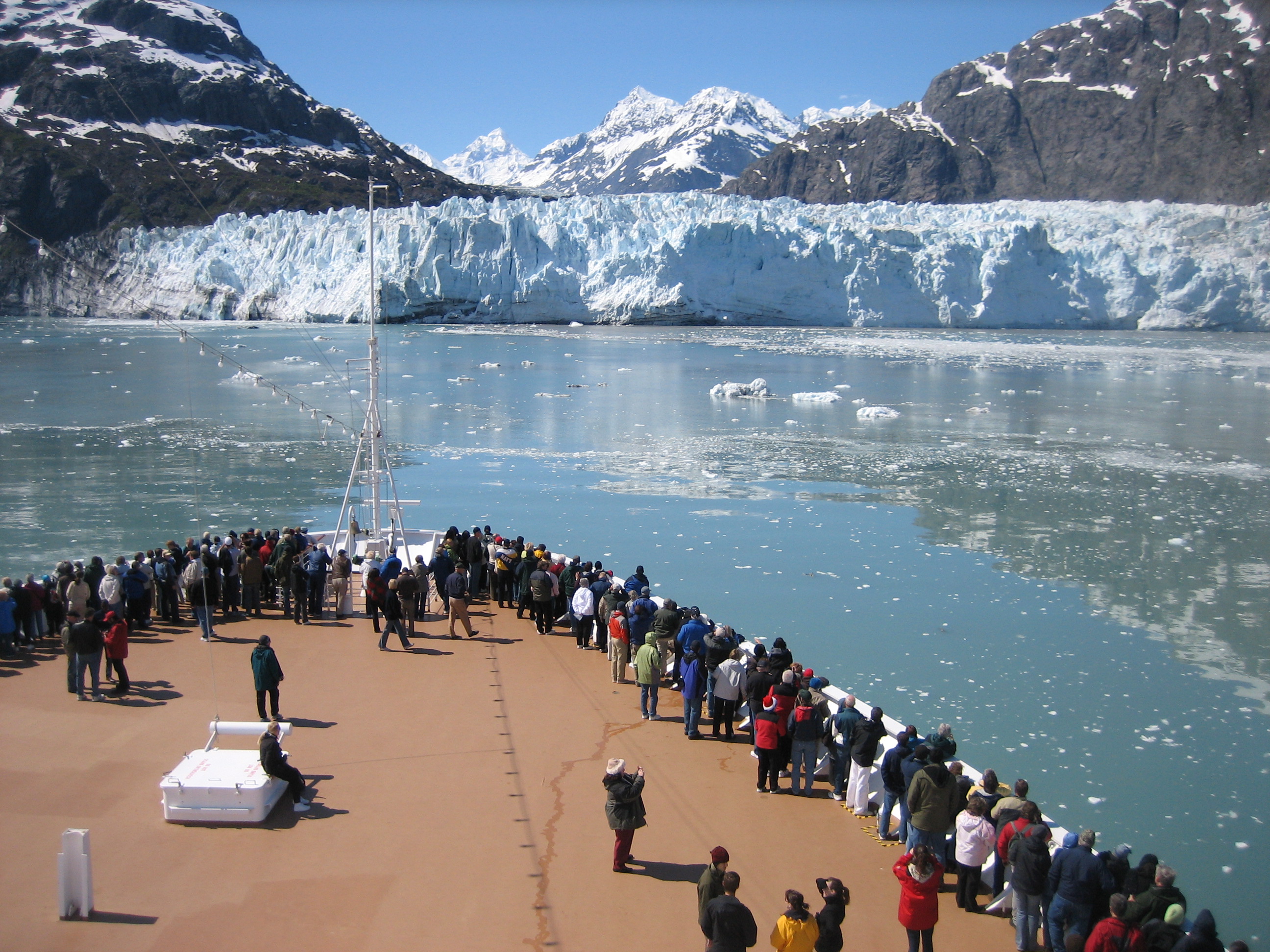
Best of Glacier Bay National Park
The best of Glacier Bay is reached by boat: ranger-led day tours up the bay to the tidewater glaciers. What's worth it, how to book, and when to go (2026).
Campsite Guide
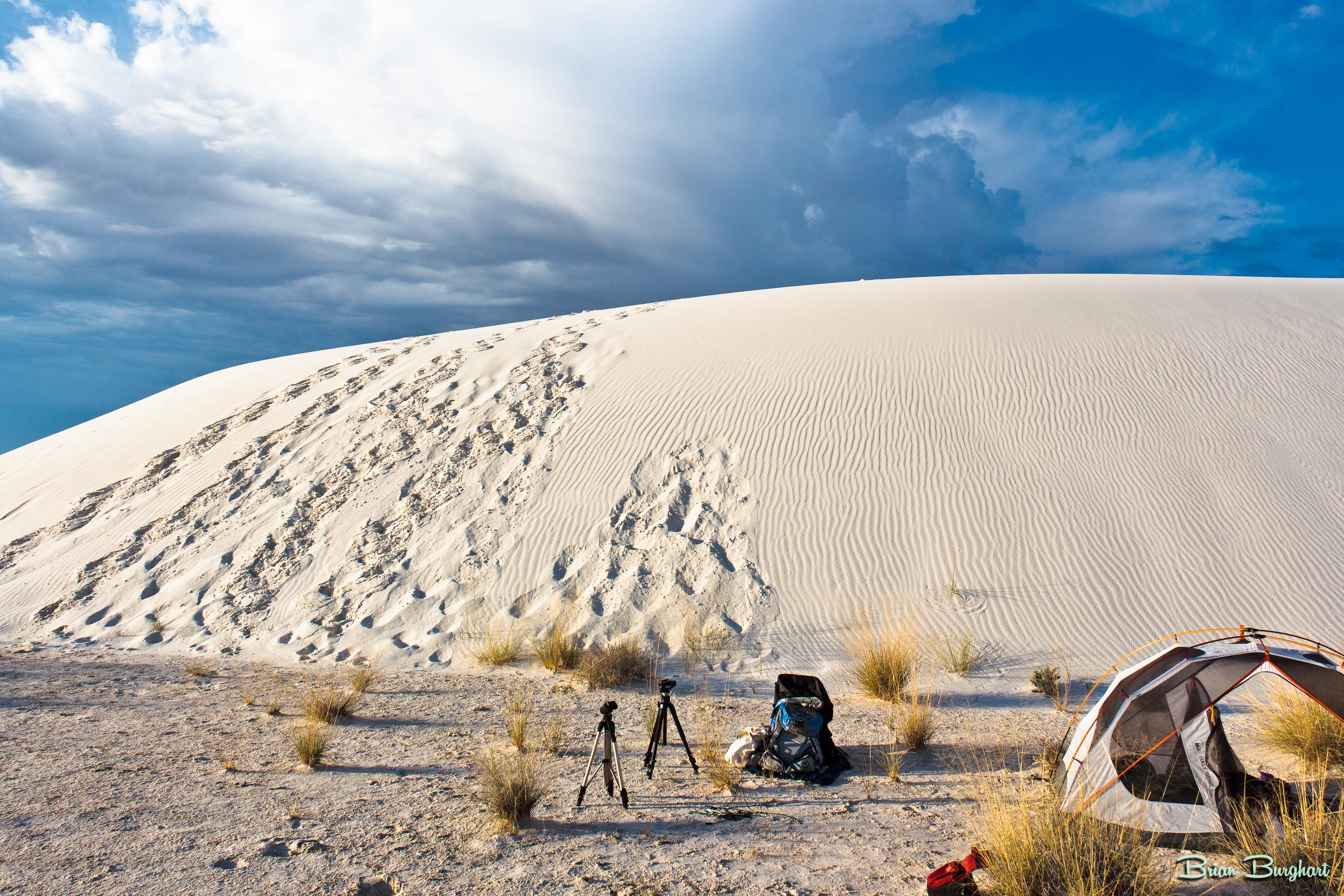
White Sands Backcountry Camping: Closed for 2026 — What to Know
As of 2026, backcountry camping at White Sands National Park is closed for site rehabilitation. What that means, and where to camp nearby instead.
Weather Guide
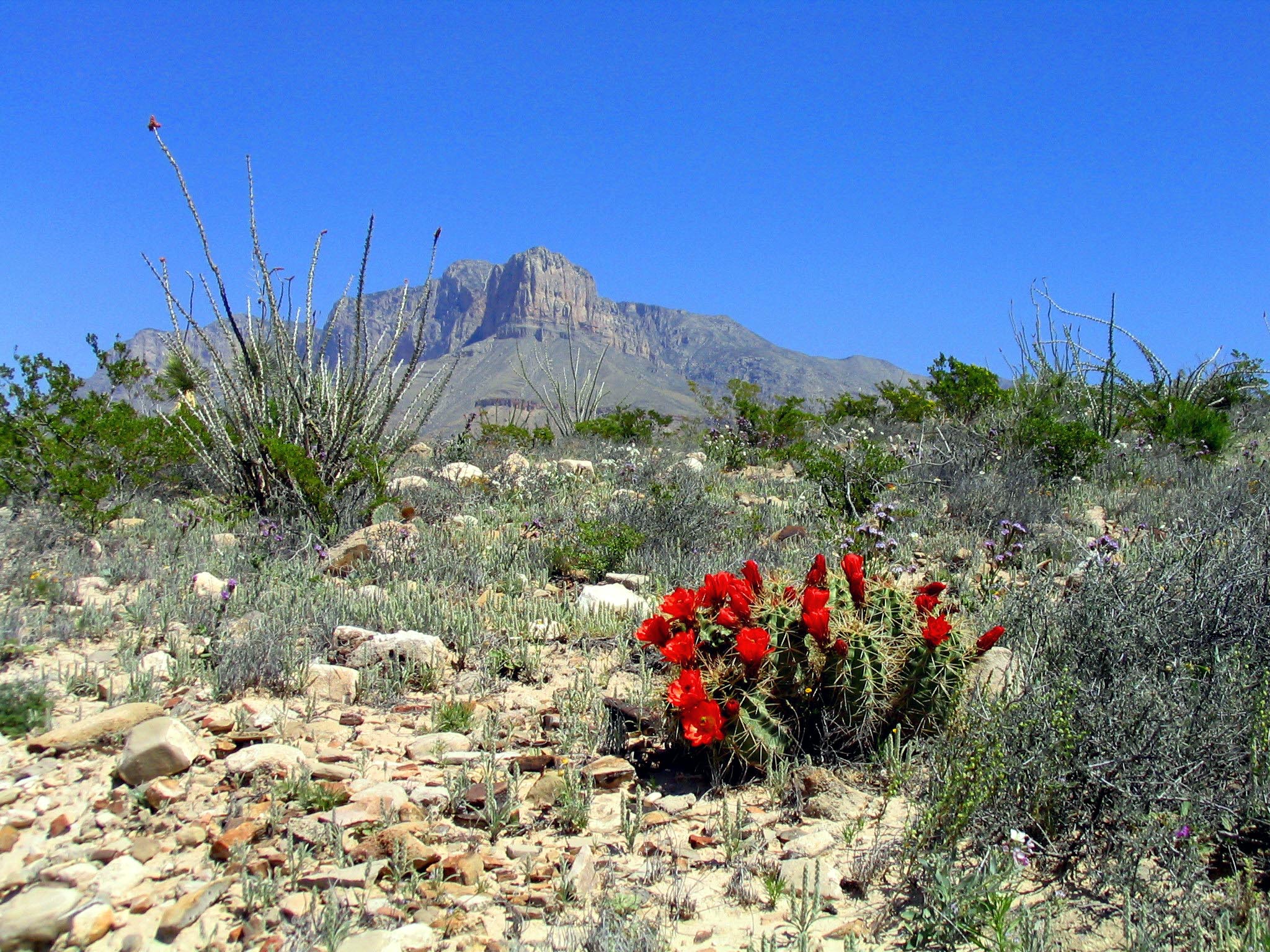
Guadalupe Mountains National Park Weather: Weather
Guadalupe Mountains National Park: weather guide guide updated 2026. Practical visitor information, reservations, and seasonal tips worth bookmarking before
Best Of
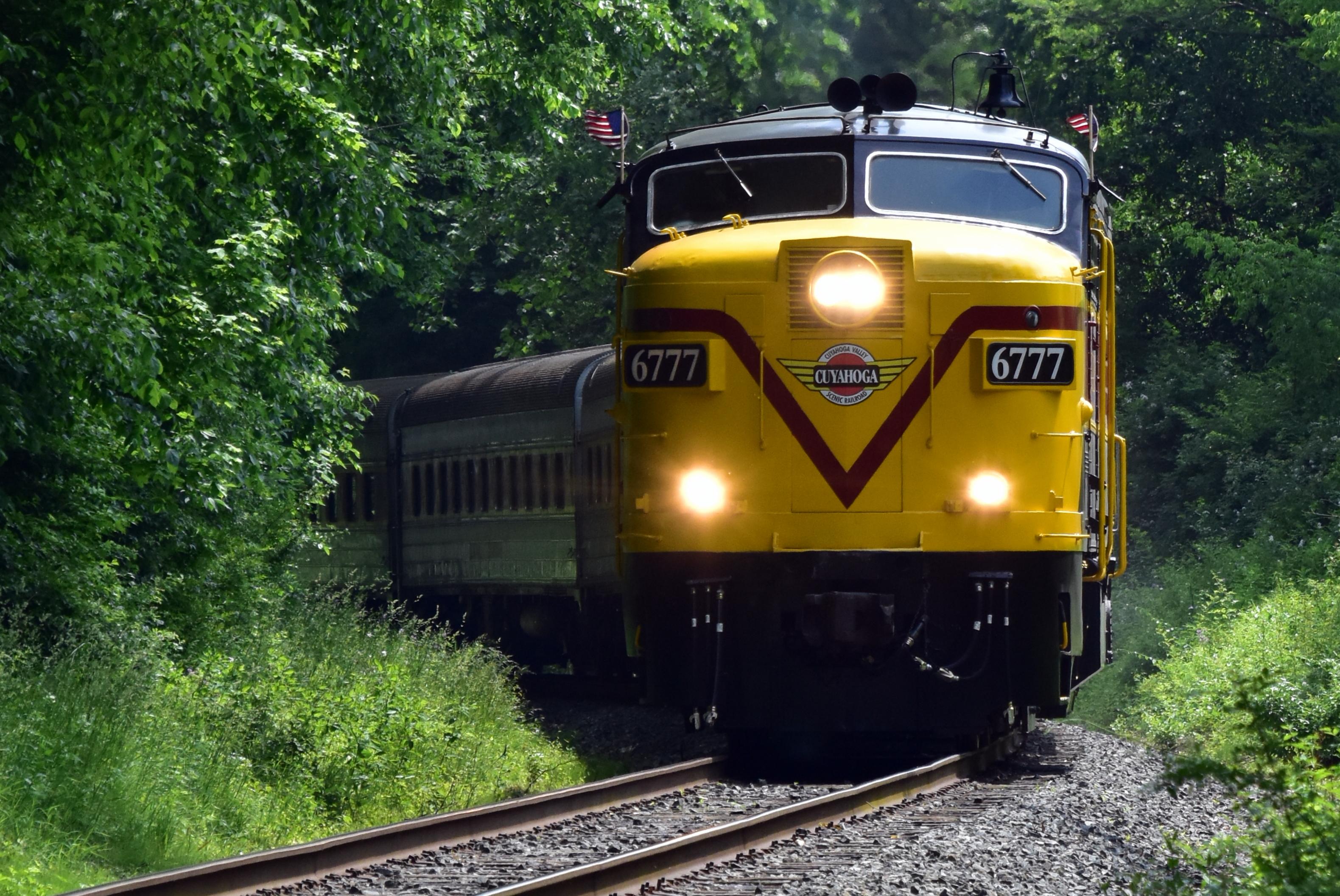
Best of Cuyahoga Valley National Park: Best Things to Do
Seeing a Cleveland Orchestra concert with the woods as your backdrop is a uniquely Cuyahoga Valley experience.
Sign in to join the conversation.
Sources & Attribution
Location data courtesy of the National Park Service (U.S. Department of the Interior). NPS data is public domain. Official NPS page.
Images: NPS; NPS; NPS; NPS; NPS.
Map data © OpenStreetMap contributors.
Park operations alerts: NPS.gov · Weather and weather hazards: National Weather Service · Live conditions.
Information may change. Always verify fees, hours, and conditions directly with the official source before visiting.
Did this guide help? Share it with a friend.