Camp 4 sits at 4,000 feet in Yosemite Valley, within walking distance of Yosemite Falls and within bike distance of most valley services. It is the only walk-in campground in the valley, and it operates on a per-person rather than per-site basis - a system that rewards solo travelers and small groups in ways most other campgrounds do not. With 25 tent-only sites that hold up to six people each, the total capacity is modest relative to Upper Pines or North Pines, but the community atmosphere here is different. This is the same dirt where climbing legends spent decades crashing between routes on El Cap and Half Dome. For a complete visitor guide to everything Camp 4 offers, that page covers the broader picture. What follows is the specific, ground-level details you need before you arrive.
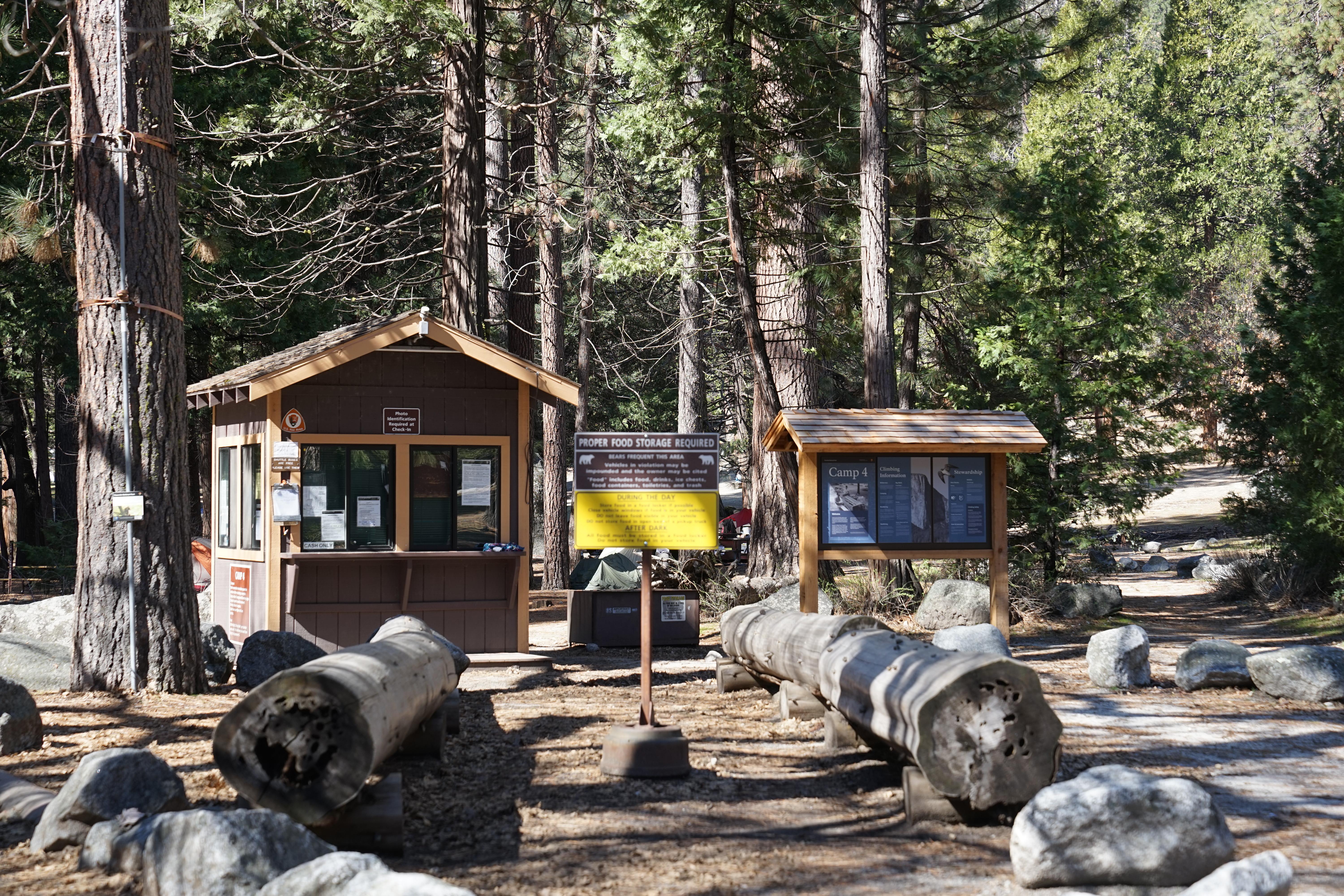
Campsites at Camp 4 Campground (2026 Guide)
7 min read
Camp 4 Campground: camp 4 campground: Introduction Camp 4 sits at 4,000 feet in Yosemite Valley, within walking distance of Yosemite Falls and within bike...
Location and Layout
Camp 4 is not hard to find, but it is easy to miss if you are not looking for it. It sits at the western edge of Yosemite Valley, just off Northside Drive, near the base of the granite slabs that lead up toward Yosemite Falls. The parking lot is small - roughly 30 to 40 spaces - and it fills early. By 8 AM from April through October, expect to circle or park elsewhere and walk in.
The walk-in setup
You park, then carry your gear maybe 50 to 100 yards to your assigned site. No vehicle camping. No RV hookups. The sites themselves are packed dirt with some pine duff, arranged in two loose rows. Each site has a picnic table and a bear-proof food locker. There is no privacy between sites. You will hear your neighbor unzip their tent at 5 AM, and they will hear you do the same. That is part of the arrangement here.
Amenities and what is missing
- Flush toilets and seasonal running water are available
- No electrical hookups, no showers, no dump station
- A dishwashing station with hot water is located near the restroom building
- Each site has a fire ring, but fire restrictions often apply in summer months
Rangers will tell you the most common complaint is noise. This is not a quiet campground in the usual sense. People talk late, headlamps cross the site paths at all hours, and the bear locker lids clang. Bring earplugs if you are a light sleeper.

Reservation System and Fees
As of 2026, the Camp 4 reservation system works differently depending on the season.
April through October - reservation required
From approximately April through October, all sites require reservations. These open on a rolling one-week-in-advance window on Recreation.gov. The system releases slots daily. The fee is $10.00 per person per night - not per site. A group of six pays $60 total. Groups smaller than six pay per person but still occupy a shared site, meaning you may have strangers in your site if demand is high.
Most visitors underestimate how fast these slots go. For summer weekends, they are gone within 60 to 90 seconds of release. Set an alarm. Have your payment details saved. Know your dates cold.
November through March - first-come, first-served
From November through approximately April, half the campground (roughly 12 to 13 sites) operates on a first-come, first-served basis. You arrive, find an open space, and self-register at the kiosk. Payment is by envelope - cash or check. A ranger may be on site to help, but do not count on it.
This is the best window for spontaneous trips. The valley is quieter. The air is cold - overnight lows in December and January regularly hit the mid-20s °F. Bring a sleeping bag rated for at least 20 degrees.
Minimum and maximum stays
There is no stated minimum outside of the reservation system. The maximum continuous stay is 14 days in a calendar year between April and September and 30 days for the rest of the year.

What to Bring and Know
Gear that matters here
You will carry everything from the parking lot. A 40- to 50-liter pack is sufficient for most weekend trips. A wheeled cooler is a liability - drags in the dirt and does not fit the locker. Soft-sided coolers work better.
The ground is hard-packed. A sleeping pad with an R-value of 4 or higher is worth the weight in colder months. In summer, a closed-cell foam pad is adequate if you are not picky about comfort.
Bear protocol - not optional
This is Yosemite Valley. Black bears are active here year-round. The food lockers are mandatory - all food, coolers, toiletries, and anything with a scent goes in the locker when you are not actively cooking or eating. Rangers patrol. Fines run over $5,000 for non-compliance. Cell service drops out at the campground itself, but the ranger station is a short walk.
Climate by season
Camp 4 sits at 4,000 feet. Summer highs hit the mid-80s to low 90s °F. Afternoon thunderstorms are common in July and August - the kind that roll in fast and dump rain for 20 minutes before clearing. Winter brings snow and freezing overnight temperatures. Spring is the wettest season. Fall is the most stable - clear days, cool nights, fewer people.

Nearby Activities and Services
Food and supplies
Yosemite Valley Lodge and Yosemite Village are both within walking distance - about a 10- to 15-minute walk depending on your pace. The Village Store sells groceries, camping fuel, and ice. The prices are higher than outside the park. A gallon of milk runs about $7. Plan accordingly.
The Degnan's Kitchen in Yosemite Village serves pizza, sandwiches, and breakfast items. The food court at Yosemite Valley Lodge is another option. Both are open year-round but hours shrink in winter.
Trailheads from Camp 4
The Yosemite Falls Trail starts basically at the campground's edge. The trail to the top of Yosemite Falls is 7.2 miles round-trip with about 2,700 feet of elevation gain. It is steep. The elevation gain is worth it, but pack extra water for this stretch - there is no reliable source after the first mile. Early morning is your best bet for avoiding heat and crowds on this trail.
The Four Mile Trail to Glacier Point also starts nearby. It is actually 4.8 miles, not four, and gains 3,200 feet. Going down is easier, but the trail is narrow in sections and the drop-offs are exposed.
The free shuttle
Camp 4 sits right on the Yosemite Valley shuttle route. The stop is a short walk from the campground entrance. The shuttle runs from approximately 7 AM to 10 PM in peak season and connects to Curry Village, the Visitor Center, and the trailheads for Mirror Lake and the Mist Trail. In winter, the shuttle schedule is reduced - check the park newspaper for current hours.
Rock climbing - a quick note
Camp 4 has been climber central since the 1950s. The short approach to the base of El Cap, Cathedral Rocks, and the Cookie Cliff makes it the default basecamp for anyone here to climb. If you are a climber, you already know this. If you are not, you will still see ropes draped over picnic tables and hear route beta exchanged over camp stoves. The atmosphere is unique among NPS campgrounds.

What the Website Does Not Tell You
The official Camp 4 page is concise but leaves out a few things that matter on the ground.
- The lot fills by 8 AM in summer. If you arrive at 10 AM with a reservation, you may still have trouble parking. Have a backup plan - the shuttle stop at Yosemite Village is a short walk.
- The walk-in path is not lit. Headlamp required for late-night bathroom trips.
- The sites closest to the restroom get the most foot traffic and the most noise. Sites at the far end are quieter but require a longer walk with your gear.
- The bear lockers are large but not infinite. A 60-quart cooler fits. A 100-quart cooler does not.
- There is no camp host on site overnight. If you have a problem after 10 PM, you handle it yourself or call the ranger dispatch, which may take 30 minutes to respond.
Practical Takeaways
- Reserve exactly one week in advance for April through October slots. Have your Recreation.gov account set up beforehand.
- Pay the $10 per person per night fee. A group of four pays $40 total - still among the cheapest options in the valley.
- Arrive before 9 AM if driving in. Parking fills fast and there is no overflow lot for Camp 4.
- Bring earplugs and a sleep mask. The site is open, bright, and social until late.
- Pack a headlamp. The paths between parking, sites, and restrooms are unlit.
- Use the bear locker for everything scented. Fines are aggressive and bears here are bold.
- Bring a camp chair. The picnic tables are standard-issue and the ground is hard dirt.
- Check road status before you go. Tioga Road (continuation of Highway 120 through the park) is subject to temporary closures due to snow - call 209/372-0200 (then 1, 1) for current conditions.
- Winter campers need a sleeping bag rated for at least 20°F and a pad with an R-value of 4 or higher.
- For a broader look at all campgrounds in the area, that page compares options by season, price, and location.
Final Thoughts
Camp 4 is not the right choice for everyone. Families with young children who need quiet evenings and private space will find it stressful. Anyone looking for hookups or reserved privacy should look at Lower Pines or Wawona. But for solo travelers, small groups, climbers, and anyone who values location and price over solitude, Camp 4 delivers what no other Yosemite Valley campground can: a walk-in site at 4,000 feet, within a mile of the valley's best trailheads, for ten dollars a night. The trade-offs are real. The value is undeniable.
Sources
- Official source: NPS — Yosemite National Park nps.gov/yose/index.htm
- Official source: National Park Service nps.gov/yose/planyourvisit/camp4.htm
Photo Gallery
More to Explore
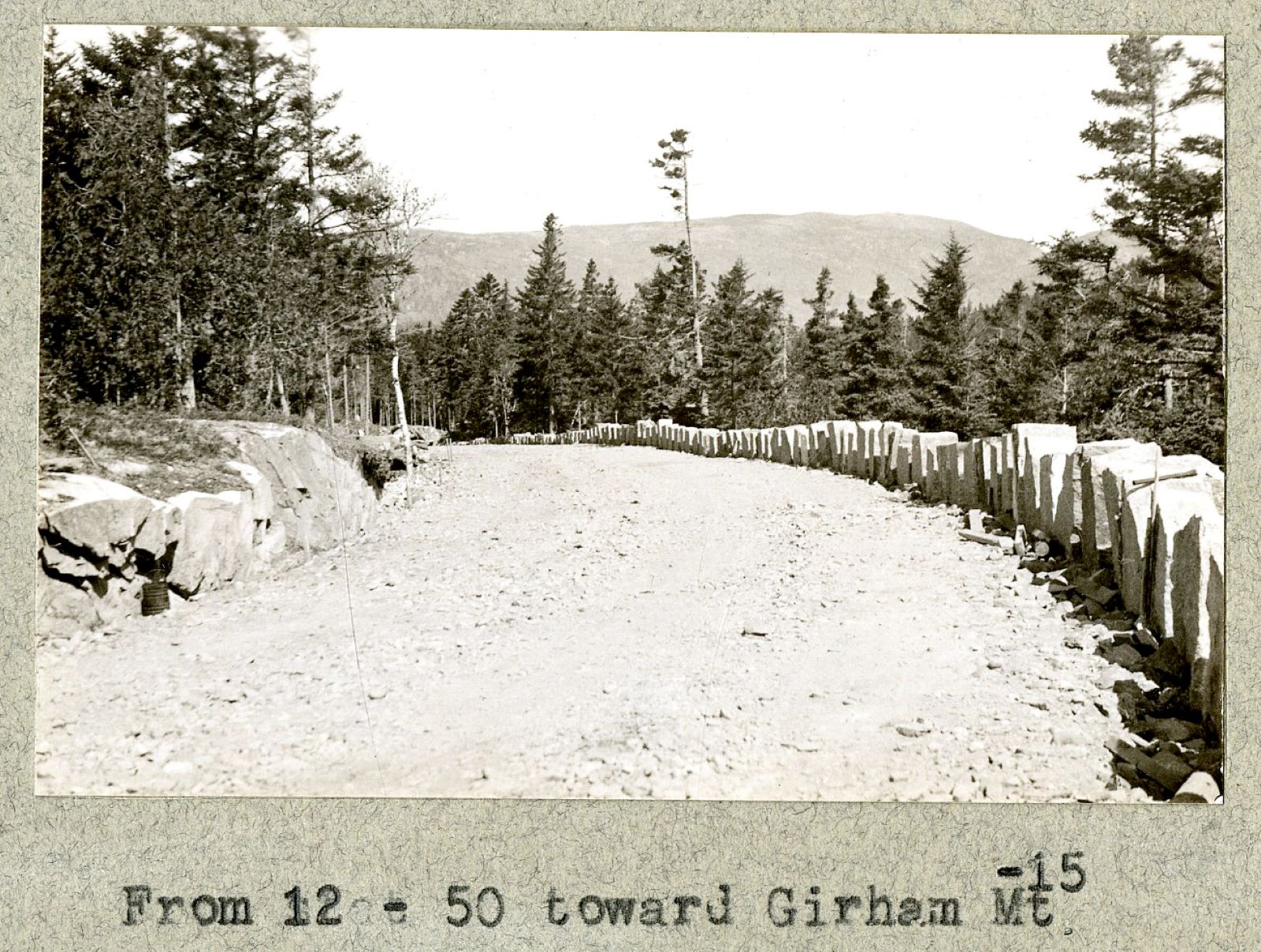
Acadia National Park: Carriage Roads, Cadillac Mountain & 2026 Guide
Discover carriage roads, Cadillac Mountain, and rugged Maine coast. Complete 2026 guide to Acadia National Park — trails, fees, lodging, permits, and what rangers recommend.
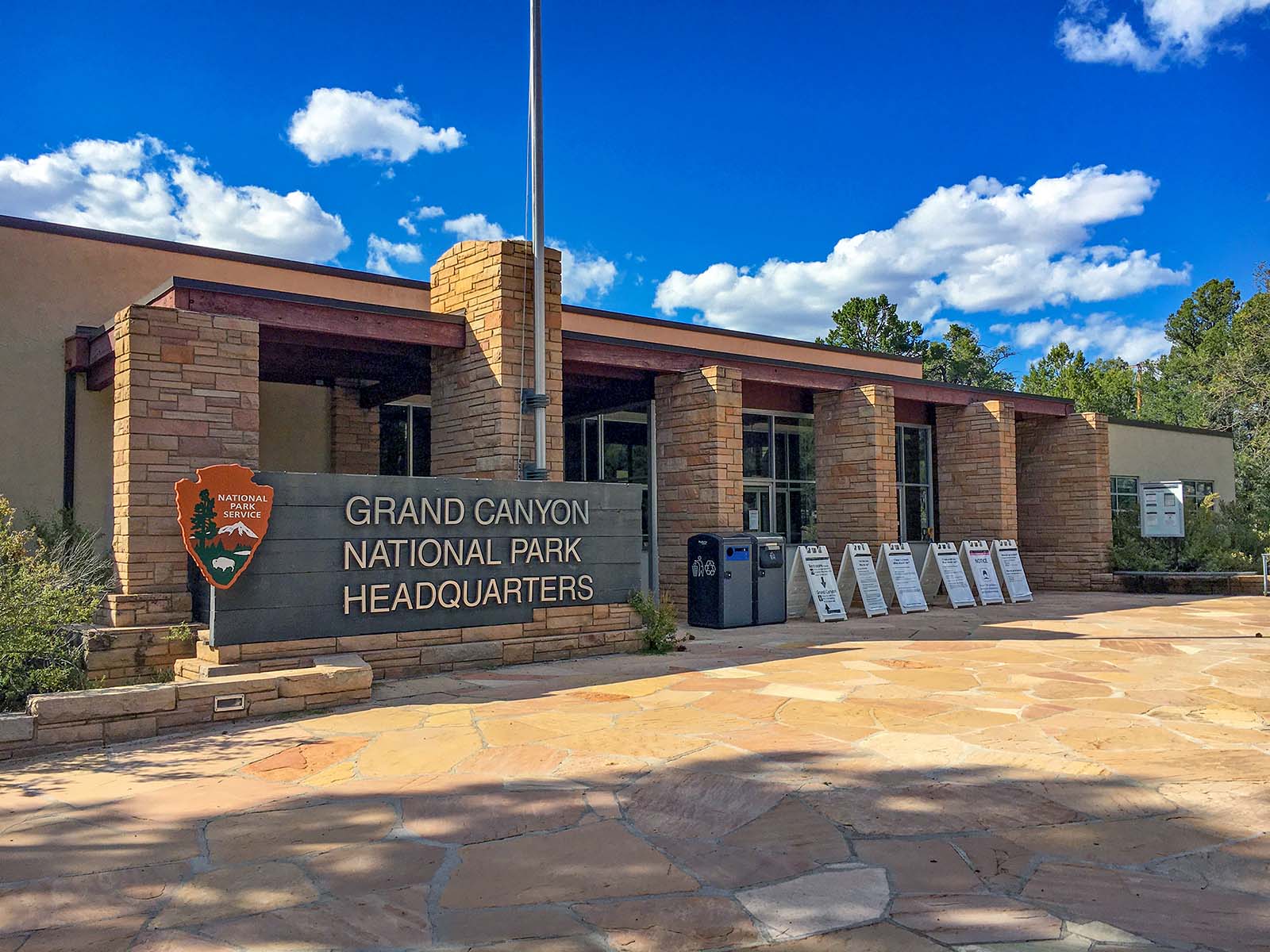
Grand Canyon Hiking Trails: Day Hikes, Water Sources & Rim to Rim
Compare Grand Canyon hiking trails: Bright Angel, South Kaibab, Hermit, Grandview, and rim to rim, with distances, elevation, water stops, and trailhead access for each.
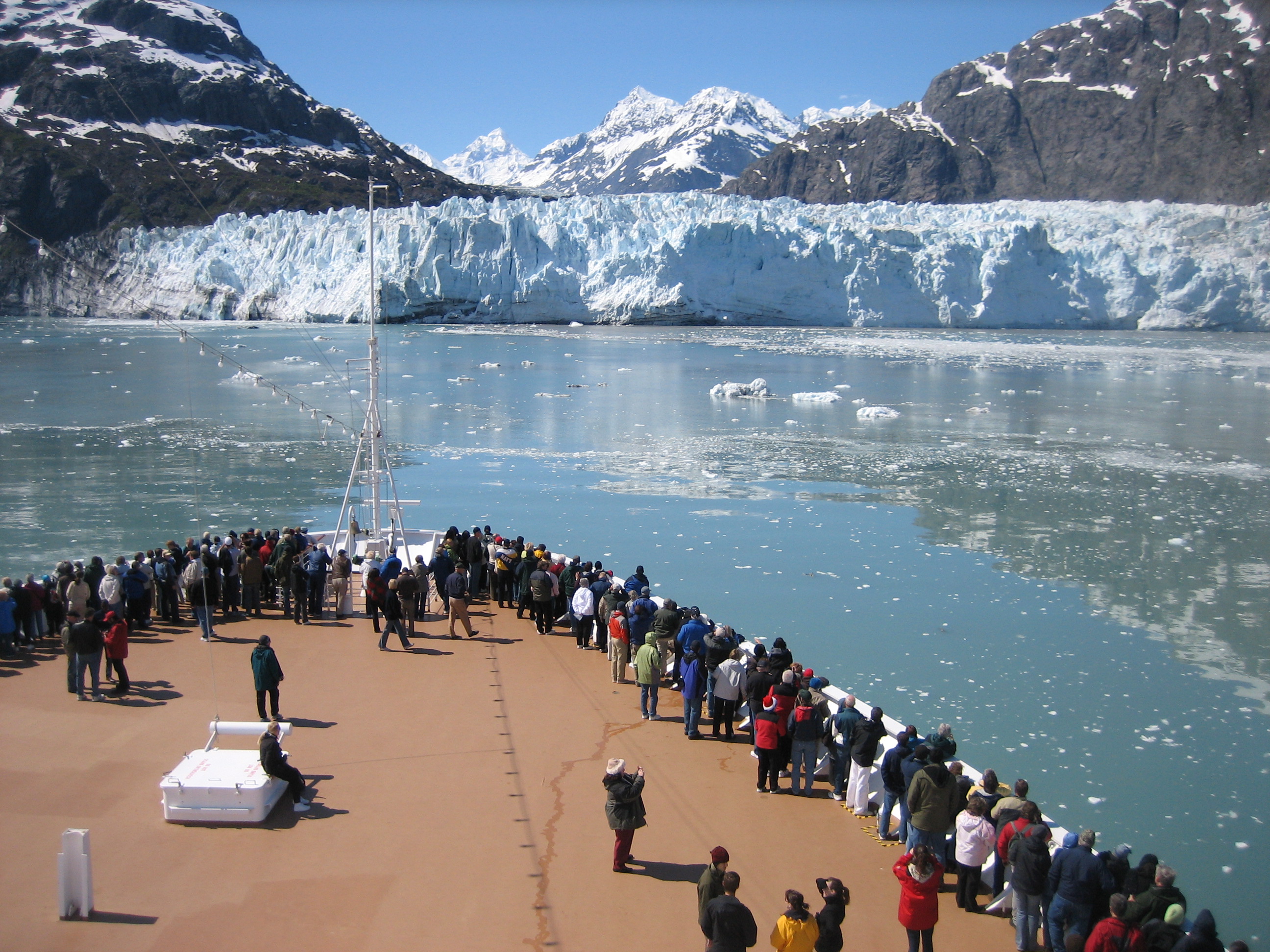
Best of Glacier Bay National Park
The best of Glacier Bay is reached by boat: ranger-led day tours up the bay to the tidewater glaciers. What's worth it, how to book, and when to go (2026).
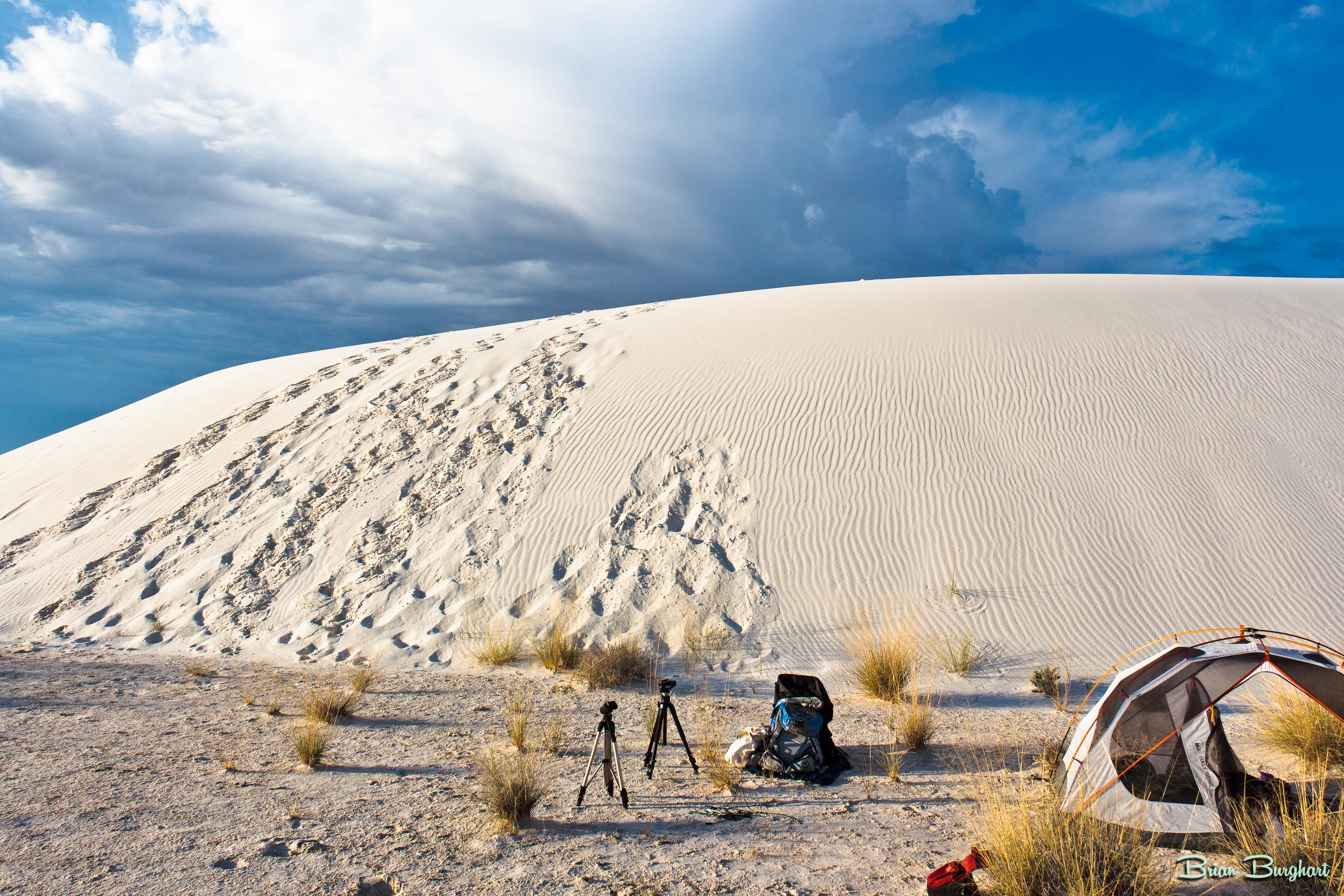
White Sands Backcountry Camping: Closed for 2026 — What to Know
As of 2026, backcountry camping at White Sands National Park is closed for site rehabilitation. What that means, and where to camp nearby instead.
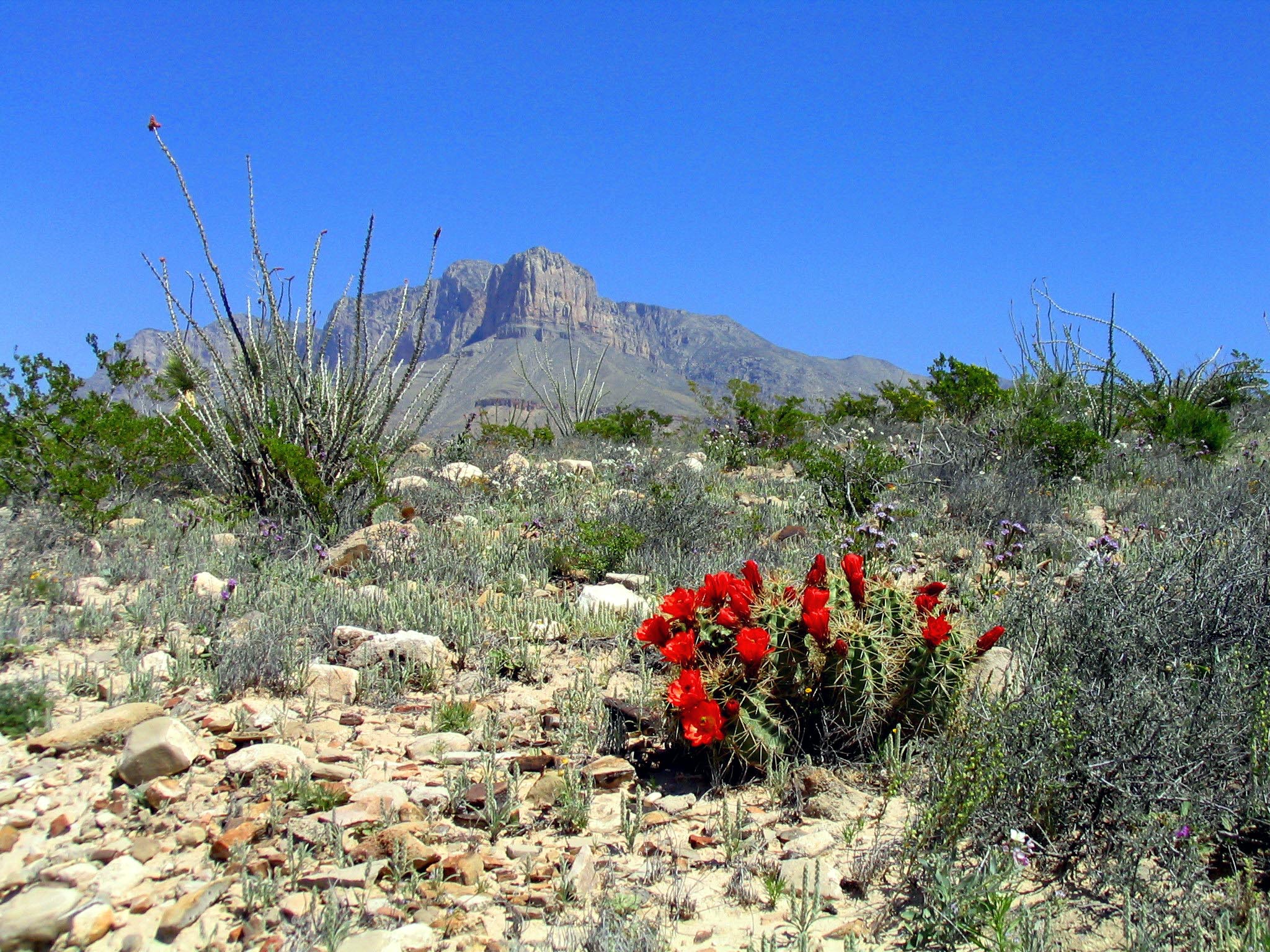
Guadalupe Mountains National Park Weather: Weather
Guadalupe Mountains National Park: weather guide guide updated 2026. Practical visitor information, reservations, and seasonal tips worth bookmarking before
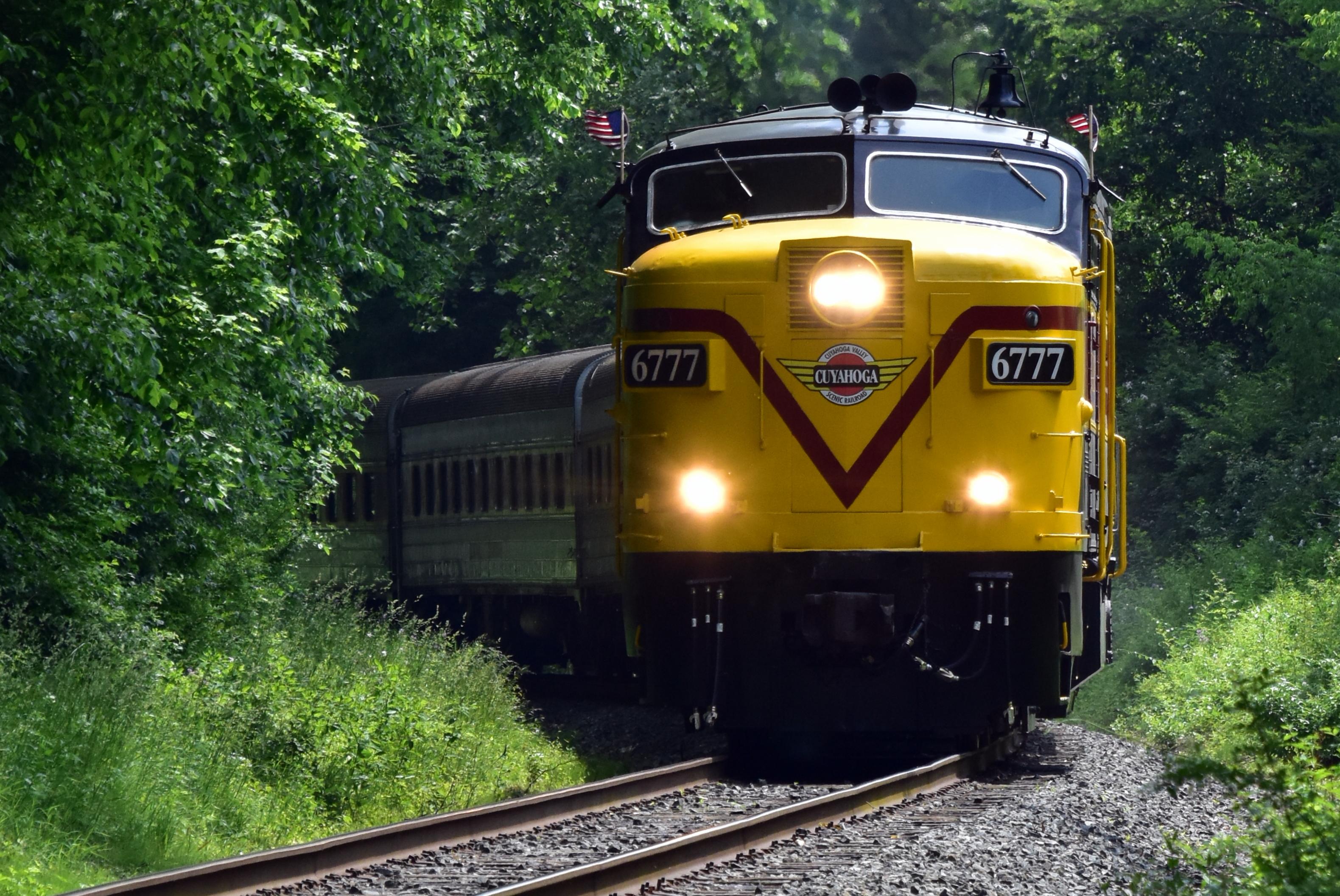
Best of Cuyahoga Valley National Park: Best Things to Do
Seeing a Cleveland Orchestra concert with the woods as your backdrop is a uniquely Cuyahoga Valley experience.
Sign in to join the conversation.
Sources & Attribution
Location data courtesy of the National Park Service (U.S. Department of the Interior). NPS data is public domain. Official NPS page.
Images: NPS; NPS; NPS; NPS; NPS.
Map data © OpenStreetMap contributors.
Park operations alerts: NPS.gov · Weather and weather hazards: National Weather Service · Live conditions.
Information may change. Always verify fees, hours, and conditions directly with the official source before visiting.
Did this guide help? Share it with a friend.