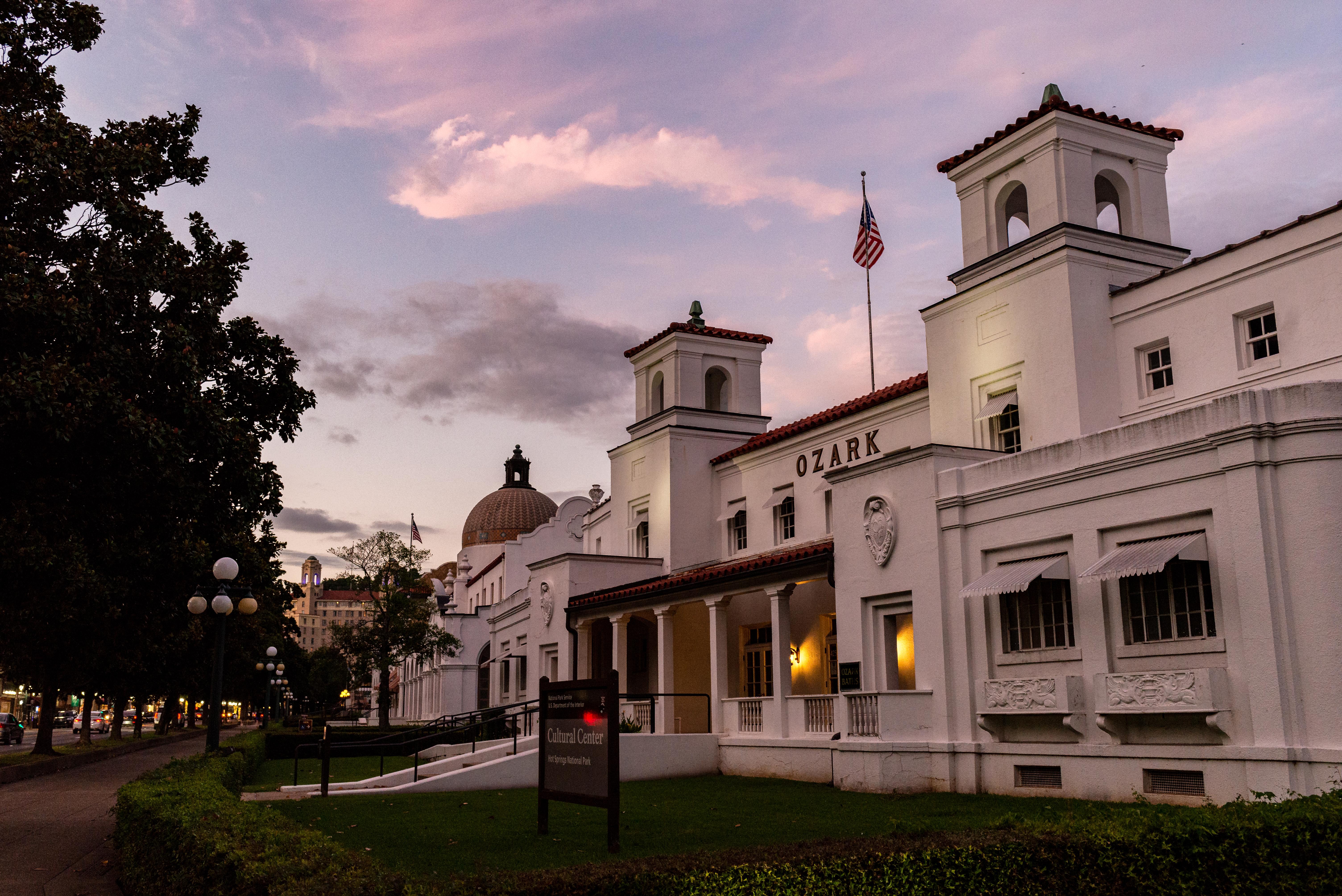
The most important fact about Hot Springs National Park weather is that the humidity makes every temperature feel more extreme. A 90°F day can feel like 110°F, and a 27°F morning can feel like 15°F. This isn't a remote wilderness park; you're in an urban forest where the heat radiates off historic brick and pavement, and the cold wind funnels down Central Avenue. Planning your visit means planning for the humidity first.
NPS via NPS.gov (Public Domain)
Hot Springs National Park Weather: Weather (2026 Guide)
7 min read
Weather Guide
Humidity makes 90°F feel like 110°F at Hot Springs National Park. Our 2026 guide explains how to plan for the urban heat and year-round moisture.
The Weather Reality
While Hot Springs lies in the Ouachita range, altitude isn't the climate driver—moisture is. Those thermal springs you've heard about are just the visible part of a vast hydrological system that keeps humidity high year-round. Don't trust the thermometer alone; in summer, watch the heat index, and in winter, pay attention to wind chill. Those are the numbers that determine whether you're comfortable or at risk.
Spring and fall bring the highest rainfall totals, but summer thunderstorms are frequent, intense, and can appear with little warning over the mountains. Winters are generally mild, but when Arctic air pushes south, the dampness makes the cold penetrate layers of clothing quickly. There's no "dry season" here. The air always has weight to it, a factor that shapes everything from trail conditions to how much water you'll need to drink on a hike.

Month by Month
January - February
Temperatures range from highs near 50°F to lows that can dip below freezing, with wind chills making it feel as cold as 15°F. Precipitation is moderate, often as cold rain or occasional light snow that rarely accumulates for more than a day. This is the quietest time in the park. All park roads and the Grand Promenade remain open, but you'll have Bathhouse Row largely to yourself. Wildlife is less visible, though you might spot deer moving through the bare hardwood forests. Trail conditions are often muddy. The challenge is the raw, damp cold. The reward is absolute solitude and seeing the steam from the thermal springs rise dramatically into the chilly air.
March - April
This is the peak rainfall period. Temperatures swing widely, from 40s to 70s. Sudden downpours are common. Crowds begin to increase, especially during spring break. This is the green-up period; the forest floor erupts with wildflowers like spring beauties and dogwood blossoms. Trails are at their muddiest, and creek crossings can be high. It's worth considering for the vibrant new growth and comfortable hiking temperatures between rains, but you must pack a serious rain jacket and accept that you might get wet.
May
A transitional month. Humidity begins its climb. Highs reach into the 80s, with lows in the 60s. Rain is still frequent but less torrential than early spring. Crowds are manageable before the summer surge. The forest is fully leafed-out, creating deep shade on trails. It's an excellent month for birding as migrants pass through. Trail conditions improve as things dry out. May offers a sweet spot of warm weather, lower crowds, and lush scenery before the summer heat locks in.
June - August
Summer here defines the Hot Springs experience, with all its intensity. Temperatures reach 90°F, but humidity pushes the heat index past 100°F, occasionally hitting 110°F. Nights bring little relief, with lows often stuck in the 70s. Expect afternoon thunderstorms almost daily—brief, heavy, and frequently lit by lightning. This is also when visitor numbers peak.
The heat dictates all activity. Hiking must start at dawn. The shaded hiking trails on Hot Springs or North Mountain provide some refuge, but the humidity is inescapable. Wildlife is active at dawn and dusk; you'll hear more birds and insects than you see mammals. The challenge is the oppressive heat. The reward is the full, steamy, vibrant life of the forest and the deep cultural tradition of seeking the springs in summer.
September - October
The heat breaks. September still has warm, humid days, but by October, highs are in the 70s with cooler nights. Rainfall increases again, particularly in late October. This is the most popular time to visit after summer, driven by fall foliage. The deciduous forests across the Ouachitas turn shades of yellow, gold, and red, usually peaking in late October. Crowds are significant on weekends. Trails are in good condition, though wet leaves can make rocks slippery. It's a premier time for comfortable hiking and photography, competing only with late spring for ideal conditions.
November - December
A return to cooler, quieter times. Highs range from the 40s to 60s, with colder nights. Precipitation is moderate. Crowds thin dramatically after Thanksgiving. The fall color gives way to a stark, open forest. It's a good time for long views from the mountain drives. Some facilities may have reduced hours. The challenge is the unpredictability - you could have a crisp, sunny 65°F day or a cold, rainy 45°F one. The reward is peaceful exploration and enjoying the thermal waters as the weather cools.

Best Times for Specific Activities
Hiking the Mountain Trails
The best windows are May and October. May offers lush greenery and wildflowers without peak heat. October provides reliable cool temperatures and fall color. Avoid midday hiking from June through August; if you must hike then, be on the trail at sunrise.
Wildlife Viewing
Spring (March-May) is best for birdwatching and seeing newborn deer. Early morning and late evening are the only productive times in summer due to the heat. The fall rut can make deer more visible in October and November.
Wildflower Peak
The main display occurs in April. Look for blooms along the sun-dappled edges of the forest and on the lower slopes.
Fall Color
Peak color typically arrives in late October. The best views are from the West Mountain Summit Drive or the Hot Springs Mountain Tower. Colors last longer here than in many northern parks, often stretching into early November.
Stargazing
November through February provides the longest nights and often the clearest skies, with less humidity to obscure the view. The park's urban setting means significant light pollution, but the mountain overlooks offer a better vantage than the city streets below.

What to Pack by Season
Spring (March-May): A waterproof, breathable rain jacket is non-negotiable. Pack moisture-wicking layers, as you'll move from a cool, damp morning to a warm, humid afternoon. Sturdy hiking boots with good traction for mud are essential. An extra pair of socks is always a good idea.
Summer (June-August): Think about moisture management from the skin out. Technical, sweat-wicking clothing head to toe. A wide-brimmed hat and high-SPF sunscreen are critical - the humidity intensifies UV exposure. Carry at least one liter of water per person for every two hours of planned activity. A lightweight, packable rain shell for afternoon thunderstorms. Footwear that drains and dries quickly if you're tackling the trails.
Fall (September-November): Layering is key. Mornings can be cool and foggy, afternoons warm. A light fleece, a long-sleeve shirt, and a wind-resistant layer will cover most scenarios. Traction on hiking shoes is important for leaf-covered trails.
Winter (December-February): The damp cold requires insulation that retains heat when wet. A wool or synthetic base layer, a warm mid-layer like fleece, and a windproof and water-resistant outer shell. Warm hat and gloves. While heavy winter boots aren't usually needed, waterproof hiking shoes are advisable for wet trails.

What the Forecast Doesn't Tell You
- The steam effect: On cool mornings, especially in fall and winter, the thermal springs produce massive amounts of steam that can shroud sections of Bathhouse Row and the Grand Promenade in fog. It's atmospheric but can reduce visibility on nearby trails.
- Microclimates on the mountains: The summit of Hot Springs Mountain can be 5-10 degrees cooler and significantly windier than Central Avenue downtown. Check the temperature at the trailhead, then assume it will drop as you climb.
- Lightning risk is localized and sudden: Summer storms can develop over one mountain while the sun shines on another. If you hear thunder, even in the distance, descend from exposed summates immediately. The rocky outcrops are lightning magnets.
- Pavement retains heat: The historic brick and asphalt around the bathhouses will radiate heat well into the evening on a summer day, making the urban core of the park feel hotter than the forested trails just a few hundred yards away.
- Hydration isn't optional: The combination of heat and humidity leads to profuse sweating that you might not notice. Dehydration and heat exhaustion are the most common visitor ailments in summer. Drink water consistently, not just when you feel thirsty.
- Winter access is reliable, but not the roads: While park roads to the summits are open year-round, they can temporarily close due to rare ice or snow events. The city of Hot Springs is quick to treat them, but closures at 8 AM can disrupt a morning plan.
Practical Takeaways
- For comfortable hiking, target May or October. Summer visits require a dawn-to-10-AM outdoor schedule.
- Pack for the "feels like" temperature, not the forecast high/low. Always include a rain layer and moisture-managing clothing.
- Your summer daypack must carry more water than you think you need. The gift shop sells it for a premium; bring your own.
- Use the park's urban setting to your advantage. If weather turns severe, you're minutes from shelter, unlike in remote wilderness parks.
- Check the park's official website or social media for real-time updates on road conditions during rare winter weather events.
- The thermal spring water is consistently 143°F year-round. The contrast between the hot water and cool winter air is a unique sensory experience.
- Remember that this is a compact, accessible park. If the weather isn't cooperating for a long hike, you can still experience its core by walking the sheltered Grand Promenade or visiting the historic bathhouse buildings.
For more details on navigating the park beyond the weather, consult the complete visitor guide.
For more information, see our complete National Park Guide.
Related: hot springs national park guide
Related: hot springs national park lodges guide
Sources
- Official source: NPS — Hot Springs National Park nps.gov/hosp/index.htm
Photo Gallery
More to Explore
Park Guide
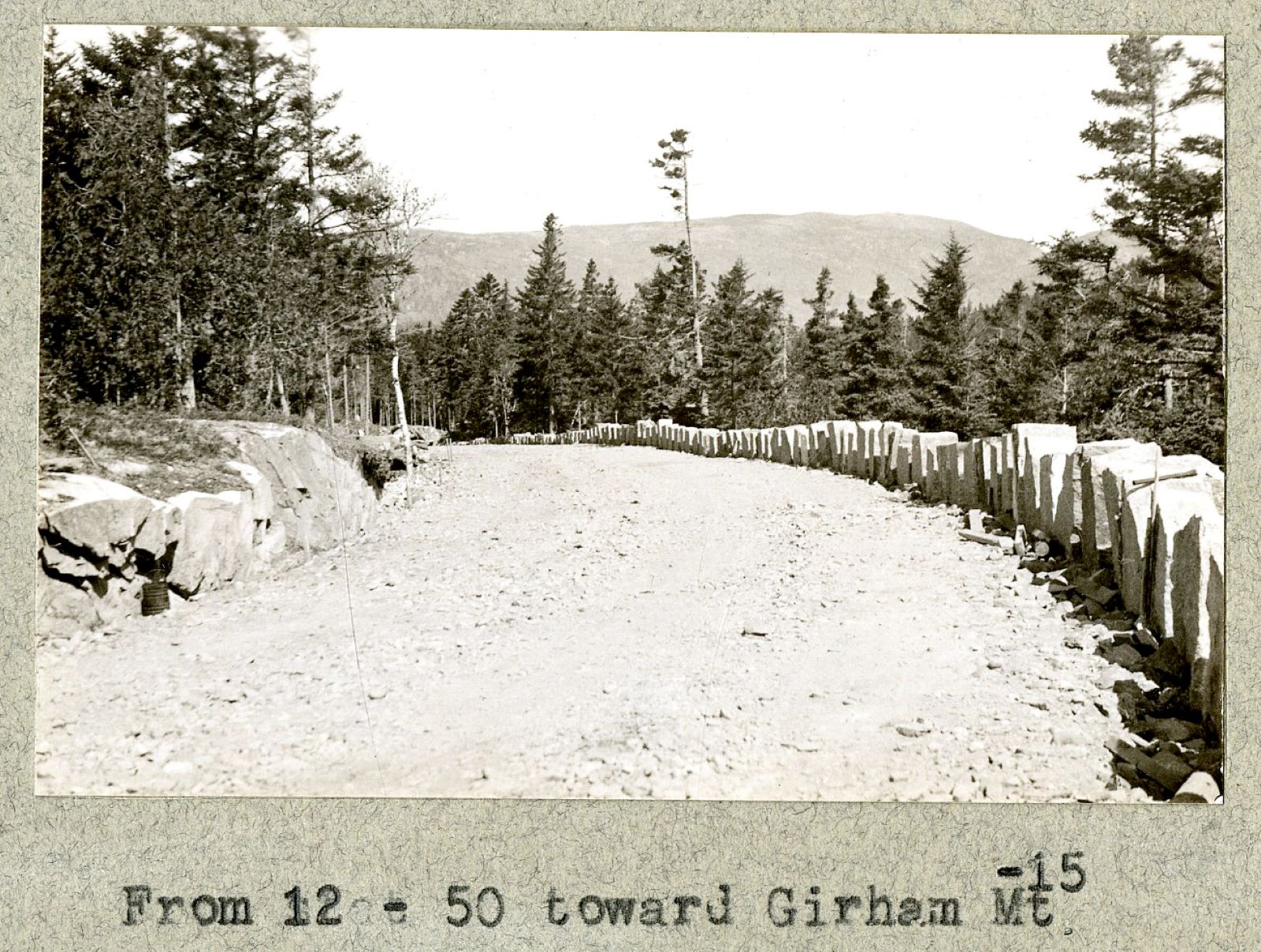
Acadia National Park: Carriage Roads, Cadillac Mountain & 2026 Guide
Discover carriage roads, Cadillac Mountain, and rugged Maine coast. Complete 2026 guide to Acadia National Park — trails, fees, lodging, permits, and what rangers recommend.
Hiking Guide
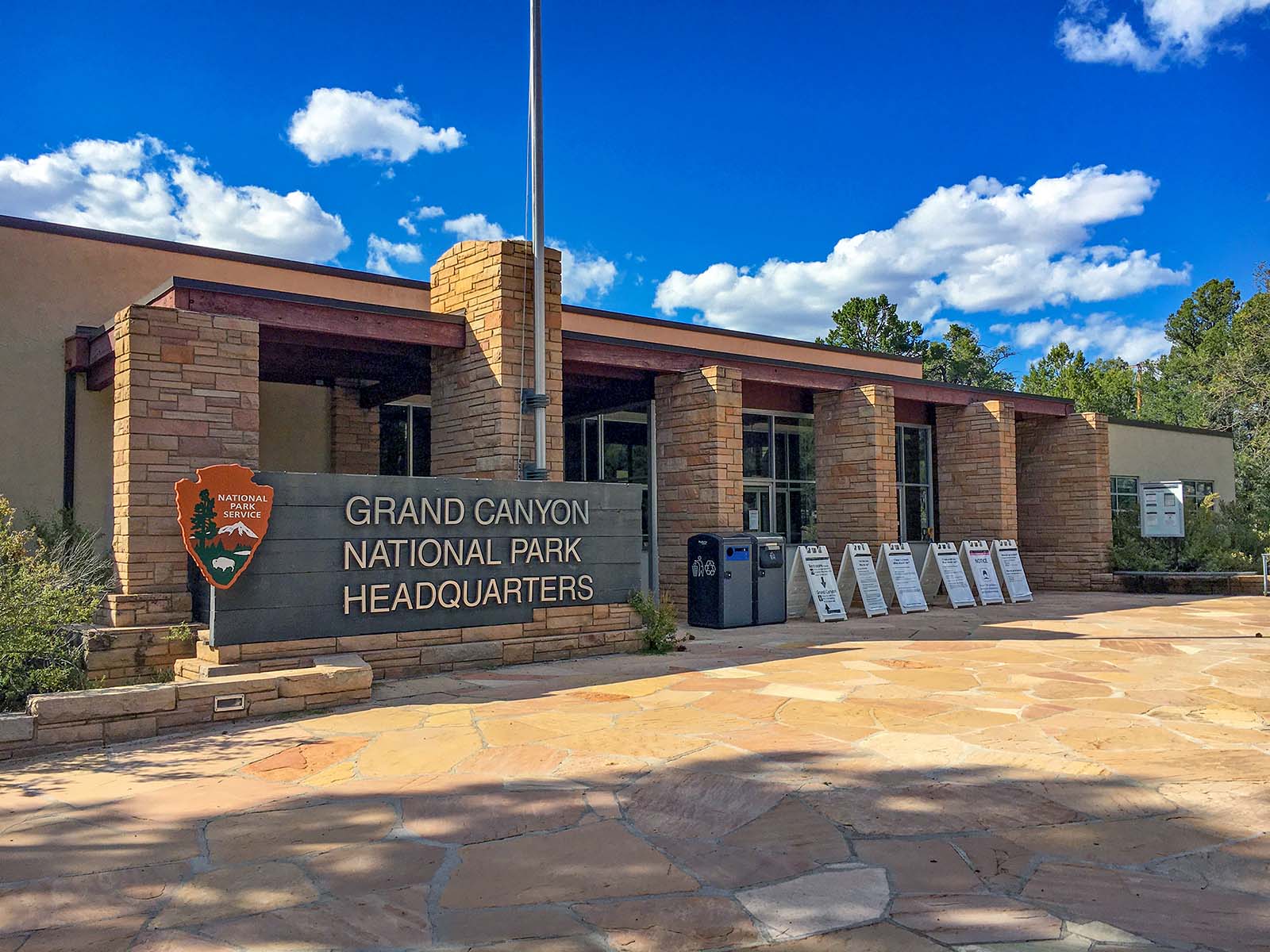
Grand Canyon Hiking Trails: Day Hikes, Water Sources & Rim to Rim
Compare Grand Canyon hiking trails: Bright Angel, South Kaibab, Hermit, Grandview, and rim to rim, with distances, elevation, water stops, and trailhead access for each.
Best Of
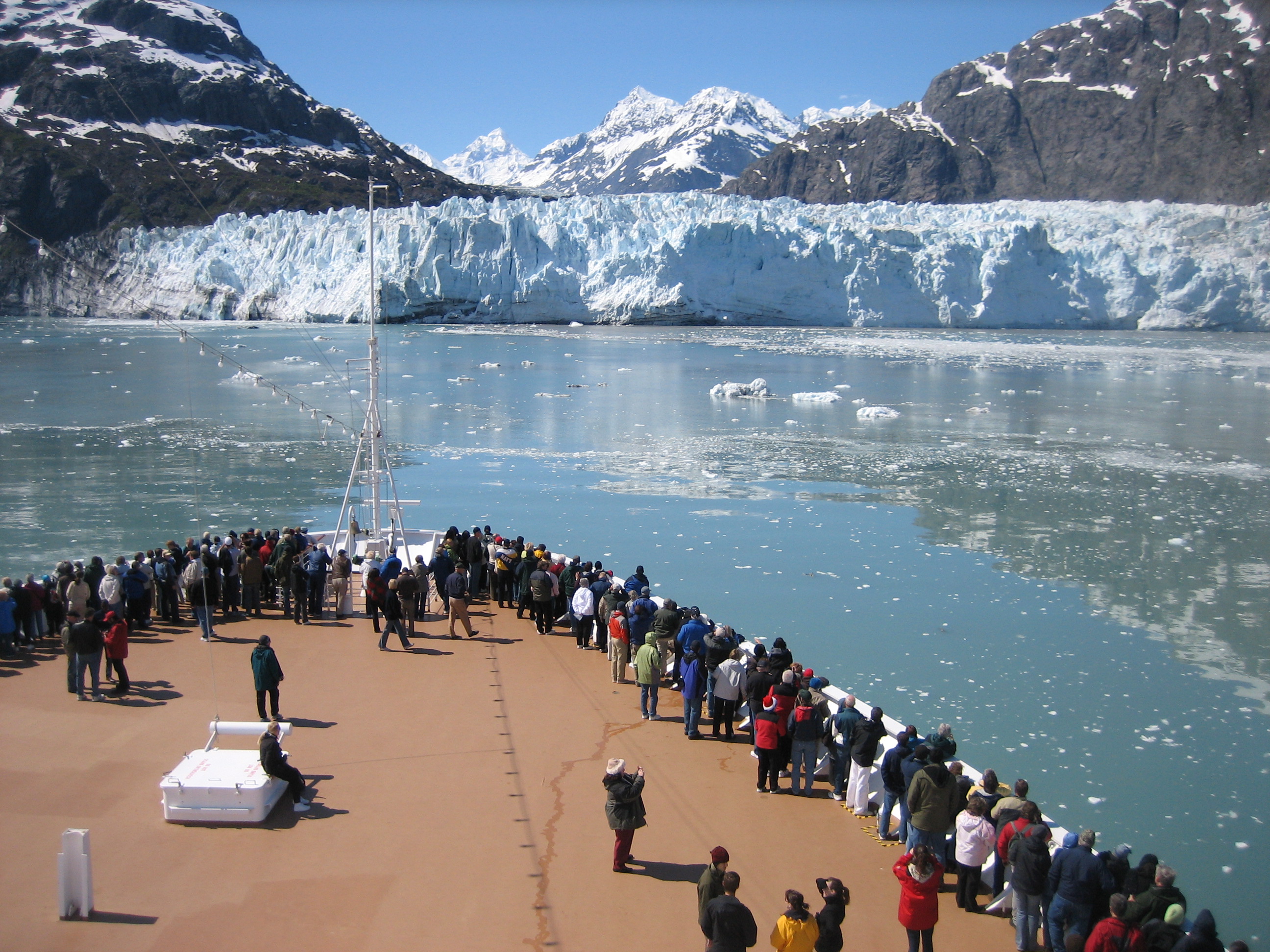
Best of Glacier Bay National Park
The best of Glacier Bay is reached by boat: ranger-led day tours up the bay to the tidewater glaciers. What's worth it, how to book, and when to go (2026).
Campsite Guide
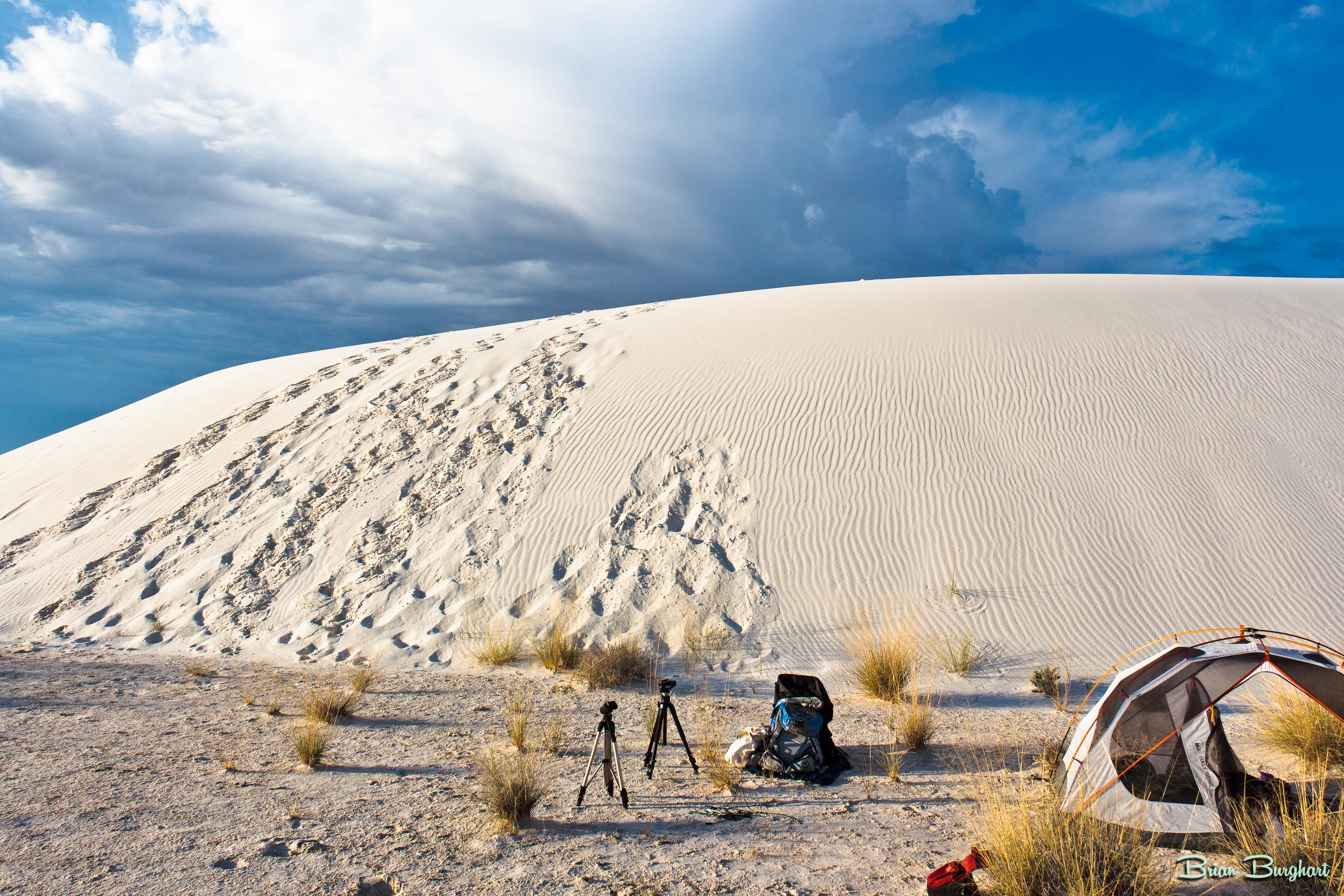
White Sands Backcountry Camping: Closed for 2026 — What to Know
As of 2026, backcountry camping at White Sands National Park is closed for site rehabilitation. What that means, and where to camp nearby instead.
Weather Guide
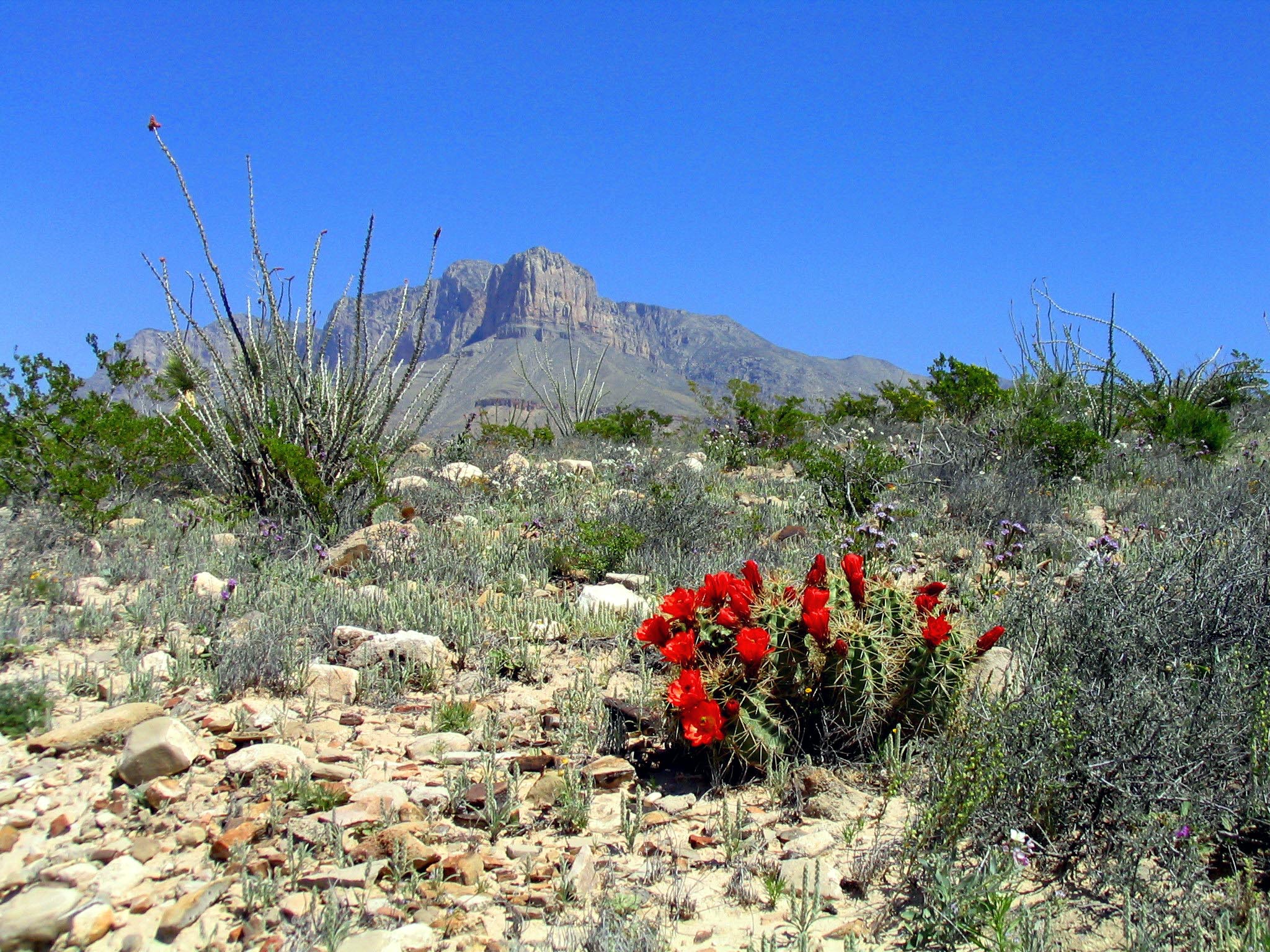
Guadalupe Mountains National Park Weather: Weather
Guadalupe Mountains National Park: weather guide guide updated 2026. Practical visitor information, reservations, and seasonal tips worth bookmarking before
Best Of
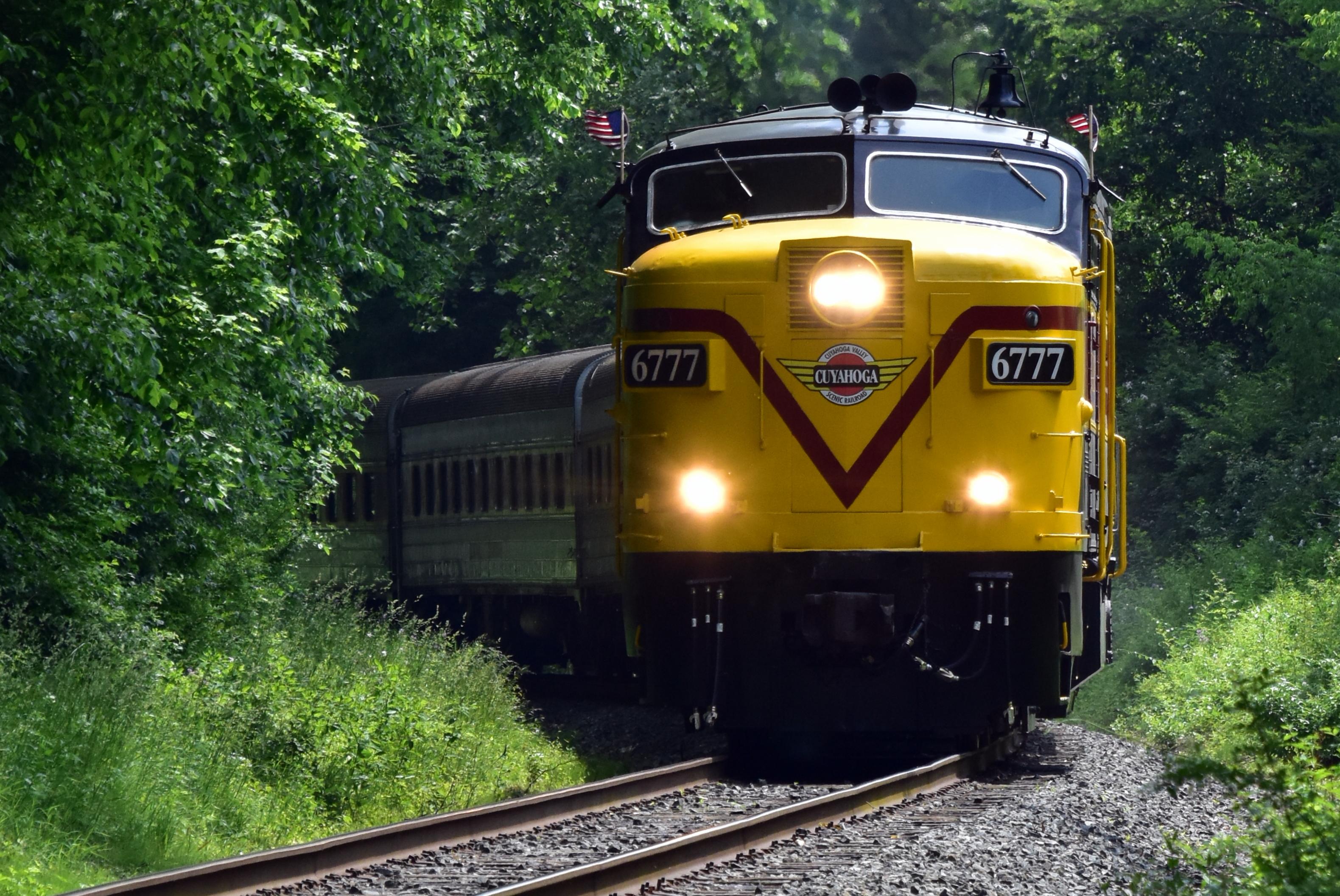
Best of Cuyahoga Valley National Park: Best Things to Do
Seeing a Cleveland Orchestra concert with the woods as your backdrop is a uniquely Cuyahoga Valley experience.
Sign in to join the conversation.
Sources & Attribution
Location data courtesy of the National Park Service (U.S. Department of the Interior). NPS data is public domain. Official NPS page.
Images: NPS; NPS; NPS; NPS; NPS.
Map data © OpenStreetMap contributors.
Park operations alerts: NPS.gov · Weather and weather hazards: National Weather Service · Live conditions.
Information may change. Always verify fees, hours, and conditions directly with the official source before visiting.
Did this guide help? Share it with a friend.